

Note: This article contains affiliate links. If you click on these links and make a purchase, I may earn a small commission at no extra cost to you. This helps support my research and content. Read my full affiliate disclosure here.
If you own a 2016-2021 Honda Civic, a healthy cooling system is essential to avoid overheating, maintain engine life, and preserve fuel efficiency. A failing radiator often shows up as persistent high temperature readings, coolant loss, or visible leakage. Replacing the radiator with a correct-fit unit that offers solid construction and good heat dissipation prevents recurring problems and reduces the chance of roadside breakdowns.This guide covers the top shortlisted radiators for the 2016-2021 Civic (FC and FK) and explains the evaluation criteria we used, including cooling performance, materials and build quality, and ease of installation. Use the information below to pick a replacement that matches your repair goals and driving conditions.
Looking for other parts? See all Honda Civic parts & accessories.
Top Picks at a Glance
| Best Overall The best all-around choice for most situations | KAX CU13583 Engine Cooling Radiator for 2016–2021 Civic 2.0L |  |
| Best Quality Built to a higher standard if you want something more solid | Mishimoto Performance Aluminum Radiator for Honda Civic 1.5T/2.0L (2016–2021) |  |
| Best Value The sweet spot between price and what you get | Readair Engine Coolant Radiator Assembly for Honda Civic 2016–2020 1.5L Turbo |  |
| Best Budget The cheapest option that still gets the job done reliably | KILOAUTO Aluminum Radiator for Honda Civic 1.5L (2016–2020) |  |
| Highest Rated A top-rated pick with lots of positive feedback | TRQ Radiator RDA80399 for 2016–2021 Honda Civic 2.0L (Aluminum Core, 1-Row) |  |
| Most Popular A crowd favorite that many people choose with confidence | SCITOO Radiator Replacement for 2016–2020 Honda Civic 1.5L |  |
| Best Seller A high-volume bestseller chosen again and again | SCITOO Aluminum Radiator Assembly for 2016–2020 Honda Civic 2.0L |  |
1. KAX CU13583 Engine Cooling Radiator for 2016–2021 Civic 2.0L

| Compatible vehicles | 2016–2021 Civic 2.0L |
|---|---|
| Core thickness | 5/8 in |
| Inlet diameter | 1-1/4 in |
| Outlet diameter | 1-1/4 in |
| Manufacturer part number | 5174RDT003KUS |
This KAX replacement radiator is built as a direct fit for 2016–2021 Civic 2.0L engines and is intended to replace the factory unit with minimal modification. It uses a high-density, multi-louvered fin aluminum core and precision TIG welding to improve heat transfer and resist leaks. The plastic tanks are reinforced (PA66 GF30) and the unit is tested for leaks and durability, which helps ensure long-term performance when cooling demand is normal to moderately heavy. Core dimensions and inlet/outlet diameters match the listed OEM references for a straightforward installation; reinforced packaging reduces risk of shipping damage. Buyers should expect a factory-style restoration rather than a performance upgrade because core thickness and construction prioritize compatibility and reliability over extreme cooling capacity. Professional installation is recommended to avoid fitment or hose alignment issues, and the part carries a stated two-year quality support promise from the maker.
Best for: Buyers seeking a reliable, factory-style replacement to restore cooling reliability on a 2016–2021 Civic 2.0L and who prioritize fitment accuracy and long-term durability.
Less Ideal for: Drivers looking for a high-capacity performance radiator for track use or heavy towing should consider purpose-built performance cores instead.
- Direct-fit for 2016–2021 Civic 2.0L with matching inlet/outlet sizing for easier installation
- High-density multi-louvered fins and aluminum core for improved heat dissipation over aged units
- Precision TIG welding and leak-tested construction to reduce risk of coolant loss
- Reinforced packaging reduces chance of shipping damage and deformation
- Manufacturer provides two-year quality support and after-sales assistance
- Not engineered as a high-performance or heavy-duty upgrade compared with larger-capacity aftermarket radiators
Verdict: A practical, factory-matching replacement that restores reliable cooling for 2016–2021 Civic 2.0L owners who want fit-first, dependable performance.
2. Mishimoto Performance Aluminum Radiator for Honda Civic 1.5T/2.0L (2016–2021)

| Compatible models | Honda Civic 1.5T/2.0L 2016–2021 |
|---|---|
| Core thickness | 36 mm two-row core |
| Cooling improvements | 31% increase in core volume; 36% more external fin area |
| Construction | All-aluminum core with TIG-welded end tanks |
This Mishimoto performance aluminum radiator replaces the factory unit on 10th‑gen Honda Civics to provide stronger, more consistent cooling under spirited driving. Designed as a direct-fit drop‑in, it uses a 36mm two-row core with engineered fins and TIG‑welded aluminum end tanks to boost heat transfer and resist distortion. In testing and real-world use the radiator increases coolant capacity and external fin surface area compared with stock, which lowers operating temperatures and speeds coolant recovery after hard runs. Practical features include a high‑pressure cap to raise coolant boiling point and a magnetic drain plug to trap metal debris. Installation is intended to use factory mounting points and hardware, making it suitable for weekend upgrades or track prep without heavy fabrication. The trade-offs are typical for a performance unit: it is larger and heavier than stock and aimed at enthusiasts seeking improved thermal performance rather than a minimal-cost replacement.
Best for: Enthusiasts who push their Civic on track days or drive aggressively on the street and prioritize lower coolant temps and consistent thermal performance.
Less Ideal for: Drivers looking only for the cheapest like-for-like replacement or those who never exceed stock cooling demands should consider standard replacement radiators instead.
- Direct-fit design for 2016–2021 Civic 1.5T/2.0L for straightforward installation
- 36mm two-row aluminum core with increased fin area for better heat transfer
- TIG-welded aluminum end tanks and brazed core for improved durability and reduced distortion
- Magnetic drain plug and high-pressure radiator cap add practical protection and higher coolant boiling point
- Larger, heavier unit compared with stock which may affect handling of packaging or removal/installation logistics
Verdict: Choose this Mishimoto radiator when you need a drop-in, track-capable cooling upgrade to keep 10th‑gen Civic engines running cooler under sustained high load.
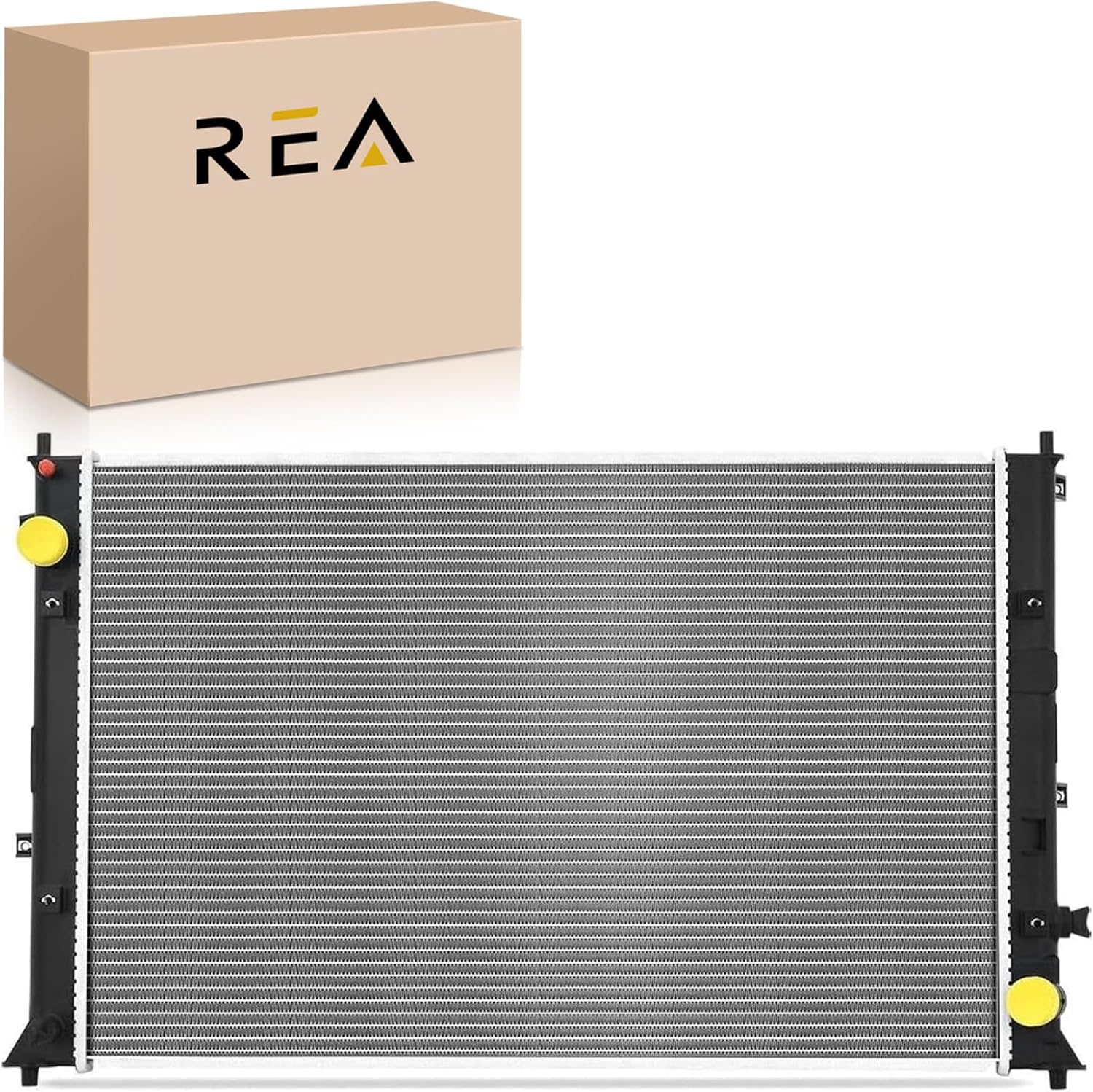
3. Readair Engine Coolant Radiator Assembly for Honda Civic 2016–2020 1.5L Turbo
| Fitment | 2016–2020 Honda Civic L4 1.5L |
|---|---|
| Core Thickness | 1 inch |
| Core Height | 26.6 inch |
| Core Width | 17.2 inch |
| Transmission Oil Cooler Included | No |
This Readair radiator is a straightforward factory-style replacement for the 1.5L turbo Honda Civic from 2016 through 2020. It replaces the original unit with an aluminum core and reinforced plastic tanks, and it is supplied without transmission or engine oil coolers so installation follows the stock plumbing. Construction details such as TIG-welded joints and a treated coating are aimed at corrosion resistance and longer service life, and the product is leak-tested before shipping. In practice it serves as a like-for-like swap during a cooling-system rebuild or radiator failure, restoring proper coolant flow and temperature control. Buyers should note the unit omits integrated oil coolers and relies on the vehicle's existing fittings, and professional installation is recommended to ensure correct bleeding and hose connections. The included two-year unlimited-mileage guarantee and manufacturer support add confidence for drivers who want a durable, OEM-style replacement without performance modifications.
Best for: A practical buyer who needs a reliable, factory-style replacement radiator to restore proper cooling on a 2016–2020 Civic 1.5L turbo without upgrades or modification.
Less Ideal for: Not a good choice for owners seeking performance cooling upgrades, racing applications, or vehicles that require an integrated oil cooler in the radiator.
- Direct-fit design for 2016–2020 Honda Civic 1.5L turbo for straightforward replacement
- Aluminum core with TIG-welded joints for improved strength and corrosion resistance
- Leak-tested assembly with treated coating to reduce early failure risk
- Two-year unlimited-mileage guarantee and manufacturer support for added peace of mind
- Does not include transmission or engine oil coolers, so vehicles requiring those must reuse factory coolers or source separately
Verdict: Choose this Readair radiator when you want a sturdy, direct-fit factory-style replacement to reliably restore cooling on a 2016–2020 Honda Civic 1.5L turbo.
4. KILOAUTO Aluminum Radiator for Honda Civic 1.5L (2016–2020)

| Fitment | Honda Civic 1.5L 2016-2020 |
|---|---|
| Manufacturer | KILOAUTO |
| Material | Aluminum |
| OEM number | 13582 |
This KILOAUTO aluminum radiator is a direct replacement for the Honda Civic 1.5L (2016–2020) and is built to match factory cooling performance while staying budget-friendly. It uses multi-louvered fins and a machined exterior to improve heat dissipation and durability compared with basic core designs. Installation is intended to be a straightforward bolt-on swap using the same mounting points as the original unit, so a competent DIYer or a shop can complete the job without major modifications. The product description lists the OEM number for fit confirmation and emphasizes leak resistance and reliable cooling in varied temperatures. Keep in mind this is an aftermarket part from a lesser-known brand, so long-term durability and exact factory match of every clip or bracket may vary compared with higher-end replacements. For owners who need an affordable, functional radiator replacement that gets the Civic back on the road quickly, this offers a practical balance of performance and price.
Best for: Buyers who prioritize a low-cost, functional radiator replacement to restore reliable cooling on a 2016–2020 Honda Civic 1.5L and prefer a near-factory fit without paying for premium brands.
Less Ideal for: Those seeking an OEM-branded part, guaranteed long-term warranty support, or perfect factory-matching cosmetic details should consider higher-end or dealer options instead.
- Direct-fit design matches the 2016–2020 Civic 1.5L mounting and OEM number for easy installation
- Aluminum construction with multi-louvered fins improves heat dissipation over basic cores
- Advertised as leak-resistant and durable across varied temperatures
- Lower-cost aftermarket option compared with dealer or premium replacements
- Brand is less established so long-term reliability and exact bracket/clip compatibility can vary
Verdict: A cost-conscious, direct-fit aluminum radiator that restores factory-style cooling for 2016–2020 Honda Civic 1.5L owners without the premium price.
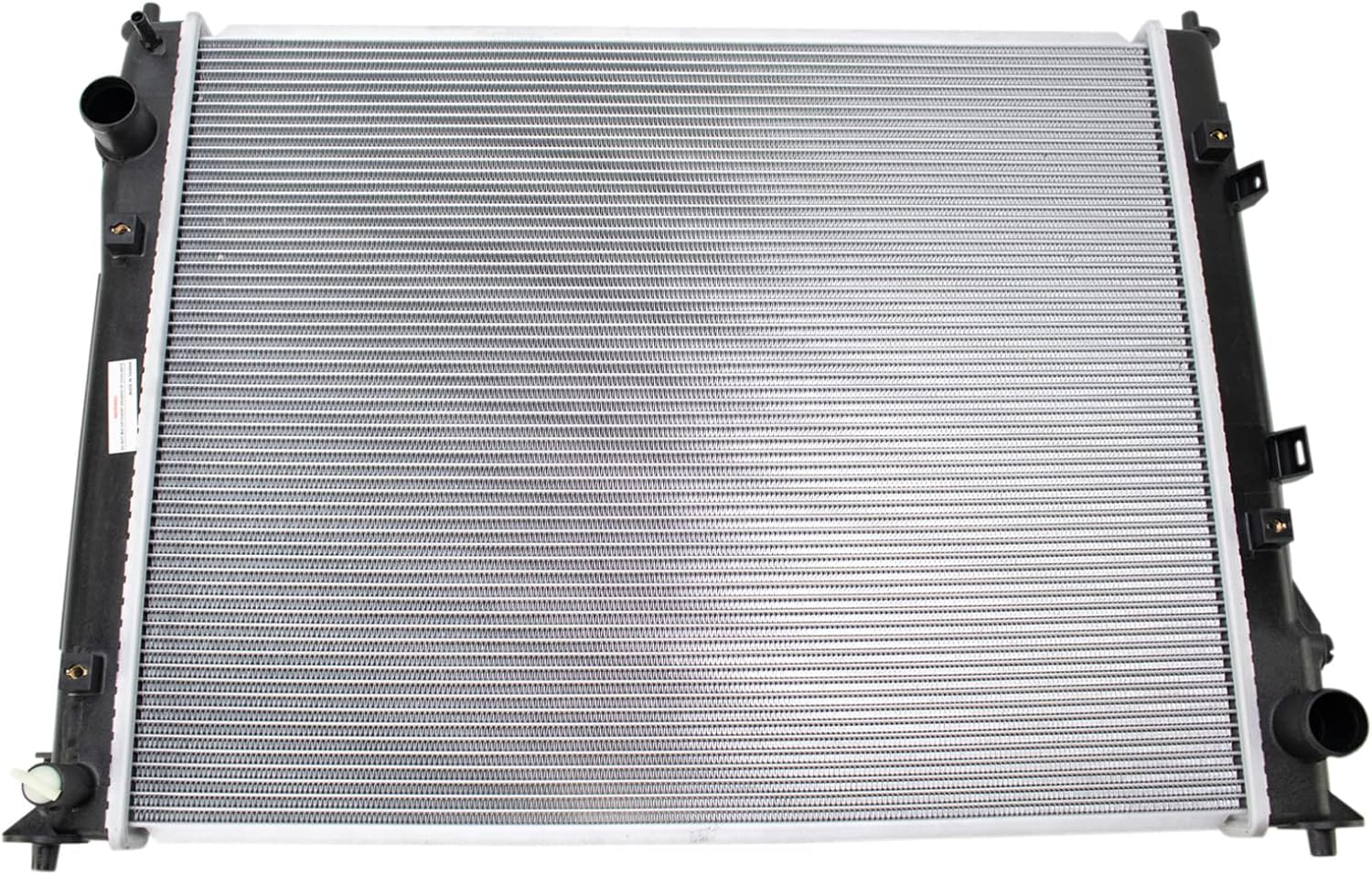
5. TRQ Radiator RDA80399 for 2016–2021 Honda Civic 2.0L (Aluminum Core, 1-Row)
| Core Row Quantity | 1 |
|---|---|
| Core Thickness | 0.63 in |
| Core Material | Aluminum |
| Inlet Diameter | 1.25 in |
| Outlet Diameter | 1.25 in |
The TRQ RDA80399 is a direct-replacement radiator designed for 2016–2021 Honda Civic 2.0L sedans and coupes that use the Toyo-style radiator. It uses a one-row aluminum core with plastic end tanks and top/bottom inlet and outlet placements that mirror the factory unit, so installation is typically a straightforward swap using existing mounts and hoses. Notable features include a 0.63 inch core thickness, 1.25 inch inlet and outlet diameters, and cross-flow design for consistent coolant routing. In practice this delivers reliable temperature control for everyday driving and highway use while keeping cooling system complexity low. Buyers will appreciate TRQ's pre-assembled fitment and the abundance of installation videos that make DIY replacement easier. On the downside some buyers report minor fitment differences with fan panels or mounting tabs on rare chassis variants and the part does not include a radiator cap or internal oil/transmission coolers, so expect to reuse those items from the original radiator. For reliability-focused owners this unit balances factory-like fit and solid thermal performance without added features beyond a plain replacement radiator.
Best for: Buyers who prioritize dependable, factory-style cooling and want a straightforward, mostly drop-in replacement for a Civic 2.0L with minimal fuss and DIY-friendly support.
Less Ideal for: Drivers who need integrated oil or transmission coolers, a multi-row performance radiator, or those converting to upgraded cooling setups should consider other options.
- Direct-fit design matches factory mounting points for a mostly bolt-in replacement.
- Aluminum single-row core offers solid heat transfer for normal driving and towing light loads.
- Pre-assembled unit reduces install time and simplifies DIY replacement.
- Comprehensive online installation videos and widespread user reports of good fitment and performance.
- Does not include radiator cap or integrated engine/transmission oil cooler components.
- A few users reported minor misalignment with fan panel anchors or mounting tabs on some chassis variants.
Verdict: A reliable, factory-style single-row aluminum radiator that delivers straightforward drop-in cooling performance for 2016–2021 Honda Civic 2.0L owners focused on durability.
6. SCITOO Radiator Replacement for 2016–2020 Honda Civic 1.5L

| Compatible years and engine | 2016–2020 Honda Civic 1.5L |
|---|---|
| Brand | SCITOO |
| Model | 171408 |
| Item weight | 6.97 pounds |
This SCITOO radiator is built as a direct replacement for the 1.5L Civic models from 2016 through 2020 and is intended to restore the vehicle's cooling system without modifications. It uses a high-density fin core and pressurized design to improve heat dissipation and raise coolant boiling point, which helps maintain stable engine temperatures under normal driving. Installation is advertised to match factory shape and mounting points so most installs are straightforward for a DIYer or tech familiar with Civic cooling work. Customer reports show many units fit well and cool effectively, though a minority experienced missing or incorrect molded clips and occasional broken tabs that required fabrication or reuse of old fasteners. That means buyers should inspect mounting hardware on arrival and be prepared to transfer clips or do minor adjustments. The unit omits engine and transmission oil coolers, so it is a straight coolant radiator only. For drivers seeking a cost-effective factory-style replacement, this radiator delivers solid cooling performance when the fit and mounting parts are correct.
Best for: Buyers who want an affordable, factory-style radiator that restores cooling function with minimal modification and who prioritize social proof from other owners when choosing a replacement part.
Less Ideal for: Do not choose this if you want a radiator with integrated oil coolers or if you cannot or will not reuse or fabricate mounting hardware when clips are incorrect or missing.
- Built to match factory size and mounting pattern for 2016–2020 Civic 1.5L for straightforward replacement
- High-density fin core and pressurized design improve heat dissipation and cooling stability
- Many buyers report good fit and reliable cooling performance after installation
- Some units have missing or incorrectly sized molded mounting clips or broken tabs requiring fabrication or reuse of old hardware
- Does not include engine oil cooler or transmission oil cooler functionality
Verdict: A cost-effective, direct-fit replacement radiator for 2016–2020 Civic 1.5L owners who want reliable cooling restoration backed by many positive user experiences.
7. SCITOO Aluminum Radiator Assembly for 2016–2020 Honda Civic 2.0L

| Fitment | 2016–2020 Honda Civic 2.0L |
|---|---|
| Inlet Diameter | 1 1/4in |
| Outlet Diameter | 1 1/4in |
| Transmission Oil Cooler Included | No |
| Engine Oil Cooler Included | No |
This SCITOO radiator is a model-specific aluminum replacement intended to swap into 2016–2020 Honda Civic 2.0L engines. It replaces the factory radiator and uses 1 1/4 inch inlet and outlet ports; no transmission or engine oil coolers are integrated. In practice it installs like a factory part when fitment is correct and includes rubber lower grommets and basic mounting locations, so most DIYers or independent shops can complete the job without custom modifications. Customers report generally good fit and improved cooling over a leaking old unit, though some buyers note thinner material and lower perceived build quality compared with factory parts and a missing radiator cap in the package. The product is backed by responsive seller support for replacement when fitment issues occur. For risk-averse buyers this performs as an affordable, direct replacement when you confirm the vehicle year and trim, but expect budget construction and verify included accessories before starting the job.
Best for: Buyers who want a cost-effective, model-specific replacement that fits and functions like a factory radiator and value straightforward installation and seller support.
Less Ideal for: Shoppers seeking a heavy-duty or OEM-grade long-term upgrade, factory-identical materials, or a radiator with integrated oil or transmission coolers should consider other options.
- Built for 2016–2020 Honda Civic 2.0L with model-specific mounting points for direct replacement.
- Aluminum core offers good heat transfer compared with plastic-core aftermarket units.
- Includes rubber lower grommets and standard mounting locations for straightforward installation.
- Seller support has replaced mismatched units quickly in reported cases.
- No transmission or engine oil cooler integrated, so it does not replace combined cooler assemblies.
- Some buyers report thinner materials and lower build quality than factory radiators.
Verdict: A budget-friendly, direct-fit aluminum replacement that restores cooling for 2016–2020 Civic 2.0L owners who prioritize correct fit and a straightforward install.
Choosing the Right 2016-2021 Honda Civic Radiator: Key Factors to Consider
Core Construction and Materials
Core construction determines how effectively the radiator moves heat away from the coolant. Aluminum cores paired with welded tanks typically offer better thermal conductivity and longer service life than older copper-brass assemblies in comparable designs. Plastic tanks are common because they reduce cost and weight, but they are more prone to cracking from thermal cycling, so pay attention to reinforcement and tank design.
For the 2016-2021 Civic, a robust aluminum core with durable tank interfaces reduces the chance of early leaks and helps maintain cooling capacity under stop-and-go and highway driving. Inspect whether the radiator uses brazed or soldered joints and whether fins and tubes are dense enough for your typical driving environment; denser fins increase heat exchange but can be more susceptible to clogging from debris.
Cooling Efficiency and Core Size
Cooling efficiency is a function of core surface area, fin density, and tube design. A larger or thicker core can dissipate more heat, which matters if you frequently tow, drive in hot climates, or push the engine with spirited driving. However, oversized cores can also interfere with fitment or impact airflow to other front-mounted components.
For Civic owners, choose a radiator that preserves proper airflow to the cooling fan and AC condenser, and that matches the factory height and thickness to avoid clearance issues. Look for specifications that list core height, thickness, and tube count so you can compare expected heat rejection without deviating from stock installation geometry.
Fitment and Connector Compatibility
Correct fitment is essential to keep installation straightforward and to avoid secondary failures. The radiator must align with factory mounting points, support fan shroud alignment, and match inlet and outlet hose diameters and positions to prevent stress on hoses and clamps. Mismatched fittings can cause leaks or require cutting hoses, which reduces reliability.
When choosing a replacement for the 2016-2021 Civic, confirm that the radiator supports the vehicle's factory transmission cooler connections if equipped, and that sensor ports or mounting tabs line up with existing hardware. Check whether any brackets, grommets, or bushings are included and whether they match Civic-specific locations.
Durability and Corrosion Resistance
Radiators are exposed to coolant chemistry and road contaminants, so corrosion resistance influences lifespan. Look for protective finishes, corrosion inhibitors in the manufacturing process, and materials that tolerate modern coolant formulations. Reinforced seams and high-quality seals reduce the chance of slow leaks that are difficult to diagnose.
For a 2016-2021 Civic, prioritize radiators with proven resistance to tank warping and seam failure, particularly if the vehicle sees seasonal salt or high-humidity environments. Warranty terms and documented quality standards provide additional assurance of long-term durability.
Serviceability and Installation Ease
A radiator that is easy to install reduces labor time and the risk of installation-related damage. Clear inlet and outlet locations, preinstalled fittings, and inclusion of mounting hardware or grommets simplify replacement. Compatibility with factory hoses and sensors avoids the need for adapters and custom work.
Consider whether the radiator allows for straightforward coolant draining and refilling and whether it supports routine maintenance tasks like coolant flushes. For Civic owners doing their own work, plug-and-play fitment and straightforward bleed procedures make a big difference in turnaround time and leak risk.
Transmission Cooler Integration and Auxiliary Connections
Some Civic configurations include integrated transmission coolers or require additional oil cooler lines. If your vehicle has an automatic transmission or added accessories that rely on front-mounted cooling, ensure the replacement radiator either includes the correct cooler passages or can accept an external cooler. Incorrect integration risks transmission overheating or fluid leaks.
Verify the presence and positioning of cooler ports, the size of fittings, and whether included fittings match the Civic's factory layout. Ensuring proper integration helps maintain transmission life and avoids secondary service visits after replacement.
Common Radiator Failure Symptoms on the 2016-2021 Civic
Radiator issues usually begin with obvious signs such as persistent high temperature gauge readings, visible coolant pooling under the vehicle, or a sweet odor inside the cabin. Intermittent overheating during idling or in traffic often points to restricted flow or degraded core performance rather than thermostat failure alone.
Other symptoms include frequent need to top off coolant, steam from the engine bay, and reduced heater output during cold starts. Addressing these signs early helps avoid cylinder head gasket damage and expensive engine repairs.
- High temperature readings at idle or during load
- Visible coolant leaks or wet spots on the radiator
- Low coolant level with no obvious external leak
- Steam or bubbling in the coolant reservoir
- Reduced cabin heat indicating poor coolant circulation
How Cooling Performance Affects Everyday Driving
Effective cooling keeps engine temperatures within design limits, preserving oil viscosity and combustion stability. For Civic owners, this means more consistent fuel economy and lower risk of detonation or coolant-related engine damage during hot-weather commutes.
In stop-and-go traffic or while climbing steep grades, a marginal radiator can lead to repeated temperature spikes. Choosing a radiator with adequate heat rejection for your driving patterns prevents thermal throttling and helps maintain reliable operation over time.
- Improved temperature stability under load
- Reduced risk of overheating in warm climates
- More consistent engine performance and efficiency
Installation Tips for DIY Owners
Preparing the car and gathering the right tools reduces surprises. Always drain coolant into a proper container, disconnect the battery, and document hose and sensor locations before removal. Label any fasteners and take photos to speed reassembly.
When fitting a new radiator, inspect hose ends and clamps and replace worn parts to ensure a reliable seal. Tighten mounting hardware to factory torque where available, and perform a controlled pressure test and coolant fill procedure to bleed trapped air from the system.
- Replace hoses and clamps if brittle or swollen
- Use a cooling system pressure tester to confirm leak-free installation
- Follow a proper bleed procedure to avoid air pockets
Maintenance Practices to Extend Radiator Life
Regular coolant changes with the recommended type and concentration help control corrosion and prevent scale buildup inside the core. Periodic external inspections for bent fins, debris, or stone damage protect airflow through the radiator and extend service life.
Flushing the system at recommended intervals removes sediment that can reduce flow and transfer heat inefficiently. Pay attention to coolant color and contamination signs, and address small leaks promptly before they grow into major failures.
- Follow the vehicle coolant change interval and use Honda-approved fluid
- Inspect the radiator and condenser for debris and clean as needed
- Address small leaks and cracked hoses promptly
When to Replace Versus Repair
Minor issues like a single pinhole leak or a damaged section of hose can sometimes be repaired temporarily, but permanent fixes depend on the location and severity of the damage. Cracked plastic tanks, extensive core corrosion, or multiple leaks generally justify a full replacement because repairs are often short-lived.
Consider replacement if the radiator shows widespread corrosion, repeated failures after patching, or if transmission cooling integration is compromised. A new direct-fit unit eliminates uncertainty and restores full coolant capacity and flow characteristics.
- Repair for isolated small leaks when the core and tanks are otherwise sound
- Replace when tanks are cracked, seams are leaking, or corrosion is extensive
- Replace if cooler ports are damaged or incompatible with transmission lines
Still looking for the perfect fit?
Select your Honda Civic configuration to see the most relevant Radiators recommendations
How We Chose the Best 2016-2021 Honda Civic Radiator
We prioritized direct-fit radiators that match the 2016-2021 Honda Civic mounting points and connectors to minimize modification during installation. Primary evaluation criteria included thermal performance under typical driving loads, core construction and materials (aluminum vs. plastic tanks), and how well the unit resists common failure modes such as tank cracking and leak paths. We also assessed inlet/outlet placement, hose compatibility, and whether the radiator supports attached components like transmission coolers when applicable.Additional filters included manufacturing quality checks, corrosion protection features, and the availability of replacement parts or warranty coverage. Units that required significant modification, custom hose adapters, or did not explicitly list fitment for the 2016-2021 Civic were excluded. We did not include specialty racing cores that sacrifice durability for peak flow, nor did we include universal cores lacking Civic-specific mounting brackets. The final list favors reliable, installation-friendly radiators that address common symptoms like overheating and coolant leakage while balancing longevity and serviceability.
Our full evaluation process is outlined in our review methodology.
FAQ
How can I tell if my Civic radiator is the reason for overheating?
Overheating tied to the radiator often shows as persistent high temps at idle, steam from the engine bay, or visible coolant loss. If the thermostat and fan appear to function, a pressure test and inspection for blocked fins or leaks will help confirm radiator problems.
Is it safe to drive a Civic with a small radiator leak?
Driving with a small leak is risky because coolant loss can accelerate and lead to overheating. Short, low-speed trips might be tolerable while you arrange a replacement, but avoid long drives or heavy loads until the leak is fixed.
Do I need to flush the cooling system when installing a new radiator?
Usually it is best to flush the system to remove debris and old coolant that can contaminate the new unit. Flushing prevents trapped sediment from accelerating wear and helps ensure consistent coolant chemistry.
Can I replace the radiator myself on a 2016-2021 Civic?
Many owners can perform the replacement with common tools by following proper procedures for draining, bleeding, and torqueing mounting hardware. Familiarity with hose clamps and electrical connectors reduces the risk of mistakes.
How long should a replacement radiator last in a Civic?
Lifespan depends on material and operating conditions, but a well-built radiator with proper coolant maintenance often lasts many years. Exposure to road salt, frequent overheating, or neglected coolant changes shortens service life.
Will an aftermarket radiator cause fitment issues with my Civic?
Aftermarket radiators that state direct compatibility with the 2016-2021 Civic are typically designed to match mounting points and hose locations. Verify inlet/outlet positions and any transmission cooler ports to avoid fitment complications.
Final Verdict
When replacing a radiator on a 2016-2021 Honda Civic, prioritize correct fitment, durable core construction, and proven cooling capacity for your typical driving conditions. Balance the need for thermal performance with long-term durability and corrosion resistance to avoid repeat visits.Focus on units that match factory mounting points and hose connections, and consider serviceability features like included hardware and clear bleed paths. That approach will help you restore reliable cooling and reduce the likelihood of future overheating or leakage problems.
Explore More:
- Check out all Honda Civic parts & accessories
- Explore Radiators Maintenance & Repair Guides
- Explore Cooling System
- Browse all Auto Parts
