

Note: This article contains affiliate links. If you click on these links and make a purchase, I may earn a small commission at no extra cost to you. This helps support my research and content. Read my full affiliate disclosure here.
If you own a 2012-2015 Honda Civic, a failing radiator can quickly lead to overheating, coolant loss, and engine damage. Replacing the radiator with a properly designed unit restores cooling capacity and reduces the chance of roadside breakdowns. This guide covers seven top radiator options matched to the 2012-2015 (FB and FG) Civic, shortlisted for reliable fitment, robust core construction, and serviceability.You will find explanations of why we rated these choices, what matters during installation and maintenance, and practical tips to spot symptoms like leaks or overheating before they cause major damage.
Looking for other parts? See all Honda Civic parts & accessories.
Top Picks at a Glance
| Best Overall The best all-around choice for most situations | TRQ Radiator Assembly with Aluminum Core for 2012–2015 Honda Civic / 2013–2015 Acura ILX |  |
| Best Quality Built to a higher standard if you want something more solid | Alpaspare CU13221 Direct Fit Radiator for 2012–2015 Honda Civic / 2013–2015 Acura ILX | 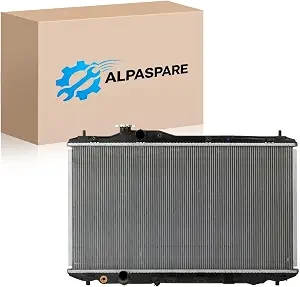 |
| Best Value The sweet spot between price and what you get | PHILTOP Aluminum Radiator Replacement for 2012–2015 Civic and 2013–2015 ILX |  |
| Best Budget The cheapest option that still gets the job done reliably | ANPART Complete Aluminum Radiator Compatible with 2012–2015 Honda Civic and 2013–2015 Acura ILX |  |
| Highest Rated A top-rated pick with lots of positive feedback | TYC Radiator for 2012-2015 Honda Civic |  |
| Most Popular A crowd favorite that many people choose with confidence | SCITOO Replacement Radiator for Honda Civic (2012–2015) |  |
| Best Seller A high-volume bestseller chosen again and again | KAX CU13221 Engine Radiator Replacement for 2012–2015 Civic and 2013–2015 ILX |  |
1. TRQ Radiator Assembly with Aluminum Core for 2012–2015 Honda Civic / 2013–2015 Acura ILX

| Core Thickness | 0.63 in |
|---|---|
| Core Row Quantity | 1 |
| Core Material | Aluminum |
| Inlet Diameter | 1.25 in |
| Outlet Diameter | 1.31 in |
This TRQ radiator is a direct-fit replacement built around a single-row aluminum core with plastic tanks and top/bottom inlet-outlet placement that matches factory layout. It is intended for straightforward replacement on 2012–2015 Honda Civic and 2013–2015 Acura ILX models and ships pre-assembled to reduce installation time. The down-flow design, 0.63 inch core thickness, and specified inlet/outlet diameters make it suitable for everyday driving and light towing where cooling demands are standard. Practical benefits include easier installation compared with rebuilding an old unit and a machined exterior finish that looks OEM-quality. Limitations to expect are the single-row core, which offers less cooling margin than multi-row performance radiators, and plastic tanks that are common on replacements but less robust than full-metal options. TRQ provides installation videos to help DIYers, but professional installation may be preferable if you lack experience removing and refitting the bumper and hoses.
Best for: Buyers who want a reliable, ready-to-install replacement that restores factory cooling performance with minimal fuss and good value for routine driving and maintenance.
Less Ideal for: Drivers seeking a heavy-duty or high-performance cooling upgrade for track use or frequent heavy towing should look at multi-row all-metal radiators instead.
- Direct-fit, pre-assembled unit designed to match factory mounting and hose locations
- Aluminum core provides effective heat transfer for normal driving conditions
- Included manufacturer installation videos simplify DIY replacement
- Machined exterior finish and factory-style layout for a clean, OEM-like appearance
- Single-row core limits cooling capacity under high-load or performance driving scenarios
Verdict: A practical, direct-fit aluminum-core replacement that restores factory cooling for 2012–2015 Civic and 2013–2015 ILX owners looking for reliable, easy installation.
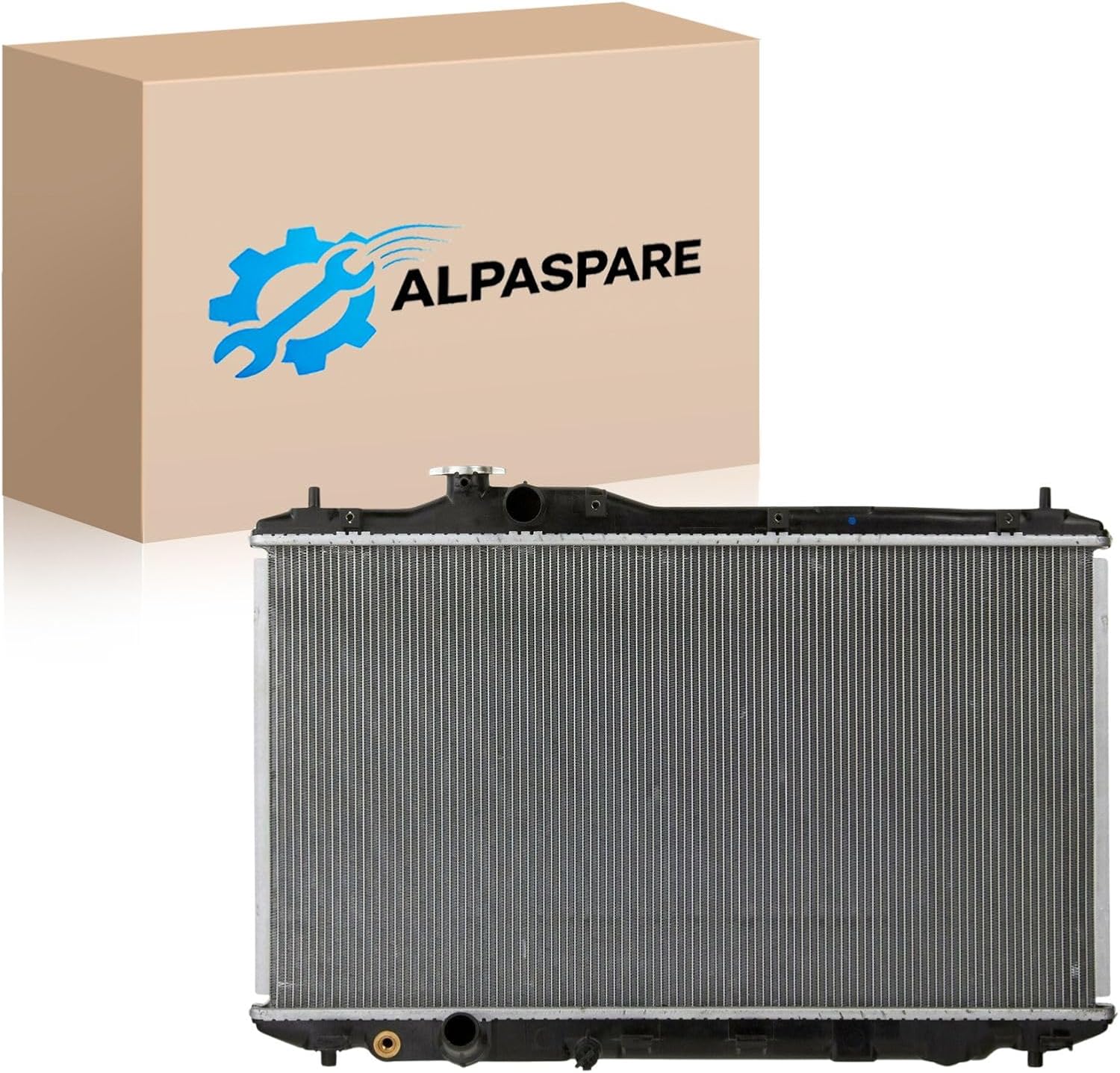
2. Alpaspare CU13221 Direct Fit Radiator for 2012–2015 Honda Civic / 2013–2015 Acura ILX
| Compatible models | Honda Civic 2012–2015; Acura ILX 2013–2015 |
|---|---|
| Material | Aluminum |
| Inlet/Outlet diameter | 1.25 in |
| Transmission fitment | Manual transmission listed (MT) |
This Alpaspare CU13221 is a direct replacement aluminum radiator built to drop into specified 2012–2015 Honda Civic and 2013–2015 Acura ILX applications without modification. It replaces the factory unit using original mounting points, hose connections, and hardware so installation is straightforward for DIY mechanics and shops. Constructed from aluminum, the radiator claims good corrosion resistance and is pressure and leak tested; the manufacturer lists core dimensions and inlet/outlet diameters that match factory plumbing. In practice the radiator provides efficient heat dissipation for daily driving and higher-load situations, and many buyers report tidy fit and no leaks. A few users noted minor fitment of ancillary plastic covers, so expect to check shrouds and top trim during install. This unit does not include transmission oil cooler components, so vehicles that require integrated TOC/EOC must use the correct variant. If you want a durable, factory‑style cooling replacement that simplifies installation and restores cooling capacity, this radiator does the job cleanly.
Best for: Drivers who prioritize restoring or improving cooling performance with a straightforward, drop‑in replacement that installs without modification and performs reliably under normal and demanding driving conditions.
Less Ideal for: Buyers who need a radiator with an integrated transmission oil cooler or those seeking a heavy‑duty aftermarket performance core beyond a factory‑style replacement.
- Direct 1:1 fitment with original mounting points and hose connections for listed Civic and ILX models
- Aluminum construction for good corrosion resistance and heat dissipation
- Pressure and leak tested to meet factory-style performance expectations
- Includes core and inlet/outlet dimensions that match factory plumbing for easier replacement
- Does not include transmission oil cooler (TOC/EOC) components, requiring a different variant if needed
Verdict: Choose this direct‑fit aluminum radiator if you want a reliable, factory‑style replacement that drops in and restores cooling performance for 2012–2015 Civic and 2013–2015 ILX models.
3. PHILTOP Aluminum Radiator Replacement for 2012–2015 Civic and 2013–2015 ILX

| Fitment | 2012-2015 Civic 1.8L & 2.4L; 2013-2015 ILX 2.4L |
|---|---|
| Material | Aluminum core |
| Manufacturer part number | 4198RDT002AUS |
| Replacement reference | CU13221 / OEM 19010R1BA01/02/51/52 |
This PHILTOP radiator is a direct-fit aftermarket replacement intended to replace the factory unit on 2012–2015 Civic 1.8L and 2.4L and 2013–2015 ILX 2.4L models. It uses an aluminum core and machined exterior, and the listing cites pressure testing and IATF 16949 quality compliance to support durability claims. Typical use is a straight swap when your original radiator is leaking, corroded, or otherwise failing; mounting points, fan bolt locations, and inlet/outlet placement are reported to match the factory locations so installation is usually straightforward for a DIYer or independent shop. Practical benefits include a full core replacement that cools effectively under high ambient temperatures and compatibility with transmission cooler lines on automatic models where applicable. Watch for variability in small fittings: a few buyers noted overflow hose fitment can be loose and some plastic parts may crack if clamps are over-tightened. The manufacturer provides a two-year quality guarantee and customer support if fitment questions arise.
Best for: Buyers looking to replace a failed radiator with a budget-conscious part that keeps cooling performance close to factory levels and that installs with minimal modifications.
Less Ideal for: Someone seeking an upgraded high-performance or heavy-duty cooling solution beyond factory capacity or a lifetime-warranty premium option should consider purpose-built performance radiators instead.
- Direct-fit design for specified 2012–2015 Civic and 2013–2015 ILX engines to simplify installation
- Aluminum core with pressure testing and IATF 16949 manufacturing standard for factory-style durability
- Reported to bolt to stock fan shroud and mounts with minimal adjustment
- Two-year quality guarantee and seller customer support for fitment or defect issues
- Some small plastic fittings and overflow port can be loose or fragile, risking leaks if overtightened
- Not all units may arrive perfectly finished; isolated reports of defects exist
Verdict: A practical, factory-fit aluminum replacement radiator that restores cooling reliability for 2012–2015 Civics and 2013–2015 ILX without requiring modifications.
4. ANPART Complete Aluminum Radiator Compatible with 2012–2015 Honda Civic and 2013–2015 Acura ILX

| Compatible vehicles | 2012–2015 Honda Civic 1.8L; 2013–2015 Acura ILX 2.4L |
|---|---|
| Core material | Aluminum |
| Leak testing | Factory leak checked |
| Item model number | 2012 2013 2014 2015 for Honda for Civic |
This ANPART complete radiator replaces the factory unit on 2012–2015 Honda Civic 1.8L and 2013–2015 Acura ILX 2.4L applications to restore cooling system performance. It uses an aluminum core with plastic end tanks and is leak checked at the factory, which helps it sit in and function like a stock radiator. Typical use is a bolt-in replacement after a coolant leak or damaged core; the listing notes easy installation and compatibility with the listed Civic/ILX trims. Practical benefits are improved cooling efficiency versus a failing original radiator and the convenience of a ready-to-install complete unit that includes factory-style mounting locations. Limitations to expect are that this is an aftermarket alternative rather than a factory part and long-term durability can vary compared with higher-end OEM or performance radiators. Buyers should also verify the exact Civic/ILX submodel and radiator connections before ordering to ensure fit and hose alignment.
Best for: Shoppers prioritizing a low-cost, straightforward repair to return a Civic or ILX to normal operating temperature without paying for a dealer part.
Less Ideal for: Those looking for an upgraded performance or heavy-duty cooling solution for track use or towing should consider aftermarket performance radiators instead.
- Direct-fit replacement for 2012–2015 Honda Civic 1.8L and 2013–2015 Acura ILX 2.4L models
- Aluminum core with factory-style plastic tanks for improved cooling over a worn radiator
- Leak-checked at the factory to reduce risk of out-of-the-box failures
- Sold as a complete radiator assembly for easier, faster installation
- Aftermarket unit so long-term durability may differ from factory original
Verdict: A budget-friendly, direct-fit aluminum replacement radiator that restores cooling performance for 2012–2015 Honda Civic and 2013–2015 Acura ILX models.
5. TYC Radiator for 2012-2015 Honda Civic

| Fitment | 2012-2015 Honda Civic |
|---|---|
| Core material | Aluminum tubes and fins |
| Design | Direct replacement, drop-in fit |
This TYC radiator is a direct-fit replacement for 2012–2015 Honda Civic models designed to match factory cooling performance while improving long-term durability. It uses premium aluminum tubes and folded, louvered fins to maintain efficient heat transfer and similar coolant flow to the original unit, so it performs like the factory part in daily driving and highway conditions. Reinforced features such as aluminum inlet rings, internal tank ribs, expansion grooves, and double header plates reduce the risk of leaks and add structural strength, which helps for long-term reliability and fewer replacements. Installation is straightforward since it is built as a drop-in replacement, which saves time for DIY mechanics and shops. The radiator focuses on dependable, OEM-like operation rather than performance gains, so users should not expect increased cooling capacity for high-performance or heavily modified engines.
Best for: Buyers who prioritize a durable, factory-quality replacement to restore reliable cooling in a 2012–2015 Honda Civic and prefer a straightforward install that matches original performance.
Less Ideal for: Drivers planning heavy-duty towing, racing, or extensive engine modifications who need higher-capacity or performance-focused cooling solutions.
- Direct-fit design for straightforward drop-in installation
- Premium aluminum tubes and folded louvered fins for efficient heat transfer
- Reinforced components like inlet rings and tank ribs to reduce leak risk
- Heat transfer and coolant flow comparable to factory performance
- Designed to match factory cooling rather than increase capacity for high-performance use
Verdict: A reliable, reinforced direct-replacement radiator that restores factory cooling performance for 2012–2015 Honda Civic owners who want longevity and easy installation.
6. SCITOO Replacement Radiator for Honda Civic (2012–2015)

| Compatible years/models | 2012–2015 Honda Civic 1.8L and 2.4L |
|---|---|
| Core rows | 1 Row |
| Inlet diameter | 1.25in. |
| Outlet diameter | 1.25in. |
This SCITOO radiator is a direct-fit replacement built for 2012–2015 Honda Civic engines (1.8L and 2.4L). It replaces the factory unit and installs into the stock location without major modifications, so it is typically used when a leaking, clogged, or damaged radiator needs swapping. The core is a single-row aluminum design with matching inlet and outlet diameters and factory-style mounting points, which keeps cooling flow similar to the original and simplifies hose and bracket reuse. Practical benefits include a full-aluminum core that resists corrosion better than some mixed-material aftermarket units and precision fitment that reduces installation guesswork. The product listing emphasizes vehicle compatibility and offers seller technical support for installation questions. Limitations to note are the single-row core, which may not cool as aggressively as multi-row performance radiators, and the part is intended as a replacement rather than an upgraded cooling solution for heavy towing or racing duty.
Best for: Buyers who want a proven, vehicle-specific replacement that installs like the factory part and values compatibility backed by seller support and positive customer feedback.
Less Ideal for: Drivers seeking a high-performance cooling upgrade for frequent track use, heavy towing, or substantially increased engine output should consider multi-row or performance radiators instead.
- Model-specific fit for 2012–2015 Honda Civic trims listed, reducing fitment issues
- Full-aluminum core resists corrosion and supports reliable heat transfer
- Factory-style inlet and outlet sizes simplify reuse of existing hoses
- Precision engineered for straightforward installation with provided support
- Single-row core offers less cooling margin than multi-row or high-performance radiators
Verdict: Choose this SCITOO radiator when you need a reliable, model-specific factory-style replacement for a 2012–2015 Honda Civic.
7. KAX CU13221 Engine Radiator Replacement for 2012–2015 Civic and 2013–2015 ILX

| Compatible vehicles | 2012–2015 Civic 1.8L/2.4L; 2013–2015 ILX 2.4L |
|---|---|
| OEM part numbers | 19010R1BA01, 19010R1BA02, 19010R1BA51, 19010R1BA52 |
| Core thickness | 5/8 in |
| Inlet diameter | 1-1/4 in |
| Outlet diameter | 1-5/16 in |
This KAX radiator is a factory-style replacement built to match the specified Honda Civic and ILX engines. It uses an aluminum core with high-density multi-louver fins to increase heat dissipation and plastic water tanks designed to resist corrosion. The unit is pressure and leak tested and the listing cites IATF16949 quality processes and OEM part numbers to help ensure fit and function. Typical use is direct replacement during cooling-system repair or when the original radiator shows leaks or overheating. The radiator includes core and inlet/outlet dimensions that align with the vehicle fitment and comes packaged with reinforced shockproof protection for safer shipping. Expect similar cooling performance to a factory replacement and straightforward bolt-in installation when paired with the correct hoses and mounts, though professional installation is recommended. Trade-offs are the plastic tanks rather than full-metal construction and the seller recommends fitment confirmation before purchase so you avoid ordering the wrong variant for your exact model or trim.
Best for: Buyers who prioritize a conservative, factory-style repair and want a radiator that closely matches original fit and cooling behavior for 2012–2015 Civic and 2013–2015 ILX applications.
Less Ideal for: Shoppers seeking an all-aluminum performance radiator or custom cooling upgrades should consider specialty units instead.
- Built with an aluminum core and multi-louver fins for improved heat dissipation
- Leak and pressure tested with stated quality management compliance
- Sold as a direct-replacement using listed OEM part numbers to aid correct fitment
- Reinforced shockproof packaging to reduce transit damage risk
- Plastic water tanks instead of full-metal tank construction
Verdict: A reliable, factory-style replacement radiator that gives risk-averse Civic and ILX owners near-OEM cooling performance and tested fitment for straightforward repairs.
Choosing the Right 2012-2015 Honda Civic Radiator: Key Factors to Consider
Fitment and Mounting Points
Accurate fitment is essential for a hassle-free installation on the 2012-2015 (FB and FG) Civic. Radiators must align with factory mounting brackets, fan shroud attachment points, hose inlet and outlet positions, and any transmission cooler connections. A radiator that requires trimming, adapter fittings, or relocation of sensors will increase labor time and the risk of leaks.
When assessing fitment, confirm that the radiator supports the Civic's specific fan assembly and that hose diameters match OEM sizes. Proper alignment reduces stress on hoses and prevents premature failure of clamps or connections during thermal cycles.
Core Design and Cooling Capacity
Core construction—tube count, fin density, and core thickness—directly affects how efficiently the radiator sheds heat. Vehicles that experience heavy city traffic, high ambient temperatures, or occasional towing will benefit from a radiator with a denser fin pack or a thicker core to improve heat rejection.
Consider how the Civic is typically used. For daily commuting in moderate climates, a standard core often suffices. If you drive in hot climates or push the engine often, choose a core design that increases cooling surface area to maintain safe operating temperatures under load.
Material and Corrosion Resistance
Radiators are commonly made from aluminum cores with either plastic or aluminum end tanks. All-aluminum constructions generally offer better longevity and resistance to thermal cycling, while plastic tanks may be more vulnerable to cracking after years of heat exposure.
Also evaluate the protective coatings and brazing quality to reduce galvanic corrosion with the Civic's cooling system components. For cars that sit unused for long periods or operate in coastal regions, prioritize materials and finishes that resist salt and moisture exposure.
Transmission Cooler Integration
Some 2012-2015 Civic models route the automatic transmission cooler through the radiator. If your Civic has an automatic transmission, ensure the replacement radiator includes the correct transmission cooler ports and internal passages. Missing or incompatible transmission cooler fittings will require external coolers or hydraulic rerouting, adding cost and complexity.
Confirm port locations and pressure ratings match the Civic's factory requirements to preserve transmission cooling performance and avoid fluid leaks.
Serviceability and Sensor Compatibility
A radiator that allows easy access to coolant drain points, temperature sensors, and accessory fittings reduces labor time for routine maintenance. Look for radiators with drain petcocks positioned for easy access and mounting bosses for any temperature or level sensors used on the Civic.
Sensor and hose compatibility matters for preserving diagnostics and ensuring the engine control unit receives accurate coolant temperature readings. Avoid designs that obstruct sensor locations or require sensor relocation without clear instructions.
Warranty and Long-Term Support
Warranty coverage indicates a manufacturer's confidence in durability. For a replacement radiator, warranty terms can vary by material, construction method, and intended use. Longer warranties can offset the risk of early failure and are especially valuable if you drive in harsh conditions.
Also consider the availability of replacement parts like hose adapters, mounting clips, or petcocks from the supplier. Good documentation and accessible customer support reduce downtime if issues arise after installation.
Common Radiator Symptoms and What They Mean
Recognizing early signs of radiator trouble helps prevent engine overheating. Common symptoms include coolant puddles under the front of the car, a rising temperature gauge during stop-and-go traffic, and visible coolant discoloration or sludge indicating contamination. Slow coolant loss without visible leaks can signal internal corrosion or a failing core.
A whistling or hissing noise from the front of the vehicle when the engine is hot often points to a pressure leak around a hose connection or a cracked tank. Overheating under load, such as climbing a hill or driving in traffic, suggests the core cannot dissipate heat quickly enough or the coolant flow is restricted. Addressing symptoms promptly reduces the risk of head gasket damage or warped engine components.
- Visible leaks or coolant stains under the car
- Rapid rise in temperature gauge at idle or low speed
- Milky or rusty coolant indicating contamination
- Unusual noises from the radiator area when hot
Preparing for Radiator Replacement on the FB and FG Civic
Before starting a replacement, park the Civic on level ground and let the engine cool completely. Drain coolant into an appropriate container and note the type and color of the fluid; this helps determine if a coolant flush is also necessary. Have replacement hoses, clamps, and a new thermostat available if they show wear.
Label or photograph hose locations and sensor connectors to simplify reassembly. Inspect surrounding components such as the fan shroud, fan clutch or electric fan assembly, and accessory belts. If any of these parts show damage, replace them during the radiator job to avoid repeating labor.
- Cool engine and level surface
- Container for used coolant and disposal plan
- Replacement clamps and hoses on hand
- Photos of hose and sensor routing for reference
Radiator Coolant Flush: When and How It Helps
A coolant flush removes sediment and old coolant that can restrict flow and reduce heat transfer. For the 2012-2015 Civic, a flush is recommended when the coolant shows discoloration, when switching coolant types, or when replacing a radiator that failed due to contamination. Flushing can extend the life of a new radiator and restore system efficiency.
Perform a flush by draining the system, refilling with distilled water or manufacturer-recommended flush solution, running the engine to operating temperature, and then draining again until the output is clear. Always refill with the correct coolant mixture and bleed trapped air to prevent hot spots.
- Flush when coolant is discolored or contaminated
- Use manufacturer-compatible coolant after flushing
- Bleed the cooling system to remove air pockets
OEM Vs Aftermarket Radiators: Tradeoffs to Consider
OEM-style radiators are built to match factory specifications and typically offer straightforward fitment and compatibility with sensors and transmission cooler ports. Aftermarket radiators may offer performance-oriented cores or improved materials but can vary in fitment precision and finish quality. For the FB and FG Civic, prioritize units that explicitly list vehicle compatibility and include installation hardware when possible.
When choosing between OEM or aftermarket options, weigh the importance of drop-in fitment against potential benefits like increased core thickness or all-aluminum construction. If you prefer minimal installation risk, a radiator that replicates OEM dimensions is the safer choice.
- OEM-style: predictable fitment and sensor compatibility
- Aftermarket: potential performance and durability gains
- Check fitment data and included hardware before buying
Installation Tips to Avoid Common Mistakes
Tighten hose clamps evenly and avoid overcompressing rubber hoses. Replace any brittle or bulging hoses during the radiator job. Use new clamp hardware if the old clamps have corroded or lost tension. Ensure mating surfaces are clean and free of old sealant or debris before seating the radiator.
When refilling coolant, follow the recommended mixture and bleed procedures to remove air. Start the engine with the heater set to hot and the radiator cap off until the thermostat opens and the coolant level stabilizes. Recheck for leaks after a short test drive and again after the engine cools.
- Replace worn hoses and clamps
- Follow correct coolant mixture and bleeding steps
- Check for leaks after initial test drive
How Climate and Driving Habits Affect Radiator Choice
Drivers in hot climates or those who frequently encounter heavy traffic will place higher demands on a radiator. In these conditions, choose a unit with greater cooling capacity and corrosion resistance. Conversely, owners who drive mainly in mild climates and at steady highway speeds can often rely on a standard core that matches factory specifications.
If you use the Civic for occasional towing or carry heavy loads, consider a radiator with improved heat rejection to protect both engine and transmission temperatures. Assessing your typical driving scenarios helps pick a radiator that balances longevity, cost, and cooling performance.
- Hot climates need higher cooling capacity
- Frequent stop-and-go traffic increases thermal load
- Towing or heavy loads benefit from upgraded cores
Still looking for the perfect fit?
Select your Honda Civic configuration to see the most relevant Radiators recommendations
How We Chose the Best 2012-2015 Honda Civic Radiator
We focused on criteria that matter to Civic owners who need durable, correctly fitting radiators for 2012-2015 FB and FG chassis codes. Key evaluation points included cooling performance, measured by core design and tube count that affect heat rejection; fitment accuracy, ensuring mounting points, hose locations, and transmission cooler compatibility match the Civic's layout; material and construction quality, including aluminum cores and crimped or brazed tanks that resist corrosion and vibration; and serviceability, such as ease of replacing sensors, drain petcocks, and compatibility with OEM hoses and clamps.We also weighed corrosion resistance and warranty coverage, since long-term coolant exposure and road conditions influence lifespan. Exclusions: we did not consider universal-fit radiators that require significant modification, nor did we include products lacking clear fitment data for the 2012-2015 FB and FG Civic. The resulting list prioritizes direct-fit and drop-in radiators or clearly vehicle-specific replacements that minimize installation complexity while offering reliable cooling under typical driving and towing loads.
Our full evaluation process is outlined in our review methodology.
FAQ
How do I know if my Civic radiator is leaking or if the leak is from another component?
Inspect the location of coolant stains and the color of the fluid. Puddles from the front center often indicate the radiator, while stains near hose connections can mean a hose or clamp issue. Pressure testing the cooling system or visually inspecting for wetness with the engine cold helps pinpoint the source.
Can I replace the radiator myself on a 2012-2015 Civic?
Many owners can perform a radiator replacement with basic tools and mechanical aptitude. Expect several hours of work, including draining coolant, removing and reinstalling hoses, and properly bleeding the system. If you are uncomfortable with cooling system bleeding or transmission cooler connections, consider professional help.
Should I flush the coolant when installing a new radiator?
Flushing is often recommended if the old coolant is discolored, contains sediment, or if contamination contributed to radiator failure. A flush removes debris that could shorten the life of the new radiator and helps ensure efficient heat transfer after installation.
Does my automatic transmission require a special radiator for cooler lines?
If your Civic has an automatic transmission, confirm the replacement radiator includes transmission cooler ports positioned and sized to match the factory layout. Missing or mismatched ports can require external coolers or adapters, so verify compatibility before installation.
What coolant mixture should I use after replacing the radiator?
Use the coolant type and mixture recommended for the 2012-2015 Civic, typically a manufacturer-specified ethylene glycol formula diluted to the proper concentration with distilled water. Using the correct mixture maintains corrosion protection and freezing/boiling point specifications.
How long should a replacement radiator last in a Civic?
Lifespan varies with materials, driving conditions, and maintenance, but a properly chosen and installed radiator can last many years. Corrosion, road chemicals, and coolant maintenance are common factors that influence longevity, so regular inspections and timely coolant service extend service life.
Final Verdict
For the 2012-2015 (FB and FG) Honda Civic, prioritize a radiator that matches factory mounting and hose locations while offering a core design suited to your driving conditions. Fitment accuracy, corrosion-resistant construction, and transmission cooler compatibility are the primary tradeoffs to balance when selecting a replacement.Select the option that aligns with how you drive and the climate you encounter. Choosing a direct-fit unit with good materials and serviceability reduces installation headaches and helps ensure consistent cooling performance over the long term.
Explore More:
- Check out all Honda Civic parts & accessories
- Explore Radiators Maintenance & Repair Guides
- Explore Cooling System
- Browse all Auto Parts
