

Note: This article contains affiliate links. If you click on these links and make a purchase, I may earn a small commission at no extra cost to you. This helps support my research and content. Read my full affiliate disclosure here.
If you own a Honda Civic EX and are facing overheating, leaks, or poor heater performance, replacing the radiator is often the correct step to restore reliable cooling. The right Honda Civic EX radiator ensures correct fitment, efficient heat transfer, and long service life so you can avoid repeat repairs and unexpected breakdowns.This guide covers seven shortlisted radiators chosen for their fit, cooling performance, and durability. We evaluate each option against real-world concerns like core design, corrosion protection, and installation compatibility to help you pick the best replacement for your Civic EX. Read on to see which features matter most and how to approach installation or professional repair.
Looking for other parts? See all Honda Civic parts & accessories.
Top Picks at a Glance
| Best Overall The best all-around choice for most situations | SCITOO Full Aluminum Radiator Replacement for Honda Civic (2006–2011) |  |
| Best Quality Built to a higher standard if you want something more solid | Mishimoto Performance Aluminum Radiator for Honda Civic (1992–2000) |  |
| Best Value The sweet spot between price and what you get | DWVO Complete Radiator for 2016–2021 Honda Civic 2.0L |  |
| Best Budget The cheapest option that still gets the job done reliably | ANPART Aluminum Radiator Replacement for 2006–2011 Honda Civic / 2006–2011 Acura CSX |  |
| Highest Rated A top-rated pick with lots of positive feedback | TYC Radiator for 2012–2015 Honda Civic |  |
| Most Popular A crowd favorite that many people choose with confidence | AUTOSAVER88 Radiator for 2001–2005 Honda Civic 1.7L (Compatible with D17 engines) |  |
| Best Seller A high-volume bestseller chosen again and again | DNA Motoring 2-Row Aluminum Radiator with Fan Shroud (fits 1992–2000 Civic MT) |  |
1. SCITOO Full Aluminum Radiator Replacement for Honda Civic (2006–2011)
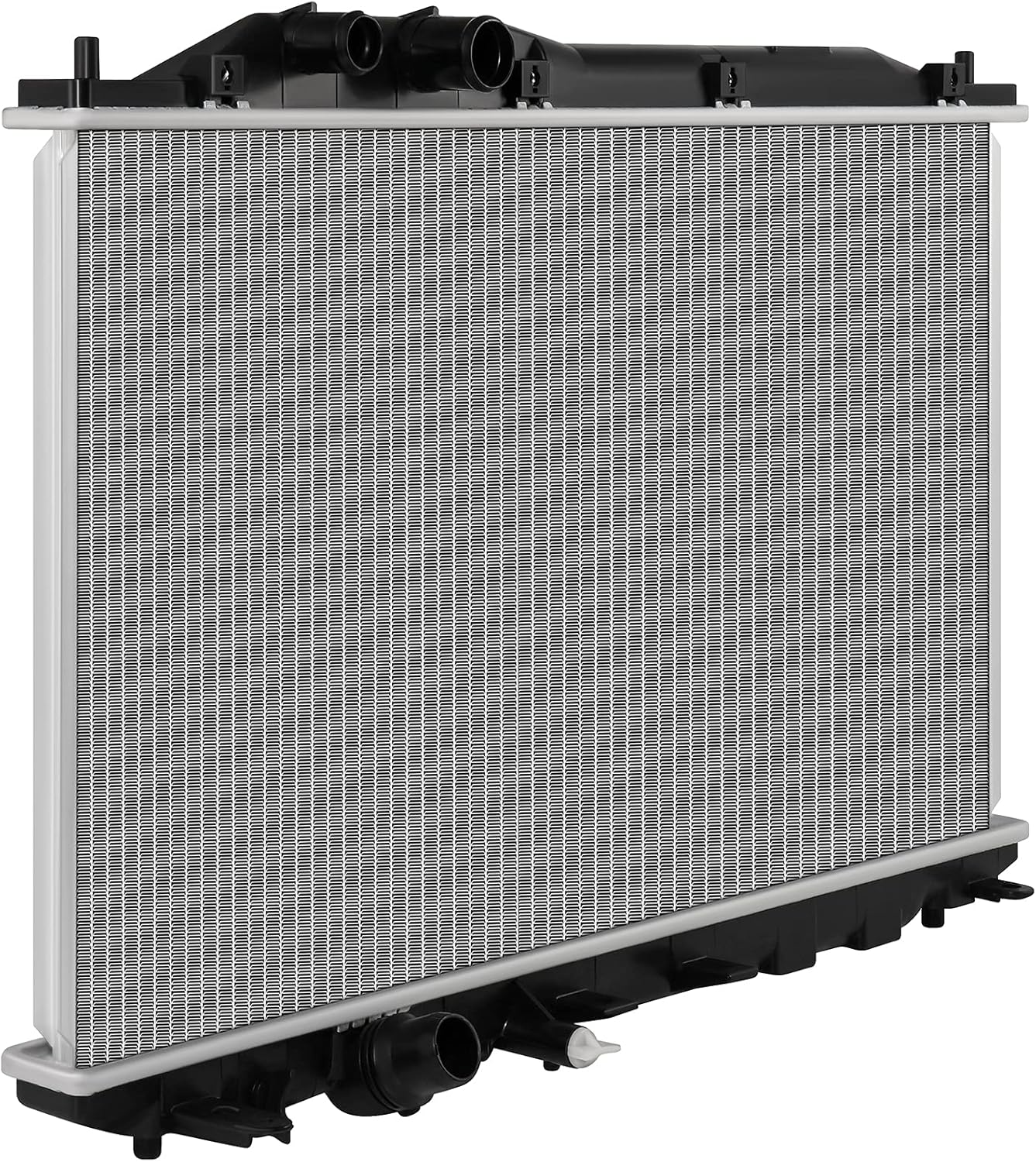
| Compatible vehicles | Honda Civic 2006–2011 L4 1.8L and 2.0L |
|---|---|
| Core rows | 1 Row |
| Inlet diameter | 1.25 in. |
| Outlet diameter | 1.25 in. |
This SCITOO full-aluminum radiator is a direct replacement option for 2006–2011 Honda Civic models and is intended to restore proper cooling without modifying the engine bay. It uses a one-row core and 1.25-inch inlet and outlet ports, so installation follows the factory routing for coolant hoses and should be straightforward for a competent DIYer or a shop. The all-aluminum construction offers improved heat transfer compared with many plastic-tank radiators, and multiple user reports show it cools reliably when properly installed. Some buyers reported missing or mismatched mounting clips and occasional minor fitment trimming, so expect to reuse a few factory fasteners or perform light fabrication in rare cases. The radiator does not include transmission or engine oil coolers, so it matches Civic configurations that do not require those features. Overall it is a cost-effective replacement that delivers factory-quality cooling when the fitment and mounting hardware are confirmed before installation.
Best for: Buyers who want an affordable, factory-style replacement that restores correct cooling for a 2006–2011 Civic and prioritize straightforward, long-term engine temperature control.
Less Ideal for: Drivers planning heavy-duty use, performance tuning, or frequent track sessions should consider higher-capacity multi-row or performance radiators designed for extreme heat loads.
- Full-aluminum core improves heat transfer compared with plastic-tank radiators
- Model-specific fitment for 2006–2011 Civic reduces need for core trimming
- Standard 1.25-inch inlet and outlet match factory hose sizes
- One-row core suitable for typical street driving and daily cooling needs
- Single-row core may be less effective under heavy towing, racing, or extreme high-load conditions
Verdict: A budget-friendly, model-specific aluminum radiator that restores reliable cooling for 2006–2011 Honda Civic EX and similar trims.
2. Mishimoto Performance Aluminum Radiator for Honda Civic (1992–2000)

| Compatible models | Honda Civic 1992–2000 |
|---|---|
| Core construction | Brazed aluminum dual core |
| Included cap | 1.3 bar high-pressure radiator cap |
| Drain plug | Magnetic drain plug |
This Mishimoto radiator is a direct-fit performance upgrade for 1992–2000 Honda Civics that replaces the factory unit with a thicker, dual-core all-aluminum core and polished end tanks. It is typically used by daily drivers and enthusiast builds to lower operating temps during spirited driving or when running higher-power engines like B- or D-series swaps. Notable features include a 100 percent brazed aluminum core, TIG-welded tanks, a magnetic drain plug, and a 1.3 bar high-pressure radiator cap that raises coolant boiling point. In practice the radiator reduces temperatures compared with the stock unit and feels more robust than plastic-tank replacements, while the included serial plate and lifetime warranty add confidence. Expect a slightly different fit than stock: hoses and the coolant reservoir may need larger clamps or minor bracket adjustments because the radiator is thicker than OEM. Overall it is a practical, enthusiast-focused cooling upgrade that trades perfect stock fitment for better heat rejection and durability.
Best for: Buyers who prioritize cooling performance and durability for a 1992–2000 Civic, including enthusiasts running higher-output or swapped engines who need lower coolant temps under load.
Less Ideal for: If you want a plug-and-play factory-identical replacement with exact original dimensions and hose fitment, this performance-oriented radiator may require small modifications or different hoses.
- Direct vehicle-specific design for 1992–2000 Civics for straightforward installation
- All-aluminum dual-core and brazed construction for improved cooling and durability
- Includes high-pressure 1.3 bar radiator cap to raise coolant boiling point
- Magnetic drain plug helps catch metal debris and protect the engine
- Thicker core can require modified hose clamps or small bracket adjustments for a proper fit
Verdict: Choose this Mishimoto radiator when you need a durable, higher-capacity cooling upgrade for a 1992–2000 Civic to lower temps during spirited driving or engine swaps.
3. DWVO Complete Radiator for 2016–2021 Honda Civic 2.0L

| Fitment | 2016–2021 Honda Civic 2.0L L4 |
|---|---|
| Core size | 21.57" x 17.83" |
| OEM part numbers | 190105BAA01, 191275076743, HO3010240 |
| Exterior | Machined |
This DWVO complete radiator is a direct-fit replacement for 2016–2021 Honda Civic 2.0L engines and is intended to restore reliable engine cooling after a failure or during a refresh. It features a high-density multi-louvered aluminum core and TIG-welded construction with PA66 GF30 inlet and outlet tanks, which together improve heat dissipation and durability compared with simple repair options. The unit ships as a full radiator assembly with foam corner protection and a user manual but does not include a radiator cap. Typical use is straightforward: remove the old radiator, transfer any reusable hardware or sensors, and install this factory-style replacement; professional installation is recommended for coolant flushing and correct pressure cap selection. Practical benefits include better cooling efficiency from the multi-louvered fins and treated coating for corrosion resistance. Limitations to note are the missing radiator cap and occasional quality variation reported in reviews around fittings, so inspecting threads and fittings before installation is prudent.
Best for: Buyers who want a practical, cost-effective factory-style replacement to restore proper cooling on a 2016–2021 Civic 2.0L and prioritize easy fitment and improved heat dissipation.
Less Ideal for: If you want a performance-upgrade radiator with significantly increased cooling capacity or an all-brass fitting design, consider purpose-built performance radiators instead.
- Direct-fit design sized for 2016–2021 Honda Civic 2.0L for straightforward replacement
- High-density multi-louvered aluminum core for improved heat dissipation
- TIG-welded construction and treated coating for stronger joints and corrosion resistance
- Includes full radiator assembly with protective packaging and user manual
- Radiator cap is not included so a compatible cap must be sourced separately
- Some buyers reported variability in fittings and thread materials between units
Verdict: A practical, direct-fit replacement that brings factory-style cooling performance back to 2016–2021 Honda Civic 2.0L cars at a budget-friendly value.
4. ANPART Aluminum Radiator Replacement for 2006–2011 Honda Civic / 2006–2011 Acura CSX

| Fitment | 2006–2011 Honda Civic 1.8L; 2006–2011 Acura CSX 2.0L |
|---|---|
| Position | Front |
| Core Material | Aluminum |
| Manufacturer Part Number | 125090-5260-1842536101 |
This ANPART radiator is a full-aluminum core replacement intended as a straightforward front radiator swap for mid-2000s Civic and CSX engines. It installs like a factory-style unit and is built with a high-density fin design to increase cooling capacity compared with basic replacements. Typical use is a like-for-like service part when an original radiator has failed or is leaking; buyers will appreciate that it is offered with preformed plastic tanks and thermal-shocked gaskets to resist cracking in cold weather. Feedback from other owners reports consistent fit and pressure-tested units with few leaks, and the package includes the core construction and mounting position to simplify installation. Limitations to note: the design appears aimed at cost-conscious buyers so some customers find the core thickness and finish thinner than higher-end OE-quality radiators, and you may want to replace nearby hoses, clips, or the condenser when doing the job. For budget repairs where reliable cooling and correct fitment matter more than premium materials, this radiator covers the basics well.
Best for: Buyers seeking an affordable, direct-replacement radiator to fix a leaking or damaged cooling unit on a mid-2000s Civic or CSX and who prioritize correct fit and adequate cooling over premium finish or heavy-duty construction.
Less Ideal for: Drivers who want a long-term high-performance or heavy-duty upgrade for track use or extreme climates should consider higher-end radiators with thicker cores and reinforced tanks.
- Full-aluminum core and high-density fins for improved cooling capacity
- OE-style design for straightforward drop-in installation and correct mounting position
- Pre-tested and pressure-checked units reported by buyers to minimize leak risk
- Common fitment for 2006–2011 Civic and 2006–2011 CSX reduces compatibility guesswork
- Core and tank materials are budget-oriented and may feel less robust than premium factory-quality radiators
Verdict: A cost-effective, drop-in aluminum radiator that delivers correct fit and improved cooling for budget repairs on 2006–2011 Civic and CSX models.
5. TYC Radiator for 2012–2015 Honda Civic

| Vehicle fit | 2012–2015 Honda Civic |
|---|---|
| Core material | Aluminum tubes and fins |
| Fit type | Direct replacement |
This TYC radiator is a drop-in, direct factory-quality replacement for 2012–2015 Honda Civic applications, built with aluminum tubes and folded louvered fins to provide effective heat dissipation. Installation is straightforward because it mirrors the original mounting points and coolant flow, so most owners or mechanics can swap it in without modification. The radiator uses reinforced features such as aluminum inlet rings, internal tank ribs, expansion grooves, and double header plates to reduce the risk of leaks and improve long-term durability compared with basic aftermarket cores. Cooling capacity is engineered to match or slightly exceed the factory unit thanks to similar tube and fin pitch, which helps maintain stable engine temperatures under everyday driving and mild towing or heavy-traffic conditions. The main limitations are that this is a direct replacement rather than a high-performance upgrade, so drivers seeking increased cooling for track use or extreme overheating issues should look at performance-focused radiators. For routine maintenance or restoring factory cooling reliability this unit delivers a durable, practical solution.
Best for: Buyers who prioritize restoring or maintaining reliable factory-level cooling on a 2012–2015 Honda Civic and want a durable, easy-to-install replacement that reduces leak risk.
Less Ideal for: Drivers planning high-performance modifications, frequent track use, or heavy-duty cooling demands should consider purpose-built performance radiators instead.
- Direct drop-in fit that aligns with factory mounting and coolant routing
- Aluminum tubes and folded louvered fins for effective heat dissipation
- Reinforced inlet rings, internal ribs, expansion grooves, and double header plates to reduce leaks
- Cooling capacity designed to match or exceed the original radiator
- Not designed as a high-performance or heavy-duty upgrade for track or extreme towing use
Verdict: A durable, factory-quality direct replacement radiator that restores reliable cooling for 2012–2015 Honda Civic owners.
6. AUTOSAVER88 Radiator for 2001–2005 Honda Civic 1.7L (Compatible with D17 engines)

| Fitment | 2001–2005 Honda Civic 1.7L (D17) models |
|---|---|
| Core material | Aluminum core |
| Tank material | PA66 GF30 plastic tanks |
| OEM part numbers | 19010-PLM-A01 / 19010-PLM-A51 / 19010-PMM-A51 / 19010-PMM-A52 |
This AUTOSAVER88 radiator is a budget-minded, direct-fit replacement for 2001–2005 Honda Civic 1.7L models. It installs like a factory part and is intended to match OEM mounting points so you can swap it in without modifying brackets or hoses. The unit pairs an aluminum core with PA66 GF30 plastic tanks and includes a built-in aluminum oil cooler for faster heat rejection. Buyers report straightforward installation and good cooling under normal driving, and the high-density fins aim to improve heat transfer. The package does not include a radiator cap and some customers have found variability in tank molding quality, so inspect the filler area during installation. The fixed lower inlet design may require a hose clamp instead of the OEM quick-connect fitting on some cars. For owners prioritizing a cost-effective replacement with decent cooling and plug-and-play fitment, this radiator is a practical option, though those seeking the most robust long-term durability may prefer a higher-end all-aluminum unit or factory OEM part.
Best for: Buyers who want an affordable, vehicle-specific replacement that restores cooling quickly and values easy installation and community-proven fitment.
Less Ideal for: Drivers who need the utmost long-term durability or prefer an all-aluminum upgraded radiator for heavy-duty, high-heat applications should consider higher-end options.
- Direct-fit design for 2001–2005 Honda Civic 1.7L makes installation straightforward
- Aluminum core with high-density multi-louvered fins improves cooling efficiency
- Includes integrated aluminum oil cooler to help lower operating temperatures
- Many buyers report good fitment and immediate leak-free performance out of the box
- Plastic tanks mean durability can vary and some units have reported cap-area molding issues
- Radiator cap not included so you may need to source a compatible cap separately
Verdict: A budget-friendly, plug-and-play replacement that restores factory cooling for 2001–2005 Civic 1.7L models with proven fitment among other owners.
7. DNA Motoring 2-Row Aluminum Radiator with Fan Shroud (fits 1992–2000 Civic MT)
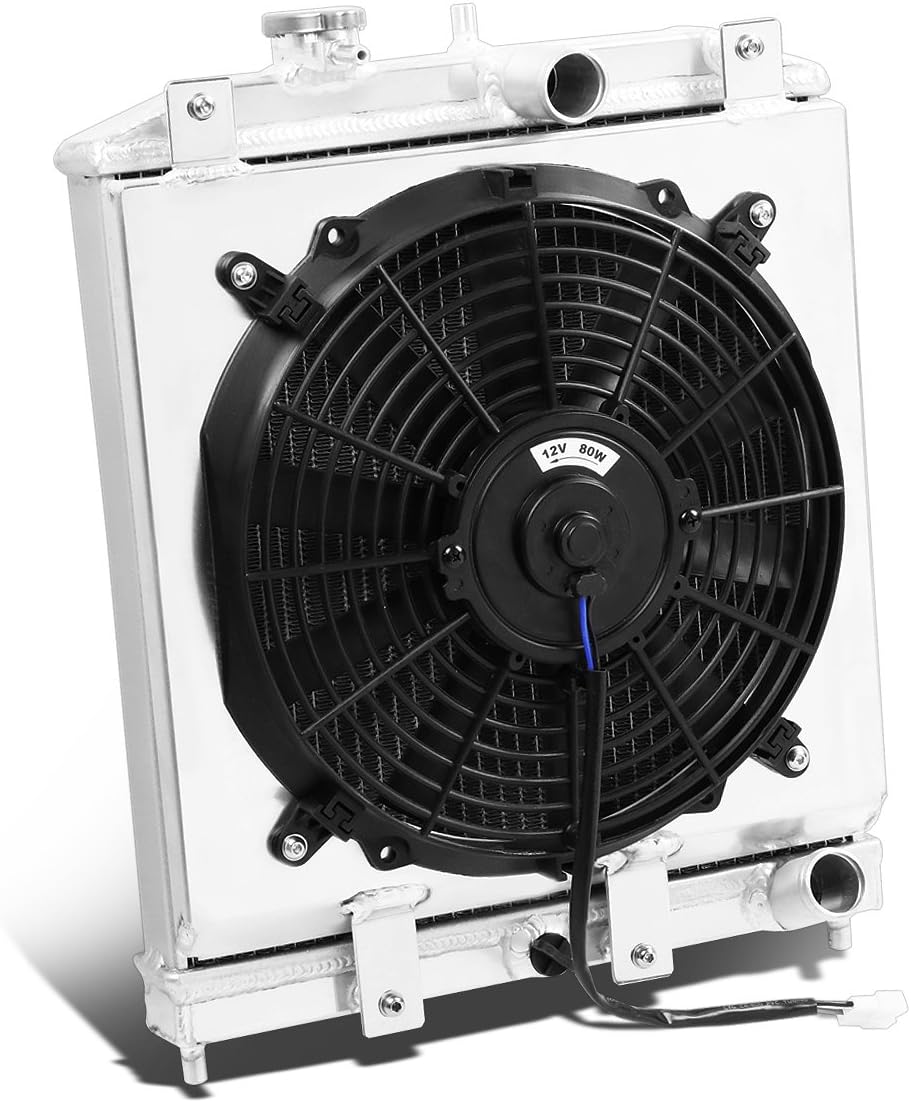
| Voltage | 12 Volts |
|---|---|
| Wattage | 80 watts |
| Power Connector Type | 3-Pin |
| Maximum Rotational Speed | 5500 RPM |
| Material | Aluminum (radiator) |
This DNA Motoring radiator is a direct-replacement styled for 1992–2000 Honda Civic manual-transmission applications and comes preassembled with an aluminum core and a plastic fan shroud. It is intended to increase cooling capacity versus stock two-row units and is commonly used for daily-driven Civics and light-performance builds where lower intake temperatures matter. The radiator’s T-6061 aluminum construction and 2-row racing design are meant to boost heat dissipation by the advertised 35 to 45 percent, while the included low-profile 12V fan helps maintain airflow at idle. Installation is a bolt-on process for compatible manual-transmission models, though several owners note the fan wiring may require splicing and the fan hardware can be less durable than the core. Expect improved operating temperatures on street and mildly tuned engines, but be prepared to check fan connections and mounting tabs during installation. Professional installation is recommended if you are not comfortable with wiring or trimming small fitment issues.
Best for: Buyers who want a stronger cooling solution for a 1992–2000 Civic with a manual transmission and prioritize lower engine temps for reliability or mild performance upgrades.
Less Ideal for: Drivers who need a plug-and-play OEM-level fan assembly or who prefer fully verified high-end race-spec radiators; not suited for cars without manual transmission or different engine families.
- Aluminum T-6061 core increases heat dissipation compared with many stock radiators
- Preassembled with fan shroud and low-profile 12V fan for easier installation
- Direct bolt-on fit for compatible 1992–2000 Civic manual-transmission models
- Improves operating temperatures for daily driving and light performance builds
- Fan shroud and fan quality reported as inconsistent and may fail earlier than the core
- May require splicing or wire modifications to connect the fan to the vehicle harness
Verdict: If you need a stronger, bolt-on aluminum cooling upgrade for a manual-transmission 1992–2000 Civic to reduce operating temperatures, this preassembled radiator delivers improved heat dissipation and straightforward installation.
Choosing the Right Honda Civic EX Radiator: Key Factors to Consider
Fitment and Mounting Alignment
Correct fitment matters more than raw performance numbers because an exact-fit radiator mounts without modifying brackets, hoses, or transmission lines. If mounting tabs, inlet/outlet positions, or mounting heights do not match, you may need additional hoses or bracket fabrication, which increases labor and potential leak points.
For the Civic EX, confirm the radiator aligns with the OEM mounting points and that the transmission cooler connections, if present, mate cleanly. Adequate clearance for the fan shroud and any engine bay sensors also ensures you do not risk interference when reinstalling the cooling fan or intake components.
Cooling Capacity and Core Design
Cooling capacity determines how effectively the radiator removes heat from the engine coolant. Core design variables include the number of rows, tube size, fin density, and whether the core is single or multi-row. A higher-efficiency core can lower operating temperatures but may be larger or heavier.
Choose a core design that balances heat rejection with the Civic EX's available space. Overly dense fins can trap debris, while too few fins reduce heat transfer. Consider how you drive the vehicle — frequent highway towing or hot-climate use benefits from higher-capacity cores, while daily commuting in temperate climates can use a standard spec core without compromises.
Materials and Corrosion Protection
Radiator materials influence durability and susceptibility to electrochemical corrosion. Common constructions use aluminum cores with brass or plastic tanks, or all-aluminum designs with welded tanks and end tanks. Corrosion inhibitors in coolant interact differently with materials, so choose a radiator that matches recommended coolant chemistry for the Civic EX.
Look for radiators with protective coatings on tanks or cores and quality seals at joints to reduce the chance of leakage over time. In regions with road salt or hard water, extra corrosion protection will extend service life and reduce the likelihood of internal pitting that leads to coolant contamination or failure.
Leak Resistance and Quality of Seals
A radiator's long-term reliability depends on the quality of its brazing, welds, and O-ring or gasket seals. Poorly sealed joints or low-quality plastic tanks can develop leaks under thermal cycling and vibration. Inspect manufacturing descriptions for reinforced seams and pressure-tested assembly standards.
Consider how easily the radiator can be pressure-tested after installation and whether replacement seals or neck fittings are serviceable. Products that allow straightforward maintenance reduce the risk of small leaks becoming major repairs and make roadside troubleshooting easier.
Compatibility With Cooling System Accessories
Radiators sit within a larger cooling system that includes hoses, thermostat, water pump, fans, and sometimes an A/C condenser. Compatibility with these components matters for immediate performance and future serviceability. Ensure inlet and outlet diameters match stock hose sizes to avoid adapter use that can constrict flow.
Also confirm the radiator clears the stock cooling fan and shroud if retention is desired. If the Civic EX uses a transmission cooler integrated into the radiator, verify the ports and fittings match to prevent transmission fluid contamination or improper flow.
Serviceability and Warranty
A radiator that is easier to service reduces downtime and repair cost. Consider how simple it is to bleed air from the system after installation, access to drain plugs, and whether typical failure modes are user-friendly to diagnose. Replacement necks, caps, and mounting hardware availability also affect long-term ownership convenience.
A clear, practical warranty offers a degree of protection against early failures. Look for coverage terms that address manufacturing defects and typical failure scenarios. Warranty support often correlates with manufacturer confidence and can be valuable if you encounter premature leaks or fitment issues.
Common Radiator Symptoms on a Honda Civic EX
Recognizing radiator-related symptoms early can prevent engine damage. On a Civic EX, watch for persistent overheating, coolant puddles under the front of the car, or a sweet smell from the engine bay. Intermittent temperature gauge spikes during idling or after long drives also point to cooling system issues.
Other signs include cloudy or discolored coolant, which indicates internal corrosion or contamination, and low coolant levels without obvious external leaks. Reduced heater output in cold weather can mean low circulation due to radiator blockage or trapped air.
- Constantly high temperature gauge readings at idle or in traffic
- Visible coolant leaks or wet stains beneath the radiator
- White or rusty-colored deposits inside the radiator or overflow reservoir
- Heater not delivering warm air despite proper coolant level
When to Repair Vs Replace the Radiator
Small external leaks from a hose connection or a seam might be repairable if found early and if the tank material is serviceable. Temporary repairs should be confirmed with pressure testing and monitored closely. However, repeated leaks, internal corrosion, or multiple seam failures usually justify replacement to restore long-term reliability.
If the radiator is internally clogged, causing poor flow and high engine temperature even after flushing, replacement is the more reliable option. Also choose replacement if mounting points are damaged or if the radiator has suffered physical impact that compromises structural integrity.
- Repair may be acceptable for single, easily accessible external leaks
- Replace for internal blockage, multiple leaks, or damaged mounting points
- Consider replacement when radiator age and corrosion make future leaks likely
Preparing for Radiator Installation on a Civic EX
Before starting, ensure the engine is fully cool and the battery is disconnected to avoid fan activation. Drain the coolant into an approved container and capture any transmission fluid if your radiator integrates a transmission cooler. Have replacement hoses, clamps, and new coolant ready so you can complete the job in one session.
Inspect related parts such as the thermostat, water pump, and hoses. Replacing the radiator is an opportunity to refresh these items, especially if they show wear. Confirm you have the correct replacement radiator that matches the Civic EX inlet/outlet locations and mounting tabs to avoid surprises during fitment.
- Work on a cold engine and protect body panels from spilled coolant
- Replace worn hoses, clamps, and the radiator cap while accessible
- Keep proper tools for pressure testing and bleeding the cooling system
Radiator Coolant Flush and System Maintenance
A proper coolant flush can extend the life of a radiator and improve heat transfer. For the Civic EX, use the coolant type recommended by the vehicle manufacturer and follow correct dilution ratios. Flushing removes sediment and old inhibitor that reduce efficiency and can help identify underlying problems before they cause failure.
After installing a new radiator, perform a thorough system flush if contamination is suspected. Bleed trapped air from the system using the specified procedure, and run the engine to operating temperature to verify thermostat operation and confirm there are no leaks.
- Use the manufacturer-recommended coolant and follow dilution guidelines
- Bleed the system to remove trapped air for accurate temperature control
- Inspect overflow and pressure cap for proper operation
Understanding OEM Vs Aftermarket Radiator Options
OEM-fit radiators are built to match factory specifications for fit and basic performance. Aftermarket radiators can match or exceed OEM cooling capacity but vary in materials and construction quality. For the Civic EX, prioritize options that clearly document direct fitment to avoid extra parts or modification.
When evaluating aftermarket choices, check for pressure testing, material specs, and warranty terms. A well-made aftermarket radiator can offer equivalent reliability, but ambiguous fitment descriptions or lack of testing documentation raise the risk of installation problems.
- OEM fit is predictable for mounting and hose routing
- Aftermarket can offer improved cooling or better materials if properly specified
- Confirm explicit fitment to Honda Civic EX to avoid mismatches
Signs You Need Professional Help
Seek professional service if you encounter ongoing overheating after installing a replacement radiator, if transmission fluid contamination is suspected, or if the cooling system requires complex bleeding procedures. Professionals can perform controlled pressure tests, flow checks, and detect subtle leaks that are hard to find visually.
Also consult a technician when radiator damage involves bent fins, internal core collapse, or when the car has sustained front-end impact. Professionals can advise whether repair is feasible or if full replacement is the safer option.
- Persistent overheating despite a new radiator and correct coolant level
- Suspected transmission fluid contamination in radiators with integrated coolers
- Complex leak diagnosis or pressure testing beyond basic DIY tools
Still looking for the perfect fit?
Select your Honda Civic configuration to see the most relevant Radiators recommendations
How We Chose the Best Honda Civic EX Radiator
To assemble this list we applied vehicle-focused filters and hands-on decision criteria relevant to Honda Civic EX owners. Primary evaluation criteria included cooling capacity and core design because heat rejection affects engine temperature control under normal driving and during heavier loads. Fitment and mounting alignment were weighted heavily to avoid modification or additional parts during installation. Corrosion protection and materials were assessed to estimate long-term durability, especially given varied climates and coolant chemistries.We also considered serviceability factors such as compatibility with stock hoses, neck and inlet/outlet locations, and ease of bleed and pressure testing. Leak resistance and warranty coverage were used as proxies for build quality and manufacturer confidence. Options that required vehicle modifications, custom fabrication, or that lacked clear fitment specifications were excluded. We did not include radiators intended for motorsport-only use or products that lack documented compatibility with the Honda Civic EX configuration.
Our full evaluation process is outlined in our review methodology.
FAQ
How do I know if the radiator is the cause of overheating on my Civic EX?
Overheating that coincides with visible coolant loss, steam from the engine bay, or fluctuating temperature gauge readings suggests radiator issues. Check for leaks under the radiator, discolored coolant, and poor heater output. If pressure testing reveals low system pressure or blockage, the radiator is a likely culprit.
Can I reuse existing hoses when installing a new radiator?
You can reuse hoses if they are flexibly intact, free of soft spots, and hold a clamp securely. However, hoses become brittle with age and coolant exposure, so replacing them during radiator replacement is often recommended to avoid future leaks and to ensure proper seal and fitment.
Is a radiator coolant flush necessary when replacing the radiator?
A flush is recommended when the system shows contamination, discoloration, or sediment, or if the old radiator failed from internal corrosion. Flushing removes debris that could clog a new radiator and helps ensure fresh coolant chemistry for long-term protection.
How long does a typical radiator installation take on a Civic EX?
A straightforward radiator swap with correct-fit parts usually takes a few hours for someone with basic mechanical experience. Time increases if additional components like the fan shroud, hoses, or transmission lines need replacement or if there are fitment discrepancies that require adjustments.
Will replacing the radiator fix low heater output in cold weather?
Low heater output can result from low coolant level, trapped air, or restricted flow through the radiator. If the radiator is clogged or leaking, replacement often restores proper flow and heater performance once the system is correctly bled and refilled.
Should I worry about radiator repair cost versus replacing the unit?
Minor external repairs may be cost-effective for isolated, small leaks, but recurring leaks or internal damage usually make replacement the better long-term value. Consider the radiator's age, corrosion level, and whether related components also need replacement when evaluating cost.
Final Verdict
Prioritize correct fitment, cooling capacity, and corrosion protection when choosing a radiator for the Honda Civic EX. Decide between repair and replacement by assessing leak severity, internal condition, and the age of the cooling system components. If you need reliable long-term performance, favor options that match mounting points and coolant specs to minimize installation issues.Ultimately, select the solution that balances immediate cooling needs with expected durability and serviceability so you avoid repeat work and keep your Civic EX running at safe operating temperatures.
Explore More:
- Check out all Honda Civic parts & accessories
- Explore Radiators Maintenance & Repair Guides
- Explore Cooling System
- Browse all Auto Parts
