

Note: This article contains affiliate links. If you click on these links and make a purchase, I may earn a small commission at no extra cost to you. This helps support my research and content. Read my full affiliate disclosure here.
If you own a Honda Civic EP3, the radiator is one of the most critical components for reliable daily driving and spirited use. A failing radiator can cause overheating, coolant loss, and engine damage, while the right replacement restores proper temperature control and extends engine life. This guide covers the top shortlisted radiators for the Civic EP3 and explains the key tradeoffs between cooling efficiency, fitment, and long-term durability. We evaluated options that suit common owner priorities, from everyday commuting to occasional track days, and summarize the criteria used to pick each candidate.Read on to find radiator choices that match your installation needs and performance expectations, plus practical advice on symptoms, maintenance, and installation considerations.
Looking for other parts? See all Honda Civic parts & accessories.
Top Picks at a Glance
| Best Overall The best all-around choice for most situations | WRCRAD Aluminum Radiator for Honda Civic EP3 Si/Type R 2.0L 2002–2005 Manual |  |
| Best Quality Built to a higher standard if you want something more solid | CM COMPRESSOR Aluminum Radiator for 2002–2005 Honda Civic EP3 Si |  |
| Best Value The sweet spot between price and what you get | RADFLUX Aluminum Radiator for 2002–2005 Honda Civic EP3 2.0L Si (Manual) |  |
| Best Budget The cheapest option that still gets the job done reliably | COLLVEX Aluminum Radiator for 2002–2005 Honda Civic Si (EP3) 2.0L Manual |  |
| Highest Rated A top-rated pick with lots of positive feedback | Koyorad Koyo V2574 V-Core Radiator for 2002–2005 Honda Civic Si (EP3) |  |
| Most Popular A crowd favorite that many people choose with confidence | Megan Racing High-Performance Aluminum 2-Row Radiator (MR-RT-EP3) for 2002–2005 Civic Si MT |  |
1. WRCRAD Aluminum Radiator for Honda Civic EP3 Si/Type R 2.0L 2002–2005 Manual

| Compatibility | Honda Civic Si/Type R EP3 2.0L 2002-2005 MT |
|---|---|
| Material | 3003 aluminum alloy |
| Construction | All-aluminum, TIG-welded end tanks |
| Manufacturer | JTHQ / WRCRAD |
This WRCRAD aluminum radiator is a direct-fit replacement for the Honda Civic EP3 Si/Type R (2002–2005) manual models and aims to deliver better heat dissipation than the stock unit. Built from 3003 aluminum alloy with TIG-welded end tanks and a finned core, it increases airflow and cooling efficiency for spirited driving or hotter climates. Installation is intended to be straightforward because it follows factory mounting points, though professional installation is recommended if you are not experienced with cooling-system work. Practical benefits include reduced engine operating temperature under load, potential small gains in sustained performance, and improved corrosion resistance compared with older or damaged OEM radiators. Trade-offs to consider are typical of aftermarket radiators: finish and fit can vary between manufacturers, and achieving the best results may require fresh coolant, replacement hoses, or trimming of shrouds on some cars. For a balanced buyer wanting more reliable cooling without radical modification, this radiator offers a sensible upgrade.
Best for: Buyers who want a dependable, factory-style cooling upgrade for a Civic EP3 that improves temperature control during spirited driving and daily use without major modifications.
Less Ideal for: Drivers seeking a full race-spec cooling system or custom-fabricated setups should look at purpose-built performance radiators with multi-row cores and dedicated plumbing instead.
- All-aluminum construction and TIG-welded end tanks for improved durability and corrosion resistance
- Fin-and-core design maximizes airflow and heat dissipation compared with many stock radiators
- Direct-replacement fit for 2002–2005 Honda Civic EP3 2.0L manual, simplifying installation
- Manufactured from 3003 aluminum alloy to provide reliable thermal conductivity under sustained load
- May require professional installation or minor adjustments to shrouds and hoses to achieve perfect fit and finish
Verdict: A practical all-aluminum direct-replacement radiator that gives Civic EP3 owners more reliable cooling and durability without requiring major modifications.
2. CM COMPRESSOR Aluminum Radiator for 2002–2005 Honda Civic EP3 Si

| Manufacturer | CM Compressor |
|---|---|
| Material | Aluminum |
| Manufacturer Part Number | RLR2574 |
| OEM Part Number | 19010PRA003, 2219170, 8012574, HO3010182, REA412574A |
This CM COMPRESSOR replacement radiator is a direct-fit aluminum unit intended to replace the factory cooling core on 2002–2005 Honda Civic EP3 Si hatchbacks. It uses high-strength aluminum with multi-louvered fins to increase heat dissipation and is pressurized and leak-tested at the factory to help ensure a reliable seal. Installation is straightforward for anyone familiar with radiator swaps because it follows factory mounting points and hose locations. The higher fin density should help the engine run cooler under sustained hard driving, which is useful if you push the car on track days or during spirited street driving. Trade-offs are that the part is a basic aftermarket replacement rather than a full performance aftermarket core with larger capacity or upgraded tanks, so it improves cooling over a failing stock radiator but will not match purpose-built race radiators for extreme cooling demands. Fitment is limited to the EP3 Si application, so expect an easy swap if that is your vehicle.
Best for: Drivers who push their EP3 Civic harder than daily commuting and want a stronger factory-style replacement to lower operating temperatures and maintain reliability.
Less Ideal for: Enthusiasts building a full race cooling system or those who need a larger-capacity aftermarket core for sustained high-heat track use should look at dedicated performance radiators.
- High-strength aluminum construction for durability and improved heat transfer
- High-density multi-louvered fins for better cooling efficiency under load
- Pressurized and leak-tested at the factory to reduce the chance of installation leaks
- Direct-fit design following factory mounting points for straightforward installation
- Not a purpose-built performance or oversized core, so limited cooling headroom for extreme track use
Verdict: A durable, factory-fit aluminum radiator that gives EP3 Civic drivers a reliable cooling upgrade for spirited driving without moving to a full race core.
3. RADFLUX Aluminum Radiator for 2002–2005 Honda Civic EP3 2.0L Si (Manual)

| Fitment | 2002–2005 Honda Civic EP3 2.0L Si Manual |
|---|---|
| Core Material | 3003 Aluminum |
| Core Construction | Brazed core, TIG welded |
| Included | Radiator and cap |
| OEM Part Numbers | 2574; HO3010182; 19010PRA003; HO3010197; 19010PNF003 |
This RADFLUX radiator is a full-aluminum, direct-replacement cooling unit built for the 2002–2005 Honda Civic EP3 2.0L Si with a manual transmission. Constructed from 3003 aluminum with a brazed core and TIG-welded joints, it aims to dissipate heat faster than a stock unit and resist corrosion over time. Installation is intended to be bolt-on for the specified chassis, so a professional or a competent DIYer can swap it without modifying mounts or hoses when matching part numbers. Practical benefits include lower operating temperatures under load, which can help reduce thermal stress on the engine and preserve power output during spirited driving or hot-weather use. The package includes the radiator cap and follows factory-style inlet and outlet sizing for straightforward plumbing. Limitations are that it is specifically for manual-transmission EP3 2.0L models and may require professional installation for best results; compatibility beyond the listed applications is not supported. If you need a durable, higher-capacity replacement that fits the EP3 Si, this unit focuses on reliable cooling rather than cosmetic upgrades.
Best for: Buyers who want a practical, long-lasting replacement that restores or improves cooling performance on a 2002–2005 Civic EP3 Si and prioritize reliability and straightforward installation.
Less Ideal for: Drivers looking for a multi-vehicle universal radiator or cosmetic showpiece should consider other options; this is focused on function for the specified EP3 application.
- Full 3003 aluminum construction for improved thermal conductivity and corrosion resistance
- Brazed core and TIG welding for durable, leak-resistant joints
- Direct-fit design for 2002–2005 EP3 2.0L Si manual models to simplify installation
- Includes radiator cap and matches factory inlet/outlet sizing for straightforward plumbing
- Fitment is limited to manual-transmission EP3 2.0L Si models and not compatible with other configurations
Verdict: A durable, full-aluminum direct-replacement radiator that restores and improves cooling for 2002–2005 Civic EP3 Si manual cars.
4. COLLVEX Aluminum Radiator for 2002–2005 Honda Civic Si (EP3) 2.0L Manual

| Compatibility | Honda Civic Si Hatchback EP3 2002–2005 2.0L Manual |
|---|---|
| Core Rows | 1 Row |
| Core Thickness | 1.26" |
| Inlet & Outlet | 1.26" |
This COLLVEX radiator is a direct-fit, all-aluminum replacement for the 2002–2005 Honda Civic Si EP3 with a 2.0L manual transmission. Built from 3003-series aluminum with a brazed core and hand-welded water chambers, it is designed to improve heat dissipation compared with standard units. Installation is straightforward because the overall and core dimensions match the EP3 layout and it uses 1.26" inlet and outlet ports, so it drops into place for most stock cooling setups. The single-row core and multi-layer wave-shaped fins aim to raise cooling efficiency while keeping airflow resistance low. For budget-focused buyers this offers a durable, corrosion-resistant choice and a claimed pressure-tested seal for leak resistance. Limitations to expect are the single-row core, which may not cool as aggressively as multi-row performance radiators under sustained high-load conditions, and the product description relies on seller testing rather than independent data. If you want a lower-cost, factory-replacement-style radiator that improves thermal conductivity and keeps installation simple, this is a practical option.
Best for: Buyers seeking an affordable, durable factory-replacement radiator for a stock or mildly driven 2002–2005 Honda Civic Si EP3 who prioritize a straightforward installation and improved thermal conductivity over peak-performance cooling.
Less Ideal for: Drivers who run frequent high-load, track, or heavily modified engines that require greater cooling capacity should consider multi-row or performance-focused radiators instead.
- All-aluminum 3003-series construction for improved thermal conductivity and corrosion resistance
- Direct-fit dimensions and 1.26" inlet/outlet for straightforward installation on EP3 manual cars
- Brazed core and hand-welded water chambers with pressure-tested seals to reduce leak risk
- Multi-layer wave-shaped fin design that increases heat dissipation area while reducing air resistance
- Single-row core may not provide as much cooling under sustained high-load or track use
Verdict: A cost-conscious, direct-fit all-aluminum replacement that improves heat transfer and simplifies installation for stock EP3 Civic Si owners.
5. Koyorad Koyo V2574 V-Core Radiator for 2002–2005 Honda Civic Si (EP3)
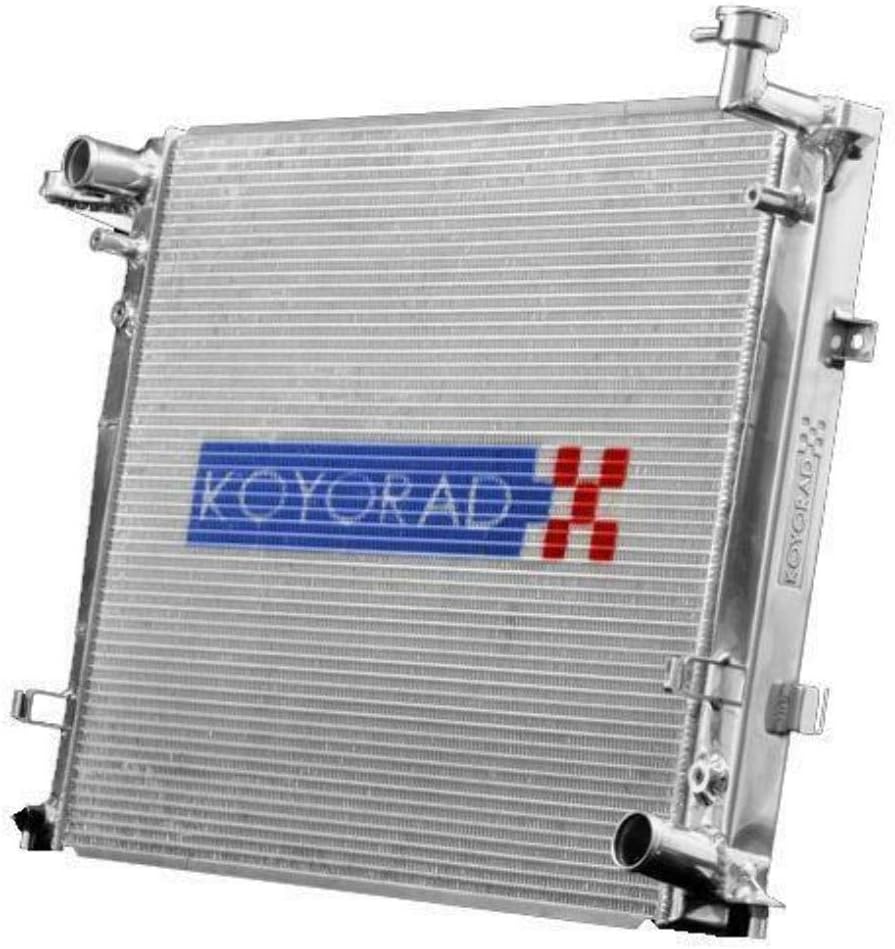
| Brand | Koyorad |
|---|---|
| Model | Koyo Cooling Systems V2574 |
| Exterior | Painted |
This Koyorad V-Core radiator is a direct replacement designed to restore cooling performance on 2002–2005 Honda Civic Si (EP3) models. It uses OE-grade materials such as aluminum and quality plastics and is built to withstand under-hood heat cycling and exposure to road elements. Installation is typical of a stock radiator swap and suits technicians or experienced DIYers with standard hand tools. The V-core design supports efficient heat transfer for everyday driving and spirited use, and the painted exterior gives corrosion resistance and a finished appearance. Because it is a dedicated fitment for the EP3 Civic, there is no need to modify mounting points or hose connections. Buyers should expect a straightforward installation and durable long-term operation, though any aging hoses, clamps, or thermostat should be inspected and replaced as needed during the swap to ensure the whole cooling system performs reliably.
Best for: Buyers seeking a reliable, OEM-style cooling replacement for a 2002–2005 Civic Si (EP3) who prioritize long service life and a direct-fit swap over cosmetic upgrades.
Less Ideal for: People looking for a performance-upgrade radiator for heavy track use or those who want an all-in-one kit with hoses and fittings included.
- Direct-fit design for 2002–2005 Honda Civic Si (EP3) for hassle-free replacement
- Built from OE-grade aluminum and quality plastics for durability under heat cycling
- V-core construction for effective heat dissipation during normal and spirited driving
- Painted exterior provides additional corrosion resistance and a finished look
- No included hoses, clamps, or thermostat so related components may need replacement during installation
Verdict: Choose this Koyorad V-core radiator when you want a durable, factory-quality direct replacement to restore reliable cooling on a 2002–2005 Civic Si (EP3).
6. Megan Racing High-Performance Aluminum 2-Row Radiator (MR-RT-EP3) for 2002–2005 Civic Si MT

| Material | T-6061 Aluminum |
|---|---|
| Core thickness | 50mm |
| Design | 2-row |
| Fitment | 2002–2005 Civic Si MT (manual transmission) |
This Megan Racing 2-row aluminum radiator is a direct-fit replacement for the 2002–2005 Civic Si (EP3) with a manual transmission and is aimed at drivers who push their cars harder than stock duty. Constructed from T-6061 aluminum with a 50mm core thickness and polished finish, it is designed to improve cooling efficiency by a reported 35 to 45 percent and ships with a 1.1 bar radiator cap. Typical use is spirited street driving, track days, or replacing an aging factory radiator to reduce operating temperatures; expect lower temps under load and more consistent cooling during extended high-RPM runs. Installation is bolt-on for compatible cars but professional installation is recommended and the system must be flushed and bled to avoid air pockets. Trade-offs are a denser two-row core that improves cooling but can be more sensitive to debris and may require careful fitting of hoses and brackets compared with the original part. The product is labeled for off-road use only, so buyers should confirm fit and local regulations before installing.
Best for: Drivers of 2002–2005 Civic Si EP3s who want a proven, performance-oriented cooling upgrade to reduce operating temperatures during spirited driving or track use and who prioritize lower engine temps and reliable cooling under sustained load.
Less Ideal for: Buyers who need a radiator for automatic transmission models or those who prefer a warranty-backed factory replacement for everyday commuting should consider other options.
- Full T-6061 aluminum construction for improved heat transfer and corrosion resistance
- 50mm two-row core designed to lower engine temperatures under high load
- Direct bolt-on fitment for 2002–2005 Civic Si manual-transmission models
- Includes a 1.1 bar radiator cap to maintain proper system pressure
- Manufacturer states product is for off-road use only which may affect street-legal considerations
- Denser two-row core can be more prone to clogging from debris compared with some factory cores
Verdict: If you drive an EP3 Civic Si hard and need a reliable, higher-capacity factory-fit cooling upgrade, this aluminum two-row radiator delivers noticeable temperature reduction.
Choosing the Right Honda Civic EP3 Radiator: Key Factors to Consider
Cooling Capacity and Core Design
Cooling capacity determines how effectively the radiator moves heat away from the engine. Core thickness, tube count, and fin density influence thermal transfer; a denser core often cools better but can restrict airflow and require stronger fans. For the EP3, consider whether you do stop-and-go city driving or higher-load scenarios where extra capacity helps maintain stable temperatures.
Core design also affects how the radiator interacts with the vehicle's fan and shroud. Taller or thicker cores may improve cooling but can change airflow patterns under the hood. Matching core characteristics to your typical driving prevents unnecessary stress on the cooling system and reduces the chance of overheating during heavy use.
Fitment and Mounting Accuracy
Correct fitment is essential to avoid fabrication work during installation. Mounting point alignment, bracket positions, and hose neck locations should match the Civic EP3's factory layout to allow a straightforward swap. Radiators that require adapter hoses or bracket modifications increase installation time and introduce potential leak points.
Transmission oil cooler line routing and any integrated fittings must align with the EP3's plumbing where applicable. Even small mismatches in neck diameter or outlet height can introduce stress on hoses, leading to premature failure or coolant loss. Prioritizing radiators designed for the EP3 reduces installation headaches and improves long-term reliability.
Material and Construction Quality
Materials affect longevity and resistance to corrosion. Aluminum cores with welded or brazed joints typically offer strong heat transfer and durability, while plastic tanks can be lighter and less expensive but may be prone to cracking over time. For an older vehicle like the EP3, corrosion resistance and joint strength are especially important because age and prior coolant chemistry can accelerate degradation.
Pay attention to seam construction and whether the radiator uses welded or crimped tanks. Reinforced mounting points and quality brazing help the radiator withstand vibration and thermal cycling common in daily driving and spirited use.
Compatibility With Cooling System Components
A replacement radiator must work with the Civic EP3's existing hoses, thermostat, water pump, and fan assembly. Mismatched inlet or outlet locations change hose routing and may interfere with other components. Consider whether the radiator accepts the stock fan shroud and if any transmission cooler integration is needed.
Compatibility also extends to coolant type and pressure cap specifications. Ensuring the radiator supports the recommended cap pressure and works with OEM coolant reduces the risk of boiling or under-pressurizing the system. Confirming these details prevents avoidable issues after installation.
Serviceability and Maintenance
Regular maintenance such as coolant flushes, hose inspection, and pressure testing keeps the cooling system healthy. Choose a radiator that makes these tasks straightforward, with accessible drain points and standard hose connections. Some radiators add fittings or convenient ports that simplify pressure checks and bleeding.
Consider corrosion resistance and ease of cleaning fins if debris build-up is common in your driving environment. The easier it is to service, the longer the radiator and cooling system will perform reliably.
Durability Under Operating Conditions
Think about the environmental and driving stresses the radiator will face. High ambient temperatures, frequent stop-and-go traffic, or occasional higher RPM track work increase thermal and mechanical loads. Durability relates to core thickness, tank material, and joint strength; robust construction reduces the chance of leaks and failure.
Also account for long-term factors like vibration and road debris. A radiator that resists impact and resists corrosion from mixed coolants will last longer and reduce the likelihood of roadside failures.
Recognizing Radiator Symptoms: Leaking and Overheating Signs
Early detection of radiator problems can prevent engine damage. Common signs include visible coolant puddles under the car, a persistent low coolant level, or steam from the engine bay. Overheating on the gauge or temperature spikes during idling or heavy load indicate reduced cooling capacity or restricted flow.
Other symptoms include a sweet coolant smell, discolored or oily coolant, and intermittent temperature fluctuations. Addressing these signs promptly reduces the risk of head gasket issues or warped components.
- Coolant puddles or wet spots near the radiator or lower hose
- Dashboard temperature climbing higher than normal during idle
- Steam from under the hood when the engine is hot
- Visible corrosion or white crust near hose connections
Radiator Replacement Planning and Preparation
Prepare for a radiator replacement by gathering basic tools, replacement hoses or clamps if needed, and fresh coolant. Drain the cooling system safely and dispose of old coolant according to local regulations. Inspect the cooling fan, shroud, thermostat, and hoses while the system is open to identify other impending maintenance.
If you plan to reuse the fan assembly or shroud, confirm the replacement radiator accepts those components without modification. Having the correct pressure cap and verifying hose diameters before starting prevents surprises during installation.
- Have fresh coolant and a new pressure cap on hand
- Inspect and replace aging hoses and clamps
- Check fan shroud and fan clearance before installation
Installation Considerations for the Civic EP3
Installation for the Civic EP3 typically involves draining the cooling system, removing the fan and shroud if required, disconnecting upper and lower hoses, and unbolting the radiator mounts. Pay careful attention to hose orientations and clip placements so everything returns to its original routing. Tighten hose clamps evenly and avoid over-torquing plastic fittings.
Bleeding air from the system after installation is crucial to prevent hot spots. Use the recommended bleed procedure for the Civic EP3, which may involve running the engine with the heater on and topping off coolant as air purges. Confirm there are no leaks at pressure points before completing the job.
- Follow manufacturer-recommended bleed procedure to remove trapped air
- Torque fasteners to specification and avoid stressing hose necks
- Test for leaks with a cold pressure check before first drive
Maintaining Cooling Performance: Coolant Flushes and Routine Checks
Regular coolant maintenance keeps heat transfer efficient and prevents internal corrosion. A coolant flush at recommended intervals helps remove deposits and maintains the proper inhibitor concentration. Use the coolant type recommended for the Civic EP3 to protect internal components and avoid chemical incompatibilities.
Routine checks include visual inspection of fins for blockage, ensuring fan operation, and monitoring coolant level and color. Periodic pressure testing can reveal small leaks before they become major issues and helps maintain peak cooling performance.
- Flush coolant at intervals appropriate for your coolant type
- Inspect fins and clear debris that restrict airflow
- Pressure-test the system to detect small leaks
When to Seek Mechanical Help
Some radiator issues are best handled by a technician. If you encounter persistent pressure loss, coolant contaminated with oil, or repeated overheating despite a seemingly good radiator, professional diagnosis is advisable. Complex failures such as head gasket breaches or warped heads require specialized equipment and experience.
Also seek help if your radiator replacement involves nonstandard fittings, integrated transmission cooler lines that are difficult to access, or if welding and fabrication are necessary. A professional can ensure proper repairs and prevent collateral engine damage.
- Consult a technician for coolant contaminated with oil
- Get professional help for repeated overheating after replacement
- Use a shop for radiator units requiring welding or custom mounting
Still looking for the perfect fit?
Select your Honda Civic configuration to see the most relevant Radiators recommendations
How We Chose the Best Honda Civic EP3 Radiator
We focused on selection criteria that directly affect ownership and long-term reliability for the Honda Civic EP3. Primary evaluation points included cooling capacity and thermal efficiency, since sufficient heat rejection matters under both traffic and hard driving. Fitment and mounting accuracy were weighed heavily to ensure the radiator aligns with factory hose locations, brackets, and transmission cooler lines when applicable. Build quality and materials informed durability assessments, with attention to core design, tank construction, and corrosion resistance. Flow characteristics and core density were considered for a balance between cooling performance and pressure drop. Lastly, serviceability and compatibility with common maintenance tasks such as coolant flushes and hose replacement were part of the review.We excluded units that require extensive vehicle modification or custom brackets, parts with inconsistent fitment reports, and cores not compatible with standard Civic EP3 cooling system plumbing. Our focus stayed on radiators that provide reliable, installable solutions for typical EP3 owners, emphasizing concrete measurements and durability-related specs rather than brand popularity.
Our full evaluation process is outlined in our review methodology.
FAQ
How do I know if my Civic EP3 radiator is leaking?
Look for coolant puddles under the car, white crust or green residue around hose connections, and a steady drop in coolant level. Pressure testing the cooling system can confirm small leaks that are not visible.
Can I replace the radiator myself on an EP3?
Many owners can perform a radiator swap with basic tools if the replacement matches the EP3's fitment. Be prepared to drain coolant safely, remove the fan and shroud if needed, and follow a proper bleeding procedure to eliminate trapped air.
How often should I flush the cooling system on a Civic EP3?
Recommended intervals vary with coolant type, but flushing every few years or according to the coolant manufacturer's guidance helps prevent deposits and corrosion. If the coolant appears discolored or contains debris, flush sooner.
What causes frequent overheating after installing a new radiator?
Common causes include trapped air in the system, an incorrectly seated thermostat, weak or improperly connected fan operation, or incompatible core design that restricts flow. Verify bleed procedures, fan operation, and hose connections before assuming the radiator is at fault.
Do radiators for the Civic EP3 require special coolant or caps?
Most replacement radiators are compatible with the same coolant and pressure cap used in the EP3, but confirm the cap pressure rating and coolant specifications before installation to ensure proper system pressure and boil-over protection.
Final Verdict
Selecting the right radiator for your Honda Civic EP3 means balancing cooling capacity, accurate fitment, and long-term durability. Prioritize units that match the EP3's mounting and hose locations, offer robust construction, and support routine maintenance like coolant flushing and pressure checks.Focus on the driving conditions you face most often. For everyday commuting, reliable fitment and corrosion resistance matter most, while higher-load driving benefits from increased core capacity. With those tradeoffs in mind, you can choose a radiator that keeps your EP3 running cool and dependable for miles to come.
Explore More:
- Check out all Honda Civic parts & accessories
- Explore Radiators Maintenance & Repair Guides
- Explore Cooling System
- Browse all Auto Parts
