

Note: This article contains affiliate links. If you click on these links and make a purchase, I may earn a small commission at no extra cost to you. This helps support my research and content. Read my full affiliate disclosure here.
If you drive a Hyundai Santa Cruz in climates that see snow, ice, or frequent cold temperatures, choosing the right winter tire makes a big difference in everyday safety and confidence behind the wheel. Winter tires are engineered to remain pliable in low temperatures and to bite into snow and ice, improving braking distances and lateral grip compared with non-winter rubber.This guide shortlists six top winter tire options that suit the Santa Cruz's weight, ground clearance, and typical load for light truck and SUV use. We evaluated grip in snow and on ice, tread-life expectations, and fitment considerations so you can match a tire to your winter driving needs. Read on for what matters when selecting winter tires, plus practical tips on sizes, installation, and seasonal maintenance.
Looking for other parts? See all Hyundai Santa Cruz parts & accessories.
Top Picks at a Glance
| Best Overall The best all-around choice for most situations | Cooper Evolution Winter P235/55R17 99H Tire |  |
| Best Quality Built to a higher standard if you want something more solid | Bridgestone Blizzak DM-V2 Winter Tire 235/65R17 XL | 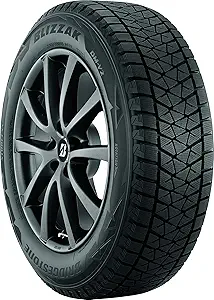 |
| Best Value The sweet spot between price and what you get | Sumitomo Ice Edge Studable Winter Radial Tire 235/60R18 107T |  |
| Best Budget The cheapest option that still gets the job done reliably | Accelera X Grip Winter Touring Tire — 215/65R16 |  |
| Highest Rated A top-rated pick with lots of positive feedback | Falken Winterpeak F-Ice 1 215/65R16 Winter Tire |  |
| Most Popular A crowd favorite that many people choose with confidence | Cooper Discoverer True North Winter Tire 235/65R17 104T |  |
1. Cooper Evolution Winter P235/55R17 99H Tire

| Size | 235/55R17 99H |
|---|---|
| Tread Type | Directional |
| Tread Depth | 12 32nds |
| Maximum Pressure | 44 PSI |
| Construction Type | Radial |
The Cooper Evolution Winter is a purpose-built winter tire that focuses on deep-snow and icy-road control. Its directional tread, wide sawtooth center rib, and multi-angled corrugated siping deliver plenty of biting edges for braking, acceleration, and cornering in snowy conditions, while Snow Groove Technology helps the tread hold snow for improved snow-on-snow traction. The tire is 3PMSF certified and studdable for added ice performance, so it suits drivers who regularly face untreated roads or heavy snowfall. Ride quality is relatively quiet for a winter tread and the design prioritizes stability at speed. Expect strong winter grip but some compromise in year-round versatility and summer handling compared with all-season or performance tires. This tire is best used as a dedicated winter set rather than an all-season replacement.
Best for: Buyers wanting a confident, dedicated winter tire that handles deep snow and icy roads well and who plan to fit a seasonal winter set for safety in severe winter conditions.
Less Ideal for: Drivers who need a single tire for year-round use or prioritize summer performance and fuel economy over winter traction should choose a different tire type.
- Severe Weather Rated (3PMSF) for verified winter performance
- Directional tread and Snow Groove Technology that improve deep-snow traction
- Studdable design option for enhanced ice grip
- Sawtooth center rib and siping that enhance straight-line stability and braking
- Relatively quiet ride for a winter tire
- Not intended as a year-round tire so wet and warm-weather handling will lag compared with summer or all-season tires
- Universal fit listing requires confirming exact size and load for specific vehicles
Verdict: Choose the Cooper Evolution Winter if you want a dedicated, 3PMSF-certified winter tire that excels in deep snow and can be studded for extra ice traction.
2. Bridgestone Blizzak DM-V2 Winter Tire 235/65R17 XL

| Rim Size | 17 inches |
|---|---|
| Load Index | 108 |
| Speed Rating | S |
| Tread Type | Winter/Snow |
| Load Range | XL |
The Bridgestone Blizzak DM-V2 is a studless winter tire built to boost grip and braking on snow and ice for SUVs and light trucks. It uses a next-generation Multicell compound with a hydrophilic coating that helps disperse surface water on ice, and a redesigned tread with about 15% more block edges to increase snow-shearing force. The contact patch has been optimized to spread pressure more evenly, which improves stability and steering feel in cold conditions. In practice the DM-V2 delivers confident stops on packed snow and noticeably better bite on glazed ice compared with all-season tires, and it maintains predictable handling in slush and deep winter weather. Downsides are that it is a winter-only tire so it wears faster in warm conditions and will reduce fuel economy compared with low rolling resistance all-seasons. Also the Load Range XL and higher load index reflect a sturdier construction that can transmit more road noise on smooth pavement. For drivers prioritizing winter performance, the Blizzak DM-V2 is a focused choice that trades year-round versatility for strong cold-weather control.
Best for: Buyers who prioritize maximum winter stopping power and predictable handling on snow and ice for their midsize truck or SUV during harsh winter months.
Less Ideal for: Drivers who need a single set of tires year-round or who prioritize low rolling resistance and quiet highway manners over winter-specific grip.
- Proven multicell compound improves ice traction by dispersing surface water
- Tread pattern with increased block edges boosts snow traction and braking
- Optimized contact patch for more consistent handling and stability in winter conditions
- Extra load construction supports higher payloads common on trucks and SUVs
- Designed strictly for winter use so tread wears faster and performance drops in warm weather
- Higher load/XL construction can increase road noise compared with touring tires
Verdict: Choose the Blizzak DM-V2 when winter traction and confident braking on ice and snow are your top priority.
3. Sumitomo Ice Edge Studable Winter Radial Tire 235/60R18 107T

| Rim Size | 18 inches |
|---|---|
| Load Index | 107 |
| Speed Rating | T |
| Tread Type | Directional |
| Seasons | Winter |
The Sumitomo Ice Edge is a winter tire built for cold, snowy, and icy conditions and is certified with the three-peak mountain snowflake symbol for severe snow. It uses a winter-specific tread compound and optimized 3D serrated siping to improve bite on packed snow and ice, while wide serrated channels help evacuate slush. Triangular center tread blocks aim to boost stability and handling in winter driving, and the tread accepts studs for drivers who need maximum traction on ice. For everyday use on a Hyundai Santa Cruz in winter this tire delivers predictable grip in snow and improved braking on slick surfaces, though studding will add road noise and wear faster on clear pavement. The directional tread and XL load rating support heavier loads, making it suitable when hauling or carrying gear in winter, but expect firmer ride characteristics compared with all-season tires.
Best for: Drivers who prioritize winter safety and consistent snow and ice traction on a Santa Cruz and who want a tire that can be studded for the worst icy conditions.
Less Ideal for: Drivers who spend most of the year on clear roads or want a quiet, comfortable all-season ride should consider a dedicated touring or all-season tire instead.
- Certified for severe snow with 3PMSF for reliable winter traction
- Winter-tuned compound and 3D serrated siping improve grip on snow and ice
- Directional tread and wide channels evacuate slush and enhance stability
- Stud-friendly design for added ice traction when needed
- XL 107 load rating supports heavier loads and towing in winter conditions
- Studs increase noise and accelerate wear on dry pavement
Verdict: Choose the Ice Edge when you need proven severe-snow performance and the option to add studs for maximum ice traction on a Hyundai Santa Cruz.
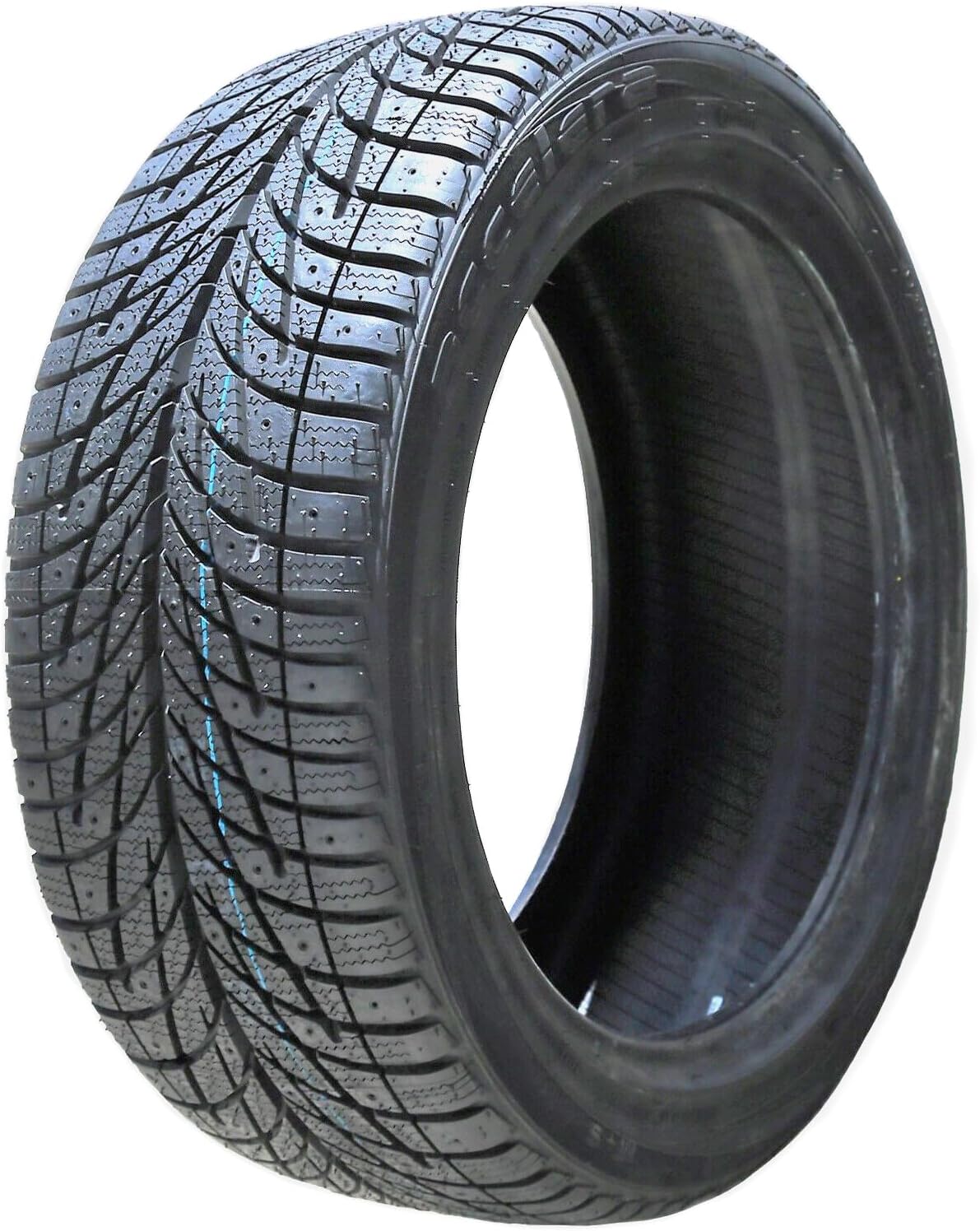
4. Accelera X Grip Winter Touring Tire — 215/65R16
| Rim Size | 16 Inches |
|---|---|
| Load Index | 102 |
| Speed Rating | H |
| Tread Type | Directional |
| Seasons | Winter |
The Accelera X Grip is a winter touring radial built to give competent cold-weather performance without a premium price. Its directional tread pattern, winter compound, and deep siping work together to improve grip on snow and ice, while wide circumferential and angled lateral grooves help evacuate water and slush to reduce hydroplaning risk. The tire is studdable for drivers who want added ice bite, and its 4-ply, XL load rating supports heavier compact trucks and crossovers. You can expect more confident braking and steadier steering in winter conditions compared with an all-season tire, and the lighter internal structure is intended to lower rolling resistance for slightly better fuel economy. Downsides are that this is a budget-focused option, so long-term wear characteristics and high-speed refinement may lag premium winter models, and installation will require fitting four tires and, if desired, studs added separately. For Santa Cruz drivers prioritizing winter grip on a budget, the X Grip offers practical capability at a value point.
Best for: Drivers who need dependable winter traction for a compact pickup or crossover and want an affordable tire that improves braking and control in snow and slush.
Less Ideal for: Drivers seeking the quietest, longest-wearing, or highest-performance winter tire regardless of cost should consider premium alternatives instead.
- Directional winter tread and winter compound improve traction on snow and ice.
- Wide circumferential and lateral grooves reduce hydroplaning risk in slush and standing water.
- Studdable design allows addition of studs for enhanced ice grip.
- XL load rating and 4-ply construction suit heavier compact trucks and crossovers.
- Budget tire may not match premium winter tires for long-term tread life or high-speed refinement.
Verdict: A wallet-friendly winter tire that gives Hyundai Santa Cruz drivers stronger snow and slush grip and the option to add studs for icy conditions.
5. Falken Winterpeak F-Ice 1 215/65R16 Winter Tire

| Size | 215/65R16 |
|---|---|
| Load Index | 102 |
| Speed Rating | T |
| Tread Type | Directional |
| Seasons | Winter |
The Falken Winterpeak F-Ice 1 is a winter radial tire built for snow and cold-road conditions in the 215/65R16 size. Its directional tread and 11/32" tread depth are aimed at improving grip in snow and slush, while the winter compound helps maintain flexibility in low temperatures. With a 102 load index and 1874-pound load capacity this tire supports mid-size trucks and SUVs that use this metric size. Typical use is seasonal: swap these on for winter months when you need better braking and lateral traction on icy or snowy roads. The tire is constructed as a radial with a 50 psi maximum inflation and a high-ply construction for durability. Practical benefits include confident snow handling and a robust load rating for light trucks; limitations are that it is a winter-specific design so it will wear faster and feel stiffer in warm weather and is not optimized for summer performance or fuel economy.
Best for: Drivers who prioritize dependable winter traction and durability for seasonal use, especially those who need a tire that handles snow, slush, and icy roads reliably.
Less Ideal for: Drivers looking for an all-season tire or who primarily drive in warm climates year-round should consider alternative all-season or summer-focused tires.
- Directional tread and deep tread depth for improved traction in snow and slush
- Winter rubber compound that stays flexible in low temperatures for better braking on ice
- 102 load index provides a high load capacity suitable for light trucks and heavier crossovers
- Radial construction and high-ply build for durability under winter road stresses
- Designed specifically for winter so it will be noisier and wear faster in warm conditions
Verdict: Buy this tire if you need a durable, winter-focused tire that improves traction and braking on snow and icy roads.
6. Cooper Discoverer True North Winter Tire 235/65R17 104T

| Rim Size | 17 Inches |
|---|---|
| Load Index | 104 |
| Speed Rating | T |
| Seasons | Winter |
| Tread Type | Asymmetrical |
The Cooper Discoverer True North is a winter tire designed to deliver confident traction on snow, slush, and black ice while still feeling composed on treated highways. It uses a winter-specific compound and dense siping to boost grip on ice and a Snow Groove design that traps snow in the tread to enhance snow-on-snow traction. Noise-dampening tread structures help keep highway commutes quieter than many winter tires, and the tire carries the Three-Peak Mountain Snowflake severe snow service rating for validated winter performance. Typical use is daily winter commuting on plowed or partially treated roads where drivers may encounter slush, packed snow, and occasional black ice. The tire is radial construction with a 17-inch rim fitment and a load index suitable for most mid-size trucks and SUVs. Expect shorter stopping distances in snowy conditions and improved confidence in slippery patches, with the main compromises being that specialized winter rubber will wear faster in warm weather and that maximum grip still depends on proper tire pressures and seasonal fitment changes.
Best for: Drivers who prioritize verified winter performance and want a quieter, confidence-inspiring tire for daily commuting in snowy or icy conditions and who prefer choices backed by strong customer feedback.
Less Ideal for: Those who need an all-season tire for year-round use or drivers who rarely encounter snow and want maximum tread life in warm climates.
- Three-Peak Mountain Snowflake severe snow service rating for validated winter performance
- Snow Groove Technology and high-density siping improve snow-on-snow traction and ice grip
- Tread noise-dampening structures reduce road noise for more comfortable highway driving
- Designed compound and tread for shorter stopping distances on snow
- Winter-specific compound will wear faster if used year-round in warm conditions
- Not intended for non-winter driving; requires seasonal changeover to retain performance
Verdict: Choose this tire if you want a severe-weather certified, quieter winter tire that improves snow and ice braking for daily winter commuting.
Choosing the Right Hyundai Santa Cruz Winter Tire: Key Factors to Consider
Tire Compound and Cold-Temperature Flex
The rubber compound determines how well a tire remains flexible as temperatures drop. Cold-formulated compounds maintain pliability below freezing, allowing tread blocks to conform to irregularities in snow and ice and produce more contact surface.
Stiffer summer or all-season compounds harden in cold, reducing traction and increasing braking distances. For the Santa Cruz, which may carry moderate loads and tow occasionally, choose a compound rated for the regional low temperatures you expect. That ensures consistent handling in suburban commutes and highway driving during winter storms.
Tread Pattern and Snow Evacuation
Tread design controls how snow and slush are channeled away from the contact patch. Directional and asymmetric patterns with deep central grooves help evacuate slush to maintain bite, while numerous sipes increase the number of biting edges for traction on packed snow and ice.
Avoid aggressively open, mud-oriented patterns for pure winter use because they can reduce the continuous rubber contact needed for stable highway performance. For the Santa Cruz, look for patterns that balance snow evacuation with a solid footprint for predictable steering response at higher speeds.
Ice Traction Features
Ice performance is influenced by siping density, micro-pockets in the tread, and compounds that grip smooth surfaces. Some winter tires include enhanced siping layouts and specialized edge shapes that improve adhesion on glazed ice.
If you frequently encounter black ice or icy bridges where braking and steering control matter most, prioritize tires with documented ice traction design features. For Santa Cruz drivers who travel through mountain passes or shaded urban corridors, superior ice grip can be more important than maximum deep-snow capability.
Load Index and Wheel Fitment
The Santa Cruz has wheel and load requirements that must be met by any winter tire. Load index and rim width compatibility affect safety and handling; an under-rated tire may overheat or deform, while an improperly wide or narrow tire can alter steering feel and wear characteristics.
Always verify the tire size, load rating, and recommended rim width range before purchase. Proper fitment preserves manufacturer handling characteristics and ensures the tire supports passenger and cargo weights safely throughout winter driving.
Studdable Options and Local Regulations
Studded tires or studdable designs add metal traction points that significantly improve grip on glare ice but can reduce performance on dry roads and may be restricted seasonally by local law. Studs also increase road wear and may raise noise levels during non-snow use.
If you live in an area with long stretches of ice or frequent freezing rain, consider studdable options and confirm allowable dates and regulations. For many Santa Cruz owners in mixed-condition regions, a studless tire with aggressive siping offers the best compromise between grip and daily drivability.
Tread Life and Replacement Interval
Winter rubber typically wears faster than all-season compounds because of softer formulations. Tread depth at purchase and projected seasonal mileage affect how often you will need replacements.
Estimate annual winter miles and compare that to manufacturer treadwear expectations to choose a tire that balances longevity with winter performance. For Santa Cruz drivers who rack up highway miles, selecting a tire with a deeper initial tread or a reputation for even wear can reduce replacement frequency while maintaining winter grip.
Choosing the Right Winter Tire Size for Santa Cruz
Correct tire size is foundational for safe winter performance. The Santa Cruz commonly runs several wheel diameters and aspect ratios, and selecting a winter tire that matches the factory-recommended size or an approved alternate keeps speedometer accuracy, traction control calibration, and ride height consistent.
When evaluating fitment, consider that narrower tires can improve snow penetration and flotation in deep soft snow, while slightly wider footprints may help on compacted snow and slush. Check the vehicle placard and owner's manual for acceptable replacements and consult a professional if you plan to change rim diameter or offset.
- Verify the tire's load index meets or exceeds the original equipment rating.
- Confirm rim width compatibility to avoid bead seating or handling issues.
- Consider one-size-narrower options for heavy snowfall environments.
Studded Vs Studless: What Works Best Here
Studded tires deliver the greatest mechanical grip on glare ice, but they come with tradeoffs in road noise and dry handling. Many regions also restrict studded tire use to winter months, so check local rules before choosing studs.
Studless winter tires have improved dramatically and now provide excellent overall winter performance through advanced compounds and siping. For most Santa Cruz owners who encounter mixed winter conditions, a high-quality studless tire offers a strong balance of ice grip, snow traction, and everyday comfort.
- Choose studs if you regularly drive on untreated icy surfaces.
- Pick studless tires for quieter, more versatile daily driving and better wear on dry roads.
Installation Timing and Seasonal Storage
Knowing when to switch to winter tires and how to store your summer or all-season tires affects performance and cost. Install winter tires when average temperatures regularly fall below about 45 degrees Fahrenheit because compound flexibility becomes more important than tread pattern alone.
Proper seasonal storage keeps tires in good condition between seasons. Store mounted wheels vertically in a cool, dry place away from direct sunlight. Labeling sets and keeping tire pressure documentation simplifies reinstallation and helps ensure consistent performance year to year.
- Schedule installation before the first forecasted freeze to avoid last-minute shortages.
- Keep winter tires inflated to storage pressure and inspect for damage before re-mounting.
Maintenance Tips for Winter Tire Performance
Regular checks preserve traction and extend the life of winter tires. Monitor tread depth throughout the season because grip diminishes as grooves wear. Look for uneven wear that can indicate alignment or inflation problems.
Rotate tires every 5,000 to 7,000 miles to promote uniform wear, and check pressures frequently since cold air reduces tire pressure. Washing away road salt and grime also slows corrosion of wheels and helps you spot cuts or embedded debris.
- Check tread depth using a gauge; replace tires when tread approaches manufacturer recommendations for winter use.
- Inspect for sidewall damage and embedded objects after winter trips on rough roads.
Balancing Noise, Ride, and Winter Grip
Some winter tires prioritize maximum bite, which can increase noise and reduce ride refinement. Other designs aim for a quieter, more comfortable ride while sacrificing a degree of extreme-condition traction.
Decide what matters most for your Santa Cruz usage. If long highway commutes dominate your winter miles, a quieter, long-wearing winter tire may be preferable. If you navigate steep, icy grades frequently, accept some noise for better low-speed traction and shorter stopping distances.
- Look at tread pattern density and block stiffness when noise is a concern.
- Consider ride quality reports and tread depth claims when weighing tradeoffs.
How We Chose the Best Hyundai Santa Cruz Winter Tire
We prioritized criteria that matter specifically for Hyundai Santa Cruz owners driving in winter conditions. First, low-temperature compound performance was essential because rubber flexibility at freezing temperatures determines real-world traction and braking. Second, snow and packed-snow traction tests or manufacturer traction ratings were considered to assess how well tires bite into soft and compacted snow.Third, ice performance and available siping or specialized tread features were used as an indicator of grip on glazed surfaces. Fourth, construction and load ratings were reviewed so each tire can safely carry the Santa Cruz with typical cargo and passenger loads. Fifth, treadwear expectations and pattern symmetry helped estimate longevity without sacrificing winter performance.We excluded any tires whose size ranges or load ratings do not match common Santa Cruz wheel specifications. Likewise, tires designed primarily for mud or off-road use were not considered because they trade winter traction for aggressive voids. The final shortlist balances cold-weather grip, durability, appropriate size fitment, and construction suitable for a light truck/SUV platform.
Our full evaluation process is outlined in our review methodology.
FAQ
When should I switch to winter tires on my Santa Cruz?
Switch when average daily temperatures consistently approach 45 degrees Fahrenheit or lower. The compound matters more than tread pattern at those temperatures, and changing before the first hard freeze gives you the best chance to avoid icy incidents.
Can I mix winter tires with all-season tires on the Santa Cruz?
Mixing different tire types is not recommended because it can create uneven grip and unpredictable handling. For safety and consistent traction, fit a matched set of four winter tires that share size, load index, and tread characteristics.
Do studded winter tires fit the Santa Cruz and are they worth it?
Studded tires are available in studdable sizes that suit Santa Cruz wheel options, but their benefit depends on local conditions. They help on hard, glazed ice but may be unnecessary if you mostly drive on treated roads or in regions with milder winters.
How does tire tread depth affect winter performance?
Greater tread depth provides more room for snow evacuation and biting edges, improving traction in deep snow. However, tread compound and siping also play crucial roles; a shallow winter tread will still underperform even if the pattern is aggressive.
Will winter tires affect fuel economy on my Santa Cruz?
Winter tires can slightly reduce fuel economy due to softer compounds and more aggressive tread, which increase rolling resistance. The impact is usually modest and is offset by the safety benefits of improved winter traction.
What should I expect for winter tire installation and balancing?
Installation typically includes mounting, balancing, and a torque check for lug nuts. Expect technicians to verify fitment and inflation. Costs vary by shop, and proper balancing reduces vibration and uneven wear during cold months.
Final Verdict
Prioritize a winter tire that matches the Santa Cruz's load requirements and the type of winter you face. If you encounter frequent ice, emphasize ice traction features or studdable options, while those who drive mostly on plowed roads should favor studless designs with strong snow traction and longer tread life. Balance tradeoffs between noise, durability, and maximum grip to find the tire that best fits your driving habits.Choosing a matched set of four winter tires in the correct size and load rating will deliver the greatest safety benefits and preserve predictable handling throughout the season.
Explore More:
- Check out all Hyundai Santa Cruz parts & accessories
- Explore Winter Tires Maintenance & Repair Guides
- Explore Wheels & Tires
- Browse all Auto Parts
