

Note: This article contains affiliate links. If you click on these links and make a purchase, I may earn a small commission at no extra cost to you. This helps support my research and content. Read my full affiliate disclosure here.
Upgrading to wheel spacers can change the look and handling of your Hyundai Santa Cruz while solving clearance issues with aftermarket wheels or wider tires. The right spacer preserves safe hub engagement, maintains wheel alignment, and avoids rubbing on fenders or suspension components. This guide covers our shortlisted options for Santa Cruz owners, focusing on fitment, material quality, and installation practicality. We evaluate spacers for bolt pattern compatibility, centering method, thickness options, and hardware needs to help you pick the right setup for stance or clearance improvements. Read on for detailed buying criteria and practical installation considerations before you fit spacers to your truck.
Looking for other parts? See all Hyundai Santa Cruz parts & accessories.
Top Picks at a Glance
| Best Overall The best all-around choice for most situations | PHILTOP 5×4.5 Hub-Centric 1" Wheel Spacers (Pair) |  |
| Best Quality Built to a higher standard if you want something more solid | Customadeonly 38mm 5×114.3 Hubcentric Wheel Spacers with M12x1.5 Studs (4 pcs) |  |
| Best Budget The cheapest option that still gets the job done reliably | StanceMagic 5mm Hubcentric Wheel Spacers 5×114.3 (67.1mm Bore) — 2pc |  |
| Highest Rated A top-rated pick with lots of positive feedback | TadaMark 5×4.5 1" Hubcentric Wheel Spacers with M12x1.5 Studs (4-Pack) |  |
| Most Popular A crowd favorite that many people choose with confidence | SCITOO 2" 5×4.5 Hubcentric Wheel Spacers (67.1mm Bore) — 2pcs |  |
| Best Seller A high-volume bestseller chosen again and again | Customadeonly 30mm 5×114.3 Hub-Centric Wheel Spacers with M12x1.5 Studs (Pair) |  |
1. PHILTOP 5×4.5 Hub-Centric 1" Wheel Spacers (Pair)
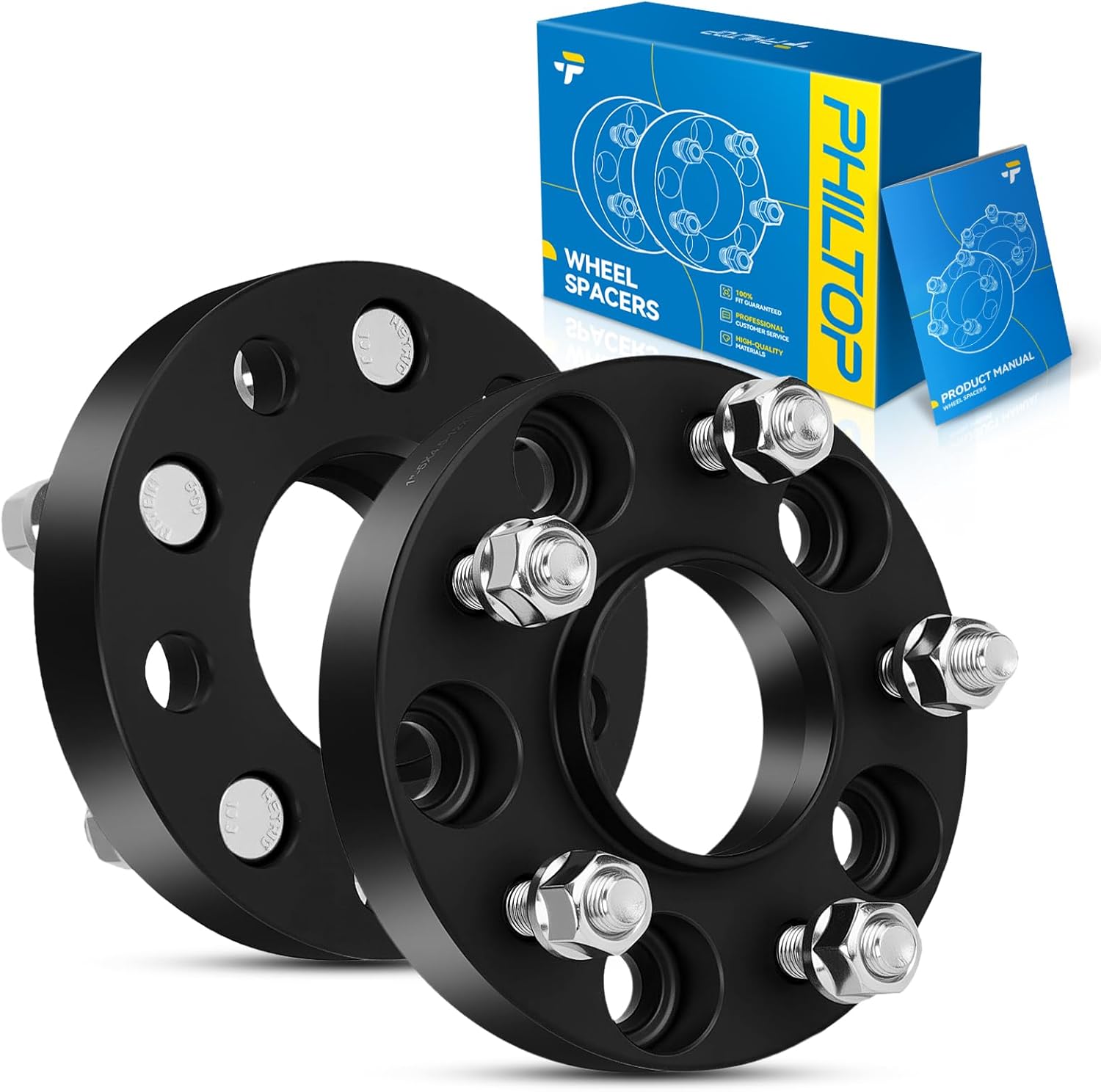
| Bolt pattern | 5×4.5 (5×114.3mm) |
|---|---|
| Thickness | 1 inch (25.4mm) |
| Center bore | 67.1mm |
| Stud thread | M12x1.5 |
| Material | 6061-T6 aluminum |
These PHILTOP 1" wheel spacers push the wheel out one inch to widen track width and create a more aggressive stance. Made from forged 6061-T6 aluminum and CNC machined, the spacers are lightweight yet engineered for strength; the kit uses high-hardness M12x1.5 studs and includes adhesive for mounting. Installation is typical for spacers: remove wheel, fit the spacer to the hub, thread the wheel studs, then torque to the recommended values and re-torque after initial driving. For a balanced buyer focused on everyday driving and occasional spirited cornering, these spacers improve lateral grip feel and reduce body roll by widening the track without a major suspension overhaul. Practical benefits include corrosion-resistant anodized finish and a hub-centric design that helps keep runout low. Important limitations are the need to confirm bolt pattern and hub bore compatibility for the Santa Cruz and to follow torque and alignment steps after fitting; using spacers also slightly changes wheel offset which can affect fender clearance and tire wear if not checked.
Best for: Buyers who want a balanced, everyday improvement in stance and handling for a Santa Cruz without heavy suspension modification and who value a factory-quality, lightweight spacer.
Less Ideal for: Drivers seeking maximum wheel fitment changes, heavy-duty off-road wheel articulation, or a bolt-on solution without verifying hub and fender clearance should consider other solutions.
- Forged 6061-T6 aluminum construction offers high strength with low weight.
- Hub-centric 67.1mm bore helps reduce vibration and wheel runout.
- Uses M12x1.5 high-hardness studs for secure wheel mounting.
- Anodized finish and CNC machining improve corrosion resistance and fit accuracy.
- Includes adhesive and basic hardware to simplify installation.
- One-inch thickness shifts wheel offset and may require fender clearance checks or trimming.
- Fitment requires matching 5×4.5 (5×114.3mm) bolt pattern and correct hub bore for the vehicle.
- Only a pair included so full-vehicle fit requires purchasing two kits if not sold as a four-piece set.
Verdict: A lightweight, forged 1" hub-centric spacer that gives a Hyundai Santa Cruz a wider track and improved on-road handling while keeping installation straightforward.
2. Customadeonly 38mm 5×114.3 Hubcentric Wheel Spacers with M12x1.5 Studs (4 pcs)

| Bolt pattern | 5×114.3 |
|---|---|
| Bore | 67.1mm |
| Stud pitch | M12x1.5 |
| Material | 6061-T6 aluminum |
These CNC-forged 38mm wheel spacers bolt onto 5×114.3 hubs and use a 67.1mm hubcentric bore plus M12x1.5 studs to move wheels outward for better stance and clearance. They are typically used by enthusiasts to correct wheel offset, widen track for improved cornering stability, or provide clearance for larger brakes or tires. Machined from 6061-T6 aluminum and fitted with heat-treated class 10.9 studs, the set delivers consistent balance and a sturdy connection when installed with proper torque. The hubcentric design helps center the wheel for fewer vibration issues compared with generic adapters. Practical benefits include a wider track for crisper turn-in, additional clearance to avoid rubbing, and an aesthetic flush fit. Important limitations are that these spacers are vehicle- and bolt-pattern specific and require proper installation and torque sequence; they are not a suspension or handling cure-all and add unsprung rotational mass that can affect ride feel on some setups.
Best for: Drivers focused on performance and handling who want a precise, vehicle-specific spacer to widen track, clear larger brakes, or achieve a flush wheel fitment while prioritizing build quality and centering.
Less Ideal for: Casual drivers seeking a simple cosmetic change without concern for installation or those who prefer suspension tuning for handling gains rather than altering track width.
- CNC 6061-T6 forged construction provides consistent strength and concentricity
- Hubcentric 67.1mm bore reduces vibration risk by centering wheel on the hub
- Includes heat-treated class 10.9 M12x1.5 studs for strong wheel attachment
- 38mm width gives noticeable track widening for improved cornering and clearance
- Specific to 5×114.3 pattern and 67.1mm bore so fitment is limited
- Adds rotational mass which may slightly alter ride and steering feel
Verdict: A precision-forged 38mm hubcentric spacer set that performance-minded buyers can use to widen track and gain brake or tire clearance with minimal vibration risk.
3. StanceMagic 5mm Hubcentric Wheel Spacers 5×114.3 (67.1mm Bore) — 2pc

| Thickness | 5mm |
|---|---|
| Bolt Pattern | 5×114.3 |
| Center Bore | 67.1mm |
| Material | Aluminum |
| Unit Count | 2 Count |
These StanceMagic spacers are thin 5mm hubcentric aluminum discs that push the wheel out slightly to correct minor clearance or fitment issues. Made from CNC-machined billet aluminum and anodized, they are lightweight compared with many competitors and designed to center on a 67.1mm hub to reduce wobble. Typical uses include resolving rubbing on brake calipers or suspension components, closing small fender gaps, and creating a bit more clearance for wider tires. Installation is straightforward for a DIYer with a torque wrench and basic tools but may require longer lug bolts or studs, which are not included. The product is vehicle-specific in bolt pattern and bore so fit must be confirmed before buying, and the 5mm thickness is only suitable for modest spacing needs rather than large offset changes. The included safety reminder to re-torque after 25 to 50 miles and avoid impact wrenches is important to follow. For buyers who need a low-cost, low-mass spacer to fine-tune stance or clear minor interference, these deliver solid value; for larger spacing goals you will need thicker spacers or adapters and additional hardware.
Best for: Buyers wanting an inexpensive, low-weight spacer to fix small rubbing issues or tighten wheel stance on 5×114.3 Hyundai vehicles while keeping costs low and avoiding heavy adapters.
Less Ideal for: Drivers who need significant wheel offset changes, full bolt-pattern conversions, or those unwilling to verify stud length and perform proper torque and re-torque steps should look elsewhere.
- CNC-machined billet aluminum construction for consistent fit and reduced weight
- Hubcentric 67.1mm bore reduces chance of vibration when matched to hub
- Anodized finish resists surface corrosion for longer life
- Thin 5mm profile fixes minor clearance issues without major offset change
- Only 5mm thickness so not suitable for large offset or wide-adapter needs
- Does not include extended lug bolts or studs required for some installations
Verdict: A budget-friendly, lightweight 5mm hubcentric spacer that solves minor clearance and stance issues on 5×114.3 Hyundai vehicles.
4. TadaMark 5×4.5 1" Hubcentric Wheel Spacers with M12x1.5 Studs (4-Pack)

| Bolt Pattern | 5×4.5in |
|---|---|
| Thread Pitch | M12x1.5 |
| Hub Bore | 67.1mm |
| Thickness | 1 inches |
| Quantity | 4 PCS |
These TadaMark wheel spacers are a straightforward way to push wheels outward by 1 inch while keeping the hub centered on the hub bore. Made from 6061-T6 aluminum and supplied with Class 10.9 studs, the kit is intended for rear-axle applications where a 5×4.5 bolt pattern and 67.1mm hub bore match. Installation is typical for spacers: remove the wheel, fit the spacer to the hub, torque the spacer and wheel fasteners to spec, and recheck after a short drive. The hubcentric design and hardened studs help maintain alignment and reduce vibration compared with generic thin adapters. Practical benefits include improved stance and minor handling stability from a slightly wider track without noticeably increasing unsprung weight. Limitations are the 1-inch thickness only addresses modest clearance or offset changes, and fitment is vehicle-specific so confirming hub bore and bolt pattern is essential. This kit is also rear-only per the product details, so it may not suit drivers wanting a full-axle setup from one purchase.
Best for: Buyers who prioritize a durable, factory-like spacer to improve rear track width and reduce wheel rub while keeping vehicle dynamics predictable.
Less Ideal for: Drivers who need large offset changes or want a complete front-and-rear conversion from a single purchase should consider thicker or full-axle kits instead.
- Hubcentric 67.1mm bore reduces runout and vibration risk compared with non-hubcentric spacers
- Forged 6061-T6 aluminum construction keeps weight low while remaining corrosion resistant
- Includes Class 10.9 studs for stronger fastener performance
- 1-inch thickness provides a noticeable but modest track increase useful for clearance and stance improvements
- Sold as a rear-only 4-piece set so you may need a second set for both axles
Verdict: Choose this hubcentric 1-inch aluminum spacer set when you want a reliable, factory-quality rear spacer that improves stance and reduces vibration risk.
5. SCITOO 2" 5×4.5 Hubcentric Wheel Spacers (67.1mm Bore) — 2pcs

| Bolt pattern | 5×4.5 |
|---|---|
| Thickness | 2 in (50 mm) |
| Center bore | 67.1 mm |
| Stud thread pitch | 12×1.5 |
These SCITOO 2" wheel spacers push the wheel outboard to increase track width and close the gap between tire and fender. Sold as a pair, they are hubcentric with a 67.1mm bore and use 12×1.5 studs, so they bolt to 5×4.5 hubs and keep the wheel centered on the hub for better balance. The spacers are forged from aircraft-grade aluminum and use heat-treated ISO/DIN 10.9 studs, which should provide good strength for street driving and light performance use. Installation is straightforward for a mechanic or experienced DIYer: remove the wheel, fit the spacer to the hub, torque the studs to spec, then remount the wheel. Benefits include a wider stance for improved cornering feel and a more aggressive look. Important limitations are fitment specificity and safety: confirm the Santa Cruz uses the exact 5×4.5 pattern and 67.1mm bore before buying, and professional installation is advised because improper installation can risk loose fasteners or wheel loss. These arrive as two pieces only, so front or rear application may require a second set depending on your goals.
Best for: Buyers who prioritize verified real-world performance gains and want a stronger, hubcentric spacer to improve handling and stance on a modified Santa Cruz while relying on social proof and cautious decision-making.
Less Ideal for: People who want a universal spacer that fits many vehicles without checking fitment or those unwilling to have a professional install and torque the hardware correctly.
- Hubcentric 67.1mm bore helps keep the wheel centered for better balance.
- Forged aircraft-grade aluminum construction offers strength with lighter weight than steel.
- Includes hardened ISO/DIN 10.9 studs for improved stud strength versus basic hardware.
- 2" (50mm) thickness provides a noticeable increase in track width for improved stance and cornering.
- Sold as a 2-piece set only so you may need to purchase a second set for full-vehicle fitment.
- Fitment depends on exact bolt pattern and bore size so compatibility must be verified before purchase.
Verdict: If you need a hubcentric, forged 2" spacer to widen the track and improve stance on a Santa Cruz, this SCITOO kit delivers a strong, street-ready option backed by solid construction and hardware.
6. Customadeonly 30mm 5×114.3 Hub-Centric Wheel Spacers with M12x1.5 Studs (Pair)

| Bolt pattern | 5×114.3 |
|---|---|
| Center bore | 67.1mm |
| Thread pitch | M12x1.5 |
| Material | 6061-T6 aluminum |
| Stud grade | Class 10.9 steel |
These Customadeonly 30mm wheel spacers are a bolt-on solution for 5×114.3 applications that push each wheel outward by 30mm per side to correct offset, increase track width, and create more clearance. They are machined from 6061-T6 aluminum, anodized for corrosion resistance, and use heat-treated 10.9-grade studs for secure wheel mounting. Install is straightforward when the hub and wheel match the listed center bore and bolt pattern; the product includes low-profile lug nuts intended to sit flush with the spacer. In use the wider track can improve perceived stability and gives a more aggressive stance while also helping clearance for larger brakes or aftermarket suspension. Buyers should note the low-profile lug nuts have less material for wrenching and can round if not tightened carefully, and proper torque and periodic rechecks are important. These spacers are a focused, practical upgrade when fitment matches and installation follows recommended torque specs.
Best for: Buyers who prioritize a reliable, factory-quality spacer that corrects offset and adds clearance while keeping installation simple and serviceable.
Less Ideal for: Drivers who frequently swap wheels across different bolt patterns or who want custom offsets outside the specified 30mm dimension should look for different solutions.
- Hub-centric 67.1mm bore for centered mounting and reduced vibration risk
- CNC 6061-T6 aluminum construction with anodized finish for strength and corrosion resistance
- Supplied heat-treated 10.9-grade studs for durable wheel fastening
- Bolt-on design for 5×114.3 12×1.5 applications simplifies installation
- 30mm width offers noticeable track increase for improved stance and clearance
- Includes low-profile lug nuts that require careful wrenching to avoid rounding
Verdict: A precise, CNC-machined 30mm hub-centric spacer built for dependable offset correction and improved stance when your vehicle uses 5×114.3 fitment.
Choosing the Right Hyundai Santa Cruz Wheel Spacers: Key Factors to Consider
Bolt Pattern and Hub Compatibility
Wheel spacers must match the Santa Cruz bolt pattern precisely to ensure correct stud engagement and torque distribution. Using spacers that do not align with the 5×114.3 bolt pattern will prevent proper installation and can lead to stripped threads or loose wheels.
Beyond bolt pattern, the spacer must account for the vehicle hub diameter and any hub-centric lip dimensions. A hubcentric spacer centers on the hub face and transfers lateral loads through a close-tolerance ring, reducing the chance of wheel runout. Ensure the spacer's inner bore matches the Santa Cruz hub or that the spacer comes with centering rings sized for the vehicle.
Centering Method: Hubcentric Vs Lugcentric
Hubcentric spacers align the wheel using the hub bore, which keeps the wheel concentric with the hub and helps prevent vibration at highway speeds. This is especially important on the Santa Cruz because any misalignment can amplify steering feedback or tire wear on a compact pickup.
Lugcentric spacers rely on lug nuts to center the wheel and can be acceptable for minor offsets if they provide precise stud placement and high-quality hardware. However, for thicker spacers or when using wider tires, hubcentric designs are generally safer for maintaining balance and reducing stress on wheel bearings.
Material, Machining, and Corrosion Resistance
Aluminum alloys are common due to their favorable strength-to-weight ratio, but not all aluminum is equal. Look for 6061-T6 or similar aerospace-grade alloys and clear machining tolerances. Precision CNC machining ensures the bolt holes are correctly located and the bore is concentric to the spacer face.
A durable finish such as anodizing or corrosion-resistant coating helps prevent galvanic corrosion between the spacer, hub, and wheel. Poor finishes or thin material can deform under load and compromise safety, so material certification or clear manufacturing specs are valuable.
Spacer Thickness and Wheel Offset Effects
Thickness determines how far the wheel sits from the hub and directly affects scrub radius, steering feel, and suspension geometry. Small thicknesses can correct minor fitment issues and improve stance; larger thicknesses may require extended studs and can increase load on wheel bearings.
Consider the combined effect of spacer thickness and wheel offset. Too much positive offset change can increase torque on wheel studs and change steering behavior. For the Santa Cruz, choose thicknesses that address clearance or aesthetic goals without dramatically altering suspension geometry or safety margins.
Installation Hardware and Bolt Engagement
Safe installation depends on proper hardware. Spacers should include studs of adequate length to preserve full thread engagement when combined with wheel and lug nut thickness. Using the wrong studs or short engagement can lead to joint failure.
Check that the spacer or an installation kit provides torque-spec guidance and high-grade nuts or studs. Also verify whether the vehicle's factory lug nuts can be reused or must be replaced with extended nuts to maintain correct clamping force.
Vibration Risk and Maintenance
Improperly fitted spacers can cause vibration, accelerated bearing wear, or loosened fasteners. Hubcentric spacers and correct torque procedures reduce the likelihood of vibration. Regular re-torquing after initial installation and periodic inspections of fastener condition are part of good maintenance.
Also consider whether the spacer design allows easy cleaning and corrosion inspection. Spacers that trap moisture or debris can accelerate corrosion and compromise fit over time, so sealed or well-finished designs are preferable.
Common Bolt Patterns and Size Notes for the Santa Cruz
The Hyundai Santa Cruz typically uses a 5×114.3 bolt pattern, so ensuring spacers state this specification is the first step. While spacer thickness and centering profiles vary, the bolt circle must match the wheel and vehicle exactly.
When shopping, confirm the spacer's inner bore diameter or available centering rings to match the Santa Cruz hub. Some spacers are offered in multiple centering bore sizes to fit a range of hubs, which can simplify installation.
- Verify 5×114.3 stud pattern and hole orientation
- Check inner bore dimensions for hubcentric fit
- Confirm stud or bolt type matches your wheel hardware
Choosing Thickness: Practical Guidelines
Start by measuring the clearance issues you are trying to solve. For minor rubbing on the suspension or to achieve a modest stance, 5 to 12 mm spacers are often sufficient. Thicker spacers, such as 15 mm and above, may require extended studs or nuts and can change steering geometry.
If you plan to push stance aggressively, plan for additional checks: wheel bearing load, scrub radius, and turning clearance. Work incrementally and test-drive after installation to detect any handling changes early.
- 5 to 12 mm: minor clearance and subtle stance
- 12 to 20 mm: noticeable offset, may need extended hardware
- 20+ mm: significant fitment changes, professional assessment recommended
Installation Basics and Torque Practices
Proper installation requires following vehicle torque specifications and a staged tightening pattern. Use a calibrated torque wrench and torque nuts to the recommended torque specs for lug nuts plus any guidance provided with the spacer regarding stud preload.
After driving 50 to 100 miles, re-check torque on all fasteners. This step is crucial because initial seating can alter clamp loads. If your spacer kit includes an installation kit, follow its instructions for thread engagement and lubrication if specified.
- Tighten in a star pattern to specified torque
- Re-torque after initial road miles
- Use new or extended studs when required to maintain full thread engagement
Preventing Vibration and Runout
To minimize vibration, prefer hubcentric spacers that center on the hub face and reduce wheel runout. Balanced wheels and correct tire mounting also play a role, so confirm wheel balance after spacer installation.
If you experience vibration, inspect the spacer bore for dirt or corrosion and verify that wheels seat flush on the spacer face. Small debris or paint flaking can create offsets that translate into detectable vibration at speed.
- Use hubcentric spacers when possible
- Clean mating surfaces before installation
- Check wheel balance after adding spacers
Legal and Safety Considerations
Modifying wheel fitment can affect warranty and local vehicle regulations. Check applicable laws in your area regarding wheel alterations and ensure any changes do not void mandated safety requirements.
Safety also means using parts rated for road use and following manufacturer torque specs. If in doubt, consult a qualified technician to confirm that a chosen spacer thickness and installation method are safe for the Santa Cruz.
- Verify local regulations on wheel modifications
- Retain records of installation and torque checks
- Consider professional installation for aggressive setups
How We Chose the Best Hyundai Santa Cruz Wheel Spacers
We selected products for this list using criteria that matter for Hyundai Santa Cruz owners and the way spacers are used on a midsize pickup. First, fitment accuracy: spacers must match the Santa Cruz bolt pattern and hub dimensions to ensure correct centering and load transfer. Second, construction and material: we prioritized aluminum alloys and machining tolerances that resist deformation and corrosion under road conditions. Third, centering method: hubcentric designs that interface with the vehicle hub reduce the risk of runout and vibration; lug-centric options were considered only when they offered additional installation features. Fourth, thickness and thickness range: options that provide commonly needed offsets while offering multiple thickness steps give owners more flexibility. Fifth, hardware and installation: included high-grade studs, longer lug nuts, and clear instructions improve installation safety. We excluded any item lacking clear fitment specs for the Hyundai Santa Cruz, products with unverified material claims, or spacers that required unsafe modifications to the hub or brake components. The final selection favors spacers with verifiable dimensions, durable finishes, and the necessary installation hardware for a straightforward fit.
Our full evaluation process is outlined in our review methodology.
FAQ
Will wheel spacers fit my Hyundai Santa Cruz without modifications?
Many spacers designed for the Santa Cruz will fit without hub modifications when they match the vehicle bolt pattern and hub bore. However, thicker spacers may require extended studs or nuts to maintain full thread engagement.
Do wheel spacers cause vibration on the Santa Cruz?
They can if not properly centered or installed. Hubcentric spacers and clean mating surfaces reduce the risk of vibration. Proper torqueing and wheel balancing further minimize this issue.
How do I choose the correct spacer thickness?
Decide what you need to fix first: minor rubbing or an aesthetic stance change. Smaller thicknesses address minor clearance; larger spacers need hardware checks and may affect steering feel. Measure clearance and progress in steps.
Can I reuse my factory lug nuts with spacers?
Sometimes, but not always. If the spacer adds significant stack height, you may need extended lug nuts or longer studs to preserve thread engagement. Verify engagement depth before driving.
Are hubcentric spacers necessary for the Santa Cruz?
Hubcentric spacers are recommended when possible because they help center the wheel on the hub and reduce runout. They are especially valuable for thicker spacers or when using wider wheels.
How often should I re-torque lug nuts after installing spacers?
Retorque after the first 50 to 100 miles and then check periodically, such as during routine maintenance. Environmental conditions and road use can affect clamp load over time.
Final Verdict
When installing wheel spacers on a Hyundai Santa Cruz, prioritize proper fitment, centering method, and adequate hardware to maintain safety and handling. Choose spacer thicknesses that solve clearance or stance goals without excessively altering steering geometry or adding undue load to bearings. Regular torque checks and inspections after installation help detect issues early. With careful selection and conservative installation practices, spacers can safely improve wheel fitment and appearance while preserving vehicle performance.
Explore More:
- Check out all Hyundai Santa Cruz parts & accessories
- Explore Wheel Spacers Maintenance & Repair Guides
- Explore Wheels & Tires
- Browse all Auto Parts
