

Note: This article contains affiliate links. If you click on these links and make a purchase, I may earn a small commission at no extra cost to you. This helps support my research and content. Read my full affiliate disclosure here.
If you drive a Honda Civic Sport and want sharper handling plus a more purposeful stance, choosing the right lowering springs matters. The wrong springs can make the ride harsh, create rubbing, or upset alignment, while the right set improves cornering, reduces body roll, and keeps daily comfort acceptable.This guide covers six shortlisted lowering springs chosen for how they suit the Civic Sport chassis and typical owner priorities. We explain the evaluation criteria you should care about, from drop height and spring rate to ride quality and installation implications, then walk through supportive topics that help you pick the best option for your driving style and budget.
Looking for other parts? See all Honda Civic parts & accessories.
Top Picks at a Glance
| Best Overall The best all-around choice for most situations | Truhart Lowering Springs for 2016+ Honda Civic |  |
| Best Quality Built to a higher standard if you want something more solid | Eibach PRO-KIT Lowering Coil Spring Kit for Honda Civic (2016–2021) |  |
| Best Value The sweet spot between price and what you get | maXpeedingrods Lowering Springs for Honda Civic (2016–2024) / Acura Integra (2023–2025) |  |
| Best Budget The cheapest option that still gets the job done reliably | DAZZLAIT TH-16CIVIC Lowering Coil Springs Set (Front & Rear) |  |
| Highest Rated A top-rated pick with lots of positive feedback | Touring Tech Performance Lowering Springs for 2016–2024 Honda Civic and 2017–2024 Civic Si |  |
| Most Popular A crowd favorite that many people choose with confidence | D2 Pro Lowering Springs for 2016–2025 Civic / 2017–2025 Si / 2022+ Integra |  |
1. Truhart Lowering Springs for 2016+ Honda Civic

| Material | 55 chrome silicon steel |
|---|---|
| Fitment | 2016+ Honda Civic (coupe, sedan, hatch) |
These Truhart lowering springs are designed to drop the ride height on 2016 and newer Civic coupes, sedans, and hatches to deliver sharper handling and a more aggressive stance. Made from 55 chrome silicon steel, the springs are built to a higher tensile standard than many factory units, which helps preserve spring rate and long-term durability. Installation is the same as other coil-spring swaps and is typically done with spring compressors and basic suspension tools; pairing with matching dampers or Truhart sport shocks will yield the best ride balance. The springs specify front and rear rates that produce a modest but noticeable lower center of gravity, improving body control in corners while retaining usable daily comfort for a balanced driver. Limitations are that lowered springs alone can change suspension geometry and may accentuate road harshness on poor surfaces, so alignment and potentially strut top mounts should be checked after fitment. Overall these are a solid choice if you want lowered stance and crisper handling without extreme stiffness.
Best for: Drivers who want a balanced improvement in handling and appearance for a 2016 or newer Civic and prioritize a moderately firmer ride without extreme track-focused stiffness.
Less Ideal for: Those seeking maximum track performance or the softest possible daily ride should consider dedicated coilovers or comfort-oriented replacements instead.
- Constructed from 55 chrome silicon steel for improved strength over standard springs
- Designed specifically to lower 2016+ Civic models for a better stance and handling
- Includes lifetime unlimited mileage warranty
- Works with typical suspension hardware and can be paired with sport shocks for improved balance
- Lowering changes suspension geometry which may require alignment and additional adjustments to avoid uneven tire wear
Verdict: A durable, factory-quality lowering spring set that gives 2016+ Civic owners a noticeable stance and handling upgrade while keeping daily comfort sensible.
2. Eibach PRO-KIT Lowering Coil Spring Kit for Honda Civic (2016–2021)
| Brand | Eibach |
|---|---|
| Model | PRO-KIT |
| Compatibility | Honda Civic 2016-2021 |
| Exterior | Powder Coat |
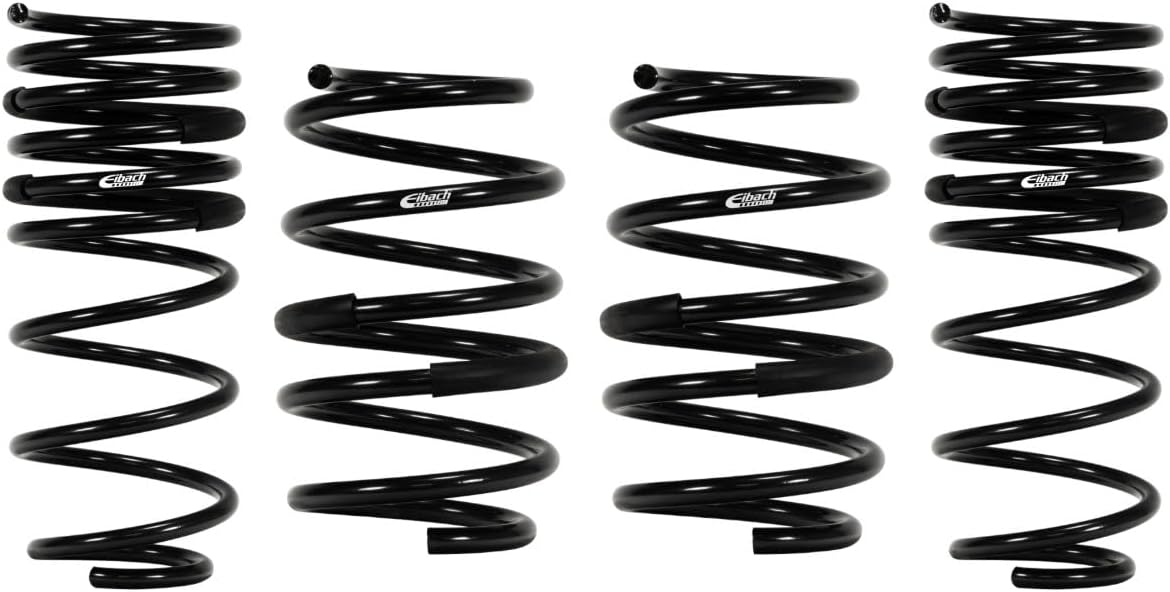
The Eibach PRO-KIT is a set of four progressive-rate lowering coil springs made to reduce ride height and improve handling on Honda Civic models from 2016 through 2021. Installed in place of the factory springs, they lower the center of gravity to reduce body roll, deliver crisper turn-in, and tighten up high-speed stability without dramatically sacrificing ride comfort. The progressive design helps retain a compliant feel over bumps so daily driving stays pleasant while cornering and braking feel more controlled. Finish is a durable black powder coat for corrosion resistance. Expect a modest, sporty drop rather than an extreme stance; some sedan rear applications may not sit as low as users want, so those seeking a bigger height change often move to coilovers. These are a factory-quality replacement that focuses on handling improvements and visual tightening more than absolute track-level adjustability.
Best for: Drivers who want a factory-quality lowering spring that sharpens handling and reduces wheel gap while keeping everyday ride comfort, especially those prioritizing improved cornering over extreme ride height change.
Less Ideal for: Drivers seeking maximum adjustable drop or track-level suspension control should consider coilovers or adjustable systems instead.
- Progressive-rate design balances improved handling with comfortable daily ride
- Lowering reduces body roll and improves cornering responsiveness
- Black powder coat finish resists corrosion for longer service life
- Designed specifically to fit Honda Civic 2016–2021 for straightforward replacement
- Modest rear drop on some sedan models may leave owners wanting a lower stance
Verdict: Choose the Eibach PRO-KIT if you want a reliable, factory-quality lowering spring that tightens handling and cleans up the Civic's stance without ruining daily comfort.
3. maXpeedingrods Lowering Springs for Honda Civic (2016–2024) / Acura Integra (2023–2025)

| Fitment | Honda Civic 2016-2024; Acura Integra 2023-2025 |
|---|---|
| Material | SAE 9254 cold-wound steel |
| Front drop | 1.7-2.0 inches |
| Rear drop | 1.9-2.0 inches |
These maXpeedingrods lowering springs are a budget-focused option for Civic and Integra owners who want a modest static drop and firmer handling without a full suspension overhaul. Made from SAE 9254 cold-wound steel with an anti-corrosion coating, the springs are tested for fatigue and salt-spray resistance so they should hold up well in wet or salted-road conditions. They are designed for direct bolt-on installation and pair with factory or aftermarket shocks, which keeps fitting simple for most DIY installers or shops. In use they lower the center of gravity to reduce body roll and make cornering more responsive, though ride firmness increases compared with stock springs. The package targets enthusiasts seeking improved stability and a cleaner stance at a lower cost, but those expecting luxury ride comfort or track-level performance will notice limits in damping control and long-term refinement compared with higher-end spring and shock packages. Overall the springs deliver visible drop and better mid-corner response for value-oriented buyers willing to accept a firmer ride.
Best for: Buyers who want a cost-effective way to lower ride height and sharpen handling on a daily-driven Civic Sport while keeping installation simple and maintenance low.
Less Ideal for: Drivers who prioritize a plush, factory-like ride or need a matched track-ready spring and shock package should look at higher-end or complete suspension kits.
- Cold-wound SAE 9254 steel construction for strength and fatigue resistance
- Anti-corrosion coating proven by 720-hour salt spray testing
- Designed for direct bolt-on installation with OEM or aftermarket shocks
- Improves handling by lowering center of gravity and reducing body roll
- Noticeably firmer ride compared with factory springs
- Not a complete suspension upgrade; damping still depends on shocks
Verdict: A practical, budget-friendly lowering spring that gives Civic Sport drivers a reliable drop and sharper handling with straightforward bolt-on installation.
4. DAZZLAIT TH-16CIVIC Lowering Coil Springs Set (Front & Rear)
| Fitment | 2016-2024 Honda Civic |
|---|---|
| Drop Height | 1.5 inches |
| Material | SAE 9254 spring wire |
| Finish | Powder coating |
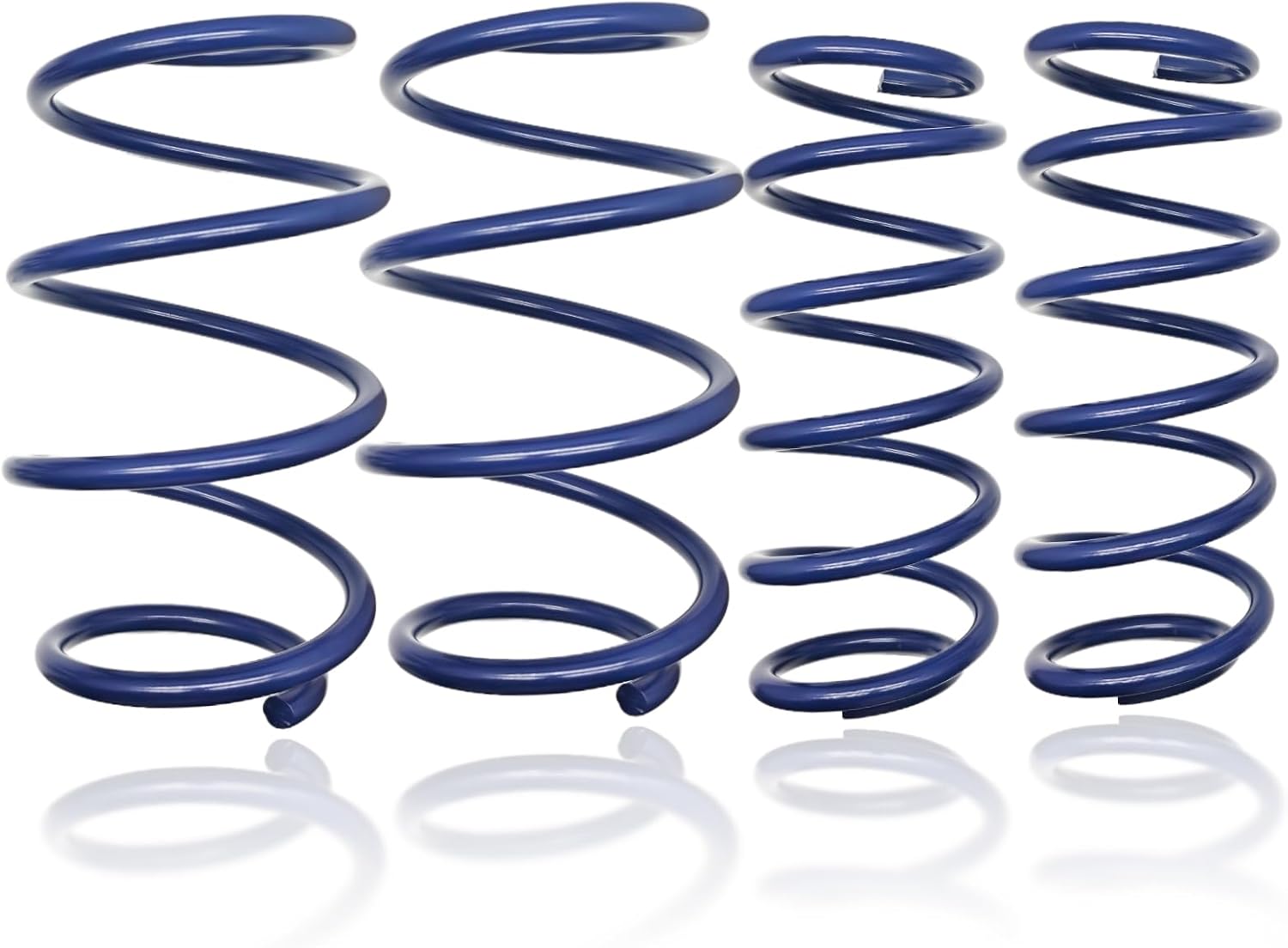
These DAZZLAIT lowering springs are a budget-friendly way to lower a 2016–2024 Honda Civic by about 1.5 inches and sharpen handling for street and light track use. The springs use SAE 9254 wire with multiple heat treatments and cold winding, then receive a protective powder coat to resist corrosion. The design increases spring rate during compression to reduce suspension bottoming and control weight transfer, which translates to flatter cornering and crisper steering feel compared with stock springs. In everyday driving the springs aim to preserve ride comfort while offering a firmer, sportier response; expect a noticeable reduction in body roll without an overly harsh ride. These are a set of four for front and rear fitment and work well when paired with well-maintained factory dampers. Limitations include a fixed drop height that may not suit every aesthetic preference and potential increased wear if used with worn shocks or aggressive track driving beyond light track sessions.
Best for: Buyers looking for an affordable, ready-made lowering solution to improve cornering and steering responsiveness on a Civic Sport while keeping everyday ride quality acceptable.
Less Ideal for: Drivers seeking adjustable ride height, aggressive track-focused springs, or those unwilling to inspect and possibly replace worn shocks before lowering the car.
- Designed to lower the vehicle by approximately 1.5 inches for a sportier stance
- Progressive spring design increases spring rate under compression to reduce bottoming
- Constructed from SAE 9254 wire with heat treatment and powder coat for corrosion resistance
- Sold as a full front and rear set for complete suspension lowering
- Fixed drop height with no adjustability for ride height or corner balancing
- Not intended for heavy track use and may accelerate wear if paired with worn dampers
Verdict: A cost-effective full front-and-rear lowering spring kit that tightens handling and lowers a 2016–2024 Civic Sport without sacrificing daily drivability.
5. Touring Tech Performance Lowering Springs for 2016–2024 Honda Civic and 2017–2024 Civic Si
| Maximum Lifting Height | 1.5 Inches |
|---|---|
| Auto Part Position | Front |
| Included Components | Lift Springs |
| Automotive Fit Type | Vehicle Specific Fit |
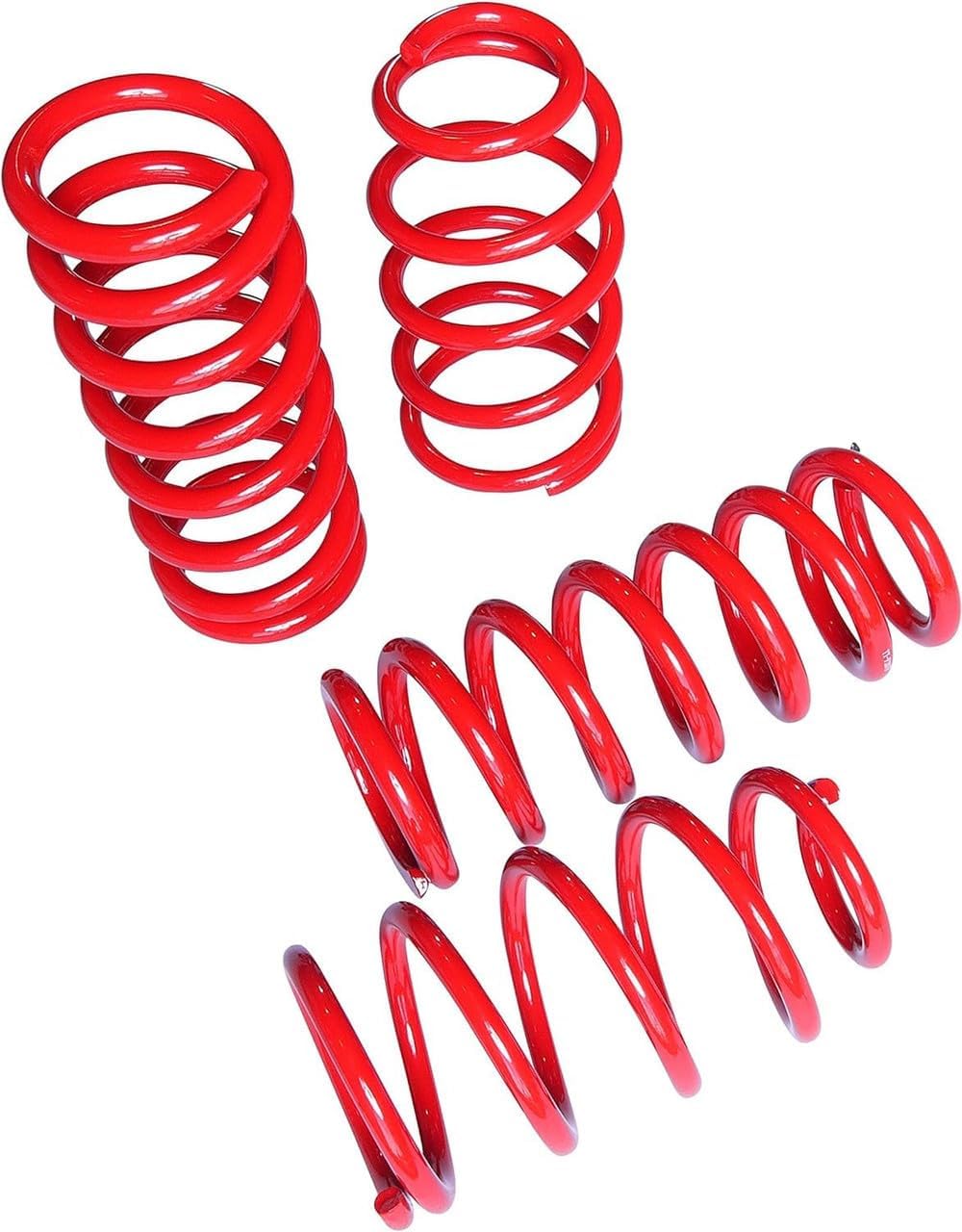
These Touring Tech Performance lowering springs are a direct-fit, vehicle-specific option for Civic and Civic Si models from the listed years and are intended to drop the front ride height roughly 1.5 inches. Built from 55 chrome silicon steel, they aim to exceed factory spring standards and deliver a firmer, lower stance without an overly harsh ride. Typical use is street-driven daily cars where tighter body control, reduced nose dive, and improved cornering feel are desired while preserving day-to-day comfort. The springs come polished and include front components; installation requires basic suspension disassembly and alignment afterward. Practical benefits include improved handling feel, a lower center of gravity for crisper turn-in, and a visible stance improvement. Limitations to consider are that they change ride height only at the front per the listed position, may slightly increase spring rate so road harshness can be noticeable on very rough surfaces, and compatible dampers or alignment adjustments may be advisable to maximize performance and tire wear.
Best for: Drivers prioritizing a dependable, factory-like lowering that improves handling without sacrificing daily drivability and who want parts made to higher material standards.
Less Ideal for: Drivers seeking an aggressive track-only drop, adjustable corner weighting, or a complete height-adjustable suspension system should look at coilovers or full performance kits instead.
- Vehicle-specific fit for 2016–2024 Civic and 2017–2024 Civic Si ensures straightforward installation
- Constructed from 55 chrome silicon steel to exceed factory spring material standards
- Approximately 1.5 inch front drop sharpens handling and reduces nose dive
- Polished finish resists corrosion and improves under-hood appearance
- Listed for front position only so a matched rear kit or balanced setup may be required for ideal stance and handling
Verdict: A reliable, vehicle-specific front lowering spring set that tightens handling and lowers ride height about 1.5 inches while using upgraded spring steel for long-term durability.
6. D2 Pro Lowering Springs for 2016–2025 Civic / 2017–2025 Si / 2022+ Integra

| Material | High tensile chrome silicon steel |
|---|---|
| Spring design | Progressive-rate coils |
| Fitment | Direct factory replacement |
| Manufacturing | Cold-wound and heat-treated |
| Certification | ISO 9001 facility with TÜV approval |
D2 Pro lowering springs replace the factory springs with cold-wound, heat-treated chrome silicon coils that lower the car and increase spring rate as the suspension compresses. They are used by drivers who want a sportier stance and crisper cornering for street and occasional light-track driving. The progressive-rate design aims to balance daily comfort with firmer support under load, so normal driving remains reasonable while body roll and weight transfer are reduced during spirited maneuvers. The springs come with a durable purple finish and are bench-tested for consistent rate output, which supports long-term performance and corrosion resistance. Installation is a direct factory-style fit but requires basic suspension knowledge and tools; several owners report the rears are simpler to install than the fronts and recommend trimming bump stops and checking for wheel clearance on larger wheels. Expect a firmer ride compared with stock and the usual compromises of lowered springs, such as increased road harshness and potential rubbing with certain wheel/tire combos.
Best for: Buyers who value proven, widely reviewed suspension upgrades and want a lowered, sportier look with improved cornering response while keeping daily drivability in mind.
Less Ideal for: Drivers who prioritize a plush, factory-like ride or who plan aggressive track use without supporting upgrades such as dampers or alignment should consider different suspension options.
- Direct fit for specified Civic/Si/Integra model years for straightforward replacement
- Progressive-rate design provides firmer support under compression while keeping everyday comfort reasonable
- Cold-wound, heat-treated chrome silicon steel construction with corrosion-resistant finish
- Bench-tested manufacturing and ISO 9001/TÜV production for consistent spring rates and durability
- Ride is noticeably firmer than stock and can feel harsh over rough surfaces
Verdict: A durable, well-tested lowering spring set that delivers a sporty drop and firmer handling while staying accessible for drivers who want a reliable, review-backed upgrade.
Choosing the Right Honda Civic Sport Lowering Springs: Key Factors to Consider
Drop Height and Fitment
Drop height determines how low the Civic Sport will sit and directly affects suspension travel, fender clearance, and tire fitment. A modest drop preserves daily drivability and reduces the chance of rubbing on stock wheels, while an aggressive drop can improve cornering but increases the risk of bottoming out on speed bumps or steep driveways.
When choosing springs, consider both the advertised nominal drop and the expected range after installation, since ride height can vary with vehicle load and spring settle. Ensure the chosen drop works with your wheel offset and tire profile so you avoid trimming fenders or needing additional suspension changes.
Spring Rate and Comfort Tradeoffs
Spring rate controls how stiff the suspension feels and how the Civic Sport responds to cornering, braking, and road imperfections. A higher spring rate reduces body roll and improves responsiveness, but it also transmits more road shock into the cabin. Conversely, a softer rate preserves comfort but yields less crisp handling.
Look for specifications or descriptions that match your driving priorities. Progressive springs that vary stiffness through travel can offer a compromise—softer over small bumps and firmer under heavy load or cornering—helping maintain street comfort while improving handling.
Compatibility With Stock Dampers
Lowering springs are often paired with factory dampers, so compatibility matters. Some springs are tuned to work with original shocks and struts, preserving rebound and compression behavior. Others may demand upgraded dampers to avoid premature wear or uncomfortable bounce.
Confirm whether the springs you consider were engineered for use with the Civic Sport's stock shocks. If not, factor in the cost and installation complexity of replacing dampers or adjusting valving to match the new spring rates.
Ride Quality On Daily Roads
Most Civic Sport owners use their cars for commuting and weekend drives, so ride quality on imperfect local roads is an important consideration. Lowering springs change how the vehicle absorbs potholes, joints, and expansion gaps, which affects comfort and driver fatigue.
Assess expected behavior from installation notes or independent reports: whether the springs introduce a sharp, choppy feel or a controlled, planted sensation. Also consider how the new height interacts with bump stops and whether small increases in harshness are acceptable for your driving routine.
Installation and Alignment Needs
Installing lowering springs generally requires spring compressors and basic suspension experience, and most installations should be followed by a full alignment. Improper installation can damage components, affect safety, or lead to uneven tire wear.
Factor in whether you will install the springs yourself or use a shop, the time required, and the need for post-installation alignment and inspection of bushings and mounts. Some springs may include hardware or instructions that simplify installation for the Civic Sport.
Durability and Corrosion Resistance
Springs are exposed to road grime, salt, and moisture, so protective coatings and build quality matter for long-term value. Poorly protected springs can rust, which accelerates fatigue and can change ride height unexpectedly.
Check for powder coatings, epoxy finishes, or anti-corrosion processes. Also consider manufacturer warranty or stated lifespan, since durable springs reduce the chance of later replacement and maintain consistent performance over years of use.
How Much Lowering Springs Affect Handling On The Civic Sport
Lowering springs change the Civic Sport's center of gravity and body-motion characteristics. A modest drop reduces roll and improves turn-in without significantly altering suspension geometry, while a larger drop amplifies lateral grip but can require attention to camber and toe settings.
Because the Sport trim has a particular suspension tune, the interaction between spring rate and stock dampers will determine whether handling becomes more precise or simply harsher. Owners who value balanced cornering should focus on springs that advertise a moderate rate change and predictable rebound behavior.
- Smaller drops often yield the best balance of comfort and performance.
- Excessive lowering can necessitate alignment corrections and could affect tire wear.
Progressive Versus Linear Spring Designs
Progressive springs vary stiffness through travel, offering softer initial compression for ride comfort and increasing stiffness under heavier loads. Linear springs maintain a constant rate throughout travel, which provides predictable handling characteristics favored by track-focused drivers.
For the Civic Sport used in daily driving and occasional spirited cornering, progressive springs often strike a better balance. They help absorb small bumps while still firming up under lateral load to reduce body roll.
- Progressive springs can be more comfortable on rough pavement.
- Linear springs deliver consistent feedback and are easier to setup with dampers.
Wheel And Tire Considerations After Lowering
Lowering changes the relationship between the fender and tire, so wheel diameter, offset, and tire profile should be evaluated before you commit. Minor negative camber is common after lowering, which may shift contact patches and influence handling and wear.
If you plan to run wider wheels or lower-profile tires, ensure the combination clears the fender wells and suspension components at both full droop and full compression. A professional alignment and a check for clearance under suspension compression should follow installation.
- Confirm wheel offset and backspacing to avoid rubbing.
- Consider alignment and possible camber adjustments to preserve even tire wear.
Common Installation Steps And What To Expect
Installing lowering springs typically involves removing the strut or shock assembly, swapping the springs, and reinstalling components. Front strut-top nuts, spring compressors, and care with mounts and bearings are part of a standard procedure. Rear springs may be simpler but still require inspection of mounts and bushings.
After installation, you should get a full alignment and inspect for any unexpected noises or interference. Expect a short break-in period where springs settle slightly and ride height can change a small amount.
- Allow for at least a wheel alignment after installation.
- Inspect bump stops and sway bar end links during the process.
When To Consider Dampers Or Additional Suspension Work
If the selected lowering springs have substantially higher rates than stock, matching dampers can be necessary to control rebound and extension. Worn shocks paired with stiffer springs can lead to poor handling and accelerated component wear.
Consider replacing dampers when springs are well outside factory specifications or when your driving includes track days. For moderate street drops, many owners keep stock dampers but monitor ride quality and handling for signs that an upgrade is warranted.
- Pair stiffer springs with compatible dampers for best performance.
- Check shock condition before installing any lowering springs.
Legal And Practical Street Considerations
Lowering springs can change bumper and undercarriage clearance and may affect compliance with local vehicle height regulations. Verify that any chosen drop maintains safe clearance for daily routes and winter driving if applicable.
Also think about serviceability: a lower car may make oil changes, jack point access, and parking ramps more challenging. Balancing aesthetic goals with everyday practicality prevents regret after installation.
- Measure clearance for driveways and parking ramps before committing.
- Confirm the drop stays within local legal limits if those apply.
Still looking for the perfect fit?
Select your Honda Civic configuration to see the most relevant Lowering Springs recommendations
How We Chose the Best Honda Civic Sport Lowering Springs
We focused on attributes that directly affect how lowering springs perform and integrate on a Honda Civic Sport. Key evaluation criteria included: measurable drop height and claimed ride height range to ensure fit with the Sport trim and available wheel/tire clearances; spring rate and progressive versus linear design to predict ride comfort and handling balance; impact on suspension geometry and whether the springs preserve factory mounting points to avoid unexpected alignment issues.We also assessed expected ride quality on typical road surfaces, compatibility with common wheel offsets and tire sizes used on the Civic Sport, and whether the springs maintain safe brake and shock clearance. Durability factors such as coating and corrosion resistance were considered because Civic owners often keep cars long term.Excluded from consideration were full coilover systems, air suspension kits, and any product that requires cutting or permanent modification to factory components. We prioritized solutions that are reversible and that work with stock or slightly upgraded dampers. Final selections emphasize predictable handling, acceptable daily ride, and installation practicality.
Our full evaluation process is outlined in our review methodology.
FAQ
How much do lowering springs lower a Honda Civic Sport?
It often depends on the specific spring, but most lowering springs for the Civic Sport reduce ride height by a modest range that balances clearance and handling. Expect the manufacturer to list a nominal drop; real-world settle can shift that number slightly.
Will lowering springs fit the stock dampers on the Civic Sport?
Many lowering springs are designed to work with stock dampers, but compatibility varies by spring rate and design. If springs are significantly stiffer than factory, matching dampers may be recommended to maintain control and prevent premature wear.
Do I need an alignment after installing lowering springs?
Yes. Lowering changes suspension geometry and can alter camber and toe settings, so a full alignment is recommended to ensure proper handling and tire wear after installation.
Can lowering springs cause rubbing with my tires or fenders?
Rubbing is possible if the combined wheel, tire, and drop height reduce clearance. Checking wheel offset, tire profile, and the expected drop height helps prevent interference, and a professional installation will reveal any issues to address.
Are progressive lowering springs better for daily driving?
Progressive springs often provide a softer initial response and increased stiffness under load, making them a good compromise for daily-driven Civic Sport cars that also see spirited driving. The result is improved comfort over small bumps with firmer support when cornering.
How long does installation usually take?
A professional installation typically takes a few hours, depending on whether front struts are removed and whether additional components are replaced. If you install at home, allow extra time and ensure you have the proper tools and safety gear.
Final Verdict
Prioritize a package that balances a modest drop, compatible spring rates, and acceptable ride quality for the Civic Sport. Think about how you use the car daily, planned wheel and tire choices, and whether matching dampers will be necessary for stiffer springs. By focusing on drop height, spring design, and installation practicality, you can choose lowering springs that improve handling and stance without compromising everyday comfort or safety.
Explore More:
- Check out all Honda Civic parts & accessories
- Explore Lowering Springs Maintenance & Repair Guides
- Explore Suspension & Steering
- Browse all Auto Parts
