

Note: This article contains affiliate links. If you click on these links and make a purchase, I may earn a small commission at no extra cost to you. This helps support my research and content. Read my full affiliate disclosure here.
If your Toyota Camry 4-cylinder is running poorly, producing a strong exhaust smell, or showing a check-engine light, the catalytic converter could be the source. Choosing the right Toyota Camry 4-cylinder catalytic converter matters because fitment, emissions performance, and durability directly affect drivability, inspections, and long-term repair costs.This guide covers seven shortlisted catalytic converters selected for this Camry configuration. We evaluate each option on fitment, emissions effectiveness, and build quality so you can pick the solution that best matches your needs and budget. Read on for the key buying factors and practical maintenance tips before the product summaries.
Looking for other parts? See all Toyota Camry parts & accessories.
Top Picks at a Glance
| Best Overall The best all-around choice for most situations | NutsCata Direct-Fit Catalytic Converter for 2007–2009 Toyota Camry 2.4L |  |
| Best Quality Built to a higher standard if you want something more solid | Walker Ultra EPA Direct-Fit Catalytic Converter with Integrated Manifold |  |
| Best Value The sweet spot between price and what you get | SPEEDFusion Front Catalytic Converter for Toyota Camry/Solara 2.4L (2002–2006) |  |
| Best Budget The cheapest option that still gets the job done reliably | ACZCR Rear Catalytic Converter for Toyota Camry 2.4L (2007–2009) |  |
| Highest Rated A top-rated pick with lots of positive feedback | SPEEDFusion Front Catalytic Converter for Toyota Camry 2012–2017 2.5L |  |
| Most Popular A crowd favorite that many people choose with confidence | PHILTOP Rear Catalytic Converter Kit for Toyota Camry 2002–2006 2.4L (Direct-Fit, EPA Compliant) |  |
| Best Seller A high-volume bestseller chosen again and again | PREMIER MILES Catalytic Converter for Toyota Camry 2.4L (2007–2009) Front |  |
NutsCata Direct-Fit Catalytic Converter for 2007–2009 Toyota Camry 2.4L

| Fitment | 2007–2009 Toyota Camry 2.4L L4 |
|---|---|
| EPA compliance | Federal emission standard vehicles only |
| Manufacturer | NutsCata |
| Manufacturer part number | Nuts-ToCam-07-09-2.4L-L4-NC |
| Exterior | Polished |
This NutsCata catalytic converter is a direct-fit replacement for 2007–2009 Toyota Camry 2.4L engines intended to restore emissions control and eliminate related check-engine codes. It uses a honeycomb ceramic substrate loaded with high-content precious metals to help convert exhaust pollutants and is marketed as EPA compliant for federal-standard vehicles. Installation is straightforward because the unit is designed to bolt in without welding or major modifications, and included hardware can simplify refitment. Buyers can expect the converter to resolve OBD-II emissions faults and pass inspections on qualifying vehicles when installed correctly. Limitations: it is not legal for sale or use in certain states with stricter rules, and fit can vary depending on factory brackets or region-specific exhaust configurations, so minor adjustment or bracket replacement may be needed in some cases. The seller notes a 6 year or 60,000 mile performance guideline but buyers should confirm local emissions rules before purchasing.
Best for: Drivers seeking a reliable, ready-to-install replacement that restores emissions function and resolves check-engine codes while prioritizing a balanced mix of performance and ease of installation.
Less Ideal for: Anyone requiring a California or other state-specific certified converter or owners unwilling to address possible bracket or hardware differences during installation should look for a region-compliant alternative.
- Direct bolt-on design simplifies installation without welding or machining
- Honeycomb ceramic substrate loaded with high-content precious metals for effective pollutant conversion
- Marketed as EPA compliant for vehicles meeting federal emissions standards
- Includes hardware and a seller-backed performance period of 6 years or 60,000 miles
- Not legal for sale or use in certain states with stricter emissions laws
- Fit may require bracket or minor adjustments on vehicles with region-specific exhaust components
Verdict: A practical direct-fit replacement that restores emissions control and simplifies installation for 2007–2009 Toyota Camry 2.4L owners seeking a balanced, factory-style repair.
Walker Ultra EPA Direct-Fit Catalytic Converter with Integrated Manifold
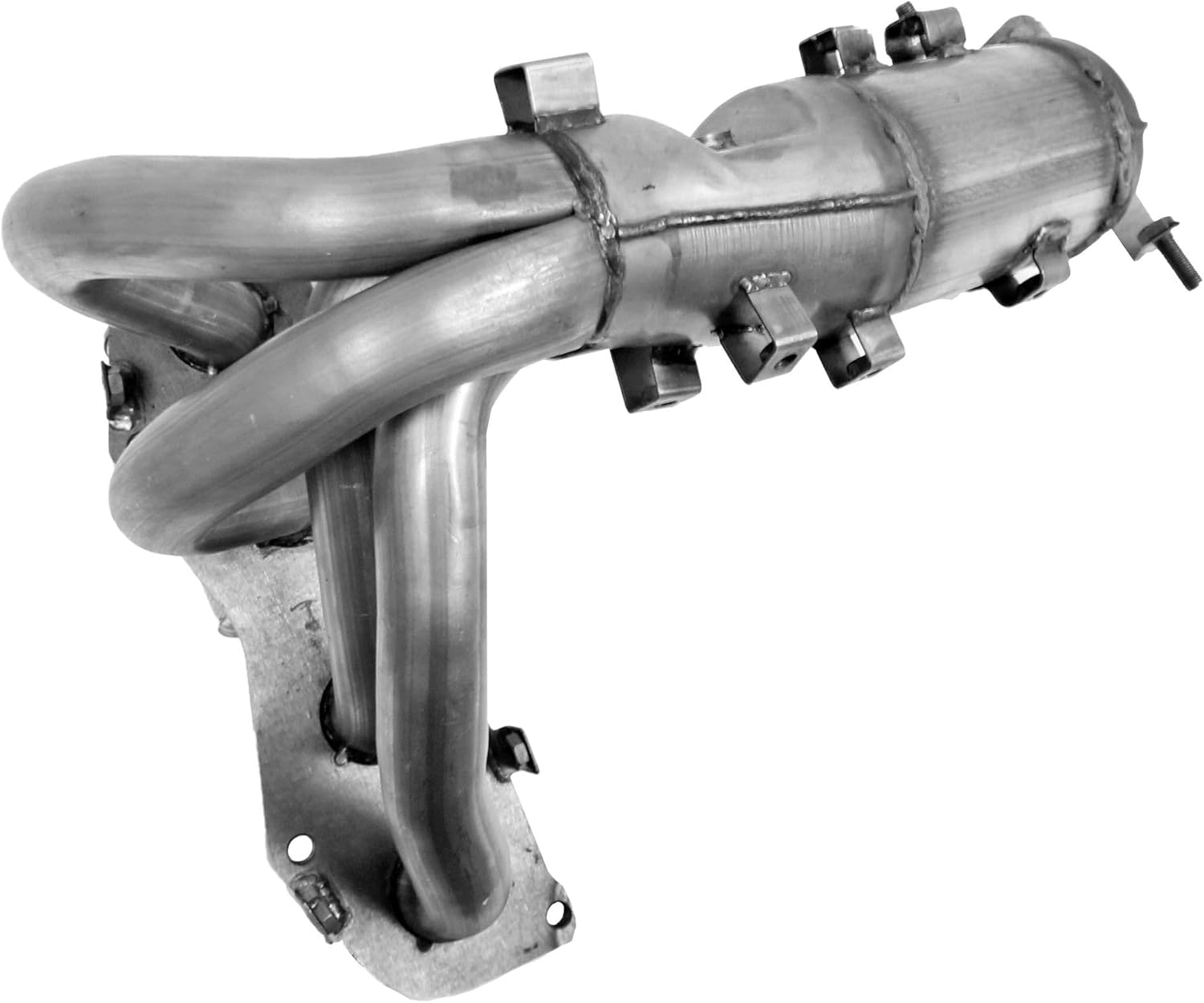
| Brand | Walker |
|---|---|
| Model | Ultra EPA Direct Fit Catalytic Converter with Integrated Exhaust Manifold |
| Compatible vehicles | Toyota Camry and Solara 4-cylinder models (see fitment) |
| Manufacturer Part Number | 16498 |
| Exterior | Machined |
This Walker Ultra EPA direct-fit catalytic converter replaces the factory manifold and converter assembly to restore emissions control and engine operation on compatible 4-cylinder Camry and Solara models. It bolts directly to the cylinder head and mates to downstream exhaust connections, so installation is similar to a factory manifold swap and typically uses the vehicle's existing hardware. Walker highlights an OE-style washcoat and precious metal loading intended to meet EPA emissions requirements for OBDII vehicles, and the thick flanges and welded heat shields aim to provide a durable, quiet installation. In practice buyers report the part fits well and clears check-engine codes while improving drivability and fuel economy. Common practical issues are shipping damage and limited packaging that can bend heat shields or gaskets, and the unit does not include donut gaskets or manifold bolts, so plan to reuse or procure those items before installation. For a performance-minded Camry owner this unit offers factory-quality emissions performance while maintaining a direct-fit installation path, but expect to source a few small consumables during the swap.
Best for: Buyers who want a factory-style, performance-conscious replacement that restores emissions function and drivability on a 4-cylinder Camry while keeping installation close to stock.
Less Ideal for: If you prefer a complete plug-and-play kit with all gaskets and fasteners included or need a performance aftermarket converter tuned for increased flow, this direct-fit OEM-style unit is not the best choice.
- Direct-fit integrated manifold design that attaches to the cylinder head for straightforward installation
- Engineered washcoat and precious metal load to meet EPA emissions requirements on OBDII vehicles
- Thick, OE-style flanges and welded heat shields for strength and quieter operation
- Reported to resolve check-engine codes and can improve drivability and fuel economy
- Ships without many hardware or protective packing which can lead to bent heat shields or damaged gaskets during transit
- Does not include the lower donut exhaust gasket or manifold bolts, requiring additional purchases or reuse of factory parts
Verdict: A factory-style direct-fit converter that restores emissions compliance and drivability on 4-cylinder Camry/Solara engines while keeping installation close to stock.
SPEEDFusion Front Catalytic Converter for Toyota Camry/Solara 2.4L (2002–2006)

| Position | Front |
|---|---|
| Compatible Engines | Toyota 2.4L L4 (2002–2006 Camry/Solara) |
| EPA Certification | Yes |
| Manufacturer | SPEEDFusion |
This SPEEDFusion front catalytic converter replaces the factory unit on 2002–2006 Toyota Camry and Solara 2.4L four-cylinder engines and is built as a direct-fit replacement intended for EPA-regulated vehicles. It uses a stainless steel shell and a 400-hole ceramic substrate plated with platinum, rhodium, and palladium to support exhaust purification and help keep the check-engine light related to emissions from coming on. Installation is straightforward for a professional shop because the part is designed to match factory mounting locations, though some heat shield or bolt alignments may need minor adjustment. The unit is EPA compliant but not CARB approved, so it is only legal in states that accept federal standards. Buyers get a 5-year structural warranty and a shorter emissions performance warranty, which gives some protection if the part fails prematurely. Note that durability reports vary in reviews, so proper installation and avoiding upstream engine issues will be important for long-term performance.
Best for: Buyers who want a cost-effective, factory-replacement catalytic converter that simplifies repair and prioritizes meeting federal emissions rules for a 2002–2006 Camry/Solara four-cylinder.
Less Ideal for: Drivers who live in states that require CARB-approved parts or those seeking an upgraded performance or long-life premium converter should consider alternatives.
- Direct-fit design makes professional installation faster and avoids major modification
- EPA compliant for federal emission states
- Stainless steel shell and ceramic substrate with precious metal coating for effective catalytic conversion
- Includes a multi-year structural warranty for peace of mind
- Not CARB-compliant so it is illegal for use or sale in certain states
- Some users reported fitment issues with heat shields or sensor orientation requiring minor adjustments
- Mixed long-term durability reported in reviews with at least one early failure
Verdict: A practical, direct-fit EPA-compliant replacement that restores emissions control for 2002–2006 Toyota Camry and Solara 2.4L four-cylinder vehicles.
ACZCR Rear Catalytic Converter for Toyota Camry 2.4L (2007–2009)

| Compatible vehicles | 2007–2009 Toyota Camry 2.4L |
|---|---|
| OEM part numbers | 54737, 18064, 1653, 55435 |
| Manufacturer | ACZCR |
| EPA status | EPA compliant (not CARB) |
This ACZCR rear catalytic converter is a direct-fit replacement for the 2007–2009 Toyota Camry 2.4L that aims to restore emissions performance and clear related trouble codes. It is typically used when the original converter fails a test, triggers a check engine light, or causes reduced power and higher emissions. Constructed with a stainless steel shell and a honeycomb ceramic carrier, the unit is built to resist bending and maintain high catalytic efficiency with precious metal coating similar to factory replacements. Installation follows the factory exhaust path so a mechanic can bolt it in without major modifications on compatible Camrys. The product is EPA compliant but not CARB approved so it is suitable for most states but not for California or other CARB-restricted regions. Practical benefits include a straightforward swap, corrosion-resistant housing, and a design intended to restore driveability and emissions compliance; limitations are the lack of CARB certification and the need to confirm exact fitment against the listed reference numbers before purchase.
Best for: Buyers wanting an affordable, no-frills replacement to get a problematic Camry back to emissions compliance and driving normally without paying for dealer parts.
Less Ideal for: Drivers in states that require CARB-certified parts or those seeking a performance or lifetime-guaranteed aftermarket converter should look elsewhere.
- Direct-fit replacement designed for Toyota Camry 2.4L (2007–2009) to simplify installation
- Stainless steel construction and honeycomb ceramic carrier for durability and stable catalytic performance
- Meets EPA emissions standards to restore emissions function in non-CARB states
- Includes OEM reference numbers to help verify fitment before purchase
- Not CARB compliant and therefore not legal for sale or installation in CARB-restricted states
Verdict: A budget-friendly, direct-fit rear catalytic converter that restores emissions function on 2007–2009 Camry 2.4L models outside CARB-restricted states.
SPEEDFusion Front Catalytic Converter for Toyota Camry 2012–2017 2.5L
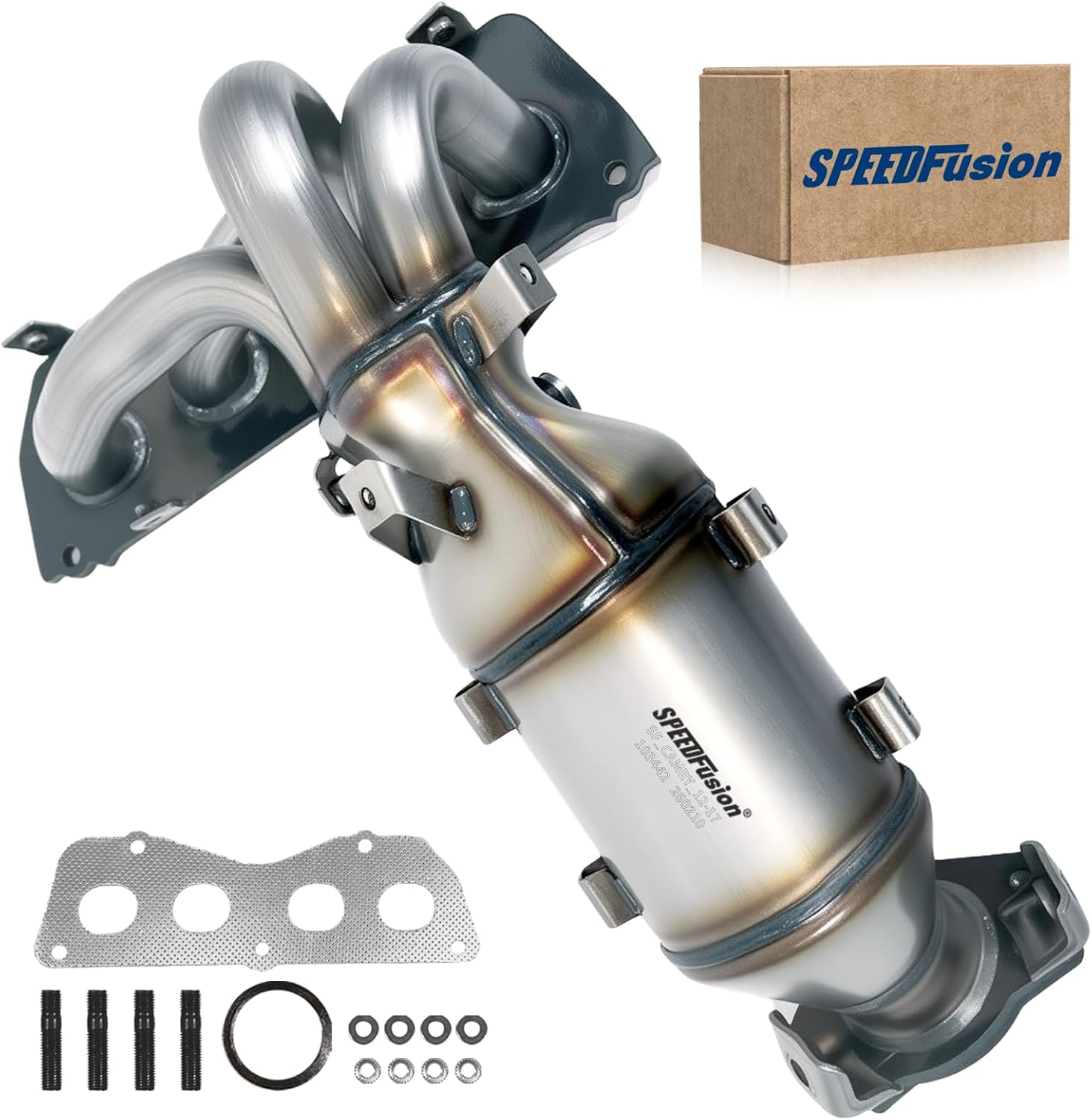
| Vehicle fitment | Toyota Camry 2012–2017 2.5L (front, non-hybrid/PZEV) |
|---|---|
| Material | 409L stainless steel shell |
| Certification | EPA compliant (federal) |
| Manufacturer | SPEEDFusion |
| Manufacturer part number | SF_CAMRY_12-17 |
This SPEEDFusion front catalytic converter replaces the factory unit on Toyota Camry 2012–2017 2.5L cars and is intended as a direct-fit, EPA-compliant emissions part. It uses a stainless steel shell and an OEM-style ceramic substrate with platinum, rhodium, and palladium to restore catalytic performance and help clear codes like P0420/P0430. Installation is typically bolt-on for the front position and can be handled by a professional shop or an experienced DIYer; several customers report straightforward installs and included hardware. The converter is built from 409L stainless and employs anti-core-detachment welding to hold up in everyday driving, but some buyers have reported fitment and flange alignment issues, so careful matching to the exact part number is important. This unit meets federal emissions but is not CARB-approved and therefore cannot be used where California-style regulations apply. For reliability-minded buyers it offers a factory-style replacement that balances durability and emissions performance, provided the correct vehicle fitment is selected and installed properly.
Best for: Buyers who prioritize a reliable, factory-style emissions repair for a 2012–2017 Camry 2.5L and want a direct-fit replacement to restore catalytic function and clear emissions codes. Ideal for owners focused on restoring vehicle emissions performance with a durable, installable unit rather than aftermarket performance gains.
Less Ideal for: Not suitable for vehicles that require CARB-compliant parts or for owners seeking high-flow performance converters for racing or tuning applications.
- Direct-fit front replacement for Toyota Camry 2012–2017 2.5L that simplifies installation
- EPA-compliant for vehicles meeting federal emission standards
- Stainless steel shell with anti-core-detachment welding for improved durability
- OEM-style ceramic substrate with precious metals to restore catalytic efficiency
- Not CARB-approved so illegal to sell or install in states with California-style emission rules
- Some reviews report imperfect flange fit or welding quality that can require adjustment during installation
Verdict: A durable, EPA-compliant direct-fit front catalytic converter aimed at restoring emissions function on 2012–2017 Camry 2.5L vehicles.
PHILTOP Rear Catalytic Converter Kit for Toyota Camry 2002–2006 2.4L (Direct-Fit, EPA Compliant)

| Position | Front |
|---|---|
| Manufacturer | PHILTOP |
| Model | Catalytic Converter Toyota Camry 2004-2005 |
This PHILTOP catalytic converter is sold as a direct-fit replacement for 2002–2006 Camry 2.4L applications and is intended to restore emissions performance and quiet rattles caused by a failing converter. It uses a honeycomb ceramic substrate to increase catalyst surface area and a high-flow design to reduce backpressure, which can help the engine breathe and clear a P0420 code when the original unit has degraded. The unit arrives with OE-style gaskets and hardware and is welded from stainless steel for corrosion resistance and elevated-temperature durability. Installation is described as straightforward for a competent DIYer or local shop and typically takes a few hours. Real-world feedback is mixed: many buyers report good fit and resolved check-engine issues, while a minority encountered fitment or internal substrate failures after a few hundred miles. The converter is EPA-approved for federal emissions but not legal for sale or installation in certain states with stricter rules. If you need a budget-friendly, factory-style replacement that aims to pass federal emissions checks, this is a reasonable option, but expect to verify fit carefully and consider stronger warranty-backed alternatives if long-term reliability is the priority.
Best for: Buyers who want a budget-conscious, factory-style replacement to clear emissions codes and restore normal exhaust behavior while relying on other users' installation experiences to judge fit and performance.
Less Ideal for: Drivers who require a state-compliant converter for California, New York, Colorado, or Maine or those who prefer parts with long manufacturer-backed guarantees and extensive proven longevity data.
- Direct-fit design with OE-style gaskets and hardware for straightforward installation
- High-flow honeycomb ceramic substrate intended to improve catalytic efficiency and reduce backpressure
- Stainless steel construction and welded connections aimed at corrosion and heat resistance
- EPA-approved for federal emissions standards where allowed
- Not legal for sale or installation in states with their own emissions rules
- Mixed user reports include occasional fitment issues and rare ceramic substrate failures
Verdict: A cost-conscious, direct-fit replacement that aims to restore emissions performance and clear codes for 2002–2006 Camry 2.4L owners who verify fit before installation.
PREMIER MILES Catalytic Converter for Toyota Camry 2.4L (2007–2009) Front

| Vehicle fit | Toyota Camry 2.4L 2007–2009 Front |
|---|---|
| Engine compatibility | Gasoline engines only (not hybrid) |
| Substrate | 400-cell ceramic |
| EPA status | EPA-compliant (25,000-mile tested) |
This Premier Miles catalytic converter is built as a front, direct-replacement unit for gasoline 2.4L Toyota Camry models from 2007 to 2009. It uses a 400-cell ceramic substrate and precious metal catalyst intended to restore emissions control and exhaust flow after a failed converter. Typical use is a bolt-in replacement during emissions repair or to clear a P0420-type code; installation notes from buyers mention occasionally mismatched heat shield bolts so expect to verify fitment hardware before you start. The unit is EPA-compliant and was tested to the 25,000-mile EPA long-term standard, which supports durability claims, and the manufacturer provides a multi-year structural and limited emissions warranty. Practical benefits are improved exhaust flow and the ability to pass emissions testing without modifying the vehicle. Limitations include lack of CARB approval for California and possible differences in some heat-shield fasteners that may require sourcing replacement bolts during installation.
Best for: Buyers who prioritize a tested, factory-style replacement to reliably restore emissions performance and pass inspections without expensive shop labor. Ideal for owners who prefer low-risk repairs and documented compliance for emissions testing.
Less Ideal for: Not a good choice for vehicles registered in California or other CARB jurisdictions that require CARB-certified parts, or for buyers seeking a high-performance aftermarket converter with less emphasis on emissions certification.
- Designed as a direct-fit front converter for 2.4L Camry 2007–2009, simplifying replacement
- EPA-compliant and tested to the 25,000-mile long-term standard for emissions performance
- Uses a 400-cell ceramic substrate and precious metal catalyst to balance flow and conversion efficiency
- Backed by a multi-year structural warranty and a limited emissions performance warranty
- Not CARB-compliant so it cannot be used in California or CARB-regulated areas
- Some units may require different heat-shield bolt sizes which can add preparation time or require extra fasteners
Verdict: A tested, EPA-compliant direct-fit replacement that restores emissions performance for 2007–2009 Camry 2.4L gasoline engines.
Choosing the Right Toyota Camry 4-Cylinder Catalytic Converter: Key Factors to Consider
Fitment and Exhaust Routing
Exact fitment is the top priority for a Toyota Camry 4-cylinder catalytic converter because the unit must align with the factory exhaust hangers, flanges, and oxygen sensor locations. Incorrect fitment can lead to exhaust leaks, rattles, or the need for additional piping and welding. Always verify flange type, bolt pattern, and O2 sensor boss placement for your Camry 4-cylinder.
Fit influences installation time and the likelihood of future exhaust stress. A converter that matches the original routing reduces vibration and heat transfer to nearby components, lowering the risk of premature failure. Prioritize options that explicitly list Camry 4-cylinder compatibility and include necessary gaskets or hardware to simplify installation.
Emissions Performance and Catalyst Design
The core purpose of the catalytic converter is to reduce harmful exhaust emissions. For the Camry 4-cylinder, look for converters that describe substrate type, cell density, and washcoat composition because these attributes determine how effectively hydrocarbons, carbon monoxide, and NOx are converted. A well-designed substrate reduces the risk of failing emissions tests and helps the engine run cleaner.
Catalyst efficiency also affects backpressure. Excessive backpressure can reduce power and fuel economy, so choose a design that balances conversion efficiency with acceptable flow characteristics for the Camry 4-cylinder engine.
Durability and Construction Materials
Durability matters for long-term ownership. Components exposed to heat, road salt, and debris need corrosion-resistant materials, typically stainless steel housings and welded seams rated for thermal cycling. For the Camry 4-cylinder, longevity reduces repeat repairs and limits downtime.
Check for reinforced flanges, high-quality welds, and protective coatings. Units with robust construction resist cracking and exhaust leaks that can trigger sensors or noise complaints. A durable converter can also better tolerate temperature spikes from occasional aggressive driving.
Oxygen Sensor Compatibility
Modern Camry 4-cylinder engines rely on upstream and downstream oxygen sensors for fuel trims and emissions monitoring. The catalytic converter must provide proper bung locations or integrated sensor ports to accept factory sensors without relocation. Incorrect sensor placement can cause false readings and illuminate the check-engine light.
Some replacement converters include pre-drilled O2 sensor ports while others require transfer of the original sensor. Confirm whether the unit supports the number and placement of sensors present on your Camry 4-cylinder to avoid additional modifications.
Installation Complexity and Hardware
Installation complexity varies from simple bolt-on replacements to units requiring cutting and welding. For owners who plan to install a Toyota Camry 4-cylinder catalytic converter themselves or have a local mechanic do the job, consider whether the part includes gaskets, bolts, and hangers. Reduced installation complexity lowers labor time and the chance of leaks from improper sealing.
Also assess whether the converter comes with instructions and whether flange types match the factory components. For many Camry owners, selecting a converter that mirrors the factory connections minimizes shop hours and avoids fabrication costs.
Regulatory Compliance and Warranty
Catalytic converters affect emissions compliance, inspection results, and legal requirements in some jurisdictions. Choose a unit that meets applicable emissions standards for the Toyota Camry 4-cylinder and check whether it is warranted for a reasonable period against defects. A clear warranty signals manufacturer confidence and provides recourse if the converter fails prematurely.
Also verify any notes about on-road use, refund or exchange policies, and whether the product is sold with certification information when needed for inspections. A warranty that covers substrate degradation or premature failure is particularly valuable for long-term ownership.
How to Tell If the Catalytic Converter Is Failing
Several symptoms commonly indicate a failing catalytic converter on the Toyota Camry 4-cylinder. A persistent check-engine light is often the first sign, especially when diagnostic trouble codes reference oxygen sensor readings or catalyst efficiency. You may notice reduced engine performance, sluggish acceleration, or a loss of fuel economy when the catalyst becomes clogged or damaged.
Other telltale signs include a rotten-egg or sulfur smell from the exhaust, rattling noises from inside the converter at low speeds, and visible black smoke in extreme cases. These symptoms warrant a prompt inspection because a failing converter can affect emissions compliance and potentially damage other exhaust components if left unaddressed.
- Check-engine light with related trouble codes
- Rotten-egg sulfur smell from exhaust
- Rattling noises at idle or low speed
- Reduced power or poor acceleration
- Decreased fuel economy
Preparing for Replacement: Tools and Steps
If you plan to replace the Toyota Camry 4-cylinder catalytic converter yourself, gather the correct tools and safety gear. Essential items include a jack and stands, penetrating oil for rusted bolts, appropriate wrenches or sockets, a torque wrench, and replacement gaskets. A helper can make alignment easier during installation.
Before removing the old converter, allow the exhaust to cool completely and disconnect the battery to avoid electrical issues with sensors. Apply penetrating oil to flange bolts and let it soak to reduce the chance of snapping fasteners. Label sensor connectors and carefully transfer O2 sensors if the replacement requires reuse.
- Jack, stands, and wheel chocks
- Penetrating oil and rust remover
- Socket set and torque wrench
- Replacement gaskets and hardware
- Safety gloves and eye protection
Maintaining Your New Converter for Longevity
Regular maintenance helps extend the life of a catalytic converter installed on a Camry 4-cylinder. Address engine misfires, coolant leaks, and oil consumption issues promptly because unburned fuel and contaminants can overheat or poison the catalyst. Keep the engine tuned and ensure ignition components and fuel delivery systems are functioning correctly.
Driving habits also influence longevity. Avoid repeated short trips that do not allow the exhaust to reach optimal operating temperature and be mindful of road conditions that can cause physical damage. Periodic inspections during routine service will catch mounting or seal issues before they lead to exhaust leaks or sensor problems.
- Fix misfires and oil leaks quickly
- Perform regular engine tune-ups
- Inspect mounts and seals annually
- Avoid frequent short, cold trips
- Use quality replacement gaskets when servicing
Understanding Emissions Tests and What Matters
Emissions testing for the Toyota Camry 4-cylinder typically measures tailpipe pollutants and may include on-board diagnostics readiness. The catalytic converter plays a central role in passing these tests by converting harmful gases. If you are preparing for an inspection, ensure the check-engine light is off and that OBD readiness monitors report normal catalyst efficiency.
If the vehicle previously failed an emissions test due to high readings, replacing a degraded catalytic converter often resolves the issue. However, underlying engine problems that cause excess emissions must be fixed first, because simply installing a new converter will not correct a poorly running engine.
- Confirm OBD readiness monitors before testing
- Fix engine issues before replacing converter
- Inspect for exhaust leaks that affect readings
- Retest after repair to confirm compliance
Common Installation Pitfalls to Avoid
Incorrect gasket selection, failing to torque flange bolts to specification, and improperly transferred oxygen sensors are frequent sources of post-installation problems. Any exhaust leak at flanges or sensor locations can trigger diagnostic trouble codes and allow unfiltered emissions to escape.
Another pitfall is ignoring rusted or damaged hangers that create stress points on the new converter. Replace corroded hardware and inspect surrounding exhaust components for damage during installation to ensure a trouble-free fit and reduce vibrational wear over time.
- Use correct gaskets and torque bolts properly
- Ensure O2 sensors are positioned correctly
- Replace corroded hangers and hardware
- Check for exhaust leaks after installation
Still looking for the perfect fit?
Select your Toyota Camry configuration to see the most relevant Catalytic Converters recommendations
How We Chose the Best Toyota Camry 4-Cylinder Catalytic Converter
We focused on parts that meet the technical demands of the Toyota Camry 4-cylinder engine and prioritized attributes owners notice in everyday use. Evaluation criteria included fitment accuracy for the Camry 4-cylinder exhaust routing, emissions performance measured by catalyst substrate design and washcoat quality, and construction materials such as stainless steel housing and flange integrity. Durability under road conditions and resistance to corrosion were assessed by examining manufacturing standards and common warranty provisions. Installation practicality and availability of mounting hardware or O2 sensor ports were also considered because they affect labor time and compatibility. Finally, we reviewed documented reliability signals such as common failure modes and ease of future service.We excluded parts that did not specify compatibility with the Camry 4-cylinder configuration, products lacking clear substrate or housing details, and any units that required major exhaust modifications to install. The resulting list reflects items that balance proper fit, emissions control, and long-term durability for this vehicle.
Our full evaluation process is outlined in our review methodology.
FAQ
What triggers the check engine light related to the catalytic converter?
The check-engine light often comes on when oxygen sensor readings indicate the catalyst is not reducing emissions effectively. Fault codes referencing catalyst efficiency or O2 sensor voltage swings typically point to the converter or upstream issues that affect catalyst performance.
Can a catalytic converter be repaired or does it need complete replacement?
Minor issues like damaged flanges or external dents can sometimes be repaired, but internal substrate failure or a severely clogged converter usually requires full replacement. Repairability depends on the specific damage and whether the core or substrate is compromised.
How long should a replacement catalytic converter last on a Camry 4-cylinder?
Lifespan varies but a properly installed converter on a well-maintained Camry 4-cylinder often lasts many years. Factors such as driving conditions, engine health, and exposure to road salt influence longevity, so regular maintenance helps maximize service life.
Will replacing the catalytic converter fix poor fuel economy?
Replacing a clogged or damaged catalytic converter can restore normal exhaust flow and improve fuel economy if the converter was the cause. However, if the fuel economy issue stems from engine tune, fuel system problems, or sensor faults, those must be addressed separately.
Do I need a specific sensor configuration when replacing the converter?
Yes. The replacement must accommodate the same number and placement of oxygen sensors as the original Camry 4-cylinder setup. Some units include sensor bungs while others require transferring the factory sensors, so confirm compatibility before installation.
How soon should I act if I notice a rotten-egg smell or rattling?
Those symptoms often indicate a failing converter and should be inspected promptly. Leaving a damaged converter in service can lead to failed emissions tests, worsening performance, and possible damage to other exhaust components.
Final Verdict
When selecting a catalytic converter for a Toyota Camry 4-cylinder, prioritize correct fitment, catalyst effectiveness, and robust construction to ensure emissions compliance and long-term reliability. Address any engine faults first, because converter replacement cannot fix underlying mechanical or fuel-system problems.Balance installation complexity and warranty coverage against your expectations for longevity. Choosing a converter that matches the Camry 4-cylinder sensor configuration and routing will minimize installation issues and help you regain proper emissions control with confidence.
Explore More:
- Check out all Toyota Camry parts & accessories
- Explore Catalytic Converters Maintenance & Repair Guides
- Explore Exhaust & Emissions
- Browse all Auto Parts
