

Note: This article contains affiliate links. If you click on these links and make a purchase, I may earn a small commission at no extra cost to you. This helps support my research and content. Read my full affiliate disclosure here.
If you own a 1997–2001 Toyota Camry and suspect your catalytic converter is causing drivability issues or failed emissions tests, choosing the right replacement matters. The wrong unit can lead to poor fit, check engine lights, and higher emissions. This guide covers the top shortlisted catalytic converters specifically selected for the 1997–2001 Camry, focusing on correct fitment, emissions performance, and durability.You will find options that address common failure modes and installation considerations, plus the factors we used to evaluate each unit. Read on for the key details that help you pick a reliable converter for this Camry generation.
Looking for other parts? See all Toyota Camry parts & accessories.
Top Picks at a Glance


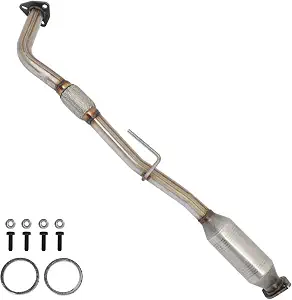


pulcherflow Rear Catalytic Converter for 1997–2001 Toyota Camry / 1999–2001 Solara 2.2L
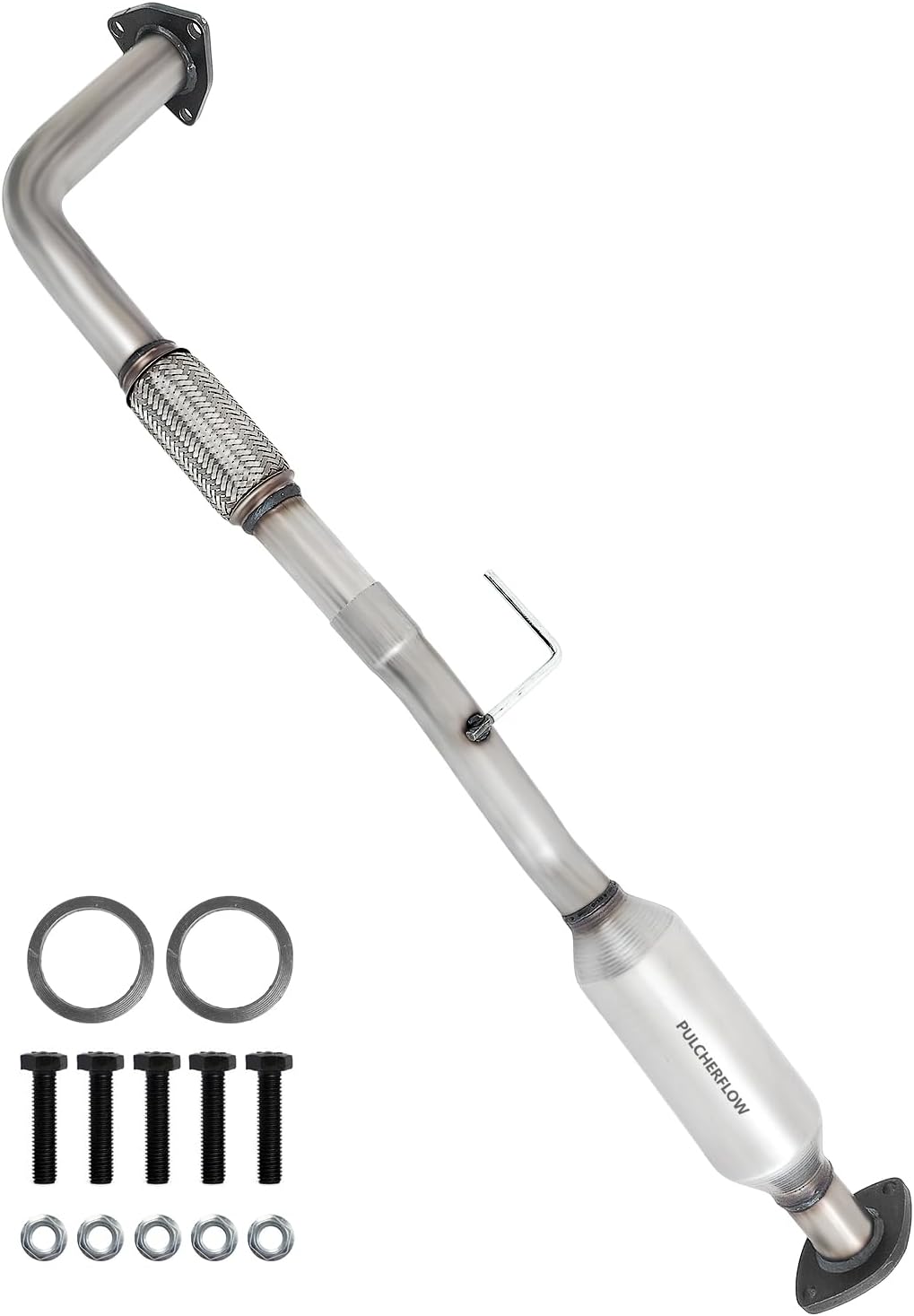
| Vehicle Fitment | 1997–2001 Toyota Camry; 1999–2001 Toyota Solara 2.2L Rear |
|---|---|
| Position | Rear |
| Compliance | EPA Compliant (46-state) |
| Manufacturer | pulcherflow |
This pulcherflow rear catalytic converter is a direct-fit replacement intended for 1997–2001 Toyota Camry and 1999–2001 Solara 2.2L vehicles, built to reduce tailpipe emissions while restoring exhaust flow. It uses an enlarged honeycomb ceramic substrate with increased precious metal loading to improve purification efficiency and meets EPA compliance for federal emissions models. The stainless steel shell and mandrel-bent piping aim to resist corrosion and withstand high exhaust temperatures, so it holds up to typical road use. Installation is straightforward for a mechanic or experienced DIYer because it is designed to match factory mounting points and comes with fixed gaskets and hardware, though some buyers reported minor trimming or bracket adjustments on certain cars. Not legal for sale or use in several states with stricter rules, so it is limited to 46-state vehicles. For buyers seeking a balance of emission performance, durability, and a near-factory fit, this unit offers a practical, cost-effective replacement, provided you confirm state eligibility and check fitment before ordering.
Best for: Buyers who want a reliable, near-factory replacement that restores emissions performance and exhaust flow without overspending and who prioritize balanced durability and ease of installation for 1997–2001 Camry/Solara ownership.
Less Ideal for: Drivers in states with strict emissions rules or buyers who require state-certified converters for California or other regulated markets should look for legally approved alternatives.
- Enlarged ceramic substrate and higher precious metal loading for improved emission conversion
- Stainless steel shell and mandrel-bent piping for corrosion resistance and durability
- Direct-fit design with attached gaskets and hardware for easier installation
- EPA compliant for federal emissions models
- Not legal for sale or use in California, Colorado, New York, or Maine emissions-controlled vehicles
- Some users needed minor trimming or bracket adjustments for perfect fitment
Verdict: A practical, EPA-compliant direct-fit rear catalytic converter that restores emissions control and exhaust flow for 1997–2001 Camry/Solara owners seeking balanced performance and value.
Walker CalCat Direct-Fit Catalytic Converter with Integrated Exhaust Manifold

| Manufacturer | Walker Exhaust |
|---|---|
| Brand | Walker |
| Item model number | 82555 |
| CARB EO# | D-182-53 |
This Walker CalCat unit combines an integrated exhaust manifold and catalytic converter in a bolt-on assembly intended to replace the front converter/manifold on 1997–2001 Toyota Camry models. It is marketed as CARB-compliant and uses a high-technology washcoat applied in an OE-style process to meet emissions requirements while providing consistent catalytic performance. The direct-fit design with factory-style flanges, hangers and brackets simplifies installation for a professional or experienced DIYer, though buyers should plan to source bolts or studs separately since fasteners are not included. Constructed from stainless-steel body with aluminized piping and heat shields, the assembly aims for durability under normal driving conditions. Fit can vary slightly compared with factory parts, so some minor alignment, gasket work or heat-shield adjustments may be needed during installation. For drivers focused on emissions-compliant performance replacement that restores catalytic function and maintains compliance, this unit delivers a practical balance of durability and emissions control, but it is not a performance-enhancing aftermarket high-flow racing part.
Best for: Buyers who prioritize restoring emissions compliance and a factory-style fit for a 1997–2001 Camry while keeping a performance-minded focus on reliable catalytic function.
Less Ideal for: Drivers seeking a high-flow performance converter or race-focused upgrade should look at performance-specific aftermarket options instead.
- CARB-compliant design for emissions-regulated states
- Integrated manifold and converter for a single direct-fit replacement
- Stainless-steel body with aluminized pipe and heat shields for corrosion resistance
- OE-style flanges, hangers and brackets that simplify mounting and alignment
- Does not include mounting bolts or studs, requiring separate purchase
- Fitment can require minor modification or adjustment to match factory components
Verdict: A CARB-compliant, direct-fit manifold and catalytic converter made to restore emissions performance and fitment on 1997–2001 Toyota Camry cars.
SAROTIN Catalytic Converter Compatible with Toyota Camry 2.2L (1997–2001)
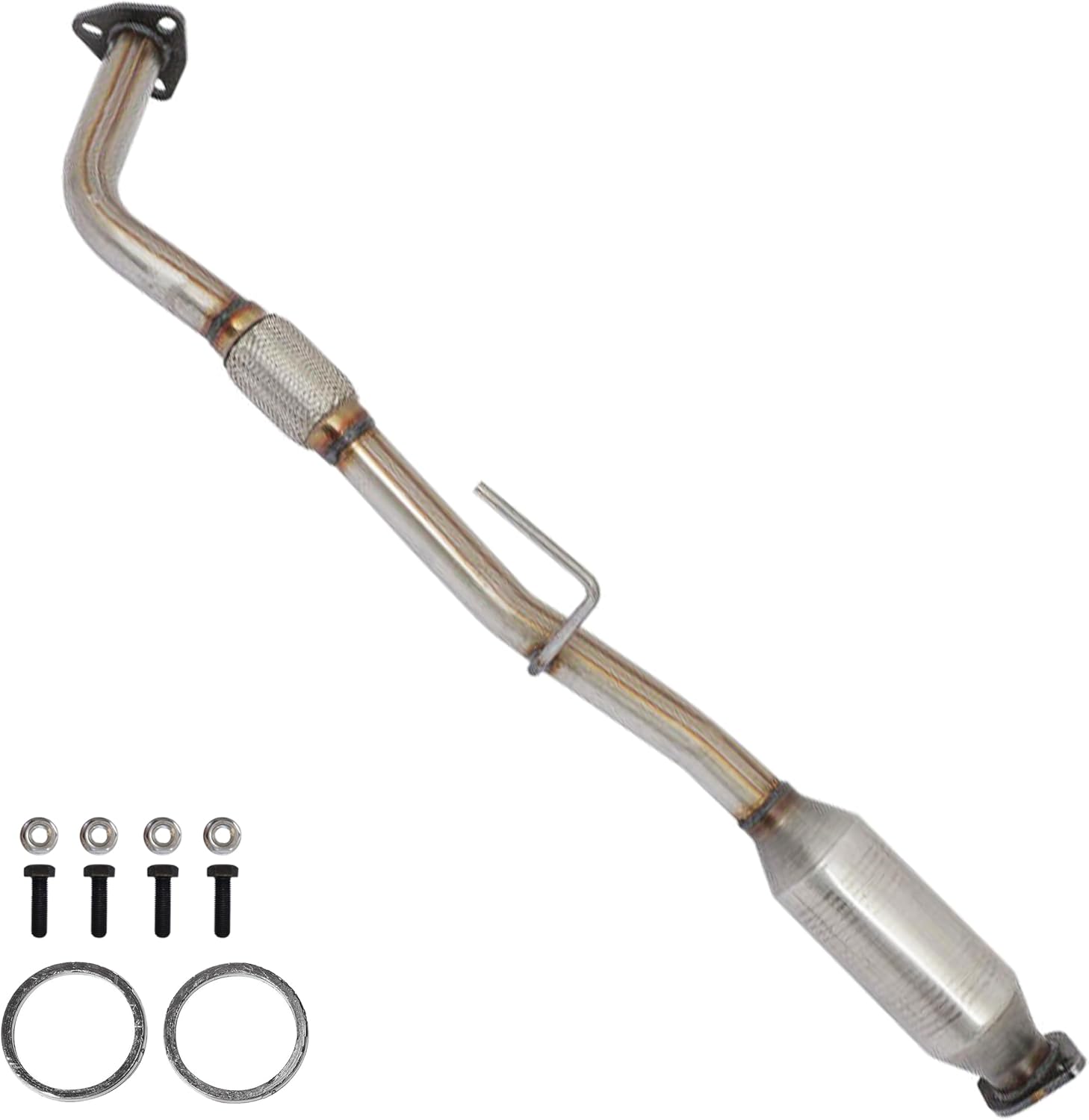
| Fitment | Toyota Camry 2.2L 1997-2001 |
|---|---|
| Body Material | 409 stainless steel |
| Substrate Material | Cordierite ceramic carrier |
| Fitment Type | Direct Replacement |
| Outlet/Inlet | 2-bolt outlet / 3-bolt inlet welded flanges |
This SAROTIN catalytic converter is a direct-fit front-inner unit for Toyota Camry 2.2L models from 1997 to 2001. It uses a cordierite ceramic substrate and 409 stainless steel housing, with 3-bolt inlet and 2-bolt outlet welded flanges and included gasket stubs to simplify installation. In practice it replaces a worn or failed converter to clear check-engine codes related to emissions, restore exhaust flow, and help the vehicle pass emissions testing. Buyers will appreciate the factory-replacement fitment and the hardware that often ships with the unit, which reduces the need to source parts separately. Some users report variable long-term durability tied to precious-metal content, so occasional repeat failures have been reported on older engines. Also this unit has no O2 sensor ports, so it assumes your existing sensor configuration matches the original routing. Installation requires standard exhaust tools and basic mechanical skill or a shop for proper sealing and torque.
Best for: Practical owners who want an affordable, straightforward replacement to restore emissions control and keep a 1997–2001 Camry running reliably without chasing premium aftermarket options.
Less Ideal for: Those seeking a high-performance or long-life upgraded converter with increased precious-metal loading should consider higher-end or OEM-grade units instead.
- Direct-replacement fit for 1997–2001 Toyota Camry 2.2L to simplify installation
- 409 stainless steel housing for corrosion resistance compared with mild steel alternatives
- Cordierite ceramic substrate for effective catalytic conversion of exhaust gases
- Includes welded flanges and gasket stubs and often ships with hardware to reduce additional part sourcing
- No O2 sensor ports included, so matching factory sensor locations is required
- Some reports of short-term failures leading to recurring check-engine codes, indicating variable precious-metal loading
Verdict: A practical, direct-replacement catalytic converter for 1997–2001 Camry 2.2L owners who want a straightforward emissions repair that fits like the factory unit.
PHILTOP Rear Direct-Fit Catalytic Converter Kit (EPA Compliant)

| Position | Rear |
|---|---|
| Compatible models | 1997-2001 Camry 2.2L; 1999-2001 Solara 2.2L |
| EPA status | EPA compliant |
| Manufacturer part number | 9861EXP164KUS |
This PHILTOP rear catalytic converter is a direct-fit replacement intended to restore emissions control and exhaust flow on 1997–2001 Toyota Camry and 1999–2001 Solara 2.2L vehicles. It uses a double-layer ceramic substrate and a high-flow internal honeycomb to lower backpressure, which can improve engine breathing and help recover a small amount of lost performance and fuel economy. The stainless steel aluminized body resists corrosion and the kit includes gaskets and basic hardware for a bolt-in installation that most experienced DIYers can complete in 3 to 4 hours. Because it is EPA compliant, it is suitable for federal emissions states but not for certain states with their own rules. Several user reports praise fit and material quality, while others note the supplied clamps and some hardware may be weak or missing and that a few buyers needed to weld or source stronger fasteners. Expect a solid, affordable factory-style replacement if you are replacing a failed rear converter and can address or upgrade the mounting hardware during installation.
Best for: Buyers looking for a budget-friendly, factory-style replacement to get a 1997–2001 Camry or 1999–2001 Solara back to working emissions and reasonable drivability without paying dealer prices. Ideal for DIY installers comfortable swapping exhaust components and sourcing stronger fasteners if needed.
Less Ideal for: Drivers who need a state-specific certified converter for restricted states or those who want a premium performance or guaranteed-fit plug-and-play kit that includes heavy-duty hardware and hangers.
- Direct-fit design for straightforward replacement on specified Camry and Solara 2.2L rear positions
- High-flow double-layer honeycomb substrate aimed at reducing backpressure and helping fuel economy
- Stainless steel aluminized body for improved corrosion resistance compared with cheaper metals
- Includes OE-style gaskets and basic hardware to simplify installation
- Included clamps and some fasteners may be low quality or missing, requiring replacement or welding
- EPA-compliant unit is not legal for sale or installation in certain states
Verdict: A cost-conscious, direct-fit rear catalytic converter that restores emissions function and exhaust flow for late 1990s Camry/Solara owners while keeping installation simple for DIYers.
Walker Ultra Direct-Fit Catalytic Converter (55537)
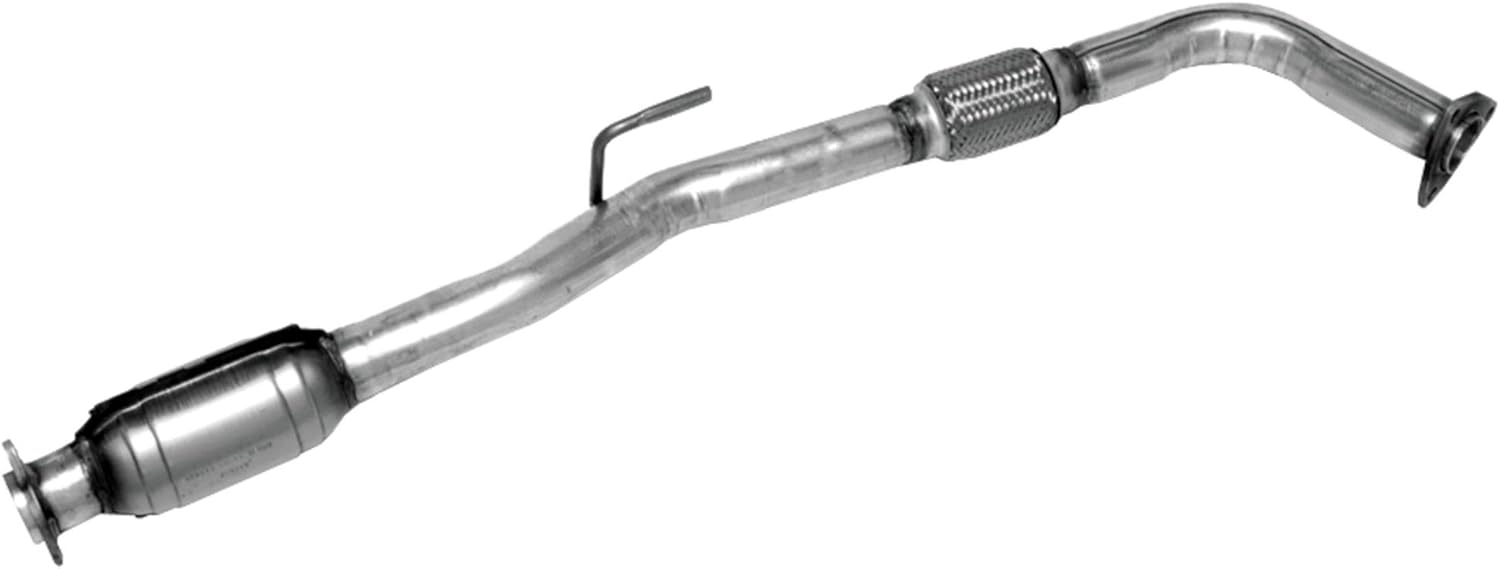
| Model | 55537 |
|---|---|
| Brand | Walker |
| Compatibility | 1997-2001 Toyota Camry & Solara (OBDII) |
The Walker Ultra 55537 is a bolt-on catalytic converter built to replace a failing unit on 1997–2001 Toyota Camry and Solara applications. It installs using factory-style flanges, hangers, brackets and heat shields so most DIYers or independent shops can swap it in without welding or custom fabrication. The unit carries a factory-style washcoat and precious metal loading intended to restore emissions control and eliminate check-engine codes tied to a clogged or failed converter. Practical benefits include quieter exhaust and compatibility with OBDII systems, plus thicker flanges and OE-style brackets for durability during normal use. Some buyers report differences in cosmetic details like heat-shield appearance and occasional packaging residue, and longevity may not exactly match a long-unused factory original, so expect typical aftermarket service life. Check fitment notes carefully and plan to source standard exhaust bolts and gaskets during installation, since those are not included.
Best for: Buyers who prioritize restoring reliable emissions control and a straightforward, bolt-on repair for a 1997–2001 Camry without needing fabrication or specialty tools.
Less Ideal for: Those seeking a lifetime-long factory-original unit or a custom high-performance exhaust solution should consider alternatives or OEM-level replacements.
- Direct-fit design with factory-style flanges and hangers for straightforward bolt-on installation
- EPA-compliant for OBDII vehicles and designed to restore emissions performance
- OE-style washcoat and precious metal load to reduce tailpipe emissions
- Thick flanges, hangers and brackets improve strength and resist damage during installation
- Does not include installation hardware or gaskets, which must be purchased separately
- Cosmetic differences from pictured units reported by some buyers, such as missing or different heat-shield appearance
Verdict: A dependable direct-fit replacement that restores emissions control and quiets the exhaust on 1997–2001 Camry and Solara models.
AUTOSAVER88 Catalytic Converter Compatible with 1997–2001 Camry 2.2L / Solara 2.2L — Direct-Fit, EPA Compliant

| Position | Rear |
|---|---|
| Manufacturer | TWG |
| Brand | AUTOSAVER88 |
| EPA Certification | Federal emissions models |
This AUTOSAVER88 unit replaces the rear catalytic converter on 1997–2001 Camry 2.2L and compatible Solara 2.2L models with a factory-style direct-fit design intended for bolt-on installation. The assembly uses a large ceramic substrate and increased precious-metal loading to improve conversion efficiency and is housed in a T409 stainless steel shell to resist heat and corrosion. Typical use is as a factory-replacement after failure or theft; installers report the flange, gaskets, and included hardware allow a straightforward swap when the existing mounting points are intact, and the rear pipe can slip over a remaining stub in many theft-repair cases. Practical benefits include EPA federal certification for non-California vehicles and a design meant to restore drivability and clear oxygen-sensor codes once fitted with a proper O2 sensor. Limitations to note are fitment inconsistencies reported by some buyers—incorrect gasket type, O2 bung placement, and long springs that may require compression or replacement—plus state shipping restrictions for certain emissions-controlled states.
Best for: Buyers who want a cost-effective, EPA-certified direct replacement to restore emissions function and drivability on a late-1990s Camry or early Solara and prefer options with demonstrated user installations and practical fit guidance.
Less Ideal for: Drivers in states with stricter emissions regulations or anyone seeking an OEM dealer part with guaranteed original-state compliance should consider factory-sourced alternatives instead.
- Direct-fit flange and hardware designed to bolt into existing mounting points for faster installation
- EPA federal certification for compliant federal-emissions vehicles
- Large ceramic substrate and increased catalyst loading for efficient exhaust purification
- T409 stainless steel shell offers strong corrosion and heat resistance
- Some units have inconsistent accessory parts such as incorrect flat gaskets instead of ring seals
- Oxygen sensor bung location and spring lengths may require modification or replacement during install
- Not legal for sale or shipping to certain states with their own emissions rules
Verdict: A budget-friendly, EPA-certified direct-fit replacement that restores emissions control and drivability for 1997–2001 Camry 2.2L rear catalytic converter needs.
PHILTOP Rear Catalytic Converter Compatible with Toyota Camry 1997–2001 2.2L (Direct-Fit, EPA Compliant)
| Position | Rear |
|---|---|
| Compatible engines | 2.2L |
| EPA status | EPA compliant (not for CARB states) |
| Includes | Gaskets and mounting hardware |
This PHILTOP rear catalytic converter is a budget-focused direct replacement for 1997–2001 Toyota Camry 2.2L and compatible Solara vehicles. It installs flange-to-flange using the supplied gaskets and hardware, so most DIYers and independent shops can complete the swap in a few hours without modification. The stainless steel construction and welded joints are intended to hold up to heat and road exposure while the internal honeycomb ceramic substrate aims to maximize catalytic conversion and reduce backpressure compared with a failing unit. PHILTOP notes EPA compliance for federal emissions applications but the unit is not for use in certain states with stricter rules. Buyers should expect generally good fitment but may encounter occasional mismatched studs or minor hardware alignment work based on user reports, so having basic tools and replacement fasteners on hand helps. For a cost-conscious, risk-averse buyer seeking a factory-style replacement to restore emissions performance and reduce exhaust noise, this offers a practical, tested option with clear limitations in CARB states and occasional variability in supplied hardware.
Best for: Buyers prioritizing a reliable, factory-style replacement to restore emissions and drivability on an older Camry without wanting dealer service or performance upgrades.
Less Ideal for: Drivers in states that require CARB-compliant parts or owners who need a performance-oriented or custom exhaust solution.
- Direct flange-to-flange design for straightforward replacement of the rear converter
- Stainless steel body and welded connections for improved durability under heat
- High-flow ceramic honeycomb substrate to help restore emissions conversion and reduce backpressure
- Includes OE-style gaskets and mounting hardware to simplify installation
- Not CARB-approved and cannot be used in states with stricter emissions regulations
Verdict: A direct-fit, EPA-compliant rear catalytic converter that restores emissions function and drivability on 1997–2001 Toyota Camry 2.2L models at a practical price.
Choosing the Right 1997-2001 Toyota Camry Catalytic Converter: Key Factors to Consider
Fitment And Bolt-Up Compatibility
Correct fitment is the single most important factor for the 1997–2001 Toyota Camry. The replacement must match the Camry's exhaust flange type, pipe diameter, and hanger locations to avoid exhaust leaks or the need for cutting and welding. A precise bolt-up reduces installation time and prevents sealing issues that trigger the check engine light.
When a converter is listed for the exact year range, it usually means the manufacturer verified flange spacing and inlet/outlet dimensions. Confirming these specs before purchase prevents returns and additional shop labor. If you plan to install yourself, matching bolt patterns and including all necessary gaskets is essential to achieve a proper seal and maintain emissions performance.
Emissions Rating And Regulatory Compliance
For this Camry generation, the converter must restore the vehicle's ability to control hydrocarbons, carbon monoxide, and NOx within regulatory limits. Look for units specified to meet original equipment emissions standards or to be CARB-compliant where applicable. Proper emissions performance helps the vehicle pass inspections and keeps the exhaust system functioning as intended.
A converter with documented conversion efficiency and washcoat technology provides more predictable emissions outcomes. Avoid units that lack clear emissions ratings or that are marketed as universal without specification; those can result in failed tests and ongoing check engine light issues.
Substrate And Washcoat Quality
The internal substrate and washcoat determine how effectively the converter processes exhaust gases. High-quality ceramic or metallic substrates with properly applied washcoat materials support faster light-off and better conversion efficiencies, especially during cold starts. For everyday driving with a 1997–2001 Camry, a durable substrate reduces the risk of cracking and catalytic degradation over time.
Washcoat quality also affects resistance to contamination from oil or coolant leaks. Units with thicker, evenly applied washcoats tend to maintain performance longer. While substrate type influences cost and weight, prioritize proven washcoat adhesion and consistent channel structure for dependable emissions control.
Backpressure And Engine Performance
Catalytic converters introduce some backpressure into the exhaust system. For the Camry engines in this year range, a replacement should balance emissions control with minimal adverse effects on throttle response and fuel economy. Excessive backpressure can reduce engine efficiency and increase heat, which may accelerate wear on both the converter and upstream components.
Choose a converter designed to match the original flow characteristics or one that specifies comparable flow rates. This reduces the likelihood of drivability issues such as hesitation or decreased power while still achieving required emissions reductions.
Durability And Corrosion Resistance
Road salt, moisture, and heat cycles can quickly deteriorate exhaust components on older vehicles. A converter with a robust, corrosion-resistant housing and welded seams will last longer on a 1997–2001 Toyota Camry. Attention to external finishes, thermal shields, and seam quality helps prevent premature failure and leakage.
Durable mounting brackets and hangers are also important because worn or weak attachments can stress the converter and exhaust joints. Select a unit with robust hardware and a protective coating to extend service life in typical climates and driving conditions.
Installation Requirements And Hardware
Consider whether the converter comes with the necessary gaskets, bolts, and hangers for a straightforward installation on the Camry. Units that require custom welding or adapter pipes add labor time and hidden cost. For DIYers, pre-drilled flange holes and included hardware simplify the process and improve the odds of a correct seal.
Also think about oxygen sensor boss locations and whether the converter requires relocating or extending sensors. Clear manufacturer documentation on installation steps reduces confusion and lowers the chance of check engine light issues post-installation.
Common Catalytic Converter Symptoms On A 1997–2001 Camry
Catalytic converter problems often present as drivability changes rather than obvious hardware failure. Typical symptoms include a persistent check engine light with codes related to catalyst efficiency, reduced acceleration, and a noticeable drop in fuel economy. A clogged converter can create excessive backpressure, causing the engine to run poorly under load.
Other signs are unusual exhaust odors, especially a strong rotten-egg smell indicating an inefficient catalyst, and rattling noises from inside the housing when the substrate breaks down. Monitoring these symptoms early helps you decide whether replacement is necessary or if other components, such as oxygen sensors or exhaust leaks, are the underlying cause.
- Persistent check engine light with catalyst efficiency trouble codes
- Reduced acceleration and power under load
- Rotten-egg sulfur odor from exhaust
- Rattling noises from the converter housing
How Converter Fitment Affects Check Engine Light Issues
A converter that does not seal correctly or that has incorrect sensor boss placement can trigger a check engine light even if the internal substrate is functioning. For the 1997–2001 Camry, oxygen sensors rely on precise upstream and downstream placement to compare pre- and post-catalyst oxygen levels. Incorrect fitment alters those readings and can produce false failure codes.
Ensuring the replacement unit matches the Camry's sensor positions and mounting points reduces the likelihood of diagnostic confusion. If a check engine light persists after replacement, confirm wiring, sensor condition, and sealing before assuming the converter itself is defective.
- Match upstream and downstream oxygen sensor boss locations
- Verify flange sealing and gasket condition
- Scan for persistent catalyst efficiency codes after installation
Maintenance And Preventive Steps To Extend Converter Life
Routine maintenance of the engine and exhaust system prolongs catalytic converter life. Timely repairs of oil or coolant leaks, replacing worn oxygen sensors, and addressing engine misfires prevent contaminants from fouling the catalyst. Regular exhaust inspections can catch loose hangers or developing leaks before they damage the converter.
Avoid using fuel additives or treatments that the vehicle manufacturer does not recommend, and address fueling issues that cause rich-running conditions. Maintaining proper tune and avoiding repeated overheating events will preserve the converter's performance and delay the need for replacement.
- Repair oil and coolant leaks promptly
- Replace failing oxygen sensors to avoid contamination
- Inspect exhaust hangers and flanges during routine service
Installation Tips For A Smooth Replacement
Prepare the vehicle by supporting the exhaust and removing rusted fasteners carefully to avoid damaging flanges. If you plan a bolt-on swap, bring replacement gaskets and hardware to ensure a proper seal. For converters that include sensor bosses, verify sensor wiring length before starting the installation to prevent stretching or disconnection.
After installation, clear stored codes and perform a short test drive to confirm the check engine light stays off and the engine runs smoothly. If the vehicle still displays catalyst-related trouble codes, recheck connections, sealing surfaces, and sensor positions.
- Use penetrating lubricant on rusted bolts
- Always install new gaskets when mating flanges
- Clear codes and verify operation with a test drive
Still looking for the perfect fit?
Select your Toyota Camry configuration to see the most relevant Catalytic Converters recommendations
How We Chose the Best 1997-2001 Toyota Camry Catalytic Converter
We evaluated candidate catalytic converters for the 1997–2001 Toyota Camry using criteria aimed at real-world reliability and regulatory compliance. Primary filters included exact fitment to the Camry exhaust flange and pipe diameter, ensuring units bolt up without modifications. Emissions performance was a core criterion, so we prioritized converters rated to meet or match original emissions specifications for the model years covered. Durability factors such as substrate material, heat-resistant housing, and corrosion-resistant finishes guided our selections to reduce premature failure in normal driving conditions.Flow and backpressure characteristics were reviewed to balance emissions control with engine responsiveness for engines fitted to these Camry years. We also considered thermal efficiency and washcoat quality because those affect conversion efficiency and long-term performance. Units requiring extensive modifications, non-compliant replacements, or that lacked clear fitment data were excluded. Finally, we favored products with transparent specifications on dimensions, mounting points, and emissions ratings so owners can confirm compatibility before installation.
Our full evaluation process is outlined in our review methodology.
FAQ
How can I tell if the catalytic converter on my 1997–2001 Camry is failing?
Failure signs often include a persistent check engine light with catalyst-related codes, reduced acceleration, a sulfur-like exhaust smell, or rattling from the converter. A mechanic can test backpressure and monitor sensor readings to confirm the diagnosis.
Will replacing the catalytic converter fix a check engine light on my Camry?
Sometimes. If the light is due to a degraded catalyst or incorrect post-catalyst readings, replacement can resolve it. However, sensor faults, exhaust leaks, or engine tuning issues can produce similar codes, so diagnose thoroughly before replacing parts.
Do I need a specific fit for the 1997–2001 Camry when buying a catalytic converter?
Yes. The converter must match flange type, pipe diameter, and oxygen sensor boss locations for a proper seal and correct sensor readings. Buying a unit specified for the 1997–2001 Camry avoids fitment problems and extra labor.
Can a clogged catalytic converter cause poor fuel economy on this Camry?
Yes. A clogged converter increases backpressure, which can reduce engine efficiency and lead to higher fuel consumption. Addressing the root cause, such as misfires or contamination, is important to prevent recurrence after replacement.
Is it necessary to replace oxygen sensors when installing a new catalytic converter?
Not always, but it is often recommended. Worn sensors can give incorrect readings that affect catalytic efficiency monitoring. If sensors show age or have stored faults, replacing them during converter service helps ensure accurate diagnostics and optimal performance.
How long should a replacement catalytic converter last on a 1997–2001 Camry?
Lifespan depends on driving habits and engine condition. With proper engine maintenance and no contaminating leaks, a well-made converter can last many years. Corrosion, thermal damage, or repeated contamination from oil/coolant reduces longevity.
Final Verdict
When replacing a catalytic converter on a 1997–2001 Toyota Camry, prioritize correct fitment, documented emissions performance, and durable construction. Balancing flow characteristics with effective conversion reduces the chance of drivability problems and recurring diagnostic trouble codes.Decide based on how the vehicle is used and whether you want a direct bolt-on replacement or are prepared for any fabrication. Focus on units that clearly specify flange dimensions, sensor boss placement, and emissions ratings so you can restore emissions performance and reliable operation with confidence.
Explore More:
- Check out all Toyota Camry parts & accessories
- Explore Catalytic Converters Maintenance & Repair Guides
- Explore Exhaust & Emissions
- Browse all Auto Parts
