

Note: This article contains affiliate links. If you click on these links and make a purchase, I may earn a small commission at no extra cost to you. This helps support my research and content. Read my full affiliate disclosure here.
If you drive a Subaru Forester Sport, picking the right tires affects handling, comfort, fuel economy, and safety more than many drivers expect. The Sport model's suspension and tuning reward tires that offer responsive grip without sacrificing ride quality or wear life.This guide presents the top shortlisted tires for the Forester Sport across common driving needs. We focus on traction in wet and dry conditions, noise and comfort, tread life, and fitment details so you can choose the best option for your driving style. Read on for a concise assessment of the criteria that mattered and practical next steps.
Looking for other parts? See all Subaru Forester parts & accessories.
Top Picks at a Glance
| Best Overall The best all-around choice for most situations | Cooper Endeavor Plus All-Season 225/55R18 98H Tire |  |
| Best Quality Built to a higher standard if you want something more solid | MICHELIN CrossClimate2 All-Season Tire — 225/55R18 98H (Single) | 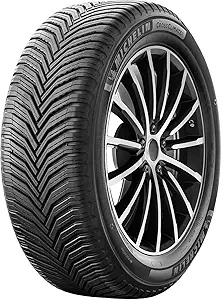 |
| Best Value The sweet spot between price and what you get | Goodyear Assurance Finesse All-Season Tire 225/65R17 |  |
| Best Budget The cheapest option that still gets the job done reliably | Evoluxx Capricorn HP 225/55R18 All-Season Performance Tire |  |
| Highest Rated A top-rated pick with lots of positive feedback | Milestar MS932 Sport All-Season Tire 245/60R18 |  |
| Most Popular A crowd favorite that many people choose with confidence | STARFIRE Solarus AS All-Season Touring Tire 225/60R17 99H |  |
1. Cooper Endeavor Plus All-Season 225/55R18 98H Tire

| Rim Size | 18 inches |
|---|---|
| Load Index | 98 |
| Speed Rating | H |
| Maximum Pressure | 44 psi |
| Seasons | Year Round |
The Cooper Endeavor Plus is a highway-focused all-season touring tire built for SUV-sized vehicles and light trucks; in 225/55R18 it suits midsize crossovers that need confident wet performance and long wear. The tread uses water evacuation grooves and checkmark channels to improve traction in rain, while an added reinforced layer promotes even tread wear and the manufacturer backs that with a 65,000-mile treadwear claim. Drivers will notice a composed, quiet ride thanks to a contemporary tread design and radial construction, and the non-directional pattern makes rotation simple. Expect good day-to-day handling and predictable braking on wet and dry pavement, though it is not a dedicated winter or off-road tire and will not match specialized snow or aggressive terrain performance. Installation is straightforward since it is a universal-fit passenger tire with a 98 load index and H speed rating, but buyers wanting maximum winter grip or aggressive off-road traction should look to winter or all-terrain-specific options instead.
Best for: Someone who wants a quiet, long-lasting all-season tire that balances wet-weather confidence and everyday comfort for a midsize crossover.
Less Ideal for: Drivers who regularly tackle deep snow, ice, or off-road trails and need a tire engineered specifically for those conditions.
- Engineered channels and grooves that improve wet traction and reduce hydroplaning risk
- Reinforced layer for even tread wear and long tread life backed by a 65,000-mile treadwear description
- Contemporary tread design that minimizes road noise for a quieter, more comfortable ride
- Not optimized for heavy snow or icy winter conditions compared with dedicated winter tires
Verdict: A balanced all-season touring tire built to deliver quiet highway manners, confident wet traction, and extended tread life for everyday crossover use.
2. MICHELIN CrossClimate2 All-Season Tire — 225/55R18 98H (Single)

| Rim Size | 18 inches |
|---|---|
| Load Index | 98 |
| Speed Rating | H |
| Tread Type | Directional |
| Seasons | Year Round |
The MICHELIN CrossClimate2 is an all-season tire aimed at drivers who want year-round grip without swapping tires each season. It uses a directional tread and a compound Michelin says gives shorter wet and dry braking distances than several competitors, making it well suited to everyday driving and spirited road use on paved surfaces. The construction and tread design promote predictable handling and stability for crossover SUVs, and the higher 98 load index supports heavier loads common on loaded Forester Sport models. You can expect good traction in rain and competent performance in light snow while retaining long tread life claims compared with some rivals. Trade-offs are the focus on on-road performance rather than off-road capability and the likely higher purchase cost versus budget all-seasons. This is primarily a road-focused tire that balances grip, comfort, and longevity for drivers who prioritize confident handling and all-weather usability.
Best for: Drivers of sporty compact crossovers who prioritize confident wet and dry braking, composed handling, and long tread life for daily driving and occasional spirited road use.
Less Ideal for: Drivers who need heavy snow traction, dedicated winter tires, or off-road capability; those seeking the lowest-cost budget tire should consider cheaper alternatives.
- Directional tread for predictable wet and dry braking and handling
- Year-round tread compound for usable performance in wet, dry, and light snow
- Higher 98 load index suitable for heavier CUV/SUV loads
- Manufacturer claims longer tread life compared with several competitors
- Designed for on-road performance rather than off-road or aggressive winter conditions
Verdict: Choose the CrossClimate2 if you want a road-focused, year-round tire that emphasizes wet/dry braking and long tread life for a sport-oriented crossover like the Forester Sport.
3. Goodyear Assurance Finesse All-Season Tire 225/65R17

| Size | 225/65R17 |
|---|---|
| Tread Type | Symmetrical |
| Construction Type | Radial |
| Load Capacity | 1874 Pounds |
| UTQG | 540 A A |
The Goodyear Assurance Finesse is a touring all-season tire built to deliver a quiet, comfortable ride while providing dependable traction in wet, dry, and light winter conditions. Typical use is on daily-driven crossovers and compact SUVs where low road noise, steady handling, and long tread life matter more than aggressive sport grip. Notable features include a patented symmetrical tread pattern for comfort, a fuel-saving low-rolling-resistance compound, and a tread depth intended to balance wear life and winter capability. In practice you can expect reduced cabin vibration, reassuring wet braking, and modest performance in snow or icy patches; it is not a dedicated winter or high-performance summer tire. Fitment in the 225/65R17 size suits many Forester Sport fitments that accept that size, and the tire’s 540 A A UTQG suggests above-average treadwear and good traction. If you prioritize a smooth, fuel-efficient replacement that handles everyday driving and occasional winter slush, this tire is a sensible choice, but drivers seeking maximum cornering grip or severe-snow capability should look at specialized performance or winter options.
Best for: Buyers who want a calm, fuel-efficient touring tire for everyday driving and occasional winter conditions on a crossover like the Forester and who value ride comfort and long tread life.
Less Ideal for: Drivers who need maximum sporty cornering performance or who regularly drive in deep snow and ice should choose performance or winter-specific tires instead.
- Comfort-oriented symmetrical tread reduces road noise and vibration
- Low rolling resistance compound improves fuel efficiency
- All-season compound provides usable traction in wet, dry, and light snow
- Good treadwear rating (UTQG 540) indicates longer service life
- Not designed for severe winter or dedicated snow performance
Verdict: A comfortable, fuel-efficient all-season tire that delivers quiet everyday driving and long tread life for Forester Sport owners seeking practical, reliable replacement rubber.
4. Evoluxx Capricorn HP 225/55R18 All-Season Performance Tire

| Rim Size | 18 inches |
|---|---|
| Load Index | 98 |
| Speed Rating | H |
| Load Capacity | 1653 pounds |
| Seasons | Year Round |
The Evoluxx Capricorn HP is an all-season performance tire engineered for passenger cars and crossovers. It uses a ribbed symmetrical tread with optimized siping and a heat-resistant compound to keep the contact patch stable at higher speeds, which helps steering response and even wear. Typical use will be daily commuting and occasional spirited driving on dry and wet roads where predictable handling and long treadlife matter more than outright grip. Notable features include three continuous center ribs for improved steering precision, a construction aimed at reducing heat buildup, and a 45,000-mile limited tread warranty. Practical benefits are confident highway manners, consistent wear across the tread, and an attractive price point for people replacing tires on a budget. Limitations are that this is a standard-load, 4-ply design so it is not intended for heavy loads or high-performance track use, and while marketed as all-season, snow performance will be limited compared with dedicated winter tires.
Best for: Drivers who need an affordable, everyday all-season tire that balances steering feel and long treadlife for commuting and highway miles on a budget-focused replacement plan.
Less Ideal for: Drivers seeking maximum dry grip for aggressive performance driving or those who frequently encounter deep snow and need a dedicated winter tire.
- Ribbed symmetrical tread with optimized siping for improved steering response and even wear
- Heat-resistant compound and construction to reduce heat buildup at highway speeds
- 45,000-mile limited treadlife warranty offers long expected service life
- Universal fit for passenger vehicles and SUVs with common 18-inch rim sizing
- Not designed for heavy loads or high-performance track driving due to standard load SL and 4-ply rating
- All-season compound will not match traction of dedicated winter tires in severe snow and ice
Verdict: A cost-conscious all-season performance tire that delivers stable steering and long treadlife for everyday driving on a Forester Sport-style crossover.
5. Milestar MS932 Sport All-Season Tire 245/60R18

| Rim Size | 18 Inches |
|---|---|
| Load Index | 105.0 |
| Speed Rating | H |
| Tread Type | Non-Directional |
| Seasons | Year Round |
The Milestar MS932 Sport is an all-season touring tire aimed at drivers who want dependable, low-noise performance for everyday use. It uses a non-directional tread and silica-based compound to deliver consistent dry and wet grip plus light snow capability, while wide circumferential ribs and lateral siping improve stability and cornering feel. The tire is built for comfort: its optimized tread pattern reduces road noise and vibration for quieter highway miles. Its 12-ply construction and 105 load index mean it supports heavier compact crossover loads without feeling fragile, and the 10/32 tread depth suggests decent tread life for regular commuting and family driving. Expect good handling in mixed conditions but not the same winter traction as a dedicated snow tire or the extreme performance of a sport tire; wet braking is solid for its class but stopping distances will be longer than high-performance summer tires. For routine use on a Forester Sport, it balances longevity, comfort, and predictable handling over outright grip or aggressive driving dynamics.
Best for: Drivers who prioritize dependable, low-noise all-season performance and predictable handling for daily driving and light-duty crossover use.
Less Ideal for: Drivers who need maximum winter traction in heavy snow or who prioritize the highest dry-road performance for spirited driving.
- All-season silica compound for balanced wet and light snow traction
- Optimized tread pattern and siping that reduce road noise for a comfortable ride
- Wide circumferential ribs that boost stability and handling
- 12-ply construction and 105 load index suitable for heavier compact crossover loads
- 10/32 tread depth indicating reasonable tread life for commuting use
- Not designed for severe winter conditions or deep snow compared with dedicated winter tires
- Does not provide the extreme dry grip of high-performance summer tires
Verdict: A quietly composed, all-season tire that gives Subaru Forester Sport drivers reliable everyday traction and comfort for routine commuting and light winter use.
6. STARFIRE Solarus AS All-Season Touring Tire 225/60R17 99H

| Rim Size | 17 Inches |
|---|---|
| Load Index | 99.0 |
| Speed Rating | H |
| Tread Type | Symmetrical |
| Seasons | Year Round |
The STARFIRE Solarus AS is an all-season touring tire built for drivers who want long wear and confident everyday performance. Its re-engineered tread compound and shoulder control technology aim to improve wet and dry grip, while a solid center rib helps stability and steering response at highway speeds. Variable pitch tread blocks reduce road noise, making highway driving more comfortable, and the 50,000 mile treadwear warranty signals an emphasis on longevity and value. This tire is sold individually and fits 17-inch rims in the 225/60R17 99H size, so it is typically used as an OEM-style replacement on compact crossovers and sedans. Limitations to consider are that this is a budget-minded touring tire rather than a sport or performance tire, so high-speed cornering grip and extreme wet-snow performance will not match premium nameplates, and it is a mud-and-snow rated tire but not a dedicated winter tire for deep snow or ice.
Best for: Drivers who prioritize proven mileage, quiet highway manners, and reliable year-round traction on a compact crossover, valuing social proof and risk minimization when selecting a replacement tire.
Less Ideal for: Enthusiasts seeking maximum sporty handling or drivers who need a true winter tire for regular heavy snow and ice driving.
- Long 50,000 mile treadwear warranty suggests good longevity for commuting and touring use
- All-season compound and shoulder control design for improved wet and dry traction
- Variable pitch tread reduces highway noise for a quieter ride
- Universal fitment in the listed size makes it a straightforward direct replacement for compatible 17-inch wheels
- Not engineered as a high-performance or dedicated winter tire, so extreme handling or icy conditions may exceed its capability
Verdict: If you want an affordable, quietly riding all-season tire with a long tread warranty for everyday driving on a Forester-sized crossover, this is a sensible, low-risk choice.
Choosing the Right Subaru Forester Sport Tires: Key Factors to Consider
Traction and Wet Performance
Traction matters most for everyday safety, especially on the Forester Sport where the chassis responds quickly to driver inputs. Tires with good wet lap times and reliable hydroplaning resistance reduce stopping distance and build driver confidence in rain.
Look for tread compounds and siping patterns that maintain grip as temperatures change. Even if you do most driving in fair weather, wet braking and cornering performance influence insurance-critical outcomes and highway safety.
Tread Life and Warranty
Treadwear directly affects how often you need replacements and the total cost of ownership. A Forester Sport owner who values long-term value should weigh published treadwear ratings and the length of the mileage warranty.
Consider how you drive. Aggressive cornering or frequent highway miles will shorten life, so a tire with a stronger tread compound or longer warranty may be preferable. Warranty coverage and the ease of claiming prorated mileage warranties also matter when planning replacement timing.
Ride Comfort and Road Noise
The Forester Sport strikes a balance between agility and comfort, so tires that are too harsh can undermine daily usability. Look for tires that manage road vibrations and minimize wind and tread noise without deadening steering feedback.
Construction features like variable pitch tread blocks and optimized sidewall compliance influence comfort. If you commute or do long trips, quieter tires improve fatigue and make the cabin feel more refined while maintaining the Sport model's handling character.
Handling and Steering Response
Handling characteristics determine how the Forester Sport feels in corners and during emergency maneuvers. Tires with stiffer shoulder blocks and responsive sidewalls deliver crisper steering and more predictable turn-in.
Balance responsiveness with forgiveness. Tires that are too sharp can be unsettling on rough surfaces, while overly compliant tires can feel vague. Consider your typical roads and driving pace when prioritizing handling traits.
Fitment, Load Rating, and Size
Ensuring the tire matches the Forester Sport's wheel diameter, width, and load rating keeps handling and safety intact. Incorrect sizes can change speedometer readings, affect clearance, and overload ratings can risk tire failure.
Check the owner's manual for recommended sizes and load index. When selecting alternate sizes for a desired look or performance tradeoff, verify clearance and consider recalibrating the vehicle's systems if necessary. Proper fitment preserves steering geometry and longevity.
Seasonal Performance and Versatility
Decide whether you need a year-round tire or separate seasonal sets. All-season tires trade some dry or summer high-temperature grip for winter traction, while dedicated winter tires deliver far superior snow and ice performance.
If you live where winters are mild, an all-season with a good wet-weather compound may suffice. For snowy or icy climates, prioritize a winter-rated tire for safety and traction, and plan storage and swap logistics for the off-season set.
Understanding Forester Sport Tire Fitment
The Forester Sport uses specific wheel sizes and load ratings from the factory that influence which tire sizes are appropriate. Sticking close to the recommended diameter and load index preserves handling, braking, and speedometer accuracy.
When considering alternate widths or profiles, verify fender clearance and turning geometry. Minor changes can be acceptable, but large deviations may require suspension adjustments or recalibration.
- Confirm factory-recommended tire sizes in the owner's manual
- Match or exceed the factory load rating
- Verify clearance for wider tires and taller sidewalls
All-Season Versus Dedicated Winter Tires
All-season tires offer a compromise between wet traction, dry stability, and some light snow capability. They suit owners who want year-round convenience without swapping wheels each season.
Dedicated winter tires use softer compounds and specialized tread patterns for superior grip in snow and ice. If you drive in regions with regular snow or freezing rain, winter tires materially improve safety and control.
- All-season: convenience, longer tread life in mixed climates
- Winter: superior snow and ice grip, faster braking on cold roads
Tire Noise, Comfort, and Cabin Refinement
Road noise can become noticeable on long drives or coarse pavement. Many tires include noise-dampening features and optimized tread patterns to reduce tonal frequencies that travel into the cabin.
Consider how much you value a cushioned ride versus sharper steering. Tires that isolate harshness typically slightly reduce direct steering feel but significantly improve daily comfort.
- Look for variable pitch tread and comfort-oriented sidewall construction
- Balance noise reduction with acceptable steering precision for the Sport trim
Maintaining Tire Wear and Alignment
Regular rotation, proper inflation, and alignment are crucial to achieving the mileage a tire promises. The Forester Sport's suspension setup can amplify uneven wear if alignment is off or if tire pressures are neglected.
A scheduled maintenance routine helps detect early tread irregularities and extends tire life, preserving predictable handling and braking performance.
- Rotate tires every 5,000 to 7,500 miles or per manufacturer guidance
- Check tire pressures monthly when cold
- Address alignment or vibration issues promptly
When to Consider Performance-Oriented Options
If you prioritize sharper cornering and quicker steering response for spirited driving, look for tires with a performance bias. These offer better lap times and turn-in but may trade some comfort and tread life.
Performance-oriented tires can enhance the Sport model's dynamic strengths but assess the tradeoffs carefully if you do significant mileage on rough or salted roads.
- Performance tires: improved grip and handling at the cost of some comfort
- Balance seasonal needs; consider a separate winter set if required
Still looking for the perfect fit?
Select your Subaru Forester configuration to see the most relevant Tires recommendations
How We Chose the Best Subaru Forester Sport Tires
We selected tires for the Forester Sport by filtering options that match the Sport's factory wheel sizes and load rating, then evaluating performance across real-world criteria important to Forester owners. Key evaluation criteria included wet and dry traction, treadwear estimates and warranty coverage, ride comfort and road noise, and compatibility with suspension tuning on the Sport model. We also considered rolling resistance for fuel economy and available size fitment that avoids rubbing or speedometer errors.We excluded tires that do not fit Sport-designated wheel sizes or that have load ratings below factory specification. Tires intended solely for racing or for heavy trucks were not considered. Our shortlist emphasizes all-weather usability for most owners, with notes for winter-focused and ultra-high-performance needs. The final picks reflect balance across everyday drivability, longevity, and safety for the Subaru Forester Sport.
Our full evaluation process is outlined in our review methodology.
FAQ
How often should I replace tires on a Forester Sport?
Replacement depends on mileage, driving style, and wear patterns. Many tires reach end of life between 30,000 and 70,000 miles. Regularly inspect tread depth and sidewall condition, and replace when tread indicators are close to the surface or when you notice persistent vibration.
Can I use all-season tires year-round on the Forester Sport?
All-season tires are fine in mild winter conditions and provide convenient year-round performance. In areas with frequent snow or ice, dedicated winter tires are safer and offer much better traction in cold temperatures.
How do I find the correct tire size and load rating?
Check the vehicle placard or owner's manual for the factory-recommended sizes and load index. When choosing alternatives, do not go below the specified load rating and verify diameter and clearance to avoid affecting speedometer accuracy and handling.
Will changing tire type affect fuel economy?
Yes. Tire construction and rolling resistance influence fuel consumption. Tires designed for low rolling resistance can slightly improve efficiency, while aggressive performance tires may increase fuel use due to stickier compounds and heavier construction.
How important is tire balancing and alignment for the Sport trim?
Very important. Proper balancing prevents vibration and uneven wear, while correct alignment preserves steering response and uniform tread life. The Sport suspension can highlight alignment or balance issues more quickly than softer setups.
What does the tread wear indicator tell me?
Tread wear indicators are raised bars in the grooves that show when the tread is nearing legal or safe limits. When the tread surface is level with these bars, braking and wet traction are significantly reduced and it is time to replace the tire.
Final Verdict
Prioritize tires that match the Forester Sport's handling tone while meeting your regional driving needs. For most owners, a balanced all-season tire that offers strong wet traction, predictable handling, and a solid treadwear rating will deliver the best combination of safety and value. If you drive in consistent winter conditions or favor spirited driving, plan for dedicated winter or performance-oriented tires and accept the tradeoffs in comfort or wear.Choose the option that aligns with your mileage, road conditions, and desired driving feel, and maintain proper inflation, rotation, and alignment to maximize safety and service life.
Explore More:
- Check out all Subaru Forester parts & accessories
- Explore Tires Maintenance & Repair Guides
- Explore Wheels & Tires
- Browse all Auto Parts
