

Note: This article contains affiliate links. If you click on these links and make a purchase, I may earn a small commission at no extra cost to you. This helps support my research and content. Read my full affiliate disclosure here.
If you drive a 1998-2002 Subaru Forester you know the right tires make a big difference in braking, handling, and ride comfort. Replacing worn or age-degraded tires restores traction and reduces rolling noise while improving predictability in wet and winter conditions. This guide shortlists the top tire options suited to the Forester's original specifications and everyday use, from commuting to light winter driving.Below we evaluate seven well-suited tire options and explain why they made the cut, focusing on fitment, wet and snow traction, ride quality, and expected tread life.
Looking for other parts? See all Subaru Forester parts & accessories.
Top Picks at a Glance
| Best Overall The best all-around choice for most situations | Kumho Solus TA31 All-Season Tire, 215/65R16 98H |  |
| Best Quality Built to a higher standard if you want something more solid | MICHELIN Defender2 All-Season Tire, 215/65R16 98H | 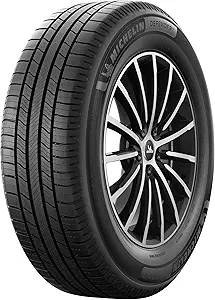 |
| Best Value The sweet spot between price and what you get | Milestar MS932 Sport All-Season Performance Tire, 215/60R16 95H |  |
| Best Budget The cheapest option that still gets the job done reliably | Starfire Solarus AS All-Season 215/60R16 Tire |  |
| Highest Rated A top-rated pick with lots of positive feedback | Hankook Kinergy ST H735 Touring Radial Tire, 215/60R16 95H |  |
| Most Popular A crowd favorite that many people choose with confidence | STARFIRE Solarus AS All-Season Tire 205/70R15 96T | |
| Best Seller A high-volume bestseller chosen again and again | Fullway HP108 215/60R16 All-Season Radial Tire (Set of 4) |  |
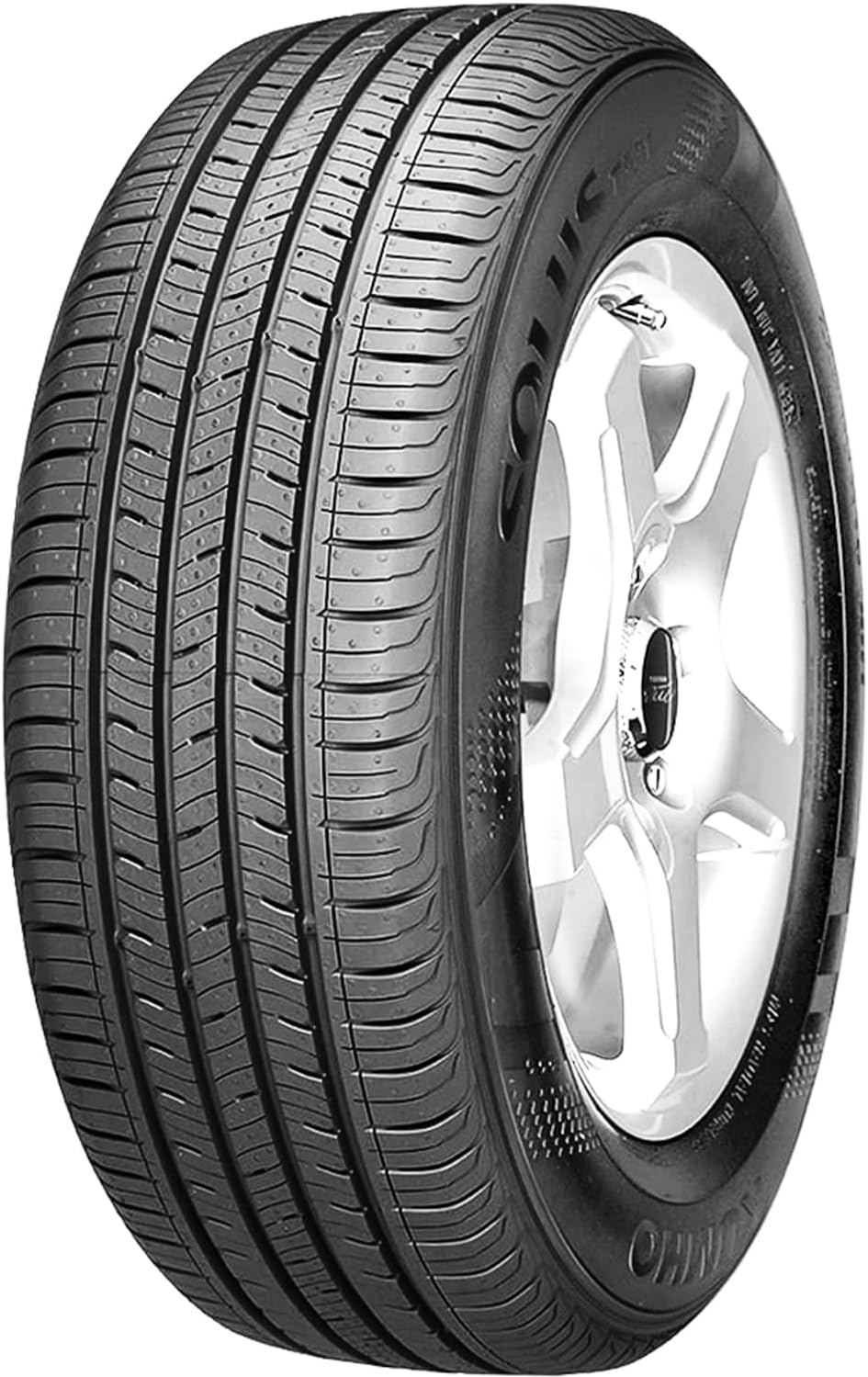
1. Kumho Solus TA31 All-Season Tire, 215/65R16 98H
| Rim Size | 16 Inches |
|---|---|
| Load Index | 98 |
| Speed Rating | H |
| Tread Type | Non-Directional |
| Seasons | Year Round |
The Solus TA31 is a touring all-season tire aimed at drivers who want a quiet, long-lasting replacement for everyday use on a compact SUV like a 1998–2002 Subaru Forester. Its symmetric, non-directional tread with four wide grooves and siping helps channel water away from the contact patch for steady wet grip while the wide shoulder blocks improve steering response in corners. Kumho tuned the compound for mileage, which combined with lower rolling resistance helps reduce road noise and can slightly improve fuel economy. Construction is radial with a 98 load index and H speed rating, making it suitable for typical Forester load and speed demands. Limitations include a focus on comfort and wear rather than aggressive winter performance, so expect reduced traction in deep snow or icy conditions compared with dedicated winter tires. Also there is no manufacturer warranty listed, so buyers should factor that into long-term value considerations.
Best for: Drivers seeking a balanced, comfort-focused replacement tire for routine daily driving on a 1998–2002 Subaru Forester who prioritize low noise and even wear.
Less Ideal for: Drivers who regularly encounter deep snow, ice, or need high-performance handling should choose a dedicated winter tire or a sport touring alternative instead.
- All-season tread balancing wet and dry traction for everyday driving
- Quiet, touring-oriented design that reduces road noise and vibration
- Tread compound tuned for mileage to extend wear life
- Wide shoulder blocks and siping improve steering response and water evacuation
- Not optimized for heavy snow or icy winter conditions compared with a dedicated winter tire
- Manufacturer lists no warranty or guarantee
Verdict: A quiet, mileage-oriented all-season touring tire that makes a practical, balanced replacement for everyday driving on a 1998–2002 Subaru Forester.
2. MICHELIN Defender2 All-Season Tire, 215/65R16 98H

| Size | 215/65R16 98H |
|---|---|
| Tread Type | Symmetrical |
| Construction Type | Radial |
| Load Capacity | 1653 Pounds |
| UTQG | 840 |
The Michelin Defender2 is an all-season touring tire focused on longevity and reliable grip in wet and dry conditions. It is typically used as a daily-driver replacement on midsize sedans and crossovers, providing stable highway manners and confident braking thanks to locking 3-D sipes and a symmetrical tread. Michelin claims extended treadlife versus several competitors and backs the tire with a high-mileage treadwear warranty, which makes it attractive if you want fewer replacements over ownership. The radial construction and touring design favor comfort and low road noise, while the 98H load/speed rating suits common highway use. Limitations for a performance-minded fitment for a 1998–2002 Subaru Forester: this is a touring all-season tire rather than a dedicated summer or performance tire, so you should not expect the sharper cornering precision, steering feedback, or high-temperature grip of ultra high performance models. It is a practical, durable choice if you prioritize long life and secure all-weather stopping over outright sporty handling.
Best for: Drivers who want a durable, low-noise all-season tire that maximizes mileage and provides confident wet/dry braking for everyday driving on a Forester.
Less Ideal for: Enthusiasts seeking maximum cornering precision, sharp steering response, or track-capable grip should choose a dedicated performance or summer tire instead.
- Very high treadwear for extended mileage between replacements
- Locking 3-D sipes improve wet and dry stopping performance
- Symmetrical touring design delivers comfortable ride and low road noise
- Supported by a long manufacturer treadwear warranty
- Not a performance summer tire so cornering grip and steering response are less aggressive than sport tires
Verdict: Choose the Defender2 if you want the longest-lasting, quiet all-season tire that improves everyday braking for a 1998–2002 Forester rather than ultimate sporty handling.
3. Milestar MS932 Sport All-Season Performance Tire, 215/60R16 95H

| Size | 215/60R16 |
|---|---|
| Seasons | Year Round |
| Load Index | 95 |
| Speed Rating | H |
| Tread Type | Non-Directional |
The Milestar MS932 Sport is an all-season performance touring tire aimed at drivers who want a quiet, comfortable ride with predictable handling. It uses an advanced silica tread compound and a non-directional tread to deliver improved wet-weather traction and longer tread life, and Milestar backs most sizes with a 50,000-mile limited treadwear warranty. In everyday use it suits commuting and light spirited driving on paved roads, providing a composed feel and reduced road noise compared with aggressive summer tires. The 95 load index and H speed rating make it appropriate for typical compact SUV and passenger car duty. Limitations include its focus on on-road performance rather than off-road traction or winter-ice capability, and the 215/60R16 size must match the vehicle's recommended tire size for correct fit and handling. For a 1998-2002 Subaru Forester that takes 215/60R16 tires, this model is a practical choice for balanced year-round performance and longevity.
Best for: Buyers who prioritize a balanced, cost-effective tire for daily driving and occasional spirited road use on a Forester, seeking low noise, good wet traction, and long tread life.
Less Ideal for: Drivers who need specialized winter-ice performance, aggressive off-road capability, or a higher speed-rated tire for sustained high-speed driving should look elsewhere.
- All-season silica tread compound improves wet traction and treadwear
- Non-directional tread designed for a quiet, comfortable highway ride
- 50,000-mile limited treadwear warranty for long-term value
- 95 load index suitable for typical compact SUV and passenger car use
- Not optimized for severe winter ice or deep snow conditions
- Designed for on-road performance rather than off-road or heavy-duty use
Verdict: If your 1998–2002 Subaru Forester accepts 215/60R16 tires, the MS932 Sport is a practical, all-season choice that balances wet traction, comfort, and long tread life.
4. Starfire Solarus AS All-Season 215/60R16 Tire

| Rim Size | 16 Inches |
|---|---|
| Load Index | 95.0 |
| Speed Rating | V |
| Tread Type | Symmetrical |
| Seasons | Year Round |
The Starfire Solarus AS is an all-season touring tire aimed at drivers who need reliable wet and dry performance without a premium price. It uses an enhanced tread compound, shoulder control technology with deep grooves, and multiple sipes to maintain grip in rain and light winter conditions, while a solid center rib helps steering response and highway stability. The tread pattern has variable pitch elements to reduce road noise, so highway miles stay comfortable. Construction is radial with a 95 load index and V speed rating, making it suitable for typical compact SUV fitments that accept 215/60R16. Key benefits are its predictable handling in everyday driving, long treadwear promise, and quietness for commuting. Limitations are that it is an economy-brand tire so extreme winter performance, high-performance cornering, and heavy-load use will be outmatched by premium alternatives, and the 12-ply listed ply rating may not equate to the same durability as heavier-duty passenger tires.
Best for: Drivers looking for an affordable, quiet all-season tire that provides reliable everyday traction for commuting and light-duty use on older compact SUVs and small crossovers.
Less Ideal for: Drivers who frequently encounter heavy snow or need high-performance handling or commercial load capability should consider premium or specialty tires instead.
- All-season tread compound for wet and dry traction
- Shoulder grooves and sipes that help grip in light snow and rain
- Solid center rib for stable steering and highway comfort
- Variable pitch tread to reduce road noise
- 50,000 mile treadwear warranty indicated by manufacturer
- Not intended for severe winter conditions or high-performance driving
Verdict: A cost-conscious all-season tire that delivers quiet, dependable everyday traction for drivers who prioritize value over extreme weather or performance capability.
5. Hankook Kinergy ST H735 Touring Radial Tire, 215/60R16 95H

| Size | 215/60R16 |
|---|---|
| Load Capacity | 1521 Pounds |
| Construction Type | Radial |
| Tread Type | Symmetrical |
| UTQG | 680AA |
The Hankook Kinergy ST H735 is an all-season touring radial intended as a comfortable, reliable replacement tire for everyday driving. It uses a symmetrical tread designed to provide consistent contact and predictable handling in wet and dry conditions, while the construction prioritizes a quiet ride and long wear. Typical use is commuting, errands, and light highway travel where even wear, stable traction in rain, and reduced road noise matter more than sporty grip. Notable features include a touring compound for extended tread life and a 95H load/speed rating suitable for many compact SUVs and small cars. Practical benefits are improved ride comfort and a tire life profile that reduces the need for frequent replacements. Important limitations are that it is not a dedicated winter tire for severe snow and ice and it is not aimed at spirited driving or track use, so drivers who need maximum cornering grip or deep-snow capability should choose a specialized option.
Best for: Buyers seeking a dependable, low-noise all-season tire for routine driving who prioritize predictable handling and long tread life over sporty performance.
Less Ideal for: Drivers who need a specialist winter tire for heavy snow/ice or drivers who prioritize maximum performance handling and track capability.
- Symmetrical touring tread for predictable handling in wet and dry conditions
- Designed for a quiet, comfortable ride suited to daily commuting
- Tread compound and construction aimed at extended wear life
- 95H load/speed rating covers common small SUV and compact car needs
- Not engineered for severe winter conditions or deep snow performance
- Not designed for high-performance or track driving
Verdict: A practical all-season touring tire that delivers quiet, reliable everyday performance and long tread life for routine driving on a Forester from that era.
6. STARFIRE Solarus AS All-Season Tire 205/70R15 96T
| Size | 205/70R15 96T |
|---|---|
| Tread Type | Asymmetrical |
| Construction Type | Radial |
| Maximum Pressure | 44 PSI |
| UTQG | 520AB |
The STARFIRE Solarus AS is an all-season touring tire intended for everyday driving on passenger cars and compact SUVs that originally use 205/70R15 sizes, making it a direct fit for 1998–2002 Subaru Forester wheel sizes that accept this metric. Its re-engineered tread compound and asymmetrical design deliver predictable wet and dry grip while the solid center rib aids straight-line stability and steering response. Shoulder Control Technology with deep slots and biting edges supports traction as the tire wears, and the variable pitch tread helps keep highway noise down for a quieter ride. With a 520AB UTQG the tire leans toward long tread life for its class, and the 96T load/speed rating covers typical Forester curb weights and driving speeds. Expect competent all-season performance in light rain and everyday commuting; this tire is a value choice so it will not match premium touring tires for high-speed cornering precision or severe winter ice performance. Installation on the Forester is straightforward if you choose the correct 205/70R15 size and standard wheel width recommendations.
Best for: Drivers looking for an affordable, quiet all-season touring tire that offers solid wet/dry traction and longevity for routine driving on a Forester of this era.
Less Ideal for: Drivers who regularly encounter heavy snow or require high-performance handling at speed should consider a dedicated winter tire or a premium all-season alternative.
- Designed for wet and dry traction with an asymmetrical tread for balanced handling
- Shoulder Control Technology and deep slots that maintain grip as the tire wears
- Solid center rib improves straight-line stability and steering feel
- Variable pitch tread reduces highway noise for a quieter ride
- UTQG 520 indicates relatively good tread life for a budget touring tire
- Not optimized for severe winter ice or deep snow conditions
- Performance and refinement fall short of premium-brand touring tires
Verdict: A cost-conscious all-season touring tire that gives Forester drivers reliable wet/dry traction, low road noise, and long wear for everyday driving.
7. Fullway HP108 215/60R16 All-Season Radial Tire (Set of 4)

| Size | 215/60R16 |
|---|---|
| Load Capacity | 1709 Pounds |
| Tread Type | Asymmetrical |
| Load Range | XL |
| UTQG | Treadwear 380, Traction A, Temperature A |
The Fullway HP108 in 215/60R16 is an all-season radial designed for everyday driving on passenger cars and small SUVs. In use it provides predictable traction in dry and wet conditions thanks to its asymmetrical tread and A traction and temperature UTQG ratings, while the relatively high treadwear number indicates decent longevity for the price point. The XL load range and 4-ply rating boost load capacity compared with standard passenger tires, which helps when carrying extra cargo or a light roof load. Expect a firm but composed ride rather than a plush one, and accept that noise and high-speed stability will likely be typical of budget performance touring tires. These are a practical option when you want a full set that balances tread life and year-round usability, but they are not a premium touring tire and will not match high-end all-season or dedicated winter tires in extreme conditions.
Best for: A cautious buyer seeking an affordable, durable all-season tire that delivers reliable wet and dry performance for daily driving on a Forester without chasing premium handling or luxury comfort.
Less Ideal for: Drivers who prioritize the quietest ride, the highest possible handling precision, or those who need serious winter traction should consider higher-end all-season or winter-specific tires instead.
- All-season asymmetrical tread offers balanced wet and dry grip
- UTQG 380/ A/ A suggests above-average treadwear and good traction ratings
- XL load rating increases carrying capacity for light loads
- Available in the 215/60R16 size that fits many Forester setups
- Budget construction may yield more road noise and less refinement than premium brands
- Not intended as a dedicated winter tire in heavy snow or ice
Verdict: A cost-conscious, risk-averse Forester driver can get reliable year-round traction and longer tread life with this 215/60R16 all-season tire without paying for premium-brand options.
Choosing the Right 1998-2002 Subaru Forester Tires: Key Factors to Consider
Correct Tire Size and Load Rating
Using the correct tire size and load rating is essential for safe handling and accurate speedometer readings. The 1998-2002 Forester came with specific factory sizes and load indexes; choosing tires that match those specifications ensures proper contact patch and prevents overloading the sidewall.
Mismatched sizes or insufficient load ratings can increase wear, negatively affect steering response, and, in extreme cases, risk tire failure. Always consult the vehicle placard or owner manual for recommended sizes and pick a tire with an equal or higher load rating rather than downgrading.
Tread Pattern and Wet Traction
Tread design governs how a tire evacuates water and maintains grip on wet pavement. For the Forester, which is often driven in mixed weather, look for tread patterns with effective circumferential grooves and lateral siping to reduce hydroplaning risk and improve braking distance.
Tread compound and pattern also influence steering precision. More aggressive voids help in slushy conditions but can increase road noise and reduce pavement contact in dry conditions, so weigh wet traction benefits against tradeoffs in comfort and wear.
Snow Performance and Winter Capability
If you encounter snowy or icy roads, winter-rated tires or all-season tires with strong snow performance are important. Winter-capable tires use softer compounds and deeper siping to remain flexible in cold temperatures, improving grip in packed snow and on ice.
For the Forester, winter tires can significantly shorten stopping distances and improve directional control. If you live where snow is frequent, prioritize a tire with the three-peak mountain snowflake mark or proven winter tread design over an all-season that only marginally handles snow.
Tread Life and Wear Characteristics
Tread life affects how often you need to replace tires and impacts long-term ownership cost. Factors like compound hardness, tread depth, and pattern symmetry influence wear rate. Tires with stiffer compounds may last longer but provide a firmer ride and less grip in cold weather.
Consider your typical driving—higher-mileage commuters should favor longer-wearing compounds, while drivers prioritizing grip may accept faster wear. Also, inspect for uneven wear patterns during service visits; alignment and balancing issues can shorten tire life significantly.
Ride Comfort and Noise
The Forester's relatively light suspension means tire choice plays a major role in perceived comfort and cabin noise. Tires with optimized tread blocks and noise-dampening features produce a quieter, smoother ride.
If you value a composed highway ride, choose tires designed for touring comfort. Keep in mind that softer, more comfort-focused tires can trade away some steering precision and cornering response compared with performance-oriented compounds.
Maintenance: Balancing, Rotation, and Tire Age
Regular maintenance preserves performance and safety. Proper tire balancing prevents vibration that can accelerate wear, while regular rotation promotes even tread use across the Forester's driven and non-driven wheels. Check tire pressure monthly, including the spare, since underinflation increases rolling resistance and heat buildup.
Tire age matters even if tread remains; rubber compounds harden over time and lose grip. Follow manufacturer recommendations for maximum service life and replace tires that show significant cracking or sidewall degradation regardless of tread depth.
Choosing Between All-Season and Dedicated Winter Tires
All-season tires provide a balance of dry, wet, and light winter capability and are a convenient choice if you face varied conditions but want to avoid a seasonal swap. Dedicated winter tires, by contrast, use specialized rubber and tread designs to maintain traction in freezing temperatures and on packed snow.
For owners of a 1998-2002 Forester who see consistent winter weather, a set of winter tires on a second set of wheels offers dramatically better low-temperature traction and braking performance. If winters are mild or infrequent, a high-quality all-season tire with good wet and light snow ratings may be the most practical option.
- Winter tires excel in temperatures below 45°F and on snow or ice.
- All-season tires reduce the need for seasonal storage and remounting costs.
- Consider whether you can accommodate a second wheel set for easier seasonal swaps.
How to Read a Tire Sidewall for Fitment
Understanding the numbers and markings on the tire sidewall helps you confirm fitment and legal load limits. Key items include the tire size, load index, speed rating, and manufacturing date code. Ensure the size matches the Forester's recommended dimensions and that the load index meets or exceeds the vehicle requirement.
The DOT date code reveals the tire's age in week and year format. Avoid buying tires that are several years old even if unworn, since rubber degrades with time and can compromise safety.
- Example markings show width, aspect ratio, and wheel diameter.
- Confirm load index and speed rating match or exceed factory specs.
- Check the DOT code to avoid aged tires.
When to Replace Tires on a 1998-2002 Forester
Tires should be replaced based on tread depth, visible damage, and age. Measure tread depth across the central tread and at the shoulders; many drivers use the 4/32 inch rule for rain performance and 2/32 inch as the legal minimum. Also inspect for cracking, bulges, or exposed cords.
Even with adequate tread, replace tires that are older than the recommended service period, typically six years from manufacture for many manufacturers, because compound deterioration reduces traction. Regular inspections during oil changes or service visits help catch issues early.
- Replace at or before 4/32 inch if you frequently drive in rain.
- Replace any tire with sidewall damage, bulges, or exposed cords.
- Consider age-based replacement even if tread appears acceptable.
Balancing, Alignment, and Their Effect on Wear
Proper wheel balancing and alignment keep the Forester tracking straight and minimize uneven tread wear. Unbalanced wheels cause vibration that can transfer to suspension components and speed up wear. Misalignment leads to feathering or scalloped wear patterns that reduce effective tread life.
Have tires balanced and alignment checked after new tire installation, suspension work, or if you notice vibration or steering pull. Regular rotation helps expose all tires to front and rear duties, evening out wear differences caused by drivetrain and weight distribution.
- Balance wheels when mounting new tires or when vibration occurs.
- Check alignment annually or after hitting significant potholes.
- Rotate tires every 5,000 to 7,500 miles to promote even wear.
Tire Pressure: Safety and Fuel Economy
Maintaining the recommended tire pressure preserves handling, optimizes fuel economy, and prevents premature wear. Underinflated tires increase rolling resistance and tire temperature, accelerating tread breakdown, while overinflation reduces the contact patch and can increase braking distances.
Check pressures cold and adjust to the vehicle placard values, not the maximum listed on the sidewall. Include the spare in periodic checks and adjust for heavier loads or trailer towing if applicable.
- Check tire pressure monthly and before long trips.
- Use the vehicle placard for recommended pressures, not sidewall max.
- Adjust pressure for heavy loads as needed.
Still looking for the perfect fit?
Select your Subaru Forester configuration to see the most relevant Tires recommendations
How We Chose the Best 1998-2002 Subaru Forester Tires
We evaluated candidate tires against criteria that matter specifically for the 1998-2002 Subaru Forester and drivers who use these vehicles for daily commuting, weekend trips, and occasional winter conditions. Primary evaluation metrics included fitment and load capacity relative to factory sizes, wet traction and braking performance, tread life and wear patterns, and winter capability for snow and slush. We also considered ride comfort and noise levels, since the Forester's chassis transmits road feedback readily, and we checked durability markers like sidewall construction for pothole resistance.Our process filtered out tires that do not match common Forester rim diameters or that have inadequate load ratings for typical vehicle weights and cargo. We excluded specialty race tires, heavy-duty truck tires with mismatched load profiles, and tires whose documented compound or tread design clearly undermines wet or winter performance for this application. The final list balances reliable year-round performance with clear tradeoffs between longevity, traction, and ride comfort.
Our full evaluation process is outlined in our review methodology.
FAQ
How do I find the correct tire size for my 1998-2002 Forester?
Check the tire placard on the driver door jamb or the owner manual for factory sizes and recommended pressures. The tire sidewall also lists size information, but confirm it matches the vehicle recommendation and load index.
Are all-season tires sufficient for winter driving in this Forester?
All-season tires can handle light snow and cold pavement reasonably well, but dedicated winter tires provide superior braking and control in frequent snow and ice. Your local climate and driving habits should determine whether winter tires are necessary.
How often should I rotate tires on the Forester?
Rotate tires every 5,000 to 7,500 miles or at each oil change to promote even wear. If you notice uneven wear patterns sooner, have rotation and alignment checked by a technician.
What does the tire age code mean and why does it matter?
The DOT code on the sidewall includes a four-digit manufacture date indicating week and year. Tires degrade over time, so avoid buying tires that are several years old and consider replacing tires around the manufacturer-recommended age even if tread remains.
Will changing tire type affect my Forester's handling?
Yes. Tires with softer compounds and aggressive treads improve grip but may increase noise and wear. Touring tires emphasize comfort and longevity but can soften steering response. Choose a tire that matches your driving priorities.
How important is wheel balancing and alignment after installing new tires?
Very important. Proper balancing prevents vibration and premature wear, while correct alignment ensures even contact across the tread and prolongs tire life. Have both checked after installation or if you experience pulling or vibration.
Final Verdict
Prioritize fitment, load rating, and the traction characteristics that match your driving conditions when selecting tires for a 1998-2002 Subaru Forester. If you see regular winter weather, give greater weight to winter-capable designs or plan for a seasonal wheel set. For everyday commuting, balance tread life and ride comfort with reliable wet traction.Focus on correct size and load capacity first, then weigh wet and snow performance against longevity. With those tradeoffs in mind, you can confidently choose tires that restore the Forester's handling and safety without overcommitting to unnecessary specialty features.
Explore More:
- Check out all Subaru Forester parts & accessories
- Explore Tires Maintenance & Repair Guides
- Explore Wheels & Tires
- Browse all Auto Parts
