

Note: This article contains affiliate links. If you click on these links and make a purchase, I may earn a small commission at no extra cost to you. This helps support my research and content. Read my full affiliate disclosure here.
Choosing the right P215/65R16 tires for your Subaru Forester has a big impact on ride comfort, handling, and safety in wet or snowy conditions. The wrong tire can make the Forester feel vague in turns, increase road noise, or shorten the interval between replacements.This guide highlights the top P215/65R16 tires we shortlisted for Forester owners, with attention to wet traction, tread life, comfort, and fitment. Below you will find the criteria we used to evaluate options and practical information to help you pick the tire that matches your driving habits and local climate.
Looking for other parts? See all Subaru Forester parts & accessories.
Top Picks at a Glance
| Best Overall The best all-around choice for most situations | Kumho Solus TA31 All-Season Tire 215/65R16 98H |  |
| Best Quality Built to a higher standard if you want something more solid | MICHELIN Defender2 All-Season Tire 215/65R16 98H | 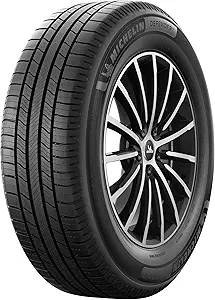 |
| Best Value The sweet spot between price and what you get | Evoluxx Capricorn HP 215/65R16 All-Season Performance Tire |  |
| Best Budget The cheapest option that still gets the job done reliably | WESTLAKE Foray RP218 All-Season 215/65R16 Tire |  |
| Highest Rated A top-rated pick with lots of positive feedback | Starfire Solarus AS All-Season 215/65R16 Tire |  |
| Most Popular A crowd favorite that many people choose with confidence | GT Radial Champiro Touring A/S 215/65R16 Touring All-Season Tire |  |
| Best Seller A high-volume bestseller chosen again and again | Sailun Atrezzo SH408 All-Season 215/65R16 Tire |  |
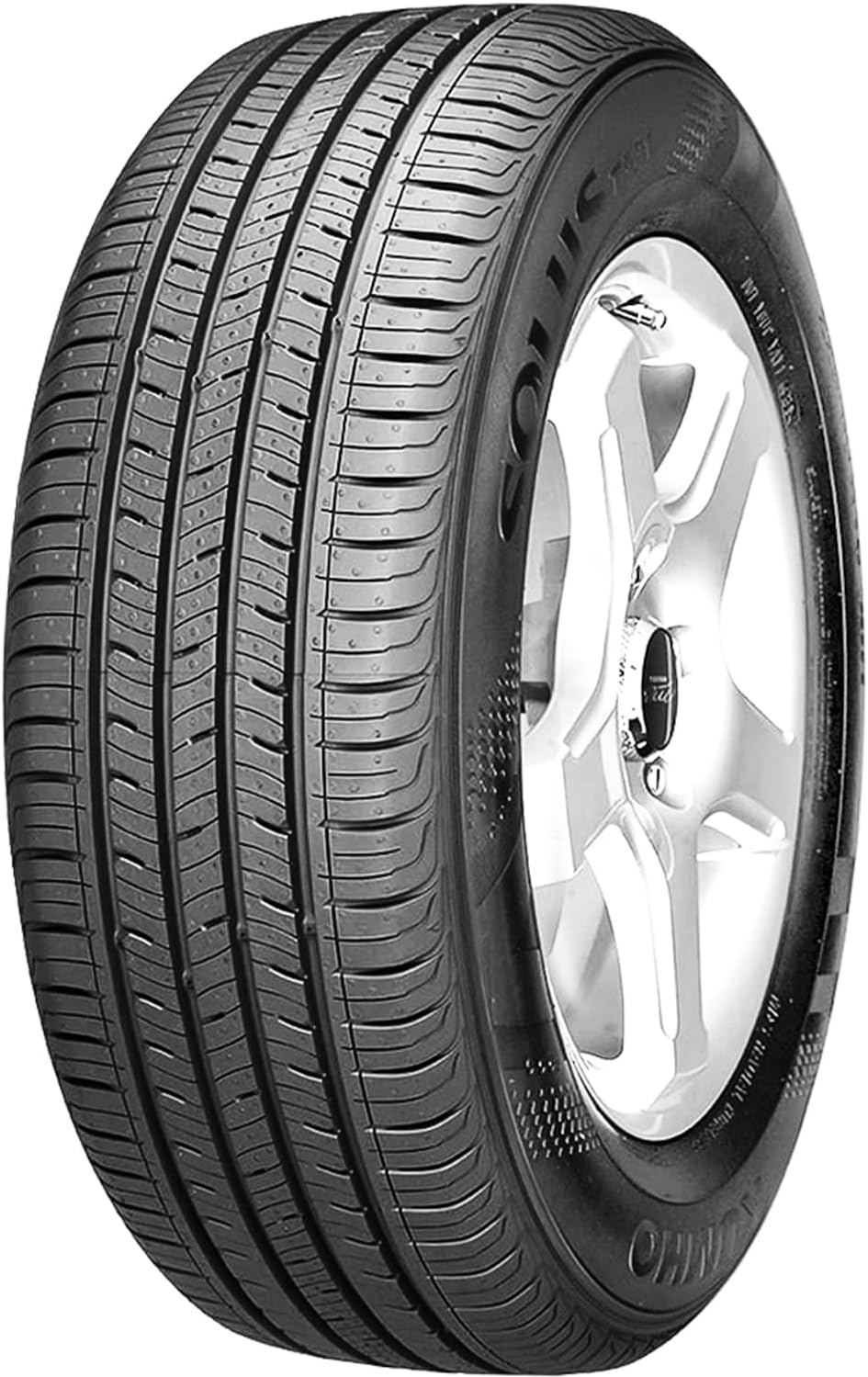
1. Kumho Solus TA31 All-Season Tire 215/65R16 98H
| Rim Size | 16 Inches |
|---|---|
| Load Index | 98.0 |
| Speed Rating | H |
| Tread Type | Non-Directional |
| Seasons | Year Round |
The Kumho Solus TA31 is a touring all-season tire aimed at everyday driving where comfort and steady tread life matter. It uses a symmetric, non-directional tread with wide shoulder blocks and multiple sipes to improve steering response and water evacuation, which helps maintain traction in wet conditions while keeping noise and vibration low. Built as a radial construction with a 98 load index and H speed rating, this tire supports typical compact SUV and passenger car loads and speeds for daily commuting, errands, and light highway travel. Practical benefits include a focus on ride comfort, lower rolling resistance for modest fuel economy gains, and a tread compound balanced for mileage. Limitations are its touring-oriented design, which means it is not optimized for high-performance handling or severe winter conditions with heavy snow and ice; buyers in consistently harsh winters should plan for dedicated winter tires. The single-tire listing also means you will need to purchase a full set or a matched pair for even wear and predictable handling.
Best for: Buyers who want a quiet, comfortable, and mileage-oriented all-season tire for daily driving and mixed road conditions, prioritizing steady wear and a smooth ride over sporty performance.
Less Ideal for: Drivers who need maximum winter traction in heavy snow or who prioritize sporty handling and high-speed cornering should consider purpose-built winter or performance tires instead.
- Comfort-oriented symmetric tread reduces road noise and vibration for a smoother ride
- Tread design with sipes and four circumferential grooves aids wet traction and hydroplaning resistance
- Compound and construction targeted at balanced mileage for longer tread life
- Universal fit and common 215/65R16 sizing suitable for many compact SUVs and passenger cars
- Not designed for severe winter traction on ice and deep snow
- Touring focus limits high-speed cornering and sporty handling performance
Verdict: Choose the Kumho Solus TA31 if you want a quiet, mileage-focused all-season tire that delivers comfortable everyday driving for P215/65R16 applications.
2. MICHELIN Defender2 All-Season Tire 215/65R16 98H

| Size | 215/65R16 98H |
|---|---|
| Tread Depth | 10.5 32nds |
| Maximum Pressure | 51 PSI |
| Load Capacity | 1653 Pounds |
| Construction Type | Radial |
The MICHELIN Defender2 is a touring all-season tire designed to deliver long mileage and secure grip in typical road conditions. It uses a symmetrical tread with Locking 3-D Sipes to increase biting edges, which improves wet and dry braking performance and helps confidence on rainy drives. Michelin advertises a noticeable increase in tread life versus several competitors and backs the tire with an 80,000-mile treadwear limited warranty, so it is aimed at buyers who want low replacement frequency. Construction is radial with a passenger car/touring focus, so ride comfort and low noise are emphasized over aggressive handling. Practical limits include a design tuned for longevity and safety rather than sporty cornering or track driving, and the tire is sized and rated for standard load use. For a Subaru Forester primarily used for commuting, family trips, and year-round mixed-weather driving, the Defender2 offers predictable grip, long service life, and a comfortable ride.
Best for: Drivers who prioritize long tread life, confident all-season braking, and a comfortable, quiet ride for everyday use on a Subaru Forester.
Less Ideal for: Drivers seeking maximum cornering grip or performance-focused summer tires for spirited driving or track days should consider sport-oriented alternatives.
- Longer expected tread life backed by an 80,000-mile treadwear limited warranty
- Locking 3-D Sipes increase wet and dry braking traction
- Touring design that favors ride comfort and low road noise
- Symmetrical tread for even wear and straightforward rotation patterns
- Not designed for aggressive sporty handling or track use
Verdict: Choose the Defender2 for the Forester when your priority is long-lasting, confident all-season performance with a comfortable ride.
3. Evoluxx Capricorn HP 215/65R16 All-Season Performance Tire

| Rim Size | 16 inches |
|---|---|
| Load Index | 98 |
| Speed Rating | H |
| Seasons | Year Round |
| Load Capacity | 1653 pounds |
The Evoluxx Capricorn HP is a performance-oriented all-season tire built for everyday driving on passenger cars and compact SUVs. Its symmetrical, three-center-rib tread and heat-resistant compound aim to keep the tire stable at higher speeds while promoting even wear, making it suitable for highway commutes and mixed city driving. The tire is rated 98 load index and H speed rating, so it supports typical Forester load and highway speeds without needing a heavier load-range tire. Notable features include optimized siping and tread block placement for consistent wet and dry traction and a claimed 45,000-mile treadlife. Practical benefits are predictable steering response, reduced irregular wear from the reinforced tread construction, and year-round usability. Limitations are that it is a standard load SL tire with a 4-ply construction, so drivers who frequently carry heavy loads or tow may prefer a heavier load-range option, and this is a performance all-season rather than a dedicated winter tire for severe snow and ice.
Best for: Buyers who want a cost-conscious, all-season tire that balances handling, even wear, and highway stability for routine commuting and light-duty SUV use.
Less Ideal for: Drivers who need heavy-load tires, frequently tow, or require a dedicated winter tire for severe snow and ice conditions should consider different tire types.
- Designed for year-round use with symmetrical tread for predictable handling
- Heat-resistant compound and reinforced ribs to limit irregular wear at highway speeds
- H speed rating and 98 load index suitable for typical passenger SUV loads
- Optimized siping and tread block placement to improve wet and dry traction
- Standard load (SL) and 4-ply construction may not suit heavy loads or towing needs
Verdict: A practical all-season performance tire that delivers stable highway handling and long wear for everyday Forester driving needs.
4. WESTLAKE Foray RP218 All-Season 215/65R16 Tire

| Size | 215/65R16 |
|---|---|
| Speed Rating | V |
| Load Index | 102 |
| Seasons | Year Round |
| Construction Type | Radial |
The WESTLAKE Foray RP218 is an all-season touring tire aimed at drivers who want a comfortable, economical replacement in size 215/65R16. It uses wide circumferential, lateral, and angled grooves to move water away from the contact patch, which helps resist hydroplaning and improves wet braking. Angled variable-depth siping and notches boost traction in light snow and contribute to even wear for longer tread life, backed by a manufacturer limited warranty up to 55,000 miles. As a universal-fit radial with an XL load range and a V speed rating, it suits everyday commuting and family drives where predictable handling and a smooth ride matter more than high-performance cornering. The tire is a practical choice when replacing worn tires on a Forester and keeps running costs low. Expect solid wet and year-round performance for the price, but do not expect the high-speed grip or winter-specific capability of premium touring or dedicated snow tires.
Best for: Drivers looking for an affordable, reliable year-round replacement tire for daily commuting and family driving who prioritize predictable wet performance and long tread life over premium handling.
Less Ideal for: Drivers who need aggressive winter traction, performance-oriented steering response, or the highest wet grip for spirited driving should consider dedicated winter tires or premium touring options instead.
- All-season tread with wide grooves reduces risk of hydroplaning and improves wet braking
- Angled variable-depth siping and notches enhance light snow traction and handling response
- Backed by up to a 55,000-mile limited tread life warranty for long-term value
- XL load range and V speed rating provide extra load capacity and highway capability
- Not a substitute for a dedicated winter tire in heavy snow or ice conditions
- Designed as an economy touring tire so high-performance cornering and steering precision are limited
Verdict: If you want a budget-friendly, long-wearing all-season 215/65R16 tire that delivers reliable wet and light-snow performance for everyday driving, the WESTLAKE Foray RP218 is a sensible choice.
5. Starfire Solarus AS All-Season 215/65R16 Tire

| Rim Size | 16 Inches |
|---|---|
| Load Index | 98 |
| Speed Rating | H |
| Tread Type | Symmetrical |
| Seasons | Year Round |
The Starfire Solarus AS is an all-season touring tire designed to deliver dependable everyday performance on passenger cars and compact SUVs in the P215/65R16 size. Its re-engineered tread compound and shoulder control technology aim to maintain grip in wet and dry conditions while the solid center rib helps steering feel and stable highway tracking. Variable-pitch tread elements reduce road noise for a quieter ride and the 50,000 mile treadwear backing suggests long service life for drivers focused on durability. Typical use cases are daily commuting, highway driving, and light seasonal variability rather than aggressive winter driving. Important limitations are modest capability in deep snow or icy conditions compared with dedicated winter tires and a 4-ply construction that is suitable for normal passenger use but not heavy-load or severe off-road demands. For Forester owners seeking a cost-effective, low-noise tire that prioritizes predictable handling and longevity, this delivers sensible value.
Best for: Buyers who want a quiet, long-wearing all-season tire for daily driving and highway miles with an emphasis on dependable, predictable performance.
Less Ideal for: Drivers who frequently encounter heavy snow, sustained ice, or who need load-rated tires for heavy towing or off-pavement use should choose a purpose-built winter or heavy-duty tire instead.
- All-season tread compound tuned for consistent wet and dry traction
- Solid center rib improves straight-line stability and steering response
- Variable-pitch tread pattern reduces highway noise for a quieter ride
- 50,000 mile treadwear rating indicates long tread life for everyday use
- Not optimized for severe winter ice and deep snow compared with dedicated winter tires
Verdict: A practical, low-noise all-season tire that prioritizes steady wet/dry grip and long tread life for everyday P215/65R16 use.
6. GT Radial Champiro Touring A/S 215/65R16 Touring All-Season Tire

| Size | 215/65R16 |
|---|---|
| Load Index | 98 |
| Speed Rating | H |
| Tread Type | Asymmetrical |
| Seasons | Year Round |
The Champiro Touring A/S is a touring all-season tire intended for everyday driving on coupes, sedans, CUVs, and compact SUVs that need a comfortable, predictable tire for mixed conditions. Its asymmetrical tread with full-depth siping and four wide circumferential grooves helps shed water and maintain grip in wet and light winter conditions, while large shoulder blocks aim to sharpen cornering and handling. Variable pitch tread blocks reduce road noise for a quieter cabin experience over highway miles. GT Radial backs the tire with a 60,000-mile limited treadlife promise and a 30-day test drive, which provides reassurance if you are cautious about long-term value. The tire is a standard 16-inch fit with a 98 load index and H speed rating, so it matches common factory fitments. Limitations include that it is a touring all-season rather than a dedicated winter or high-performance summer tire, so very severe snow or aggressive spirited driving are outside its intended use. Also, the 4-ply construction favors comfort and economy over maximum load toughness for heavier-duty usage.
Best for: Drivers seeking a quiet, economical all-season tire that provides reliable wet traction and predictable handling for daily commuting and mixed weather driving while valuing warranty-backed reassurance.
Less Ideal for: Drivers who need a dedicated winter tire for deep snow or an aggressive summer performance tire for high-speed spirited driving should look elsewhere.
- All-season tread with full-depth siping improves grip in wet and light winter conditions.
- Large shoulder blocks and asymmetrical design enhance cornering and steering response.
- Variable pitch tread reduces road noise for a comfortable, quiet ride.
- Backed by a 60,000-mile limited treadlife coverage and a 30-day test drive for buyer confidence.
- Not intended for severe winter conditions or heavy snow use.
- Touring-focused construction prioritizes comfort and fuel efficiency over high-performance handling or heavy-load durability.
Verdict: A warranty-backed, quiet all-season touring tire that delivers confident wet traction and comfortable highway manners for everyday Subaru Forester use.
7. Sailun Atrezzo SH408 All-Season 215/65R16 Tire

| Rim Size | 16 Inches |
|---|---|
| Load Index | 98 |
| Speed Rating | T |
| Tread Type | Asymmetrical |
| Seasons | Year Round |
The Sailun Atrezzo SH408 is an all-season replacement tire engineered for passenger cars in a 215/65R16 size. Its asymmetrical tread with four circumferential grooves helps channel water away from the contact patch, improving wet grip and resistance to hydroplaning, while a staggered lug layout is tuned to reduce road noise for a comfortable cabin. In regular use this tire is aimed at commuting and family driving where predictable handling and long wear matter more than high-performance cornering. Sailun backs the tread with a 55,000-mile limited warranty, which signals a focus on longevity for risk-averse buyers. Expect decent stability and mileage on paved roads, but know this is not a winter or performance tire so very aggressive handling or deep-snow capability should not be expected. Overall it makes a practical, value-oriented choice when you want a quiet, mileage-focused all-season tire for everyday Forester duty.
Best for: Drivers who prioritize predictable, low-noise daily driving and long tread life on paved roads and want a conservative, mileage-focused replacement tire.
Less Ideal for: Drivers who need dedicated winter traction, sporty handling, or track-capable performance should look at specialty winter or performance tires instead.
- Asymmetrical tread and four circumferential grooves improve wet traction and hydroplaning resistance.
- Staggered lug design reduces road noise for a quieter ride.
- 55,000-mile limited tread warranty indicates emphasis on long wear and value.
- Optimized footprint promotes stable handling for everyday driving.
- Not designed for heavy snow or aggressive winter driving.
- Performance limits compared with dedicated summer or performance tires.
Verdict: A solid, mileage-oriented all-season tire that delivers quiet, dependable wet and dry performance for everyday Forester driving.
Choosing the Right Subaru Forester P215/65R16 Tires: Key Factors to Consider
Wet Traction and Hydroplaning Resistance
Wet traction directly affects braking distance and stability during rain. For Forester drivers, strong wet grip reduces the risk of skidding when braking or cornering at highway speeds.
Look for tread patterns and siping that channel water away from the contact patch. Tires with designed circumferential grooves and angled tread blocks typically evacuate water faster, which lowers hydroplaning risk. Consider how often you drive in heavy rain and whether you need a tire rated for superior wet performance versus a general all-season compromise.
Tread Life and Wear Patterns
Tread life influences long-term cost of ownership and replacement frequency. Tires with longer expected mileage reduce lifetime expense but may trade off slightly in wet grip or comfort.
Check published treadwear indicators and warranty mileage where available, and consider how your driving style affects wear. Forester owners who do a lot of highway miles should prioritize even wear and durable compounds. Also consider common wear patterns; uneven wear can signal alignment or balancing needs rather than a tire defect, so factor servicing habits into your choice.
Ride Comfort and Noise
The Forester's cabin quietness and ride quality depend heavily on tire construction and tread design. Some tires use noise-reducing tread block sequencing or foam-filled cavities to lower cabin noise.
If you do long commutes or road trips, prioritize tires marketed for comfort and low noise. Be aware that ultra-quiet touring tires may offer slightly less sharp handling than sportier designs. Balance your preference for a serene ride against the level of responsiveness you want from the steering and cornering behavior.
All-Season Versus Seasonal Performance
Deciding between all-season and dedicated seasonal tires depends on your climate. All-season tires provide year-round convenience and acceptable winter capability for mild snow, while winter tires are specialized for cold temperatures and heavy snow.
If you live where temperatures frequently dip below freezing or see regular snowfall, winter tires will significantly improve stopping distance and traction. For mixed climates with occasional snow, high-quality all-season tires rated for severe snow service can be a practical compromise. Consider local regulations and whether you prefer swapping sets seasonally.
Load Rating and Fitment Considerations
Maintaining the correct load rating and overall diameter is essential for safety and preserving the Forester's handling and stability control systems. Using a tire with too low a load rating can overload the tire under full vehicle weight or with cargo.
Always match or exceed the vehicle manufacturer's recommended load index and stick to the P215/65R16 size to avoid speedometer or ABS calibration issues. Confirm that replacement tires have compatible rolling circumference and do not require changes to suspension or gearing.
Tire Maintenance: Balancing and Alignment
Regular balancing and alignment preserve tread life and prevent vibration or steering pull. Improper balance causes cupping and uneven wear, while misalignment leads to accelerated edge wear on Forester tires.
Factor in the servicing you are willing to schedule. A tire that requires frequent balancing due to softer compound may raise ownership time and cost. Ensure you have access to reliable local service for rotation, balancing, and alignment to get the most life from your chosen tire.
Understanding P215/65R16 Fitment on the Forester
P215/65R16 is a common factory size for many Subaru Forester trims. Sticking to this size preserves the vehicle's designed handling, speedometer accuracy, and ground clearance. When replacing tires, confirm the tire's load index and overall diameter match manufacturer recommendations.
Fitment also affects ride height and steering response. While some drivers consider upsizing or downsizing for aesthetics or performance, such changes can affect suspension geometry and potentially trigger warning indicators. For most owners, choosing a quality P215/65R16 tire that fits correctly is the safest path.
- Verify load index equals or exceeds OEM specification.
- Check overall diameter to avoid speedometer or ABS errors.
- Keep uniform size across all four wheels to maintain traction control performance.
Choosing Tires for Seasonal Conditions
Select tires based on the worst-case conditions you face. If winters are mild, a good all-season P215/65R16 tire will provide balanced performance year-round. If you encounter sustained snow or ice, plan for dedicated winter tires during colder months.
All-season tires that carry a severe snow service symbol provide better winter traction than standard all-seasons but still lag behind dedicated winter rubber in sustained cold. Consider whether swapping between two sets of tires each year fits your budget and storage capabilities.
- All-season: Convenience and year-round use.
- Severe snow rated all-season: Better winter traction without a second set.
- Winter tires: Best in cold, snowy conditions but require seasonal changeover.
How Tread Design Affects Noise and Comfort
Tread pattern, block sequencing, and compound all influence road noise and ride quality. Touring-oriented tires often use staggered block patterns and optimized pitch sequencing to reduce harmonic noise that transmits into the cabin.
If low noise is a priority, focus on touring or comfort-oriented tire constructions. Keep in mind that the soft compounds and quieter tread designs may trade some crispness in steering response compared with sportier options.
- Symmetric tread: Often quieter and easier to rotate.
- Asymmetric tread: Balances dry handling and wet traction but may be slightly louder.
- Noise reduction tech: Look for marketing claims about pitch sequencing or foam-filled cavities if cabin quiet is key.
Simple Steps to Extend Tire Life
Tire life depends on driving habits, maintenance, and initial tire choice. Rotate tires at recommended intervals, keep inflation within the manufacturer's specified range, and address alignment or suspension issues promptly to avoid uneven wear.
Maintaining proper tire pressure improves fuel economy and reduces irregular wear. Monitor tread depth and use the tread wear indicator bars or a gauge to know when replacement is necessary.
- Rotate every 5,000 to 8,000 miles or per vehicle manual.
- Check pressures monthly and before long trips.
- Inspect tires for sidewall damage, nails, or uneven wear at each rotation.
Practical Considerations for Purchasing and Installation
Decide whether you want professional mounting, balancing, and alignment as part of the purchase. Proper installation is as important as the tire choice. Insist on torqueing lug nuts to specification and confirm the shop balances the wheels correctly.
Consider warranty coverage and what it includes, such as road hazard protection or prorated treadwear coverage. Also plan for disposal of old tires and whether the installer will handle it.
- Ask for written balancing and alignment confirmation after installation.
- Confirm road hazard or mileage warranty details.
- Keep receipts and rotation records to support future warranty claims.
Still looking for the perfect fit?
Select your Subaru Forester configuration to see the most relevant Tires recommendations
How We Chose the Best Subaru Forester P215/65R16 Tires
We shortlisted tires based on performance and fitment characteristics that matter specifically to Subaru Forester owners using size P215/65R16. Our editorial filters favored tires that balance wet and dry traction, tread life, and ride comfort while maintaining the correct load rating and rolling circumference for the Forester.Evaluation criteria included wet braking and hydroplaning resistance, measured treadwear expectations and warranty coverage, ride comfort and noise levels, and compatibility with the Forester's recommended size and load index. We also considered winter performance for drivers in cold climates and the availability of all-season options that handle occasional snow.We excluded tires that require wheel or suspension modifications, sizes outside P215/65R16, or units with mismatched load ratings that could compromise handling or safety. Tires primarily aimed at high-performance sports cars or heavy-duty trucks were not considered unless they met the Forester's size and load specifications. The final list emphasizes practical choices that retain the Forester's handling balance while addressing common owner priorities such as longevity, all-weather safety, and comfort.
Our full evaluation process is outlined in our review methodology.
FAQ
How often should I replace P215/65R16 tires on my Forester?
It depends on mileage and wear patterns, but many drivers replace tires between five and seven years or when tread depth approaches 2/32 inch. Regular inspections and monitoring tread depth help determine the right time to replace.
Can I use all-season P215/65R16 tires if I get occasional snow?
Yes, high-quality all-season tires with a severe snow rating perform reasonably well for occasional snow. For frequent heavy snow or icy roads, dedicated winter tires are a safer choice.
Will switching tire brands affect my Forester's handling?
Switching brands can change steering feel, noise, and braking characteristics because tread compounds and constructions vary. Staying within the recommended size and load rating preserves baseline handling.
How important is tire balancing and alignment after replacement?
Very important. Proper balancing reduces vibration and prevents uneven wear, while alignment maintains steering stability and even tread life. Have both checked after new tire installation.
What does the tire tread wear indicator tell me?
Tread wear indicators are molded bars in the grooves that show when tread depth is low. When the tread reaches these bars, traction is significantly reduced and it is time to replace the tire.
Final Verdict
Prioritize tires that match your Forester's typical driving conditions and preserve the recommended size and load rating. Focus on wet traction and expected tread life if you do most driving on highways, or prioritize winter-rated rubber if you face frequent cold and snow.Balance comfort, noise, and longevity based on how you use the Forester. With the decision factors above in mind, pick a P215/65R16 tire that aligns with your climate and maintenance habits to get reliable performance and predictable wear.
Explore More:
- Check out all Subaru Forester parts & accessories
- Explore Tires Maintenance & Repair Guides
- Explore Wheels & Tires
- Browse all Auto Parts
