

Note: This article contains affiliate links. If you click on these links and make a purchase, I may earn a small commission at no extra cost to you. This helps support my research and content. Read my full affiliate disclosure here.
If you drive a 2019-2024 Subaru Forester in cold climates, fitting the right winter tires makes a measurable difference in safety and control. Proper winter rubber improves traction on packed snow and black ice, shortens braking distances, and can reduce the risk of getting stuck on remote roads. This guide narrows the field to the top winter tire choices suitable for the Forester and explains the practical tradeoffs between grip, ride comfort, and longevity.Below you will find our shortlisted winter tires for this Forester model, plus clear evaluation criteria and fitment notes so you can decide which option matches your local winter conditions and driving style.
Looking for other parts? See all Subaru Forester parts & accessories.
Top Picks at a Glance
| Best Overall The best all-around choice for most situations | Pirelli Scorpion Winter 225/60R17 103V XL Tire |  |
| Best Quality Built to a higher standard if you want something more solid | MICHELIN X‑Ice Snow 215/60R16 99H Winter Tire |  |
| Best Budget The cheapest option that still gets the job done reliably | Accelera X Grip Winter Touring Tire 215/65R16 102H XL |  |
| Highest Rated A top-rated pick with lots of positive feedback | Bridgestone Blizzak WS90 Studless Winter Tire — 215/60R16 |  |
| Most Popular A crowd favorite that many people choose with confidence | Cooper Discoverer True North Winter Tire 215/55R17 94H |  |
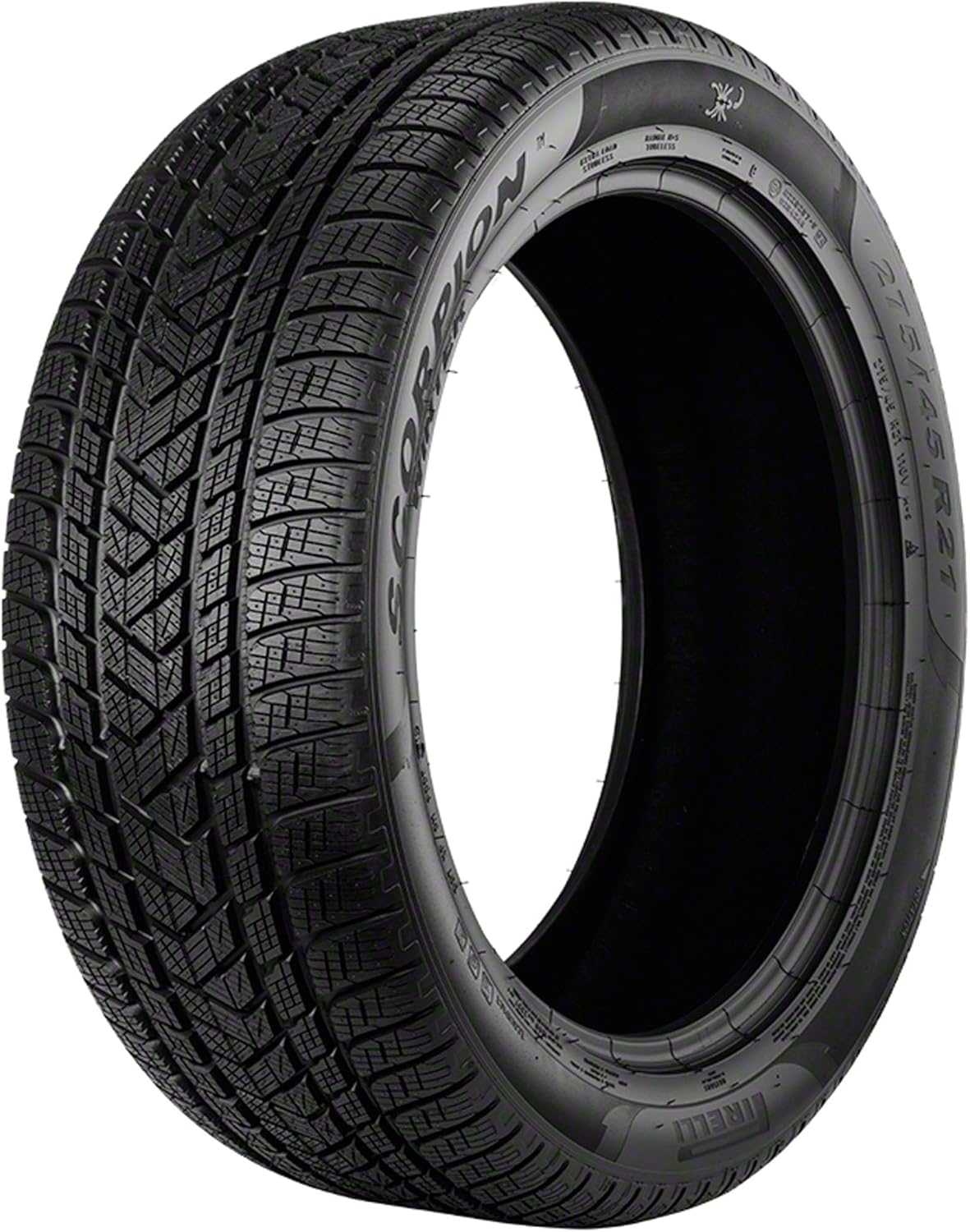
1. Pirelli Scorpion Winter 225/60R17 103V XL Tire
| Size | 225/60R17 103V XL |
|---|---|
| Load Capacity | 1929 pounds |
| Tread Type | Directional |
| Seasons | Winter |
| Maximum Pressure | 51 psi |
The Pirelli Scorpion Winter 225/60R17 is a directional winter tire built for crossover and SUV use and fits the 2019–2024 Subaru Forester in this size. It combines a symmetric directional tread with multiple biting edges and siping to improve snow traction and reduce braking distances on slick roads. The construction emphasizes stability and handling, so drivers should notice more confident cornering and predictable steering in cold conditions compared with an all-season tire. Circumferential grooves help evacuate water to lower hydroplaning risk, and the compound is formulated to retain grip in low temperatures while aiming to limit rolling resistance. Because this is a winter-specific tire, expect quieter, more controlled winter driving but trade that for faster wear and reduced dry-road responsiveness compared with performance summer tires. It is a single-tire purchase intended as a direct replacement for the OE size, and the XL load rating means it comfortably supports heavier loads on Forester trims that carry extra cargo or passengers.
Best for: A Forester owner who wants a balanced winter tire that improves snow and wet traction while keeping stable handling for everyday driving and occasional cargo loads.
Less Ideal for: Drivers who primarily need maximum dry-road grip or high-mileage all-season longevity should consider summer or all-season alternatives instead.
- Directional tread with multiple biting edges improves snow traction and braking
- Compound formulated to maintain grip at low temperatures for winter conditions
- Circumferential grooves help channel water and reduce hydroplaning risk
- Extra load (XL) rating supports heavier loads and roof cargo commonly carried on Foresters
- Designed for winter use so tread wears faster and offers less dry-road performance than summer tires
Verdict: If you drive a Subaru Forester and want a confident, stable winter tire that improves snow and wet traction without sacrificing load capacity, the Pirelli Scorpion Winter in 225/60R17 is a strong choice.
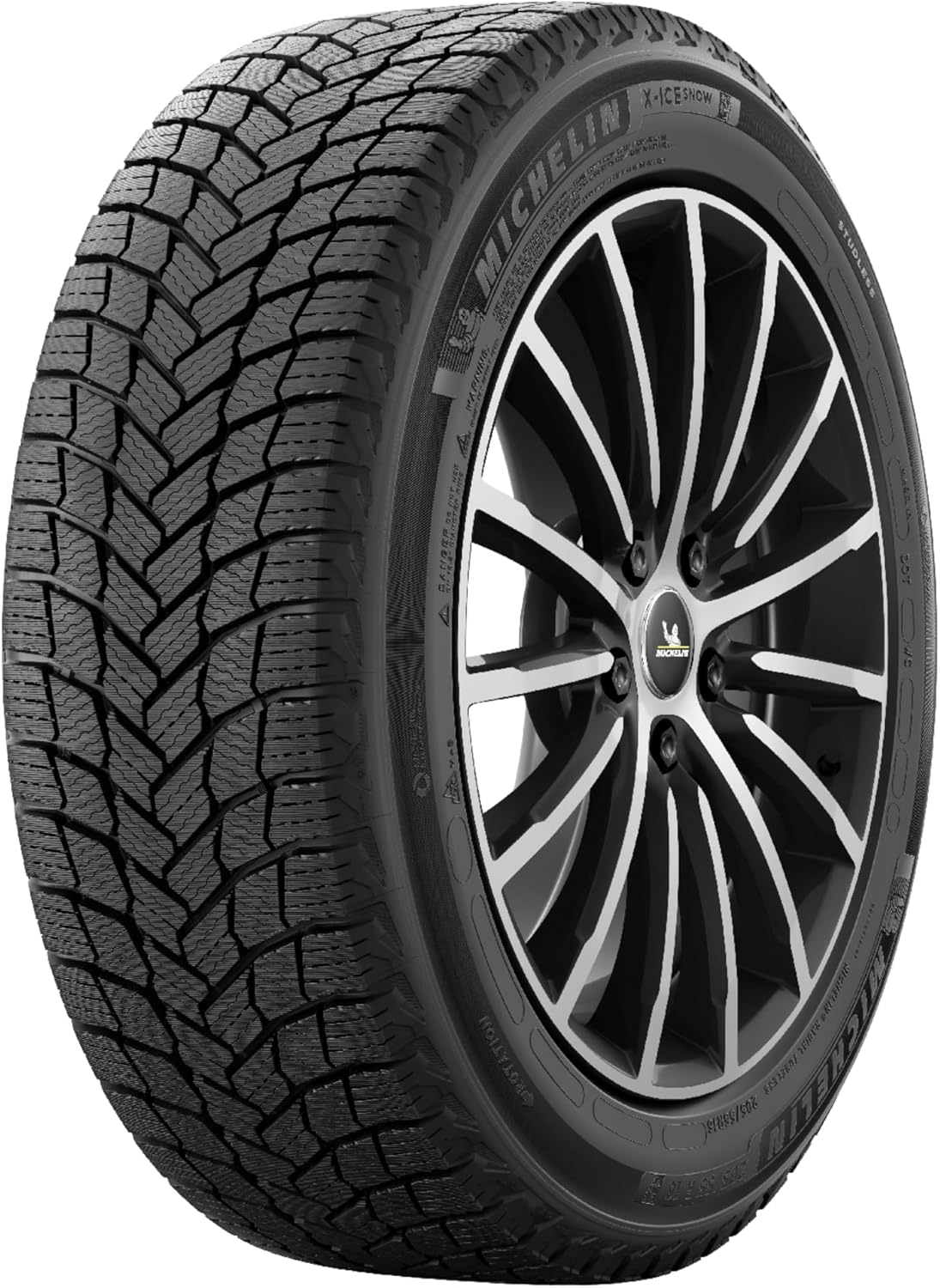
2. MICHELIN X‑Ice Snow 215/60R16 99H Winter Tire
| Size | 215/60-16 |
|---|---|
| Load Index & Speed | 99H |
| Tread Depth | 10.5 32nds |
| Construction | Radial |
| Maximum Pressure | 50 PSI |
The MICHELIN X‑Ice Snow is a dedicated winter tire built to deliver confident low‑temperature performance and extended tread life. It uses interlocking 3D sipes and Michelin EverGrip technology to maintain biting edges as the tire wears, which helps shorten stopping distances on packed snow and ice. The aggressive V‑shaped tread and increased void ratio push slush and water away from the contact patch to reduce hydroplaning risk, while symmetric tread geometry supports predictable handling in cold conditions. For drivers who keep a steady driving style through winter, the tire’s emphasis on wet and snow evacuation and durable siping translates into consistent traction and longer seasonal mileage. Expect a quieter, more controlled ride than more aggressive studdable options, but do not expect summer-level dry grip or high-speed cornering performance since the compound and tread prioritize cold-weather traction and wear life.
Best for: Drivers who prioritize consistent winter traction and longer seasonal tread life on a daily-driven compact SUV and want a stable, confidence-inspiring tire for snow and icy roads.
Less Ideal for: Drivers seeking maximum sport handling or summer-level dry grip in warmer months should choose a performance all-season or summer tire instead.
- Designed for improved ice and snow braking with full-depth 3D sipes for sustained biting edges
- V-shaped tread and higher void ratio help evacuate slush and resist hydroplaning
- EverGrip design promotes longer tread life compared with many competitor winter tires
- Symmetrical tread offers predictable handling and a quieter ride than aggressive winter patterns
- Compound and tread design prioritize cold-weather traction over high-speed dry performance
Verdict: Choose the X‑Ice Snow for reliable winter braking and long wear if you want a durable, confidence-focused winter tire for your Forester.
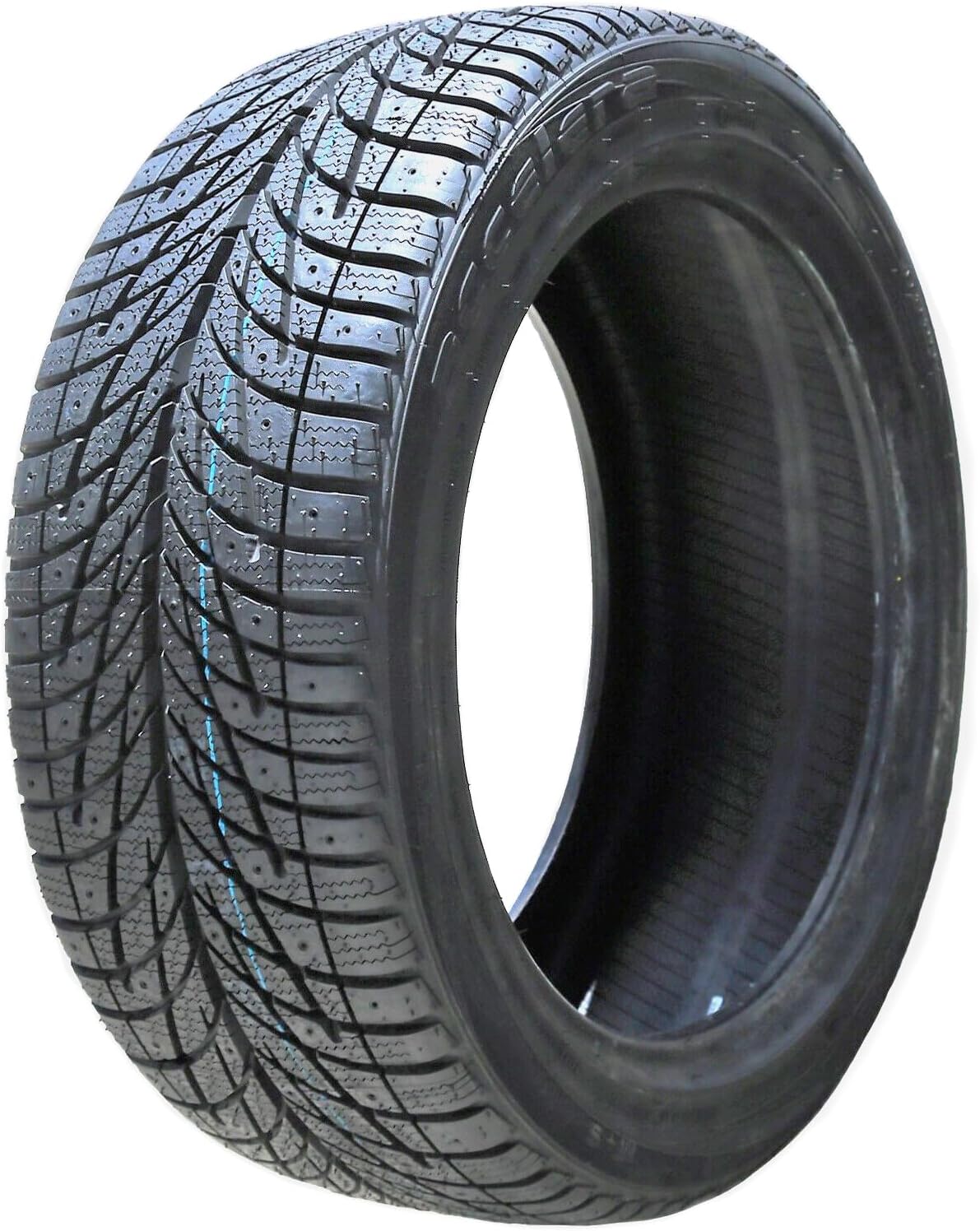
3. Accelera X Grip Winter Touring Tire 215/65R16 102H XL
| Size | 215/65R16 |
|---|---|
| Load Index | 102 |
| Speed Rating | H |
| Tread Type | Directional |
| Seasons | Winter |
The Accelera X Grip is a winter touring tire intended for passenger vehicles and SUVs in 215/65R16 size, offering a directional tread and winter-specific compound for better grip on snow and ice. It is typically used on vehicles that need seasonal winter performance rather than year-round sport handling. Notable features include wide circumferential and angled lateral grooves to reduce hydroplaning, siping and a tread pattern that shortens braking distance on slippery surfaces, and the option to add studs for extra ice traction. The tire is built as a 4-ply, XL load-range radial with a speed rating of H and a load index of 102, so it handles heavier Forester loads while maintaining stable steering response. Practical benefits include improved winter controllability and the potential for modest fuel savings thanks to reduced rolling resistance from a lighter internal structure. Limitations are that this is a winter-season tire only, so it will wear faster and perform poorly in warm conditions and it may not match premium-brand longevity or wet performance in slushy conditions without studs.
Best for: A Forester owner wanting an affordable winter tire that prioritizes snow and ice traction and accepts seasonal tire swaps to save money.
Less Ideal for: Drivers who need an all-season or year-round tire, or who prioritize the longest tread life and premium wet-road performance over winter grip.
- Directional winter tread and winter compound increase traction on snow and ice.
- Wide circumferential and lateral grooves help resist hydroplaning in slush and standing water.
- Studdable design allows adding studs for improved grip on packed ice.
- XL 102 load index supports heavier loads and towing without overstressing the tire.
- Designed solely for winter use so performance and wear will suffer in warm temperatures.
Verdict: If you need a budget-focused winter tire for a 2019–2024 Forester that improves snow and ice control and accepts studding, the Accelera X Grip is a practical choice.
4. Bridgestone Blizzak WS90 Studless Winter Tire — 215/60R16

| Rim Size | 16 inches |
|---|---|
| Load Index | 95 |
| Speed Rating | H |
| Construction Type | Radial |
| Seasons | Winter |
The Bridgestone Blizzak WS90 is a studless winter tire built to improve low-temperature grip and braking on snow and ice. In use it focuses on predictable handling and shorter stopping distances in winter conditions thanks to a winter-specific compound and a symmetric tread that bites into packed snow. Expect confident snow traction, secure wet-ice braking and a tire designed to maintain performance for an extra winter season compared with the prior Blizzak generation. Practical benefits include broad compatibility with standard passenger rims and a load/speed rating (95 H) that suits typical compact and midsize vehicles. Limitations are that it is a dedicated winter tire so ride comfort, road noise, and rolling resistance will differ from all-season tires when temperatures rise, and it requires seasonal changeover to preserve tread life and performance. Fit and performance depend on selecting the correct Subaru Forester 215/60R16 specification and having seasonal installation done professionally.
Best for: Drivers who prioritize reliable winter traction and predictable braking on icy or snow-packed roads and want a tire engineered to extend performance across multiple winter seasons.
Less Ideal for: Drivers who need a single set of tires for year-round driving or who prioritize the lowest rolling resistance and quietest highway ride in warm weather.
- Designed for strong ice and packed-snow traction with a winter-specific rubber compound
- Symmetric tread pattern for predictable handling in slippery conditions
- Rated for common passenger loads and speeds (95 H) suitable for compact SUVs and cars
- Available in the 215/60R16 size used on some Subaru Forester model years
- Not intended for year-round use so it requires seasonal swapping and separate storage
Verdict: Choose the Blizzak WS90 if your top priority for a Forester is trustworthy winter traction and confident control on ice and snow.
5. Cooper Discoverer True North Winter Tire 215/55R17 94H

| Rim Size | 17 inches |
|---|---|
| Load Index | 94 |
| Speed Rating | H |
| Seasons | Winter |
| Construction Type | Radial |
The Cooper Discoverer True North is a winter passenger tire built to deliver predictable traction and handling on plowed, slushy, and icy roads. It uses a high-density siping pattern and Snow Groove Technology to trap snow in the tread for improved snow-on-snow grip, and its severe-weather 3PMSF rating means it meets established winter performance criteria. The tire is aimed at drivers who commute through mixed winter conditions: it balances wet braking, reduced stopping distance on snow, and lower road noise thanks to noise-dampening structures in the tread. As a radial 17-inch winter tire with an H speed rating and 94 load index, it is suitable for standard passenger use where ride comfort and predictable handling matter. Limitations include that it is optimized for treated and plowed roads rather than deep off-road snow, and its winter compound will wear faster if used year-round on dry roads.
Best for: Buyers seeking a confidence-inspiring winter tire for daily winter commutes who value verified winter performance and quiet, predictable handling.
Less Ideal for: Drivers who regularly face deep, unplowed snow, aggressive off-road winter terrain, or who need a tire for year-round use.
- Severe-weather 3PMSF certification for verified winter performance
- Snow Groove Technology and dense siping that improve snow traction and braking
- Noise-dampening tread structures for a quieter highway ride
- Balanced wet and snow braking for commuter-focused winter driving
- Not intended for deep unplowed snow or heavy off-road winter use
Verdict: If you want a 17-inch winter tire that gives proven snow and ice traction with a quiet, highway-friendly ride for daily winter commuting, this is a strong choice.
Choosing the Right 2019-2024 Subaru Forester Winter Tire: Key Factors to Consider
Traction on Snow and Ice
Traction in packed snow and on glazed ice is the primary reason to choose winter tires. Tires designed for winter use employ specialized rubber compounds that remain pliable at low temperatures and aggressive siping patterns that increase bite. For the Forester, which may encounter deep snow and variable surfaces, prioritize tires with proven ice braking ratings and directional or asymmetric tread designs that channel slush away from the contact patch.
A tire's performance on ice matters for everyday safety—shorter stopping distances and better low-speed steering response reduce crash risk in winter conditions. Consider how the compound performs after repeated cold-weather cycles because rubber hardening over time reduces traction. Choosing a tire with strong ice and snow traction will dramatically affect real-world drivability on winter roads.
Tread Pattern and Snow Evacuation
Tread design influences how well a tire moves snow and slush out of the footprint. Deep circumferential grooves and lateral channels improve evacuation and reduce hydroplaning risk on melting snow. Siping density helps with grip on icy surfaces but can accelerate tread wear if overdone. For the Forester, an SUV with higher ground clearance, a balance of deep grooves and stable shoulder blocks gives good traction without sacrificing handling.
Evaluate the tread pattern for the typical winter in your area. If you face frequent wet snow and slush, prioritize wide grooves and large evacuation paths. If mostly dry, cold snow is common, more siping and biting edges will be beneficial. Tread patterns also influence road noise and steering feel, which matters for daily commuting.
Tire Compound and Cold-Temperature Flexibility
Winter-specific compounds are formulated to stay flexible in frigid temperatures so the tire can conform to the road surface and maintain grip. Harder summer or all-season compounds stiffen in cold, reducing traction. For a Forester driven in consistently low temperatures, choose a tire that advertises or tests well for low-temperature elasticity.
Compound choices affect wear and rolling resistance as well. Softer winter blends typically offer better cold traction but may wear faster and increase fuel consumption slightly. Consider how often you drive in deep cold versus occasional cold snaps to choose a compound that balances longevity with required cold-weather performance.
Fitment and Size Compatibility
Correct size and load rating are essential when selecting winter tires for the Forester. Many Forester trims use multiple wheel sizes, so confirm the OEM wheel diameter and recommended tire sizes before buying. Using the wrong diameter or an under-rated load index can affect speedometer accuracy, vehicle stability, and braking performance.
Also check sidewall height and overall diameter to keep handling predictable and maintain adequate ground clearance. If you plan to switch between dedicated winter wheels and seasonal wheels, ensure the winter tire size fits the wheel you will mount. Proper fitment also helps preserve traction control and ABS calibration.
Studded Versus Studless Options
Studded tires add metal pins for added mechanical grip on hard ice, which can be useful in regions with frequent icy roads. However, studs can increase road noise, accelerate pavement wear, and are restricted or banned in some areas. Studless winter tires use advanced compounds and tread geometry to provide ice grip without studs and often perform well on packed snow.
If your Forester will regularly encounter black ice and you drive in a jurisdiction that allows studs, evaluate studdable models as one option. Otherwise, modern studless tires often offer a strong compromise between daily comfort and winter traction while avoiding stud-related drawbacks.
Installation, Maintenance, and Cost Considerations
Factor in the cost and logistics of mounting, balancing, and periodic storage when choosing winter tires. Using a second set of wheels dedicated to winter tires reduces the seasonal mounting cost and speeds swaps. Regular maintenance—rotations, pressure checks, and occasional rebalancing—preserves even wear and optimal performance.
Consider the estimated installation and storage costs alongside expected tread life. A higher initial cost may be justified by longer usable tread or better performance under the conditions you face. Confirm service availability locally for winter tire mounting and alignment to avoid delays when the season begins.
Understanding Winter Tire Labels and Symbols
Winter tires carry markings that tell you how they perform in severe snow and icy conditions. The Three-Peak Mountain Snowflake symbol indicates a tire that meets specific snow traction performance tests. Other markings and speed/load codes help confirm fitment for the Forester.
Knowing these symbols helps you distinguish between dedicated winter rubber and all-season tires that only offer limited cold-weather performance. For the 2019-2024 Forester, pick tires with the appropriate load index and a winter certification when you expect regular snow or ice.
- Three-Peak Mountain Snowflake = tested for severe snow service
- Load and speed ratings must match or exceed OEM recommendations
- M+S alone does not guarantee winter-level traction
Studded Tires: When They Make Sense
Studded tires deliver mechanical bite on hard-packed ice and can be life-saving in areas with sustained icy roads. If you live where daytime melts refreeze into black ice frequently, studs may provide a measurable safety advantage.
However, studs are not ideal for every situation. They can be noisy, reduce dry-road handling, and are illegal or restricted in many jurisdictions. Check local regulations and consider whether studdable designs that allow optional stud installation are a better long-term choice.
- Best for consistent, severe ice conditions
- May be restricted by local law
- Often noisier and harsher on pavement
Tire Sizes Commonly Used on the Forester
The Forester is fitted with several OEM tire sizes across trims and wheel options. Confirm the size stamped on your current tire sidewall before ordering replacements or a dedicated winter wheel package. Using the correct size preserves handling balance and vehicle safety systems.
If you plan to change to a narrower winter tire for improved snow performance and flotation, ensure the overall diameter remains close to OEM to avoid speedometer and clearance issues. Discuss size changes with a tire professional if you are unsure which winter size best suits your Forester.
- Check sidewall for exact tire dimensions
- Narrower tires can improve flotation in deep snow
- Keep diameter within recommended tolerances
Maintenance Tips for Winter Tire Longevity
Rotate winter tires every 5,000 to 8,000 miles to promote even wear, and maintain the manufacturer-recommended inflation pressure. Cold temperatures lower tire pressure, so check pressures regularly throughout the season. Proper inflation improves contact patch uniformity and extends tread life.
Store off-season tires in a cool, dry place away from direct sunlight and chemicals. If you use a second set of wheels, keep them mounted to protect the tire beads and make seasonal swaps easier. Regular inspections for cuts, uneven wear, and embedded stones help avoid early failures.
- Rotate regularly to avoid uneven wear
- Check pressures often during cold spells
- Store properly when not in use
Balancing Performance and Comfort
High-traction winter tires can be noisier and firmer than all-season alternatives. For Forester owners who do significant highway driving, choose patterns that balance bite with stable shoulder blocks to keep highway manners predictable. If most driving is city or secondary roads, prioritize softer compounds and aggressive siping.
Consider the tradeoff between initial grip and tread life. A very soft winter compound gives excellent short-term traction but may need replacement sooner. Match tire characteristics to the majority of your driving to achieve the best overall experience.
- High traction often means more noise
- Softer compounds may wear faster
- Choose based on typical driving mix
Preparing Your Forester for Winter Tire Installation
Before swapping tires, inspect wheel studs, lug nuts, and wheel wells for corrosion or damage. Ensure the wheel hub surfaces are clean to prevent improper seating. If you use a new set of winter wheels, check torque specifications and re-torque after the first 50 to 100 miles.
Consider a pre-season alignment check to prevent uneven winter wear. Also have a set of winter-appropriate lug nut torque values handy and carry a reliable jack and lug wrench in the vehicle during winter.
- Clean and inspect mounting surfaces
- Re-torque lug nuts after initial miles
- Consider alignment before installation
Still looking for the perfect fit?
Select your Subaru Forester configuration to see the most relevant Winter Tires recommendations
How We Chose the Best 2019-2024 Subaru Forester Winter Tire
We selected tires based on performance and fitment factors that matter for the 2019-2024 Subaru Forester. Core evaluation criteria included: wet and ice traction, snow braking and handling, and compound behavior at low temperatures. We also measured tread design effectiveness for packed and fresh snow, assessing siping and groove patterns that help evacuate slush.Durability and wear resistance under winter conditions were considered to balance grip versus usable tread life. Ride comfort and noise were evaluated because Forester owners often use their vehicle for daily commuting and longer trips. Load and speed ratings, plus availability in common Forester wheel sizes, were checked to ensure safe fitment.We excluded tires intended only for light-duty passenger cars or those lacking appropriate load capacity for this SUV. Stud-only specialty tires were set aside unless suitable for regular highway snow and ice use. The shortlist emphasizes all-weather winter-specific patterns and constructions that provide reliable cold-weather performance for the Forester.
Our full evaluation process is outlined in our review methodology.
FAQ
When should I switch to winter tires on a Forester?
Switch when average daily temperatures regularly fall below about 45°F, because winter compounds perform better below that threshold. In many regions this means changing in late fall and switching back in spring once temperatures stay consistently warm.
Can I use studded tires on public roads with my Forester?
That often depends on local regulations. Studded tires are permitted in some jurisdictions and restricted or banned in others. Check regional rules and consider studdable tires only if your area allows them and you regularly encounter hard ice.
Will winter tires reduce fuel economy on my Forester?
Winter tires can slightly increase rolling resistance, which may reduce fuel economy marginally. The effect is usually small compared with the safety benefits of improved traction in cold conditions, especially when temperatures are low.
Do I need a separate set of wheels for winter tires?
You do not strictly need separate wheels, but having a second wheel set for winter tires simplifies seasonal swaps and avoids repeated mounting costs. Dedicated wheels also reduce the risk of bead damage and speed up installation.
How do I pick the right winter tire size for my Forester?
Start by checking the tire size on your current sidewall or the placard inside the driver door. If considering a narrower winter size for better snow flotation, keep the overall diameter close to the OEM specification to avoid affecting handling and vehicle systems.
Are studless winter tires good enough for icy roads?
Modern studless winter tires often provide excellent ice performance through specialized compounds and tread designs. They are sufficient for many drivers, though studs can offer added mechanical grip in consistently icy conditions.
Final Verdict
Choose a winter tire that matches the typical conditions you face with your Forester. Prioritize traction on snow and ice if you regularly encounter severe winter weather, or favor balanced patterns and longer wear if winters are milder and you spend more time on highways. Ensure correct size, load rating, and installation practices to preserve vehicle systems and handling.Ultimately, the right winter tires for your 2019-2024 Subaru Forester will be the option that gives you the necessary cold-weather grip while fitting your driving habits and budget. Focus on fitment, certified winter performance, and maintenance to make the most confident winter driving choice.
Explore More:
- Check out all Subaru Forester parts & accessories
- Explore Winter Tires Maintenance & Repair Guides
- Explore Wheels & Tires
- Browse all Auto Parts
