

Note: This article contains affiliate links. If you click on these links and make a purchase, I may earn a small commission at no extra cost to you. This helps support my research and content. Read my full affiliate disclosure here.
If you own a 2014-2018 Subaru Forester, choosing the right tires makes a meaningful difference in ride comfort, safety, and fuel economy. Tires affect braking distance, cornering stability, and road noise, so picking options suited to your driving conditions matters more than a generic replacement.This guide covers the top seven Forester-compatible tires we shortlisted for their balance of wet and dry handling, tread life, and NVH performance. We evaluate each option on real-world criteria like traction, longevity, and ride quality to help you match a tire to your driving style and local climate.
Looking for other parts? See all Subaru Forester parts & accessories.
Top Picks at a Glance
| Best Overall The best all-around choice for most situations | Cooper Discoverer Road & Trail AT All-Terrain Tire 225/65R17 102H |  |
| Best Quality Built to a higher standard if you want something more solid | Cooper Endeavor Plus All-Season Tire 225/65R17 102H |  |
| Best Value The sweet spot between price and what you get | Firestone All Season Passenger Tire 225/65R17 |  |
| Best Budget The cheapest option that still gets the job done reliably | STARFIRE Solarus AS All-Season Tire 225/65R17 102H |  |
| Highest Rated A top-rated pick with lots of positive feedback | Kumho Solus TA51a All-Season Tire 225/65R17 |  |
| Most Popular A crowd favorite that many people choose with confidence | GT Radial Champiro Touring A/S Tire — 225/65R17 |  |
| Best Seller A high-volume bestseller chosen again and again | Goodyear Assurance Finesse All-Season Tire 225/65R17 |  |
1. Cooper Discoverer Road & Trail AT All-Terrain Tire 225/65R17 102H

| Rim Size | 17 Inches |
|---|---|
| Load Index | 102 |
| Speed Rating | H |
| Seasons | Year Round |
| Tread Depth | 13 32nds |
The Cooper Discoverer Road + Trail AT is an all-terrain 225/65R17 tire that aims to balance on-road comfort with off-road capability for crossover SUVs like the 2014–2018 Subaru Forester. Its continuous tread pattern extends down the sidewall and thicker angled design improve traction on soft surfaces, while interlocking tread blocks and connected center lugs help stability in snow and uneven terrain. The tire is engineered for quieter, more even wear on pavement and carries a 65,000-mile treadwear backing that suits drivers who want longevity without sacrificing grip. Practical benefits include confident wet and dry handling, improved resistance to cuts and tears on light trails, and a smoother ride compared with aggressive mud-terrain tires. Trade-offs are typical for AT designs: it is not as quiet or fuel-efficient as dedicated highway tires and will not match the extreme off-road traction of specialized mud tires. For Forester drivers wanting a single winter-capable tire that handles daily driving and occasional gravel or dirt roads, this is a solid balanced choice.
Best for: Drivers who want a single tire that handles daily commuting, occasional dirt or gravel roads, and winter conditions without swapping tires seasonally.
Less Ideal for: Drivers who prioritize the lowest road noise and best fuel economy or those who need extreme off-road or rock-crawling capability.
- Year-round all-terrain tread with severe snow designation for winter confidence
- Continuous tread and reinforced sidewall area for improved off-road grip and durability
- Interlocking tread blocks and connected center lugs that enhance stability and even wear
- Backed by a 65,000-mile treadwear warranty for long service life
- All-terrain design is less quiet and less fuel-efficient than highway-focused tires
Verdict: A durable, year-round all-terrain tire that gives 2014–2018 Subaru Forester drivers confident snow traction and long tread life without needing a seasonal tire change.
2. Cooper Endeavor Plus All-Season Tire 225/65R17 102H

| Rim Size | 17 Inches |
|---|---|
| Load Index | 102 |
| Speed Rating | H |
| Tread Type | Non-Directional |
| Seasons | Year Round |
The Cooper Endeavor Plus is an all-season touring tire built for SUVs and light trucks; in the 225/65R17 size it suits vehicles that need a balanced mix of wet performance, comfort, and long tread life. Its tread design channels and water evacuation grooves help maintain traction in rainy conditions, while a reinforced layer and a non-directional pattern promote even wear and extend usable miles. Expect a relatively quiet, composed ride at highway speeds thanks to the contemporary tread pattern and construction. This is a road-focused tire, so steering response and lateral grip are reasonable for everyday driving and spirited commuting but it will not match dedicated performance or high-grip tires on aggressive cornering or track use. The tire’s 44 PSI max and 102 load index provide adequate capacity for mid-size crossovers. If you want a durable, low-noise all-season that handles wet roads confidently and adds mileage life, the Endeavor Plus is a practical choice; those seeking maximum dry grip or winter-specific traction should look at more specialized options.
Best for: Drivers who prioritize confident wet-weather handling, long tread life, and a quiet, comfortable ride on a daily-driven crossover or compact SUV and want a dependable all-season tire for mixed conditions.
Less Ideal for: Enthusiasts seeking maximum dry grip, sharp handling, or winter-specialized performance should choose a dedicated summer or winter tire instead.
- Effective wet traction from dedicated water evacuation grooves and checkmark channels
- Reinforced layer for even treadwear and a long tread life backed by a 65,000-mile treadwear warranty
- Quiet, comfortable touring character suitable for highway and daily driving
- Not tuned for high-performance dry grip or track driving compared with performance tires
Verdict: A durable, quiet all-season tire that delivers strong wet traction and long tread life for everyday SUV use.
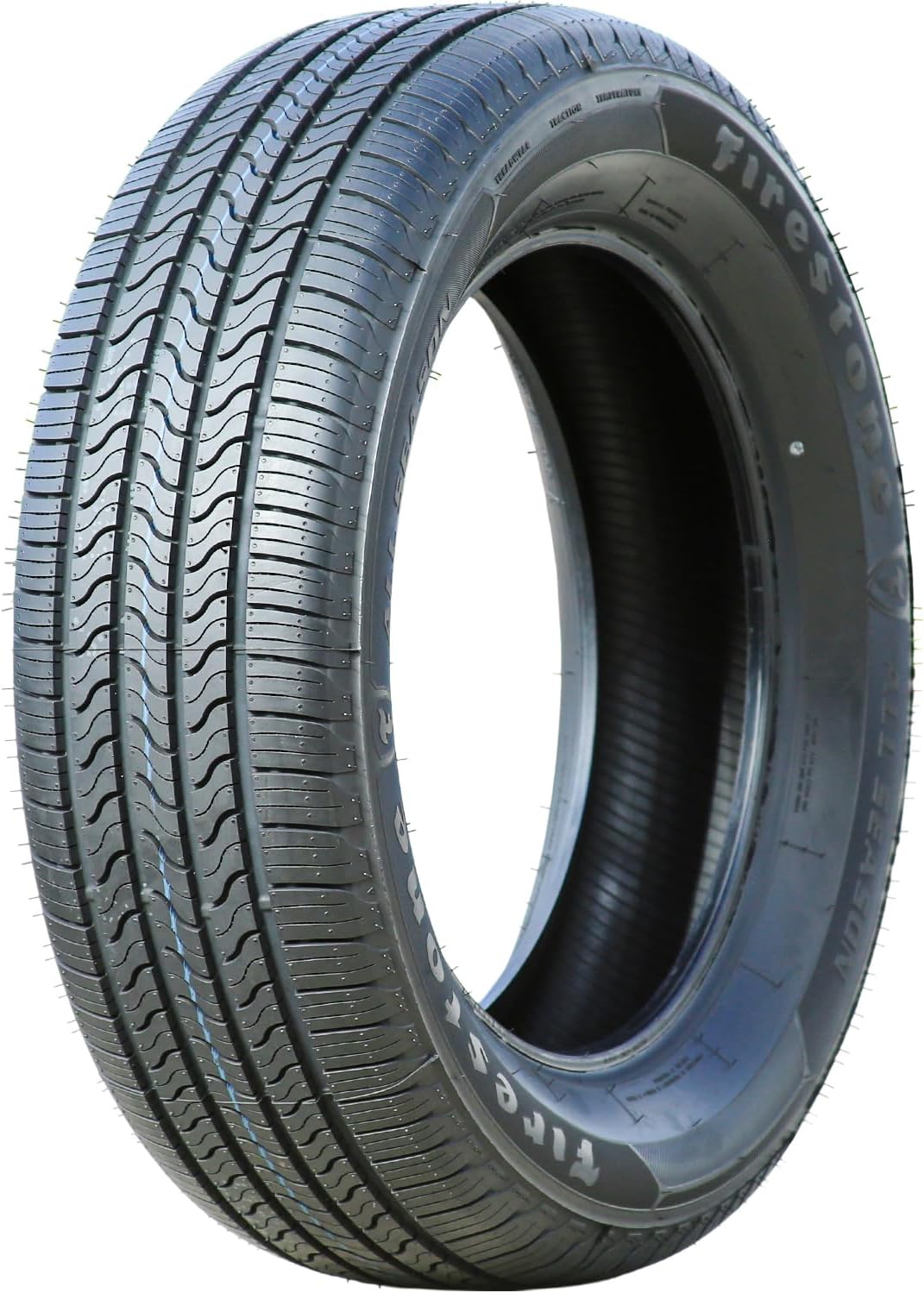
3. Firestone All Season Passenger Tire 225/65R17
| Size | 225/65R17 |
|---|---|
| Load Index | 102 |
| Speed Rating | H |
| Tread Type | Symmetrical |
| Construction Type | Radial |
The Firestone All Season 225/65R17 is a touring all-season tire aimed at everyday driving on coupes, sedans, crossovers, and small SUVs. For a 2014–2018 Subaru Forester this size provides reliable wet-weather grip thanks to deep sipes and circumferential grooves that channel water away from the contact patch. The tread pattern is tuned for a quiet, comfortable ride and predictable handling in mixed conditions, and Firestone backs the design with a manufacturer limited tread life of up to 65,000 miles depending on size and rating. Installation is straightforward as a direct fit replacement when the Forester uses 225/65R17 wheels. Expect a supple ride and lower road noise compared with aggressive performance or winter tires, but do not expect the same grip levels as summer performance tires on very warm, dry roads or the traction of a dedicated winter tire in heavy snow and ice. Overall this is a sensible, value-focused choice for daily driving and all-season commuting on a Forester in this size fitment.
Best for: Drivers of 2014–2018 Subaru Forester who prioritize a quiet, comfortable daily ride with dependable year-round traction and long tread life.
Less Ideal for: Drivers who need maximum dry-performance handling or those who frequently drive in heavy snow and ice should choose performance or winter-specific tires instead.
- Effective wet traction from circumferential grooves and deep sipes
- Engineered for low road noise for a comfortable cabin experience
- Up to 65,000 mile limited tread life for long-term value
- Designed for a smooth, supple ride suited to daily driving
- Not intended for heavy snow or severe winter conditions compared with dedicated winter tires
- Does not match summer performance tires for high-speed dry grip
Verdict: A practical, low-noise all-season tire in 225/65R17 that delivers dependable wet traction and long tread life for everyday Forester driving.
4. STARFIRE Solarus AS All-Season Tire 225/65R17 102H

| Size | 225/65R17 102H |
|---|---|
| Rim Size | 17 Inches |
| Speed Rating | H |
| Load Capacity | 1874 Pounds |
| Seasons | Year Round |
The STARFIRE Solarus AS is an all-season touring tire aimed at drivers who want long mileage and predictable daily performance without a premium price. It uses a re-engineered tread compound and a solid center rib to deliver steady highway stability and the variable pitch tread helps reduce road noise for a quieter cabin at cruising speeds. Deep shoulder slots and biting edges improve wet traction and M+S rating means it handles light snow better than summer tires. The 50,000 mile treadwear coverage is a practical benefit for Forester owners who prioritize mileage over sporty handling. This tire is a four-ply radial with a 102 load index and H speed rating, so it supports the loads and speeds typical for compact SUVs. Limitations are that it is a touring design rather than a performance or dedicated winter tire, so drivers seeking maximum cornering grip or heavy snow capability should look elsewhere.
Best for: Forester owners seeking an affordable, high-mileage replacement tire that prioritizes comfort, low road noise, and reliable year-round traction for everyday driving.
Less Ideal for: Drivers who need maximum sport handling or those who regularly encounter heavy snow and ice should choose a dedicated performance or winter tire instead.
- All-season compound tuned for wet and dry traction
- Variable pitch tread reduces highway noise for a quieter ride
- 50,000 mile treadwear coverage for long life
- M+S rating and deep shoulder slots add light snow capability
- Touring tread design is not optimized for aggressive handling or deep winter conditions
Verdict: If you want a low-cost, long-lasting all-season tire for routine Forester driving with quiet highway manners, the Solarus AS delivers strong value.
5. Kumho Solus TA51a All-Season Tire 225/65R17

| Size | 225/65R17 |
|---|---|
| Load Index | 102 |
| Speed Rating | H |
| Tread Type | Asymmetrical |
| Seasons | Year Round |
The Kumho Solus TA51a is a touring all-season tire sized 225/65R17 that aims to balance comfort, longevity, and dependable traction for everyday driving on a 2014–2018 Subaru Forester. It uses an asymmetrical tread and a silica-enhanced compound to improve wet and winter grip while the four wide circumferential grooves help shed water to resist hydroplaning. The tread pattern and rib/groove design reduce road noise for a quieter cabin and the manufacturer backs certain speed-rated sizes with a long limited tread life guarantee. Expect predictable handling in dry conditions and solid confidence in light snow, plus a focus on extended wear rather than outright sporty response. Trade-offs are typical for touring tires: you get improved comfort and tread life at the expense of the sharper steering feel and ultimate grip of performance-focused tires. Overall this is a practical, reliability-oriented choice if you prioritize steady year-round performance and long service life on a Forester.
Best for: Drivers of 2014–2018 Subaru Forester seeking dependable, low-noise year-round traction and long wear from a touring tire focused on reliability and comfort.
Less Ideal for: Drivers who prioritize maximum cornering grip or a sporty steering feel and those who need dedicated winter performance in heavy snow and ice.
- Available in the 225/65R17 size that fits many Forester trims
- Asymmetrical tread and silica-enhanced compound for improved wet and light winter traction
- Four wide circumferential grooves reduce hydroplaning risk
- Quiet, touring-oriented tread design for a comfortable ride
- Manufacturer limited tread life guarantee on qualifying speed-rated sizes
- Not optimized for aggressive performance driving or track use
Verdict: Choose the Kumho Solus TA51a for a Forester when you want quiet, long-lasting all-season performance and dependable wet and light snow traction.
6. GT Radial Champiro Touring A/S Tire — 225/65R17

| Rim Size | 17 Inches |
|---|---|
| Load Index | 102.0 |
| Speed Rating | H |
| Tread Type | Asymmetrical |
| Seasons | Year Round |
The GT Radial Champiro Touring A/S is a touring all-season radial tire intended for everyday commuting and family driving. Its asymmetrical tread and 10/32 tread depth prioritize wet grip and even wear, while the H speed rating and 4-ply construction support stable highway cruising. You would typically fit this tire as a direct replacement for factory-sized 225/65R17 tires on compact SUVs like the Subaru Forester; it is aimed at drivers who want a quiet ride, predictable all-season traction, and respectable tread life without stepping up to premium touring models. Practical benefits include a comfortable ride feel, a wide load capacity for passenger-carrying, and a focus on year-round usability. Limitations are that it is a touring tire rather than a performance or winter-specialist option, so drivers who need aggressive snow traction or spirited handling will find it less capable than dedicated snow or performance tires.
Best for: Drivers seeking a reliable, quiet all-season replacement for factory-size tires who value predictable wet performance and tread life backed by many user reviews.
Less Ideal for: Drivers who frequently encounter heavy snow or who prioritize high-performance cornering and steering response should consider winter-specific or performance tires instead.
- Asymmetrical tread designed for improved wet traction and even wear.
- Year-round touring compound suitable for mixed weather commuting.
- Comfort-oriented construction that reduces road noise for daily driving.
- Load index and construction support typical passenger SUV loads.
- Not optimized for deep snow or icy conditions compared with dedicated winter tires.
Verdict: A sensible, user-trusted all-season touring tire for Forester drivers who want comfortable, dependable everyday performance.
7. Goodyear Assurance Finesse All-Season Tire 225/65R17

| Size | 225/65R17 |
|---|---|
| Tread Depth | 7.6 Millimeters |
| Maximum Pressure | 51 Pound per Square Inch |
| Load Capacity | 1874 Pounds |
| UTQG | 540 A A |
The Goodyear Assurance Finesse is a touring all-season tire built for everyday driving on cars, crossovers, and small SUVs. Its symmetrical, patented tread pattern and a specially formulated rubber compound aim to reduce road noise and deliver a comfortable, quiet ride while also providing grip in wet, dry, and light winter conditions. The design emphasizes low rolling resistance to help with fuel economy and claims optimized contact with the road for longer tread life. Typical use is daily commuting and family trips where predictable handling and a smooth ride matter more than extreme performance. Notable features include a 540 A A UTQG rating, a 7.6 mm tread depth, and a 51 psi maximum inflation pressure. Limitations are that this tire is a touring all-season, so it will not match dedicated winter tires in heavy snow or high-performance tires for spirited driving, and buyers should confirm the 225/65R17 size fits their Forester model year and trim.
Best for: Buyers seeking a reliable, comfortable tire for daily driving and year-round use who prioritize predictable handling, quiet ride quality, and fuel efficiency over maximum sport or winter performance.
Less Ideal for: Drivers who regularly face heavy snow or ice, or those who want high-performance summer tires for aggressive handling should look at specialized alternatives.
- Comfort-focused tread reduces road noise for a smoother ride
- All-season compound provides usable traction in wet, dry, and light snow
- Low rolling resistance helps improve fuel economy
- Optimized contact area aimed at extended tread life
- Not intended for severe winter conditions or heavy snow driving
Verdict: A comfortable, fuel-efficient all-season touring tire that delivers reliable, predictable performance for everyday Forester driving.
Choosing the Right 2014-2018 Subaru Forester Tires: Key Factors to Consider
Traction in Wet and Dry Conditions
Traction is the single most important performance trait for Forester owners because it directly affects braking and cornering. A tire with strong wet grip reduces stopping distances on rainy roads and improves confidence during sudden maneuvers. Dry traction matters for stability and steering response, especially when carrying cargo or driving on twisty roads.
Look for tread compounds and siping patterns designed to evacuate water and maintain a contact patch. For Foresters, balance is key: a tire tuned exclusively for dry grip tends to trade off wear and wet performance, while aggressive wet-focused designs can be noisier and wear faster.
Tread Life and Wear Characteristics
Treadwear determines replacement frequency and long-term value. Tires with harder compounds and optimized tread patterns usually extend mileage but may compromise ultimate grip. Conversely, softer compounds yield better initial traction at the expense of accelerated wear.
Consider the manufacturer treadwear rating as a comparative indicator but treat it alongside real-world reports for Forester owners. Regular rotation and alignment can help even wear, but initial tire choice sets the baseline for how long a set will remain safe and effective.
Ride Comfort and Road Noise
Ride comfort and noise affect everyday enjoyment, especially on long commutes or highway trips in the Forester. Some touring-oriented tires prioritize low noise and a compliant sidewall to smooth rough pavement, while more performance-oriented patterns can transmit more texture and road roar.
For many Forester buyers, a quiet, comfortable tire enhances perceived quality. Evaluate pattern design, void ratio, and sidewall construction when noise and comfort are priorities, bearing in mind that softer sidewalls can slightly reduce steering crispness.
Winter Capability and Seasonal Suitability
If you encounter snow and ice, winter-specific tires or true all-season tires with good cold-weather compounds are essential. Winter tires use specialized rubber that stays pliable at low temperatures and tread designs that bite into snow and slush. Without appropriate winter capability, stopping distances increase and traction drops significantly.
Decide whether you need dedicated winter tires or a high-performing all-season tire based on your local climate and how often you drive in conditions below freezing. Also consider the impact of seasonal switching on tire wear and storage logistics.
Correct Size, Load Rating, and Fitment
Choosing tires with the correct size and load rating is critical for the Forester to maintain handling balance and ensure the vehicle's safety systems work as intended. Using a tire with the wrong diameter or an insufficient load index can affect speedometer accuracy, ground clearance, and the ability to carry passengers or cargo safely.
Always verify the recommended size and load rating for your specific Forester trim and wheel option. If you plan to change wheel diameter or use spacers, account for how those alterations affect tire selection and vehicle dynamics.
Tire Maintenance and Serviceability
A tire's long-term value depends on proper maintenance. Regular rotation, correct inflation, and periodic balancing and alignment preserve tread life and handling. Tires that require frequent balancing or show uneven wear patterns may indicate compatibility or suspension issues that need addressing.
Select tires that are easy to service within the Forester's typical maintenance cycle and choose tread patterns that allow for even wear across rotations. Consider available warranties and ease of obtaining replacements when planning ownership costs.
Matching Tire Types to Your Driving Habits
Different tire types suit different Forester use cases. Touring all-season tires prioritize comfort, low noise, and stable wet performance for daily commuting. Performance-oriented all-seasons emphasize sharper steering and higher cornering grip for more spirited driving. Dedicated winter tires focus on snow and ice traction and should be used when temperatures regularly dip below freezing.
Think about your typical driving: highway miles, mountain roads, and winter weather exposure. A Forester that sees significant cold-season driving benefits from a winter-specific set, while a city-focused Forester often gets the most value from a touring all-season.
- Touring all-season: best for comfort and longevity
- Performance all-season: better steering response and grip
- Winter tires: essential for frequent snow and ice conditions
Interpreting the Tire Size Guide for Your Forester
Understanding tire size markings helps avoid fitment issues. The size code indicates section width, aspect ratio, and wheel diameter. Match those numbers to the Forester's recommended sizes or consult the owner's placard to ensure correct fitment and load capacity.
When considering alternate sizes, be mindful of speedometer error, wheel well clearance, and potential effects on suspension geometry. Minor changes may be acceptable, but large deviations can negatively affect handling and require recalibration or mechanical changes.
- Check the door placard for factory-recommended sizes
- Verify load index and speed rating match vehicle requirements
- Account for sidewall height changes when upsizing or downsizing
Seasonal Tire Strategies and Storage Tips
If you use dedicated winter tires, swap them seasonally and store the off-season set in a cool, dry place away from sunlight. Proper storage on racks or upright with moderate inflation helps preserve shape and prevents flat spots. Keep a record of rotation patterns to maintain even wear across both sets.
For drivers who opt for a year-round all-season solution, monitor tread depth more closely through winter months and be prepared to switch to a winter set if conditions worsen. Clean tires before storage and cover them to reduce ozone and UV exposure.
- Store tires in a cool, dry, shaded area
- Keep tires inflated to recommended pressure during storage
- Label sets to track mileage and rotation history
How Tread Patterns Affect Road Handling
Tread pattern design influences water evacuation, hydroplaning resistance, and steering feel. Asymmetric patterns often balance dry grip and wet performance, while directional designs are optimized for water displacement. Open shoulder blocks aid in slush and snow clearing but can increase road noise.
Consider the driving surfaces you most frequently encounter. If you drive on wet mountain roads, a tire with strong hydroplaning resistance and dense siping will enhance safety. For long highway drives, prioritize low rolling resistance and stable tread footprint to reduce noise and improve fuel economy.
- Asymmetric: balanced performance and comfort
- Directional: strong wet-weather evacuation
- Symmetric: cost-effective and easy to rotate
Maintaining Tire Health on a Forester
Regular inspections catch early signs of uneven wear, sidewall damage, or embedded objects. Check inflation monthly and inspect tread depth across the full width. Address alignment or suspension issues promptly to prevent accelerated wear on one edge of the tire.
Balancing and alignment are routine services that preserve ride quality and extend tire life. If you notice vibration, pull to a shop for balancing and alignment checks to correct issues before they damage the set further.
- Inspect tires monthly for damage and proper pressure
- Rotate tires every 5,000 to 7,500 miles or per vehicle guidance
- Have balancing and alignment checked after noticeable vibration or uneven wear
Still looking for the perfect fit?
Select your Subaru Forester configuration to see the most relevant Tires recommendations
How We Chose the Best 2014-2018 Subaru Forester Tires
We applied a consistent editorial framework focused on how tires perform on a 2014-2018 Subaru Forester. Our evaluation prioritized criteria that directly affect day-to-day ownership for Forester drivers: wet and dry traction, treadwear longevity, ride comfort and noise, winter performance where applicable, and correct fitment and load capacity for the vehicle. We also considered real-world durability signals such as tread compound design and warranty coverage language when available.Excluded from consideration were tires intended solely for commercial trucks, high-performance sports cars, or off-road-only applications that do not match Forester weight and intended use. We filtered out products with ambiguous fitment information or insufficient technical specifications for Forester tire sizes. The shortlisted tires passed basic fitment checks for common Forester rim and size combinations and demonstrated credible performance across the evaluation dimensions that matter most to everyday Forester owners.
Our full evaluation process is outlined in our review methodology.
FAQ
What tire size should I buy for a 2014-2018 Subaru Forester?
The appropriate tire size depends on your Forester's trim and wheel option. Check the vehicle door placard or owner manual for factory-recommended sizes and load ratings. If you're unsure, consult a tire professional who can confirm fitment for your wheel diameter and clearance.
Are all-season tires adequate for winter driving in snowy areas?
All-season tires perform acceptably in light winter conditions, but they do not match dedicated winter tires in deep snow or on ice. If you frequently drive in temperatures below freezing or on snow-covered roads, winter tires offer significantly better traction and shorter stopping distances.
How often should I replace tires on my Forester?
Replacement depends on tread depth, driving habits, and tire condition. Many tires need replacement around three to six years or when tread depth approaches 2/32 inch. Inspect tires regularly for uneven wear and consult a professional if treadwear accelerates.
Does rotating tires really extend their life on a Forester?
Yes. Regular rotation evens out wear caused by differences in front and rear loading and steering duties. Following the recommended rotation pattern and schedule helps maximize tread life and maintains balanced handling.
How important is balancing and alignment after installing new tires?
Balancing and alignment are important to prevent vibration and uneven wear. New tires should be balanced during installation, and a wheel alignment should be performed if suspension components show wear or if you notice pulling or uneven wear shortly after installation.
Can I buy tires online and have them installed locally for my Forester?
Yes. Many owners purchase tires online and coordinate local installation. When doing so, verify that the seller provides correct size and fitment details and schedule installation with a shop that can handle balancing and alignment to factory specifications.
Final Verdict
Choose Forester tires by balancing the most important tradeoffs for your driving conditions: prioritize wet traction and correct load rating for safety, then weigh comfort and tread life for long-term value. If you encounter regular snow and ice, favor a winter-specific set; otherwise, a high-quality all-season can cover most needs with fewer swaps.Ultimately, match tire size and load capacity to your Forester's specifications, maintain proper inflation, and keep up with rotations and alignments. That approach delivers the best combination of safety, longevity, and driving enjoyment for 2014-2018 Subaru Forester owners.
Explore More:
- Check out all Subaru Forester parts & accessories
- Explore Tires Maintenance & Repair Guides
- Explore Wheels & Tires
- Browse all Auto Parts
