

Note: This article contains affiliate links. If you click on these links and make a purchase, I may earn a small commission at no extra cost to you. This helps support my research and content. Read my full affiliate disclosure here.
Choosing the right P215/60R16 tires for your Subaru Forester affects handling, comfort, fuel economy, and safety. The wrong tire can reduce traction in rain or snow and shorten how long a set lasts, while the right tire balances grip, ride quality, and durability for everyday driving.This guide shortlists seven top P215/60R16 options suitable for Forester owners and explains the criteria used to evaluate them, including wet and dry traction, treadwear expectations, noise and comfort, and seasonal suitability. Read on to see which tire attributes matter most for your driving style and conditions.
Looking for other parts? See all Subaru Forester parts & accessories.
Top Picks at a Glance
| Best Overall The best all-around choice for most situations | Hankook Kinergy ST H735 All-Season Touring Tire 215/60R16 95H |  |
| Best Quality Built to a higher standard if you want something more solid | Continental ContiProContact P215/60R16 Touring All-Season Tire |  |
| Best Value The sweet spot between price and what you get | Armstrong Blu-Trac PC 215/60R16 99V XL All-Season Touring Tire |  |
| Best Budget The cheapest option that still gets the job done reliably | Crossmax 215/60R16 95V CT-1 Passenger Tire |  |
| Highest Rated A top-rated pick with lots of positive feedback | MICHELIN Defender2 All-Season Tire 215/60R16 95H | 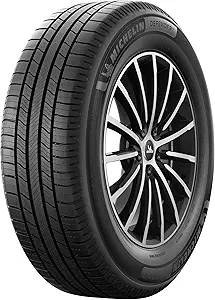 |
| Most Popular A crowd favorite that many people choose with confidence | Fullway HP108 All-Season Performance Tire, 215/60R16 99V XL |  |
| Best Seller A high-volume bestseller chosen again and again | Milestar MS932 Sport Performance Touring Tire — 215/60R16 95H |  |
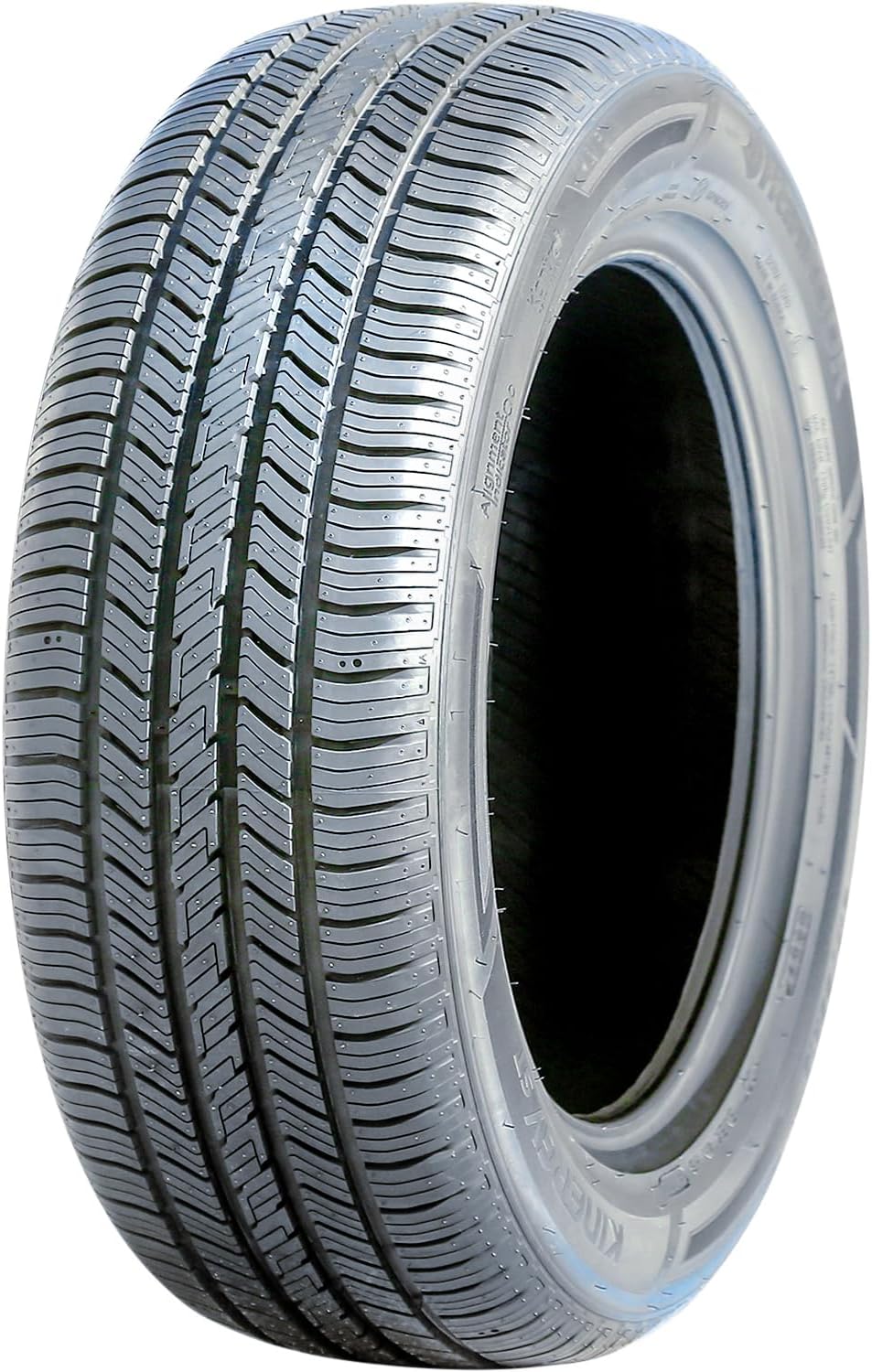
1. Hankook Kinergy ST H735 All-Season Touring Tire 215/60R16 95H
| Rim Size | 16 Inches |
|---|---|
| Load Index | 95.0 |
| Speed Rating | H |
| Tread Type | Symmetrical |
| Seasons | Year Round |
The Hankook Kinergy ST H735 is an all-season touring tire meant for regular road driving on passenger cars and small crossovers. It uses a symmetrical tread pattern and a touring compound to prioritize a quiet ride, predictable handling, and even tread wear for mileage-oriented drivers. Typical use is commuting and light family driving where wet- and dry-weather grip and long life matter more than sport performance or off-road capability. Notable features include a 95 load index that supports typical passenger-vehicle loads, an H speed rating for highway speeds, and a moderate 8.8/32 tread depth that helps longevity. Practical benefits are reduced road noise, stable steering responses in everyday conditions, and a design tuned for consistent wear across seasons. Limitations are its touring focus: you should not expect crisp track-level cornering or deep-snow traction compared with winter-specific tires, and extreme performance in very wet hydroplaning situations may lag behind premium ultra-high-performance models.
Best for: Buyers seeking a comfortable, mileage-oriented tire that handles everyday commuting and family driving reliably across seasons.
Less Ideal for: Drivers who need winter-specialized traction, aggressive sport handling, or tires for off-road use should look at dedicated winter or performance options instead.
- Balanced all-season tread for dependable wet and dry performance
- Symmetrical design that promotes even wear and a quiet ride
- 95 load index suitable for typical passenger and small crossover loads
- Reasonable tread depth for longer expected tread life
- Not optimized for severe winter snow or high-performance driving
Verdict: A solid, quiet all-season touring tire that delivers dependable everyday handling and long wear for P215/60R16 applications.
2. Continental ContiProContact P215/60R16 Touring All-Season Tire

| Size | P215/60R16 |
|---|---|
| Load Index | 94 |
| Speed Rating | S |
| Maximum Pressure | 44 psi |
| Seasons | NON_WINTER |
The Continental ContiProContact is an all-season touring tire built for balanced performance and comfort on passenger cars. Tuned for original equipment applications, it delivers predictable handling, reduced road noise, and a smooth ride thanks to its advanced tread design and ContiSilent technology. ContiSeal puncture-sealing capability helps maintain mobility after minor punctures, and the non-directional tread provides versatile mounting options. This tire is typically used as a factory replacement or OEM-style upgrade where comfort, quietness, and consistent wet/dry traction matter more than aggressive cornering or summer performance. Practical benefits include long treadwear coverage up to 80,000 miles, a comfortable highway demeanor, and stable braking in wet conditions. Limitations are that it is a touring, non-winter-design tire so it will not match summer performance tires for high-temperature grip or specialized winter tires for heavy snow and ice, and drivers seeking the sharpest steering response or track-focused grip should look to performance-oriented tires instead.
Best for: Drivers who prioritize a smooth, quiet daily driving experience and reliable year-round traction on their Forester, preferring a factory-tuned touring tire over a sporty or winter-specific option.
Less Ideal for: Drivers who want maximum dry grip for spirited driving or track use, or those who need a dedicated winter tire for frequent deep-snow or icy conditions.
- Engineered for a quiet, comfortable ride with ContiSilent technology to reduce road noise
- All-season tread compound and pattern deliver reliable wet and light snow traction
- ContiSeal technology provides automatic sealing of minor punctures to help avoid flats
- Tuned for factory-fit applications for consistent, predictable handling and fitment
- Not optimized for high-temperature summer grip or aggressive cornering
- Not a dedicated winter tire for heavy snow and icy conditions
Verdict: A quiet, factory-tuned all-season touring tire that suits Forester drivers who want comfortable, reliable everyday performance rather than aggressive sport handling.
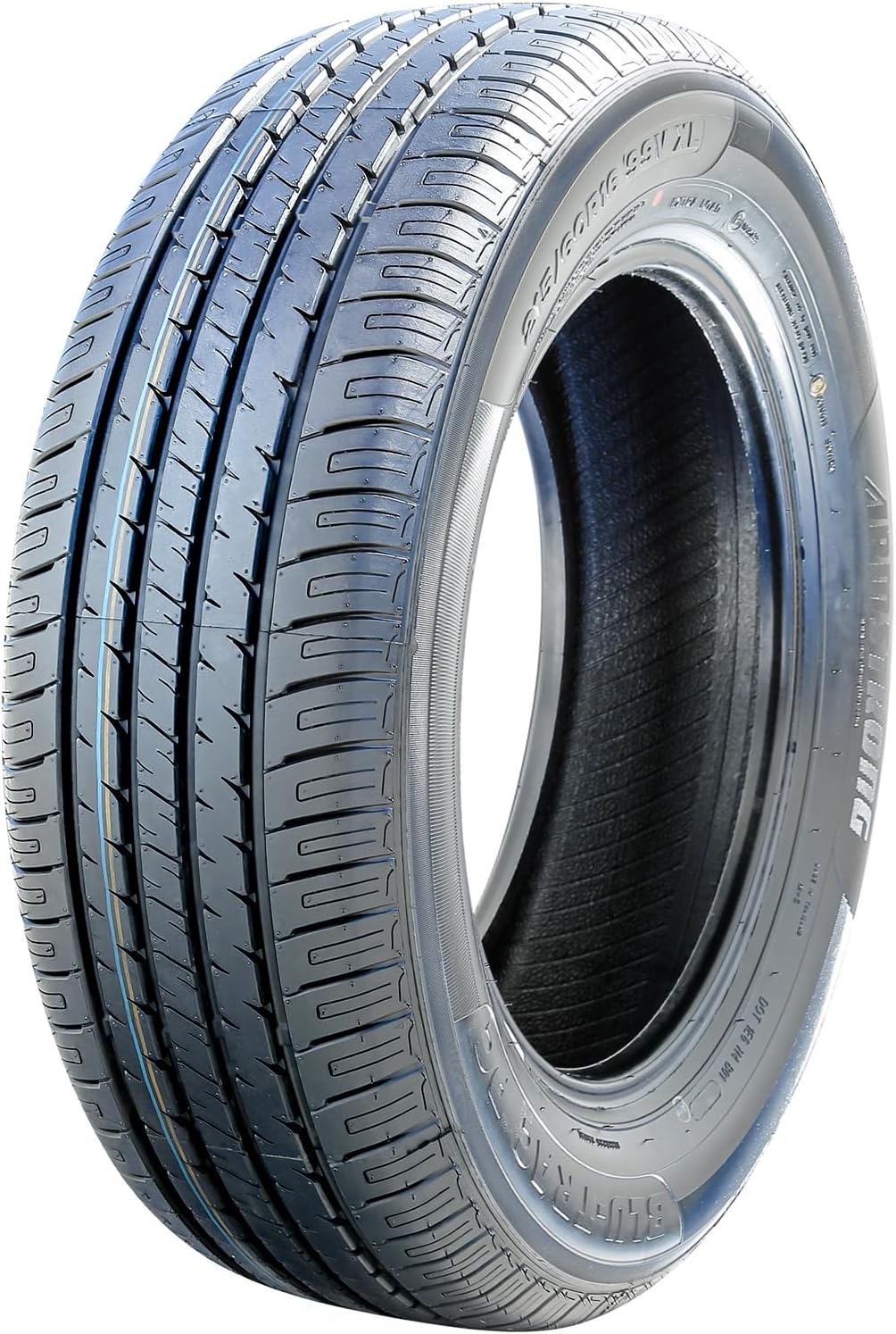
3. Armstrong Blu-Trac PC 215/60R16 99V XL All-Season Touring Tire
| Rim Size | 16 inches |
|---|---|
| Load Index | 99 |
| Speed Rating | V |
| Load Capacity | 1709 pounds |
| Seasons | Year Round |
The Armstrong Blu-Trac PC is a touring all-season tire sized 215/60R16 and rated 99V with an XL load range, designed for everyday passenger car use. It features a non-directional radial tread meant to deliver predictable wet and dry traction and a long advertised treadlife of 85,000 miles, so it is typically used as an economical replacement on compact crossovers and sedans. The XL load rating and 4-ply construction increase load capacity and durability compared with standard passenger tires, which helps with heavier loads or roof cargo. Practical benefits include a quiet tread pattern for comfortable highway cruising, universal fitment that simplifies selection, and a 50 psi maximum inflation for flexible pressure management. Limitations are that it is a touring all-season rather than a dedicated winter or performance tire, so drivers needing aggressive snow traction or spirited handling will want a specialized option instead. Expect a budget-focused tire that prioritizes mileage and comfort over extreme-weather or high-performance capability.
Best for: Buyers prioritizing low cost-per-mile and comfortable, predictable everyday driving on a compact crossover or passenger car who want a durable, higher-load touring tire.
Less Ideal for: Drivers who need a dedicated winter tire for heavy snow or a performance tire for spirited driving and sharp handling.
- Long advertised treadlife for a touring tire, suitable for high-mileage drivers
- XL load rating and 4-ply construction increase durability and load capacity
- Non-directional tread for predictable wet and dry traction and easier rotation patterns
- Quiet, comfort-oriented tread suitable for highway driving
- Not engineered for severe winter conditions or aggressive sporty handling
Verdict: A budget-minded, high-mileage touring tire that gives comfortable, durable all-season performance for everyday driving.
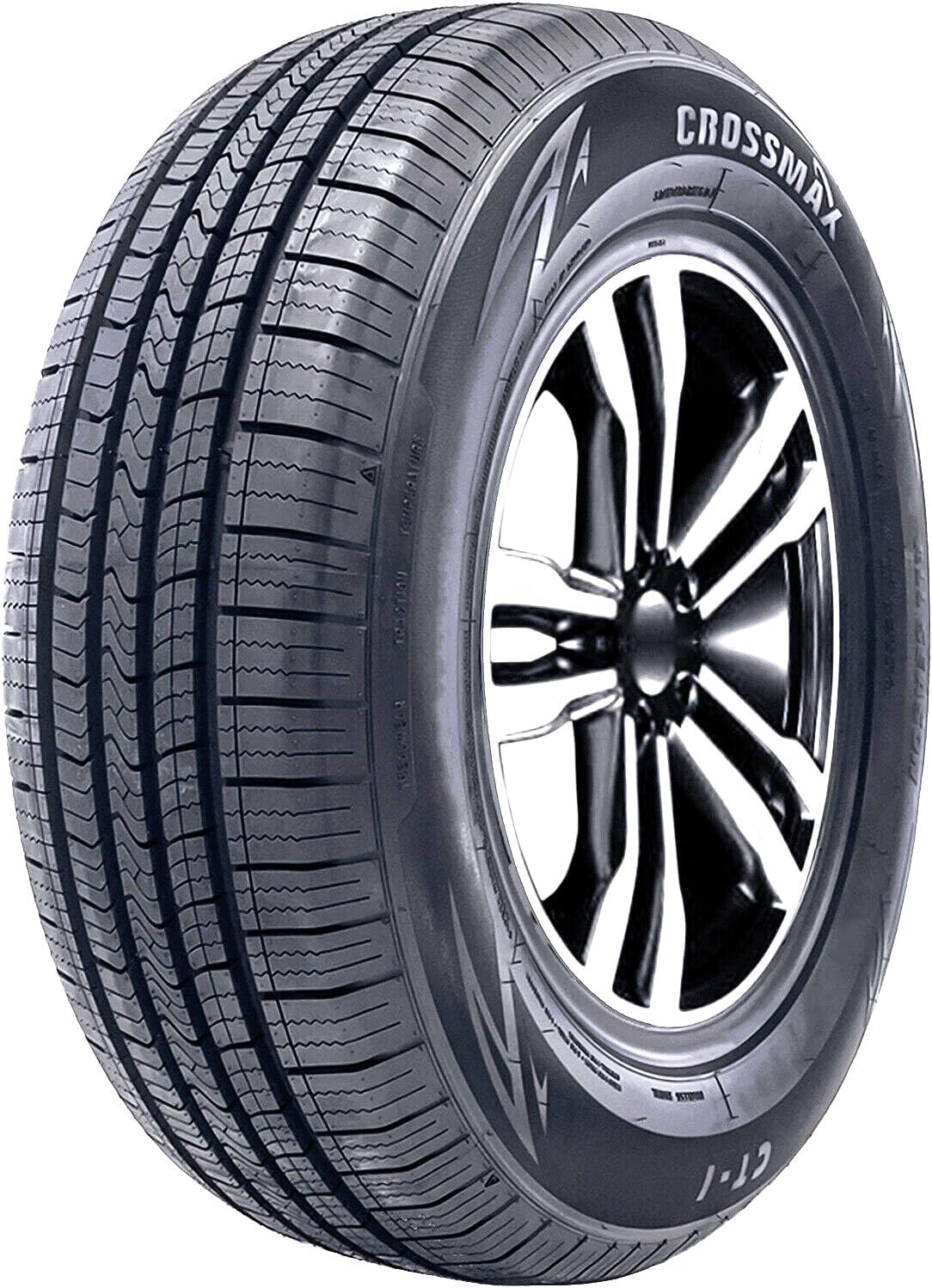
4. Crossmax 215/60R16 95V CT-1 Passenger Tire
| Size | 215/60R16 |
|---|---|
| Load Index | 95 |
| Speed Rating | V |
| Seasons | Year Round |
| Treadwear warranty | 60000 mile |
The Crossmax 215/60R16 CT-1 is an all-season passenger tire engineered for drivers who want a balance of mileage and everyday performance without a high price tag. It uses a symmetrical tread and four wide circumferential grooves to shed water and reduce hydroplaning risk, while a multi-pitch pattern helps keep road noise down for a comfortable daily commute. Rated 95V and built as a radial with a 60000 mile treadwear warranty, it is positioned toward long life and steady highway performance. Practical benefits include predictable handling in wet and dry conditions, a smooth ride, and a focus on fuel economy through its tread design. Limitations are that it is a single-ply design and categorized as a universal fit tire, so drivers seeking sportier grip, more aggressive winter performance, or heavier load capacity should consider other specialized tires.
Best for: Buyers seeking an affordable, long-lasting all-season tire for regular commuting and highway miles who prioritize comfort, low noise, and wet-weather safety over sporty handling.
Less Ideal for: Drivers who need specialized winter traction, high-performance cornering, or higher load capacity for heavy cargo should look at dedicated winter or performance tires.
- All-season symmetrical tread with wide grooves for improved wet traction
- Designed for low noise with multi-pitch pattern for a comfortable ride
- 60000 mile treadwear warranty signals emphasis on long life
- Factory-style radial construction for predictable handling and fuel efficiency
- Single-ply construction may limit performance under heavy loads or spirited driving
- Universal fitment means it is not tuned specifically for a single vehicle platform
Verdict: A budget-friendly, long-wearing all-season tire that delivers quiet, confidence-inspiring daily driving and dependable wet traction for regular commuters.
5. MICHELIN Defender2 All-Season Tire 215/60R16 95H

| Rim Size | 16 Inches |
|---|---|
| Load Index | 95 |
| Speed Rating | H |
| Seasons | Year Round |
| Construction Type | Radial |
The MICHELIN Defender2 is an all-season touring tire engineered for long tread life and confident wet and dry braking. It is built as a symmetrical radial with locking 3-D sipes and a tread compound tuned to extend wear, and Michelin backs it with an 80,000-mile treadwear limited warranty. In everyday use it performs like a premium replacement tire for commuting, highway miles, and family driving where consistent mileage and predictable grip matter. The tire's notable benefits include strong wet braking from numerous biting edges and a construction that aims to deliver significantly more treadlife than several competitors, reducing the frequency of replacements. Practical trade-offs are typical for a longevity-focused touring tire: you get comfort and wear life rather than ultra-aggressive winter traction or sport handling at the limit. The 95 load index and H speed rating make it suitable for passenger crossovers and midsize sedans, and the available rim and tread geometry support stable steering feel for daily driving.
Best for: Buyers who prioritize long, dependable mileage and predictable all-season braking for daily driving and highway use on a compact SUV or midsize car.
Less Ideal for: Drivers who need maximum winter traction for severe snow or who want sporty handling and cornering at high speeds should consider alternative tires specialized for those tasks.
- Engineered for extended tread life with an 80,000-mile manufacturer treadwear warranty
- Locking 3-D sipes provide extra biting edges for improved wet and dry stopping
- Symmetrical touring tread promotes a quiet, comfortable ride for daily driving
- Suitable load index and speed rating for common passenger crossovers and sedans
- Designed for longevity and comfort rather than aggressive winter or high-performance handling
Verdict: Choose this tire if you want a reliable, long‑wearing all-season tire that prioritizes mileage and consistent wet/dry braking for everyday Forester-style use.
6. Fullway HP108 All-Season Performance Tire, 215/60R16 99V XL

| Rim Size | 16 Inches |
|---|---|
| Load Index | 99.00 |
| Speed Rating | V |
| Tread Type | Asymmetrical |
| Seasons | Year Round |
The Fullway HP108 is a budget-focused performance tire sized 215/60R16 for passenger cars and CUVs. It uses an asymmetrical tread and deep center grooves to improve high-speed stability and cornering grip, so it behaves more like a sporty touring tire than a basic highway tire. Typical use will be daily driving on paved roads and occasional spirited driving; the load index and XL rating mean it can handle slightly heavier loads without sacrificing stability. Notable features include a V speed rating for confident highway speeds, a 4-ply construction for durability, and year-round tread compound for mixed-season traction. Practical benefits are good dry and light-wet responsiveness and a price point that makes replacing all four tires affordable. Limitations are typical for a budget performance tire: treadwear and wet/snow traction will not match premium brands, and you should not expect high-mileage longevity or top-tier hydroplaning resistance in severe weather. For a Subaru Forester, this is a pragmatic option if you prioritize handling and value over long-term wear or winter performance.
Best for: Drivers who want a budget-friendly, sporty-feeling replacement tire for everyday paved driving on a Forester and value immediate handling and cost savings over long-term wear.
Less Ideal for: Drivers who regularly face heavy snow, icy roads, or who prioritize maximum treadlife should consider higher-end all-season or dedicated winter tires instead.
- Asymmetrical tread and deep center grooves for improved stability and cornering control
- XL load rating and 4-ply construction support heavier loads and added durability
- V speed rating suitable for sustained highway speeds
- Year-round tread compound offers usable traction in mixed-season conditions
- Not designed for severe winter conditions or heavy snow use
- Treadwear and longevity are likely lower than premium-brand performance tires
Verdict: A cost-conscious choice that delivers sporty handling and adequate year-round traction for a Forester when you need an affordable, handling-focused 215/60R16 replacement.
7. Milestar MS932 Sport Performance Touring Tire — 215/60R16 95H

| Seasons | Year Round |
|---|---|
| Rim Size | 16 Inches |
| Load Index | 95.0 |
| Speed Rating | H |
| Tread Type | Non-Directional |
The Milestar MS932 Sport is an all‑season performance touring tire engineered for modern sedans and crossover vehicles that need predictable handling and long tread life. In everyday use it delivers a quiet, comfortable ride thanks to a non‑directional tread pattern and an advanced silica compound that improves wet grip. The tire carries a 95 load index and H speed rating, which suits typical highway driving and light performance demands, and Milestar covers it with a 50,000‑mile limited treadwear warranty. Practical benefits include improved wet‑weather traction, steady cornering for commuter and family driving, and a durable tread depth that should hold up for many miles. Limitations to consider are that this is a touring/performance all‑season tire rather than an ultra‑high‑performance or dedicated winter tire, so drivers seeking maximum spirited handling or deeper snow capability may prefer a specialized alternative.
Best for: Buyers who prioritize predictable, low‑stress driving—looking for a quiet, durable all‑season tire with reliable wet traction and long tread life for routine commuting and family use.
Less Ideal for: Drivers who need maximum dry‑track grip or dedicated winter performance should choose specialized summer or winter tires instead.
- All‑season silica compound for improved wet traction
- Designed for a quiet, comfortable ride suitable for daily driving
- 50,000‑mile limited treadwear warranty for longer useful life
- Non‑directional tread for even wear and simple rotation
- Not intended as a high‑performance summer or dedicated winter tire
Verdict: A conservative, long‑wearing all‑season touring tire that gives risk‑averse drivers dependable wet traction and a quiet, comfortable ride for everyday use.
Choosing the Right Subaru Forester P215/60R16 Tires: Key Factors to Consider
Traction in Wet and Dry Conditions
Traction is critical for everyday safety and confidence. For a Subaru Forester, good wet traction helps prevent hydroplaning and shortens braking distances on rainy roads, which you are likely to encounter. Dry traction affects cornering stability and responsiveness during spirited or highway driving.
Look for tire constructions and tread designs that manage water evacuation and maintain a broad contact patch. Tread compound and siping patterns influence grip; softer compounds often bite better in cold or wet conditions but can wear faster. Balancing wet and dry performance is important because overly specialized tires may excel in one condition but compromise another on the Forester.
Tread Life and Wear Patterns
How long a set of tires lasts impacts running costs and maintenance intervals. Treadwear ratings and user data can indicate expected mileage before replacement. For Forester owners who rack up highway miles, choosing tires with predictable, even wear helps avoid premature replacement and uneven handling.
Pay attention to common wear issues like shoulder scalloping or center wear, which can signal alignment or inflation sensitivity. Tire compounds optimized for longevity tend to be firmer; they may trade some grip for extended life. Consider your driving mix—city vs highway—when weighing tread life against performance.
Ride Comfort and Road Noise
The Forester is often chosen for comfortable daily driving and long trips, so ride comfort and noise matter. Tread block design, void ratio, and compound affect both vibration absorption and cabin noise. Touring-oriented tires usually prioritize a cushioned ride and reduced tire roar, which improves overall comfort on longer drives.
Stiffer sidewalls can improve steering feel but may transmit more road imperfections. If your priority is a quiet, comfortable commute, focus on tires engineered for low noise and compliance rather than track-focused performance options.
Seasonal Performance and Climate Suitability
Your local climate determines whether an all-season, touring, or dedicated winter tire is most appropriate. For cold regions or frequent snow, a winter-rated tire offers safer traction; for temperate areas, a high-quality all-season tire may be sufficient. Understanding the temperature ranges where compounds remain flexible is important for consistent traction.
Some all-season tires provide acceptable light-snow capability but cannot match the grip of dedicated winter tires in deep snow or on ice. Conversely, summer or performance compounds deliver superior dry and wet handling in warm months but harden and lose traction in cold weather. Align your tire selection with the seasonal conditions you face most often.
Fitment, Load Rating, and Speed Rating
Ensuring the tire is correctly sized and has appropriate load and speed ratings for the Forester is a safety requirement. P215/60R16 defines the physical size, but load index and speed rating determine how much weight each tire safely carries and the maximum safe speed.
Choosing a tire with equal or higher load rating than the factory recommendation preserves handling and prevents overloading. Speed rating should match or exceed the vehicle's capabilities and typical driving speeds. Incorrect ratings can affect handling, braking, and long-term durability.
Tire Maintenance and Serviceability
How tires are serviced influences their performance over time. Regular rotation, balancing and alignment extend tread life and maintain predictable handling on the Forester. Look for tires that are straightforward to mount and balance; some asymmetric or run-flat designs can be more complicated.
Consider how easy it is to monitor tread depth and identify wear patterns. Built-in tread wear indicators and clear wear bars help you determine when to replace tires. Also factor in recommended rotation intervals and alignment tolerances to plan maintenance that keeps performance consistent.
Understanding P215/60R16: What the Size Means
The P215/60R16 designation describes the tire's width, aspect ratio, and wheel diameter. For Forester owners this size determines sidewall height and contact patch, which influence ride comfort, steering response, and speedometer accuracy.
Knowing these dimensions helps you compare options that maintain the vehicle's intended handling and clearance. When swapping tires, stick to the P215/60R16 size unless changes are professionally evaluated, because altering diameter can affect gearing and suspension geometry.
- 215 is the tread width in millimeters
- 60 is the aspect ratio, the height as a percentage of width
- R16 indicates radial construction for a 16-inch wheel
All-Season Versus Dedicated Winter Options
All-season tires aim to provide a balance of wet and dry performance with limited winter capability. They are suitable for drivers in mild climates who want year-round convenience without seasonal tire swaps. However, in regions with regular snow and ice, dedicated winter tires remain the safer choice because of specialized compounds and tread designs.
If you encounter occasional light snow, a high-quality all-season with winter markings may suffice. For heavy snow and icy roads, prioritize a winter-rated tire for the cold months and consider swapping back to all-season or summer tires when temperatures rise.
- All-season: convenience and balanced performance
- Winter: superior grip in cold, snowy, and icy conditions
- Consider seasonal swaps if you live where temperatures routinely fall below freezing
Tread Patterns and How They Affect Performance
Tread design influences water evacuation, grip, and noise. Directional patterns can channel water quickly for improved wet traction, while asymmetric designs balance dry cornering and wet performance. Touring patterns tend to focus on comfort and low noise.
When choosing for a Forester, match the tread pattern to your priorities. If you regularly drive in heavy rain, a design prioritizing hydroplaning resistance is advantageous. If cabin quiet and even wear are more important, select touring-oriented patterns.
- Directional: strong wet performance, must be mounted correctly
- Asymmetric: mixes dry handling and wet traction
- Symmetric/touring: quieter ride and easier rotation
Tire Treadwear Indicators and How to Read Them
Most tires have molded tread wear indicators to help you determine remaining life. These small bars sit across the grooves and become flush with the tread surface as depth decreases. For safe operation on a Forester, check indicators regularly and replace tires before critical performance degrades.
Use a tread depth gauge or the common 2/32-inch legal minimum rule as a baseline, but consider replacement earlier for wet or winter driving where deeper tread is vital. Monitoring indicators can prevent sudden loss of traction and uneven handling.
- Check indicators every month and before long trips
- Replace earlier than the legal minimum if you need strong wet or winter grip
- Combine visual checks with periodic professional inspections
Balancing, Alignment, and Installation Best Practices
Proper mounting, balancing, and alignment are essential to get the advertised performance from any tire. Incorrect installation can cause vibration, uneven wear, and compromised handling on a Forester. Ensure wheels are clean and hardware torqued to specification during installation.
After mounting new tires, have them balanced and the vehicle aligned. Regular rotation keeps wear even and extends life. Address any vibration or pulling immediately, as those are signs that balancing or alignment is needed.
- Always balance new tires and check alignment after installation
- Rotate tires at recommended intervals to even wear
- Re-check torque after the first 50 to 100 miles following installation
Still looking for the perfect fit?
Select your Subaru Forester configuration to see the most relevant Tires recommendations
How We Chose the Best Subaru Forester P215/60R16 Tires
We evaluated candidates for this list using criteria that reflect typical Subaru Forester ownership and real-world driving conditions. Primary evaluation focused on wet and dry traction because the Forester is often driven in mixed weather; tires with strong traction reduce stopping distances and improve control. Tread life and wear patterns were next, since longevity affects total cost of ownership and service intervals. Comfort and noise levels were measured by how a tire influences ride quality on varied road surfaces, given that many Forester owners prioritize a quiet, composed highway feel. Seasonal suitability and compound design were assessed to ensure each tire performs appropriately in intended climates, distinguishing all-season, summer, and winter-capable options. Rolling resistance and its effect on fuel economy were considered for efficiency-minded buyers. Finally, we inspected fitment and load rating compatibility specifically for the Forester to ensure safety and handling remained within factory parameters.We excluded any tire that did not have a confirmed P215/60R16 size or lacked publicly available manufacturer specifications for traction and treadwear. Off-road and heavy-duty truck tires were not considered because they do not match the Forester's intended use. The resulting shortlist reflects real-world performance indicators and spec-driven suitability for Subaru Forester owners.
Our full evaluation process is outlined in our review methodology.
FAQ
How often should I replace P215/60R16 tires on my Forester?
Replacement depends on driving habits and conditions, but many tires require replacement between 40,000 and 70,000 miles. Inspect tread depth regularly and consider replacement sooner if you notice uneven wear, reduced wet traction, or sidewall damage.
Can I use all-season P215/60R16 tires in winter for my Forester?
All-season tires can handle light winter conditions but are not a substitute for dedicated winter tires in heavy snow or icy situations. If you experience cold temperatures frequently, a winter-specific tire provides better grip and braking performance.
Will changing to a different P215/60R16 tread pattern affect my Forester's fuel economy?
Yes, rolling resistance varies by tire design and compound. Tires optimized for low rolling resistance can slightly improve fuel economy, while aggressive tread patterns or softer compounds may increase consumption. The effect is usually modest but measurable over time.
How can I tell if my Forester's tires need balancing or alignment?
Common signs include steering vibration at highway speeds, uneven tread wear, and the vehicle pulling to one side. If you notice these symptoms after new tires are mounted, have balancing and alignment checked promptly.
Are all P215/60R16 tires rated for the Forester's load requirements?
Not necessarily. While the physical size matches, you must verify the load index and ensure it meets or exceeds the vehicle manufacturer's specification. Using a tire with a lower load rating can negatively affect safety and handling.
What maintenance helps extend tire life on a Subaru Forester?
Regular rotation, correct inflation, timely alignment checks, and addressing suspension issues help extend tire life. Monitoring tread depth and avoiding prolonged underinflation or overloading are also important for even wear.
Final Verdict
Prioritize tires that match your Forester's typical driving conditions and your performance priorities. Focus first on traction and appropriate load ratings for safety, then weigh tread life, noise, and comfort based on how you drive. If you face winter climates, favor a winter-rated option for the cold months or plan seasonal tire swaps.Balancing these tradeoffs helps you choose P215/60R16 tires that deliver predictable handling, acceptable longevity, and a comfortable ride for your Subaru Forester. Use the evaluation criteria here to narrow choices and confirm fitment before installation.
Explore More:
- Check out all Subaru Forester parts & accessories
- Explore Tires Maintenance & Repair Guides
- Explore Wheels & Tires
- Browse all Auto Parts
