

Note: This article contains affiliate links. If you click on these links and make a purchase, I may earn a small commission at no extra cost to you. This helps support my research and content. Read my full affiliate disclosure here.
If you drive a 2014-2018 Subaru Forester in cold climates, the right winter tires make a major difference for safety and confidence. Winter tires deliver better traction, shorter stopping distances, and improved steering response on snow and ice compared with summer or all-season rubber. That matters in a Forester because its all-wheel-drive system works best when each tire can bite into packed snow and slush.This guide shortlists the top five winter tire options suitable for the 2014-2018 Forester and explains the evaluation criteria used to compare them. We focus on fitment, tread design, wet and icy traction, durability, and installation considerations to help you pick the tire that fits how and where you drive. Read on for the details that affect everyday winter driving and ownership costs.
Looking for other parts? See all Subaru Forester parts & accessories.
Top Picks at a Glance
| Best Overall The best all-around choice for most situations | Firestone Winterforce 2 UV Winter/Snow Tire 225/65R17 |  |
| Best Quality Built to a higher standard if you want something more solid | Goodyear WinterCommand Ultra P235/65R17 104H Winter Passenger Tire |  |
| Best Budget The cheapest option that still gets the job done reliably | Goodyear Ultra Grip SUV Winter P225/65R17 102H XL Tire |  |
| Highest Rated A top-rated pick with lots of positive feedback | Goodyear Winter Command Ultra 225/65R17 Winter Tire | |
| Most Popular A crowd favorite that many people choose with confidence | Nexen Winguard Winspike 3 Winter Tire — 225/65R17 |  |
1. Firestone Winterforce 2 UV Winter/Snow Tire 225/65R17

| Size | 225/65R17 |
|---|---|
| Load Capacity | 1874 Pounds |
| Tread Depth | 12 32nds |
| Maximum Pressure | 44 PSI |
| Construction Type | Radial |
The Firestone Winterforce 2 UV is a winter tire built for CUVs and SUVs and suits the 225/65R17 fitment commonly used on 2014–2018 Subaru Forester models. It uses a cold-weather tread compound, open shoulder slots, and a directional/asymmetrical tread to improve grip on snow and slush, and carries the 3-Peak Mountain Snowflake designation for severe-snow capability. Full-depth tread features are intended to extend usable life so the tire remains effective across multiple winter seasons. In practice this tire excels at braking and confident traction in wintry conditions compared with all-season tires, and the pinned option for studs gives extra bite where legally appropriate. Expect a comfortable ride and predictable handling on snowy roads, though like most winter-specific tires it will wear faster and feel less responsive on warm, dry pavement. For Forester owners who need dependable winter traction without exotic performance pricing, this is a sensible, value-focused choice.
Best for: A Forester driver who wants reliable winter traction and multi-season durability at a reasonable value, prioritizing safety in snow and slush over warm-weather sportiness.
Less Ideal for: Drivers who spend most of their time on warm, dry roads or who want the highest possible dry-handling performance should consider a performance all-season or summer tire instead.
- 3-Peak Mountain Snowflake certification for severe-snow traction
- Cold-weather compound and open shoulder slots improve grip on snow and slush
- Full-depth tread design aimed at longer winter tread life
- Available pinned configuration for stud installation where permitted
- Winter compound and tread design reduce dry and warm-road handling compared with all-season tires
Verdict: A practical, value-minded winter tire for 2014–2018 Subaru Forester drivers who need dependable snow and slush traction with good tread life.
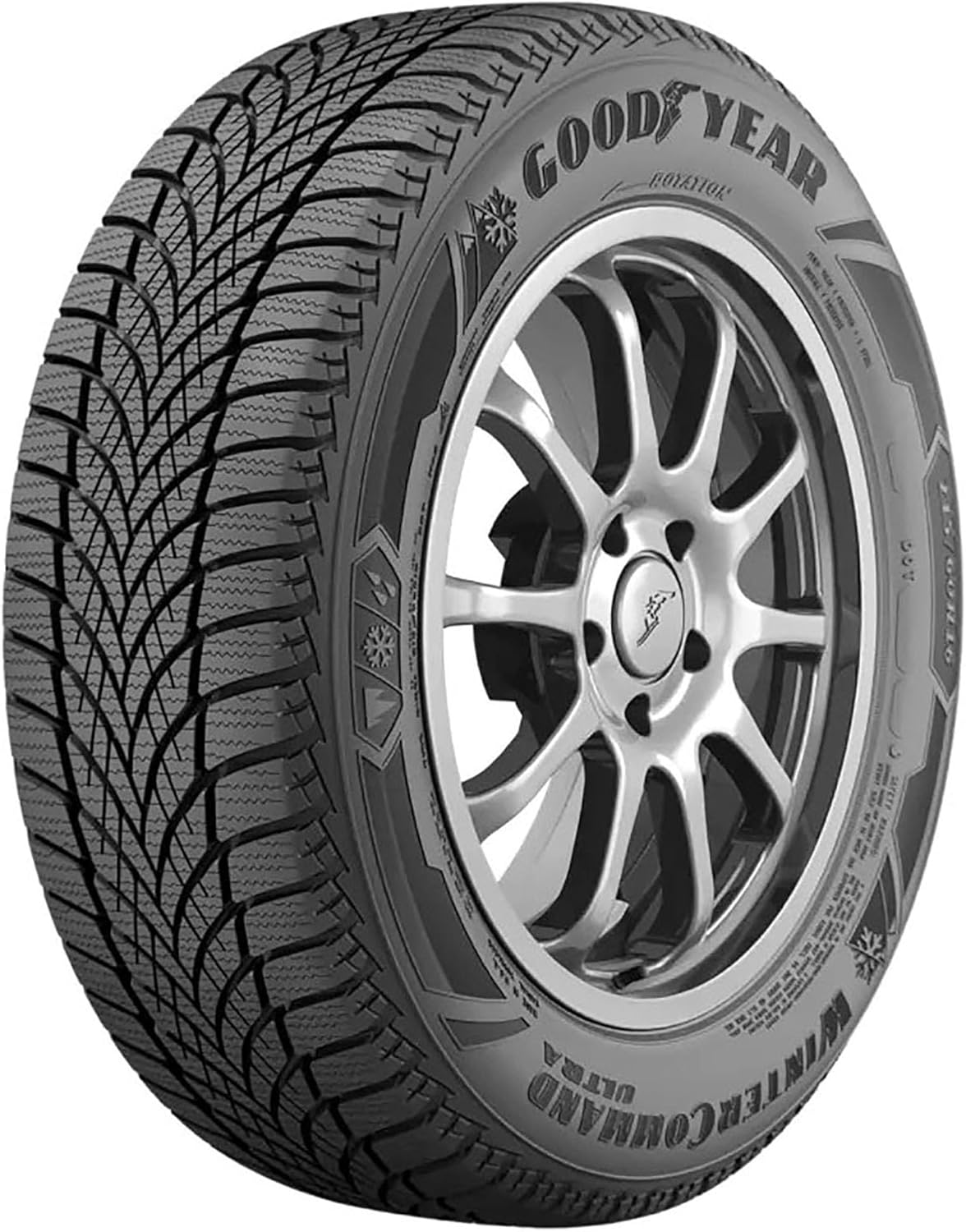
2. Goodyear WinterCommand Ultra P235/65R17 104H Winter Passenger Tire
| Rim Size | 17 inches |
|---|---|
| Load Index | 104 |
| Speed Rating | H |
| Tread Type | Directional |
| Seasons | Winter |
The Goodyear WinterCommand Ultra is a studless winter tire built to improve grip and control in sub-freezing conditions on coupes, sedans and CUVs. It uses a cryo-adaptive rubber compound and closely spaced sipes to stay flexible in cold temperatures and bite into snow and ice for better acceleration and braking. The directional tread with angled grooves and open shoulders channels snow, slush and water away from the contact patch, which helps reduce hydroplaning and steadies high-speed handling. In everyday use it feels more confidence-inspiring than an all-season tire when roads are cold or snowy and pairs well with a Forester when fitted in a matched set. Expect a winter-focused ride and traction rather than summer-like cornering or reduced rolling resistance. This is a winter-season specialist, so performance in warm weather and tire wear when used outside cold months will be less favorable than with a year-round tire.
Best for: Drivers who prioritize winter traction and confident braking on snow and ice for cold-season driving, especially those who want a studless tire that improves safety and control on snowy roads.
Less Ideal for: Drivers seeking a single tire for year-round use or the best high-speed dry handling should consider an all-season or performance tire instead.
- Studless cryo-adaptive compound maintains flexibility and grip in sub-freezing temperatures
- Directional tread and angled grooves improve water, slush, and snow evacuation to reduce hydroplaning
- Dense sipes increase traction for better braking and acceleration on snow and ice
- Designed for passenger cars and CUVs so fits common Forester tire use cases
- Optimized for cold weather so warm-weather handling and tread life may be compromised if used year-round
Verdict: Choose this tire if your priority is maximum studless winter traction and confidence on snow and icy roads for cold-season use.
3. Goodyear Ultra Grip SUV Winter P225/65R17 102H XL Tire

| Rim Size | 17 Inches |
|---|---|
| Load Index | 102 |
| Speed Rating | H |
| Tread Type | Directional |
| Seasons | Winter |
This Goodyear Ultra Grip SUV winter tire is built to deliver confident traction in snow and wet conditions for vehicles that use the P225/65R17 size, such as 2014–2018 Subaru Forester models with that factory tire size. Its directional tread and specialized polymer blend improve handling in slush and rain, while high blade density and a stud-capable pin pattern increase grip on packed snow and ice. Heavy shoulder blocks are intended to promote even wear and the radial construction with a 102 load index supports typical SUV loads. Expect quieter rolling than aggressive studded options and reliable performance through a northern winter, though it is a winter-only tire so you will want to swap to an all-season or summer tire for warm months. Also note the maximum inflation pressure and load index should match your vehicle placard when replacing tires.
Best for: A buyer seeking an affordable winter replacement tire for a Forester-sized SUV who prioritizes reliable snow and wet traction during colder months.
Less Ideal for: Drivers who want a year-round tire or who rarely encounter winter weather should consider all-season alternatives instead.
- Directional tread pattern improves water evacuation and wet handling
- High tread blade density and stud-capable design enhance traction on snow and ice
- Heavy shoulder blocks help promote even wear for longer tread life
- 102 load index and SUV-focused construction suit typical compact SUV loads
- Designed specifically for winter conditions so performance and wear are reduced in warm weather
Verdict: A budget-minded winter tire that gives Forester-sized SUVs solid snow and wet traction without the noise and extremes of full studded options.
4. Goodyear Winter Command Ultra 225/65R17 Winter Tire
| Size | 225/65R17 |
|---|---|
| Tread Type | Directional |
| Construction Type | Radial |
| Load Range | SL |
| Maximum Pressure | 51 Pound per Square Inch |
The Goodyear Winter Command Ultra is a studless winter tire engineered for cold-weather driving on sedans, coupes, CUVs, and similar vehicles, making it a fit for the 2014–2018 Subaru Forester when sized correctly. Its cryo-adaptive rubber compound stays flexible in sub-freezing temperatures to preserve grip, while directional tread, angled grooves, and V-Tred channels move snow, slush, and water away from the contact patch to reduce hydroplaning and help braking. Strategically placed sipes increase biting edges for better acceleration and traction on packed snow and light ice. In everyday use this tire gives confident winter handling and more predictable stopping in cold conditions, though studless designs still have limits on pure black ice compared with studdable or dedicated ice tires. Expect a balance of winter traction and reasonable on-road comfort rather than sporty dry-road performance. For Forester owners who prioritize dependable winter grip and wet-snow control, it is a practical factory-quality winter replacement when matched to the vehicle's correct 225/65R17 fitment.
Best for: Drivers who prioritize consistent, reliable winter traction and wet-snow control for daily winter commuting and family trips in a Forester.
Less Ideal for: Drivers who regularly encounter long stretches of polished ice or need maximum dry-road sport handling should consider other specialized tires.
- Cryo-adaptive compound maintains flexibility and grip in sub-freezing temperatures
- Directional tread with V-Tred grooves improves water, slush, and snow evacuation to reduce hydroplaning risk
- High siping density increases biting edges for better traction on packed snow and light ice
- Designed for passenger cars and CUVs so fitment and handling suit Forester driving characteristics
- Studless design offers less grip on polished black ice than studdable or specialty ice tires
Verdict: A dependable studless winter tire that delivers consistent cold-weather traction and hydroplaning resistance for Forester owners seeking reliable winter performance.
5. Nexen Winguard Winspike 3 Winter Tire — 225/65R17

| Size | 225/65R17 |
|---|---|
| Tread Type | Directional |
| Tread Depth | 11 32nds |
| Maximum Pressure | 51 Pound per Square Inch |
| Construction Type | Radial |
The Nexen Winguard Winspike 3 is a studdable winter tire aimed at drivers who need dependable grip in snow, ice, slush, and wet conditions. For a 2014–2018 Subaru Forester fitted with 225/65R17 tires, it brings a directional tread with deep grooves to clear water and slush and dense siping to improve bite on packed snow. The tire uses an advanced winter rubber compound that stays flexible at sub-freezing temperatures and carries the Three-Peak Mountain Snowflake certification, so it should perform reliably in moderate to severe winter weather. Optional TSMI #12 studs can be added for extra ice control, and Nexen’s Total Coverage Warranty includes 36 months of roadside assistance. Expect improved winter braking and traction compared with all-season tires, though studded setups can increase road noise and may reduce dry-road comfort. This is a practical, warranty-backed choice if winter traction is your priority for a Forester.
Best for: Forester drivers who prioritize verified winter traction and want a tire they can stud for added ice control, backed by warranty and roadside support.
Less Ideal for: Drivers in mild-winter regions who rarely encounter snow or ice or those who want a quiet, year-round tire without seasonal changeovers.
- Three-Peak Mountain Snowflake certification for verified snow and ice capability
- Studdable design lets you add TSMI #12 studs for superior ice traction
- Directional tread and deep grooves improve slush and water evacuation
- Winter compound remains flexible in sub-freezing temperatures for better grip
- Includes Nexen Total Coverage Warranty with 36 months roadside assistance
- Studded setup can increase road noise and may reduce dry-road comfort
- Designed specifically for winter conditions so wear and fuel economy may be worse in warm months
Verdict: If you need proven snow and ice performance for a 2014–2018 Subaru Forester and want the option to add studs, this tire delivers reliable winter traction with warranty-backed support.
Choosing the Right 2014-2018 Subaru Forester Winter Tire: Key Factors to Consider
Tire Size and Fitment
Correct tire size matters for handling, speedometer accuracy, and ABS/Traction control calibration on the Forester. Many 2014-2018 Foresters came with a range of stock wheel and tire sizes. When buying winter tires you should match a size that maintains proper clearance in the wheel wells, does not interfere with suspension travel, and preserves rolling circumference close to the factory specification.
Confirming winter tire size fitment avoids rubbing on wheel liners when steering or during heavy compression. Additionally, using a consistent size across all four corners helps the AWD system distribute torque evenly. If you plan to change wheel diameter for a different winter wheel, check offset and load rating to ensure safe fitment and steering geometry.
Tread Compound and Cold-Temperature Performance
Winter-specific rubber compounds remain pliable at low temperatures to conform to the road surface and maintain traction. A tire that hardens in cold weather will lose bite on snow and ice, lengthening stopping distances and reducing lateral grip on slush-packed roads.
Look for tires designed with low-temperature elastomers and additives that retain flexibility below freezing. This factor is especially important for morning commutes and sustained cold spells where pavement temperatures stay near or below freezing for extended periods.
Tread Pattern and Snow Evacuation
Effective winter tread patterns use a combination of bite edges, directional blocks, and deep grooves to shed snow and slush from the contact patch. Dense siping improves micro-traction on ice, while larger circumferential channels move water and slush away to reduce hydroplaning risk.
For the Forester, which may encounter mixed winter surfaces—packed snow, slush, and salted highways—choosing a tread pattern that balances snow traction with wet-road performance preserves steering predictability and short braking distances.
Studded Versus Studless Performance
Studded winter tires add metal pins for improved traction on bare ice but can increase road noise and damage pavement. Studless winter tires rely on aggressive tread designs and specialized compounds for ice grip and are quieter and more versatile on mixed surfaces.
Deciding between studded and studless options depends on local conditions. If you regularly encounter thick black ice or frozen lakeside roads, studded variants may justify their tradeoffs. For most suburban and highway-driven Foresters, modern studless winter tires offer a strong balance of ice traction and everyday comfort.
Tread Depth and Longevity
Deeper initial tread depth provides more room for bite edges and snow packing, which extends the effective life of the winter tire. As tread depth decreases with wear, traction on snow and slush diminishes, so initial depth and expected wear rate influence how often you will need replacements.
Consider the manufacturer-stated treadwear expectations and look for tires with reinforced sidewalls or durable compounds if you drive many winter miles. Also factor in how aggressive driving in cold conditions can accelerate wear compared with gentle, conservative winter driving.
Braking and Cornering Behavior
A winter tire's braking performance directly affects stopping distances in emergency situations and everyday driving. Cornering behavior determines how confidently the Forester responds during lane changes and turns on slick surfaces.
Choose tires that provide predictable transition from grip to slip. Tires that suddenly lose adhesion are harder to control. For a Forester owner, balanced braking and progressive cornering feedback help you use the vehicle's AWD system effectively and maintain stability under winter maneuvers.
Common Forester Winter Tire Sizes and Wheel Recommendations
The 2014-2018 Forester commonly uses a handful of OEM tire sizes across trims. When selecting winter tires, matching a size that fits your stock wheels is the simplest route. If you plan to buy a dedicated set of winter wheels, choosing a steel or alloy wheel in the same bolt pattern allows quick seasonal swaps and protects your primary wheels from salt and corrosion.
If you change wheel diameter for a different winter tire profile, keep an eye on offset and total diameter to avoid speedometer error and ABS issues. Sticking to recommended load ratings ensures the tire can safely carry the vehicle weight plus payload and any roof cargo commonly used in winter.
- Confirm your Forester's original tire placard for acceptable sizes and load ratings.
- Consider narrower widths in deep snow to improve plowing through snowpack.
- Dedicated winter wheels speed up seasonal installation and reduce repeated mounting costs.
When To Switch to Winter Tires
A good rule is to install winter tires when average daily temperatures consistently fall below about 45 degrees Fahrenheit. At those temperatures, all-season compounds begin to harden and lose traction. For many Forester owners, this means switching in late fall and staying on winter tires until spring temperatures stabilize above that threshold.
Also plan changes around forecasted snowfall, long cold spells, or travel through mountain passes. Early installation before the first storm avoids rushed service appointments and ensures the tires are bedded and balanced ahead of emergency conditions.
- Switch before the first significant snowfall rather than after.
- Keep an eye on long-term forecasts for sustained cold rather than single cold nights.
Studded Tires: Pros, Cons, and Local Regulations
Studded winter tires can outperform studless designs on bare, hard ice due to the mechanical bite provided by studs. However, studs accelerate pavement wear, increase cabin noise, and may reduce wet-road traction compared with some studless options when studs are present.
Many jurisdictions restrict the use of studded tires seasonally or ban them outright because of road damage. Before choosing studded winter tires for your Forester, check local regulations and weigh whether the incremental ice performance is worth the legal and pavement tradeoffs.
- Studded tires are most useful in regions with frequent black ice and compacted ice surfaces.
- Verify legal season windows and whether studded tires require special registration or fees in your area.
Installation, Balancing, and Winter Tire Maintenance
Professional mounting and precise wheel balancing minimize vibration and uneven wear. When winter tires are installed, also have the wheel alignment checked if you notice pull or uneven tread wear. Proper torque on lug nuts and using a torque wrench to factory specs helps avoid wheel-related issues.
Rotate winter tires regularly to equalize wear and preserve tread life. Store off-season tires in a cool, dry place away from direct sunlight, and if possible keep them in labeled bags to track front-back placement. Check tire pressure frequently in cold weather because pressure drops as temperature falls.
- Have tires balanced after mounting and check balance again after 50-100 miles.
- Rotate every 5,000 to 7,500 miles or per manufacturer guidance.
- Inflate to the vehicle placard pressure, not the maximum stamped on the tire sidewall.
Impact on Fuel Economy and Ride Comfort
Winter tires typically have higher rolling resistance than summer or all-season tires, which can modestly reduce fuel economy. The exact effect depends on tread design and compound; more aggressive snow-oriented treads often have a slightly larger fuel penalty.
Ride comfort can change too, with some winter tires generating more road noise or a firmer feel. For Forester owners who prioritize a quiet cabin for commute or family trips, consider tires that balance low-noise design with winter traction.
- Expect a small drop in fuel economy with dedicated winter tires versus all-season tires.
- If noise is a concern, compare tread block geometry and siping density when evaluating options.
Still looking for the perfect fit?
Select your Subaru Forester configuration to see the most relevant Winter Tires recommendations
How We Chose the Best 2014-2018 Subaru Forester Winter Tire
We focused on attributes that most directly affect safety, handling, and ownership for a 2014-2018 Subaru Forester. Our editorial filters prioritized winter tires engineered for cold-weather compound performance, tread designs proven for snow evacuation and ice grip, and sizes compatible with factory and common aftermarket wheel setups for this generation of Forester.Key evaluation criteria included traction on packed snow and ice, measured by independent lab or third-party results where available; tread compound and cold-temperature flexibility; tread pattern and siping density for slush and snow evacuation; rolling resistance and expected treadwear for durability and fuel impact; and overall fitment options, including common OEM tire sizes for the Forester. We also considered the availability of studdable versions where regional ice conditions warrant studs.Excluded from consideration were tires designed exclusively for deep off-road use, specialized racing compounds, or sizes that do not fit Forester stock wheels without modification. Our goal was to identify practical winter tires that balance grip, longevity, and predictable handling for everyday winter driving in the 2014-2018 Subaru Forester.
Our full evaluation process is outlined in our review methodology.
FAQ
Do I need four winter tires on my Forester or just two?
You should use four winter tires. The Forester's AWD system and stability controls assume similar traction at all four corners. Mixing winter tires with all-season tires can create uneven grip and stress drivetrain components.
Can I use narrower winter tires to improve performance in deep snow?
Yes. Narrower tires can cut through deep snow to reach firmer layers beneath, improving forward progress. However, narrower tires can change handling characteristics and should still meet load and speed ratings recommended for the vehicle.
How much does tread depth matter for winter traction?
Tread depth matters a lot. Deeper tread provides more room for snow packing and maintains bite edges longer as the tire wears. As depth decreases, braking and slush evacuation performance worsen, so monitor tread depth and replace tires when performance declines.
Are studded tires legal everywhere?
No. Many regions restrict or limit studded tire use to specific months because studs damage pavement. Check local regulations before choosing studded winter tires for your Forester and plan based on permitted seasons.
Will winter tires increase my fuel consumption?
Often they will cause a small increase in fuel consumption because winter compounds and aggressive tread patterns raise rolling resistance. The difference is usually modest and is a tradeoff for improved safety in cold and snowy conditions.
When should I have my winter tires installed and balanced?
Install winter tires before sustained cold and snowfall, and have them professionally balanced at mounting to reduce vibration and uneven wear. Recheck balance after the first 50 to 100 miles and rotate tires regularly during the season.
Final Verdict
Prioritize tires that deliver reliable snow and ice traction, correct fitment for your 2014-2018 Forester, and a tread compound designed for sustained cold. Balance the need for ice performance with expected mileage and comfort preferences when deciding between studded and studless options. By focusing on correct size, tread depth, and installation practices, you will get the safest and most predictable winter performance from your Forester.
Explore More:
- Check out all Subaru Forester parts & accessories
- Explore Winter Tires Maintenance & Repair Guides
- Explore Wheels & Tires
- Browse all Auto Parts
