

Note: This article contains affiliate links. If you click on these links and make a purchase, I may earn a small commission at no extra cost to you. This helps support my research and content. Read my full affiliate disclosure here.
If you own a Honda Accord 2.4L and are seeing drivability issues or a check-engine light, the oxygen sensor is a common culprit. Replacing the sensor can restore proper fuel trim, improve fuel economy, and reduce emissions when the old unit has drifted or failed. This guide covers seven carefully shortlisted oxygen sensors chosen for compatibility with the 2.4L Accord and for delivering reliable response and long service life.Below you'll find practical evaluation notes and decision criteria to help you pick the right oxygen sensor for your Accord, including fitment, response speed, and installation considerations.
Looking for other parts? See all Honda Accord parts & accessories.
Top Picks at a Glance
| Best Overall The best all-around choice for most situations | HTMXJA 2-Pack Upstream and Downstream Oxygen O2 Sensors (2349091/2344462) |  |
| Best Quality Built to a higher standard if you want something more solid | Sixity Auto Downstream Oxygen Sensor for Honda Accord 2013–2017 |  |
| Best Value The sweet spot between price and what you get | TAUTOY Upstream and Downstream Oxygen O2 Sensor Kit (2 pcs) for Honda Accord 2.4L |  |
| Best Budget The cheapest option that still gets the job done reliably | MOSTPLUS Rear Downstream Oxygen Sensor for 2003–2007 Honda Accord 2.4L |  |
| Highest Rated A top-rated pick with lots of positive feedback | Denso 234-4574 Oxygen Sensor (Replacement) |  |
| Most Popular A crowd favorite that many people choose with confidence | DOSKJOK 234-9040 Heated Oxygen Sensor Upstream for Accord 2.4L (2003–2007) |  |
| Best Seller A high-volume bestseller chosen again and again | HTMXJA 2‑Piece Upstream and Downstream Oxygen Sensor for 2003–2007 Accord 2.4L | 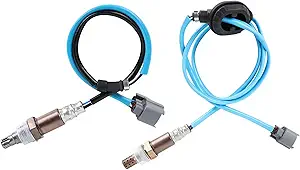 |
1. HTMXJA 2-Pack Upstream and Downstream Oxygen O2 Sensors (2349091/2344462)
| Compatible vehicles | 2008–2012 Accord L4-2.4L; 2009–2014 TSX L4-2.4L |
|---|---|
| Connector gender | Male and Female |
| Wire quantity | 4 |
| Style / Part numbers | Upstream 2349091, Downstream 2344462 |
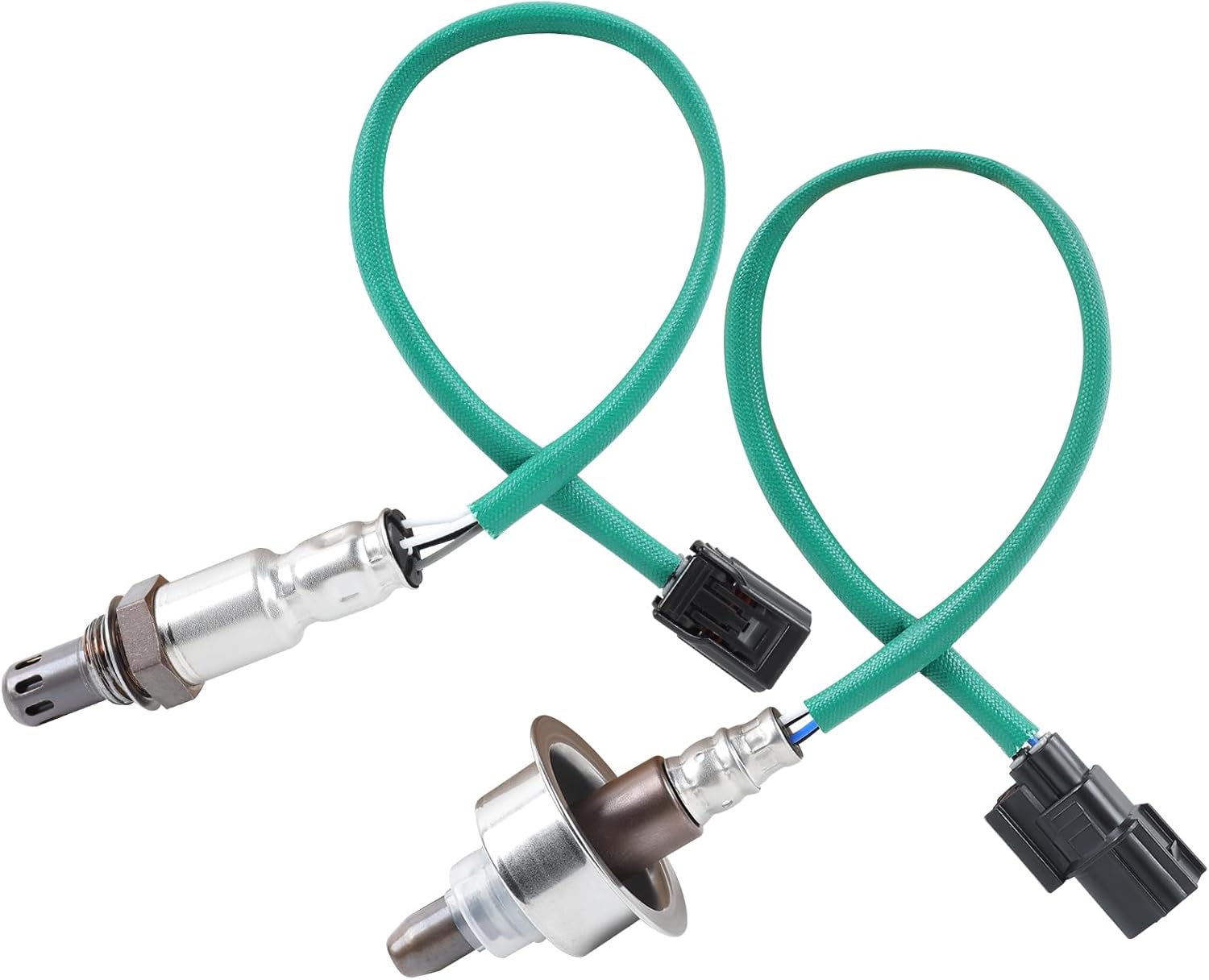
This HTMXJA kit supplies both the upstream and downstream oxygen sensors needed when diagnosing emissions or fuel-trim issues on 2.4L Honda engines. Each sensor comes with four-wire connectors in male and female genders and is meant to plug into the factory harness for a direct-fit installation. In real-world use the sensors report oxygen levels to the engine control system to help maintain proper air-fuel ratio, which can reduce fuel use and clear emission-related trouble codes when the originals have failed. Notable features include stainless steel construction, high-temperature resistance, and stated ±1% measurement accuracy. Many buyers report straightforward installation and restored drivability, though a small number have seen one sensor fail or an aftermarket unit that still triggers a check engine light. This kit is best for DIY mechanics replacing both upstream and downstream sensors at once; expect near-OEM fit but be prepared to verify connector type and part numbers before installation.
Best for: Drivers who want an affordable, complete replacement pair to restore emissions control and fuel-trim performance on a 2.4L Honda without needing wiring modifications, and who are comfortable installing sensors themselves or with basic mechanic help.
Less Ideal for: People seeking guaranteed factory-brand parts or professional shops that require OEM-branded sensors for warranty or inspection reasons should consider manufacturer-sourced replacements instead.
- Direct-fit plug-mount design for factory harness connection
- Supplies both upstream and downstream sensors so both positions are covered
- Stainless steel construction and high-temperature resistance for durability
- Four-wire connector arrangement compatible with factory wiring and straightforward installation
- Some units in reviews reported early failure or one sensor not reading correctly
Verdict: A budget-friendly two-sensor kit that gives a near-factory direct fit for Honda 2.4L engines, ideal for DIY replacements to restore emissions and fuel-trim performance.
2. Sixity Auto Downstream Oxygen Sensor for Honda Accord 2013–2017

| Mounting Type | Flange Mount |
|---|---|
| Output Type | Electrical signal |
| Upper Temperature Rating | 1500 Degrees Fahrenheit |
| Material Type | Electronic Sensor Materials (Silicon, Metals, Ceramics) |
This downstream oxygen sensor is a direct-fit replacement for 2013–2017 Honda Accord 2.0L and 2.4L L4 models and restores the vehicle’s exhaust oxygen monitoring used by the engine control system. It mounts with a flange and provides an electrical signal to the ECU so the car can adjust fuel trim and maintain proper air/fuel ratio. The sensor is rated to withstand high exhaust temperatures and is made from standard electronic sensor materials, which should make it durable for typical road use. Installation is straightforward for anyone comfortable with basic underbody work and O2 sensor sockets, and it comes with the original-style packaging and hardware for a plug-and-play swap. Limitations are the usual ones for aftermarket downstream sensors: it is a single-position replacement intended for emission monitoring rather than performance tuning, and compatibility is limited to the listed Accord model years and engine configurations. Expect OEM-style function but not specialized tuning benefits such as faster response times or performance gains.
Best for: Buyers who want a reliable factory-style replacement to restore proper emissions monitoring and fuel-trim control on a 2013–2017 Accord without modifying the engine management system.
Less Ideal for: Not a fit for people seeking sensors for performance tuning or faster response in modified engines, or for vehicles outside the listed Accord years and engines.
- Direct-fit flange mount for listed Accord 2013–2017 2.0L/2.4L L4 applications
- Provides standard electrical output for ECU fuel-trim and emissions control
- Upper temperature rating suited to exhaust conditions
- Made from common electronic sensor materials for expected durability
- Designed as a downstream/emissions monitoring sensor so it does not improve engine power or tuning response
Verdict: A straightforward downstream replacement that restores factory-style emissions sensing and fuel-trim feedback for 2013–2017 Honda Accord 2.0L and 2.4L L4 models.
3. TAUTOY Upstream and Downstream Oxygen O2 Sensor Kit (2 pcs) for Honda Accord 2.4L

| Fitment | Honda Accord 2.4L (2003–2007) per listing |
|---|---|
| Included Components | Upstream and downstream oxygen sensor (2 pcs) |
| Mounting Type | Flange Mount |
| Material Type | Stainless Steel |
| Output Type | Electrical signal |
This TAUTOY kit includes one upstream and one downstream oxygen sensor intended for 2.4L Honda Accord applications. Installed in the exhaust stream, the upstream sensor monitors oxygen content before the catalytic converter and the downstream sensor checks converter efficiency afterward, sending electrical signals the engine computer uses to trim fuel delivery. The sensors are stainless steel with flange mounts and claim high measurement accuracy and double laser-welded construction for durability. In practice this means straightforward bolt-in replacement for matching fitments, restored fuel-trim responsiveness, and the potential to clear emissions-related check-engine lights when the originals fail. Buyers should note fitment is specific to select 2003–2007 Accord configurations and some customers report occasional fit issues, so confirm connector and thread type before ordering. The kit comes as two pieces and aims to match common OEM part numbers for the application, but long-term lifespan may vary compared with higher-end name-brand sensors.
Best for: Buyers who want a practical, budget-focused repair that restores oxygen sensing and fuel-trim control on a 2.4L Accord without paying for dealer parts; good for DIYers who check connector and thread compatibility before installation.
Less Ideal for: Drivers seeking longest-possible service life or professional shops that require brand-name sensor traceability and extended proven durability should consider premium alternatives.
- Includes both upstream and downstream sensors for a complete replacement
- Stainless steel, flange-mount body with laser welding for corrosion resistance
- Designed to match common OEM part numbers for the 2.4L Accord fitment
- Provides electrical signal output for accurate air-fuel ratio control
- Fitment can be inconsistent for some vehicles so connector or thread differences may require verification
Verdict: A practical two-piece replacement that restores oxygen sensing and fuel-trim control for mid-2000s 2.4L Honda Accords at a value-oriented price.
4. MOSTPLUS Rear Downstream Oxygen Sensor for 2003–2007 Honda Accord 2.4L
| Fitment | 2003–2007 Honda Accord 2.4L (Except California) |
|---|---|
| Mounting Type | Flange Mount |
| Output Type | Push-Pull |
| Part Number | M07014 |
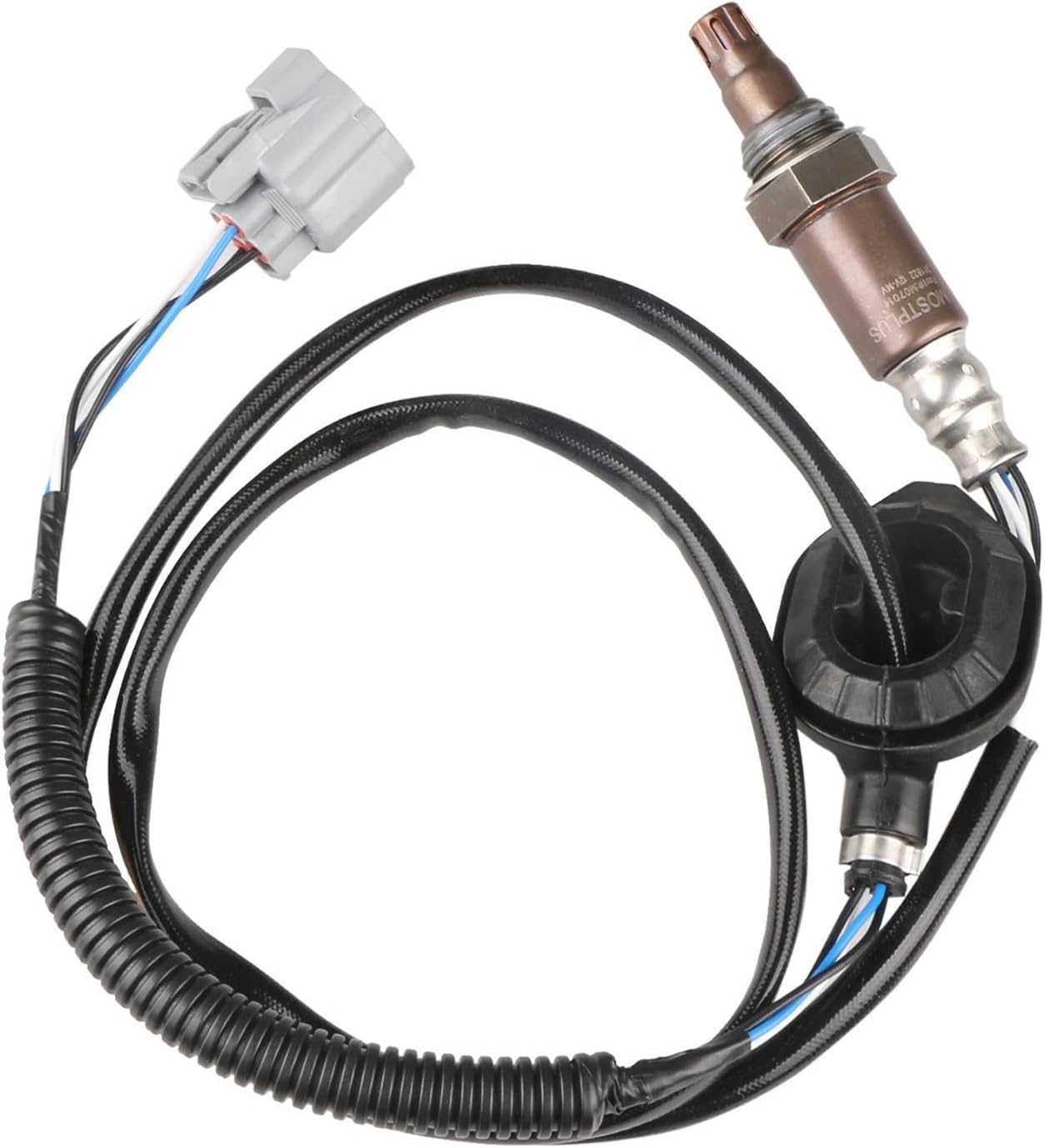
This MOSTPLUS downstream oxygen sensor is a budget-focused replacement for the 2003–2007 Honda Accord 2.4L that plugs into the factory harness and monitors exhaust oxygen levels to help the engine control module adjust the air-fuel mixture. Typical use is straightforward: remove the old downstream sensor, install this flange-mount unit and reconnect the push-pull output to restore closed-loop fuel trim monitoring. The sensor is marketed to replace common part numbers such as 234-4797 and 13704 and aims to deliver consistent signal response and improved fuel economy compared with a failing unit. Practical benefits include low cost, compatibility with Accord 2.4L downstream locations, and simple installation for a DIYer with basic tools. Limitations to note are variability in long-term reliability compared with premium name-brand sensors and some reports of fitment or build-quality inconsistencies, which means it may require replacement again sooner than a higher-end sensor. For owners prioritizing immediate repair and a low upfront cost, it is a sensible option; for those wanting maximum durability, a branded sensor may be worth the extra expense.
Best for: Buyers who need an affordable, quick replacement to clear a check-engine light and restore proper downstream O2 feedback on a 2003–2007 Accord 2.4L and who prioritize low cost over long-term warranty peace of mind.
Less Ideal for: Drivers seeking the longest-lasting, manufacturer-equivalent sensor or those who prioritize factory-brand parts and extended durability should consider higher-end branded replacements instead.
- Designed to directly replace common Honda downstream part numbers for 2003–2007 Accord 2.4L
- Low upfront cost makes it practical for budget repairs
- Flange-mount design and push-pull output fit standard factory harnesses for simple DIY installation
- Aftermarket build quality can vary and some users report earlier failure compared with OEM-brand sensors
- Not specified for California emissions systems so not suitable for vehicles with different requirements
Verdict: A cost-effective downstream oxygen sensor that restores air-fuel monitoring on 2003–2007 Accord 2.4L for drivers wanting the lowest-cost repair option.
5. Denso 234-4574 Oxygen Sensor (Replacement)
| Material | Stainless Steel, Zirconium |
|---|---|
| Mounting Type | Thread-In |
| Output Type | Electrical signal |
| Upper Temperature Rating | 1472 Degrees Fahrenheit |
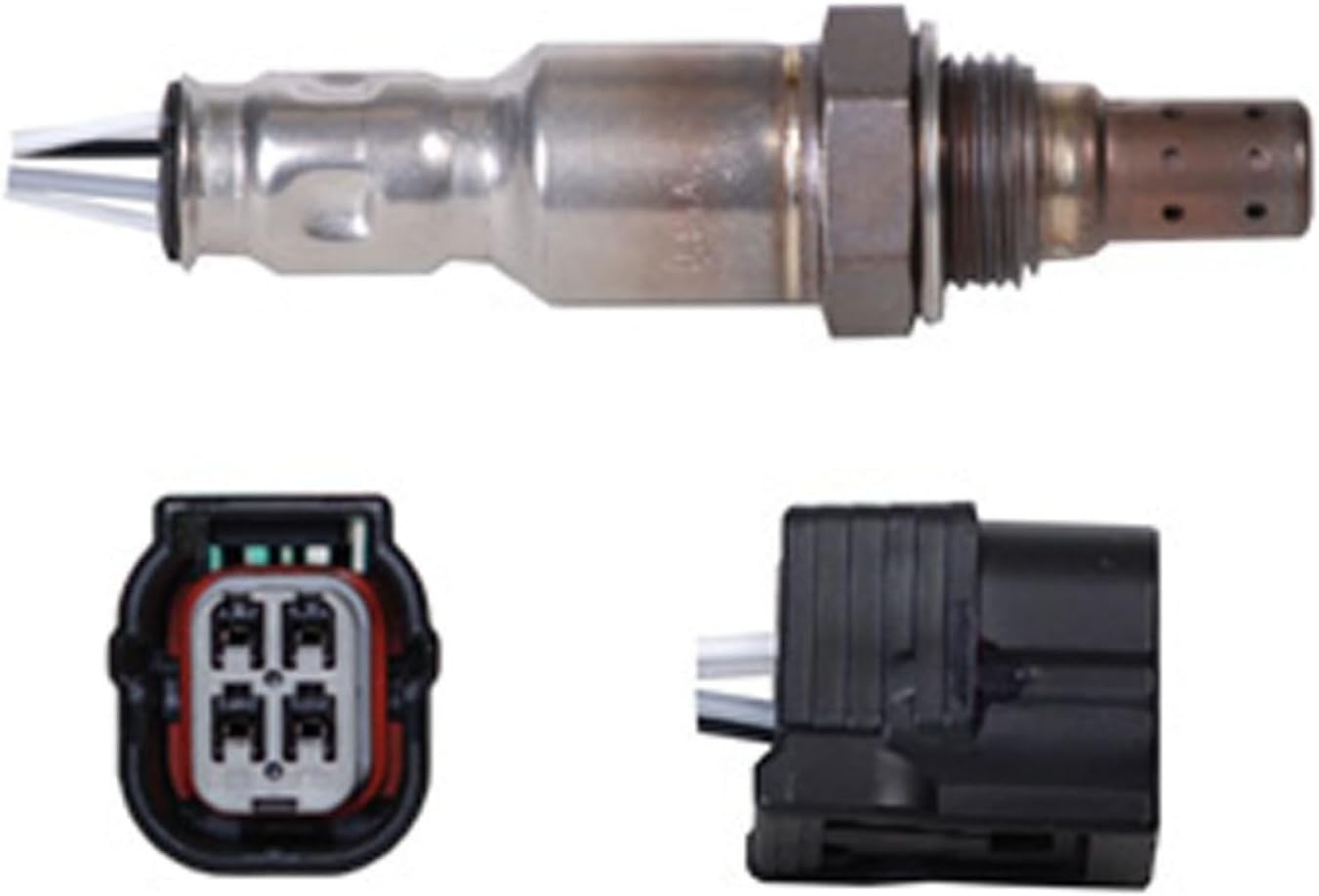
The Denso 234-4574 is a direct-replacement oxygen (O2) sensor built to restore accurate exhaust oxygen readings and help the engine control unit maintain proper air-fuel ratio. It installs as a threaded, plug-in unit and is typically used as the downstream sensor to diagnose or clear P0420 catalytic efficiency issues. Made with stainless steel and a zirconium sensing element and rated for high temperatures, the sensor supplies an electrical signal that the car’s computer uses to adjust fuel trim and monitor catalyst performance. In practice the sensor offers OEM-level fit and dependable operation that can eliminate false catalyst codes and improve drive-cycle readiness on compatible Accords. Buyers should note the wiring tip and mounting details can differ slightly from factory parts, and some light trimming or securing of the harness may be needed during installation. For drivers prioritizing long-term reliability and predictable performance, this Denso unit provides a conservative, repair-shop caliber replacement without modification to the engine management system.
Best for: Buyers who value a reliable, factory-quality replacement to restore correct oxygen sensing and resolve catalytic efficiency codes on a 2.4L Accord should choose this sensor.
Less Ideal for: If you are looking for a lower-cost generic sensor or a custom performance-modified sensor, this OEM-style replacement is not the best match.
- Factory-quality construction with stainless steel and zirconium sensing element for high-temperature durability
- Thread-in, direct-replacement design for straightforward installation
- Produces the electrical signal needed to restore accurate air-fuel feedback and help clear P0420 codes
- Widely used and recommended by technicians, with many users reporting quick resolution of catalyst efficiency faults
- Connector/wiring tip differs slightly from some factory parts which may require minor adjustments to secure the harness
Verdict: Choose the Denso 234-4574 when you want a dependable, factory-quality downstream O2 sensor to restore proper exhaust monitoring and resolve P0420-style issues on a 2.4L Accord.
6. DOSKJOK 234-9040 Heated Oxygen Sensor Upstream for Accord 2.4L (2003–2007)

| Position | Upstream |
|---|---|
| Connector | Female |
| Wire Quantity | 4 wire |
| Material Type | Stainless Steel |
| Maximum Supply Voltage | 12 Volts |
This DOSKJOK 234-9040 is a heated upstream oxygen sensor intended as a direct replacement for the 2003–2007 Accord 2.4L. It measures exhaust oxygen levels and sends an electrical signal to the engine control unit so fuel trims and emissions systems can operate correctly. Installation is straightforward: the sensor uses a flange mount with a female connector and matches the factory position so you can swap it in without modifications. Notable features include a four-wire heated design for quicker warm-up, stainless steel construction for corrosion resistance, and factory-style connector wiring. In real-world use it helps restore stable idle, reduce emissions, and improve fuel economy when an original sensor has failed or drifted. Practical limitations are that fitment is vehicle-specific so verification against part number and connector is necessary, and aftermarket sensors can vary slightly in long-term durability compared with higher-cost branded options. If you need a budget-conscious replacement that brings the air/fuel system back to proper operation, this unit covers the essentials reliably.
Best for: Buyers who want a budget-conscious, vehicle-specific replacement to restore proper air/fuel control and emissions operation on a 2003–2007 Accord 2.4L and who prioritize verified fitment and social proof when choosing parts.
Less Ideal for: People seeking a premium OEM-branded sensor with documented long-term durability studies or those who prefer to replace multiple sensors with an upgraded universal performance unit.
- Heated four-wire design provides faster sensor warm-up and stable readings at idle.
- Stainless steel construction resists corrosion and high exhaust temperatures.
- Direct-fit flange mount and matching connector allow bolt-in replacement with no wiring changes.
- Manufactured and tested to provide measurement accuracy for air/fuel feedback.
- Specific to the listed Accord application so requires careful verification of part number and connector before purchase.
- Aftermarket longevity may vary compared with higher-end OE-replacement brands.
Verdict: A cost-effective, direct-fit heated upstream oxygen sensor that restores air/fuel feedback for 2003–2007 Accord 2.4L engines.
7. HTMXJA 2‑Piece Upstream and Downstream Oxygen Sensor for 2003–2007 Accord 2.4L
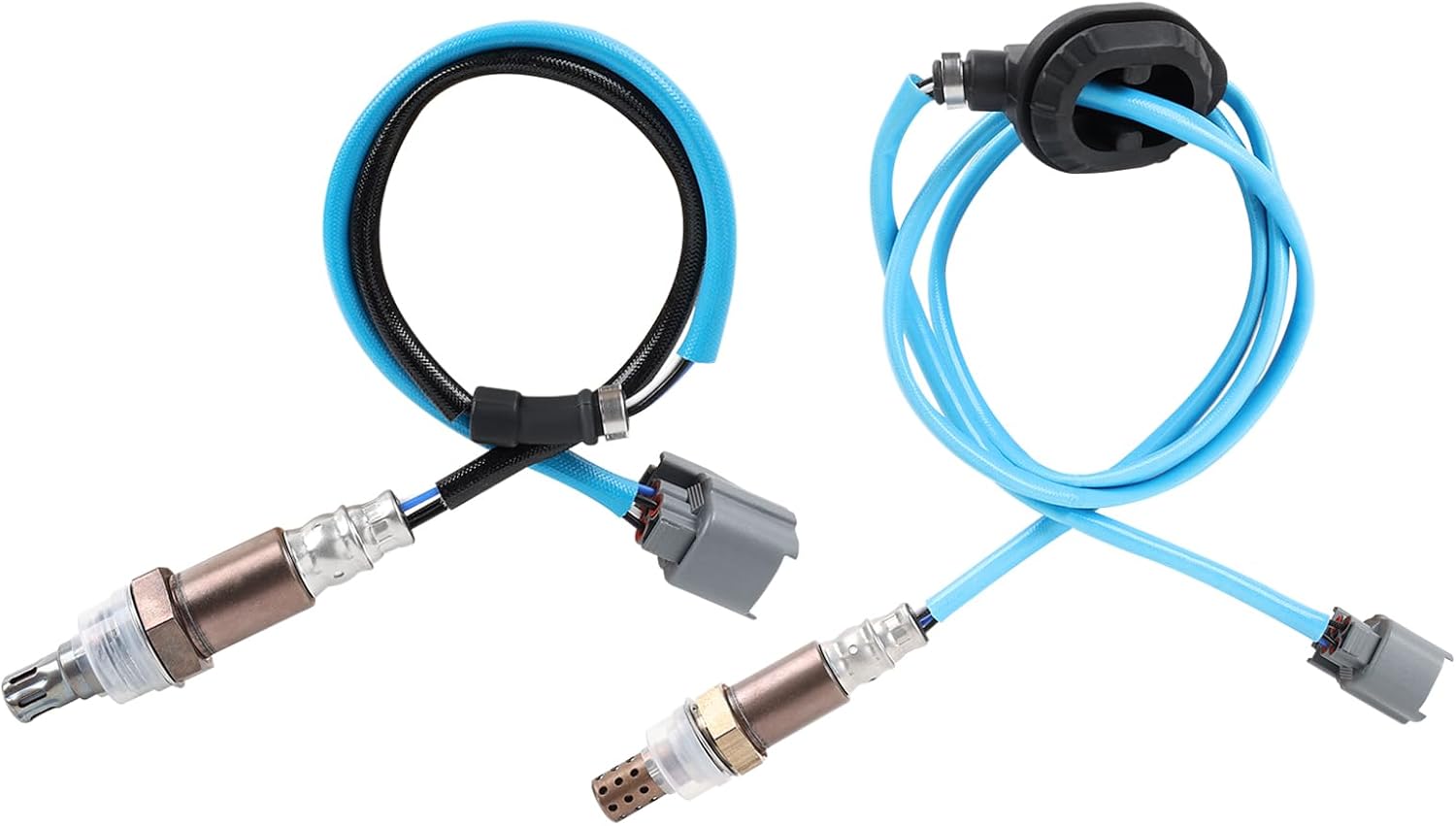
| Fitment | 2003–2007 Accord L4-2.4L |
|---|---|
| Connector Gender | Female |
| Wire Quantity | 4 |
| Length | 24in + 45in |
This HTMXJA kit supplies both the upstream and downstream oxygen sensors matched to the 2003–2007 Accord 2.4L application and is intended to restore proper air/fuel monitoring after a failed sensor. Installation is straightforward for a competent DIYer or a shop since the sensors use factory-style flange mounts and a four‑wire female connector; the kit includes two different lead lengths to reach their respective locations. Functionally the sensors provide real‑time oxygen level readings to the engine computer, which can reduce emissions and improve fuel trim when they are working. Many buyers report direct fit, anti-seize on the threads, and resolved check-engine lights, though there are occasional defects reported so you should verify operation after installation. These are aftermarket replacements, so expect the usual variability compared with factory parts; some users needed to swap or return a unit. For risk‑averse buyers this is a budget-friendly way to replace both sensors at once if you confirm compatibility with your vehicle before purchase.
Best for: Buyers who want a straightforward, lower-cost pair replacement for a 2003–2007 Accord 2.4L and prefer a direct-fit solution they can install themselves or have installed by a shop.
Less Ideal for: Drivers who prioritize exact factory-branded parts or long-term OEM-backed warranties should consider purchasing a factory replacement from the vehicle manufacturer or an authorized dealer.
- Includes both upstream and downstream sensors for a complete repair
- Factory-style flange mount and four‑pin connector for direct fit on the specified Accord application
- Different lead lengths provided to reach upstream and downstream positions
- Many buyers report cleared check-engine lights and improved fuel trim after installation
- Occasional defective units reported so you should test sensors and keep return options available
- Aftermarket part so fitment and long-term durability can vary compared with factory-quality sensors
Verdict: A cost-conscious way to replace both oxygen sensors on a 2003–2007 Accord 2.4L with factory-style fit and easy installation.
Choosing the Right Honda Accord 2.4L Oxygen Sensor: Key Factors to Consider
Fitment and Connector Match
Correct fitment is the single most important factor for the Honda Accord 2.4L oxygen sensor. A sensor that matches the thread size, hex size, and electrical connector will plug into the existing harness without splicing or adapter parts. Mismatched connectors add labor and potential points of failure, so verify the sensor is specified for the 2.4L Accord and the correct bank and position before purchase.
An accurate physical and electrical match also prevents false readings caused by poor grounding or loose connections. For bank 1 sensor 1 applications, correct orientation and harness routing reduce strain on the wiring when the vehicle is operating or when the exhaust expands and contracts with heat.
Heater Circuit Reliability
Many oxygen sensors used on the Accord include an internal heater to bring the sensor up to operating temperature quickly. A reliable heater circuit shortens warm-up time, allowing the engine control module to receive valid O2 readings sooner. This helps reduce rich or lean fuel trims during cold starts that can trigger a check engine light oxygen sensor code.
Inspect whether the sensor's heater connectors match your vehicle harness and check for documented heater current ratings. Poor heater performance can lead to delayed sensor activation and intermittent codes, especially in colder climates or for drivers who make frequent short trips.
Sensor Response Time and Stability
Response time measures how quickly the sensor reacts to changes in exhaust oxygen content. Faster response helps the ECU make timely fuel-trim corrections, improving drivability and emissions control in the Honda Accord 2.4L. Stability describes how consistently the sensor outputs voltage over time without drifting; unstable signals complicate diagnostics and can cause erratic idling or fuel economy loss.
Prioritize sensors with documented response specs or those built with sensing elements designed for quick switching between rich and lean states. Stable sensors reduce the chance of intermittent codes like P0135 being set due to erratic readings.
Durability and Environmental Resistance
The exhaust environment exposes oxygen sensors to heat cycles, contaminants, and vibration. Materials and construction quality directly affect service life. Choose sensors with protective coatings, robust housings, and corrosion-resistant threads to withstand the thermal and chemical stress of the exhaust on the Accord 2.4L.
Durability matters because failed sensors can cause persistent diagnostics, poor fuel economy, and higher emissions. A longer-lasting unit reduces repeat labor and the inconvenience of recurring failures.
Bank and Position Correctness
Understanding whether you need an upstream or downstream sensor is critical. Upstream sensors (often bank 1 sensor 1 on the 2.4L) monitor the mixture before the catalytic converter and have faster switching characteristics, whereas downstream sensors monitor converter efficiency. Installing a sensor intended for the wrong position can lead to incorrect diagnostic readings and driveability issues.
Confirm the required bank and sensor number for the Accord 2.4L before ordering. Wiring pinout and connector coding must match to ensure the ECU receives the correct signal from the intended location in the exhaust stream.
Installation Considerations and Serviceability
Practical concerns like whether the sensor includes replacement gaskets, anti-seize on the threads, and clear wiring instructions affect installation time and success. The Accord 2.4L's sensor locations sometimes require access under the vehicle or partial removal of heat shields, so sensors designed for straightforward installation reduce shop labor.
Also consider whether the sensor can be tested or bench-checked before installation to confirm heater continuity and signal output. Sensors that are serviceable and come with clear installation notes save time and reduce the chance of incorrect fit or premature failure.
Upstream Vs Downstream Sensor Roles on the 2.4L
On the Honda Accord 2.4L the upstream oxygen sensor measures exhaust oxygen levels before the catalytic converter and provides the primary input for closed-loop fuel control. This sensor needs a fast, accurate response to allow the engine control module to adjust fuel delivery in real time. A downstream sensor, located after the catalytic converter, focuses on monitoring converter efficiency rather than immediate fuel trim adjustments.
Understanding each sensor's role helps you choose the correct type and avoid installation errors. If you are diagnosing lean or rich conditions or frequent fuel-trim adjustments, start by checking the upstream sensor and its heater circuit.
- Upstream sensor: fast response, controls fuel trim
- Downstream sensor: monitors catalytic converter efficiency
- Correct bank/position must match vehicle wiring and diagnostics
Common Symptoms That Point to a Faulty O2 Sensor
Several symptoms suggest an oxygen sensor issue on the Accord 2.4L. Typical signs include persistent check-engine light codes related to oxygen sensor circuits, rough idle, poor fuel economy, or uneven acceleration. These symptoms can also arise from other systems, so confirm with proper testing before replacing a sensor.
Intermittent faults that clear after the engine warms up often indicate heater circuit problems, while constantly erratic voltage swings point to a failing sensing element. Pair symptom observation with targeted tests to identify if the sensor itself is at fault.
- Rough idle or hesitation under acceleration
- Recurring check-engine light oxygen sensor codes
- Decreased fuel economy and higher emissions
- Intermittent faults that change with engine temperature
How to Test an Oxygen Sensor on the Accord 2.4L
Basic testing begins with an inspection of wiring, connector condition, and heater circuit continuity. Use a multimeter to verify heater resistance and check for proper voltage on the sensor connector while the engine runs. Observing live voltage readings from an upstream sensor should show regular switching between low and high voltages as the engine varies between lean and rich operation.
If you encounter a code like oxygen sensor code P0135, that typically indicates a heater circuit malfunction. In that case, confirm power and ground to the heater and measure resistance. Testing before swapping parts helps avoid unnecessary replacements and pinpoints whether the sensor, wiring, or ECU circuit is responsible.
- Check wiring and connector for corrosion or damage
- Measure heater resistance with a multimeter
- Observe live voltage for switching behavior
- Investigate codes like P0135 as heater circuit indicators
Installation Tips for the Honda Accord 2.4L
When you install a replacement oxygen sensor on the Accord 2.4L, work with the engine cool and use proper tools such as an oxygen sensor socket to avoid damage. Apply anti-seize if the replacement sensor does not come with pre-applied compound, and torque to the manufacturer's specification to prevent exhaust leaks and ensure reliable grounding.
Plan for clearance around heat shields and exhaust components. If you are replacing a bank 1 sensor 1, access may be tighter and may require a lift or jack stands for a safe working height. Double-check connector pin alignment before seating the sensor to prevent bent pins and poor electrical contact.
- Use an oxygen sensor socket and torque to spec
- Apply anti-seize if not pre-applied
- Work with engine cool and ensure safe vehicle support
- Confirm connector pin alignment before installation
When to Replace Vs When to Test Further
Not every symptom requires immediate replacement of the oxygen sensor. If diagnostics show a clear heater circuit fault or a sensor that fails switching tests, replacement is appropriate. However, if wiring faults, exhaust leaks, or fuel system issues could explain the readings, address those first and retest the sensor behavior.
Use targeted testing to avoid replacing functioning sensors. Confirm heater operation, signal switching, and absence of exhaust leaks before opting for replacement. This approach reduces unnecessary labor and ensures the replacement actually resolves the issue.
- Replace when heater circuit fails or sensor does not switch
- Test wiring and exhaust leaks before swapping sensors
- Retest system after repairs to confirm the issue is resolved
Narrowband and Wideband Considerations
Most factory oxygen sensors on the Honda Accord 2.4L are narrowband units designed to switch quickly around stoichiometric air-fuel ratio for closed-loop control. Wideband sensors provide a broader voltage range and more precise air-fuel ratio data but are typically used in tuning and performance monitoring rather than stock ECU control.
For routine replacement on the Accord 2.4L, choose a sensor that matches the original narrowband characteristics and heater configuration. Installing a different sensor technology without ECU support can produce incorrect readings and diagnostics.
- Factory-style narrowband sensors are the standard replacement
- Wideband sensors are for tuning and require ECU support
- Match sensor technology to the vehicle's control system
Still looking for the perfect fit?
Select your Honda Accord configuration to see the most relevant Oxygen Sensors recommendations
How We Chose the Best Honda Accord 2.4L Oxygen Sensor
We focused on factors that matter for Honda Accord 2.4L owners and used consistent editorial filters to narrow the field. Primary evaluation criteria included sensor fitment accuracy for the 2.4L configuration, electrical connector and thread compatibility, and correct bank and position alignment so the unit matches the vehicle's wiring and exhaust layout. We assessed sensor response time and signal stability because faster, consistent readings reduce fuel-trim errors and limit unwanted check-engine light events.Durability and materials were included, emphasizing high-temperature resistance and corrosion protection for long service life in the Accord's exhaust environment. We also weighed heater circuit reliability for heated sensors, since a working heater shortens warm-up time and ensures correct operation in cold starts. Ease of installation and availability of replacement hardware were considered to minimize shop time.Exclusions: we excluded any units that do not match the 2.4L Accord's connector or thread spec, sensors with unverified heater circuit compatibility, and products lacking basic durability details. Our final picks reflect sensors that score well across electrical fit, response characteristics, build quality, and practical installation notes.
Our full evaluation process is outlined in our review methodology.
FAQ
How long do oxygen sensors last on the Honda Accord 2.4L?
Oxygen sensors often last many years but lifespan depends on driving conditions and exposure to contaminants. Typical service life ranges widely, so watch for gradual symptoms like poorer fuel economy or intermittent codes and test the sensor rather than replacing solely on age.
Will a bad oxygen sensor cause the check engine light to stay on?
Yes, a failing sensor or its heater circuit can set persistent check-engine light oxygen sensor codes. However, similar codes can also be triggered by wiring issues or exhaust leaks, so confirm with diagnostic testing before replacing the sensor.
Can I install a replacement oxygen sensor myself on the Accord 2.4L?
Many technicians and DIYers can replace an oxygen sensor with basic tools and safe vehicle support. Use an oxygen sensor socket, torque to specification, and verify connector compatibility. If access is tight or wiring inspection is needed, consider professional assistance.
What does the P0135 code indicate on my Accord 2.4L?
Code P0135 typically points to a heater circuit malfunction for the upstream oxygen sensor. It is wise to check for power, ground, heater continuity, and connector issues before installing a new sensor, because wiring faults or blown fuses can also trigger the same code.
How can I test if the oxygen sensor is switching correctly?
You can monitor live voltage readings from the upstream sensor with a scan tool or multimeter while the engine is at operating temperature. A properly switching narrowband sensor will alternate between low and high voltage as the ECU adjusts fuel trim during normal operation.
Does installing a new oxygen sensor reset fuel trims immediately?
A new sensor provides cleaner, more accurate signals, but the ECU may take several driving cycles to relearn steady fuel trims. Expect incremental improvement in fuel economy and emissions as the engine control system adapts to the new sensor readings.
Final Verdict
For the Honda Accord 2.4L, prioritize fitment accuracy, heater circuit reliability, and fast, stable sensor response when choosing an oxygen sensor. Confirm the required bank and position, test existing wiring and heater circuits, and address exhaust leaks before replacing the sensor to ensure the repair resolves the underlying issue.Selecting a sensor that matches the vehicle's electrical and mechanical specifications yields the most reliable outcome. Focus on correct fit, proven durability, and straightforward installation to restore proper fueling and reduce the chance of recurring diagnostic trouble codes.
Explore More:
- Check out all Honda Accord parts & accessories
- Explore Oxygen Sensors Maintenance & Repair Guides
- Explore Engine
- Browse all Auto Parts
