

Note: This article contains affiliate links. If you click on these links and make a purchase, I may earn a small commission at no extra cost to you. This helps support my research and content. Read my full affiliate disclosure here.
If your Honda Accord is showing uneven fuel economy, rough idling, or a persistent check engine light related to an oxygen sensor, choosing the right Bank 1 Sensor 2 oxygen sensor matters. This guide focuses on the specific sensor location and function labeled Bank 1 Sensor 2 for the Accord so you can pick a replacement that restores proper closed-loop fueling and reduces emissions faults.We shortlisted seven top options with the Accord fitment in mind and evaluated each against practical criteria like compatibility, sensor durability, and electrical performance. Below you will find the reasons each option made the list and what to watch for when installing or testing the sensor.
Looking for other parts? See all Honda Accord parts & accessories.
Top Picks at a Glance
| Best Overall The best all-around choice for most situations | HTMXJA 2-Pack Upstream and Downstream Oxygen Sensors for 2003–2007 Accord 2.4L | 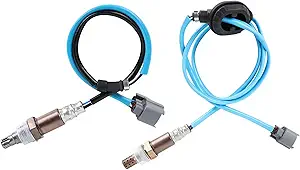 |
| Best Quality Built to a higher standard if you want something more solid | Denso Rear Oxygen (O2) Sensor 234-4797 |  |
| Best Value The sweet spot between price and what you get | FEBYPATIM 2-Pack Oxygen Sensors (Upstream 234-9091 & Downstream 234-4462) |  |
| Best Budget The cheapest option that still gets the job done reliably | Marsflex 234-4797 Downstream Oxygen Sensor for Honda Accord 2.4L |  |
| Highest Rated A top-rated pick with lots of positive feedback | Denso 234-4621 Replacement Oxygen (O2) Sensor |  |
| Most Popular A crowd favorite that many people choose with confidence | Yeoflagtrade Oxygen Sensor 234-4368 (Downstream) |  |
| Best Seller A high-volume bestseller chosen again and again | TRQ O2 Oxygen Sensor, Heated Wide-Band, Direct-Fit (OSA61770) |  |
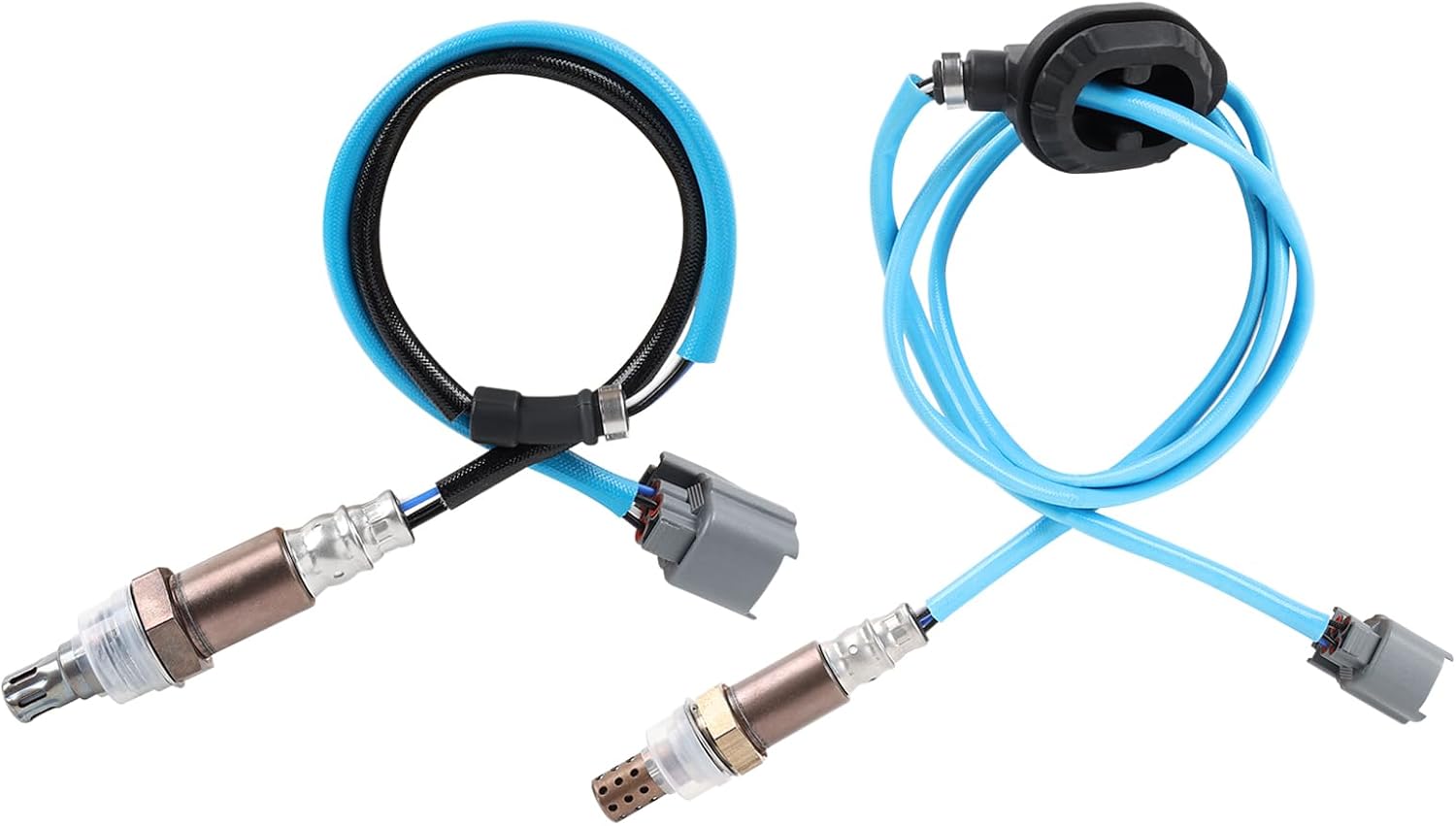
1. HTMXJA 2-Pack Upstream and Downstream Oxygen Sensors for 2003–2007 Accord 2.4L
| Fitment | 2003-2007 Accord L4-2.4L |
|---|---|
| Connector Gender | Female |
| Wire Quantity | 4 |
| Output Type | Analog |
| Mounting Type | Flange Mount |
This 2-piece oxygen sensor kit replaces both the upstream and downstream sensors on 2003–2007 Accord 2.4L models and is aimed at restoring proper fuel trim and emissions monitoring. Each sensor matches the common connector style and comes with pre-attached wiring of different lengths for straightforward routing to the factory harness. In practice the sensors monitor exhaust oxygen in real time to help the engine control unit maintain efficient combustion and can clear emissions-related trouble codes when the original sensors have failed. Buyers report easy, direct-fit installation and included anti-seize on the threads simplifies future removal. Longevity may vary with heat exposure and driving conditions since results are mixed in reviews, and one reported defective upstream unit shows quality can be inconsistent. This kit is useful for DIYers and technicians who need a cost-effective replacement that follows factory fitment, but expect aftermarket variability compared with a factory-quality part.
Best for: Drivers who want an affordable, ready-to-install replacement pair to restore fuel trim and emissions monitoring on a 2003–2007 Accord 2.4L, and who are comfortable fitting aftermarket parts themselves or with a local mechanic.
Less Ideal for: People who need guaranteed factory-spec performance or long-term durability for high-mileage or heavily modified engines should consider a factory-quality or premium OEM-equivalent sensor instead.
- Includes both upstream and downstream sensors to replace a full bank 1 sensor pair
- Pre-attached wiring with two different lengths for easier routing to the factory connector
- Direct-fit flange mount design intended to match factory specifications
- Customers report easy installation and anti-seize on threads for simpler future removal
- Inconsistent quality reported by some buyers, including occasional defective units
- Aftermarket unit may not always prevent an engine light if vehicle expects a factory sensor calibration
Verdict: A cost-effective, direct-fit upstream and downstream sensor pair for 2003–2007 Accord 2.4L owners who want a practical fix to restore emissions monitoring and fuel economy.
2. Denso Rear Oxygen (O2) Sensor 234-4797

| Brand | Denso |
|---|---|
| Material | Stainless Steel, Zirconium |
| Mounting Type | Flange Mount |
| Measuring Range | 0-20% O2 |
| Position | Rear |
This Denso rear oxygen sensor replaces the factory unit on supported Acura TSX and Honda Accord model years and is intended to restore proper exhaust oxygen readings after a failed sensor. It connects into the factory wiring harness and threads into the exhaust near the catalytic converter; Denso includes anti-seize and installation directions to simplify a DIY swap. The sensor uses a zirconium sensing element with protective layers Denso says resist contamination for longer service life, and buyers report it clears check-engine codes and returns fuel trim and economy to expected levels. Fit is generally vehicle-specific so installation is straightforward when you have an oxygen-sensor socket and basic hand tools, though some owners note the wiring cover and grommet differ slightly from older factory parts. If you need a reliable, factory-quality replacement that performs like the original, this sensor is a practical choice for restoring emission control and drivability, but expect to follow standard removal tips such as applying penetrating oil to seized fittings and having the right socket for a clean install.
Best for: Buyers who want a near-factory replacement to restore proper oxygen sensing and emissions performance on the specified Accord/TSX models and prefer a part designed to match factory fit and function.
Less Ideal for: Drivers who need a universal or multi-vehicle sensor option or who require an upgraded high-performance sensor beyond factory-equivalent specifications should consider other products.
- Designed as a direct, vehicle-specific replacement for listed Acura TSX and Honda Accord years
- Includes anti-seize compound and installation directions for easier installation
- Zirconium sensing element with protective layer intended to resist contamination and extend service life
- Consistent user reports of clearing check-engine codes and restoring fuel economy
- Wiring cover and grommet may differ from original part design which can require minor routing adjustments
Verdict: A vehicle-specific, factory-quality rear O2 sensor that reliably clears emission codes and restores fuel trim for the listed Honda Accord and Acura TSX models.
3. FEBYPATIM 2-Pack Oxygen Sensors (Upstream 234-9091 & Downstream 234-4462)

| Included components | Upstream 234-9091 and Downstream 234-4462 (2 sensors) |
|---|---|
| Mounting type | Plug-In Mount |
| Material type | Ceramic, Stainless Steel |
| Specific uses for product | Replacement part for listed Honda/Acura 2.4L engines |
This two-piece FEBYPATIM oxygen sensor set supplies an upstream 234-9091 and a downstream 234-4462 intended as direct replacements for specific 2.4L Honda and Acura engines. The sensors mount with standard plug-in connectors and use ceramic sensing elements in stainless housings, so installation is straightforward when the original plugs and thread sizes match. In real-world use these sensors monitor exhaust oxygen to help the engine computer trim fuel mixture, which can clear a check-engine light and restore expected fuel economy and emissions behaviour. Buyers report accurate fit, correct wire length, and anti-seize on the threads which eases future removal. Potential downsides are the usual extra effort to extract stubborn original sensors during swap and some reports that the sensor wiring feels less robust than factory parts. The set includes both positions for vehicles that require both sensors and comes with a two-year warranty from the seller.
Best for: Buyers looking to restore proper fuel trim and clear emissions-related warnings with a cost-effective replacement set for the specified Honda and Acura 2.4L engines; ideal for DIY installers who prioritize correct fit and straightforward installation.
Less Ideal for: People who need factory-brand parts for long-term OEM-level durability or those replacing sensors on vehicles outside the stated compatible models should look elsewhere.
- Sold as a matched upstream and downstream pair for full replacement
- Plug-in mount and matching connectors reduce installation hassle
- Ceramic sensing element and stainless housing for high-temperature durability
- Includes anti-seize on threads to simplify future removal
- Two-year seller warranty for added confidence
- Wiring looks and feels slightly less heavy-duty than factory sensors
Verdict: A practical matched upstream/downstream O2 sensor pair that restores factory-style fit and function at a much lower cost than dealer parts for compatible Honda and Acura 2.4L models.
4. Marsflex 234-4797 Downstream Oxygen Sensor for Honda Accord 2.4L

| Measurement Range | λ=0.7- ∞ |
|---|---|
| Response Time | 8 seconds |
| Lower Temperature Rating | 150 Degrees Celsius |
| Upper Temperature Rating | 930 Degrees Celsius |
| Maximum Supply Voltage | 15 Volts |
The Marsflex 234-4797 is a downstream O2 sensor intended as a direct replacement for Honda Accord and compatible Acura TSX 2.4L applications. It monitors exhaust oxygen to help the engine computer maintain correct air-fuel ratio and keep emissions and fuel economy in check. The sensor is flange-mounted, produces an electrical signal, and includes a 47.2 inch cable for easy routing to the factory connector. Specified temperature ratings and a heater allow operation across wide thermal conditions and the listed response time means it will react fast enough for normal driving and diagnostics. Practical benefits include straightforward swap-in installation when the plug and bung match, improved drivability compared with a failing sensor, and the supplier notes manufacturing to factory specifications. Limitations are that fit must be carefully confirmed against your vehicle and replacing downstream sensors alone can sometimes leave related codes if other sensors or the catalytic converter are aged. For budget-focused buyers this unit offers a low-cost way to restore proper O2 sensing, but verify connector and exact part cross-reference before purchase.
Best for: Buyers looking for a low-cost, direct-replacement downstream O2 sensor to restore proper emissions sensing and fuel trim on older Honda Accord 2.4L vehicles.
Less Ideal for: Drivers wanting a multi-sensor kit, universal fit parts, or those who prefer OEM-branded components should consider other options or consult a dealer.
- Made to match factory fit and function for listed Honda Accord 2.4L applications
- Includes long 47.2 inch cable for easier installation and routing
- Heated design and wide temperature ratings support reliable operation in varied conditions
- Direct electrical output and flange mount make it compatible with standard replacement procedures
- Compatibility depends on exact plug and bung shape so misfit is possible if not confirmed
- Sold as a single downstream sensor so replacing in pairs is not included
Verdict: A budget-friendly downstream replacement that restores proper oxygen sensing for Accord 2.4L engines when fitment is confirmed.
5. Denso 234-4621 Replacement Oxygen (O2) Sensor

| Manufacturer | Denso |
|---|---|
| Mounting Type | Thread-In |
| Output Type | Digital |
| Material | Stainless Steel, Zirconium |
| Upper Temperature Rating | 1562 Degrees Fahrenheit |
This Denso 234-4621 is a threaded, four-wire downstream (Bank 1 Sensor 2) oxygen sensor built to match factory fit and function for the listed Acura and Honda applications. It installs in place of the original sensor and plugs into the stock harness, so typical use is a direct swap when a check engine code indicates a failing downstream O2 sensor or during emissions troubleshooting. Notable features include a corrosion-resistant stainless steel body, a zirconia sensing element for faster response, a PTFE filter to block contaminants, and an integrated wiring harness long enough to reach factory connectors. In practice that means more reliable oxygen readings, potential improvement in fuel trim control, and straightforward installation with common O2 sockets. Limitations are that it is a narrow-band sensor intended for specific older Honda/Acura models so it is not a universal wideband solution and longevity depends on exposure to contaminants and exhaust conditions. Also a small number of users report fitment or connector engagement issues on nonlisted vehicles, so confirm exact vehicle compatibility before ordering.
Best for: Buyers who prioritize a reliable, factory-quality replacement to clear downstream O2 codes and restore proper emissions and fuel trim on the specified Honda and Acura models.
Less Ideal for: Drivers needing a wideband sensor for tuning or nonlisted vehicles with different connector or thread specifications should look for alternatives designed for those uses.
- Factory-style fit for listed Honda and Acura applications for straightforward replacement
- Stainless steel construction and PTFE filter improve corrosion resistance and protect the sensing element
- Zirconia sensing element and digital output give responsive, accurate narrow-band readings
- Four-wire design and pre-attached wiring harness plug into stock connector without splicing
- Designed as a narrow-band downstream sensor so it is not suitable if you need a wideband or performance measurement sensor
Verdict: Choose this Denso sensor when you want a dependable, factory-quality downstream replacement to reliably clear Bank 1 Sensor 2 faults on the supported Honda and Acura models.
6. Yeoflagtrade Oxygen Sensor 234-4368 (Downstream)

| Maximum Supply Voltage | 5 Volts (DC) |
|---|---|
| Measurement Accuracy | ±1% |
| Mounting Type | Flange Mount |
| Output Type | Analog |
This Yeoflagtrade downstream oxygen sensor replaces factory sensors on a number of early 2000s Acura and Honda models and is intended to restore proper exhaust oxygen measurement for the vehicle control system. It mounts via a flange and provides an analog output with a stated maximum supply voltage of 5 V and a quoted measurement accuracy of plus or minus 1 percent. In practice the sensor is used as a direct replacement during routine repairs to clear lean/rich codes or after exhaust work; installation requires removing the old sensor, cleaning the threaded port, and tightening the new sensor so the wiring is not strained. The stainless steel construction and single-pack delivery make it straightforward for DIY installation or a shop swap. Limitations to note are that fitment is specific to listed Acura and Honda engines and years so buyers should confirm exact compatibility before purchasing and that this is a basic downstream sensor without any advanced heated or active diagnostics beyond analog output.
Best for: Buyers who want a budget-friendly, direct replacement downstream oxygen sensor for older Acura or Honda V6/L4 models and who prioritize clear fitment information and measurable sensor accuracy.
Less Ideal for: Drivers looking for a plug-and-play sensor for late-model vehicles or an upgraded performance/fast-heating sensor should consider other options.
- Direct-replacement fit listed for multiple Acura and Honda models and engine years
- Stainless steel construction improves durability in exhaust environments
- Analog output with a clear maximum supply voltage specification simplifies compatibility with factory systems
- Quoted measurement accuracy of ±1% suggests precise oxygen sensing for emissions control
- Fitment limited to the specific years and engines listed so it is not a universal sensor
- No explicit mention of an integrated heater element which can slow warm-up compared with heated sensors
Verdict: A practical, accuracy-focused downstream replacement for older Acura and Honda models when you need a reliable factory-style oxygen sensor swap.
7. TRQ O2 Oxygen Sensor, Heated Wide-Band, Direct-Fit (OSA61770)

| Mounting Type | Flange Mount |
|---|---|
| Output Type | electrical signal |
| Upper Temperature Rating | 1600 Degrees Fahrenheit |
| Material Type | Ceramic |
This TRQ oxygen sensor is a direct-fit, pre-assembled wide-band sensor with a built-in heater that replaces a factory unit without modifications. It is typically used as Bank 1 Sensor 2 replacement to restore fuel trim accuracy after a failing downstream sensor. The sensor is ceramic with a flange mount and a long upper temperature rating, and TRQ highlights corrosion protection with 310S double-layered stainless steel around the sensor body. For a risk-averse buyer the appeal is clear: it arrives calibrated for application-specific fit, includes step-by-step installation resources, and aims to recover fuel economy and reduce emissions. Practical benefits include simpler installation compared with universal sensors and the heater circuit that helps reach operating temperature quickly for reliable closed-loop operation. Limitations are that compatibility must be confirmed for your exact model and the part is an aftermarket replacement rather than a factory sensor, so some buyers may prefer an OEM-branded unit for dealer-level matching.
Best for: Buyers who prioritize a low-risk, straightforward replacement to restore fuel trim and emissions control with minimal installation fuss and clear installation guidance.
Less Ideal for: Drivers seeking an exact factory-branded sensor from the original vehicle maker or those who prefer dealer-installed parts for warranty or diagnostic coverage.
- Direct-fit, pre-assembled design simplifies installation with no modifications
- Heated wide-band sensor supports faster warm-up and stable closed-loop control
- Double-layered 310S stainless steel protection improves durability against moisture and debris
- Pre-calibrated for application-specific replacement to restore fuel economy and emissions
- Aftermarket unit rather than factory-branded sensor which some buyers prefer
Verdict: A risk-averse, direct-fit aftermarket wide-band heated oxygen sensor that makes Bank 1 Sensor 2 replacement simple and helps restore fuel economy and emissions control.
Choosing the Right Honda Accord Bank 1 Sensor 2 Oxygen Sensor: Key Factors to Consider
Fitment and Connector Type
Correct fitment is the first thing to confirm because the sensor must match the Accord exhaust thread size, reach, and the vehicle's wiring harness connector. A sensor with the wrong thread length or incompatible plug will either not reach the intended sampling location in the exhaust stream or will place the sensing element in a zone with erroneous readings, which affects fuel trim correction.
Connector type matters for a clean electrical connection. Sensors designed for the Accord will match the factory connector or include a compatible pigtail, reducing the risk of poor electrical contact, corrosion, or wiring modifications. Proper mechanical fit also simplifies installation and reduces the likelihood of exhaust leaks at the mounting boss.
Heater Circuit and Warm-Up Time
Bank 1 Sensor 2 sensors typically include an internal heater to bring the sensing element up to operating temperature quickly. Faster warm-up reduces the time the engine runs in open-loop mode, improving emissions and fuel economy from cold start onward. Verify the replacement sensor has a heater circuit rated for the Accord so the vehicle's control module sees expected current draw and temperature profiles.
A mismatched heater resistance or missing heater can trigger diagnostic trouble codes and prolong closed-loop entry. For owners who frequently drive short trips, a reliable heater circuit has a notable impact on real-world emissions performance and drivability.
Sensor Response and Electrical Specs
The oxygen sensor must respond quickly and predictably to oxygen level changes in the exhaust. Look for sensors with documented response times and stable voltage characteristics that match the expectations of the Accord engine management. Electrical specifications such as impedance, voltage output range, and heater resistance influence how the ECU interprets sensor signals and adjusts fuel trims.
A slow or erratic sensor can cause lean or rich running flags, rough idle, and increased emissions. Choosing a sensor with consistent electrical behavior helps maintain smooth closed-loop fueling corrections and steady combustion.
Durability and Contaminant Resistance
Sensors in the Bank 1 Sensor 2 position are exposed to high exhaust temperatures and potential contaminants. Durable sensing elements and protective coatings reduce degradation from soot, oil, or coolant traces that can coat the cell and reduce sensitivity. Corrosion-resistant materials on threads and housings prevent seizure and facilitate future replacement.
Consider how the sensor handles thermal cycling and exposure to exhaust byproducts. A more robust sensor will maintain performance longer, reducing repeat labor and avoiding new fault codes related to sensor drift.
Warranty and Support
Warranty length and support options are practical decision factors because they reflect the manufacturer's confidence in the sensor and give the owner recourse if early failures occur. A clear warranty that covers premature failure due to electrical or material defects reduces long-term ownership risk.
Also consider availability of technical support or documentation regarding electrical specs and installation notes. Good documentation helps ensure you match heater resistance and connector pinout correctly during installation, reducing troubleshooting time.
Ease of Installation and Serviceability
Ease of installation affects whether the job is a straightforward DIY task or requires professional service. Sensors that match the factory thread pitch, include anti-seize where appropriate, and provide a correct-length wiring pigtail reduce the chance of errors during replacement. Accessibility of the sensor location on the Accord can compound installation difficulty, so a part that accounts for common undercarriage constraints is helpful.
Serviceability also includes availability of replacement hardware or plug-in harness adapters. A design that facilitates future removal without damaged threads or seized housing saves time and money over multiple service cycles.
Understanding the Role of Bank 1 Sensor 2 on the Accord
Bank 1 Sensor 2 is the downstream oxygen sensor located after the catalytic converter on the same bank as cylinder one. Its primary role is to monitor converter efficiency and provide the engine control module with post-conversion oxygen readings rather than direct fuel trim control.
Because this sensor evaluates how well the catalytic converter is reducing emissions, its behavior directly affects emissions diagnostics and can trigger a check engine light when readings fall outside expected patterns. Knowing this function helps you diagnose whether a fault is sensor-related or indicative of converter or exhaust system issues.
- Monitors catalytic converter efficiency rather than immediate fuel trims
- Typically slower to respond than upstream sensors
- Commonly integrated with a heater circuit to maintain operating temperature
Common Symptoms That Point to Bank 1 Sensor 2
Symptoms that suggest a failing Bank 1 Sensor 2 include persistent check engine light oxygen sensor fault codes, rough idle, decreased fuel economy over time, and failed emissions checks. Unlike upstream sensors, downstream readings may be more about converter efficiency, so symptoms can be subtle until the CEL appears.
You might notice fluctuating live data that does not stabilize after warm-up or an inability to clear emissions-related fault codes even after other issues were addressed. These symptoms help prioritize whether to test or replace the downstream sensor.
- Check engine light with emission-related codes
- Failed emissions test driven by poor downstream readings
- Inconsistent live sensor voltage after heated operation
How to Test a Bank 1 Sensor 2 on an Accord
Testing the downstream oxygen sensor involves verifying the heater circuit and measuring the sensor voltage behavior with the engine at operating temperature. Start by checking the heater resistance against the manufacturer specification and confirming that the sensor receives appropriate voltage and ground at the connector.
Next, observe live voltage traces. Downstream sensors usually show less dramatic oscillation than upstream units; you are looking for stability and voltages within expected ranges. If the heater does not bring the sensor to operating temperature, or voltages are erratic, the sensor may need replacement.
- Measure heater resistance with a multimeter
- Check for proper power and ground at the sensor connector
- Observe live voltage after warm-up; expect steadier readings than upstream sensors
Installation Tips for a Smooth Swap
When you replace the Bank 1 Sensor 2, prepare the vehicle by running it to warm the exhaust slightly so the sensor comes out more easily, but let components cool enough to work safely. Use the correct oxygen sensor socket to avoid damaging the hex or sensor body. Apply anti-seize only if the replacement part recommends it and avoid contaminating the sensing tip.
Ensure electrical connectors are clean and fully seated. If the replacement includes a pigtail, route it away from hot exhaust pipes and secure it to existing clips. After installation, clear codes and perform a short drive cycle to confirm the sensor reaches operating temperature and reports stable readings.
- Use the correct sensor socket and torque to factory spec
- Avoid contaminating the sensing tip with grease or anti-seize
- Secure the wiring harness away from heat sources
When the Check Engine Light Shows an Oxygen Sensor Code
A check engine light oxygen sensor code can come from several conditions beyond a failed sensor, including wiring faults, exhaust leaks, or catalytic converter degradation. For the Accord, a downstream sensor code often points to converter performance, but you should still verify the sensor heater and signal integrity before assuming converter failure.
Start diagnostic steps by scanning codes, inspecting wiring and connectors, and testing the sensor heater and signal output. If the sensor tests within spec yet converter efficiency is poor, further exhaust inspection or catalytic component evaluation may be necessary.
- Scan and record all related codes before replacing parts
- Inspect wiring and connectors for corrosion or damage
- Test sensor heater and signal before concluding converter failure
Maintenance Practices to Extend Sensor Life
Routine maintenance that reduces the risk of premature sensor failure includes timely oil and coolant leak repairs and avoiding excessive engine blow-by. Contaminants like oil or coolant in the exhaust will coat the sensing element and degrade response. Using the correct engine tune and keeping ignition and fuel systems in good condition prevents unburned fuel that can foul the sensor.
If you frequently drive short trips, be aware that repeated cold cycles place additional stress on heater elements. Periodic inspections of the exhaust system for leaks and ensuring the engine reaches normal operating temperature on longer drives will help maintain sensor performance.
- Repair oil or coolant leaks promptly
- Keep ignition and fuel systems properly tuned
- Include periodic longer drives to allow full heater operation
Still looking for the perfect fit?
Select your Honda Accord configuration to see the most relevant Oxygen Sensors recommendations
How We Chose the Best Honda Accord Bank 1 Sensor 2 Oxygen Sensor
We prioritized parts that directly address the common failure modes and installation realities for the Bank 1 Sensor 2 location on Honda Accord engines. Our selection framework included fitment correctness to Accord exhaust routing and connector type, sensor response speed and electrical stability, and materials/durability against exhaust heat and contamination. We also weighed ease of installation, including thread and heater circuit compatibility, and the availability of OE-matching connectors or pigtails.Testing and feedback-focused factors included reported post-installation drivability outcomes, how well the sensor enabled steady closed-loop operation, and resistance to common contaminants like oil or coolant cross-contamination. We excluded generic multi-vehicle listings lacking explicit Accord fitment or sensors without the required heater circuit specifications.Finally, we filtered out listings with incomplete electrical specs or unclear warranty support. The remaining selections reflect parts that meet the key electrical, thermal, and mechanical demands of the Bank 1 Sensor 2 position on the Honda Accord.
Our full evaluation process is outlined in our review methodology.
FAQ
How does Bank 1 Sensor 2 differ from Bank 1 Sensor 1 on the Accord?
Bank 1 Sensor 1 is the upstream sensor located before the catalytic converter and directly influences fuel trim adjustments, while Bank 1 Sensor 2 is downstream and primarily monitors catalytic converter efficiency. The downstream sensor typically shows steadier voltages and is less involved in real-time mixture control.
Will a bad Bank 1 Sensor 2 cause poor fuel economy?
A failing downstream sensor can indirectly affect fuel economy if it causes the engine control unit to run conservative diagnostic strategies or if related issues also affect the upstream sensor. However, fuel economy changes are usually more directly tied to upstream sensor performance.
Can I test the oxygen sensor without special tools?
Basic checks like verifying heater resistance and inspecting connectors can be done with a multimeter. For live signal observation and dynamic testing you will need a scan tool or oscilloscope to view voltage behavior while the engine is running.
Should I replace the sensor if I see code P0135 on my Accord?
Code P0135 indicates a heater circuit malfunction for an oxygen sensor. Before replacing the sensor, check wiring, fuses, and power supply to the heater. If the heater circuit is confirmed faulty or the sensor fails heater resistance tests, replacement is warranted.
Is it safe to drive with a faulty Bank 1 Sensor 2?
You can usually drive short distances with a failing downstream sensor, but persistent faults may lead to emissions failures and potential catalyst damage over time. Address the issue promptly to avoid compounding problems.
Do I need a professional to install the sensor on an Accord?
Many owners can perform the swap with basic hand tools and an oxygen sensor socket, provided they verify fitment and wiring compatibility. If the sensor location is hard to access or wiring needs modification, professional service ensures correct installation.
Final Verdict
When replacing the Bank 1 Sensor 2 on a Honda Accord, prioritize correct fitment, heater circuit compatibility, and proven electrical performance. Tradeoffs usually involve choosing between a sensor with faster response or one built for longer-term durability; for most Accord owners a balance of accurate signaling and robust materials is ideal.Focus on parts that match the vehicle connector and heater specs, verify installation and wiring, and test the sensor after fitting to confirm steady downstream readings. Taking these steps will help you restore reliable emissions monitoring and avoid repeat repairs.
Explore More:
- Check out all Honda Accord parts & accessories
- Explore Oxygen Sensors Maintenance & Repair Guides
- Explore Engine
- Browse all Auto Parts
