

Note: This article contains affiliate links. If you click on these links and make a purchase, I may earn a small commission at no extra cost to you. This helps support my research and content. Read my full affiliate disclosure here.
If your 2003-2007 Honda Accord is running rough, showing reduced fuel economy, or has an oxygen sensor-related check engine light, replacing the sensor can often restore normal operation. Choosing the correct oxygen sensor for the Accord model years matters because the wrong unit can trigger codes or provide inaccurate readings to the engine control module.This guide shortlists the top oxygen sensors suitable for the 2003 through 2007 Honda Accord. We evaluate each option for fitment, sensor response, and durability so you can pick a reliable replacement quickly. Read on to see which sensor characteristics matter most and how they impact driveability.
Looking for other parts? See all Honda Accord parts & accessories.
Top Picks at a Glance
| Best Overall The best all-around choice for most situations | HiSport Upstream Heated Oxygen Sensor (234-9040) for Honda Accord 2.4L 2003–2007 |  |
| Best Quality Built to a higher standard if you want something more solid | Denso Air/Fuel Ratio Sensor 234-9040 |  |
| Best Value The sweet spot between price and what you get | Yeoflagtrade Replacement Oxygen Sensors (2-pack) for Honda Accord 2.4L 2003–2007 |  |
| Best Budget The cheapest option that still gets the job done reliably | MOSTPLUS Rear Downstream Oxygen Sensor (M07014) for 2003–2007 Honda Accord 2.4L |  |
| Highest Rated A top-rated pick with lots of positive feedback | Denso Rear Oxygen (O2) Sensor 234-4797 |  |
| Most Popular A crowd favorite that many people choose with confidence | DOSKJOK 234-9040 Heated Upstream Oxygen Sensor for 2003–2007 Accord 2.4L |  |
| Best Seller A high-volume bestseller chosen again and again | HTMXJA 2‑Piece Upstream and Downstream Oxygen Sensor for 2003–2007 Accord 2.4L | 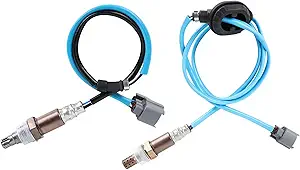 |
1. HiSport Upstream Heated Oxygen Sensor (234-9040) for Honda Accord 2.4L 2003–2007

| Mounting Type | Flange Mount |
|---|---|
| Output Type | electrical |
| Specific Uses For Product | Oxygen Sensor |
| Material Type | Stainless Steel |
This HiSport upstream heated oxygen sensor is a direct-replacement 4-wire unit intended for the 2.4L Honda Accord (2003–2007). It measures exhaust oxygen and sends electrical signals to the engine control system so the ECU can adjust fuel trim; the built-in heater brings the sensor up to operating temperature faster for more reliable closed-loop control during warm-up. Typical use is replacing a failing front O2 sensor to recover fuel economy, smooth idle and correct emissions readings. The sensor is stainless steel construction and mounts with a flange for a factory-style fit. Practical benefits include straightforward bolt-in installation for most DIYers and the heated element that reduces delay in feedback. Limitations to note are that aftermarket fit and longevity can vary versus factory parts and some users report variability in long-term durability; confirm connector and wire routing before install to avoid splicing. This sensor is a focused replacement for the specified Accord application rather than a universal wideband unit.
Best for: Buyers who want a straightforward, cost-conscious replacement to restore proper air-fuel control and avoid drivability or emissions issues on a 2003–2007 Accord 2.4L.
Less Ideal for: Drivers seeking a wideband or performance air-fuel sensor for tuning, or anyone who prefers OEM-branded parts for long-term peace of mind.
- Direct-fit 4-wire heated design for front (upstream) installation on the specified Accord engines
- Built-in heater reduces warm-up time so closed-loop fueling resumes sooner
- Stainless steel construction and flange mount for a factory-style fit
- Simple bolt-in replacement suitable for competent DIY installation
- Aftermarket longevity can vary compared with factory-quality sensors
Verdict: A practical, direct-fit heated upstream O2 sensor that gets a 2003–2007 Accord 2.4L back to proper fuel control without extra complexity.
2. Denso Air/Fuel Ratio Sensor 234-9040

| Measuring Range | 10:1 – 20:1 |
|---|---|
| Mounting Type | Flange Mount |
| Output Type | Push-Pull |
| Material Type | Stainless Steel, Zirconium |
The Denso 234-9040 is a wideband air/fuel ratio (AFR) sensor built to match factory fit and function for 2003–2007 Honda Accord models. It measures AFR across a broad range and reports quickly thanks to a planar zirconia element, so the engine control unit gets accurate, fast feedback for fuel trimming. Typical use is as an upstream replacement sensor to restore proper mixture control, clear OBD-II codes, and help maintain fuel economy and emissions. The sensor comes with a four-wire wiring harness of usable length and a flange mount for a one-time fit. Stainless steel construction and platinum electrodes resist tarnish, which supports longer life and consistent readings. Installation is straightforward for a mechanically confident DIYer but can be tight in the exhaust neck and usually requires an oxygen-sensor socket or a short breaker bar. The main compromise is cost versus cheap aftermarket units; this Denso aligns with factory-spec performance and reliability rather than being the lowest-priced option.
Best for: Buyers who prioritize reliable, factory-equivalent fueling and emissions control for a 2003–2007 Honda Accord and want a long-lasting replacement that restores engine mapping and fuel trim behavior.
Less Ideal for: If you need the absolute cheapest replacement or are replacing sensors across multiple vehicle types, a lower-cost universal aftermarket sensor or batch purchase may be a better fit.
- Direct fit for 2003–2007 Honda Accord upstream application
- Wideband zirconia element offers fast, accurate AFR readings
- Stainless steel housing and platinum electrodes resist tarnish for longer life
- Includes four-wire harness with connector and usable lead length
- Higher price than some aftermarket alternatives
Verdict: Choose this Denso sensor when you want a factory-quality wideband replacement that restores accurate air/fuel control on 2003–2007 Honda Accords.
3. Yeoflagtrade Replacement Oxygen Sensors (2-pack) for Honda Accord 2.4L 2003–2007

| Compatibility | Honda Accord L4 2.4L 2003–2007 |
|---|---|
| Mounting Type | Flange Mount |
| Output Type | Push-Pull |
| Package | 2 pack |
These Yeoflagtrade oxygen sensors come as a two-pack intended to replace the upstream and downstream O2 sensors on 2003–2007 Honda Accord 2.4L engines. They install in the factory sensor locations using a flange mount and push-pull output, so the sensor plugs into the stock wiring harness without extra adapters. In use they restore closed-loop fuel control and help clear typical O2-related check engine codes when the old sensors fail. Practical details include matching common Honda part numbers and a straightforward swap process: remove the old sensor, clean the threaded port, and thread the new unit in, then clear codes. Buyers report many successful installs and easy fitment, though a minority experienced early failures so professional diagnosis is advised if codes return. This kit is best for routine DIY repairs where you need both sensors at once and want a direct-fit aftermarket replacement; expect to use an O2 sensor socket for removal and to verify connector orientation before tightening.
Best for: Buyers who want a practical, ready-to-install replacement set to restore proper fuel trim and clear O2-related codes on a 2003–2007 Accord 2.4L without sourcing separate parts.
Less Ideal for: Those who prioritize guaranteed long-term durability or prefer OEM-brand sensors from the dealer should consider factory replacements or higher-end branded units instead.
- Two-pack includes both upstream and downstream sensors for a complete replacement job
- Direct-fit flange mounting and push-pull output that connects to the factory harness
- Listed as compatible with common Honda part numbers for 2003–2007 Accord 2.4L
- Reports of easy installation and successful code clearing in many user installs
- Some users reported premature failures leading to recurring check engine codes
Verdict: A convenient direct-fit two-pack that gets a 2003–2007 Accord 2.4L back to proper oxygen sensing quickly and affordably.
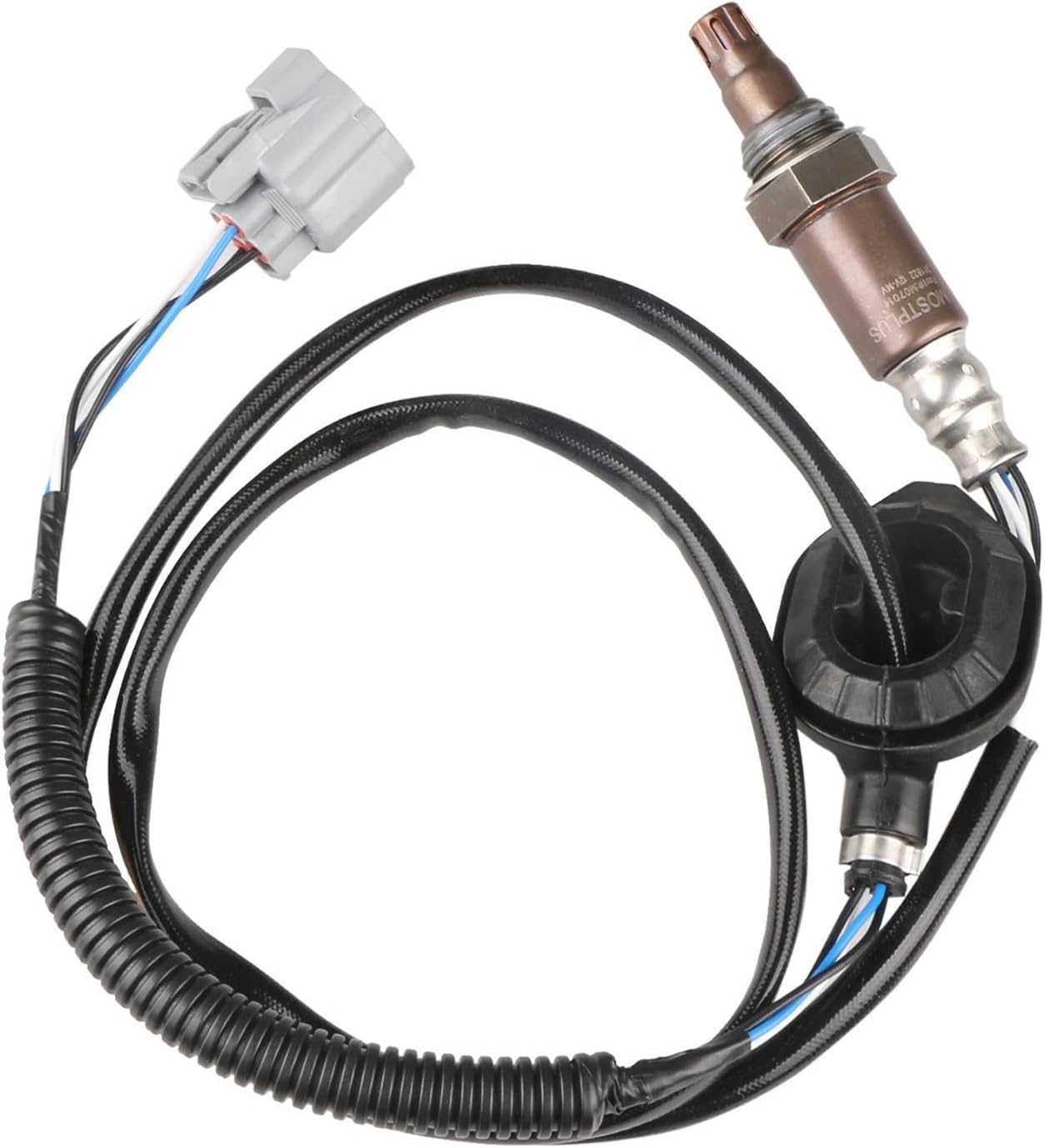
4. MOSTPLUS Rear Downstream Oxygen Sensor (M07014) for 2003–2007 Honda Accord 2.4L
| Fitment | 2003–2007 Honda Accord 2.4L (Excl. Calif.) |
|---|---|
| Mounting Type | Flange Mount |
| Output Type | Push-Pull |
| Model | M07014 |
This MOSTPLUS downstream O2 sensor is a budget-friendly replacement intended to restore the vehicle’s ability to monitor exhaust oxygen after the catalytic converter. It installs in the rear/downstream location and is used to supply the engine computer with data used for emissions monitoring and closed-loop diagnostics. The sensor is flange-mounted with a push-pull output and lists multiple compatible part numbers for direct interchange. In practice it offers a low-cost way to clear diagnosis codes and pass emissions checks when a worn sensor is the cause. Buyers report straightforward fit and decent short-term reliability, but some users experienced intermittent check-engine light returns and one noted a P0420 after a short run, so long-term consistency may vary compared with higher-end name-brand units. Expect simple bolt-and-plug replacement, but if you need long-term durability or guaranteed match to factory performance, a premium branded sensor could be a safer choice.
Best for: Buyers prioritizing the lowest practical replacement cost who need a straightforward downstream oxygen sensor to clear codes and get an older Accord back to emissions-compliant operation.
Less Ideal for: Drivers who want factory-equivalent longevity or who prefer to avoid any risk of recurring codes should consider premium branded sensors instead.
- Direct-fit replacement for 2003–2007 Accord 2.4L with listed part interchange numbers
- Flange mount and standard connector make installation simple for DIYers
- Low-cost option that can clear O2-related fault codes and enable passing inspections
- Aftermarket build quality and long-term consistency reported as variable compared with OEM-name sensors
Verdict: A wallet-friendly direct-fit downstream O2 sensor for 2003–2007 Accord 2.4L that gets emissions monitoring working again without the premium price.
5. Denso Rear Oxygen (O2) Sensor 234-4797

| Brand | Denso |
|---|---|
| Material | Stainless Steel, Zirconium |
| Mounting Type | Flange Mount |
| Measuring Range | 0-20% O2 |
| Position | Rear |
This Denso rear oxygen sensor is a vehicle-specific replacement designed to restore proper O2 feedback to the engine control system on compatible Accords and TSX models. It installs in place of the original sensor and is typically used to clear a check engine light, recover fuel economy, and ensure accurate emissions readings after a failing sensor or catalytic converter service. Notable features include a machined stainless steel housing, zirconium sensing element, and an anti-seize packet in the box to ease future removal. Denso highlights an aluminum oxide trap layer that helps protect the sensing element from contamination for longer life. In practice the part fits and functions like a factory replacement for the rear position, and many owners report straightforward installation with the proper oxygen sensor socket. Limitations to expect are minor cosmetic and routing differences versus some original parts, such as thinner wiring cover or missing rubber grommets, which can require reusing clips or modifying the wire routing during installation. Overall it delivers reliable, factory-quality sensing when matched to the specified vehicle fitment.
Best for: Buyers who prioritize long-term reliability and want a factory-quality, vehicle-specific replacement to restore proper engine operation and emissions performance.
Less Ideal for: People looking for a universal or multi-vehicle sensor or those who need exact cosmetic match of wire covers and grommets without any modification.
- Factory-quality design with stainless steel housing and zirconium sensing element
- Includes anti-seize compound and installation instructions
- Built-in contamination protection layer aimed at longer sensor life
- Vehicle-specific fit for the rear position on listed Honda and Acura models
- Wiring cover and grommet details may differ from the original part, requiring reuse of old clips or minor routing adjustments
Verdict: A dependable, factory-quality rear O2 sensor replacement for 2003–2007 Accord owners who want a durable, OEM-style fix to restore fuel economy and clear engine codes.
6. DOSKJOK 234-9040 Heated Upstream Oxygen Sensor for 2003–2007 Accord 2.4L

| Position | Upstream |
|---|---|
| Sensor Type | Heated |
| Wire Quantity | 4 wire |
| Material Type | Stainless Steel |
| Maximum Supply Voltage | 12 Volts |
This DOSKJOK 234-9040 is a heated upstream oxygen sensor designed to replace the factory unit on 2003–2007 Honda Accord 2.4L engines. It measures exhaust oxygen and sends an electrical signal to the engine control module so fuel trims and ignition timing can be corrected. The sensor is supplied with a four-wire connector and pre-coated threads for easier installation and claims stainless steel construction and bench testing for durability. In real-world use it should help clear a check-engine light caused by a failed O2 sensor, improve idle stability, and restore fuel economy and emissions control when the part is correctly matched. The heated element speeds warm-up so the engine reaches closed-loop operation faster. Limitations are that fitment is specific to the listed Accord 2.4L application so verify connector and part number before purchasing, and long-term lifespan will depend on engine condition and exhaust contamination rather than the sensor alone.
Best for: Buyers looking for a budget-friendly, direct-replacement oxygen sensor to fix a check-engine code or restore fuel trim behavior on a 2003–2007 Accord 2.4L and who prioritize peer-reviewed reliability over premium branding.
Less Ideal for: People seeking a lifetime performance upgrade or sensors for different engines or model years should look for parts matched to their specific application or higher-end branded options.
- Heated four-wire design brings the sensor up to operating temperature quickly for faster closed-loop fuel control
- Stainless steel construction and factory testing claimed for corrosion and high-temperature resistance
- Direct-replacement fit and pre-coated threads simplify installation with common hand tools
- Restores proper air/fuel feedback to improve idle stability, fuel economy, and emissions when replacing a failed sensor
- Compatibility is narrow so incorrect connector or part mismatch is possible if vehicle details are not checked
Verdict: A cost-conscious, direct-fit heated upstream sensor that restores factory-style air/fuel sensing on 2003–2007 Accord 2.4L engines.
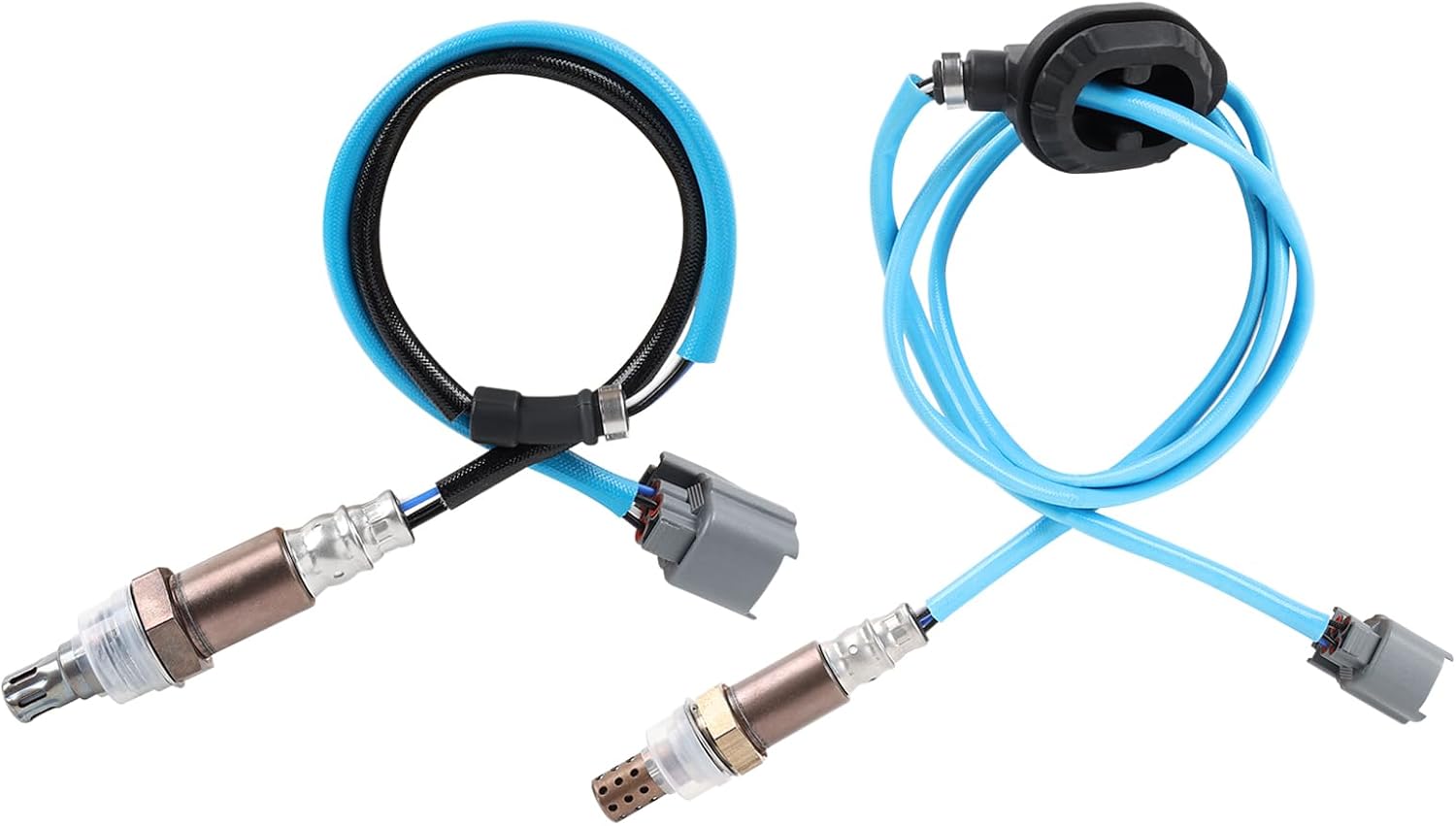
7. HTMXJA 2‑Piece Upstream and Downstream Oxygen Sensor for 2003–2007 Accord 2.4L
| Compatible models | 2003–2007 Accord L4-2.4L |
|---|---|
| Connector gender | Female |
| Wire quantity | 4 |
| Wire lengths | 24in + 45in |
| Output type | Analog |
This HTMXJA kit includes both the upstream and downstream oxygen sensors intended as direct replacements for 2003–2007 Honda Accord 2.4L models. The sensors are wired with female connectors and come in two lengths to reach factory mounting positions without modification. In use they monitor exhaust oxygen to help the engine computer adjust fuel trim, which can clear fault codes and improve fuel economy when a worn sensor is the issue. Buyers report straightforward install and close fit to factory specifications, and the product listing highlights high-temperature resistance and an anti-seize on threads for easier future removal. Expect typical benefits of sensor replacement: reduced emissions, steadier idle, and potential resolution of check-engine alerts tied to oxygen sensing. Limitations include occasional quality variation typical of aftermarket parts which has led some users to return a unit, and the sensors may still trigger codes with strict vehicle monitors even if they function mechanically. If you need guaranteed factory-equivalent calibration or extended coverage, consider an OEM or higher-end exact-match option.
Best for: Buyers who want a low-risk, vehicle-specific replacement to restore proper oxygen sensing on a 2003–2007 Accord 2.4L and prefer an easy install that matches factory connectors. This suits owners prioritizing practical repairs and lower-cost alternatives to dealer parts.
Less Ideal for: Drivers seeking guaranteed factory calibration, extended manufacturer coverage, or professional installers who require brand-specific OEM parts for warranty work should consider OEM sensors instead.
- Includes both upstream and downstream sensors for a complete replacement
- Designed to match factory fitment and connector gender for plug-and-play installation
- Wires provided in two lengths to reach factory mounting positions without splicing
- High-temperature resistant construction intended for long service in exhaust environments
- Reports of anti-seize on threads to ease future removal
- Some buyers have experienced individual defective units, so quality can vary
- Aftermarket sensors may not always prevent a check‑engine light if strict emissions monitors are present
Verdict: A convenient, vehicle-specific upstream and downstream sensor pair that restores oxygen sensing and fits without modification, making it a practical low-risk repair for 2003–2007 Accord 2.4L owners.
Choosing the Right 2003-2007 Honda Accord Oxygen Sensor: Key Factors to Consider
Correct Fitment and Connector Type
A sensor that fits the 2003-2007 Honda Accord exhaust and mates to the factory wiring is essential. Thread size, mounting orientation, and connector pinout must match the vehicle to avoid wiring splices or signal errors.
Incorrect fitment can lead to exhaust leaks at the sensor bung or poor electrical contact that triggers false codes. Confirm whether the sensor is specified for the Accord's bank and position to ensure plug-and-play replacement without modification.
Upstream Versus Downstream Placement
Upstream sensors (pre-catalyst) and downstream sensors (post-catalyst) serve different roles. Upstream sensors directly influence fuel trim by measuring exhaust oxygen near the combustion chamber, so fast response and a functioning heater circuit are important for cold-start and low-speed control.
Downstream sensors monitor catalytic converter efficiency and typically require stable, accurate readings over time rather than ultra-fast response. Choosing the correct position-specific sensor ensures the engine control module receives the expected type of signal for that circuit.
Heater Circuit Compatibility
Many 2003-2007 Accords use heated oxygen sensors to bring the sensing element up to operating temperature quickly. A replacement must match the factory heater configuration and electrical requirements.
A mismatched heater circuit can cause extended closed-loop delay, poor fuel economy, or trigger heater-related diagnostic trouble codes. Verify connector pin count and electrical specifications before purchase to maintain proper warm-up behavior.
Response Time and Signal Stability
A sensor's response time affects how quickly the engine control module can correct air-fuel ratio deviations. Faster, stable voltage swings from an upstream sensor improve drivability, throttle response, and emissions control, especially during transient throttle conditions.
Signal stability matters for downstream sensors too; a drifting or noisy output can produce incorrect catalyst efficiency readings and illuminate the check engine light unnecessarily.
Durability and Heat Resistance
Exhaust temperatures and corrosive conditions demand robust construction. Look for sensors with heat-resistant ceramics, protective sheaths around wiring, and corrosion-resistant threads to reduce the chance of premature failure.
Durable sensors reduce the likelihood of exhaust leaks from damaged threads and limit the need for frequent replacements, which is important given the difficulty of removing seized sensors on older exhaust systems.
Ease of Installation and Serviceability
Practical installation considerations affect whether you can perform the replacement yourself or need a shop. Features like a pre-bent or long lead wire, proper connector retention clips, and OEM-style thread length make installation smoother.
Also consider whether the sensor can be accessed with common hand tools and whether replacement requires exhaust disassembly. Good documentation and clear compatibility labels reduce installation errors and help owners avoid unnecessary labor.
Understanding O2 Sensor Codes and What They Mean
Diagnostic trouble codes such as those pointing to bank 1 sensor 1 or codes related to heater circuits indicate whether the issue is with the sensor itself or a related system. Bank 1 sensor 1 typically refers to the upstream sensor on the side of the engine with cylinder 1, and troubleshooting should focus on wiring, connector corrosion, and sensor response.
Codes that mention specific oxygen sensor faults often require confirmation with live data. Look at the voltage swing patterns, heater current status, and short-term fuel trim behavior to determine whether the sensor is intermittent, slow, or completely unresponsive.
- P0135-style heater circuit codes usually indicate an open or shorted heater or connector issue
- Stable high or low voltage from an upstream sensor points to a failing sensor or exhaust leak
- Downstream sensor codes often flag catalyst efficiency problems rather than immediate fuel control faults
Common Symptoms of a Failing Oxygen Sensor
Symptoms that suggest oxygen sensor problems include a persistent check engine light, rough or irregular idle, decreased fuel economy, and uneven acceleration. These symptoms can be subtle at first and may worsen over time as the sensor degrades.
Because multiple issues can produce similar symptoms, verify sensor behavior with live data before replacing. Observing delayed voltage changes during throttle transitions or a lack of heater circuit operation are good indicators that sensor replacement is warranted.
- Rough idle or stalling during warm-up
- Noticeable drop in miles per gallon
- Check engine light persists even after basic maintenance
Testing an Oxygen Sensor on the 2003-2007 Accord
Testing typically starts with a visual inspection of the connector, wiring, and sensor body for corrosion or damage. Next, use a scan tool to observe live O2 voltages and heater status. For upstream sensors, look for rapid voltage swings between approximately 0.1 and 0.9 volts in closed-loop conditions.
You can also bench-test the heater circuit with a multimeter to confirm continuity and approximate resistance values, but be cautious when testing hot or installed sensors. Document readings at idle and during light throttle to detect sluggish response that indicates the sensor is not switching correctly.
- Check connector pins for corrosion and secure fit
- Measure heater circuit resistance with the connector unplugged
- Use a scan tool to watch voltage swings during throttle changes
Upstream Vs Downstream: Choosing the Right Location-Specific Sensor
When selecting a replacement, be sure to choose the sensor specified for the upstream or downstream position. The upstream sensor affects fuel trims and requires a fast, responsive element and reliable heater. The downstream sensor mainly monitors converter performance and prioritizes long-term stability.
Ordering the correct location-specific sensor avoids diagnostic confusion and helps ensure that any persistent codes are not due to an incorrect part. Labels such as bank and sensor number can guide selection but always cross-check against the Accord year range and exhaust layout.
- Upstream: fast response, heater required for quick warm-up
- Downstream: stable signal for catalyst monitoring
Installation Tips for a Smooth Replacement
Prepare the work area by letting the exhaust cool and disconnecting the battery. Use penetrating lubricant on the sensor threads if they appear seized, and allow time for it to soak. A proper oxygen sensor socket or open-end wrench sized to the sensor hex will reduce the chance of rounding off the sensor body.
When installing the new sensor, apply anti-seize to the threads only if the manufacturer recommends it and avoid contaminating the sensing element or connector. Reconnect the wiring harness securely and clear codes with a scan tool. After installation, observe live data to confirm the sensor switches correctly and the check engine light remains off.
- Allow exhaust to cool before attempting removal
- Use proper tools such as an oxygen sensor socket
- Avoid getting anti-seize on the sensor tip
Still looking for the perfect fit?
Select your Honda Accord configuration to see the most relevant Oxygen Sensors recommendations
How We Chose the Best 2003-2007 Honda Accord Oxygen Sensor
We selected sensors based on a set of practical, vehicle-specific criteria focused on restoring proper engine control and emissions performance for 2003-2007 Honda Accord models. Fitment accuracy was the first filter: only sensors that match the factory connector type, thread size, and heat shielding expected on these Accord years were considered. Signal fidelity and response time were next, since a sensor that reports quickly and consistently helps the engine computer maintain optimal air-fuel ratio.Durability under exhaust heat and exposure was evaluated using available materials information and manufacturing details. Electrical reliability was checked by confirming heater circuit compatibility for upstream sensors, and by preferring units with robust wiring and connector seals. We also considered ease of installation, including whether the sensor required any special adapters or modifications.Excluded from consideration were sensors lacking clear compatibility data for the 2003-2007 Accord, units without a heater circuit where the factory design requires one, and any aftermarket parts with unclear quality history. The final list balances correct fit, reliable signaling, longevity, and straightforward installation for typical owners and independent shops.
Our full evaluation process is outlined in our review methodology.
FAQ
How do I know if my Accord needs an oxygen sensor replacement?
Often you will see a check engine light, reduced fuel economy, or rough idle. Confirm with a scan tool by checking O2 voltage response and heater circuit status before replacing the sensor.
Can I drive my 2003-2007 Accord with a bad oxygen sensor?
You can usually drive short distances, but prolonged driving with a faulty sensor may reduce fuel economy and increase emissions. It can also cause catalytic converter stress if fuel trims run too rich for extended periods.
Is the upstream sensor the same as bank 1 sensor 1 on these Accords?
Yes. Bank 1 sensor 1 refers to the upstream O2 sensor on the side of the engine that includes cylinder 1. That sensor has the most direct effect on fuel trim and typically includes a heater circuit.
What does an oxygen sensor code P0135 indicate?
A P0135-style code usually points to a heater circuit malfunction for an upstream sensor. It can be caused by a blown fuse, open wiring, connector corrosion, or a failed heater inside the sensor.
How can I test the oxygen sensor myself?
Start with a visual inspection and then use a multimeter to check heater circuit continuity and approximate resistance. Use a scan tool to monitor live O2 voltage swings during warm running and throttle changes to assess response speed.
Will installing a new oxygen sensor clear the check engine light?
If the sensor was the confirmed cause of the diagnostic code, replacing it and clearing codes with a scan tool should extinguish the light. If the light returns, further diagnosis of wiring, fuel system, or catalyst performance may be needed.
Final Verdict
Focus on getting the right sensor for the exact 2003-2007 Honda Accord position and circuit. Prioritize fitment, heater circuit compatibility for upstream units, and a sensor with reliable response characteristics to restore proper fuel control and emissions performance.Balancing ease of installation and long-term durability will minimize future headaches. Choose a sensor that matches the Accord's original specifications, verify operation with live data after install, and you can confidently resolve oxygen sensor-related drivability and emissions issues.
Explore More:
- Check out all Honda Accord parts & accessories
- Explore Oxygen Sensors Maintenance & Repair Guides
- Explore Engine
- Browse all Auto Parts
