

Note: This article contains affiliate links. If you click on these links and make a purchase, I may earn a small commission at no extra cost to you. This helps support my research and content. Read my full affiliate disclosure here.
If you own a Honda Accord 3.0L V6, the catalytic converter is a critical emissions component that affects performance, fuel economy, and legal compliance. Choosing the right catalytic converter matters because fitment, material construction, and backpressure characteristics all influence how the vehicle runs and whether it meets emissions requirements.This guide covers the top seven catalytic converters shortlisted for the Accord 3.0L V6. We evaluated options that balance durability, emissions effectiveness, and installation practicality. Below you will find the factors we considered and practical guidance to help you pick the best replacement for your Accord.
Looking for other parts? See all Honda Accord parts & accessories.
Top Picks at a Glance
| Best Overall The best all-around choice for most situations | Walker Ultra 16351 Direct-Fit Catalytic Converter |  |
| Best Quality Built to a higher standard if you want something more solid | AISIN Center Catalytic Converter CCTH-00037 (EPA Compliant) |  |
| Best Value The sweet spot between price and what you get | PHILTOP Catalytic Converter Kit for Honda/Acura Rear Fitment (EPA Compliant) |  |
| Best Budget The cheapest option that still gets the job done reliably | SCITOO Rear Catalytic Converter (Direct-Fit, Stainless Steel) |  |
| Highest Rated A top-rated pick with lots of positive feedback | CIRconvert Rear Catalytic Converter (EPA Compliant) for Honda Accord 3.0L V6 |  |
| Most Popular A crowd favorite that many people choose with confidence | A-Premium Catalytic Converter Kit, EPA-Compliant Center Fit for 3.0L–3.5L V6 |  |
| Best Seller A high-volume bestseller chosen again and again | NutsCata Direct-Fit High-Flow Catalytic Converter for Honda 3.0L–3.5L V6 |  |
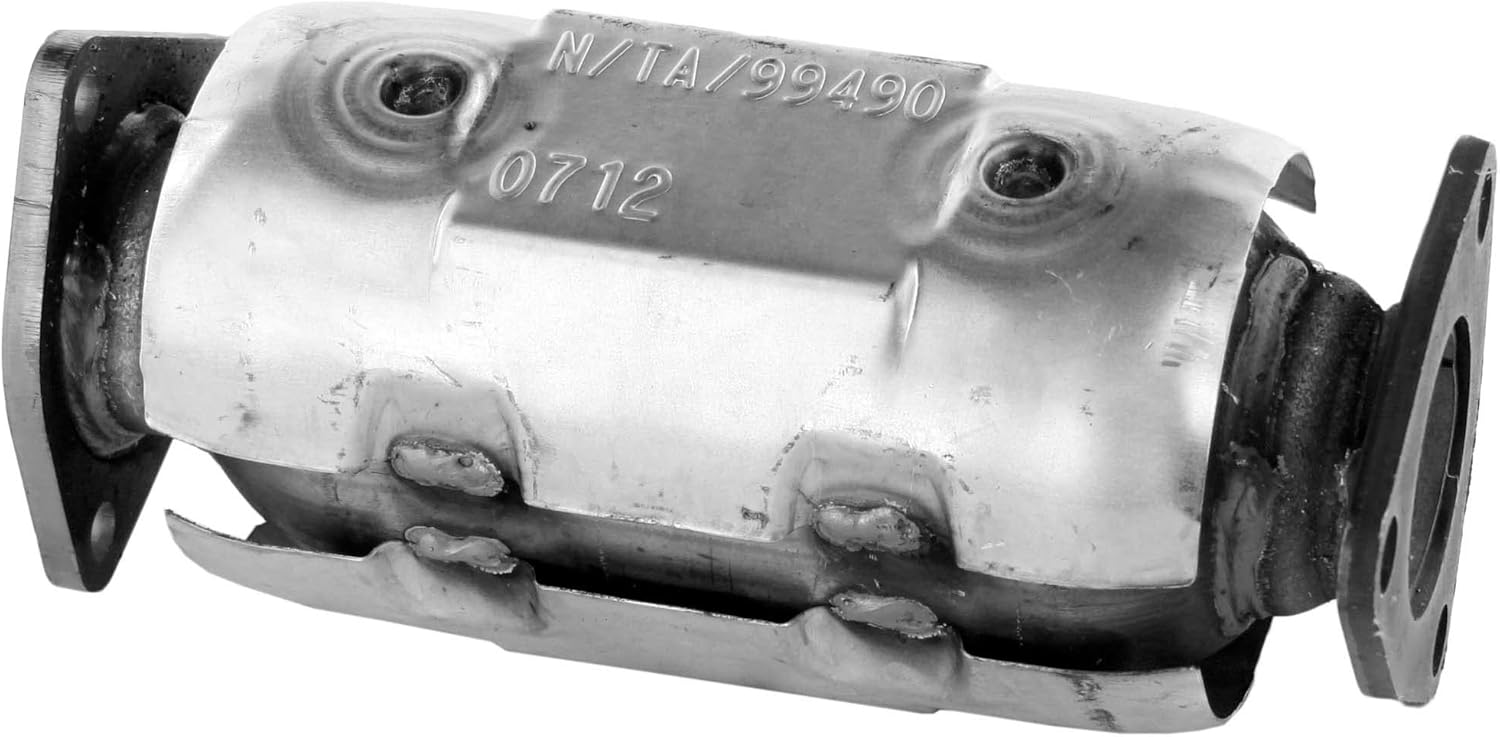
1. Walker Ultra 16351 Direct-Fit Catalytic Converter
| Compatible with Vehicle Type | Car |
|---|---|
| Automotive Fit Type | Vehicle Specific Fit |
| Material Type | aluminum coated |
| Manufacturer Warranty Description | 25K Miles |
The Walker Ultra 16351 is a direct-fit catalytic converter built for emissions compliance and straightforward replacement on compatible Honda Accords. It installs as a bolt-on unit with factory-style flanges, hangers and heat shields so most installations avoid cutting or complex fabrication when matched to the correct year and engine application. The converter uses a high-technology washcoat and a calibrated precious-metal load intended to restore required tailpipe emissions reductions while maintaining exhaust flow. Its aluminized heat shields and thick flanges improve durability and help protect the undercarriage from heat. In practice this unit suits street-driven Accords where you want a long-lasting, regulation-compliant replacement without custom work. Buyers should confirm exact year and engine fit before ordering since some users reported fitment mismatches and occasional need for minor inlet adjustments during install. Warranty coverage is limited by mileage, so professional installers may be preferred for a clean fit and to ensure sensor alignment.
Best for: Buyers seeking a reliable, factory-style replacement that restores emissions compliance and fits with minimal fabrication on a street-driven Honda Accord; ideal for owners prioritizing durability and straightforward installation when the correct fit is selected.
Less Ideal for: Not a good choice for enthusiasts wanting a performance-oriented or custom exhaust solution or for buyers unwilling to verify exact year/engine fit before purchase.
- Direct-fit bolt-on design with factory-style flanges and hangers for simpler installation when matched to the correct vehicle
- EPA-compliant for OBDII vehicles with a washcoat and precious-metal loading aimed at restoring emissions performance
- Aluminized heat shields and robust construction improve durability and protect underside components
- Designed to match factory routing and brackets to minimize fabrication or custom mounting
- Some buyers reported fitment differences that required minor modifications or professional installation
- Manufacturer warranty is specified by mileage and may be limited compared with dealer parts coverage
Verdict: A durable, EPA-compliant direct-fit catalytic converter for Honda Accord owners who want a factory-style, regulation-restoring replacement without fabrication.
2. AISIN Center Catalytic Converter CCTH-00037 (EPA Compliant)

| Manufacturer | AISIN |
|---|---|
| Manufacturer Part Number | CCTH-00037 |
| Special Features | Located at the Center Side |
| EPA Compliance | E.P.A. Compliant for OBDII vehicles |
This AISIN center catalytic converter is a direct-fit aftermarket replacement intended for 3.0L–3.5L V6 Honda and Acura models from the early 2000s. It installs where the center-section converter sits in the exhaust and is marketed as an EPA-compliant unit for OBDII vehicles. The design emphasizes a factory-style fit to simplify installation and reduce exhaust leaks, so shops replacing a failed center converter can expect a straightforward swap without extensive modification. Because it is built by an established OEM-tier supplier, the converter aims to match factory flow and emissions performance while restoring catalytic function and check-engine light resolution. Important limitations include state-level emissions restrictions: it is not legal for sale or use in California, Colorado, New York, or Maine and may not meet states that require California-spec parts. For buyers focused on performance, this unit restores proper emissions control without altering backpressure significantly, but it is not a high-flow aftermarket racing converter and will not increase horsepower appreciably.
Best for: Buyers who need a reliable, factory-style replacement to restore emissions function and resolve catalytic converter faults on early 2000s V6 Hondas and Acuras and who prioritize correct fit and compliance with federal OBDII standards.
Less Ideal for: Do not choose this unit if you need a high-flow performance converter for increased horsepower or if you require parts certified for California-style emissions standards.
- Direct-fit design aimed at matching factory mounting and exhaust routing for easier installation
- EPA-compliant for federal OBDII vehicles so it restores emissions control to legal federal standards
- Manufactured by AISIN, a reputable OEM-tier supplier, suggesting consistent build quality and durability
- Not legal for sale or use in California, Colorado, New York, or Maine which limits legality for many buyers
Verdict: A solid OEM-quality center catalytic converter replacement that restores emissions function and fits like the factory unit for early-2000s V6 Honda and Acura models.
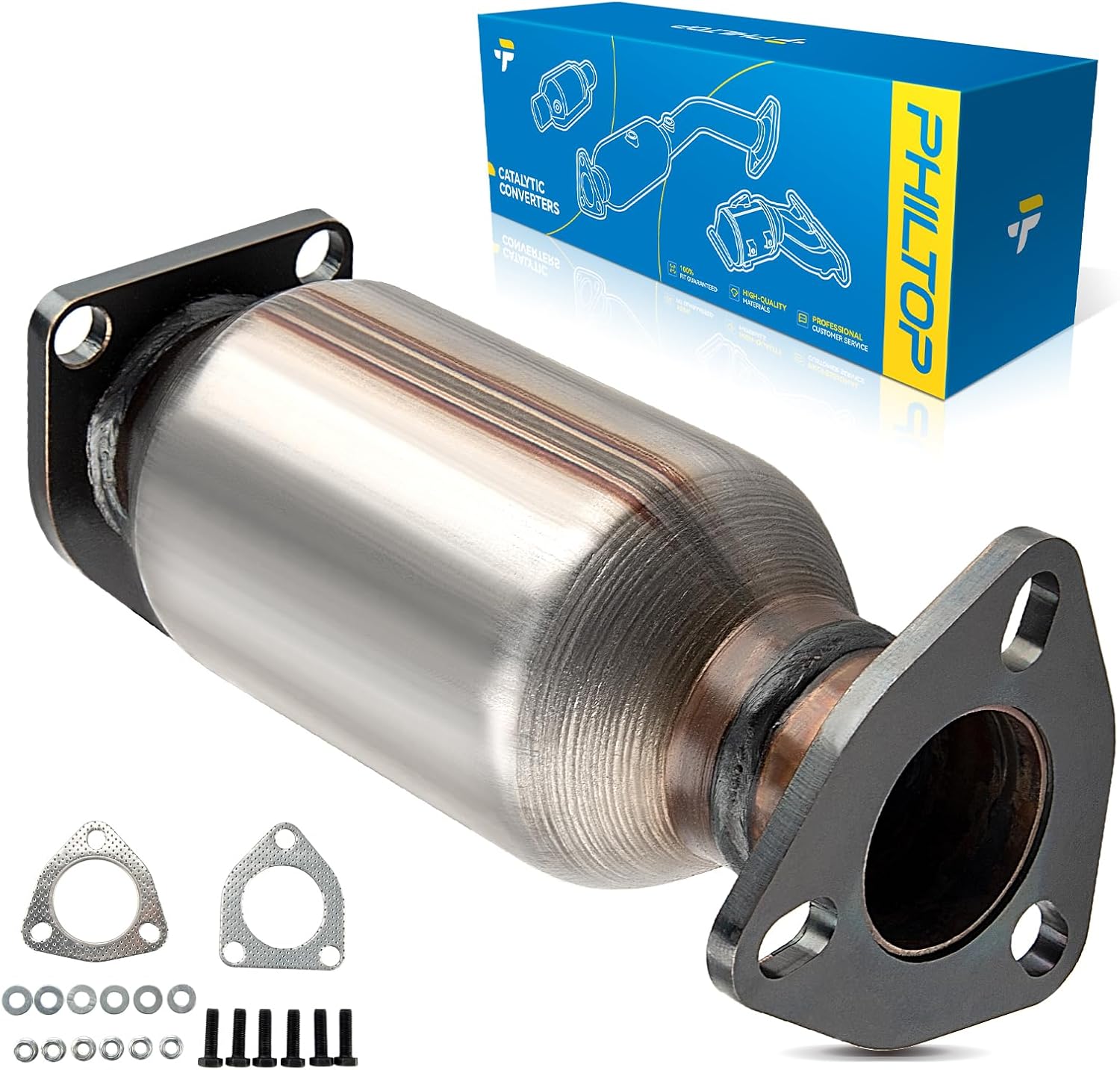
3. PHILTOP Catalytic Converter Kit for Honda/Acura Rear Fitment (EPA Compliant)
| Position | Rear |
|---|---|
| Manufacturer | PHILTOP |
| Manufacturer Part Number | 7432EXP158FUS |
| OEM Part Number | 16351, 40401, 642185, 18160RGWA00, 0991120, 18160RCAS00, 18160RCAA00, 18160RCJA00, 18160RCJL00 |
| EPA Compliance | Federal emissions model |
This PHILTOP catalytic converter is a direct-fit rear replacement for a range of Honda and Acura models including the Accord 3.0L V6 and is built to EPA federal emissions specifications. It uses a stainless steel/aluminized shell with a high-temperature double-layer ceramic substrate intended to increase flow and catalytic surface area, which can reduce backpressure and help restore power and fuel efficiency lost to a clogged or failing converter. The listing notes it ships with OE-style gaskets and hardware so installation typically matches factory mounting points and can be completed in a few hours without modification. Practical benefits include corrosion-resistant construction and an EPA-compliant design for states that accept federal converters. Limitations are that EPA models cannot be used in California and some other states with stricter rules, and fitment must be verified against the vehicle reference numbers before purchase. Buyers should also expect professional installation if they are not comfortable working under the vehicle.
Best for: Buyers who want a practical, factory-style replacement to restore emissions function and engine breathing on compatible Hondas, prioritizing a straightforward fit and cost-effective repair over aftermarket performance upgrades.
Less Ideal for: Drivers in states that require California-specific converters or shoppers seeking high-performance or tunable exhaust upgrades should look elsewhere.
- Direct-fit replacement for specified Honda and Acura rear locations reducing need for modifications
- EPA-compliant federal emissions design for use outside states with stricter rules
- Stainless steel/aluminized body resists rust for longer service life
- Includes OE-style gaskets and hardware to match original mounting points
- High-temperature double-layer ceramic substrate aimed at improving flow and catalytic efficiency
- Not legal for sale or installation in California and some other states with stricter aftermarket converter rules
Verdict: A practical, factory-style rear catalytic converter that restores emissions function and flow on compatible Honda Accord 3.0L V6s without requiring modifications.
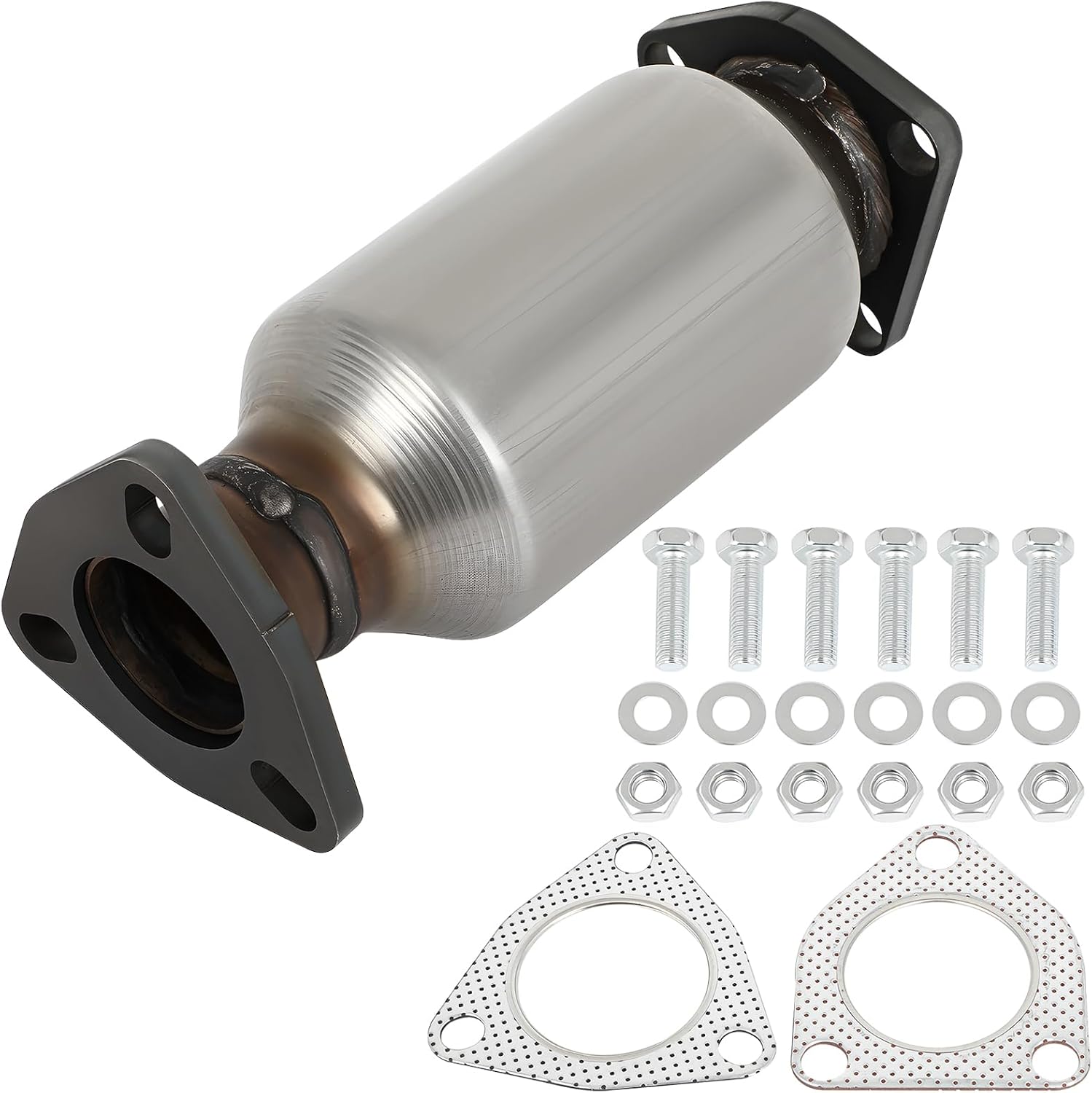
4. SCITOO Rear Catalytic Converter (Direct-Fit, Stainless Steel)
| Position | Rear |
|---|---|
| Inlet Type | 3 Bolt Welded Flange |
| Outlet Type | 3 Bolt Welded Flange |
| Gasket and Bolts Included | Yes |
| EPA Compliant | Yes (Federal) |
This SCITOO rear catalytic converter is a direct-fit replacement built from stainless steel for durability and designed for V6 applications including the 3.0L Accord main converter. It installs using 3-bolt welded flanges and ships with gaskets and bolts, so it can be used as a straightforward factory-style swap during exhaust repairs. The unit is sold as EPA compliant for federal states and is intended to match the original mounting and flow characteristics rather than alter performance. For a budget-focused repair it offers a low-cost path to restore emissions control and clear codes without modifying the rest of the exhaust. Limitations include restricted-state exclusions for some regions and the part is not marketed as a performance upgrade, so anyone seeking improved flow or tuning gains should look elsewhere. Buyers should also verify OEM part numbers and fitment before ordering to ensure a correct match for their model year and engine variant.
Best for: A buyer looking for an affordable, factory-style replacement to restore emissions function and clear check-engine codes on a 3.0L V6 Honda without paying for OEM pricing or aftermarket performance parts.
Less Ideal for: Not a good choice for owners seeking increased exhaust flow, performance gains, or emissions-legal converters for restricted states that require specific state certifications.
- Direct-fit design intended to match factory mounting for easier installation
- Made from stainless steel for corrosion resistance and long service life
- Includes gaskets and bolts so no additional hardware is required for typical replacement
- EPA compliant for federal emissions applications
- Not legal for use in certain restricted states according to the listing
Verdict: If you need a budget-friendly, direct-fit rear catalytic converter to restore emissions compliance on a Honda Accord 3.0L V6, this stainless steel SCITOO unit is a practical replacement.
5. CIRconvert Rear Catalytic Converter (EPA Compliant) for Honda Accord 3.0L V6

| Position | Rear |
|---|---|
| Manufacturer | CIRconvert |
| Manufacturer Part Number | RHO0510-20 |
| EPA Compliance | Yes |
| Vehicle Fitment Examples | 2003-2007 Accord 3.0L V6; 2005-2010 Odyssey 3.5L V6 |
This CIRconvert rear catalytic converter is a factory-style replacement intended to restore emissions control on compatible Honda V6 models. It installs as a direct-fit rear unit and uses a honeycomb substrate with palladium, platinum, and rhodium coatings to reduce CO, HC, and NOx. Typical use is as a repair or replacement when a failed converter triggers a check engine light or fails an emissions test. Notable features include a large substrate surface, increased precious metal loading for conversion efficiency, and stainless steel construction with laser welding intended to resist heat and corrosion. The EPA-compliant design means it can be used across most states and comes with a stated 50,000-mile limited coverage. Limitations are regulatory: it cannot be sold for use in California, Colorado, Maine, or New York, and buyers should confirm exact fit by matching interchange numbers and vehicle years before installation. Professional installation is recommended to ensure proper sensor fitment and exhaust sealing.
Best for: Buyers who prioritize a reliable, factory-style emissions repair for Honda V6s and want a durable, long-lasting replacement that restores catalytic function for emissions testing.
Less Ideal for: Drivers in states that require stricter local certifications or owners who need a California-compliant converter should look for region-approved alternatives.
- Direct-fit rear design for targeted Honda V6 models simplifies replacement
- EPA-compliant substrate with increased precious metal loading for effective emissions conversion
- High-strength stainless steel construction and laser welding for durability and heat resistance
- Not legal for sale or use in California, Colorado, Maine, and New York
Verdict: A rugged, EPA-compliant rear replacement built to restore emissions performance and durability on Honda V6 models when you need a dependable, direct-fit catalytic converter.
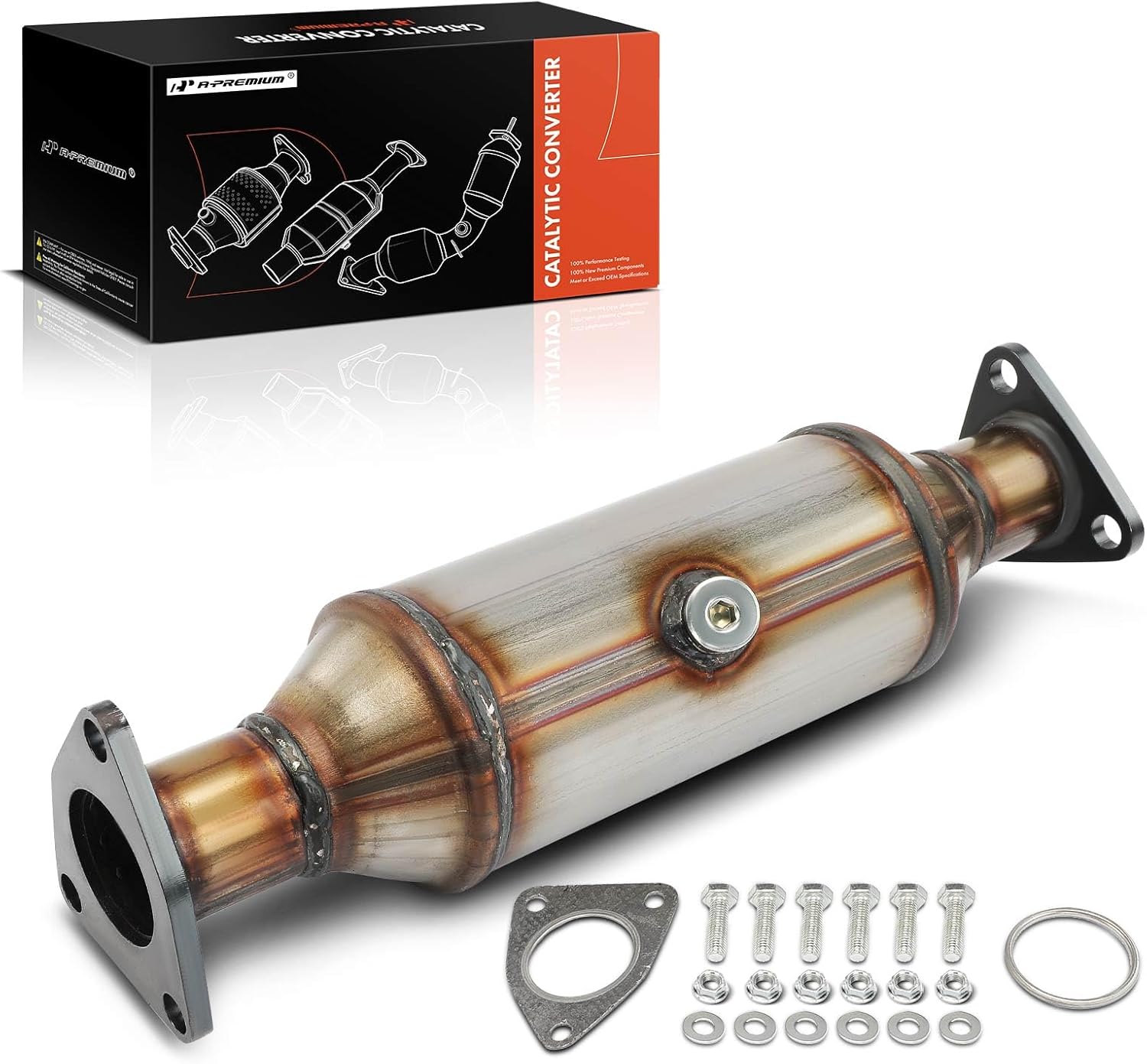
6. A-Premium Catalytic Converter Kit, EPA-Compliant Center Fit for 3.0L–3.5L V6
| Vehicle Fitment | Acura CL 01-03 V6 3.2L; TL 02-03 V6 3.2L; Honda Accord 98-02 V6 3.0L; Odyssey 99-04 V6 3.5L |
|---|---|
| EPA Compliant | Yes |
| Position | Center |
| Body Material | Stainless Steel |
| Inlet/Outlet Type | 3-bolt welded flange |
This A-Premium catalytic converter is a direct-fit center section intended for late 1990s and early 2000s Acura and Honda V6 models and is sold as an EPA-compliant replacement with mounting hardware included. Installation is typically a bolt-in swap using the 3-bolt welded flanges at the inlet and outlet, so most independent shops can fit it without major exhaust surgery. The stainless steel construction promises corrosion resistance and reviews indicate it has restored drivability and passed emissions checks for many buyers. Notable practical points are the shipped gaskets and hardware and the factory-style flange layout, which reduce parts sourcing and delay. Expect some fitment quirks in a few vehicles: several users reported sensor boss offset or heat shield mounting differences that required minor trimming or adjustment, and this unit uses a welded flange rather than a universal bolt-on flange on some installations. It is EPA-compliant but restricted from sale in certain states, so confirm local regulations before purchasing.
Best for: Buyers who want a verified, shop-installable replacement that restores emissions function and drivability while minimizing extra parts sourcing and warranty concerns.
Less Ideal for: Do not choose this if you need a certified converter for restricted-state programs or require a perfect bolt-on factory match without any trimming or sensor repositioning.
- Designed as a direct-fit center section for listed Acura and Honda V6 models, reducing modification time
- Stainless steel body for improved corrosion resistance compared with mild-steel replacements
- Includes gaskets and mounting hardware so installers do not need to source extra parts
- EPA-compliant design intended to meet federal emissions requirements where allowed
- Not legal for sale or installation in some states, so it may be unavailable depending on local emissions rules
- Some units require minor modifications for heat shield or O2 sensor placement due to slight shop-to-shop fit differences
Verdict: A solid, hardware-included center-section replacement that reliably restores emissions and drivability for the specified Honda and Acura V6 models where EPA-compliant aftermarket converters are permitted.
7. NutsCata Direct-Fit High-Flow Catalytic Converter for Honda 3.0L–3.5L V6

| Vehicle fitment | Honda Accord 1998–2002 3.0L V6; Odyssey 1999–2004 3.5L V6; CL/TL 1999–2003 3.2–3.5L V6 |
|---|---|
| Construction | 409L stainless steel |
| Compliance | EPA compliant (federal only) |
| Manufacturer | NutsCata |
This NutsCata catalytic converter is a direct bolt-on replacement intended for Honda 3.0L–3.5L V6 applications, offering an easy swap for worn or failed factory converters. It uses a honeycomb ceramic substrate loaded with platinum, rhodium, and palladium to restore emissions control while the 409L stainless steel body resists high-temperature corrosion. Installation is simplified by the direct-fit design and a built-in O2 port, so most installers can bolt it in without welding or heavy modification. In real-world use it aims to balance flow and emissions compliance, and several buyers report smoother throttle response and improved highway cruising after installation. Important limitations are legal: it is EPA compliant for federal standards but not approved for sale in some states with stricter rules, and long-term durability depends on driving conditions and maintenance. Expect a solid midrange replacement that prioritizes fit and emissions performance over premium-brand warranties or dealer backing.
Best for: Buyers who want a reliable, factory-replacement style catalytic converter that restores emissions function with minimal modification and straightforward installation.
Less Ideal for: Drivers in states with their own stricter emissions rules or buyers who require dealer-level warranty support and certified state-specific parts.
- Direct bolt-on design with an integrated O2 port for straightforward installation
- Uses high-concentration precious-metal loaded ceramic substrate for effective catalytic conversion
- 409L stainless steel construction for high-temperature and corrosion resistance
- EPA-compliant for federal emission standards, suitable for restoring emissions control
- Not legal for sale or use in certain states with stricter emissions laws
- Manufacturer warranty details in listing are limited compared with dealer parts coverage
Verdict: Choose this NutsCata direct-fit unit when you need a straightforward, factory-style catalytic converter replacement that restores emissions control without welding or major modification.
Choosing the Right Honda Accord 3.0L V6 Catalytic Converter: Key Factors to Consider
Fitment and Mounting
Correct fitment is the first priority for the Honda Accord 3.0L V6 because flange type, pipe diameter, and mounting points must match the vehicle to prevent exhaust leaks and avoid complex modifications. A converter that requires minimal welding or custom piping will save labor and reduce the risk of improper installation.
When assessing fitment, check whether the unit uses the same inlet and outlet diameters as the factory system and whether the bolt pattern aligns with existing flanges. Also consider hanger placement and catalytic body length so that it clears suspension and drivetrain components. Poor fitment can lead to leaks that trigger engine management faults and reduce emissions control effectiveness.
Substrate and Catalyst Material
The internal substrate and catalyst washcoat determine how effectively the unit converts harmful gases and how long it will last under thermal stress. Different substrates and precious metal loadings influence conversion efficiency, thermal durability, and resistance to clogging or degradation over time.
For the Accord 3.0L V6, prioritize converters that specify a durable substrate and clear information about catalyst composition. Units with robust washcoats and adequate precious metal loading tend to maintain emissions performance longer and are less prone to premature failure from thermal cycling or contamination.
Backpressure and Engine Performance
Catalytic converters introduce some restriction into the exhaust path. Excessive backpressure can reduce engine responsiveness, lower fuel economy, and even cause higher exhaust temperatures. For a 3.0L V6 engine, preserving appropriate exhaust flow is important to maintain throttle response and avoid unintended engine control issues.
Look for units designed to balance emission conversion with free flow, and check whether the converter is intended as a direct-fit OEM replacement or a high-flow aftermarket unit. Understand that very high-flow designs may trade some conversion efficiency for reduced backpressure, while overly restrictive units can harm performance.
Durability and Corrosion Resistance
Exposure to road salt, moisture, and heat cycles can rapidly degrade a catalytic converter if the external shell and internal supports are not robust. For long-term service on the Accord 3.0L V6, choose converters with corrosion-resistant casings, reinforced welds, and sturdy internal mounting to minimize rattle and breakage.
Consider the expected lifespan relative to typical driving conditions. Units with thicker shells, protective coatings, or higher-grade materials will better withstand undercarriage exposure. Durability directly affects lifecycle cost and the likelihood of needing repeat replacements.
Emissions Certification and Compliance
Catalytic converters are subject to emissions rules that vary by jurisdiction. For the Honda Accord 3.0L V6, ensuring that the replacement meets applicable emissions standards is crucial for legal compliance and passing inspections. Certification or explicit compliance claims indicate the unit is engineered to reduce hydrocarbons, carbon monoxide, and NOx to required levels.
Verify whether the converter is designed to meet federal, state, or local emissions specifications for the Accord 3.0L V6. Units lacking clear compliance information may not perform to the same standard or could cause inspection failures.
Installation Complexity and Serviceability
Some catalytic converters require removal of adjacent components, cutting and welding, or replacement of related gaskets and exhaust hardware. For many owners, minimizing shop time and avoiding custom fabrication are important considerations. A direct-fit converter that uses existing bolts and hangers simplifies installation and reduces labor costs.
Also evaluate whether the converter includes provision for oxygen sensor ports in the correct positions for the Accord 3.0L V6. Ease of access to sensors and the availability of replacement gaskets or hardware will affect how quickly a unit can be installed and serviced in the future.
Common Symptoms of Catalytic Converter Problems
Catalytic converter symptoms on the Honda Accord 3.0L V6 often start subtly and escalate if unaddressed. Typical signs include reduced engine power under load, a noticeable drop in fuel economy, and unusual exhaust odors. These symptoms can indicate internal clogging or catalyst breakdown that impairs exhaust flow and conversion efficiency.
Another clear indicator is persistent engine management alerts tied to emissions sensors. Sensor readings that show elevated downstream oxygen levels or irregular upstream sensor behavior often point to a compromised converter. Addressing symptoms early can prevent secondary damage to sensors and the exhaust system.
- Loss of power during acceleration or under load
- Reduced fuel economy over several tankfuls
- Sulfur or rotten-egg odor from the exhaust
- Rattling noises from the exhaust area at idle or over bumps
- Repeated check engine light codes related to oxygen sensors or emissions control
How the Catalytic Converter Affects Emissions and Inspections
The catalytic converter is the primary emissions control device that converts hydrocarbons, carbon monoxide, and nitrogen oxides into less harmful compounds. For the Honda Accord 3.0L V6, a functioning converter is essential to meet tailpipe limits during inspections and to keep the vehicle within legal emissions thresholds.
In inspection scenarios, degraded converters can cause failed readings or trigger diagnostic trouble codes that result in an inspection failure. Ensuring the replacement unit is designed to meet applicable emissions standards helps maintain compliance and avoid costly rework.
- Proper conversion reduces harmful tailpipe gases
- Degraded converters can trigger failed emissions tests
- Replacement units should match required certification levels
Oxygen Sensors and Their Interaction With the Converter
Oxygen sensors monitor exhaust composition both before and after the catalytic converter to help the engine control system manage fuel delivery and verify converter efficiency. On the Accord 3.0L V6, sensor placement and correct operation are essential for accurate engine control and emissions monitoring.
A failing converter can damage upstream or downstream sensors, and conversely, faulty sensors can produce misleading diagnoses that make the converter appear defective. When replacing the converter, confirm that the sensor ports are correctly located and that any affected sensors are tested or replaced as needed.
- Upstream and downstream sensor readings should be compared for diagnosis
- Sensor port placement must match existing harness locations
- Replacing sensors at the same time can prevent lingering codes
Installation Tips for the Honda Accord 3.0L V6
Plan for the basic steps: safely lift and support the vehicle, allow the exhaust to cool, disconnect sensors, and remove existing flange hardware. Use penetrating lubricant on rusted bolts and inspect gaskets and mounting hardware for wear. If welding is required, ensure proper alignment to avoid strain on the exhaust system.
When installing a direct-fit unit, hand-thread bolts initially to ensure alignment and then torque to factory specifications. Reinstall oxygen sensors and clear any stored diagnostic trouble codes before a test drive. After installation, monitor for exhaust leaks, unusual noises, or new fault codes to confirm a successful replacement.
- Use proper safety supports and wheel chocks when working under the vehicle
- Replace gaskets and hardware rather than reusing corroded parts
- Double-check oxygen sensor wiring and mounting positions
When to Repair Versus Replace
Minor external damage or surface rust may be repairable, but internal catalytic failure, heavy clogging, or broken internal supports typically require replacement. For the Accord 3.0L V6, consider replacement when emissions-related codes persist after basic repairs or when performance and fuel economy are noticeably affected.
Repairs to the external shell or patching may provide a short-term fix but can hide internal damage that will resurface. Replacing the converter with a properly specified unit is often the most durable solution and reduces the risk of recurring problems with sensors and exhaust flow.
- Repair external shell damage only as a temporary measure
- Replace if there is internal breakage, clogging, or persistent emissions codes
- Consider longevity and downstream sensor health when deciding
Preparing for an Emissions Inspection
Before an official emissions test, ensure the engine is at normal operating temperature and that the vehicle has had several highway miles to allow the converter to reach optimal operating conditions. Clear any non-persistent diagnostic trouble codes and verify that sensor readings are within expected ranges.
If a recent converter replacement was performed, allow a short break-in period and confirm there are no exhaust leaks. Inspect mounting hardware, gasket seals, and sensor connectors so the vehicle is in the best condition for an inspection.
- Warm the engine with a mix of city and highway driving before testing
- Confirm there are no active emissions-related fault codes
- Inspect for exhaust leaks and proper sensor connections
Still looking for the perfect fit?
Select your Honda Accord configuration to see the most relevant Catalytic Converters recommendations
How We Chose the Best Honda Accord 3.0L V6 Catalytic Converter
We prioritized candidates that match the mechanical and emissions needs of the Honda Accord 3.0L V6 and that offer reliable fitment and longevity. Evaluation focused on: material and substrate type to assess likely durability and emissions performance; flange and pipe dimensions to verify direct fitment and minimize exhaust leaks; internal flow characteristics and backpressure implications to avoid drivability issues; construction quality and corrosion resistance for long service life in varied climates; and warranty and manufacturing standards that signal quality control.We excluded parts that do not match the Accord 3.0L V6 flange patterns, pipe diameters, or mounting points. We also filtered out converters lacking clear substrate or material specifications, or those without seller-provided fitment data for the Accord 3.0L V6. Practical installation factors such as bolt and hanger compatibility, and the availability of replacement gaskets and hardware, were also considered. The resulting shortlist emphasizes components that are likely to restore emissions control while preserving engine performance and ease of installation.
Our full evaluation process is outlined in our review methodology.
FAQ
What are common catalytic converter failure signs on the Accord 3.0L V6?
Common signs include loss of power, decreased fuel economy, a rotten-egg odor, rattling from the exhaust area, and persistent emissions-related diagnostic trouble codes. These symptoms often indicate internal degradation or clogging.
Will a clogged catalytic converter trigger the check engine light?
Yes. A clogged or failing converter often causes oxygen sensor readings that trigger the check engine light with codes related to emissions efficiency or sensor circuit performance. The light usually appears after the engine control unit detects conversion problems.
Can I replace the catalytic converter myself on the Honda Accord 3.0L V6?
If you have basic mechanical skills and the proper tools, direct-fit replacements with matching flanges can be installed at home. However, tasks that require cutting, welding, or dealing with seized fasteners are best handled by a professional.
Do oxygen sensors need to be replaced when installing a new converter?
Not always. If the sensors are functioning within specifications and their wiring and threads are intact, they can be reused. But if sensors show abnormal readings or have been contaminated, replacing them at the same time helps avoid lingering codes.
How does a replacement converter affect exhaust emissions on the Accord 3.0L V6?
A properly specified replacement will restore conversion of hydrocarbons, carbon monoxide, and NOx toward original levels, improving emissions test results. Effectiveness depends on substrate quality and catalyst loading.
What should I check after installing a new catalytic converter?
After installation, check for exhaust leaks, ensure oxygen sensors are connected correctly, clear stored codes, and take a road test to confirm there is no loss of power or unusual noise. Monitor for any recurring emissions-related codes.
Final Verdict
For the Honda Accord 3.0L V6, prioritize a converter that matches factory fitment, offers a durable substrate and corrosion-resistant construction, and preserves appropriate exhaust flow. Balance emissions compliance with backpressure considerations so the vehicle maintains performance and passes inspections.Weigh the tradeoffs between long-term durability and flow characteristics, and favor units that provide clear fitment data and emissions compliance. Choosing a correctly specified converter will restore emissions control, protect sensors, and reduce the likelihood of repeat repairs.
Explore More:
- Check out all Honda Accord parts & accessories
- Explore Catalytic Converters Maintenance & Repair Guides
- Explore Exhaust & Emissions
- Browse all Auto Parts
