

Note: This article contains affiliate links. If you click on these links and make a purchase, I may earn a small commission at no extra cost to you. This helps support my research and content. Read my full affiliate disclosure here.
If you drive a Honda Civic, the condition of your front brake pads has a direct impact on safety, pedal feel, and everyday confidence behind the wheel. Choosing the right front pads can reduce noise, manage dust, and deliver predictable stopping in both wet and dry conditions. This guide shortlists the top options for Civic owners and explains the factors that matter for fitment, longevity, and driving comfort. Below you will find the top picks and an explanation of how we evaluated stopping power, material, and wear characteristics to help you make a practical choice.
Looking for other parts? See all Honda Civic parts & accessories.
Top Picks at a Glance
| Best Overall The best all-around choice for most situations | PowerStop Z17 Front Ceramic Brake Pads with Hardware (17-914) |  |
| Best Quality Built to a higher standard if you want something more solid | PowerStop Z23 Carbon-Fiber Ceramic Front Brake Pads with Hardware |  |
| Best Value The sweet spot between price and what you get | PowerStop Z16 Evolution Front Ceramic Brake Pads (16-914) |  |
| Best Budget The cheapest option that still gets the job done reliably | Auto Shack Front Ceramic Brake Pad Set (front) |  |
| Highest Rated A top-rated pick with lots of positive feedback | Bendix Priority1 CFC465AK2 Ceramic Front Brake Pad Set |  |
| Most Popular A crowd favorite that many people choose with confidence | Detroit Axle Ceramic Front and Rear Brake Pads Kit (4-piece) |  |
| Best Seller A high-volume bestseller chosen again and again | Bosch QuietCast Premium Ceramic Front Brake Pad Set (BC914) |  |
1. PowerStop Z17 Front Ceramic Brake Pads with Hardware (17-914)

| Auto Part Position | Front |
|---|---|
| Compatible with Vehicle Type | Passenger Car |
| Material Type | Ceramic |
| Included Components | Z17 Ceramic Brake Pads and Installation Hardware |
The PowerStop Z17 front ceramic brake pads are built for daily-driven Civics and similar compact cars that need a dependable, low-dust replacement. The kit includes the Z17 ceramic pads plus stainless-steel installation hardware so you get a complete bolt-on swap without hunting for extra parts. The pads are chamfered, slotted, and thermal-scorched to speed break-in, reduce noise, and promote consistent bite during normal commuting and stop-and-go traffic. Dual-layer rubberized shims and a powder-coated backing plate help cut vibration and resist corrosion, so the pads stay quieter over time and produce less brake dust to keep wheels cleaner. These are tuned for smooth, predictable stopping rather than high-temperature track use, so you should expect strong everyday performance with limited fade. If you want more aggressive friction for towing or spirited driving, a performance compound would be a better choice. For routine maintenance or an upgrade from worn factory pads, the Z17 delivers an easy install and reliable, quiet braking for city and highway driving.
Best for: Buyers who want a quiet, low-dust, factory-quality front pad replacement for regular street driving and commuting, prioritizing simple installation and predictable daily braking.
Less Ideal for: Drivers who frequently do high-speed track sessions, heavy towing, or need an aggressive friction compound for performance driving should consider sport or heavy-duty pads instead.
- Includes stainless-steel installation hardware for a complete bolt-on replacement
- Chamfered, slotted, and thermal-scored surfaces for faster break-in and reduced noise
- Ceramic formula produces low brake dust to keep wheels cleaner
- Dual-layer rubberized shims and powder-coated backing plate reduce vibration and resist corrosion
- Designed for daily driving so not optimized for track or heavy towing where high-temp fade resistance is required
Verdict: A straightforward, low-dust ceramic front pad kit that gives Civics dependable, quiet, factory-quality braking with an easy bolt-on installation.
2. PowerStop Z23 Carbon-Fiber Ceramic Front Brake Pads with Hardware

| Auto Part Position | Front |
|---|---|
| Material Type | Ceramic |
| Model Number | Z23-914 |
| Automotive Fit Type | Vehicle Specific Fit |
The PowerStop Z23 carbon-fiber ceramic front brake pads are a bolt-on upgrade that aims to deliver stronger, cleaner, and quieter braking for everyday driving. Designed as a vehicle-specific front pad set, they replace factory pads and include stainless-steel installation hardware, pin bushings, dual-layer rubberized shims, and high-temp lubricant for a straightforward DIY swap. The carbon-fiber ceramic compound raises fade resistance and stopping power compared with standard replacements while producing less brake dust to keep wheels cleaner. Rubberized shims and chamfered/slotted edges help suppress squeal and maintain smooth engagement in stop-and-go traffic. Practical benefits include longer life from a powder-coated backing plate and an included hardware kit that avoids hunting for parts during installation. Limitations are that these are optimized for daily driving rather than track use, so they are not intended for aggressive high-temperature performance, and some drivers who want ultra‑sporty bite may prefer a track-focused friction material.
Best for: Buyers who want a noticeable, practical braking upgrade for daily-driven Hondas that improves stopping feel and reduces wheel dust while staying quiet and easy to install.
Less Ideal for: Drivers seeking race or track-level brake performance or those who need pads designed for sustained high-temperature use should look at dedicated track compounds instead.
- Direct-fit replacement with included stainless-steel hardware for easier installation
- Carbon-fiber reinforced ceramic compound improves stopping power and resists fade for daily driving
- Low-dust formulation helps keep wheels cleaner
- Dual-layer rubberized shims and chamfered/slotted faces reduce noise and ensure smooth engagement
- Formulated for daily driving rather than aggressive track use, so extreme high-temperature performance is limited
Verdict: A straightforward, low-dust carbon-fiber ceramic front pad set that raises everyday stopping power and quietness for Civic drivers looking for a practical performance upgrade.
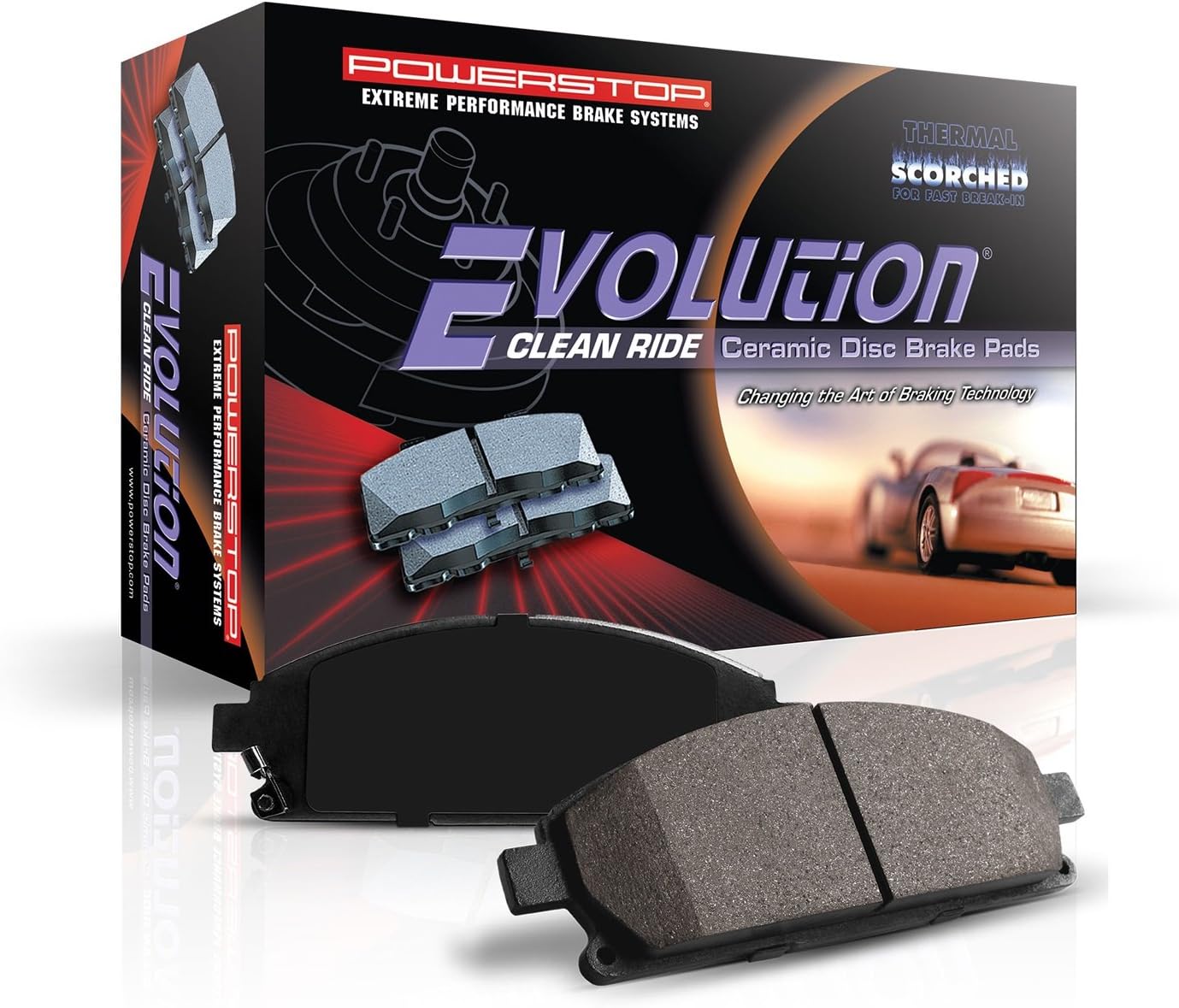
3. PowerStop Z16 Evolution Front Ceramic Brake Pads (16-914)
| Material Type | Ceramic |
|---|---|
| Auto Part Position | Front |
| Automotive Fit Type | Vehicle Specific Fit |
| Model Number | 16-914 |
PowerStop Z16 Evolution front ceramic brake pads are designed as a direct, vehicle-specific replacement for everyday driving. They use a low-dust ceramic compound plus dual-layer rubberized shims to minimize wheel soiling and reduce brake noise, while chamfered and slotted faces with thermal scorching promote faster break-in and consistent stopping feel. Installation is straightforward for a bolt-on swap and these pads aim to mirror factory braking characteristics rather than aggressive performance. Practical benefits include quieter operation in stop-and-go traffic, less wheel cleaning, and reliable, fade-resistant daily braking. The kit does not include installation hardware, so plan to reuse or buy new clips and pins if needed. These pads target commuters and budget-conscious owners wanting an easy upgrade over worn factory pads, not track-focused drivers seeking high-temperature performance or aggressive bite.
Best for: Buyers who prioritize quiet, low-maintenance daily driving and want a simple, reliable replacement that improves wheel cleanliness and maintains predictable brake feel.
Less Ideal for: Drivers who regularly do track driving, towing, or need high-temperature, heavy-duty stopping performance should choose a more aggressive friction compound designed for those demands.
- Low-dust ceramic compound keeps wheels cleaner than many semi-metallic pads
- Dual-layer rubberized shims and chamfered/slotted design reduce noise and vibration
- Thermal scorching and shaping for quicker break-in and consistent daily performance
- Does not include installation hardware in the box
Verdict: Choose these Z16 ceramic pads if you want a quiet, low-dust, factory-style front brake replacement for everyday Honda Civic driving.
4. Auto Shack Front Ceramic Brake Pad Set (front)

| Auto Part Position | Front |
|---|---|
| Compatible with Vehicle Type | Car |
| Material Type | Ceramic |
| Unit Count | 4.0 Count |
| Manufacturer Part Number | SCD465A |
These Auto Shack front ceramic pads are a budget-friendly replacement option for older Honda and Acura front brake systems. Designed for quiet, low-dust braking, the ceramic compound aims to keep wheels cleaner and reduce noise compared with semi-metallic pads. They are sold as a complete front pad set and are marketed to extend rotor life through steady friction characteristics. Typical use is direct swap-in replacement on compatible Civics, Accords, Insights, and EL models where a cost-effective, everyday driving pad is needed. The pads do not include hardware clips, so expect to reuse existing shims or buy hardware separately when needed. They carry ISO/TS 16949 specification and list several OEM equivalent numbers for fit reference. For drivers focused on low noise, minimal dust, and preserving rotors on highway and city commuting, these pads deliver solid value. Heavier performance driving, towing, or aggressive stop-and-go use may reveal limits in fade resistance compared with premium or track-oriented compounds.
Best for: Buyers who want an affordable, low-noise front pad that keeps wheels cleaner and protects rotors during daily commuting and light driving.
Less Ideal for: Drivers who regularly do spirited driving, heavy towing, or track use and need high-temperature stopping power should choose a performance-oriented pad instead.
- Ceramic material provides quiet operation and reduced brake dust
- Formulated to help extend rotor life with stable friction
- Vehicle-specific fit with OEM equivalent part numbers for easier matching
- Includes a full front pad set for a complete replacement
- Does not include mounting clips or hardware
- May not offer the same high-temperature fade resistance as premium performance pads
Verdict: A cost-conscious choice for Honda Civic front brakes that prioritizes quiet, low-dust operation and rotor longevity.
5. Bendix Priority1 CFC465AK2 Ceramic Front Brake Pad Set

| Auto Part Position | Front |
|---|---|
| Compatible with Vehicle Type | CAR, SUV, Truck |
| Material Type | Ceramic |
| Included Components | Brake pad set with installation hardware |
| Specification Met | OEM |
These Bendix Priority1 ceramic front brake pads are designed as a direct vehicle-specific replacement for select Honda Civic, Acura EL, and Insight models. They install like a factory-quality pad and include installation hardware and shims to ensure a precise fit and reduced noise. The ceramic friction material and engineered slots, chamfers, and shims help maintain consistent stopping power and limit brake dust, making them well suited for daily driving and highway commutes. Bendix highlights heat-resistant friction for reduced fade under heavier braking and the pads are tested to meet OEM specifications for fit, form, and function. Because they are ceramic, you get quieter operation and less rotor wear compared with some semi-metallic options, though they may not offer the absolute highest initial bite for aggressive track use. These pads are a practical choice if you prioritize dependable, low-noise braking and long-term consistency on street-driven Civics and similar vehicles.
Best for: A buyer who wants reliable, low-noise, factory-quality braking for everyday driving on a Honda Civic or similar commuter vehicle and values consistent performance and reduced dust.
Less Ideal for: Not the best choice for drivers who prioritize maximum track-level stopping power or frequent high-temperature performance demands.
- Vehicle-specific design with included installation hardware for easier fitment
- Ceramic friction material reduces noise and brake dust compared with many semi-metallic pads
- Engineered shims, slots, and chamfers for a precise fit and quieter operation
- Formulated to resist brake fade for consistent performance under heavier braking
- Ceramic compound may offer less aggressive initial bite than performance-oriented semi-metallic pads
Verdict: Choose these Bendix Priority1 ceramic front pads for dependable, quiet, factory-quality braking you can count on for daily Civic driving.
6. Detroit Axle Ceramic Front and Rear Brake Pads Kit (4-piece)

| Fitment | Vehicle specific (listed Honda/Acura years/models) |
|---|---|
| Material Type | Ceramic |
| Number of Items | 4 |
| Includes | Front and rear pads with hardware |
These Detroit Axle ceramic brake pads provide a full front-and-rear replacement set intended for specific Civic, Accord, and Acura EL years. The kit includes two front and two rear ceramic pads with installation hardware and is built to match factory fit for the listed vehicles. Ceramic material and chamfered edges aim to reduce vibration and braking noise while producing less dust than some semi-metallic pads, and the formulation is described as heat-resistant to help maintain consistent friction under heavier use. For routine drivers this translates to quieter stops, cleaner wheels, and stable pedal feel in normal and highway driving. Limitations are that the set is targeted to narrow model/year configurations and will not fit vehicles outside the listed fitment; ceramic pads also usually offer gentler initial bite than sporty semi-metallic options, so drivers seeking aggressive track-style stopping may prefer a performance compound. Installers should verify the exact vehicle fitment and follow bedding instructions for best results.
Best for: Buyers who prioritize quiet, low-dust street driving and want a direct replacement that matches factory fit for the specified Honda and Acura models; good for everyday commuting and confident highway braking. They value social proof and a risk-conscious choice backed by many positive reviews.
Less Ideal for: Drivers who frequently perform high-speed track sessions or require aggressive, high-friction stopping should consider performance-oriented brake compounds instead.
- Complete front and rear set with matching installation hardware included
- Ceramic formula reduces brake dust and lowers audible brake noise
- Chamfers and multi-layer material designed to reduce vibration and deliver smooth pedal feel
- High-temperature resistance helps keep friction stable during prolonged braking
- Fitment is vehicle-specific and limited to the exact model years listed
- Ceramic pads provide less initial bite than some semi-metallic performance compounds
Verdict: A quiet, low-dust ceramic front-and-rear replacement kit that offers factory-style fit and dependable braking for the specified early-2000s Honda and Acura models.
7. Bosch QuietCast Premium Ceramic Front Brake Pad Set (BC914)

| Material | Ceramic |
|---|---|
| Auto Part Position | Front |
| Specification Met | OEM |
| Manufacturer | Bosch Automotive |
These Bosch QuietCast ceramic front brake pads are engineered as a vehicle-specific replacement for select Honda and Acura models and are sold as a one-axle set. They use a proprietary ceramic friction compound aimed at delivering strong stopping power with reduced dust compared with semi-metallic pads, and Bosch includes pre-attached multilayer rubber-core shims to lower noise and resist corrosion. Powder-coated backing plates and OE-style slots and chamfers help ensure consistent fit and longer life, while the kit ships with hardware where applicable and a small lubricant for sliding contact points to ease installation. In everyday driving the pads should provide quiet, predictable braking suitable for commuting and family cars, and their focus on low noise and low dust makes them appealing if you prefer a tidy, conservative brake upgrade. Limitations: fitment varies by trim and some older or performance-oriented Civics may use different front pad packages, so confirm vehicle fit before buying and expect ceramic pads to be slightly less aggressive than high-performance metallic compounds under repeated track-level heavy braking.
Best for: A cautious Honda Civic buyer who wants a quiet, low-dust, factory-quality front brake pad replacement for daily driving and safe, predictable stopping.
Less Ideal for: Drivers who frequently do heavy track sessions or demand maximum fade resistance should choose a high-performance metallic pad designed for sustained extreme braking.
- Ceramic friction material for lower dust and smooth, quiet stops
- Pre-attached multilayer rubber-core shims to reduce noise and improve corrosion resistance
- Powder-coated backing plates and OE-style slots/chamfers for reliable fit and longer service life
- Includes hardware where available and lubricant to simplify installation
- Fitment depends on trim and front package variations so you must verify compatibility for your Civic
Verdict: Choose these Bosch QuietCast front pads if you want a quiet, low-dust, factory-quality ceramic replacement for routine Honda Civic driving.
Choosing the Right Honda Civic Front Brake Pads: Key Factors to Consider
Material and Friction Compound
The friction material determines initial bite, stopping distance, pad life, and rotor friendliness. Organic and semi-metallic compounds tend to offer softer initial bite and reduced rotor wear, while higher-friction blends provide stronger stopping but can increase rotor wear and noise.
For Civic owners, consider material tradeoffs based on driving conditions. If you commute in city traffic with frequent light stops, a compound optimized for low dust and quiet operation will be preferable. For occasional spirited driving or hilly routes, a blend with better fade resistance will maintain performance during repeated stops. Material also affects brake pad temperature range, which influences longevity and consistent performance.
Fitment and Hardware Compatibility
Exact fitment to the Civic s caliper mounting points and rotor diameter is essential to prevent uneven wear, premature noise, and installation complications. Pads that match factory backing-plate shape, clip locations, and spring hardware reduce the risk of rattles and asymmetric contact patches.
Check whether the pads include or require shims, anti-rattle clips, or specific caliper hardware. Some pads come with all necessary hardware; others rely on reusing OE pieces. Civic owners should avoid kits that require bending or modifying caliper components, as improper installation can compromise braking consistency and safety.
Noise, Vibration, and Harshness (NVH) Control
Brake squeal and vibration are common complaints on compact cars. NVH control features such as bonded or multi-layer shims, chamfered pad edges, and noise-damping backing plates help reduce squeal and harsh pedal feedback.
For daily-driven Civics, quieter pads improve cabin comfort and are often preferable to aggressive compounds that produce more noise. Consider pads tested for low-frequency vibration and those that include anti-squeal materials. Proper bedding and installation are also important to minimize NVH after fitting new pads.
Wear Rate and Pad Thickness
Pad thickness at installation and expected wear rate determine maintenance intervals and long-term cost of ownership. Thicker pads generally offer longer service life but may also change bedding and initial pedal feel.
Owners should review the pad thickness spec and manufacturer guidance for how many miles of service to expect under typical driving. Driving style, urban stop-and-go conditions, and frequent heavy braking will accelerate wear. Also consider whether the pads are prone to glazing, which reduces effective life and braking performance.
Rotor Compatibility and Heat Management
Some compounds are harsher on rotors, increasing the risk of scoring or glazing. Heat management properties, including thermal capacity and fade resistance, determine how well pads sustain performance during repeated heavy braking.
For Civic drivers who encounter steep grades or towing situations, choose pads with better fade resistance and heat dispersion. Slotted or cross-drilled rotors may change pad wear characteristics; ensure the pad compound is suited to the rotor surface used on your Civic to avoid uneven wear or hot spots.
Installation and Maintenance Considerations
Ease of installation affects total ownership cost and downtime. Pads that reuse existing clips and follow OE dimensions will fit faster and reduce the likelihood of installation errors. Some kits include grease packets, hardware, and instructions to simplify the job.
Also evaluate whether the pads require a specific bedding-in procedure and how often to inspect pad thickness. Routine checks for uneven wear, proper caliper operation, and rotor condition will extend brake life and ensure consistent performance over time.
When To Replace Your Civic S Front Brake Pads
Brake pads wear at different rates depending on driving conditions. You should watch for reduced pedal travel, increased stopping distance, or noticeable changes in pedal feel. Visual inspection through the wheel can reveal remaining pad thickness; many Civics allow a basic check without removing the wheel.
- Listen for high-pitched squeal or sustained grinding sounds.
- Measure pad thickness against the manufacturer s minimum specification.
- Note a persistent pulling to one side during braking, which can indicate uneven pad wear or caliper issues.
Surface Preparation and Bedding-In Tips
Proper rotor and pad preparation affects the initial performance and long-term behavior of new pads. Cleaning the rotor surface of rust, applying light sanding or scouring where needed, and using the recommended bedding procedure will reduce glazing and improve friction consistency. Follow a progressive bedding routine with gradual moderate stops to transfer a uniform friction layer to the rotor.
- Clean rotors with brake-specific cleaner before installation.
- Avoid aggressive hard stops for the first few miles to prevent glazing.
- Re-torque wheel fasteners to spec after initial bedding cycles.
Handling Brake Noise and Squeal
Noise can stem from material characteristics, improper fitment, or lack of anti-squeal hardware. If you hear squeal after new pads are installed, check that shims and clips are correctly fitted and that the backing plate contacts are clean. A thin layer of high-temperature brake grease on the back of the pad and on contact points can reduce vibration-driven screeching.
- Confirm anti-rattle clips are present and correctly seated.
- Inspect for glazed pad surfaces and light sand if necessary.
- Ensure caliper slides and pins move freely and are lubricated to the correct specification.
Matching Pads to Driving Style
Select a pad compound that aligns with how you drive the Civic. For daily commuting and highway cruising, prioritize comfort, low dust, and steady wear. For more aggressive driving or frequent hill descents, choose a compound with higher fade resistance and stable bite under higher temperatures. Consider road conditions as well; wetter climates benefit from pads that maintain consistent friction when wet.
- City drivers: look for low dust and quiet operation.
- Enthusiastic drivers: prioritize fade resistance and consistent bite.
- Mixed use: balance longevity, noise control, and performance.
Maintaining Brake Health Between Replacements
Regular inspections extend component life and preserve stopping performance. Check pad thickness every few oil changes or at least twice a year, inspect rotors for scoring, and verify caliper hardware operation. Brake fluid condition also affects feel and should be flushed per the vehicle maintenance schedule to prevent moisture-related boiling and soft pedal issues.
- Inspect pad thickness visually through wheels or during tire rotations.
- Bleed and replace brake fluid according to Honda s recommended interval.
- Keep caliper slides clean and lubricated to prevent uneven wear.
Still looking for the perfect fit?
Select your Honda Civic configuration to see the most relevant Brake Pads recommendations
How We Chose the Best Honda Civic Front Brake Pads
Our editorial selection focused on fitment reliability, material performance, wear life, braking consistency, and noise control specific to the Honda Civic. We prioritized parts that match factory mounting points and backing-plate geometry to avoid installation issues and uneven wear. Brake friction compound and formulation were evaluated for stopping distance influence, fade resistance under repeated stops, and how they affect rotor wear.Longevity metrics considered included average pad thickness at delivery, expected wear rates under mixed driving, and compatibility with common rotor surfaces found on Civics. NVH characteristics such as propensity for squeal, grinding, or vibration were assessed through reported user feedback and manufacturer noise-control features like shims and chamfers. We also screened for parts that maintain stable performance in wet conditions and offer consistent bite from cold starts.We excluded options that require significant modification, non-standard hardware changes, or have known fitment ambiguity for Civic model years. The final list balances real-world durability, predictable stopping, and straightforward installation for typical Civic owners.
Our full evaluation process is outlined in our review methodology.
FAQ
How often should I replace front brake pads on a Honda Civic?
It depends on driving habits, but many Civic owners see replacement intervals between 30,000 and 70,000 miles. City driving with frequent stops accelerates wear, while highway miles tend to last longer. Regular visual checks and measuring pad thickness will give a clearer indicator than mileage alone.
What are common brake pad wear symptoms to watch for?
Typical signs include a change in pedal feel, longer stopping distances, high-pitched squeal, and visible thinning of the pad material. Grinding noises usually indicate the pads are worn to the backing plate and need immediate replacement to protect the rotor.
Can I use ceramic brake pads in my Civic?
Ceramic pads are commonly used for their quiet operation and lower dust production. They generally offer stable performance for daily driving, but their heat tolerance and fade resistance differ from other compounds. Choose ceramic formulations tested for Civic fitment and intended driving conditions.
Are front pads different from rear pads on the Civic?
Yes. Front brake pads typically handle a larger share of braking force and are made from compounds suited to higher load and heat. Rear pads are often smaller and designed for lower duty. Always replace pads with the correct front or rear-specific parts for your Civic.
Why are my new pads making noise after installation?
Noise after installation can result from improper bedding, missing or misaligned shims, contaminated contact surfaces, or stiff caliper slides. Verify hardware installation, clean mating surfaces, and perform a recommended bedding procedure. If noise persists, re-inspect for glazing or uneven contact.
How do I check brake pad thickness on a Civic?
Inspect visually through the wheel spokes or remove the wheel for a clearer view. Measure the pad material from the backing plate to the friction surface; consult the service manual for the minimum thickness specification. If in doubt, have a technician measure and assess rotor condition.
Final Verdict
Prioritize fitment, material, and NVH control when choosing front brake pads for your Honda Civic. Accurate fitment and proper hardware reduce the chance of noise and uneven wear. Balance compound selection between quiet daily driving and the level of heat and braking demand you expect.Focus on pads that match OEM mounting geometry, deliver predictable bite, and offer reasonable wear life for your driving pattern. With the right priorities, you can improve braking feel and longevity while keeping maintenance straightforward.
Explore More:
- Check out all Honda Civic parts & accessories
- Explore Brake Pads Maintenance & Repair Guides
- Explore Brake System
- Browse all Auto Parts
