

Note: This article contains affiliate links. If you click on these links and make a purchase, I may earn a small commission at no extra cost to you. This helps support my research and content. Read my full affiliate disclosure here.
If your 1996-2000 Honda Civic has a soft or dragging parking brake, the cable is often the culprit. For owners of EJ, EK, and EM chassis Civics the right replacement cable restores firm engagement, corrects uneven rear braking, and prevents the handbrake from sticking.This guide shortlists six top parking brake cables selected for correct fitment, corrosion resistance, and ease of installation. We outline what matters for Civic owners, explain common symptoms of failure, and summarize the evaluation criteria used to pick these options before the product list.
Looking for other parts? See all Honda Civic parts & accessories.
Top Picks at a Glance
| Best Overall The best all-around choice for most situations | Dorman C94420 Rear Driver Side Parking Brake Cable |  |
| Best Quality Built to a higher standard if you want something more solid | TRQ Rear Parking Brake Cable Kit for 1992–2000 Honda Civic (2‑Piece) |  |
| Best Value The sweet spot between price and what you get | Gaogsiy Rear Parking Brake Cable Set (Left & Right) for Civic 1992–2000 / Acura Integra 1994–1999 |  |
| Best Budget The cheapest option that still gets the job done reliably | Roneeson Rear Left and Right Parking Brake Cable Pair for Honda Civic 1992–2000 |  |
| Most Popular A crowd favorite that many people choose with confidence | PartsFlow Parking Brake Cable Rear (Right/Left) for 1994–2001 Acura Integra / 1992–2000 Honda Civic |  |
1. Dorman C94420 Rear Driver Side Parking Brake Cable
| Material Type | Metal (Steel or Aluminum Alloy) |
|---|---|
| Unit Count | 1.0 Count |
| Included Components | Dorman – BRAKE CABLES |
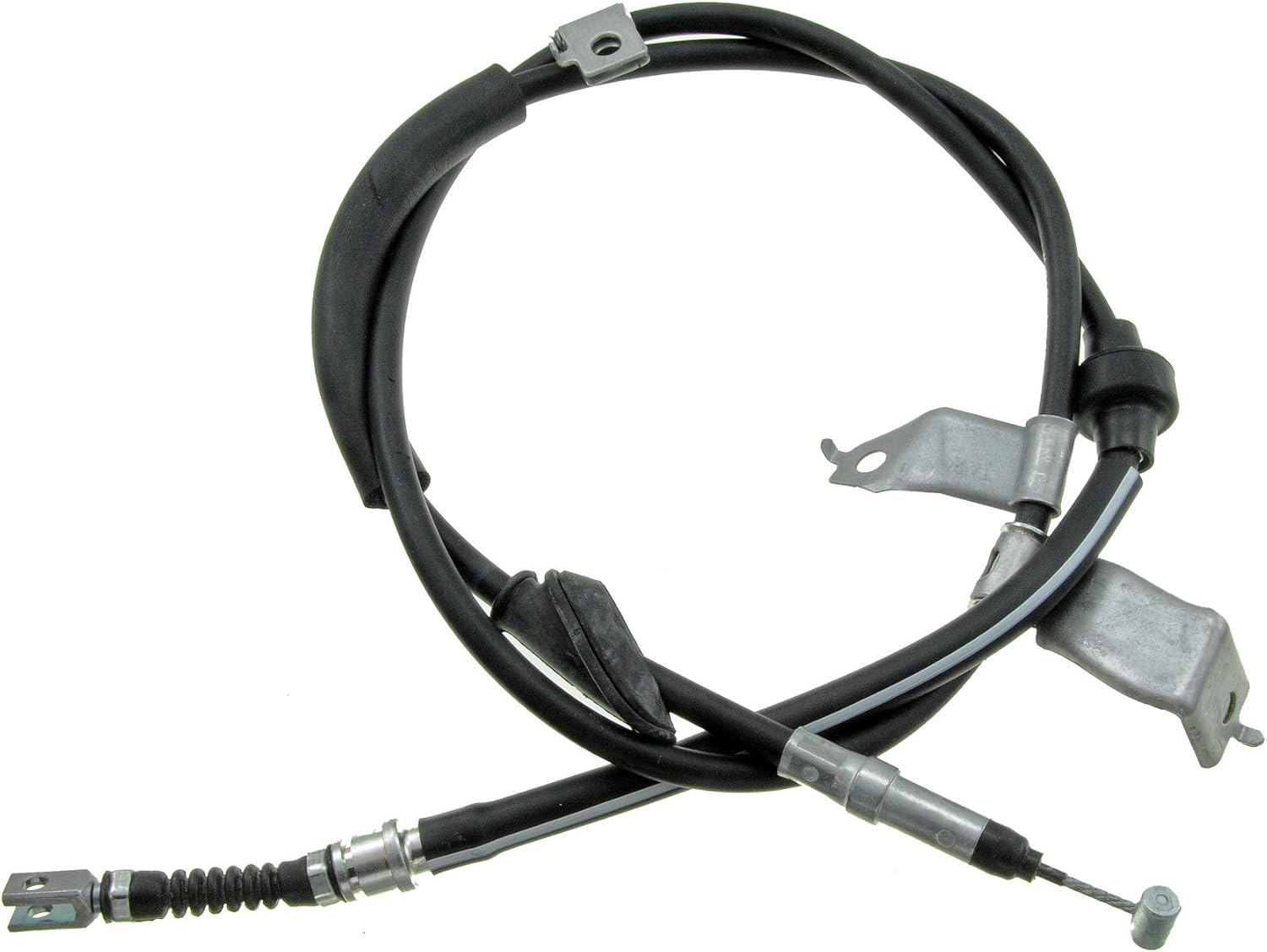
This Dorman rear parking brake cable is built as a direct replacement to restore the handbrake link on compatible late 1990s Hondas and Acuras. It installs in place of the original cable and is typically used when the factory cable has seized, stretched, or suffered corrosion. The design includes sheathed, lubricated inner cables and a fully covered flexible casing to prevent internal wear and reduce binding. Zinc-plated fittings resist corrosion and should extend service life in wet or salted conditions. For a DIYer doing a rear-disk conversion or routine brake system refresh, the cable provides factory-style fit and straightforward installation when the vehicle fitment matches. Limitations are that fitment is specific to listed years and trims so you must confirm your exact model, and as with any aftermarket cable some users may need to tweak routing or adjust the parking brake after installation to achieve optimal pedal feel.
Best for: Buyers who want a durable, factory-style replacement cable for a 1996–2000 Honda Civic rear parking brake and prefer a straightforward DIY repair or a reliable part for a disk conversion.
Less Ideal for: Drivers who need a universal or multi-vehicle cable solution or those unwilling to confirm exact trim fitment before installing should look elsewhere.
- Engineered to match original fit and function for specified vehicles
- Inner cables are sheathed and lubricated to reduce friction and wear
- Fully covered flexible casing protects inner cable from abrasion and contaminants
- Zinc-plated fittings help resist corrosion in wet or salted environments
- Compatibility limited to specific model years and trims so fit must be verified before purchase
Verdict: If you need a direct-fit, corrosion-resistant replacement cable for a late-90s Civic rear parking brake, this Dorman part delivers a reliable, factory-style repair.
2. TRQ Rear Parking Brake Cable Kit for 1992–2000 Honda Civic (2‑Piece)

| Position | Rear |
|---|---|
| Quantity | 2 Piece Set |
| Manufacturer | TRQ |
| Manufacturer Part Number | BKA29156 |
| OEM Part Number | 47510-SR1-A11, 47560-SR1-A12 |
This TRQ parking brake cable kit supplies both left and right rear cables as a direct replacement for many 1992–2000 Honda Civic models that use rear drum brakes. It is intended for DIY installation and arrives as a preassembled two-piece set that matches the factory reference numbers for straightforward swapping with the original components. Notable features include machine-finished end fittings and manufacturer-provided fitment guidance and videos to simplify installation. For a performance-minded buyer, the kit restores firm mechanical engagement and consistent cable travel, which helps the parking brake clamp reliably when parked on inclines or during spirited driving where a secure park is required. Limits to consider are that it is a direct-fit rebuild part rather than a heavy-duty or braided performance cable, so it will match factory performance and durability rather than exceed it. If your goal is to refresh worn cables back to factory feel and reliability on a 1996–2000 Civic, this kit is a practical, easy-to-install option.
Best for: Buyers wanting a reliable factory-replacement parking brake cable set to restore firm, predictable parking brake operation on a 1996–2000 Civic while favoring ease of installation and accurate fit.
Less Ideal for: Drivers seeking a heavy-duty, performance-upgraded cable for track use or significantly higher load demands should consider aftermarket performance-specific options instead.
- Direct-fit two-piece kit replaces both rear cables for matched operation
- Preassembled components and manufacturer DIY videos simplify installation
- Machine-finished fittings designed to match factory connection points
- Includes factory reference numbers for easy fitment confirmation
- Not designed as an upgraded performance or braided cable for enhanced strength or reduced stretch
Verdict: If you need a straightforward, factory-fit replacement to restore proper parking brake function on a 1996–2000 Honda Civic, this TRQ two-piece rear cable kit is a practical, easy-to-install choice.
3. Gaogsiy Rear Parking Brake Cable Set (Left & Right) for Civic 1992–2000 / Acura Integra 1994–1999

| Fitment | Civic 1992-2000; Acura Integra 1994-1999 |
|---|---|
| Replaces | C94405, C94420, 47560-S04-932, 47510-SR4-933 |
| Manufacturer | Gaogisy |
| Set contents | Rear left and right parking cables |
This two-piece rear parking brake cable set replaces the factory part numbers listed for 1992–2000 Honda Civic and 1994–1999 Acura Integra models and is intended to restore handbrake function at both rear wheels. Installation is straightforward for a basic DIYer or a shop: the cables come painted and pre-formed to match factory routing so you can plug them into the existing brackets and adjust the tension. The manufacturer highlights a treated internal cable for smoother pull and reduced friction against the sheath, which should make the handbrake feel consistent and reduce sticking after installation. For everyday drivers this restores parking security and keeps the parking brake working reliably. The set is a direct replacement option rather than an upgraded performance cable, so expect factory-equivalent durability and fitment rather than heavy-duty off-road strength. Confirming the OE numbers and vehicle fitment before buying is important because incorrect fit can make installation difficult or impossible.
Best for: Buyers who want a cost-effective, no-frills replacement to restore a Civic or Integra parking brake to factory-like function and prefer a straightforward DIY or shop installation.
Less Ideal for: Drivers seeking heavy-duty, performance, or off-road rated parking cables should look at reinforced or stainless-steel upgrade options instead.
- Sold as a left and right rear cable set for complete replacement
- Claims factory-style fit with pre-formed routing for easier installation
- Internal cable treated for smoother pull and reduced friction
- Replaces specific OEM part numbers for straightforward compatibility checks
- Not promoted as a heavy-duty or performance upgrade compared with reinforced aftermarket cables
Verdict: A practical, factory-style left and right rear cable set that restores parking brake function for 1992–2000 Civics and 1994–1999 Integras.
4. Roneeson Rear Left and Right Parking Brake Cable Pair for Honda Civic 1992–2000

| Brand | Roneeson |
|---|---|
| Model | 47510-SR4-933 |
| Fitment | Honda Civic 1992-2000; Acura Integra 1994-1999 |
| Package contents | 2 x Parking Brake Cable |
These two parking brake cables replace both left and right rear lines and are sold as a pair, making it straightforward to renew a Civic's entire rear parking cable setup. Installation is typical for handbrake cable swaps: detach the old cables at the equalizer and caliper or drum assembly, route the new lines along the same clips and brackets, and secure the ends to the lever and anchor points. The kit includes both cables so you avoid mismatched wear and get consistent pedal feel after installation. Practical benefits include restoring proper parking brake engagement and eliminating slack from stretched factory cables. Expect standard aftermarket fitment—some buyers reported incorrectly formed brackets that may require minor trimming or bending to align with suspension mounts. This product is a good budget replacement for a complete rear cable refresh, but occasional adjustments or small bracket corrections may be needed during install on older vehicles.
Best for: Buyers wanting an inexpensive complete rear parking cable replacement for a 1996–2000 Civic who prioritize restoring function over premium aftermarket fit refinement.
Less Ideal for: Those seeking a direct-perfect, no-modification fit or an upgraded corrosion-resistant performance cable should consider higher-end or OEM options.
- Sold as a matched left/right pair for consistent pedal feel
- Designed to fit specified Civic and Integra year ranges for direct replacement routing
- Restores parking brake function and reduces pedal slack when installed correctly
- Some bracket shapes may be formed inaccurately and require minor modification to fit
Verdict: A cost-conscious way to replace both rear parking brake cables and return reliable brake engagement on a 1996–2000 Civic.
5. PartsFlow Parking Brake Cable Rear (Right/Left) for 1994–2001 Acura Integra / 1992–2000 Honda Civic

| Manufacturer | PartsFlow |
|---|---|
| Manufacturer Part Number | GBA-ACA |
| ASIN | B08ZMWQ2W6 |
This PartsFlow rear parking brake cable is a factory-style replacement intended for 1992–2000 Honda Civic and 1994–2001 Acura Integra rear applications. It replaces the worn or broken cable that connects the handbrake lever to the rear brake assemblies and is typically used when the parking brake fails to hold or the cable is visibly frayed. The listing identifies multiple OEM part numbers so it matches common factory fitments, and the single-piece construction and end fittings make it straightforward for mechanics to swap in without modifying brackets. Practical benefits include restoring proper parking-brake engagement and eliminating slack or sticking caused by a fatigued original cable. Limitations are that this is a vehicle-specific direct-replacement so buyers must confirm the exact part number and side (right or left) before ordering, and the product listing does not include extensive installation hardware or step-by-step instructions. For routine DIY brake maintenance or a shop replacement, this cable offers a budget-conscious, fit-focused option to get the parking brake working reliably again.
Best for: Buyers who want a reliable, budget-friendly replacement to restore parking brake function on a late 1990s Civic and prefer products with positive user feedback and clear part-number matching.
Less Ideal for: People looking for universal or adjustable cables for custom builds or those who need a kit with extra hardware and detailed installation guides.
- Built to match factory fitment using listed OEM part numbers for direct replacement
- Single-piece construction simplifies installation and reduces need for modifications
- Restores proper parking-brake engagement and removes slack or sticking
- Vehicle- and side-specific part requires confirming fitment before purchase
Verdict: A straightforward, factory-fit replacement cable that restores parking brake function on late 1990s Civics with part-number compatibility and easy installation.
Choosing the Right 1996-2000 Honda Civic Parking Brake Cable: Key Factors to Consider
Correct Fitment and Chassis Compatibility
Exact fitment is the most important factor for a Civic from 1996 to 2000. These model years include EJ, EK, and EM chassis variations with small differences in routing, anchor types, and lever ends. A cable that matches the chassis and mounting points avoids modification, preserves proper lever travel, and ensures the parking brake releases fully.
Incorrect fitment can lead to excess slack, uneven rear brake application, or difficulty securing the cable at the equalizer. When evaluating options, confirm the cable lists the 1996-2000 year range and specifies the Civic chassis code or offers vehicle-specific fit diagrams. Proper-length outer housings and the right end-terminals are essential to maintain factory routing and prevent interference with suspension or exhaust components.
Durability and Corrosion Resistance
Parking brake cables are exposed to road salt, water, and debris, especially on older vehicles. Materials and protective features directly affect service life. Look for inner cables with heavy-gauge strands and outer housings with abrasion-resistant jackets. Plated or stainless end fittings and sealed boots at pivot points help reduce corrosion and binding.
A cable that resists rust maintains smooth lever operation and consistent holding force. If the original cable shows frayed strands, pitting at the ends, or seized adjusters, it is likely time for a replacement with better corrosion protection to avoid repeat failures.
Cable Stretch and Tension Retention
Over time an inner cable can stretch, reducing the handbrake's effective travel and requiring repeated adjustments. Cables designed with pre-tensioned construction or thicker core wires hold adjustment longer and keep the parking brake operating within the correct range.
Choose assemblies with minimal initial stretch to reduce the need for early readjustment. For Civic owners who prefer to minimize maintenance interventions, tension retention is an important specification to consider, especially for vehicles used in hilly areas or in climates that require frequent parking on inclines.
End Fittings, Boots, and Hardware Completeness
The quality and design of end fittings determine how well the cable connects to the handbrake lever, equalizer, and rear brake levers. Sealed boots or bellows at pivot points protect moving ends from grit and moisture. Poorly made terminals can wear quickly or not seat properly, leading to unpredictable brake feel.
A complete cable kit that includes correct mounting hardware, retainers, or sleeves reduces installation time and ensures the replacement performs like the original. Verify that included parts match the original attachment method used on your Civic to avoid sourcing extra pieces.
Ease of Installation and Adjustability
Many Civic owners will handle this replacement themselves. Cables that follow factory routing, do not require frame drilling, and allow straightforward adjustment at the equalizer make the job faster and reduce the chance of installation errors. Clear instructions or diagrams that reference the Civic year range are helpful.
Adjustability is also important after installation. Look for cables that permit tension adjustment without disassembly, ideally at the equalizer or handbrake lever. This allows you to fine-tune pedal height and lever travel to match factory specifications.
Value and Expected Service Life
Value is not simply the lowest upfront cost but the expected years of reliable service. Consider the construction quality, warranty, and replacement interval when assessing value. A slightly higher-cost assembly with better corrosion protection and thicker cable strands can be more economical over the long term for a 1996-2000 Civic.
For older Civics where chassis components may already be aged, choosing a cable with a solid expected service life reduces the chance of repeat work and additional labor to access hard-to-reach mounting points.
Common Symptoms of a Failing Parking Brake Cable
Recognizing failure early helps avoid safety risks and more extensive brake work. Typical symptoms on a 1996-2000 Civic include a handbrake lever that pulls unusually high with little resistance, indicating cable stretch or internal breakage.
A dragging rear brake or consistent squeal can mean the cable is not fully releasing. Corroded or seized cable sections often bind in the housing and prevent free movement. In some cases you may notice uneven rear braking or the vehicle rolling slightly when parked on a slope.
- High handbrake lever travel with weak holding force
- Handbrake not fully releasing, causing drag
- Visible fraying or rust on the exposed cable ends
- Uneven rear brake application or slight vehicle movement when parked
How Fitment Differs Across EJ, EK, and EM Chassis
Although the overall parking brake design is similar across 1996-2000 Civic variants, small differences in anchor hardware and cable routing exist between EJ, EK, and EM chassis. These differences affect which cable ends and sleeve lengths are required for a direct swap.
When selecting a cable, confirm the product explicitly references the correct chassis code or provides a fitment chart that includes 1996, 1997, 1998, 1999, and 2000 model years. Using the correct chassis-specific assembly eliminates guesswork during installation and preserves factory mechanical advantage at the equalizer.
- Verify listed chassis codes (EJ, EK, and EM) to match mounting points
- Check routing diagrams or photos when available
- Confirm sleeve lengths and end-terminal styles match the original
DIY Replacement: What to Expect
Replacing the parking brake cable on a Civic is a task many owners can tackle with basic tools. Typical steps include lifting the vehicle safely, disconnecting the cable at the handbrake lever or equalizer, detaching the rear brake ends, and pulling the old cable free from its clips and guides.
Expect to spend time removing corroded clips and possibly cutting spent retaining straps. Good replacement cables eliminate the need for improvised repairs and generally slide into place using the factory routing. After installation, use the adjuster to set lever travel to the correct height and test holding force on a gentle incline.
- Basic tools: jack stands, pliers, wrenches, penetrating lubricant
- Allow extra time for removing seized clips or rusted fasteners
- Adjust tension at the equalizer or lever after installation
Maintenance Tips to Extend Cable Life
Routine inspection and light maintenance can prolong cable life. Periodic visual checks for rust, fraying, or damaged boots let you catch wear before failure. Applying a light, appropriate lubricant to the equalizer pivot and exposed end fittings helps prevent binding but avoid saturating the inner cable housing which can trap grit.
On cars used in winter, washing the underbody and flushing salt from around cable routes reduces corrosion. When replacing other rear brake components, inspect the cable boots and terminals and replace the cable if corrosion is evident to avoid having to remove fresh components later.
- Inspect boots and terminals during brake service
- Use light lubrication at pivot points only
- Clean underbody salt and debris after winter driving
Adjustment and Testing After Installation
Proper adjustment ensures the handbrake holds the car securely without causing drag. Adjust the cable at the equalizer or the lever until you have the recommended lever travel and firm engagement. After adjustment, perform a static test on a slight incline and a low-speed roll-off check to confirm consistent holding power.
Recheck after a short test drive as cables can seat differently under load. If the lever requires frequent re-tensioning, the cable may be stretching and warrant a replacement with a more robust assembly.
- Set lever travel to manufacturer-recommended range
- Test holding on a gentle incline and check for rear dragging
- Reinspect and readjust after initial break-in miles
Still looking for the perfect fit?
Select your Honda Civic configuration to see the most relevant Parking Brake Cables recommendations
How We Chose the Best 1996-2000 Honda Civic Parking Brake Cable
We focused on replacement parking brake cables that reliably restore proper handbrake function for 1996-2000 Honda Civic chassis codes EJ, EK, and EM. Selection began with fitment accuracy, giving priority to cables explicitly designed for the Civic year range and chassis variations so installation requires minimal modification. Corrosion resistance was next, since salt, road grime, and moisture accelerate cable wear on older Civics; we favored cable assemblies with durable outer jackets, stainless or plated fittings, and moisture-shedding routing features.Durability and construction details were evaluated, including inner cable thickness, end-fitting quality, and protective boots or sleeves that reduce chafing and water ingress. Ease of installation mattered for typical DIY owners, so we looked for cables that include correct-length sleeves, mounting hardware compatibility, and straightforward anchor ends. Performance-related criteria included cable stretch resistance and how the assembly preserves proper lever travel and parking force over time.We excluded universal or generic cables that require trimming or custom fabrication, along with options lacking clear fitment data for the 1996-2000 Civic. Final choices balanced proven materials and installation practicality for this vehicle without relying on unsupported longevity claims.
Our full evaluation process is outlined in our review methodology.
FAQ
How do I know if my parking brake cable is broken or just out of adjustment?
If the lever pulls high but the cable is intact, a simple adjustment at the equalizer may restore normal travel. Visible fraying, snapped strands, or sections that do not move when the lever is operated indicate a broken or internally seized cable requiring replacement.
Can I replace the parking brake cable on my Civic myself?
Many owners can complete the replacement with basic hand tools and safe jacking equipment. Expect to deal with corroded clips and take time to follow factory routing. If you are uncomfortable working under the car or removing rear brake components, professional service is recommended.
Should I replace both sides or only the failing cable?
If one side shows significant corrosion or wear, it is often prudent to replace both to ensure balanced rear braking and even lever travel. Replacing both sides reduces the chance of mismatched tension and future adjustment headaches.
How long does a typical parking brake cable last on a 1996-2000 Civic?
Service life varies with climate and use. In dry conditions a well-made cable can last many years, while exposure to road salt or frequent steep parking can shorten life. Regular inspection helps catch deterioration before sudden failure.
What does the installation process involve for EJ, EK, and EM chassis Civics?
Installation involves routing the new cable along the factory path, attaching end terminals to the handbrake lever, equalizer, and rear brake levers, and securing with the original clips or supplied hardware. Confirm chassis-specific end fittings and sleeve lengths to avoid modification during installation.
Will a new cable remove parking brake drag if my rear brakes are already sticking?
Replacing a seized cable can eliminate drag caused by the cable not releasing fully, but if the rear brake components themselves are corroded or swollen, additional brake service may be required. Inspect drums or caliper slides when addressing persistent drag.
Final Verdict
For a 1996-2000 Honda Civic, prioritize a parking brake cable that matches the EJ, EK, and EM, or EM chassis routing and includes corrosion-resistant fittings. Correct fitment, solid construction, and easy adjustability reduce installation time and limit future maintenance needs.Weigh durability against initial cost and choose a cable that minimizes stretch and resists corrosion to keep the handbrake reliable. With the right assembly and a proper adjustment, you will restore firm parking hold and avoid recurring service.
Explore More:
- Check out all Honda Civic parts & accessories
- Explore Parking Brake Cables Maintenance & Repair Guides
- Explore Brake System
- Browse all Auto Parts
