

Note: This article contains affiliate links. If you click on these links and make a purchase, I may earn a small commission at no extra cost to you. This helps support my research and content. Read my full affiliate disclosure here.
If you own a 2011-2019 Ford Explorer, choosing the right engine oil is one of the simplest ways to preserve performance and prevent costly repairs. The correct oil keeps internal parts lubricated, controls deposits, and helps maintain fuel economy under varied driving conditions you are likely to encounter with this SUV.This guide shortlists the top options across common viscosities and service needs for the Explorer model years covered. We evaluated candidates against durability, viscosity fit, and compatibility with Ford service intervals so you can pick the best type for your driving style and maintenance plan.
Looking for other parts? See all Ford Explorer parts & accessories.
Top Picks at a Glance
| Best Overall Engine Oil A well-rounded choice balancing performance, protection, and price | Castrol EDGE 5W-30 Advanced Full Synthetic Motor Oil, 5 Quart Jug |  |
| Best Budget Engine Oil A low-cost formula that still meets key protection standards | Castrol GTX Full Synthetic 5W-20 Motor Oil, 5 Quart |  |
| Best Premium Engine Oil Higher-end formulations with extra additives and extended protection | LIQUI MOLY Molygen New Generation 5W-30 Fully Synthetic Motor Oil, 5 L |  |
| Best Full-Synthetic Engine Oil 100% synthetic base stocks for superior protection and stability | Castrol EDGE 5W-20 Advanced Full Synthetic Motor Oil, 5 Quart Jug |  |
| Best Synthetic Blend Engine Oil A mid-tier mix of synthetic and conventional oils for value | Motorcraft SAE 5W-20 Synthetic Blend Motor Oil, 5-Quart Jug |  |
| Best High-Mileage Engine Oil Formulated to condition seals and reduce oil burn in older engines | Valvoline MaxLife Full Synthetic High Mileage 5W-20 Motor Oil, 5 qt |  |
| Best 5W-30 Engine Oil A common viscosity choice balancing cold-start flow and hot protection | Valvoline Advanced Full Synthetic 5W-30 Motor Oil, 5 qt |  |
1. Castrol EDGE 5W-30 Advanced Full Synthetic Motor Oil, 5 Quart Jug
Best Overall Engine Oil

| SAE Viscosity | 5W-30 |
|---|---|
| Volume | 5 Quarts |
| Compatibility | Car, Truck |
| Approvals | API SP, ILSAC GF-7 |
Castrol EDGE 5W-30 is a full synthetic motor oil intended to protect and optimize modern engines during regular driving and highway use. It is typically used for routine oil changes in gasoline engines specified to run 5W-30, providing resistance to high-temperature breakdown, reduced sludge formation, and enhanced wear protection through Castrol's additive chemistry. Notable features include factory-level performance claims, extended endurance against viscosity loss, and compatibility with industry specifications such as API SP and ILSAC GF-7. In practice that means cleaner internals over time, stable oil pressure under load, and potential small gains in fuel efficiency compared with conventional oils. Trade-offs are minimal for most drivers, but users should confirm the 5W-30 grade matches their Explorer's recommended viscosity and service specifications; this product is not a fit if a different viscosity or a vehicle-specific severe-duty formulation is required.
Best for: Drivers of 2011–2019 Ford Explorer looking for a reliable, factory-quality full synthetic oil that balances protection, thermal stability, and everyday fuel efficiency for routine maintenance.
Less Ideal for: Owners who need a different viscosity grade, a specialized high-mileage formula, or who follow a manufacturer schedule that specifies an alternative oil specification.
- Full synthetic formulation for better high-temperature stability and reduced sludge
- Designed to maintain viscosity control and reduce engine wear under load
- Meets modern industry specs including API SP and ILSAC GF-7 for broad compatibility
- Longer oil life claims which can extend typical oil change intervals for everyday driving
- Only available in a 5W-30 viscosity here, so not suitable if a different grade is required
Verdict: The best overall engine oil for most buyers, offering a balanced mix of engine protection, fuel efficiency, and value for everyday driving and routine maintenance.
2. Castrol GTX Full Synthetic 5W-20 Motor Oil, 5 Quart
Best Budget Engine Oil

| Viscosity | 5W-20 |
|---|---|
| Brand | Castrol |
| Vehicle Service Type | Car, Truck |
| Size | 5 Quarts |
| SAE J300 Viscosity Grade | 5W-20 |
Castrol GTX Full Synthetic 5W-20 is a full synthetic motor oil designed to protect engines from wear, reduce sludge formation, and resist viscosity breakdown under high temperature and pressure. It is typically used as a direct replacement during routine oil changes for vehicles that call for 5W-20 viscosity. Notable features include Castrol's additive technology aimed at extended oil life, claims of improved wear protection versus industry standards, and enhanced cleaning to remove old sludge while limiting new deposits. In real-world use this translates to smoother operation, consistent film strength at operating temperature, and longer intervals between changes compared with conventional oils. The main limitation for the cost-conscious buyer is that while this product offers many premium-style benefits, it is a general-purpose full synthetic rather than a specialty performance or extended-drain oil tailored to extreme racing or heavily modified engines. Also buyers must confirm 5W-20 is the correct viscosity for their specific 2011-2019 Ford Explorer engine before use.
Best for: Cost-conscious owners who need a factory-spec 5W-20 full synthetic that delivers reliable wear protection and sludge control for routine maintenance on compatible vehicles.
Less Ideal for: Drivers looking for oils formulated specifically for track use, very high-mileage engines with bespoke needs, or those wanting manufacturer-approved extended drain intervals beyond typical service recommendations.
- Full synthetic formulation that improves high-temperature stability and reduces viscosity breakdown
- Advertised superior wear protection compared with industry standards
- Designed to clean and prevent sludge buildup for cleaner engine internals
- Sized as a 5-quart container, matching common oil change volumes
- Not a specialty high-performance or extended-drain formula for racing or heavily modified engines
Verdict: The best budget engine oil for cost-conscious buyers who need reliable basic protection and OEM-spec viscosity without paying for premium additives.
3. LIQUI MOLY Molygen New Generation 5W-30 Fully Synthetic Motor Oil, 5 L
Best Premium Engine Oil

| Viscosity | 5W-30 |
|---|---|
| Brand | Liqui Moly |
| Size | 5 Liter |
| Model | Molygen New Generation SAE 5W-30 |
| Vehicle Service Type | Car |
This 5-liter jug of LIQUI MOLY Molygen New Generation 5W-30 is a fully synthetic motor oil built around the brand's MFC Molecular Friction Control additive package. It is designed for year-round use to reduce internal friction, block deposit formation, and help maintain engine cleanliness under heavier loads or spirited driving. DIY mechanics will notice the practical benefits: improved fuel consumption, enhanced wear protection, and strong shear stability that helps preserve viscosity between service intervals. The oil's formulation targets long drain intervals and consistent performance in demanding conditions, making it appropriate for engines that see towing, long highway runs, or aggressive use. Limitations to keep in mind are that fitment and specification checks are still required for your Explorer's model year and that specialized factory or dealer-recommended oils may be preferred if the vehicle requires a different viscosity or specific factory specification. The product comes in a 5 liter size suitable for multiple oil changes or larger-capacity engines common to SUVs.
Best for: DIY mechanics who prioritize a premium additive package and longer-term engine protection when the vehicle is used for heavier loads, towing, or spirited driving.
Less Ideal for: Drivers who must strictly follow a manufacturer-prescribed oil spec or viscosity for warranty or specialized engine requirements should consult their dealer or service manual instead.
- Advanced MFC additive package that reduces friction and helps prevent deposits
- Fully synthetic 5W-30 formulation suitable for year-round use
- Designed for improved fuel economy and strong shear stability under load
- May not match specific factory viscosity/spec requirements for every vehicle model year
Verdict: The best premium engine oil for DIY mechanics who want top-tier additive packages, improved thermal stability, and longer-term confidence under heavier loads or spirited driving.
4. Castrol EDGE 5W-20 Advanced Full Synthetic Motor Oil, 5 Quart Jug
Best Full-Synthetic Engine Oil
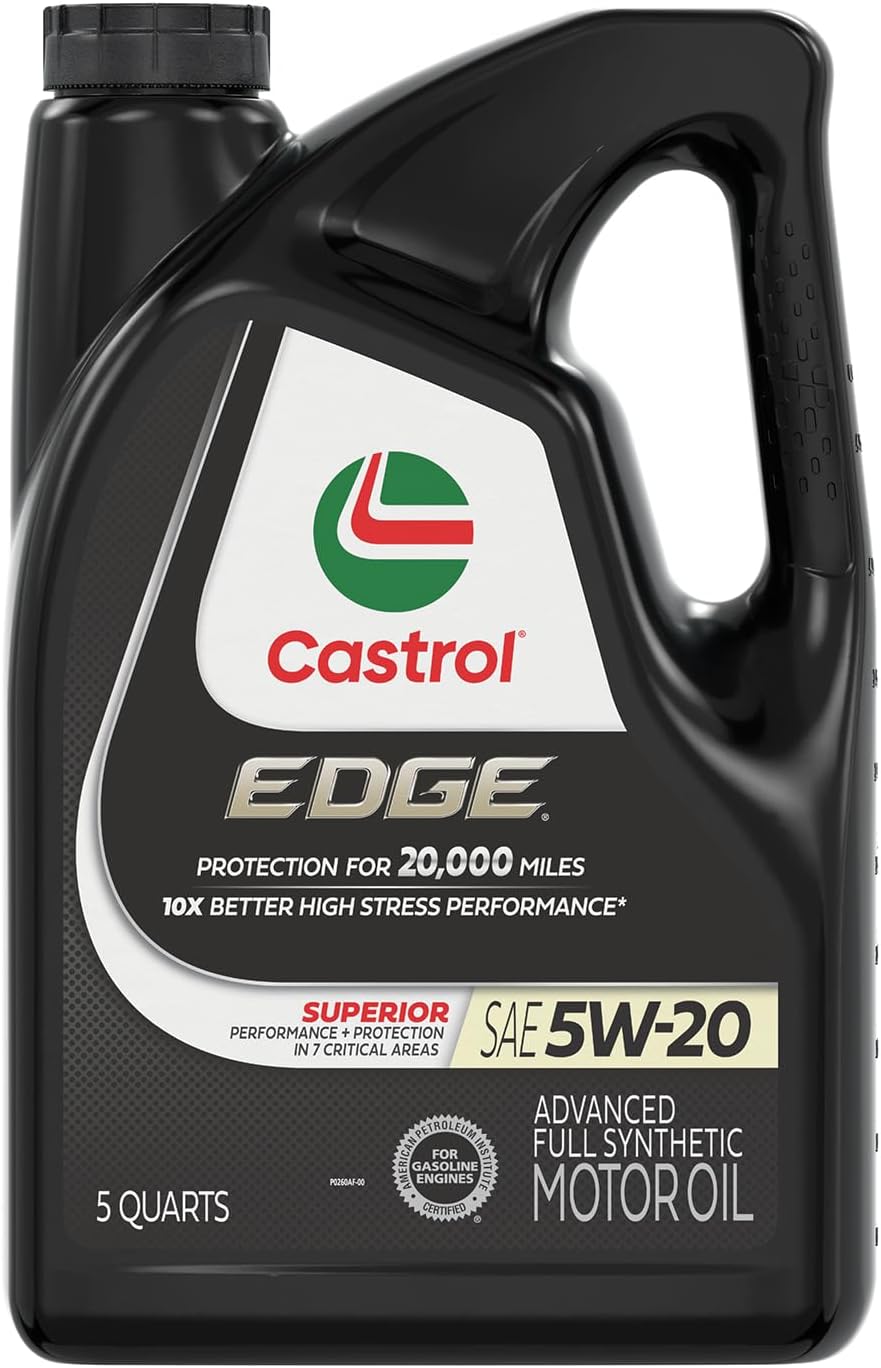
| SAE J300 Viscosity Grade | 5W-20 |
|---|---|
| Container Type | Jug |
| Compatible with Vehicle Type | Car, Truck |
| Liquid Volume | 5 Quarts |
Castrol EDGE 5W-20 is a full synthetic engine oil formulated to protect moving parts, resist high-temperature breakdown, and help maintain engine cleanliness. In use it replaces factory-recommended 5W-20 oils for compatible engines and is suitable for normal driving and extended-interval service schedules called out by the manufacturer. Key features include a synthetic base with proprietary additives aimed at improving high-temperature performance, reducing sludge and deposits, and lowering friction for better fuel economy. Practical benefits for an Explorer in the 2011–2019 range include stronger wear protection during hot highway runs and improved cold-start flow compared with conventional oils. Important limitations are that it is a single SAE grade (5W-20) so it must match the vehicle manufacturer's viscosity requirement, and claimed extended oil-change intervals depend on driving conditions and service monitoring rather than being universally applicable.
Best for: Buyers who want a factory-quality full synthetic that emphasizes maximum wear protection and stable high-temperature performance while maintaining good cold-start flow for everyday and highway use.
Less Ideal for: Drivers who need a different viscosity than 5W-20 or who follow a strictly short-interval, conventional-oil maintenance plan should consider alternatives.
- Full synthetic formulation for better thermal stability and reduced deposit formation.
- Targets wear protection with additive chemistry to preserve engine components.
- Low-viscosity 5W-20 grade improves cold-start flow and can aid fuel economy.
- Only available in the 5W-20 viscosity, so not suitable where other grades are specified.
- Extended oil-change interval claims depend on driving conditions and may not apply to all use cases.
Verdict: The best full-synthetic engine oil for shoppers who prioritize maximum wear protection, cold-start performance, and long-term stability compared with conventional blends.
5. Motorcraft SAE 5W-20 Synthetic Blend Motor Oil, 5-Quart Jug
Best Synthetic Blend Engine Oil

| SAE Viscosity Grade | 5W-20 |
|---|---|
| Container Type | Jug |
| Liquid Volume | 5 Quarts |
| Meets Specifications | WSS-M2C960-A1; SN PLUS |
| Compatible Vehicle Type | Car, SUV, Truck, Van |
This Motorcraft 5W-20 synthetic blend is formulated to provide improved wear protection and fuel-efficiency over conventional 5W-30 or 10W-30 oils while matching Ford's specifications for compatible vehicles. It is typically used for routine oil changes in applicable Ford vehicles from the covered year ranges and provides friction-reducing additives, oxidation and turbocharger deposit protection, and resistance to low-temperature gelling and foaming. The 5-quart jug is convenient for DIY maintenance and contains the recommended viscosity for many 2011-2019 Ford Explorer engines listed in the product fitment. Because it meets WSS-M2C960-A1 and SN PLUS, it also helps mitigate oil-related low speed pre-ignition. The oil is a synthetic/hydroprocessed blend rather than a full synthetic, so it balances better cold-start and high-temperature protection with a lower cost than full synthetic oils. If you need the absolute top thermal stability of a full synthetic for extreme towing or performance use, a full synthetic would be a different choice, but for most routine driving and factory-recommended service intervals this Motorcraft blend is a practical, vehicle-matched option.
Best for: Buyers who want a cost-effective step up from conventional oil that remains matched to Ford's engine requirements and is suitable for routine service on covered 2011-2019 Ford Explorer models.
Less Ideal for: Drivers who regularly do heavy towing, high-performance driving, or who prefer the maximum protection and longest drain intervals offered by full synthetic oils should consider a full synthetic alternative.
- Formulated to Ford specifications for compatible Ford, Lincoln, and Mercury gasoline engines
- Synthetic blend offers better wear protection and improved fuel economy versus heavier conventional grades
- Contains additives to protect against oxidation, turbocharger deposits, corrosion, and foaming
- Sold in a 5-quart jug convenient for DIY oil changes
- Not a full synthetic so it offers less ultimate high-temperature and long-interval stability than full synthetic oils
Verdict: The best synthetic blend engine oil for buyers seeking improved protection and performance over conventional oil while keeping costs lower than full synthetics.
6. Valvoline MaxLife Full Synthetic High Mileage 5W-20 Motor Oil, 5 qt
Best High-Mileage Engine Oil

| SAE Viscosity | 5W-20 |
|---|---|
| Liquid Volume | 5 Quarts |
| Compatible Vehicle Type | Car, Truck |
| Viscosity Level | Low to Medium |
| Flash Point | 390 Degrees Fahrenheit |
Valvoline MaxLife Full Synthetic 5W-20 is a high-mileage motor oil designed to address the common problems of older engines. It is formulated for vehicles with 75,000 miles or more and adds extra anti-wear chemistry, sludge-fighting detergents, and seal conditioners to help reduce leaks and oil consumption. In use it serves as a drop-in replacement where 5W-20 is specified, offering improved wear protection, better resistance to sludge buildup, and stronger heat protection compared with standard industry baselines. Practical benefits include longer engine life in worn components, fewer seal-related drips, and potentially steadier oil consumption between changes. Limitations to consider are that it is a single-viscosity grade (5W-20) so it is only appropriate where that grade meets the vehicle manufacturer requirements, and like any specialty high-mileage oil its advantages are most noticeable on engines with significant wear rather than new or recently rebuilt engines.
Best for: Buyers looking to extend the life of a well-used 2011–2019 Ford Explorer who prioritize reducing leaks, lowering oil consumption, and improving wear protection without changing viscosity.
Less Ideal for: Drivers planning engine rebuilds, or those whose Ford Explorer requires a viscosity other than 5W-20 should choose a different oil grade or formulation.
- Formulated specifically for high-mileage engines with additives that target wear and deposits
- Includes seal conditioners to help reduce and prevent oil leaks in aging gaskets and seals
- Full synthetic base offers stronger heat protection and improved sludge defense versus conventional oils
- Meets modern API and ILSAC performance specs for gasoline engines, supporting compatibility with manufacturer requirements
- Only available in SAE 5W-20 grade so not suitable where a different viscosity is required
Verdict: The best high-mileage engine oil for vehicles with significant miles that need seal conditioners, reduced oil consumption, and protection against wear common in older engines.
7. Valvoline Advanced Full Synthetic 5W-30 Motor Oil, 5 qt
Best 5W-30 Engine Oil

| SAE Viscosity Grade | 5W-30 |
|---|---|
| Engine Type | Gasoline engines |
| Volume | 5 Quarts |
| Performance Specs | ILSAC GF-7A, API SP, API SQ |
Valvoline Advanced Full Synthetic 5W-30 is a full synthetic engine oil designed to protect gasoline engines through everyday and severe driving. It flows readily at low temperatures for better cold-start protection and maintains viscosity at high operating temperatures to resist thinning and thermal breakdown. The formula includes additives aimed at reducing wear, controlling deposits and sludge, and improving heat resistance so engines run cleaner and last longer. Typical use is conventional drain-interval oil changes in passenger cars and SUVs where a 5W-30 grade and the listed industry specifications are recommended. Benefits include stronger wear protection and improved deposit defense compared with baseline industry standards, plus potential fuel-economy gains from smoother engine operation. Limitations are that buyers should confirm the oil meets any specific Ford specifications required for certain model years or powertrains in the 2011–2019 Explorer range and follow manufacturer change intervals; this product is formulated for gasoline engines and is not a specialized fluid for unusual service conditions like heavy-duty towing or diesel engines.
Best for: Drivers who want a broadly recommended 5W-30 synthetic oil that balances cold-start protection with high-temperature durability for regular highway and city driving in a mid‑size SUV.
Less Ideal for: Drivers needing a factory-specified or specialty fluid for high-mileage, heavy-towing, or diesel applications should choose a product matched to those exact requirements.
- Full synthetic base oils for improved cold-start flow and high-temperature stability
- Claims stronger wear protection and enhanced deposit control versus industry baselines
- Meets current API and ILSAC categories including API SP and ILSAC GF-7A
- Available in common 5-quart jug sized for a single drain and refill
- Formulation designed to improve fuel economy through reduced friction
- Not specified as a Ford-specific factory replacement fluid for every Explorer engine variant
Verdict: The best 5W-30 engine oil for drivers who require a widely recommended viscosity that delivers dependable cold-start flow and robust high-temperature protection.
Choosing the Right 2011-2019 Ford Explorer Engine Oil: Key Factors to Consider
Viscosity and Seasonal Performance
Viscosity determines how easily oil circulates and how well it protects at different temperatures. For 2011-2019 Ford Explorer engines, selecting the correct weight—such as 5W-30 or 0W-20 depending on the engine variant and local climate—affects cold starts, oil pressure, and fuel economy.
Thinner oils flow faster at low temperatures, reducing startup wear, while heavier grades can maintain a thicker lubricating film under high load and heat. Consider seasonal temperature ranges and the manufacturer recommendations for your specific engine when choosing a viscosity to ensure proper protection year-round.
Specification Compliance and Approvals
Approved service specifications and API/ILSAC ratings indicate an oil has been tested to meet industry benchmarks. For the Explorer, oils that list relevant Ford specifications or contemporary API categories provide assurance of compatibility with engine clearances and emissions systems.
Using an oil without the necessary approvals can risk reduced protection or incompatibility with the engine's design. Always verify the oil's stated approvals against your vehicle's owner manual or service guide.
Additive Package and Deposit Control
The additives in motor oil control sludge, varnish, and wear. Detergents, dispersants, and antioxidant chemistries keep combustion byproducts suspended and prevent deposits that reduce efficiency and accelerate wear in Explorer engines.
An oil with strong deposit control helps maintain compression and smooth operation over time. If you drive in stop-and-go traffic or tow occasionally, prioritize oils with proven cleanliness claims to protect piston rings, valves, and turbo components where applicable.
High-Temperature Stability and Wear Protection
Shear resistance and thermal stability determine how well oil maintains its protective film during sustained highway driving, towing, or heavy loads. Oils that resist viscosity breakdown reduce metal-to-metal contact and protect bearings and cams in typical Explorer use cases.
Consistent film strength under heat translates to lower wear rates and longer engine life. This factor is especially important for owners who regularly drive at highway speeds, carry heavy loads, or operate in hotter climates.
Compatibility with High-Mileage Engines
As mileage increases, engine tolerances can widen and seals can harden or shrink. High-mileage formulations often include conditioners and seal-safe additives that help reduce leaks and restore some sealing performance while providing protective viscosity.
If your Explorer has significant miles, consider oils formulated for high-mileage engines to address minor seal wear and to maintain compression. However, ensure these oils still meet the necessary service specifications for your engine.
Oil Change Interval and Maintenance Practices
Recommended drain intervals vary with oil type and driving conditions. Some synthetic oils support extended intervals, but real-world factors like towing, frequent short trips, and dusty environments shorten useful oil life.
Plan oil changes based on the vehicle's usage and follow the manufacturer guidance for service intervals. Regular oil and filter changes are among the most cost-effective ways to sustain engine health in the Explorer.
Common Explorer Engine Types and Their Oil Needs
The 2011-2019 Explorer was offered with several engine options that influence the best oil choice. Some engines are designed to run on lighter low-temperature grades to improve fuel economy, while others benefit from slightly heavier viscosities to maintain film strength under load.
Identify which engine your vehicle has before selecting oil. Check the owner manual or the engine label for recommended viscosity and required service specifications. Matching oil to the engine design ensures proper oil pressure and longevity.
- Confirm manufacturer-recommended viscosity for your engine variant.
- Adjust oil choice for local climate conditions to ensure good cold-start protection.
- Consider factory-recommended approvals and service intervals.
When to Choose Synthetic Versus Conventional Oil
Synthetic motor oil offers better thermal stability, lower volatility, and stronger shear resistance compared with conventional oils. For many Explorer owners, synthetic oil provides more reliable protection during long drives, towing, and in extreme temperatures.
Conventional oils can be acceptable for low-mileage, low-stress driving but may require shorter drain intervals. If you are seeking longer intervals between oil changes and improved protection, a high-quality synthetic is generally the smarter choice for the Explorer.
- Synthetic: better for high-mileage protection, towing, and extended intervals.
- Conventional: acceptable for light-duty driving when manufacturer-approved and maintained more frequently.
Choosing the Right Oil for High-Mileage Explorers
High-mileage Explorers often benefit from formulations that address seal condition and internal wear. These oils include additives that help reduce minor oil consumption and can marginally improve compression by improving seal pliability.
When selecting a high-mileage oil, make sure it still carries the necessary API or Ford approvals for your engine. Monitor for changes in oil consumption, leaks, and performance after switching; a high-mileage oil can help but will not reverse severe mechanical wear.
- Look for seal-conditioning additives and proven deposit control.
- Continue regular monitoring of oil level and condition after switching.
Viscosity Choices: 0W-20, 5W-30, and Other Options
Different viscosities offer tradeoffs between cold-start flow and high-temperature film thickness. For these Explorer years, 0W-20 and 5W-30 are commonly recommended grades depending on engine and climate. The lower number indicates cold-start flow while the second number indicates protection at operating temperature.
Use the owner manual recommendation as the starting point. If you regularly tow or encounter high ambient temperatures, a slightly higher operating viscosity can maintain protection under load. Avoid mixing viscosities unless necessary and follow proper procedures if you do.
- 0W-20: better cold-start performance and potential fuel economy benefits.
- 5W-30: stronger film under sustained high-temperature loads.
Preparing for an Oil Change or Service Visit
When planning an oil change, have your vehicle's engine type, recommended viscosity, and service specification at hand. Replace the oil filter with a quality unit rated for compatible flow and micron retention. Proper filter selection helps maintain oil cleanliness between services.
Record the date, mileage, and type of oil used in your maintenance log. This information makes future decisions easier and helps you track oil consumption and service intervals accurately.
- Always drain to the recommended level and use the correct oil filter.
- Keep a maintenance log of oil type, viscosity, and mileage at change.
Still looking for the perfect fit?
Select your Ford Explorer configuration to see the most relevant Engine Oils recommendations
How We Chose the Best 2011-2019 Ford Explorer Engine Oil
We focused on products that meet or exceed the service specifications relevant to the 2011-2019 Ford Explorer engines and deliver consistent protection across normal and demanding driving conditions. Our evaluation prioritized engine oils that offer strong film strength, effective deposit control, and stability across the temperature ranges drivers commonly face.Concrete criteria included viscosity match and seasonal performance, API and Ford specification compliance, high-temperature shear resistance, additive package geared toward piston cleanliness, and support for extended drain intervals where applicable. We also considered suitability for higher-mileage engines, compatibility with emissions hardware, and proven oxidation control.We excluded products that do not list relevant API/ILSAC/Ford approvals or that rely on incomplete performance data. Oils that are solely marketed without supporting specification documentation were not considered. The result is a curated list emphasizing fitment, protection, and longevity for Explorer owners.
Our full evaluation process is outlined in our review methodology.
FAQ
How often should I change engine oil in a 2011-2019 Ford Explorer?
It depends on oil type and driving conditions. With conventional oil and normal driving, follow the owner manual intervals. Synthetic oils often extend intervals, but towing, short trips, and heavy use typically require more frequent changes.
Can I switch from 5W-30 to 0W-20 in my Explorer?
Switching depends on your specific engine and manufacturer recommendations. Some Explorer engines are specified for 0W-20 while others call for 5W-30. Check the owner manual and choose a viscosity that matches your engine and climate.
Is high-mileage engine oil necessary for an older Explorer?
High-mileage oils can help address minor seal deterioration and reduce leaks in older engines. They are useful if you notice increased oil consumption or minor seepage, but they will not cure major mechanical problems.
What should I look for on an oil label for compatibility?
Look for API service categories and any Ford-approved specifications listed. Also check viscosity grade and any claims about deposit control, shear stability, and suitability for extended drain intervals.
Will using a different oil affect my Explorer's emissions system?
Oils that meet the correct specifications should be compatible with the emissions system. Using oils that lack the necessary approvals can increase deposits or affect catalytic converter performance, so always choose oils that list appropriate industry or manufacturer approvals.
Final Verdict
Prioritize oils that match the Explorer's recommended viscosity and carry the proper service approvals. Decide between synthetic and conventional based on your driving patterns, climate, and whether you need the benefits of improved thermal stability or extended drain capability.For higher-mileage vehicles, consider high-mileage formulations that maintain seals and reduce consumption while still meeting specifications. Focus on proven protection, regular monitoring, and scheduled oil and filter changes to keep your 2011-2019 Ford Explorer running reliably.
Explore More:
- Check out all Ford Explorer parts & accessories
- Explore Fluids & Chemicals
- Browse all Accessories
