

Note: This article contains affiliate links. If you click on these links and make a purchase, I may earn a small commission at no extra cost to you. This helps support my research and content. Read my full affiliate disclosure here.
If you own a 2011-2019 Ford Explorer, choosing the right brake pads matters for real-world safety, comfort, and maintenance cost. The Explorer's weight and common driving conditions mean pads need to deliver confident stopping power, predictable pedal feel, and acceptable wear life. This guide shortlists the top brake pads suitable for that model years range and explains the practical tradeoffs between performance, noise, and durability. We evaluate candidates based on stopping performance and pad longevity, plus fit and dust control, so you can pick the option that best matches how you drive. Read on to see the top picks and what to watch for when you install replacements.
Looking for other parts? See all Ford Explorer parts & accessories.
Top Picks at a Glance
| Best Overall The best all-around choice for most situations | Detroit Axle Ceramic Brake Pad Kit for 2011–2019 Ford Explorer (Front and Rear) |  |
| Best Quality Built to a higher standard if you want something more solid | Bendix Priority1 CFC1508 Ceramic Front Brake Pads (with hardware) |  |
| Best Value The sweet spot between price and what you get | SCITOO Ceramic Front and Rear Brake Pad Set for Ford Explorer (2011–2019) |  |
| Best Budget The cheapest option that still gets the job done reliably | Auto Shack Front Ceramic Brake Pads (front set) |  |
| Highest Rated A top-rated pick with lots of positive feedback | ALADICHE Ceramic Front and Rear Disc Brake Pads (vehicle-specific fit) |  |
| Most Popular A crowd favorite that many people choose with confidence | Detroit Axle Front and Rear Drilled & Slotted Brake Kit with Ceramic Pads |  |
| Best Seller A high-volume bestseller chosen again and again | Bendix Premium SBC1754 Ceramic Rear Brake Pads |  |
1. Detroit Axle Ceramic Brake Pad Kit for 2011–2019 Ford Explorer (Front and Rear)

| Fitment | 2011-2019 Ford Explorer (standard duty, solid rear rotors) |
|---|---|
| Material Type | Ceramic |
| Kit Contents | Front and rear pads, hardware, 10 oz brake cleaner, 12 oz brake fluid |
| Automotive Fit Type | Vehicle Specific Fit |
This Detroit Axle kit supplies both front and rear ceramic brake pads plus hardware, a 10 oz brake cleaner, and a 12 oz brake fluid bottle for a near-complete DIY brake refresh on 2011–2019 Ford Explorer models with standard-duty, solid rear rotors. The ceramic compound and chamfered edges are marketed to cut dust, reduce noise and maintain a steady friction coefficient under higher temperatures, which helps prevent fade during normal driving and towing. Included cleaner and fluid make bleeding and prep easier for home mechanics or installers. Because these are vehicle-specific replacement pads rather than a premium performance compound, expect a focus on quiet everyday braking and rotor protection rather than aggressive bite for track use. Installation is straightforward for anyone comfortable with basic brake work, but owners wanting ultra-high-performance stopping power should look at specialty performance pads instead.
Best for: Buyers who want a straightforward, quieter ceramic replacement for everyday driving and light towing on 2011–2019 Ford Explorer models and prefer a near-complete DIY kit.
Less Ideal for: Drivers seeking aggressive track-level braking or heavy commercial duty performance should choose a dedicated performance or heavy-duty brake pad instead.
- Vehicle-specific kit includes both front and rear pads plus mounting hardware for a complete pad replacement
- Ceramic formulation reduces dust and noise and helps protect rotors from scoring
- Includes brake cleaner and brake fluid so you can prep and top off during installation
- Designed for high-temperature resistance to reduce brake fade during extended driving
- Not intended as a high-friction racing or heavy-duty commercial pad; performance limits under track conditions
Verdict: A convenient, vehicle-specific ceramic pad kit that delivers quieter, low-dust everyday braking for 2011–2019 Ford Explorer owners who want a reliable DIY replacement.
2. Bendix Priority1 CFC1508 Ceramic Front Brake Pads (with hardware)

| Material Type | Ceramic |
|---|---|
| Auto Part Position | Front |
| Included Components | Pad set with installation hardware |
| Automotive Fit Type | Vehicle Specific Fit |
The Bendix Priority1 CFC1508 is a vehicle-specific ceramic front pad set intended to provide quiet, consistent stopping for daily-driven Ford Explorers and similarly equipped models. Engineered to meet factory fit and performance, the pads include shims, slots, and chamfers that reduce noise and help evacuation of dust and gases, which supports predictable bite and reduced squeal in normal driving. They come with installation hardware and are aimed at drivers who want a near-factory braking feel without switching to aggressive compounds. Practical benefits include reliable fade resistance for commute and light towing work and a ceramic formulation that tends to create less rotor wear and finer brake dust. Limitations: these are not high-friction performance or track-oriented pads, so drivers seeking very aggressive stopping power or rapid heat tolerance under repeated hard stops should consider a performance or semi-metallic option instead. Fit is specific to certain trims with 325mm front rotors and solid rear rotors so careful fitment confirmation is required.
Best for: Drivers who prioritize a quiet, factory-like feel and consistent everyday stopping performance on their Explorer and want a low-dust ceramic replacement that works with the stock braking system.
Less Ideal for: Drivers who regularly perform track days, heavy towing, or require aggressive high-temperature stopping should choose performance-oriented or semi-metallic pads designed for those demands.
- Designed to match factory fit and function for listed vehicle applications
- Ceramic compound reduces brake dust and tends to be gentler on rotors
- Shims, slots, and chamfers help minimize noise and improve pad bedding
- Includes installation hardware for a complete front pad replacement
- Not formulated for aggressive track use or repeated high-temperature stops
Verdict: A quiet, low-dust ceramic front pad set that delivers reliable, factory-like braking for Explorers equipped with 325mm front rotors.
3. SCITOO Ceramic Front and Rear Brake Pad Set for Ford Explorer (2011–2019)

| Material Type | Ceramic |
|---|---|
| Auto Part Position | Front |
| Included Components | Brake Pads |
| Automotive Fit Type | Vehicle Specific Fit |
These SCITOO brake pads are a vehicle-specific ceramic kit that replaces both front and rear pads on compatible Ford Explorer model years. Designed for everyday driving, the ceramic formulation produces less visible dust and runs quieter than semi-metallic options, and the pads come with chamfers, slots, and noise-dampening shims to reduce vibration and squeal. Installation is typical for a pad swap and the kit includes pads for driver and passenger sides. Practical benefits include smoother initial bite after a recommended 200-mile break-in and straightforward maintenance checks every 15k–20k miles. Limitations are that pad life will vary with driving style and heavy-duty or performance brake packages on some vehicles may require different parts, so confirm fitment before buying. Overall this kit targets commuters and families who want a cleaner wheel appearance and reduced cabin noise without moving to a performance-oriented compound.
Best for: Buyers who want a quiet, low-dust replacement for daily driving Explorers and prioritize clean wheels and reduced cabin noise over track-level stopping power.
Less Ideal for: Drivers who frequently tow, carry heavy loads, or want aggressive track performance should choose a heavy-duty or performance-oriented pad instead.
- Ceramic material reduces visible wheel dust compared with semi-metallic pads
- Pre-treated shims, chamfers, and slots minimize squeal and vibration
- Full front and rear kit includes pads for both driver and passenger sides
- Vehicle-specific fit for 2011–2019 Ford Explorer models with standard duty brakes
- Not intended for heavy-duty or performance brake packages which may use different calipers or rotor types
Verdict: A practical ceramic front and rear pad kit that cuts dust and noise for 2011–2019 Ford Explorer drivers focused on quiet, everyday braking.
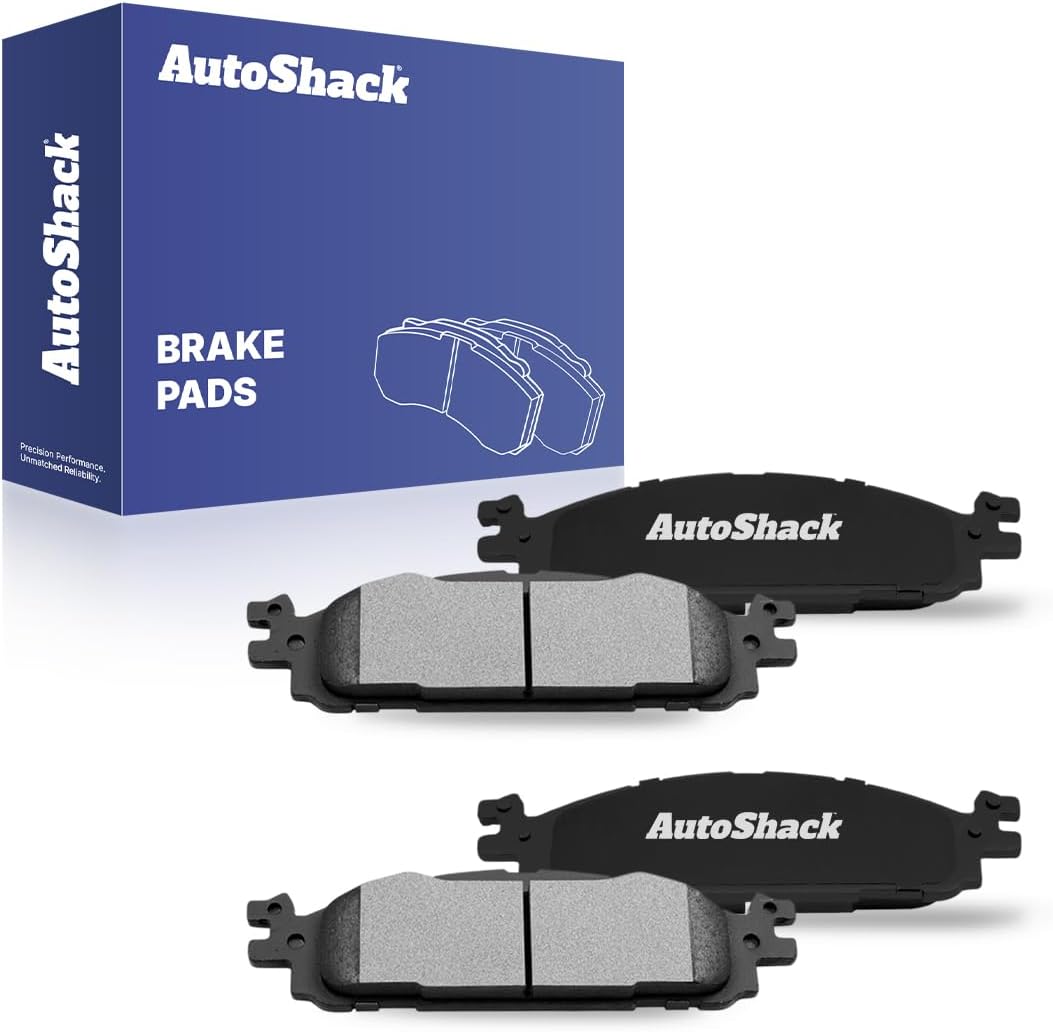
4. Auto Shack Front Ceramic Brake Pads (front set)
| Material Type | Ceramic |
|---|---|
| Auto Part Position | Front |
| Included Components | Ceramic Brake Pad Set |
| Automotive Fit Type | Vehicle Specific Fit |
These Auto Shack front ceramic pads are a direct-fit replacement intended for front braking on compatible Ford and Lincoln models from the 2010s. They are sold as a four-piece ceramic pad set and aim to provide quiet, low-dust braking with stable friction to protect rotors and deliver predictable stopping power in everyday driving. Installation is typical for a front brake pad swap and they are sized to match factory mounting points so a standard brake job should be straightforward for a DIYer or a shop. Notable features include ceramic compound for reduced dust and manufacturer notes about extended rotor life. Limitations are that clips are not included and fitment must be verified for your exact vehicle and engine configuration before purchase. These pads come with a six-month coverage against material defects but do not cover installation costs. For buyers focused on a budget-friendly replacement that prioritizes low dust and quiet operation, these offer a practical balance; drivers seeking longer-term heavy-duty or performance braking may prefer upgraded or branded premium options.
Best for: Buyers looking for an affordable, low-dust, quiet front brake pad replacement for everyday driving on compatible Ford and Lincoln models who prioritize straightforward fit and lower maintenance appearance.
Less Ideal for: Drivers who do frequent heavy towing, track use, or demand high-temperature performance should consider heavy-duty or performance-oriented brake pads instead.
- Ceramic compound reduces wheel brake dust compared with semi-metallic pads
- Designed as a vehicle-specific direct-fit for simpler installation
- Engineered for quiet operation and consistent friction stability
- Aims to reduce rotor wear for longer rotor life
- Mounting clips are not included with the pad set
Verdict: A budget-friendly ceramic front pad set that delivers quiet, low-dust braking and an easy direct-fit replacement for compatible 2010s Ford and Lincoln models.
5. ALADICHE Ceramic Front and Rear Disc Brake Pads (vehicle-specific fit)

| Material Type | Ceramic |
|---|---|
| Auto Part Position | Front, Rear |
| Number of Items | 8 |
| Automotive Fit Type | Vehicle Specific Fit |
These ALADICHE ceramic brake pads replace the factory-style friction for both front and rear on specified Ford Explorer, Taurus, Flex, Lincoln MKS, and MKT models. They are intended as a direct-fit, vehicle-specific replacement and are typically installed when rotors are serviced or pads are worn. The ceramic compound is marketed to produce lower dust and quieter stops, so drivers can expect reduced wheel contamination and less squeal compared with older semi-metallic pads. The kit includes eight pads to cover both axles and lists equivalent part numbers for cross-reference, which helps matching during purchase. Because these are an aftermarket, vehicle-specific option, fitment must match the listed model years and engine/baseline configurations exactly to avoid installation issues. Buyers should also plan for a proper bed-in and check rotor condition when swapping pads to secure optimal stopping performance and longevity.
Best for: Buyers who prioritize dependable, lower-dust braking and want a direct-fit replacement for the specified Ford and Lincoln models for routine maintenance and rotor servicing.
Less Ideal for: Drivers who need heavy-duty or track-oriented performance pads or who have modified braking systems should pick a performance-grade option instead.
- Ceramic material reduces brake dust compared with many semi-metallic pads
- Quiet stopping design aimed at minimizing squeal during normal braking
- Vehicle-specific fit and listed OEM-equivalent numbers simplify matching to the right application
- Includes a full set of eight pads to replace both front and rear at once
- Fitment is limited to the listed model years and base-model configurations only
Verdict: A straightforward ceramic direct-fit replacement that delivers quieter, lower-dust braking for the listed Ford and Lincoln base-model applications.
6. Detroit Axle Front and Rear Drilled & Slotted Brake Kit with Ceramic Pads

| Fitment rotor sizes | 12.80" front, 12.99" rear |
|---|---|
| Pad material | Ceramic |
| Rotor type | Drilled and slotted |
| Automotive fit | Vehicle Specific Fit |
| Warranty | 10 Year |
This Detroit Axle kit supplies both front and rear drilled and slotted rotors plus ceramic pads sized for vehicles with 12.80" front and 12.99" rear rotors. It is intended as a direct fit replacement for supported Ford Explorers and related models with the specified rotor diameters. The drilled and slotted rotors help shed heat and resist glazing during spirited driving or towing, while the ceramic pads aim to reduce dust and provide a quieter initial bedding-in compared with semi-metallic pads. The kit also includes brake cleaner and fluid for a more complete install. Build claims and ISO-certified manufacturing suggest factory-quality fit and consistent parts, and the included 10-year warranty offers long-term reassurance. Expect a straightforward bolt-on installation for someone comfortable with basic brake work, but drivers wanting the absolute best fade resistance under hard track use may prefer a performance-oriented rotor and pad combination. Fit is specific to models with the listed rotor sizes, so confirm rotor diameter before ordering.
Best for: Buyers who want a full, vehicle-specific replacement brake kit that balances quieter, lower-dust ceramic pads with improved rotor cooling and who value long-term warranty protection and broad user validation.
Less Ideal for: Drivers who regularly subject their vehicle to high-temperature track sessions or heavy towing and need motorsport-grade pads and rotors should consider dedicated performance components instead.
- Complete front and rear kit with rotors and ceramic pads for a single purchase
- Drilled and slotted rotors help manage heat and maintain bite under repeated stops
- Ceramic pads typically produce less dust and reduced noise during normal driving
- Includes brake cleaner and fluid to simplify a one-job replacement
- 10-year warranty provides long-term coverage and confidence
- Not tuned for extreme track or heavy commercial use where higher fade resistance is required
Verdict: A convenient, vehicle-specific full front-and-rear brake kit that delivers quieter, lower-dust ceramic pads and heat-managing drilled and slotted rotors with long-term warranty backing.
7. Bendix Premium SBC1754 Ceramic Rear Brake Pads

| Auto Part Position | Rear |
|---|---|
| Compatible with Vehicle Type | Cars, SUV, Truck |
| Material Type | Ceramic |
| Included Components | Pad set with installation hardware |
Bendix Premium SBC1754 rear brake pads are a ceramic replacement designed to match factory fit and function for select Ford SUVs and sedans. They install like a direct swap and include hardware, so they suit a routine pad change during scheduled maintenance. The ceramic formulation reduces dust and tends to run quieter than semi-metallic options, making them a good choice for daily driving and city/highway commuting. Bendix emphasizes wear resistance and reduced brake fade, which helps preserve braking feel over repeated stops and hot conditions. These pads are marketed as meeting OEM specifications and carry Bendix testing history, which supports reliability for risk-averse buyers. Limitations are typical of ceramic pads: they may not provide the same initial bite or heat capacity as aggressive semi-metallic compounds under heavy towing or spirited driving, and they are a rear-pad set only so a full-axle replacement or rotor condition check may be needed at installation.
Best for: Buyers who prioritize reliable, low-noise daily driving performance and want a factory-like replacement that minimizes maintenance fuss and visible brake dust.
Less Ideal for: Drivers who frequently tow heavy loads, drive aggressively, or need maximum track-style stopping performance should consider high-friction semi-metallic or performance pads instead.
- Factory-quality fit and form for direct replacement on supported vehicles
- Ceramic material produces lower dust and typically quieter operation
- Includes installation hardware for an easier swap
- Engineered to resist wear and reduce brake fade for consistent stopping
- Ceramic compound may offer less initial bite and lower heat tolerance than semi-metallic pads under heavy load
Verdict: Choose these Bendix ceramic rear pads when you want a quiet, low-dust, factory-quality replacement for routine driving on supported 2011–2019 Ford Explorers.
Choosing the Right 2011-2019 Ford Explorer Brake Pads: Key Factors to Consider
Stopping Performance and Brake Feel
How quickly and consistently a pad brings the Explorer to a stop is the most important factor. Stopping performance varies with compound chemistry, pad thickness, and how the material responds to heat. For a 2011-2019 Ford Explorer you should favor pads that provide predictable bite from cold and maintain deceleration under sustained braking, especially if you tow or often carry heavy loads.
Brake pedal feel is part of performance. Some compounds give a firmer, more immediate pedal response while others feel softer and more progressive. Choose a pad that matches how you drive: a firmer feel for confident emergency stops, or a more gradual modulation for smooth city driving.
Wear Life and Durability
Expected mileage before replacement affects cost and service intervals. Durability is influenced by compound hardness, backing plate construction, and consistent contact with the rotor. For Explorers from 2011 to 2019, pads that hold up under stop-and-go commuting and occasional highway towing will reduce visits to the shop.
Consider how different compounds age under heat cycling. Some materials glaze or harden, reducing performance and creating uneven wear. Longer-lasting pads often cost more up front but can be more economical across ownership when they extend the interval between brake pads replacement.
Noise, Vibration, and Harshness (NVH)
Brake noise is a common concern for Explorer owners, from high-pitched squeal at light braking to grinding under hard use. NVH depends on compound formulation, shim and backing plate quality, and rotor condition. Pads that include quality shims, chamfers, or noise-reducing layers can noticeably lower squeal and vibration.
Addressing NVH matters because audible noise often leads owners to replace pads prematurely or tolerate uncomfortable braking. Focus on pads designed to minimize noise without sacrificing stopping power, and remember that proper installation and rotor condition also strongly influence NVH outcomes.
Rotor Compatibility and Wear
How a pad interacts with the Explorer's rotors determines rotor lifespan and overall braking cost. Aggressive compounds can cleanly bite but may accelerate rotor wear or cause grooving. Milder compounds protect rotors but may deliver less initial bite.
Factor in rotor thickness spec and current rotor condition when choosing pads. If rotors are nearing minimum thickness, consider resurfacing or replacement to ensure even pad seating. A pad that matches rotor metallurgy and your driving style will extend the life of both components.
Fitment and Installation Quality
Proper fitment to the Ford Explorer's calipers is essential to avoid rattling, uneven wear, and reduced braking performance. Pads with precise backing plates and correct guide features reduce installation headaches and the chance of fitment-related noise.
Check that the pad set includes necessary hardware or is compatible with factory clips and sensors. Poorly fitting pads can lead to movement under braking, causing inconsistent pedal feel and premature wear. For owners doing their own work, clear fitment is also a time-saver.
Dust Control and Wheel Cleanup
Brake dust affects wheel appearance and cleaning frequency. Some compounds produce heavy, dark dust that clings to alloy wheels, while others formulate to reduce particulate generation. For many Explorer owners, lower dust means less frequent wheel maintenance and better long-term appearance.
If cosmetic care is important, choose compounds advertised as low-dust and combine them with proper bedding procedures. Keep in mind that very low-dust pads may trade off a small amount of initial bite, so weigh dust control against stopping performance and durability.
Front Vs Rear Brake Pads on the Explorer
The front and rear pads on the 2011-2019 Ford Explorer play distinct roles. The front pads handle the majority of braking load due to weight transfer during deceleration, so they typically wear faster and may require more robust compounds. Rear pads contribute stability and parking brake function but generally see less heat and wear.
When replacing pads, consider matching compounds front to rear for balanced pedal feel. In some cases, owners choose a slightly more aggressive compound up front and a milder rear pad to preserve rear rotor life and maintain predictable brake modulation.
- Front pads absorb more braking energy and usually need earlier replacement.
- Rear pads affect vehicle stability and parking brake performance.
- Mixing radically different compounds front-to-rear can change pedal modulation.
Bedding-In Procedure for Reliable Performance
A proper bedding-in process helps transfer an even layer of pad material onto the rotor surface, improving initial bite and reducing uneven wear. For the Explorer, follow a conservative bedding protocol that alternates moderate and firmer stops in a safe area, allowing components to cool between cycles.
Neglecting bedding can cause glazing, noise, and inconsistent stopping distances. New pads and rotors should be bedded together to form the best friction surface.
- Begin with 8 to 10 moderate stops from low speed to warm pads.
- Proceed with several firmer stops to higher deceleration while avoiding locking wheels.
- Allow cooling periods and avoid heavy braking for the first 100 miles.
Signs You Need Brake Pad Service
Recognizing early symptoms can prevent rotor damage and maintain safe braking. Common indicators include a change in pedal feel, increased stopping distance, or a persistent squeal during light braking. Intermittent grinding or deep scoring sounds suggest pads may be extremely thin and contacting the rotor backing plate.
Regular inspections of pad thickness and a look for uneven wear patterns can catch problems before they escalate. For the 2011-2019 Explorer, also watch for vibration during braking which can indicate pad or rotor issues.
- Squeal or chirp at low speeds often points to glazing or minor wear.
- Grinding noise usually signals critically low pad thickness and potential rotor contact.
- Reduced pedal travel or softer pedal can be related to caliper or pad condition.
Material Choices: Ceramic, Semi-Metallic, and Organic
Different pad materials deliver distinct tradeoffs. Ceramic pads tend to offer low dust and quieter operation, making them popular for daily-driven Explorers focused on comfort and wheel cleanliness. Semi-metallic compounds provide stronger initial bite and better heat handling, which is useful if you tow or do frequent highway braking. Organic options are often quieter and gentler on rotors but wear faster under heavy use.
Choose the material that aligns with your priorities: low dust and quiet operation, higher stopping power and heat resistance, or a balance for general driving. Consider whether the Explorer's typical use includes towing, which favors higher heat tolerance.
- Ceramic: low dust, quiet, moderate wear life.
- Semi-metallic: strong bite, good heat resistance, more dust.
- Organic: quiet and rotor-friendly but shorter lifespan under heavy use.
When to Resurface or Replace Rotors
Rotor condition affects pad performance and lifespan. If rotors have deep grooves, scoring, or are below the manufacturer's minimum thickness, replacing them is necessary to restore proper braking. Light surface irregularities can sometimes be corrected by resurfacing, which also helps new pads seat evenly.
Measure rotor thickness against the Ford specifications for the Explorer and inspect for heat spots or warping. Installing new pads on damaged rotors can accelerate wear and produce noise, so address rotor condition during pad service.
- Inspect rotor thickness and surface before installing new pads.
- Resurface shallow scoring but replace rotors below the minimum thickness.
- Balanced rotors reduce vibration and improve pedal feel.
DIY Vs Professional Installation
Many Explorer owners perform pad replacement at home, but correct tools and procedures are necessary. Tasks include compressing caliper pistons, ensuring proper pad alignment, and verifying caliper hardware condition. If you do not have a torque wrench or lack experience with brake bleed procedures, professional installation reduces the risk of mistakes.
A professional install can also include a thorough inspection of all braking system components and rotor machining if needed. Factor in your comfort level, tools, and willingness to follow safety procedures when deciding between DIY and professional service.
- DIY can save money but requires correct tools and attention to safety.
- Professionals can diagnose caliper, rotor, and hydraulic issues during service.
- Always follow torque specs and bedding procedures after installation.
Still looking for the perfect fit?
Select your Ford Explorer configuration to see the most relevant Brake Pads recommendations
How We Chose the Best 2011-2019 Ford Explorer Brake Pads
Our selection process focused on criteria that matter to Ford Explorer owners across the 2011 to 2019 model years. We evaluated stopping performance under typical driving loads and during repeated braking events, because the Explorer's curb weight and available engine choices affect heat generation and fade. Wear life and compound durability were prioritized to reflect real mileage expectations for daily driving, towing, and occasional highway use. Fitment and backing plate quality were assessed to ensure correct alignment with Explorer calipers and to minimize installation issues. Noise and vibration characteristics were considered, including rotor scoring and tendency to produce audible squeal. Dust production and ease of cleanup were included for owners who are concerned about wheel appearance and maintenance. Additional filters removed options that lacked documented fitment for the 2011-2019 Explorer, used ambiguous material descriptions, or showed consistently poor user reports on stopping performance or excessive wear. Final choices balance braking effectiveness, longevity, and NVH behavior while keeping installation compatibility central to the selection.
Our full evaluation process is outlined in our review methodology.
FAQ
How often should I check brake pad thickness on a 2011-2019 Explorer?
Check pad thickness at least every 10,000 to 12,000 miles or during every tire rotation. Frequency increases if you tow frequently or drive in heavy traffic, since pads wear faster under those conditions.
Can I replace only the front or only the rear pads on my Explorer?
You can replace front or rear pads independently if only one axle shows significant wear. However, matching pad condition and compound across each axle helps preserve balanced braking feel and consistent stopping behavior.
What pad thickness indicates replacement is needed?
Many manufacturers recommend replacing pads when friction material reaches about 3 millimeters. If you hear grinding or see metal-to-metal contact, replace the pads immediately regardless of remaining thickness.
Are ceramic brake pads a good choice for the Explorer?
Ceramic pads are a solid choice for daily-driven Explorers, offering low dust and quiet operation. If you frequently tow or need sustained high-temperature braking, consider compounds with higher heat tolerance.
Why do new pads sometimes squeal after installation?
New pads can squeal due to glazing, poor rotor surface, or missing shims and anti-squeal treatment. Proper bedding and ensuring the rotor surface is clean and true often resolves early noise.
Will aftermarket brake pads fit my 2011-2019 Ford Explorer?
Aftermarket pads can fit, but verify exact fitment for your Explorer year and brake configuration. Choose pads with confirmed compatibility and proper backing plate dimensions to avoid fitment issues.
Final Verdict
Prioritize stopping performance and proper fit when selecting brake pads for your 2011-2019 Ford Explorer. Balance NVH concerns with expected wear life and rotor compatibility to match your driving habits. If you tow or face repeated heavy braking, favor compounds with higher heat resistance; for daily commuting and cleaner wheels, low-dust, quieter compounds may be preferable. Ultimately, choose pads that offer predictable brake feel, reliable deceleration, and clear fitment to the Explorer to minimize surprises during installation and use.
Explore More:
- Check out all Ford Explorer parts & accessories
- Explore Brake Pads Maintenance & Repair Guides
- Explore Brake System
- Browse all Auto Parts
