

Note: This article contains affiliate links. If you click on these links and make a purchase, I may earn a small commission at no extra cost to you. This helps support my research and content. Read my full affiliate disclosure here.
If you own a 2015-2019 Subaru Outback, choosing the right brake pads affects safety, pedal feel, and noise more than many other routine parts. The wrong pads can cause premature wear, increased stopping distances, or persistent squeal on wet mornings. The shortlist below focuses on pads that match the Outback's weight, suspension tuning, and typical driving—commuting, light towing, and weekend trips.This guide covers the top picks for the 2015-2019 Outback and explains the evaluation criteria used, including pad material, fitment accuracy, and wear characteristics. Read on to see which pad types best fit your driving style and maintenance priorities.
Looking for other parts? See all Subaru Outback parts & accessories.
Top Picks at a Glance
| Best Overall The best all-around choice for most situations | TRQ Front and Rear Ceramic Brake Pad Kit for 2015-2019 Subaru Outback |  |
| Best Quality Built to a higher standard if you want something more solid | R1 Concepts eLINE Front and Rear Brake Kit with Drilled Slotted Rotors and Ceramic Pads |  |
| Best Value The sweet spot between price and what you get | Max Advanced Brakes SelectMAX Rear Carbon Ceramic Brake Pads (Rear) |  |
| Best Budget The cheapest option that still gets the job done reliably | XTHZLP D1808 Rear Ceramic Brake Pads (Vehicle-Specific Fit) |  |
| Highest Rated A top-rated pick with lots of positive feedback | Bendix Premium SBC1078 Ceramic Front Brake Pads with Hardware | 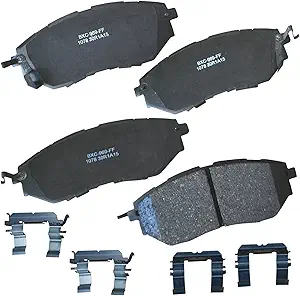 |
| Most Popular A crowd favorite that many people choose with confidence | Max Advanced Brakes Front Brake Kit — Carbon Ceramic Pads with Rotors (Front) |  |
| Best Seller A high-volume bestseller chosen again and again | Bosch QuietCast Premium Semi-Metallic Front Brake Pad Set (BP1078) |  |
1. TRQ Front and Rear Ceramic Brake Pad Kit for 2015-2019 Subaru Outback

| Auto Part Position | Front, Rear |
|---|---|
| Material Type | Ceramic |
| Included Components | 1 Front Ceramic Brake Pad Set, 1 Rear Ceramic Brake Pad Set |
| Specification Met | OEM |
| Manufacturer Warranty Description | 2 years |
These TRQ ceramic front and rear brake pads replace the factory pads on 2015–2019 Subaru Outback models and are aimed at DIY installers and technicians who want a straightforward, low-dust upgrade. The kit includes one front and one rear ceramic pad set engineered with positive molding and thermal scouring to reduce brake dust and improve initial bite. TRQ emphasizes vehicle-specific fit so the pads install without modification, and the package includes hardware and access to installation videos to simplify the job. In real-world use you can expect quieter braking and cleaner wheels compared with many semi-metallic options, plus good stopping power for daily driving and light towing. Limitations are typical of ceramic compounds: they are quieter and cleaner but may run slightly hotter or produce marginally different pedal feel under heavy track-style use compared with high-performance metallic pads. For routine road use on an Outback these pads offer a balanced mix of comfort, cleanliness, and reliable stopping power.
Best for: Buyers who want a no-fuss, factory-quality replacement that prioritizes quieter braking, cleaner wheels, and straightforward DIY installation on their Outback.
Less Ideal for: Drivers who regularly do hard track sessions, heavy commercial towing, or require maximum fade resistance should consider performance-oriented metallic options instead.
- Vehicle-specific front and rear kit designed to fit 2015–2019 Subaru Outback without modification
- Ceramic compound formulated for low brake dust and quieter operation
- Thermal scorched finish for improved initial stopping performance
- Includes front and rear pad sets and hardware with installation resources for DIY fitting
- Ceramic pads can feel different under extreme or track-style braking compared with aggressive metallic pads
Verdict: A balanced, low-dust ceramic front and rear pad kit that fits 2015–2019 Subaru Outback models for quieter, cleaner everyday braking.
2. R1 Concepts eLINE Front and Rear Brake Kit with Drilled Slotted Rotors and Ceramic Pads

| Included components | Front and rear drilled slotted rotors, ceramic pads, hardware |
|---|---|
| Manufacturer warranty | 1 year manufacturer |
| Automotive fit type | Vehicle Specific Fit |
| Compatible vehicle type | Car, Suv, Truck |
This R1 Concepts eLINE kit replaces both front and rear brake components with drilled, diamond-slotted rotors and a set of ceramic pads plus installation hardware. It is intended as a direct-fit replacement for compatible Subaru Legacy, Outback, and WRX models and is typically used by owners who want improved stopping feel over worn factory parts or a modest performance upgrade for street and light track use. The rotors are zinc plated for corrosion resistance and feature crossed drilling and diamond slots to help shed heat and debris, which can reduce pad glazing and keep braking consistent under repeated stops. The ceramic pads are low-dust and formulated for quieter operation and reduced rotor wear compared with more aggressive compounds. Expect clearer wheel appearance and tame brake noise, but note this is not an aggressive track-only setup—drivers seeking maximum track fade resistance or very high-performance friction should look at competition-grade pads. Fitment is vehicle specific and the kit includes hardware to simplify installation.
Best for: Buyers wanting a straightforward, full brake refresh that improves street braking feel and reduces dust while keeping installation simple and factory-style fitment.
Less Ideal for: Drivers who prioritize maximum track performance, aggressive bite, or sustained high-temperature fade resistance should choose a dedicated performance or racing pad and rotor combo instead.
- Direct-fit front and rear kit that replaces rotors, pads, and hardware for a full service job
- Drilled and diamond-slotted rotors help dissipate heat and reduce pad glazing during repeated braking
- Zinc coating on rotors provides corrosion resistance and improved appearance over time
- Ceramic pads produce low dust and quieter operation for cleaner wheels and a more comfortable street driving experience
- Ceramic pad compound is less aggressive than track-focused materials and may not suit heavy track use or frequent high-heat braking
Verdict: A convenient full front-and-rear replacement that upgrades street braking feel and reduces dust while remaining a direct-fit option for the specified Subaru models.
3. Max Advanced Brakes SelectMAX Rear Carbon Ceramic Brake Pads (Rear)

| Position | Rear |
|---|---|
| Material Type | Carbon Ceramic |
| Fit Type | Vehicle Specific Fit |
| Included Components | Brake Pads; Stainless-steel hardware |
| Specification Met | Low Copper |
These SelectMAX rear pads use a carbon ceramic formulation aimed at everyday street and commuting use on the 2015–2019 Subaru Outback. They provide consistent, stable stopping power for routine driving and are engineered to produce less brake dust and reduced low-speed squeal compared with many semi-metallic pads. The kit includes stainless-steel hardware and break-in guidance so you can complete a rear axle replacement without sourcing extra parts. Their chamfered and slotted profile helps quiet engagement and promotes even wear, which should reduce rotor wear over time. On the downside, carbon ceramic pads usually prioritize low dust and noise over aggressive high-temperature performance, so they are not intended for track use or heavy towing. Also the manufacturer recommends installing pads on both axles with new rotors for best results, which raises the scope of a full-stop service job. For owners focused on clean wheels, quieter daily stops, and longer pad life in normal driving, these are a practical rear-pad choice for the Outback.
Best for: Buyers who prioritize low dust, quiet daily braking, and long pad life for routine commuting and errand driving on their Outback and want a complete rear-pad replacement that is easy to install.
Less Ideal for: Drivers who frequently tow, carry heavy loads, or do spirited driving and need pads rated for high-temperature, track, or heavy-duty stopping performance.
- Carbon ceramic formulation reduces brake dust and helps keep wheels cleaner.
- Designed for stable, consistent braking in everyday driving and commuting conditions.
- Includes stainless-steel installation hardware and break-in instructions for a more complete rear-axle service.
- Chamfered and slotted shape helps reduce low-speed noise and encourages even pad wear.
- Not formulated for high-temperature or track-style braking and may fade under sustained heavy use.
Verdict: A practical rear pad choice for the 2015–2019 Outback when you want quieter, low-dust daily braking and a ready-to-install replacement.
4. XTHZLP D1808 Rear Ceramic Brake Pads (Vehicle-Specific Fit)

| Auto Part Position | Rear |
|---|---|
| Compatible with Vehicle Type | CAR |
| Material Type | Ceramic |
| Automotive Fit Type | Vehicle Specific Fit |
These XTHZLP D1808 rear ceramic brake pads are a budget-friendly, vehicle-specific replacement for compatible Subaru models including Outback 2015-2019. They use a ceramic compound designed to reduce noise and vibration, so braking feels smooth and quieter than many semi-metallic alternatives. The pads produce less wheel dust, which helps keep rims cleaner between washes, and the listing notes they meet OEM specifications for fit and durability. Installation is typical for rear pad replacement and the package includes hardware to simplify the job. Expect good daily-driving performance and stable stopping for street use, but these pads are oriented toward comfort and low dust rather than aggressive track braking or heavy towing where higher fade resistance would be needed. For owners prioritizing quiet operation, cleaner wheels, and an economical factory-style replacement, these pads are a practical choice.
Best for: Car owners looking for an affordable, factory-style rear pad replacement that prioritizes quiet operation and low wheel dust for everyday street driving.
Less Ideal for: Drivers who frequently tow heavy loads, do spirited driving, or need pads rated for track use should choose a higher-performance friction compound instead.
- Ceramic compound reduces noise and vibration for quieter, smoother braking
- Produces less brake dust to keep wheels cleaner
- Manufactured to meet OEM fit and function for vehicle-specific installation
- Includes hardware in the package for straightforward rear pad replacement
- Not optimized for heavy-duty, track, or towing use where higher fade resistance is required
Verdict: A cost-conscious, quiet ceramic rear pad replacement that keeps wheels cleaner and fits factory specifications for 2015-2019 Outback daily driving.
5. Bendix Premium SBC1078 Ceramic Front Brake Pads with Hardware
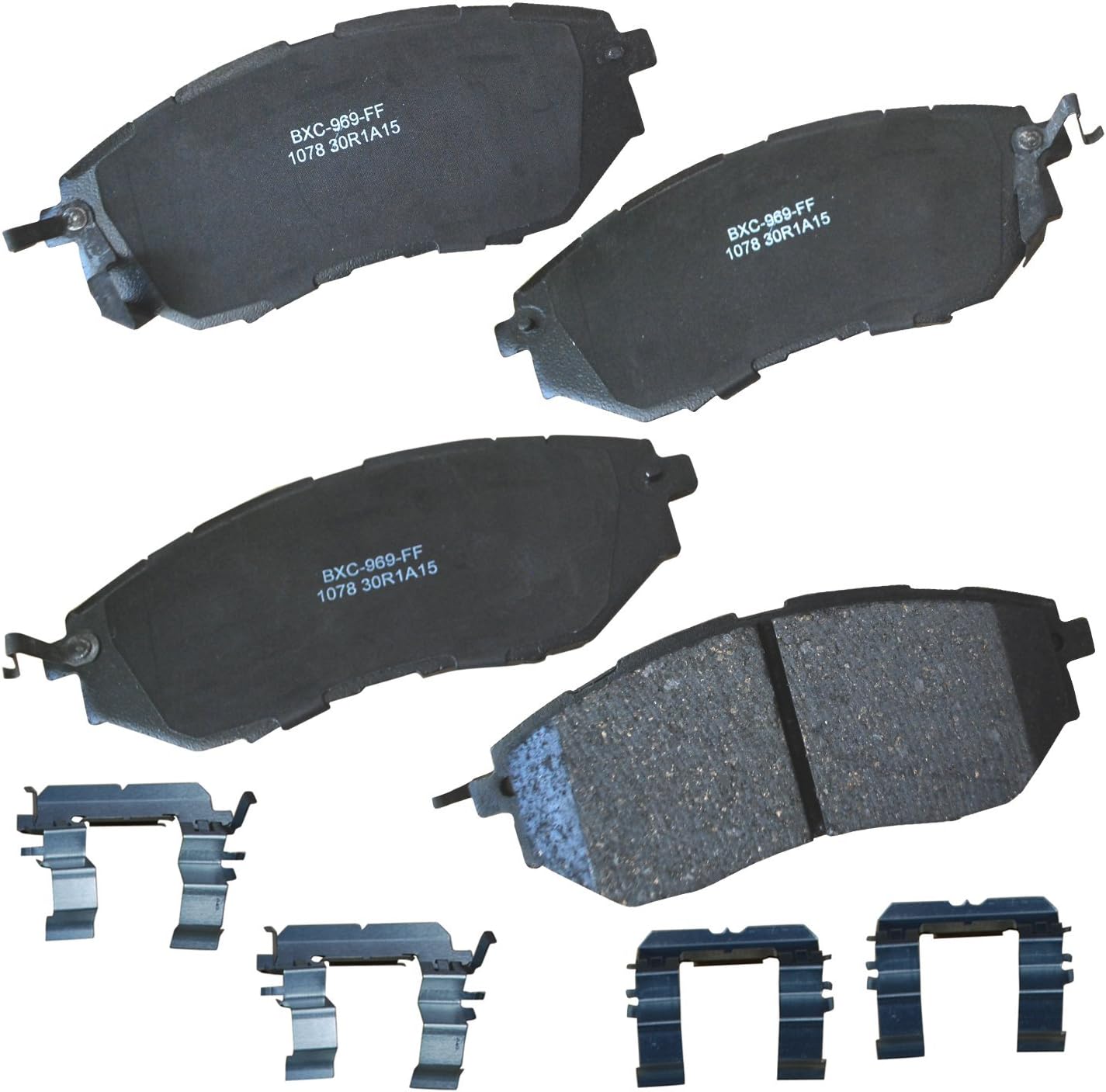
| Brand | Bendix |
|---|---|
| Position | Front |
| Included Components | Pad set with installation hardware |
| Automotive Fit Type | Vehicle Specific Fit |
| Material Type | Copper |
These Bendix Premium SBC1078 ceramic front brake pads are a vehicle-specific replacement designed to give a close match to factory performance for supported Subaru models, including Outback years within the article scope. They come as a single pad set with installation hardware and use a copper-based ceramic material intended to resist wear and corrosion. In everyday driving the pads deliver predictable, smooth stopping power with reduced brake dust compared with semi-metallic options, and Bendix engineers them to the same fit, form, and function as the original parts for straightforward installation. Notable features include vehicle-specific fitment, included hardware, and material geared toward longevity and fade resistance for regular commuting and light towing. Limitations are that compatibility is narrow so you must confirm exact model and brake configuration, and drivers who need maximum track or heavy-duty performance may prefer a different pad compound.
Best for: Buyers who prioritize dependable, factory-like braking for daily driving and want pads that minimize dust and require little fuss at installation.
Less Ideal for: Drivers seeking high-friction compounds for track use or heavy commercial duty should consider performance or heavy-duty brake pads instead.
- Vehicle-specific fit for a range of Subaru front brakes simplifies installation.
- Included installation hardware reduces the need for extra parts when replacing pads.
- Ceramic copper-based material resists wear and generates lower dust than many semi-metallic pads.
- Engineered to match factory fit, form, and function for consistent pedal feel and braking response.
- Designed for regular street use rather than aggressive track or heavy-duty applications.
- Fitment requires careful verification against exact model, trim, and any electric parking brake notes.
Verdict: If you want reliable, factory-matching front brake pads for everyday driving on a 2015–2019 Outback, these Bendix ceramic pads deliver predictable stopping and lower dust with hassle-free installation.
6. Max Advanced Brakes Front Brake Kit — Carbon Ceramic Pads with Rotors (Front)

| Compatible with Vehicle Type | Car |
|---|---|
| Automotive Fit Type | Vehicle Specific Fit |
| Orientation | Front |
| Included Components | Brake Rotors, Brake Pads, Hardware |
This Max Advanced Brakes front kit is a direct-fit replacement designed for everyday driving on compatible Subaru models. It combines precision-machined G3000/G11H18 cast iron rotors with carbon-infused ceramic pads and includes all installation hardware for a bolt-on swap. In use the matched rotor and pad pairing offers smooth bedding, predictable pedal feel, and consistent stopping power for commuting, school runs, and highway driving. The carbon ceramic pads are formulated to cut brake dust and reduce low-speed noise while helping limit rotor wear compared with standard semi-metallic pads. The rotors are machined to promote even pad contact, which helps reduce vibration and keeps braking feel stable. Limitations to note are this kit is aimed at daily driving rather than aggressive or track use and it excludes Subaru WRX models equipped with Brembo brakes, so confirm fitment before buying. The vendor provides a one-year warranty on combined kits and shorter coverage for individual components.
Best for: Buyers who prioritize reliable, low-dust, factory-quality braking for daily commuting and want the reassurance of broad user acceptance and tested component pairing.
Less Ideal for: Drivers seeking high-performance track-capable brakes or those with factory Brembo front systems should look at purpose-built performance options instead.
- Direct bolt-on, vehicle-specific fit for listed Subaru front applications
- Carbon-infused ceramic pads reduce brake dust and lower low-speed noise
- Precision-machined cast iron rotors for smooth pad bedding and stable pedal feel
- Kit includes rotors, pads, and installation hardware for a complete front axle replacement
- Engineered for daily driving and not intended for high-performance or track use
Verdict: A complete, vehicle-specific front brake kit that delivers low-dust, quiet, and consistent everyday braking for owners wanting a reliable factory-style replacement.
7. Bosch QuietCast Premium Semi-Metallic Front Brake Pad Set (BP1078)

| Position | Front |
|---|---|
| Material Type | Semi-Metallic |
| Model Number | BP1078 |
| Included Components | Brake Pads, hardware kit (where required) |
These Bosch QuietCast BP1078 front brake pads are a vehicle-specific replacement designed to match factory fit and deliver quieter, longer-lived stopping for a single axle. They use a semi-metallic friction formula Bosch says is tuned for robust stopping power with relatively low dust, and each pad includes an OE-style multilayer rubber-core shim to reduce squeal. The kit ships with pads individually wrapped, a hardware kit where required, and synthetic lubricant for the sliding contact points so installation is straightforward for a DIYer or a shop. Powder-coated backing plates and chamfers help resist corrosion and promote even wear, which supports predictable performance over time. Because they are engineered as platform-specific factory-quality replacements, they are a conservative choice for drivers who prioritize reliable, OEM-like braking and low noise. Buyers should note these are semi-metallic pads rather than a ceramic upgrade, so they emphasize stopping performance and durability potentially at the expense of the very lowest dust levels and slightly softer initial pedal feel compared with some ceramic alternatives.
Best for: Drivers who want a conservative, factory-quality front pad replacement for a 2015–2019 Subaru Outback and value quiet operation, reliable stopping, and long service life.
Less Ideal for: Drivers whose top priorities are the absolute lowest dust and the softest pedal feel should consider a ceramic-focused pad instead.
- Vehicle-specific fit and OE-style multilayer rubber-core shims for reduced noise and secure fit
- Semi-metallic friction formula engineered for strong stopping power and durability
- Includes hardware kit and synthetic lubricant for simpler installation
- Powder-coated backing plates and chamfers resist corrosion and promote even wear
- Semi-metallic compound produces more brake dust than ceramic alternatives
Verdict: Choose these Bosch QuietCast front pads for the 2015–2019 Outback when you want a quiet, factory-style replacement that prioritizes dependable stopping and durability.
Choosing the Right 2015-2019 Subaru Outback Brake Pads: Key Factors to Consider
Pad Material and Compound
Pad material determines how the brakes bite, wear, and behave in wet or cold conditions. Organic and semi-metallic compounds often provide progressive initial bite and can be quieter, while ceramic-style compounds tend to produce less dust and more consistent noise characteristics.
For a 2015-2019 Outback, consider how you drive: frequent highway commuting favors compounds that resist fade and wear predictably, while mostly city driving lets you prioritize low noise and low dust. Also note that some ceramic-oriented compounds can feel slightly less aggressive on first pedal application, which affects perceived stopping performance until the pads bed in.
Fitment Accuracy and Backing Plate Design
Proper fitment ensures the pad seats squarely against the caliper and rotor, preventing uneven wear and noise. Backing plate rigidity and precise locating tabs reduce the chance of piston drag or shimming issues that can cause vibration.
Look for pads with correct mounting hardware or supersede-specific clips for the Outback. A backing plate that resists flex under load helps maintain even contact at higher braking forces, which is important if you occasionally carry gear or tow a light trailer.
Noise Control Features
Noise is a common complaint on the Outback because the vehicle's suspension transmits brake buzz into the cabin. Features such as multi-layer shims, bonded damping pads, chamfers, and slot patterns all reduce squeal and high-frequency vibrations.
If you value a quiet interior, prioritize pads that advertise vibration control and include anti-squeal hardware. Keep in mind that proper rotor condition also influences noise; noisy pads can be exacerbated by glazed or scored rotors.
Wear Life and Dust Generation
Wear life affects long-term cost and maintenance frequency. Some compounds last significantly longer but create more brake dust, which can accelerate rotor wear and require more frequent wheel cleaning.
For Outback owners who want low-maintenance appearance, ceramic-oriented compounds usually shed less dust. If you cover high miles or tow frequently, choose pads with documented higher mileage life and consistent friction coefficients to reduce the chance of uneven rotor wear.
Heat Tolerance and Fade Resistance
Brake fade occurs when pads and rotors get hot and friction falls off. For an Outback that sees mountain roads or sustained downhill braking, higher heat tolerance and fade resistance protect stopping performance.
Look for pads tested for sustained temperatures and that cite fade-resistance measures in their compound design. Proper bedding and maintaining rotor condition are also essential to preserve fade resistance in real-world use.
Installation Hardware and Serviceability
Included hardware and the ease of installation matter when you or a technician are replacing pads. Proper clips, shims, and anti-rattle parts reduce installation time and the risk of post-install noise.
Also consider whether the pad design requires special tools or caliper servicing. For routine owner maintenance on a 2015-2019 Outback, pads that align with factory hardware and standard service procedures minimize the chance of installation-related problems.
Understanding Front Versus Rear Brake Roles on the Outback
The front brakes do the majority of the stopping work because weight transfer during deceleration loads the front axle more heavily. For the 2015-2019 Outback, this means front pads typically wear faster and are tuned for higher initial bite. Rear pads provide stability and parking brake function, so their compound and aggressiveness are usually milder to keep balanced pedal feel.
- Expect front pads to require replacement more frequently than rear pads under normal driving.
- If you replace only one axle, match the new pads to the existing axle in material and wear to preserve balanced braking behavior.
Ceramic Versus Semi-Metallic Choices
Ceramic-style pads often produce less dust and are quieter, which benefits daily-driven Outbacks where cabin refinement and clean wheels matter. Semi-metallic pads usually offer stronger initial bite and can handle higher heat, which helps if you tow or encounter steep descents regularly.Decide based on your driving profile: prioritize ceramic-style compounds for low dust and quiet daily operation, or choose semi-metallic if you need more aggressive, consistent stopping under load.
- Ceramic-style: lower dust, quieter operation, slightly softer initial bite.
- Semi-metallic: stronger bite, better heat tolerance, more dust.
Rotor Condition and When to Resurface
New pads perform best against a true, flat rotor surface. If rotors are glazed, warped, or deeply scored, new pads may not bed properly and can create noise or uneven wear. For the 2015-2019 Outback, check rotor thickness against the vehicle service limit before installing new pads.Minor surface issues can often be resolved by resurfacing, but if rotors are under the thickness spec or show signs of heat cracking, replacement is the safer choice to maintain braking performance.
- Measure rotor thickness prior to pad replacement.
- Resurface minor irregularities; replace rotors that are under spec or show severe damage.
Bedding-In New Brake Pads Effectively
Proper bedding helps the pad and rotor form an even, transferred layer that produces consistent friction and limits noise. A typical bedding process involves a series of moderate decelerations from highway speed with cooling intervals rather than repeated hard stops.Avoid coming to a complete stop with light brake pressure during initial bedding to reduce pad imprinting on the rotor. After bedding, test for consistent pedal feel and absence of chatter before resuming normal driving.
- Perform controlled deceleration cycles during bedding.
- Allow cooling periods between cycles and avoid immediate light stops on fresh pads.
Common Brake Pad Wear Symptoms and What They Mean
Uneven pad wear, persistent grinding noise, or a pulsing pedal can indicate underlying problems beyond simple pad life. Grinding often means the pad material is gone and metal-on-metal contact is occurring, while pulsing usually signals rotor thickness variation or warpage.If you encounter squeal without performance loss, it may be due to glazing or missing damping components. Address symptoms promptly on the 2015-2019 Outback to avoid rotor damage and maintain safe stopping distances.
- Grinding equals urgent inspection and likely pad and rotor replacement.
- Squeal may be mitigated by damping shims or re-bedding; pulsing often points to rotor issues.
Still looking for the perfect fit?
Select your Subaru Outback configuration to see the most relevant Brake Pads recommendations
How We Chose the Best 2015-2019 Subaru Outback Brake Pads
We selected candidates based on criteria that matter specifically for the 2015-2019 Subaru Outback and for drivers who use the vehicle for daily driving, highway miles, and occasional loads. First, fitment accuracy was nonnegotiable: only pads engineered to match the Outback's brake caliper and rotor dimensions were considered. Next, we prioritized pad material and compound because they determine cold bite, wet performance, dust generation, and longevity under the Outback's typical operating loads.Durability and wear characteristics were assessed through published friction-life data and user-reported longevity trends for similar vehicles. Noise and vibration behavior were evaluated by looking at damping features such as chamfers, slots, and shims. Heat tolerance and fade resistance were included for owners who tow or drive in mountainous areas. We excluded pads intended solely for racing, heavy commercial use, or staggered-diameter rotors not used on the referenced Outback years. The final list balances braking performance, acceptable dust/noise levels, and proven fitment for the 2015-2019 Subaru Outback.
Our full evaluation process is outlined in our review methodology.
FAQ
How often should I replace brake pads on a 2015-2019 Outback?
It depends on driving habits, but many owners replace front pads between 30,000 and 60,000 miles. City driving and heavy towing shorten pad life, while highway miles tend to extend it.
Can I replace only the front or rear pads instead of all four?
Yes, you can replace one axle at a time, but match the new pads' material or performance level to the existing pads on the other axle to preserve balanced brake feel and response.
What does a grinding noise from the brakes indicate?
Grinding usually indicates the pad friction material is worn down and backing plate contact with the rotor is occurring. Inspect immediately to avoid rotor damage and loss of stopping power.
Will ceramic brake pads reduce dust on my Outback wheels?
Ceramic-style pads generally produce less visible dust than semi-metallic pads, which helps keep wheels cleaner. Dust levels vary by compound, though, so results differ between specific pad designs.
How do I know if my rotors need resurfacing when changing pads?
Measure rotor thickness against the vehicle specification and inspect for scoring, glazing, or heat cracks. Minor surface irregularities can be resurfaced, but rotors below spec or with severe damage should be replaced.
Are aftermarket brake pads reliable for the 2015-2019 Outback?
Many aftermarket pads are reliable when they are manufactured for the Outback's specific fitment and meet recognized friction and life standards. Choose pads with clear fitment information and documented performance characteristics.
Does pad thickness matter when installing new pads?
Yes. New pad thickness affects bedding time and longevity. Ensure replacement pads match recommended thickness ranges for the Outback and verify clearance within the caliper during installation.
Final Verdict
When choosing brake pads for a 2015-2019 Subaru Outback, prioritize correct fitment, the right pad compound for your driving style, and proven fade resistance if you encounter steep grades or towing. Balance noise and dust preferences against expected wear life to match maintenance habits and appearance concerns.Focus on pads that provide predictable pedal feel and are supported by clear fitment information. That approach will keep stopping performance consistent and reduce the chance of rotor damage or cabin noise after installation.
Explore More:
- Check out all Subaru Outback parts & accessories
- Explore Brake Pads Maintenance & Repair Guides
- Explore Brake System
- Browse all Auto Parts
