

Note: This article contains affiliate links. If you click on these links and make a purchase, I may earn a small commission at no extra cost to you. This helps support my research and content. Read my full affiliate disclosure here.
If you drive a Subaru Outback, the condition of the rear brake pads matters for safety, comfort, and long-term maintenance costs. Choosing the right rear pads affects pedal feel, stopping distance, noise levels, and how often you need to replace them. This guide presents seven top rear brake pads shortlisted for Outback owners, with attention to real-world performance and durability.We evaluated each option on stopping performance, noise and vibration control, and wear life so you can pick pads suited to commuting, towing, or more spirited driving. Read on to see the evaluation criteria and practical tips for installation and maintenance before you decide.
Looking for other parts? See all Subaru Outback parts & accessories.
Top Picks at a Glance
| Best Overall The best all-around choice for most situations | BOSCH QuietCast Premium Ceramic Rear Disc Brake Pad Set (BC1808) |  |
| Best Quality Built to a higher standard if you want something more solid | Bendix Premium SBC1114 Ceramic Rear Brake Pads (with Hardware) |  |
| Best Value The sweet spot between price and what you get | OETEX Rear Ceramic Brake Pads (D1114) | 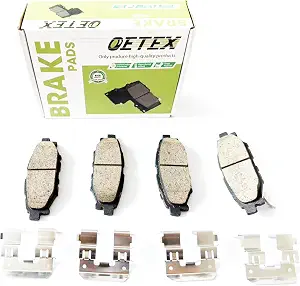 |
| Best Budget The cheapest option that still gets the job done reliably | PHILTOP Ceramic Rear Brake Pads D1114 (Rear) |  |
| Highest Rated A top-rated pick with lots of positive feedback | R1 Concepts Rear Ceramic Brake Pads (Rear) |  |
| Most Popular A crowd favorite that many people choose with confidence | Max Advanced Brakes SelectMAX Rear Carbon Ceramic Brake Pads (Rear) |  |
| Best Seller A high-volume bestseller chosen again and again | PowerStop Z23 Carbon-Fiber Ceramic Rear Brake Pads with Hardware |  |
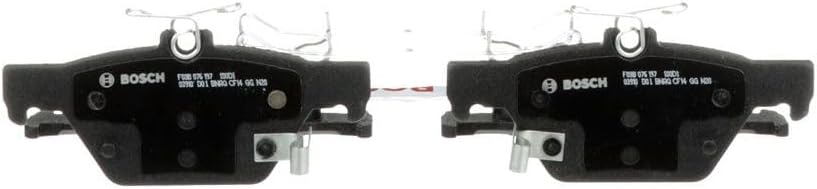
1. BOSCH QuietCast Premium Ceramic Rear Disc Brake Pad Set (BC1808)
| Auto Part Position | Rear |
|---|---|
| Material Type | Ceramic |
| Model Number | BC1808 |
| Included Components | Brake Pads |
These Bosch QuietCast rear ceramic pads are engineered as a direct-fit replacement for select Subaru models and focus on quiet, durable braking for everyday driving. They use a ceramic friction material and an OE-style multilayer rubber-core shim to reduce noise and vibration, while slots, chamfers, and a powder-coated backing plate help control dust and resist corrosion. The kit includes pads for one axle plus hardware and synthetic lubricant to ease installation. In practice this means confident, consistent stopping in daily commuting, family hauling, and light highway use with noticeably less dust and chatter than many semi-metallic options. Because they are a premium ceramic formulation, they prioritize low noise and rotor protection over extreme initial bite, so drivers who push for aggressive track-style braking may find them less suited to heavy-duty or repeated high-heat stops. Fitment is vehicle-specific, so confirm they match your Outback trim and year before buying.
Best for: Drivers seeking a quiet, low-dust, factory-quality rear pad for routine driving and commuting on their Subaru Outback who value a long-lasting, maintenance-friendly replacement.
Less Ideal for: Drivers who frequently perform track days, tow heavy loads, or require aggressive high-temperature braking should consider heavy-duty or performance-oriented pads instead.
- OE-style multilayer rubber-core shim for reduced noise and vibration
- Ceramic friction material delivers low dust and consistent everyday stopping
- Powder-coated backing plate and protective features improve longevity and corrosion resistance
- Includes hardware kit and synthetic lubricant for a more complete, installation-ready package
- Designed for quiet, long-life street use so not optimized for aggressive track or heavy repeated high-heat braking scenarios
Verdict: Choose these Bosch QuietCast rear pads for your Outback if you want quiet, low-dust, factory-quality braking that holds up well for everyday driving.
2. Bendix Premium SBC1114 Ceramic Rear Brake Pads (with Hardware)

| Auto Part Position | Rear |
|---|---|
| Automotive Fit Type | Universal Fit |
| Included Components | Pad set with installation hardware |
| Material Type | Ceramic |
These Bendix Premium ceramic rear pads replace the factory rear pads with a material and shape intended to match factory fit and feel. They are used as a direct replacement when servicing the rear brakes and come with basic installation hardware to simplify a rotor-and-pad job. The ceramic formulation is quieter and produces less dust than many semi-metallic pads, which keeps wheels cleaner and reduces cabin squeal during normal driving. Bendix emphasizes durability and resistance to wear, and the pads are engineered to limit brake fade for consistent pedal feel under repeated stops. For drivers who prioritize predictable, street-oriented braking and low noise, these pads deliver a confident, smooth bite without aggressive grab. The limitation is that ceramic pads are not optimized for hard track use or heavy towing where hotter operating temperatures and aggressive friction are required; drivers seeking maximum fade resistance and high-temperature stopping should consider a dedicated performance or competition compound instead.
Best for: Drivers who want a quiet, low-dust rear pad that restores factory braking behavior and improves daily-street comfort and predictability.
Less Ideal for: Enthusiasts who frequently track their car or drivers who need pads tuned for heavy-duty, high-heat braking should choose a dedicated performance or high-temperature compound instead.
- Factory-style fit and form for straightforward rear pad replacement
- Ceramic material reduces brake dust and operating noise compared with many semi-metallic pads
- Includes installation hardware to simplify a rear brake job
- Engineered to resist wear and reduce brake fade for consistent everyday stopping
- Ceramic compound is less suitable for sustained high-temperature use like aggressive track sessions or heavy towing
Verdict: A quiet, low-dust factory-style rear pad that restores reliable street braking and suits performance-minded owners seeking predictable daily-drive behavior.
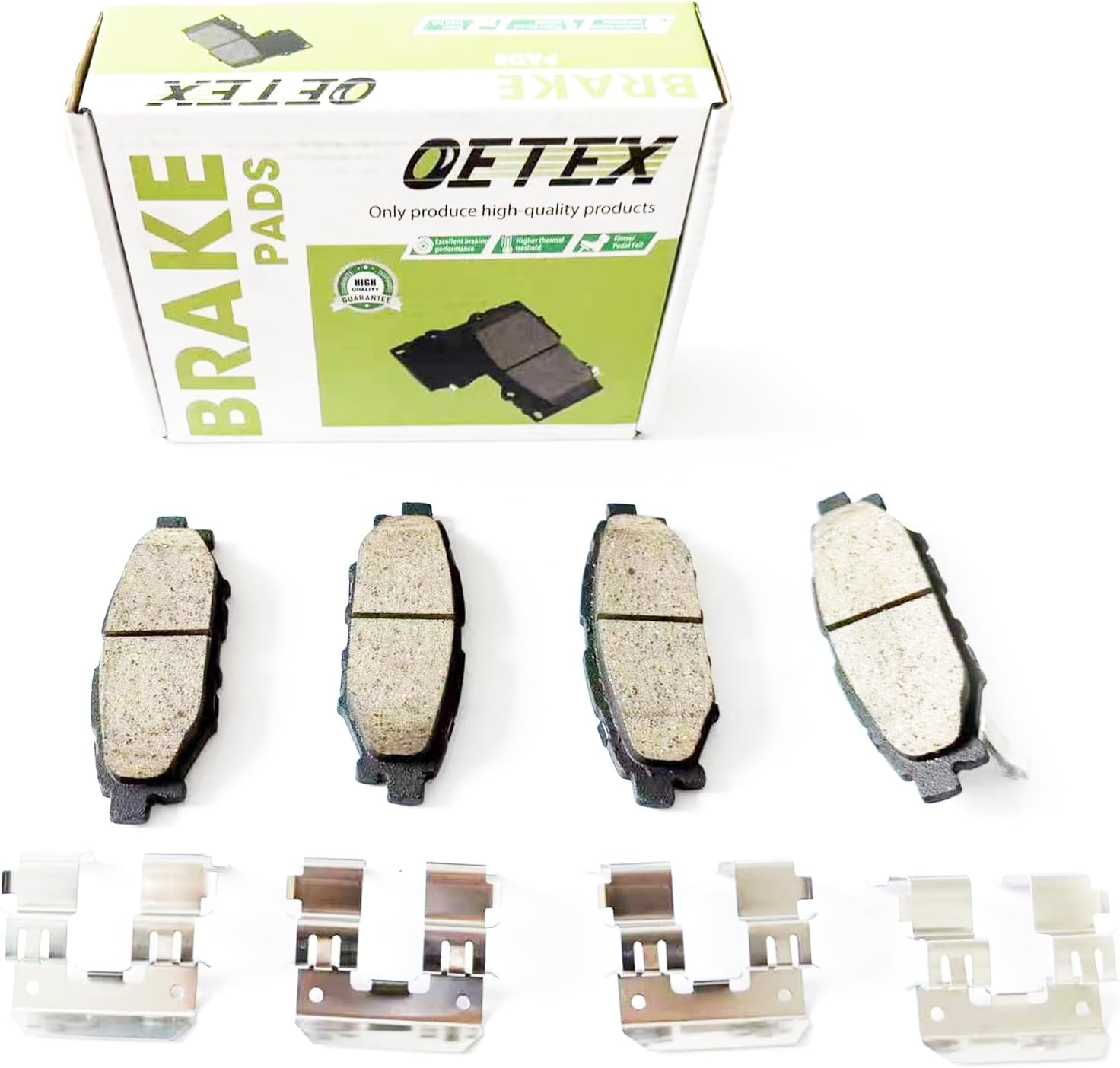
3. OETEX Rear Ceramic Brake Pads (D1114)
| Auto Part Position | Rear |
|---|---|
| Material Type | Ceramic |
| Model Number | D1114 |
| Unit Count | 4 Count |
These OETEX rear ceramic pads are a direct-fit replacement designed to swap into Subaru rear calipers that use the D1114 pattern. They are used as a straightforward factory-replacement service item to restore rear stopping power and reduce wheel cleaning. Notable features include a ceramic friction compound, multi-layer rubberized shims, precision chamfers, and included metal retaining clips for a secure fit. In practice that combination reduces squeal, limits dust buildup on wheels, and provides consistent bite in wet or dry conditions typical of daily driving and light off-road use. Installation is simple for anyone comfortable with basic brake work and the set contains four pads for a single axle. Expect quieter braking and cleaner wheels compared with semi-metallic options, though ceramic pads can trade some ultimate fade resistance under repeated high-heat track use. For routine driving and seasonal road conditions they deliver reliable performance without extra maintenance fuss.
Best for: Buyers who want a low-maintenance, quiet rear brake replacement for everyday driving and occasional light off-road use and prioritize cleaner wheels and smooth stopping over track performance.
Less Ideal for: Drivers who regularly do high-speed track sessions or heavy towing and need maximum fade resistance should consider a high-performance semi-metallic or dedicated track pad instead.
- Vehicle-specific fit for D1114 rear applications makes installation straightforward
- Ceramic compound produces less brake dust for cleaner wheels
- Multi-layer rubberized shims and chamfered edges reduce vibration and squeal
- Includes metal retaining clips to ensure stable pad positioning
- Ceramic pads may heat up faster under extreme repeated heavy braking compared with some semi-metallic track-focused pads
Verdict: Choose these OETEX rear ceramic pads if you want a quiet, low-dust factory-style replacement that restores reliable everyday braking for Subaru rear brakes.
4. PHILTOP Ceramic Rear Brake Pads D1114 (Rear)

| Auto Part Position | Rear |
|---|---|
| Included Components | 4x Rear brake pads – D1114 |
| Material Type | Ceramic |
| Automotive Fit Type | Vehicle Specific Fit |
These PHILTOP rear ceramic brake pads provide a complete rear-axle replacement set engineered for many Subaru models including Outback (2005–2014). They use a ceramic friction compound intended to deliver quieter stops and much less wheel dust than semi-metallic pads, which keeps wheels cleaner between washes. The kit ships with four pads for an easy one-axle swap and is marketed for everyday driving, highway use, and light off-road conditions common to Subaru owners. Expect smooth, linear pedal feel and reduced cabin noise compared with more aggressive compounds, making them well suited to daily commuting and family driving. Limitations include the usual ceramic compromises: they are less suited to frequent heavy towing or aggressive performance driving where semi-metallic pads resist fade better, and they may wear faster under repeated high-heat use. Installation is straightforward for someone with basic mechanical skills but professional fitting ensures correct bedding and safety.
Best for: Buyers looking for a cost-conscious, low-dust rear pad that improves daily driving comfort and keeps wheels cleaner on a Subaru Outback used mainly for commuting and light off-road use.
Less Ideal for: Drivers who frequently tow heavy loads, haul large payloads, or push brakes hard on spirited drives should consider a more heat-resistant, performance-oriented pad.
- Ceramic compound reduces brake dust for cleaner wheels.
- Quieter operation and smooth, linear pedal feel for daily driving.
- Includes four pads for a full rear-axle replacement.
- Designed specifically to fit many Subaru rear brake applications listed in the fitment.
- Not optimized for heavy towing or high-temperature performance driving.
Verdict: If you want an affordable, low-dust rear pad that quiets braking and suits everyday Subaru Outback use, this PHILTOP ceramic set is a practical pick.
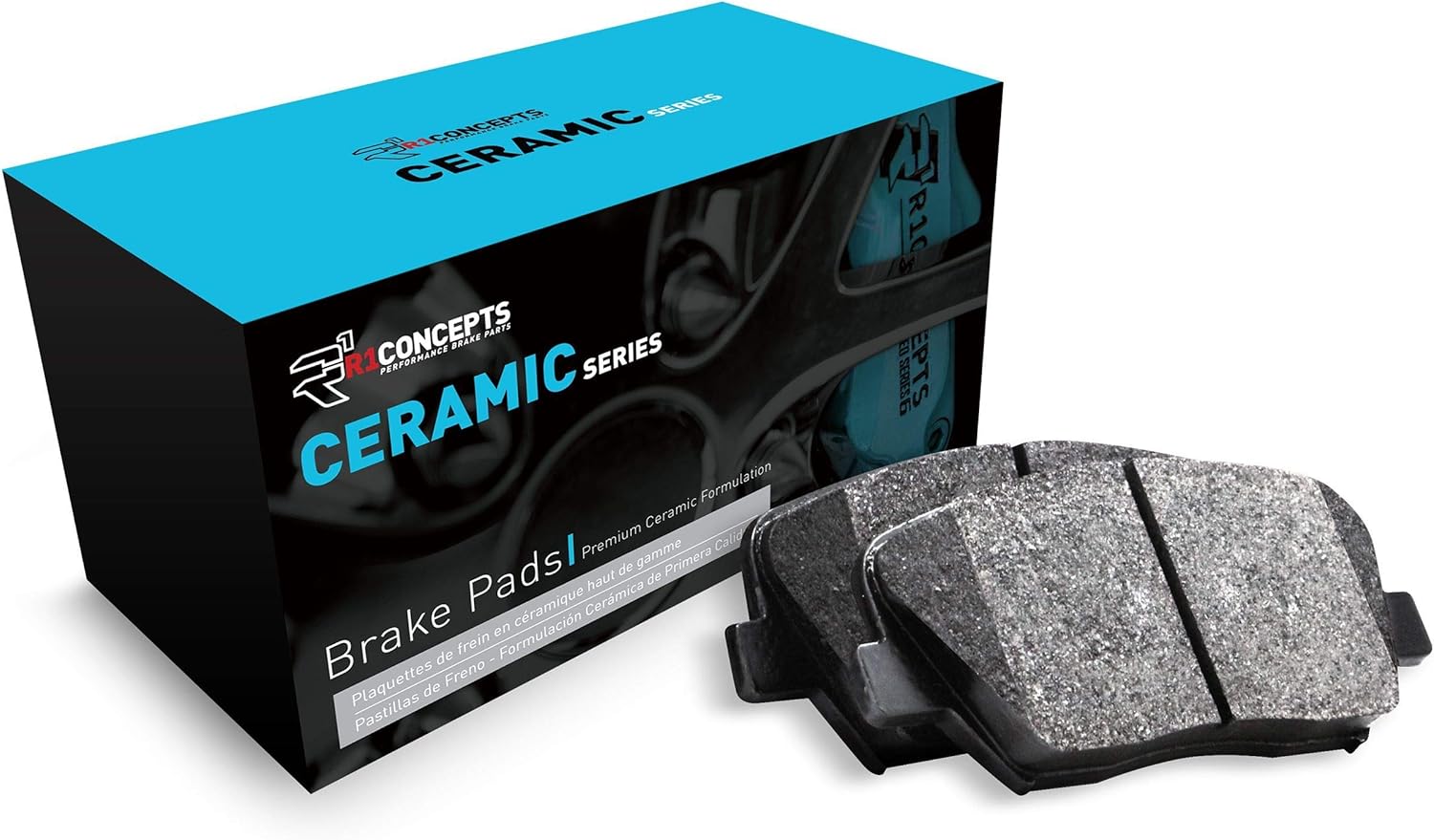
5. R1 Concepts Rear Ceramic Brake Pads (Rear)
| Auto Part Position | Rear |
|---|---|
| Compatible with Vehicle Type | Car |
| Material Type | Ceramic |
| Manufacturer Warranty Description | 1 Year Warranty |
| Number of Items | 1 |
These R1 Concepts rear ceramic brake pads are a vehicle-specific replacement designed to restore rear braking performance on compatible Subaru models. They use a ceramic formulation that prioritizes quiet operation and low dust, so wheels stay cleaner and cabin noise from the brakes is reduced during normal driving. The pads are sold as a rear set and are intended for routine daily driving and commuting where predictable pedal feel and reduced residue matter. R1 highlights low copper content to meet recent regulatory requirements and cites factory-quality specification compliance. Expect stable, consistent stopping power and longer wear compared with many semi-metallic alternatives, although ceramic pads can feel slightly less aggressive under hard repeated stops. Installation follows standard pad replacement procedures and they fit directly without modification when matched to the correct vehicle fitment. For drivers seeking dependable, low-noise rear braking on an Outback, these pads deliver quiet, clean operation with reliable service life.
Best for: Drivers who prioritize quiet, low-dust, and reliable daily braking on a Subaru Outback and want a straightforward factory-style replacement.
Less Ideal for: Drivers who frequently tow, carry heavy loads, or do aggressive driving and need pads optimized for high-temperature fade resistance.
- Ceramic formulation reduces brake dust for cleaner wheels
- Quieter braking compared with many semi-metallic pads
- Vehicle-specific fit for direct replacement installation
- Low copper formulation to meet environmental restrictions
- Meets factory-quality specification
- May provide less initial bite than high-performance semi-metallic pads during aggressive driving
Verdict: Choose these rear ceramic pads for a quiet, low-dust, factory-quality replacement that keeps braking predictable for daily Subaru Outback use.
6. Max Advanced Brakes SelectMAX Rear Carbon Ceramic Brake Pads (Rear)

| Auto Part Position | Rear |
|---|---|
| Material Type | Carbon Ceramic |
| Compatible with Vehicle Type | Car, Truck |
| Specification Met | Low Copper |
| Number of Items | 1 |
These Max Advanced Brakes SelectMAX rear pads are a carbon ceramic replacement designed for daily street use on compatible Subaru models. They come with stainless-steel hardware and break-in guidance so you can install them as a near-complete rear pad swap without modifying the caliper. The carbon ceramic formula is intended to lower wheel dust and reduce low-speed squeal compared with semi-metallic pads, while delivering consistent, stable stopping power for commuting and light-duty driving. The chamfered and slotted shaping plus included hardware help with quieter engagement and easier fitting. Expect longer pad life and reduced rotor wear in normal driving, though high-performance or heavy towing duty will exceed their intended use. Also note the listing recommends pairing pads and rotors across an axle for best results, so mixing these pads with heavily worn rotors could limit the benefits. Overall they suit drivers who want cleaner wheels and a quieter, maintenance-friendly rear pad upgrade on the specified Subaru models.
Best for: Buyers who prioritize quieter, lower-dust braking and want a vehicle-specific rear pad that installs with included hardware for everyday commuting and routine street driving.
Less Ideal for: Drivers who need high-friction pads for track days, heavy towing, or aggressive driving should choose a performance‑oriented compound instead.
- Carbon ceramic compound reduces brake dust and aims to minimize low-speed squeal
- Includes stainless-steel installation hardware for a more complete rear pad replacement
- Chamfered and slotted profile promotes quieter engagement and consistent bedding
- Designed to reduce rotor wear and promote even pad life under normal driving
- Not engineered for heavy performance, frequent towing, or track use where higher-friction compounds are needed
Verdict: A low-dust, quiet carbon ceramic rear pad set that provides consistent everyday braking and includes hardware for an easier, vehicle-specific replacement on the Subaru Outback.
7. PowerStop Z23 Carbon-Fiber Ceramic Rear Brake Pads with Hardware

| Auto Part Position | Rear |
|---|---|
| Material Type | Carbon-Fiber Ceramic |
| Included Components | Brake pads and stainless-steel installation hardware |
| Automotive Fit Type | Vehicle Specific Fit |
| Manufacturer Warranty Description | 12 Month / 12,000 Mile Limited Warranty |
The PowerStop Z23 rear brake pad set replaces factory rear pads with carbon-fiber ceramic material designed to improve stopping power for everyday driving. These pads are a direct-fit, vehicle-specific upgrade that include stainless-steel installation hardware, pin bushings, dual-layer rubberized shims, and high-temp lubricant to simplify a do-it-yourself replacement. In real-world use they deliver stronger, more fade-resistant braking than many stock rear pads while producing less brake dust and staying relatively quiet thanks to the rubberized shims and chamfered, slotted faces. The powder-coated backing plates help resist corrosion so the pads maintain fit and function over time. Limitations to note are that this is a rear pad set only and does not include rotors, so for best balance you may need matching front pads or new rotors depending on wear; also the 12 month/12,000 mile warranty is modest compared with longer coverage from some brands. For drivers seeking a straightforward, low-dust, improved-stopping replacement for routine Subaru road use, these are a practical option.
Best for: Drivers who prioritize dependable, quiet daily-driving braking and want a low-dust, easy-to-install upgrade that improves stopping feel without aggressive performance compromises.
Less Ideal for: Those seeking a full brake overhaul or track-focused performance should consider complete rotor-and-pad kits or higher-temperature track compounds instead.
- Direct-fit, vehicle-specific design with included stainless-steel hardware for straightforward installation
- Carbon-fiber ceramic compound offers stronger, fade-resistant braking while producing low dust
- Dual-layer rubberized shims and chamfered/slotted faces reduce noise and improve bedding behavior
- Powder-coated backing plates resist rust and help extend service life
- Rear set only so rotors or front pads may need replacement separately to restore overall braking balance
- Warranty period is limited to 12 months or 12,000 miles
Verdict: A straightforward, low-dust rear pad upgrade that delivers improved, fade-resistant stopping and quiet daily-driving performance for Subaru Outback owners.
Choosing the Right Subaru Outback Rear Brake Pads: Key Factors to Consider
Stopping Performance
Brake stopping performance is the primary function of rear pads and directly affects safety. For the Outback, rear pads contribute to braking balance rather than shouldering the entire stopping load, so pads that offer consistent bite without aggressive initial grab provide predictable braking in wet and dry conditions. Consistent friction across temperature ranges reduces fade on long descents or during repeated stops.
When assessing stopping performance, consider how the pad compound reacts to heat and whether it maintains braking force after repeated stops. Pads that deliver progressive engagement help preserve vehicle stability and are easier to modulate during emergency maneuvers.
Noise and Vibration Control
Many Outback owners prioritize a quiet cabin on long drives. Rear pads that are prone to squeal or transmit vibration through the caliper can make routine drives unpleasant. Noise often stems from pad material, lack of proper shims, or uneven wear, so materials and included anti-rattle hardware matter.
Choose pads with proven noise-damping features such as bonded shim layers or chamfered edges. Proper installation and rotor condition also play a role, so pads that include hardware or clear guidance for anti-squeal measures reduce the chance of post-install noise problems.
Wear Life and Dust
How long rear pads last affects maintenance frequency and total cost of ownership. Rear pads on the Outback wear slower than front pads but uneven wear or premature glazing can force early replacements. Consider expected mileage life and how the pad material impacts rotor wear.
Brake dust is another practical concern; high-dust compounds can dull wheel finish and increase cleaning. Low-dust formulations, often ceramic-based, can keep wheels cleaner while still offering adequate stopping performance for typical Outback driving.
Material and Heat Management
Pad material—organic, semi-metallic, or ceramic—determines heat tolerance, initial bite, and durability. For the Outback, where everyday commuting, highway cruising, and occasional towing occur, a compound that balances heat management with comfort is ideal. Semi-metallic pads handle heat well but can be noisier and dustier, while ceramic pads are quieter with less dust but may have different bite characteristics.
Heat management matters for repeated heavy braking, such as towing or mountain driving. Choose a pad material rated for the expected operating temperatures and that preserves consistent friction under load.
Fitment and Installation
Correct fitment for the rear calipers on the Subaru Outback is non-negotiable. Pads that require significant modification or do not include necessary clips and shims will lengthen install time and increase the chance of noise or uneven wear. Many owners perform rear pad changes themselves, so straightforward fitment and clear instructions reduce the risk of improper installation.
Check whether pads come with anti-rattle hardware, shims, or wear indicators appropriate for the Outback. Compatibility with parking brake mechanisms on certain rear setups is also important, especially if the model year uses an integrated parking brake system in the rear caliper or drum-in-hat design.
Brake Balance and Pedal Feel
Rear pads contribute to the overall brake balance between front and rear axles. Choosing pads with very high friction at the rear can alter pedal travel and bias, potentially affecting ABS and stability systems that are calibrated for factory characteristics. For the Outback, maintain a balance that preserves predictable pedal feel and vehicle stability under braking.
Consider how a chosen pad will integrate with the front pad characteristics you already have or plan to install. If you change rear pad friction significantly, you may notice differences in pedal firmness and initial engagement, so aim for materials and compounds that deliver a compatible feel.
Understanding Rear Brake Function on the Outback
The rear brakes on the Subaru Outback assist the front brakes and help stabilize the vehicle during braking. They typically see less load than the front pads but remain critical for even wear and controlled stopping, particularly when carrying cargo or towing. Recognizing the role of the rear pads helps you pick a compound that complements the front system without introducing instability.
Rear pad performance influences parking brake operation on models where the parking brake integrates with the rear caliper. Ensuring proper fitment and correct hardware alignment prevents parking brake drag and preserves long-term component life.
- Rear pads help with braking balance and vehicle stability
- They are important for parking brake function on some Outback rear designs
- Rear pads generally wear slower than front pads but still require periodic inspection
Ceramic Versus Semi-Metallic for Everyday Driving
Ceramic and semi-metallic compounds each have tradeoffs relevant to Outback owners. Ceramic pads tend to produce less dust and less noise and offer smooth pedal feel, making them a good match for daily commuting and highway driving. Semi-metallic pads tolerate higher temperatures and can perform better under heavier loads or more aggressive braking.
If your driving includes frequent towing or mountain descents, a compound with stronger heat resistance may be warranted. For typical mixed-use driving, ceramic-style rear pads often strike the best balance between comfort and maintenance.
- Ceramic: lower dust, quieter, comfortable pedal feel
- Semi-metallic: higher heat tolerance, durable under heavy braking
- Select based on driving demands like towing or frequent steep descents
Maintaining Rear Brake Health Between Replacements
Regular inspection of pad thickness, rotor condition, and caliper operation extends service life and ensures consistent performance. Measure pad material periodically and watch for symptoms such as reduced bite, increased stopping distance, or persistent noise. Cleaning and lubricating caliper slide pins and ensuring proper torque on hardware helps prevent uneven wear.
Rotor condition strongly affects pad performance. If rotors are glazed or scored, installing new pads without addressing rotor surface may lead to poor initial performance or accelerated wear. Resurfacing or replacing rotors when necessary preserves the effectiveness of new rear pads.
- Inspect pad thickness every 10,000 to 15,000 miles or during tire rotations
- Look for scoring, glazing, or uneven wear that signals rotor or caliper issues
- Keep caliper hardware clean and properly lubricated for even pad retraction
Common Brake Pad Wear Symptoms and Troubleshooting
Several symptoms indicate rear brake pad problems: a squeal that appears under light braking, grinding that suggests metal-on-metal contact, pull to one side during braking, or reduced stopping power. Squeal can often be traced to shim degradation, excessive dust, or a contaminated pad surface. Grinding usually means the friction material is worn away and the backing plate is contacting the rotor.
Diagnose by measuring pad thickness, inspecting the rotor surface, and checking for stuck caliper pistons. Address the root cause before replacing pads to avoid repeating the issue with new components.
- Squeal may indicate worn shims, contamination, or poor bedding-in
- Grinding suggests worn pads and immediate inspection is required
- Uneven wear often points to caliper slide or piston problems
Fitment and Compatibility Tips
Verify exact fitment for the Subaru Outback rear calipers and any parking brake hardware before purchasing. Look for pads sold specifically with rear fitment or with clear vehicle application listings. Misfit pads can cause interference, improper wear, or malfunction of the parking brake.
If performing a DIY installation, compare old and new pads side by side to confirm shape, thickness, and wear indicator placement. Ensure that included clips, springs, and shims match the original equipment to minimize noise and ensure correct alignment.
- Confirm rear caliper compatibility and parking brake mechanism match
- Compare physical dimensions and hardware against existing pads
- Prefer kits that include anti-rattle clips and correct shims
When to Replace Rear Pads and Rotor Considerations
Frequency of replacement depends on driving style, load, and environmental factors. Many Outback owners find rear pads last longer than front pads, but aggressive driving, towing, or heavy traffic will shorten life. Measure pad thickness against the vehicle's service recommendations and consider replacing before material reaches critical thinness.
Also evaluate rotors at the time of pad replacement. If rotors are below minimum thickness or badly scored, replacing or resurfacing them ensures new pads bed properly and avoid premature wear. Maintaining correct rotor surface finish helps with quiet operation and consistent braking.
- Check pad thickness regularly and replace before material is below safe limits
- Inspect rotor thickness and surface finish when changing pads
- Address caliper or hardware issues that could cause rapid or uneven wear
Still looking for the perfect fit?
Select your Subaru Outback configuration to see the most relevant Brake Pads recommendations
How We Chose the Best Subaru Outback Rear Brake Pads
We focused on criteria that matter specifically to Subaru Outback owners and set practical editorial filters to narrow the field. Primary evaluation points included: stopping performance under everyday and emergency braking, measured by consistent pad bite and fade resistance; longevity and even wear, which affect replacement intervals for the rear axle; noise and vibration control, since many Outback drivers prioritize low NVH for long highway miles; and dust generation, which influences wheel appearance and maintenance.We also considered pad material and compatibility with Outback rear caliper systems, braking balance versus the front axle, and whether the pad design maintained pedal feel without excessive initial grab. Installation ease and hardware inclusion were assessed to reflect typical DIY or shop installs on this vehicle. We excluded options that lacked clear compatibility with Subaru Outback rear fitment or had consistent reliability complaints. Final selections balanced real-world driving needs, service intervals, and owner comfort rather than focusing solely on peak track performance.
Our full evaluation process is outlined in our review methodology.
FAQ
How often should I check the rear brake pads on my Outback?
Check rear pad thickness at least every 10,000 to 15,000 miles or during routine tire rotations. If you notice noise, reduced braking performance, or increased pedal travel, inspect them sooner.
Can I replace only the rear pads and not the rotors?
Often you can replace pads without changing rotors if the rotor surface is smooth and above minimum thickness. However, glazed or scored rotors should be resurfaced or replaced to prevent poor initial braking and uneven pad wear.
Are ceramic rear pads a good choice for the Outback?
Ceramic pads are a good choice for many Outback drivers because they tend to be quieter and produce less dust. For heavier towing or frequent mountain descents, consider compounds with greater heat resistance.
What causes a grinding noise from the rear brakes?
Grinding usually means the pad friction material is worn down and the backing plate is contacting the rotor. It can also result from debris trapped between pad and rotor. Inspect and address the issue immediately to prevent rotor damage.
Will changing rear pads affect ABS or stability systems?
Changing rear pads to a material with very different friction characteristics can slightly alter brake bias, which may change pedal feel. ABS and stability systems still function, but aim for pads with friction levels that keep braking balance similar to the original setup.
Do rear pads have different thickness specs than front pads?
Rear and front pad thickness specifications can differ by design. Consult service specifications for the Outback and measure remaining material against the recommended minimum to decide if replacement is needed.
Final Verdict
Prioritize rear brake pads that provide consistent stopping performance while minimizing noise and dust for everyday Subaru Outback use. Balance material choice with your driving demands: quieter, low-dust ceramic compounds suit daily commuting, while more heat-resistant formulations are better for towing or repeated heavy braking. Pay attention to fitment, included hardware, and rotor condition when replacing pads so the new components perform as intended.When in doubt, choose pads that maintain predictable pedal feel and even wear to preserve brake balance and longer service intervals. Address any caliper or rotor issues before installing new pads to avoid repeated failures and to ensure safe, reliable braking.
Explore More:
- Check out all Subaru Outback parts & accessories
- Explore Brake Pads Maintenance & Repair Guides
- Explore Brake System
- Browse all Auto Parts
