

Note: This article contains affiliate links. If you click on these links and make a purchase, I may earn a small commission at no extra cost to you. This helps support my research and content. Read my full affiliate disclosure here.
If you drive a 1995-2001 Ford Explorer, worn lower control arms can cause alignment drift, uneven tire wear, and vague steering. Choosing the right replacement matters because these arms directly affect handling, ride quality, and the life of suspension bushings and ball joints. This guide focuses exclusively on lower control arms compatible with the 1995-2001 Explorer and shortlists the top options that meet common owner needs.We evaluated candidates for fitment, bushing and ball-joint quality, and long-term durability so you can pick a part that restores proper geometry and reduces vibration. Read on to see what to prioritize when replacing lower control arms on your Explorer and why each factor matters.
Looking for other parts? See all Ford Explorer parts & accessories.
Top Picks at a Glance
| Best Overall The best all-around choice for most situations | PHILTOP Front Lower Control Arm Kit with Ball Joints (2-piece) |  |
| Best Quality Built to a higher standard if you want something more solid | MOOG RK620319 Front Left Lower Suspension Control Arm with Ball Joint |  |
| Best Value The sweet spot between price and what you get | CUGANO Front Lower Control Arms with Ball Joints (pair) |  |
| Best Budget The cheapest option that still gets the job done reliably | Dorman Front Driver-Side Lower Control Arm with Ball Joint (520-223) | 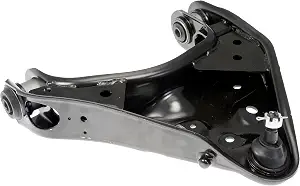 |
| Highest Rated A top-rated pick with lots of positive feedback | Detroit Axle Front Lower Control Arms with Ball Joints, Pair |  |
| Most Popular A crowd favorite that many people choose with confidence | Detroit Axle Front Left Lower Control Arm with Ball Joint Assembly |  |
| Best Seller A high-volume bestseller chosen again and again | Detroit Axle Front Right Lower Control Arm with Ball Joint |  |
1. PHILTOP Front Lower Control Arm Kit with Ball Joints (2-piece)

| Fit Type | Vehicle Specific Fit |
|---|---|
| Auto Part Position | Front |
| Material Type | Alloy Steel |
| Unit Count | 2.0 Count |
This PHILTOP kit supplies a matched pair of front lower control arms with press-in ball joints intended as a direct replacement for aging or damaged front suspension on compatible Explorer and related models. Each arm is stamped from alloy steel with an anti-corrosion coating and ships as left and right assemblies so both sides can be refreshed together. In practical use the kit restores steering stability, reduces play in the front end, and makes alignment easier to hold compared with worn arms. The reinforced forging and finish suggest good durability for everyday driving and rougher roads, though installers should expect a professional alignment after fitment. The parts are vehicle-specific, so careful fitment checking is required before purchase, and installers may need to transfer any original hardware or replace related suspension components if they are also worn. Overall the kit is a sensible choice for owners who want a full front-lower arm refresh without custom modification.
Best for: Buyers who want a balanced, factory-style replacement to restore steering feel and front-end geometry on compatible Explorers and similar trucks without upgrading to performance parts.
Less Ideal for: Drivers seeking performance-tuned suspension or those who want to avoid any mechanical work should consider uprated or bolt-on alternatives or professional installation services.
- Includes both left and right front lower control arms with ball joints for matched replacement
- Made from alloy steel with anti-corrosion coating for longer service life
- Stamped and reinforced construction aimed at handling everyday and rough-road conditions
- Vehicle-specific fit reduces the risk of incorrect fitment when matched to the supported years and models
- Requires alignment after installation and potentially professional installation for press-fit ball joints
Verdict: A practical two-piece front lower control arm kit that restores factory-style steering stability and durability for 1995–2001 Explorers and similar models.
2. MOOG RK620319 Front Left Lower Suspension Control Arm with Ball Joint

| Fit Type | Vehicle Specific Fit |
|---|---|
| Auto Part Position | Front Left Lower |
| Auto Part Orientation | Drivers Side |
| Material Type | Alloy Steel, Iron |
This MOOG RK620319 is a direct-fit front left lower control arm and ball joint assembly designed to restore steering stability and alignment on covered Ford Explorer model years. Intended as a replacement for a worn or damaged arm, it installs in place of the factory unit to re-establish correct suspension geometry and reduce steering play, wandering, and uneven inner tire wear. MOOG highlights heat-treated structural components and corrosion-resistant coatings, which aim to improve durability under repeated loads and road exposure. The included ball joint simplifies installation compared with separate-part solutions and reduces parts sourcing. Because it is a vehicle-specific fit, you get a factory-style mating for mounting points and suspension geometry; however this is a like-for-like replacement rather than a performance upgrade for lowered or heavily modified suspensions. Expect a practical, long-lasting repair that returns factory steering feel and handling for daily driving and spirited street use within stock suspension setups.
Best for: Buyers who want a durable, factory-style replacement to restore steering precision and ride stability on a 1995–2001 Ford Explorer while keeping a focus on reliable, street-oriented handling.
Less Ideal for: Drivers building a performance or lowered suspension who need upgraded geometry, adjustable mounting, or lightweight race-oriented components should look at performance-specific arms instead.
- Direct-fit assembly with pressed-in ball joint for simpler replacement
- Heat-treated components for increased structural strength under load
- Corrosion-resistant coatings to extend service life in road conditions
- Not designed as an upgraded performance arm for modified or lowered suspensions
Verdict: Choose this MOOG control arm when you need a durable, factory-style front left lower replacement to restore steering feel and alignment on a 1995–2001 Ford Explorer.
3. CUGANO Front Lower Control Arms with Ball Joints (pair)

| Fit Type | Vehicle Specific Fit |
|---|---|
| Auto Part Position | Front Lower |
| Material Type | Alloy Steel |
| Unit Count | 2.0 Count |
These CUGANO front lower control arms arrive as a matched left/right pair with press-in ball joints, built from alloy steel and finished for corrosion resistance. They are vehicle-specific replacements for torsion-bar front suspensions and are typically used to restore steering precision and suspension geometry after wear or damage. In practice the assemblies simplify installation because the ball joints come preinstalled and the bushings are described as high-grade rubber to reduce flex and vibration. That results in firmer handling and improved tire wear compared with degraded original arms. The parts are backed by a one-year warranty and include multiple OEM-equivalent reference numbers for fit confirmation. Limitations to note are that these are for torsion-bar suspension variants only and fitment must be double-checked against VIN or vehicle filters; buyers wanting rebuildable arms or adjustable performance components should look elsewhere. For a direct, cost-conscious replacement that restores factory-like handling, these are a practical option.
Best for: Buyers seeking a straightforward, factory-style replacement to restore steering feel and suspension geometry on compatible Explorer-era vehicles who value ease of installation and durability.
Less Ideal for: Drivers who need adjustable performance control arms, rebuildable units, or parts for non-torsion-bar suspensions should consider other options.
- Sold as a matched left/right pair with ball joints preinstalled for faster installation
- Made from alloy steel and finished to resist corrosion for longer service life
- Designed as vehicle-specific fitment to match factory suspension geometry
- High-grade rubber bushings to reduce noise and unwanted flex
- Includes multiple OEM-equivalent reference numbers to aid fit verification
- Compatible only with torsion-bar front suspension variants, not universal fit
Verdict: A no-nonsense, vehicle-specific front lower control arm pair that restores factory steering and handling for torsion-bar equipped Explorers and similar models.
4. Dorman Front Driver-Side Lower Control Arm with Ball Joint (520-223)
| Fit Type | Universal Fit |
|---|---|
| Auto Part Position | Front |
| Auto Part Orientation | Drivers Side |
| Manufacturer Part Number | 520-223 |
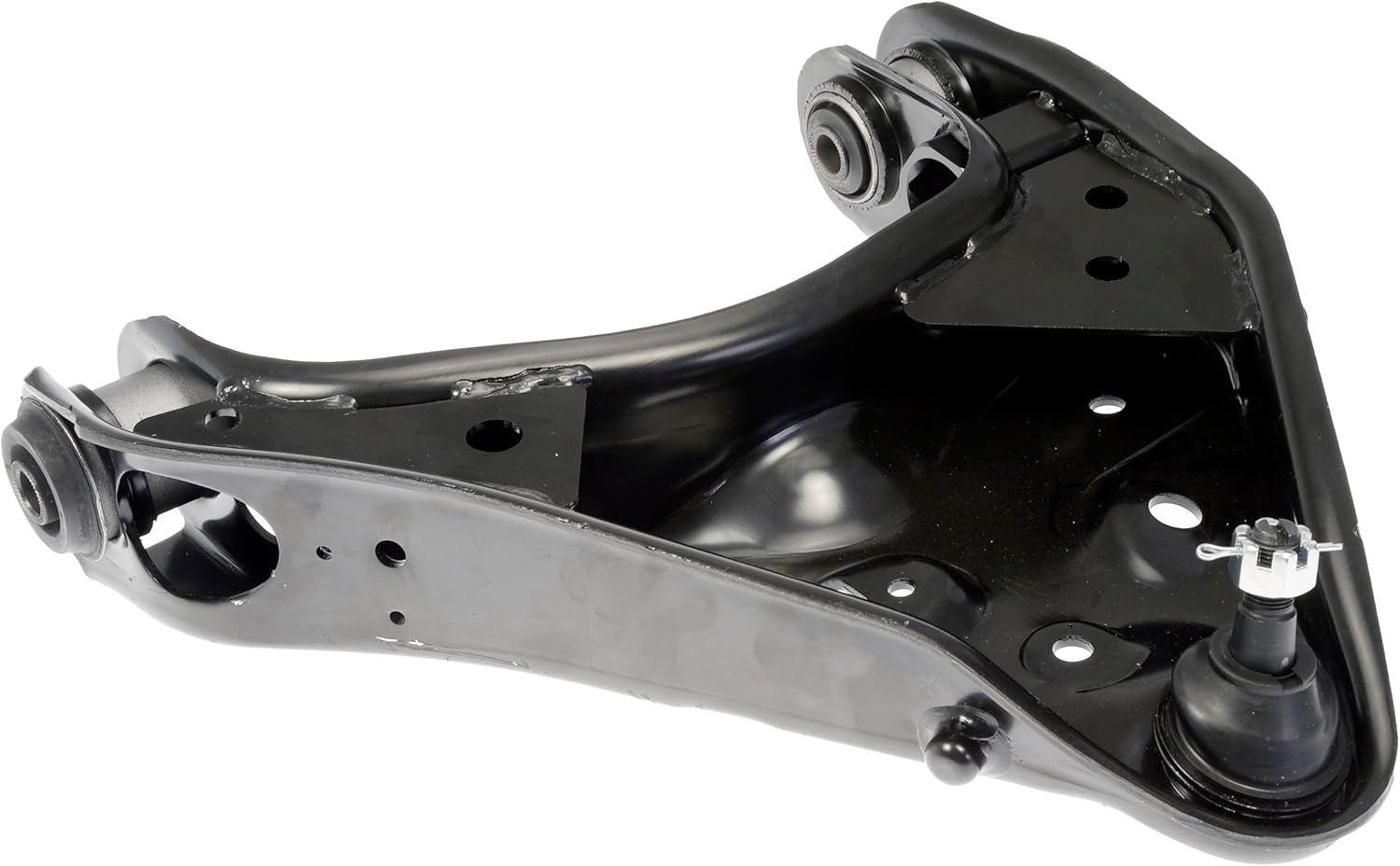
This Dorman lower control arm arrives as a complete assembly with the ball joint and bushings pre-installed, which speeds installation and reduces labor compared with sourcing separate components. It is engineered and tested to restore directional stability and ride quality on the covered Ford Explorer model years and related trucks. The arm includes corrosion-resistant coatings to help durability in road conditions and is built to be a straightforward replacement for the original unit. Because it is a universal-fit aftermarket assembly, confirm vehicle-year and trim compatibility before ordering. Practical benefits include easier installation, fewer parts to press in or transfer, and an expected lifespan comparable to typical replacement cycles. Limitations are that fitment must be verified for your specific trim, and installation still requires standard suspension tools or a shop if you lack experience with control-arm removal and alignment after replacement.
Best for: Buyers looking to repair the front suspension on a 1995–2001 Ford Explorer who want a ready-to-install replacement that lowers labor time and parts sourcing hassle while keeping costs down.
Less Ideal for: Do not buy this if you prefer OEM-branded parts or need a part guaranteed for multiple vehicle makes and model years without checking fitment; specialty performance or heavy-duty upgrades should be chosen instead.
- Complete assembly with pre-installed ball joint and bushings for faster installation
- Designed and tested to restore ride stability and handling
- Corrosion-resistant coatings for improved longevity
- Direct replacement for specific vehicle applications to simplify sourcing
- Requires verification of exact vehicle trim for correct fitment
Verdict: A cost-efficient, ready-to-install replacement control arm that restores front-end stability on covered Ford Explorer models while minimizing installation steps.
5. Detroit Axle Front Lower Control Arms with Ball Joints, Pair

| Fit Type | Vehicle Specific Fit |
|---|---|
| Auto Part Position | Front |
| Auto Part Orientation | Passengers Side |
These Detroit Axle front lower control arms replace the vehicle's worn lower arms and ball joints with a ready-to-install pair designed for direct fit on specified 1995–2001 Ford Explorer models and compatible trucks. The kit includes left and right assemblies with preinstalled ball joints, which simplifies installation and reduces shop time compared with rebuilding original parts. Built from a premium alloy with reinforced structure, the arms are engineered to resist corrosion and repeated impact loads for longer service life and more consistent handling. Practical benefits include restored steering geometry, firmer steering response, and reduced play or clunking from a failed arm or ball joint. Limitations to keep in mind are that these are vehicle-specific parts for torsion-bar suspensions and require correct year/configuration matching, and the unfinished finish means you may want to coat them to prevent surface rust depending on environment. Fitment attention and basic alignment after install are required to get the best road behavior.
Best for: Buyers who prioritize dependable, long-lasting suspension replacements for a 1995–2001 Explorer and value a ready-to-install control arm pair that restores factory driving characteristics.
Less Ideal for: People who need universal or multi-vehicle parts, or who want a finished/coated exterior straight from the box without additional preparation.
- Direct-fit replacement with preinstalled ball joints for faster installation
- Premium alloy construction aimed at improved wear resistance and strength
- Designed to restore steering feel and reduce play or clunking from worn arms
- Engineered to withstand repeated impact loads for better long-term stability
- Unfinished surface may require additional coating to prevent surface rust
- Fitment limited to specific years and torsion-bar suspension configurations
Verdict: A solid, ready-to-install pair of lower control arms built to reliably restore steering and suspension performance on the specified Explorer models.
6. Detroit Axle Front Left Lower Control Arm with Ball Joint Assembly
| Auto Part Position | Front Left Lower |
|---|---|
| Material | Alloy Steel |
| Orientation | Drivers Side |
| Fit Type | Vehicle Specific Fit |
| Manufacturer Part Number | K620319 |
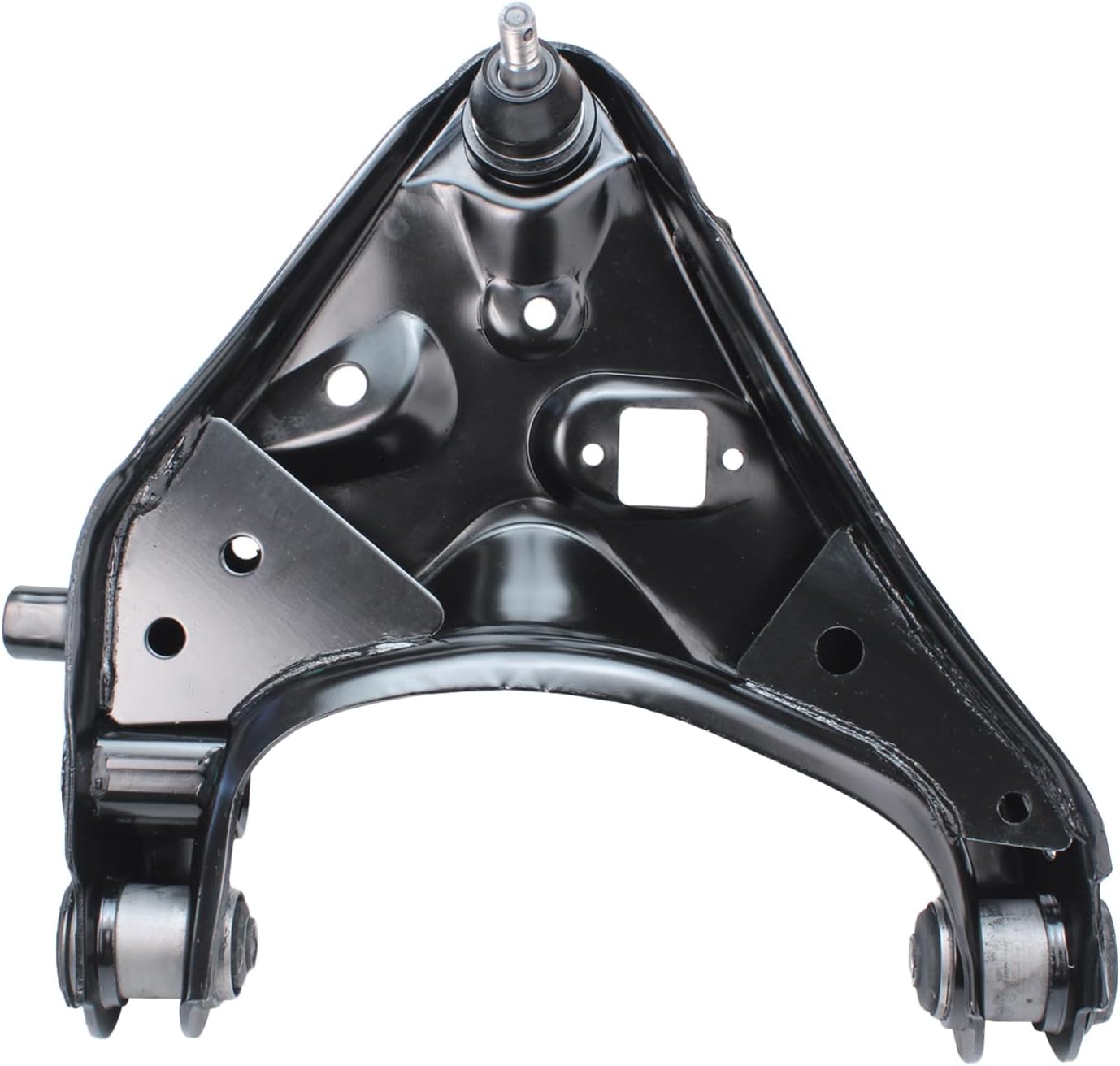
This Detroit Axle front left lower control arm ships as a complete lower arm with an integrated ball joint so you can replace a worn unit in one service operation. It is a vehicle-specific fit for 1995–2001 Ford Explorer and compatible Ford/Mazda models with torsion bar front suspension, and is made from alloy steel with a factory-style mounting pattern. In practice the assembly simplifies installation because the ball joint is prepressed and aligned, reducing bench work and the need to press or source a separate ball joint. Detroit Axle states the part undergoes impact and fatigue testing and backs the part with a 10-year warranty, which gives extra peace of mind for buyers who prioritize durability. Limitations are that this is a direct replacement design rather than an upgraded performance arm and fitment is limited to torsion-bar suspension configurations, so it is not suitable where a different suspension setup or aftermarket geometry is required.
Best for: Buyers who want a straightforward, proven replacement that restores factory steering geometry and minimizes installation hassle, and who value long-term reliability and buyer feedback when choosing parts.
Less Ideal for: Drivers seeking adjustable or performance-oriented control arms or those with non-torsion-bar front suspensions should look at specialty aftermarket options instead.
- Complete assembly with preinstalled ball joint shortens installation time
- Vehicle-specific fit for 1995–2001 Ford Explorer and related torsion-bar models
- Alloy steel construction intended for durability under road conditions
- Backed by a 10-year warranty for long-term confidence
- Designed as a factory-style replacement rather than a performance upgrade
Verdict: Pick this if you want a ready-to-install, vehicle-specific lower control arm with a preinstalled ball joint that restores factory fitment and reduces installation work.
7. Detroit Axle Front Right Lower Control Arm with Ball Joint

| Auto Part Position | Front Right Lower |
|---|---|
| Auto Part Orientation | Drivers Side |
| Fit Type | Vehicle Specific Fit |
| Material Type | Alloy Steel |
This Detroit Axle front right lower control arm replaces the factory unit and includes a preinstalled ball joint for a direct, vehicle-specific swap on supported Ford Explorer models and related trucks. It is built from alloy steel and undergoes impact and fatigue testing, which supports durability for daily driving and light-duty use. Typical installation involves unbolting the old arm and bolting this unit in place; having the ball joint already attached reduces install time and eliminates a separate press-fit step. Practical benefits include restored steering geometry and suspension stability after a worn arm, and Detroit Axle backs the part with a long warranty. Limitations to note are that the fitment is specific to torsion-bar suspensions and certain model years, so confirm compatibility for your exact vehicle and suspension type before buying, and like many aftermarket arms it may differ slightly from factory finish or fit which can affect minor adjustments during installation.
Best for: Buyers who prioritize a straightforward, factory-style replacement to restore handling and alignment on their 1995–2001 Ford Explorer and similar vehicles, and who prefer parts tested for durability and covered by a long warranty.
Less Ideal for: Drivers who need a universal or upgraded performance control arm, or those with modified suspensions that fall outside the listed torsion-bar configurations.
- Vehicle-specific design for direct replacement on listed Ford Explorer and compatible models
- Includes preinstalled ball joint to simplify installation
- Alloy steel construction and testing aimed at durability
- Restores steering geometry and suspension stability after wear
- Fitment limited to torsion-bar suspension models and specified year ranges
Verdict: A ready-to-install, vehicle-specific lower control arm with ball joint that restores factory suspension function for eligible 1995–2001 Ford Explorer models.
Choosing the Right 1995-2001 Ford Explorer Lower Control Arm: Key Factors to Consider
Fitment and Factory Geometry
Correct fitment is the top priority for a 1995-2001 Ford Explorer lower control arm because even small variations in mounting hole spacing or arm length will alter suspension geometry and toe/camber settings. A true factory-dimension arm ensures the steering and alignment return to their intended ranges without extra shimming or aftermarket adjustment.
When the arm matches OEM geometry, you reduce the need for corrective measures at installation. That lowers labor time and helps keep tire wear predictable. Confirm the part lists explicit fitment for the 1995-2001 Explorer and matches any model-specific mounting provisions to avoid fitment surprises.
Bushing Type and Durability
Bushings isolate the control arm from the chassis and absorb small impacts and vibration. For the Explorer, consider whether the arm uses molded rubber, polyurethane, or a pressed-in-style bushing. Rubber bushings typically provide quieter operation and forgiving compliance but may wear faster. Polyurethane offers firmer control and longer life but can transmit more road noise and require lubricant to avoid squeaks.
Durability matters because failing bushings shift alignment and can cause unpredictable handling. Look for bushing materials rated for abrasion and heat resistance and for designs that are serviceable or replaceable to simplify future maintenance.
Ball Joint Quality and Serviceability
The ball joint connects the control arm to the steering knuckle and is critical for safe steering and suspension articulation. For the Explorer, choose arms with ball joints rated for passenger-vehicle loads and with proper sealing to keep contaminants out. A pre-assembled ball joint reduces installation complexity and ensures compatibility, while a serviceable or replaceable ball joint extends the usable life of the arm.
Inspect sealing boots and dust covers in product descriptions because a compromised seal accelerates wear. Higher-quality ball joints will show tighter tolerances and less play, which helps maintain toe and steering feel between alignments.
Corrosion Resistance and Finish
Parts exposed under the Explorer are vulnerable to road salt, moisture, and debris. A protective finish such as e-coating, powder coat, or zinc plating slows corrosion and preserves structural integrity. Corrosion that eats into mounting points or the arm body can cause premature failure and complicate removal later.
Consider whether hardware is also protected and if replacement bolts or anti-seize provisions are recommended. Greater corrosion resistance reduces the chance of stuck bolts and makes future disassembly easier, which is particularly valuable if you plan to keep the vehicle long term.
Structural Strength and Material Choice
Lower control arms must resist bending and fatigue under cornering loads and impacts. For the 1995-2001 Explorer, compare stamped steel, forged, and boxed designs. Stamped arms are common and cost-effective, while forged or boxed options tend to be stiffer and more resistant to impact deformation.
Stronger construction improves longevity and keeps suspension geometry more consistent after hard use or pothole strikes. Balance the tradeoff between added stiffness and potential increases in transmitted vibration to the cabin.
Installation and Hardware
Ease of installation affects your total cost and downtime. Control arms that include preinstalled bushings and ball joints, plus the correct bolts and nuts, simplify replacement and reduce garage time. For the Explorer, verify whether the arm ships with cam bolts or alignment provisions, because these can save time during alignment and reduce the need for extra parts.
Also consider whether instructions are included and if torque specifications are provided. Clear installation guidance helps prevent over-tightening or incorrect torque sequences that can prematurely wear bushings or fasteners.
Common Signs You Need New Lower Control Arms
Several symptoms typically indicate a failing lower control arm on a 1995-2001 Ford Explorer. Look for uneven tire wear, which often appears as inner or outer shoulder wear when alignment can no longer be held. Another frequent sign is looseness or vagueness in steering, especially when driving over rough pavement or during direction changes.
You may also notice knocking or clunking noises from the front suspension during compression and rebound. Those sounds often point to worn bushings or ball joints. In some cases, the vehicle may pull to one side or require repeated alignment corrections, showing the arm is not maintaining geometry.
- Uneven or accelerated tire wear
- Steering wander or vague steering feel
- Clunking or knocking over bumps
- Repeated need for alignment adjustments
Front Versus Rear Lower Control Arms on the Explorer
The 1995-2001 Explorer uses distinct front lower control arms that handle steering and wheel articulation. When addressing front suspension issues, prioritize arms designed for front placement because they carry ball joints and steering loads specific to that location. Rear lower control arms, if present, serve different suspension geometry roles and use different bushing and mounting arrangements.
When replacing just one side, consider whether the opposite side shows similar wear. It is common practice to replace both sides if bushings or ball joints are significantly degraded to restore symmetric handling and alignment stability.
- Front arms integrate ball joints for steering knuckle attachment
- Rear arms focus on lateral stability and may use different bushings
- Replacing both sides can prevent uneven handling
How Bushing Choices Affect Ride and Noise
Bushing material determines how much road vibration reaches the cabin and how the suspension responds to inputs. Softer rubber bushings absorb vibration and reduce cabin noise, which is desirable for daily driving comfort in the Explorer. Firmer polyurethane bushings reduce deflection and can sharpen handling, but may introduce creaks or increased noise if not properly lubricated.
For an Explorer used primarily for commuting or family tasks, factory-style rubber bushings usually provide the best balance. For heavier-duty use or towing, a firmer bushing may reduce deflection under load and help maintain alignment during heavy use.
- Rubber for quiet comfort and forgiving compliance
- Polyurethane for firmer control and longer life with potential noise tradeoffs
- Lubrication reduces squeaks in firmer bushings
Installation Tips and Alignment Considerations
Proper installation includes torquing fasteners to factory specifications and aligning camber and toe after the new arms are mounted. If the replacement arm includes cam bolts or alignment eccentric washers, use them to achieve baseline alignment before a professional alignment shop performs final adjustments. Tightening fasteners with the suspension at specified ride height prevents bushing preload that can alter geometry.
Inspect related components such as tie-rod ends, sway bar links, and strut mounts while the suspension is serviced. Worn adjacent parts can cause persistent handling issues even after installing new control arms.
- Torque bolts to manufacturer specs
- Set camber/toe at ride height if possible
- Replace adjacent worn suspension components to avoid repeat visits
When To Choose Preassembled Versus Serviceable Arms
Preassembled arms with preinstalled ball joints and bushings reduce installation steps and are convenient for DIYers and shops wanting quick turnaround. They eliminate the need for pressing bushings or installing ball joints separately. For owners planning periodic bushing replacement, serviceable arms whose bushings or ball joints can be replaced individually may reduce long-term maintenance costs.
Consider whether you have access to a press or specialized tools. If not, a preassembled option avoids a press job and lowers the chance of installation damage to bushings or ball joints.
- Preassembled for quick, bolt-on replacement
- Serviceable for long-term repairability
- Tool access influences the best choice
Longevity and Maintenance Practices
Regular inspections extend the useful life of control arms. Check for torn bushing boots or cracked rubber, and listen for new suspension noises after winter or extended off-road use. Cleaning salt and grime from the undercarriage and applying rust inhibitors to fasteners can prevent seizure and preserve structural components.
Periodic alignment checks, particularly after hitting a curb or pothole, help identify early geometry shifts. Addressing minor issues quickly prevents accelerated wear on tires and other suspension parts.
- Inspect bushings and seals twice a year
- Clean and protect exposed metal from salt
- Check alignment after impact events
Still looking for the perfect fit?
Select your Ford Explorer configuration to see the most relevant Lower Control Arms recommendations
How We Chose the Best 1995-2001 Ford Explorer Lower Control Arm
We prioritized parts that deliver correct fitment and long-term suspension geometry for the 1995-2001 Ford Explorer. Primary evaluation criteria included: correct factory-style mounting points and dimensions to ensure bolt-on fitment; bushing type and material because tear-resistant, fatigue-resistant bushings reduce noise and maintain alignment; ball-joint quality and pre-assembly status since a preinstalled, serviceable ball joint cuts installation time and reduces initial steering play; corrosion protection and finish to limit premature failure in road-salt conditions; and structural construction and material thickness, which affect bending resistance under load.We excluded any listings that lacked clear fitment information for the 1995-2001 Explorer or that required significant modification to install. Also excluded were units with unclear bushing materials or unknown ball-joint ratings. The selection favored assemblies that balance ease of installation with components designed to retain alignment and minimize noise over time.
Our full evaluation process is outlined in our review methodology.
FAQ
What are the most common lower control arm symptoms on a 1995-2001 Explorer?
Common symptoms include uneven tire wear, a vague or wandering steering feel, clunking noises over bumps, and difficulty holding alignment. These signs often point to worn bushings or ball joints in the lower control arm.
How long does a typical lower control arm last on this Explorer?
Lifespan depends on driving conditions and maintenance. Under normal driving, arms can last many years, but exposure to road salt, heavy loads, or off-road impacts will shorten life. Inspectments every 12 months help catch wear early.
Can I replace a single lower control arm or should I replace both sides?
You can replace a single arm if only one side shows wear, but replacing both sides is recommended when bushings or ball joints are similarly aged. Matching new components helps maintain balanced handling and alignment stability.
Is an alignment required after replacing lower control arms on the Explorer?
Yes. Installing new lower control arms alters suspension geometry and an alignment is typically required to set correct toe and camber. Some arms include cam adjustment features to help achieve baseline settings before a full alignment.
Should I pick a preassembled arm or one with serviceable parts?
Preassembled arms simplify installation and reduce the need for special tools, which benefits owners without a press. Serviceable arms allow future bushing or ball-joint replacement and may be cost-effective for long-term maintenance if you have the proper tools.
Will firmer bushings increase noise in the Explorer?
Often yes. Firmer polyurethane bushings reduce deflection but tend to transmit more road noise and can squeak if not lubricated properly. Softer rubber bushings usually provide a quieter ride but may wear sooner.
Final Verdict
When replacing lower control arms on a 1995-2001 Ford Explorer, prioritize correct fitment and bushing quality to restore alignment and steering precision. Balance the tradeoff between comfort and durability by choosing bushing materials that suit how you use the vehicle, and favor well-sealed ball joints and corrosion-resistant finishes for longer life.Ultimately, select an arm that matches factory geometry and comes with the installation features you need. If you lack pressing tools, pick a preassembled unit; if you plan for long-term serviceability, choose a serviceable design. After installation, get a professional alignment to lock in handling and tire life.
Explore More:
- Check out all Ford Explorer parts & accessories
- Explore Lower Control Arms Maintenance & Repair Guides
- Explore Suspension & Steering
- Browse all Auto Parts
