

Note: This article contains affiliate links. If you click on these links and make a purchase, I may earn a small commission at no extra cost to you. This helps support my research and content. Read my full affiliate disclosure here.
If you own a 2002-2006 Honda CR-V you rely on predictable braking in daily driving and highway situations. Worn or inappropriate brake pads can lengthen stopping distances, create vibration or noise, and accelerate rotor wear. Choosing the right brake pads for your CR-V matters for safety, comfort, and long-term maintenance costs.This guide presents seven shortlisted brake pad options that suit the 2002-2006 CR-V, with evaluation focused on stopping performance, noise and vibration control, and pad life. Below you will find practical notes on fitment, material choices, and what to expect from installation and break-in before the product list itself.
Looking for other parts? See all Honda CR-V parts & accessories.
Top Picks at a Glance
| Best Overall The best all-around choice for most situations | Detroit Axle Ceramic Brake Pads Kit with Hardware (Front and Rear) |  |
| Best Quality Built to a higher standard if you want something more solid | BOSCH QuietCast Premium Ceramic Front Brake Pad Set (BC914) |  |
| Best Value The sweet spot between price and what you get | Detroit Axle Ceramic Front and Rear Brake Pad Kit with Hardware for 2002–2004 Honda CR-V / 2003–2011 Honda Element |  |
| Best Budget The cheapest option that still gets the job done reliably | PowerStop Z16 Evolution Front Ceramic Brake Pads (16-914) |  |
| Highest Rated A top-rated pick with lots of positive feedback | Bendix Priority1 CFC536 Ceramic Rear Brake Pads |  |
| Most Popular A crowd favorite that many people choose with confidence | SCITOO Ceramic Front Brake Pad Kit (fits 2002–2004 Honda CR-V) |  |
| Best Seller A high-volume bestseller chosen again and again | PowerStop Front Brake Kit — Z17 Ceramic Pads with OE Replacement Rotors (Front) |  |
1. Detroit Axle Ceramic Brake Pads Kit with Hardware (Front and Rear)

| Compatible models | 2002-2004 Honda CR-V, 2003-2011 Honda Element |
|---|---|
| Material Type | Ceramic |
| Number of Items | 4 |
| Part Interchange Info | P-536 P-914 |
This Detroit Axle kit supplies two front and two rear ceramic brake pads plus the mounting hardware needed for installation on compatible 2002–2004 Honda CR-V and 2003–2011 Honda Element applications. The ceramic compound and copper fiber additives are intended to resist fade at higher temperatures while producing less dust and quieter operation compared with many semi-metallic pads. Included chamfers and multi-layer material aim to reduce vibration and noise for a smoother pedal feel. Because the pads are sold as a vehicle-specific replacement set, installation is straightforward for DIYers or independent shops and the hardware helps avoid hunting for small parts. The pads are described as factory-quality with attention to rotor friendliness to limit rotor wear. Limitations to note are that performance under aggressive track use will not match dedicated performance pads and ceramic pads can take slightly longer to bed in for maximum bite; the product listing also covers specific model years only so confirm fitment before ordering.
Best for: Buyers who want a quiet, low-dust, factory-style replacement for everyday driving on a 2002–2004 CR-V who value easy installation and predictable street braking.
Less Ideal for: Drivers who demand maximum fade resistance and ultimate stopping power under sustained high-performance or heavy-load conditions should consider sport or heavy-duty brake compounds instead.
- Complete kit includes both front and rear ceramic pads plus mounting hardware for easier installation
- Ceramic formula with copper fibers reduces dust and is designed to resist brake fade at higher temperatures
- Chamfers and multi-layer construction help reduce vibration and braking noise for a smoother feel
- Not intended for aggressive track or heavy towing use where high-friction performance pads are preferred
Verdict: A practical factory-style ceramic pad kit that gives quieter, lower-dust everyday braking with included hardware for straightforward replacement on the specified CR-V/Element models.
2. BOSCH QuietCast Premium Ceramic Front Brake Pad Set (BC914)

| Material | Ceramic |
|---|---|
| Auto Part Position | Front |
| Specification Met | OEM |
| Manufacturer | Bosch Automotive |
These QuietCast ceramic front pads are built to replace factory-spec pads on compatible Honda and Acura vehicles and are aimed at drivers who want a quiet, predictable upgrade without changing braking feel. Bosch uses a molded multilayer rubber-core shim and powder-coated backing plates to reduce noise and resist corrosion, while the ceramic friction compound focuses on steady stopping power with lower dust than semi-metallic pads. The kit ships with pads for one axle plus hardware and lubricant where applicable, making installation straightforward for a home mechanic. In real-world use the pads deliver consistent, easy-to-modulate braking and noticeably less rotor staining and airborne dust. Fitment reports are mostly positive for CR-Vs in the 2002 to 2006 range, though a minority of users found the supplied hardware clips did not match older factory parts and needed to be reused or modified. If you prioritize quiet street performance, low dust, and a direct factory-style replacement, these Bosch QuietCast pads are a practical choice; if you need heavy-duty towing or track performance consider a more aggressive compound instead.
Best for: Drivers who want a quiet, low-dust, factory-style replacement for 2002–2006 Honda CR-V front brakes and value predictable street braking over aggressive track performance.
Less Ideal for: Drivers who regularly tow heavy loads, carry high payloads, or do track driving should choose a higher-friction, performance-oriented pad designed for those demands.
- Ceramic compound provides steady stopping power with reduced dust compared with semi-metallic pads
- Pre-attached multilayer rubber-core shims help reduce brake noise and vibration
- Powder-coated backing plates resist corrosion to extend pad life
- Includes pads for one axle and lubricant to simplify installation for DIY replacement
- Some users report the included hardware clips may not match older factory brackets and require reusing original hardware
Verdict: Choose these Bosch QuietCast front pads for the 2002–2006 CR-V when you want quiet, low-dust, factory-quality braking in everyday driving.
3. Detroit Axle Ceramic Front and Rear Brake Pad Kit with Hardware for 2002–2004 Honda CR-V / 2003–2011 Honda Element

| Fitment | 2002-2004 Honda CR-V; 2003-2011 Honda Element |
|---|---|
| Material Type | Ceramic |
| Quantity | 6 pieces (front and rear pads + hardware) |
This Detroit Axle kit supplies both front and rear ceramic brake pads plus installation hardware, a 10 oz brake cleaner, and a 12 oz bottle of brake fluid so you have the basic consumables for a DIY pad change on the listed Honda CR-V and Element years. The ceramic compound and chamfered edges are designed to lower noise and reduce dust compared with semi-metallic pads, while the manufacturer says the formula maintains a stable friction coefficient at higher temperatures to limit fade. Included hardware helps ensure a correct fit and easier install for a home mechanic; several user reports note good fitment and quiet operation. Limitations include a six-month manufacturer warranty and the fact these are a vehicle-specific replacement set, so fitment must match the listed model years; appearance can show dust if not cleaned. For someone replacing pads and wanting a quieter, rotor-friendly ceramic option with the needed small extras, this kit covers the bases without extra parts to source separately.
Best for: Buyers who want a practical, do-it-yourself replacement that minimizes dust and noise while including the small consumables needed to complete a pad change on the covered Honda CR-V or Element years.
Less Ideal for: Drivers seeking heavy-duty or track-oriented pads with high friction under extreme use or buyers who need a long factory-style warranty should consider other options.
- Complete kit includes front and rear ceramic pads plus installation hardware and brake cleaner and fluid
- Ceramic formulation designed for lower noise, reduced dust, and gentle rotor contact
- Chamfered edges and multi-layer backing to help reduce vibration and improve pedal feel
- Manufacturer warranty is limited to six months
- Product is vehicle-specific so it only fits the listed CR-V and Element years and must be verified before purchase
Verdict: A handy all-in-one ceramic pad kit for CR-V/Element owners who prioritize quieter braking, lower dust, and a straightforward DIY replacement.
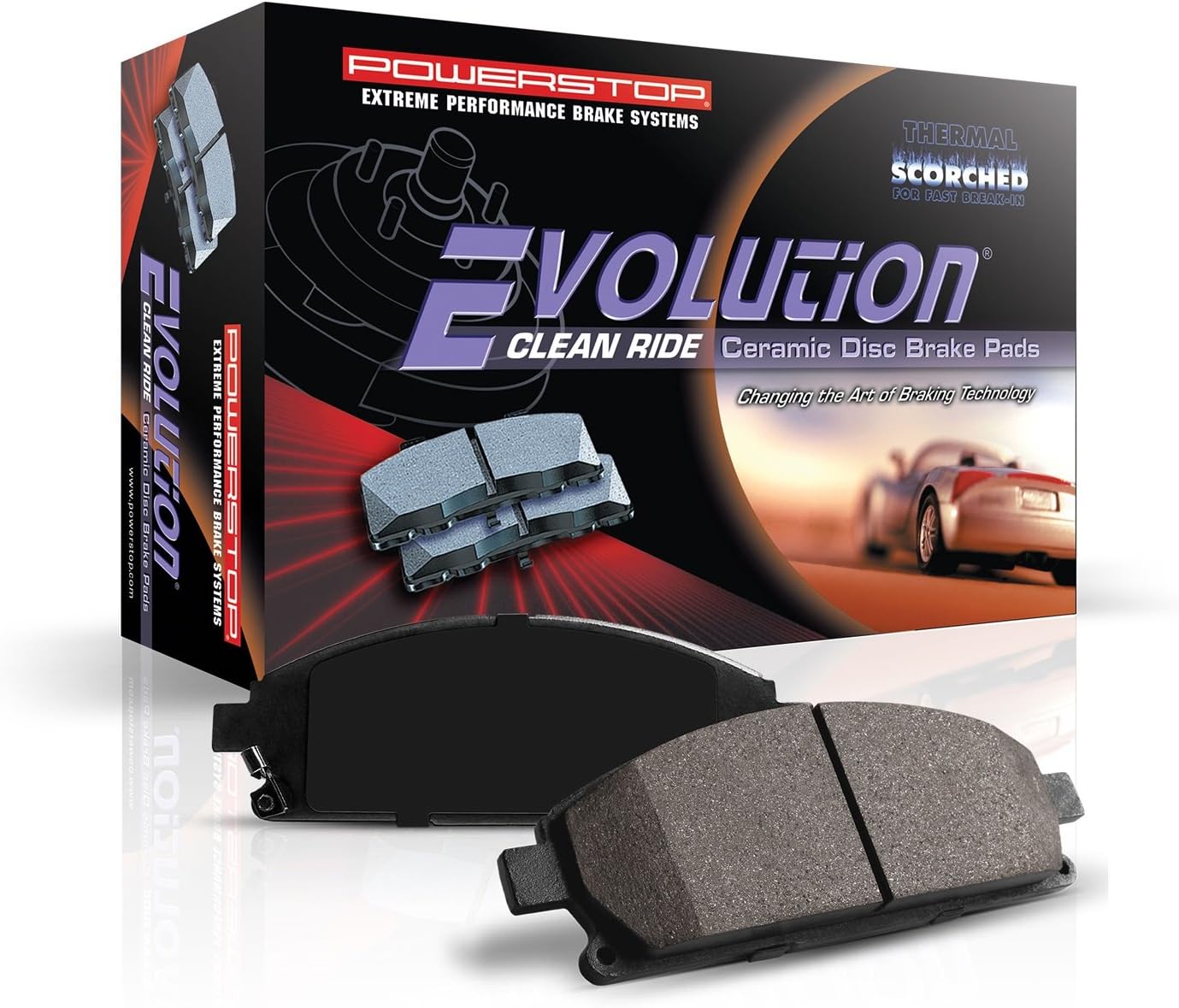
4. PowerStop Z16 Evolution Front Ceramic Brake Pads (16-914)
| Auto Part Position | Front |
|---|---|
| Compatible with Vehicle Type | Car |
| Material Type | Ceramic |
| Automotive Fit Type | Vehicle Specific Fit |
The PowerStop Z16 Evolution ceramic front brake pads are built as a direct-fit replacement for many Honda vehicles, including 2002–2006 CR-V models, offering a straightforward upgrade for everyday use. These pads use a low-dust ceramic compound and rubberized shims to reduce wheel soiling and minimize noise, while chamfered and slotted faces plus thermal scorching speed break-in and help keep braking smooth and consistent. Installation is bolt-on with no modifications required, which makes them suitable for DIY replacement and routine maintenance. They do not include installation hardware, so expect to reuse or buy pads clips and pins if needed. These pads prioritize quiet, clean operation and predictable stopping in commuting and errands rather than track performance or heavy towing duty. Backed by manufacturer warranty coverage and many owner reports of easy fit and minimal dust, they are a practical, budget-friendly choice for restoring front braking feel on older CR-Vs, though drivers seeking aggressive friction or extended heavy-duty life should consider performance-oriented compounds instead.
Best for: Buyers looking for an affordable, quiet, low-dust replacement for everyday driving on older Honda CR-Vs who plan to do a DIY brake swap or a routine service.
Less Ideal for: Drivers who need heavy-duty, high-temperature braking for towing, racing, or sustained aggressive driving should choose a performance-oriented pad designed for those conditions.
- Low-dust ceramic compound helps keep wheels cleaner over time.
- Rubberized dual-layer shims and chamfered/slotted design reduce noise and vibration.
- Thermal scorching and slotting promote fast break-in and consistent stopping.
- Vehicle-specific fit makes installation a simple bolt-on for compatible Hondas.
- Installation hardware not included so additional parts may be needed for a complete install.
- Ceramic compound is tuned for daily driving and not designed for high-heat track use.
Verdict: A cost-conscious, low-dust ceramic front pad that restores quiet, dependable everyday braking for 2002–2006 Honda CR-Vs.
5. Bendix Priority1 CFC536 Ceramic Rear Brake Pads

| Auto Part Position | Rear |
|---|---|
| Material Type | Ceramic |
| Automotive Fit Type | Vehicle Specific Fit |
| Included Components | Brake pad set with installation hardware |
The Bendix Priority1 CFC536 rear ceramic brake pads are a vehicle-specific replacement designed to deliver quiet, reliable braking for compatible Honda and Acura models. They come as a single pad set with installation hardware and are built to meet factory fit, form, and function so installation is straightforward when the fit is correct. The ceramic friction material, along with shims, slots, and chamfers, reduces noise and dust while helping consistent stopping under normal daily driving and moderate loads. Included hardware and a packet of silicone brake lube make installation neater and help prevent squeal. Because these are ceramic pads tuned for comfort and low dust, they prioritize smooth, fade-resistant performance over track-level bite or extreme heat capacity. A few users report hardware fitment variations on uncommon builds, so confirm your exact rear brake configuration before buying. Overall these pads are a strong, low-noise option for owners who want factory-style braking and cleaner wheels with minimal fuss.
Best for: Buyers who prioritize dependable, quiet everyday braking and minimal wheel dust on older Honda/Acura vehicles and value a direct factory-style replacement.
Less Ideal for: Drivers who need aggressive high-temperature or track-focused stopping power should choose a performance-oriented or semi-metallic pad instead.
- Factory-quality fit and hardware included for straightforward installation when the part matches your vehicle
- Ceramic friction material delivers quiet operation and low brake dust
- Shims, slots, and chamfers help reduce noise and promote even pad wear
- Fit is vehicle-specific and some users report the included hardware or clips may not seat on certain production variants
Verdict: Choose these Bendix ceramic rear pads when you want a quiet, factory-quality replacement that delivers consistent, low-dust braking for older Honda and Acura rear applications.
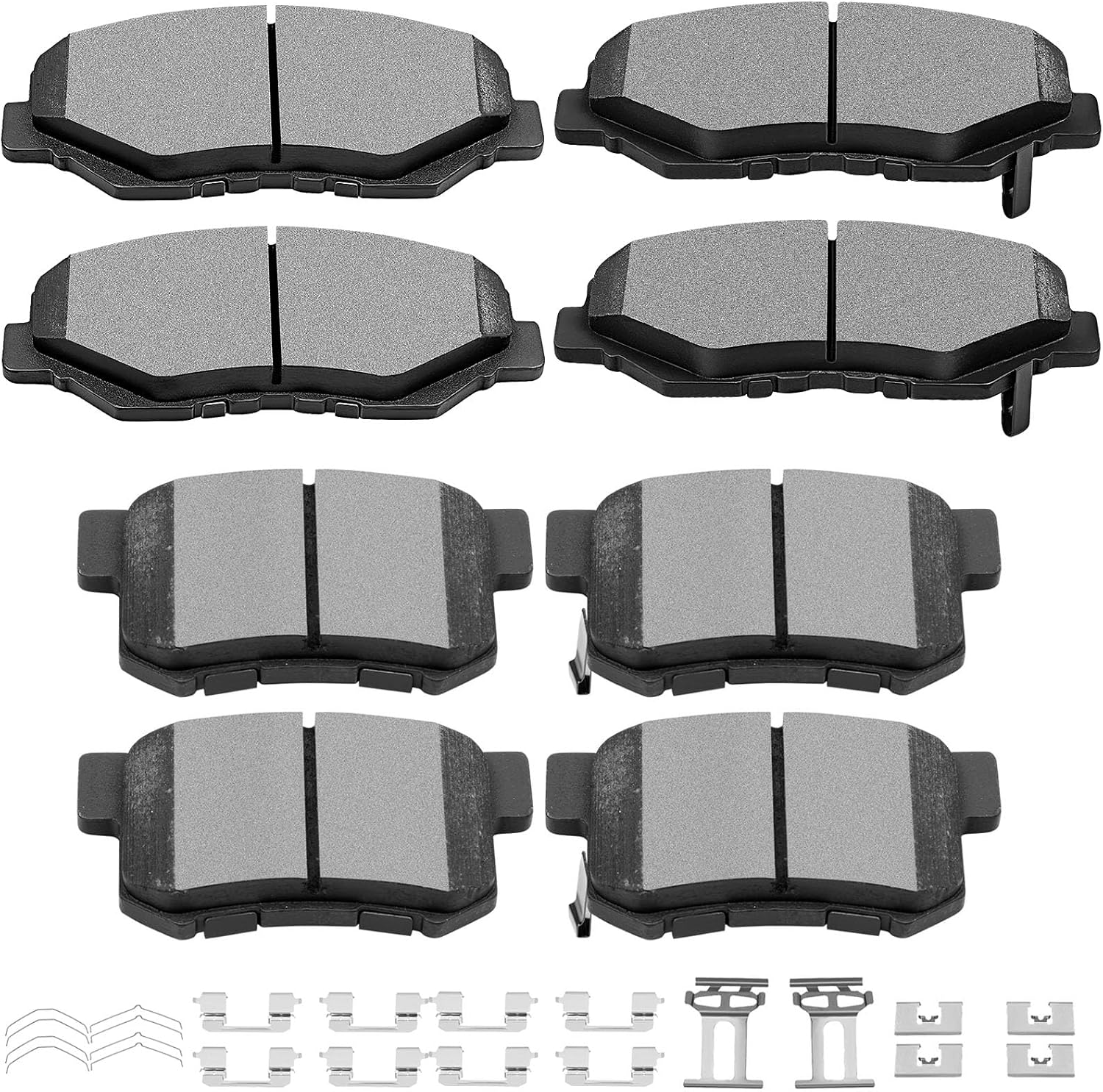
6. SCITOO Ceramic Front Brake Pad Kit (fits 2002–2004 Honda CR-V)
| Material | Ceramic |
|---|---|
| Auto Part Position | Front |
| Automotive Fit Type | Vehicle Specific Fit |
| OEM Part Number | ATD536C, D536-7418, ATD914C, D914-7795 |
These SCITOO ceramic front brake pads are a vehicle-specific replacement made to fit 2002–2004 Honda CR-Vs. They are sold as an eight-piece kit and install like a factory-style direct replacement without modifications. The ceramic compound and scorch friction treatment are intended to shorten break-in time and deliver consistent stopping performance while limiting dust. The kit includes gaskets on the back plates to reduce vibration and help keep noise to a minimum. Customers report straightforward installation and that the set often ships with hardware and grease needed for a full brake job. Performance is comparable to many name-brand ceramic pads in normal driving, but a minority of users report faster wear under heavier use, so longevity may vary by driving style. This makes the kit a practical, lower-cost choice for routine daily driving and confident stopping on paved roads, while drivers who demand maximum endurance under heavy towing or aggressive braking may prefer a higher-end or performance-oriented compound.
Best for: Buyers who prioritize a quiet, low-dust ceramic replacement that installs like a factory part and who value positive owner feedback when choosing an affordable option for everyday driving.
Less Ideal for: Drivers who frequently tow, carry heavy loads, or do spirited driving and need a high-mileage or performance brake compound should consider heavy-duty or performance pads instead.
- Vehicle-specific design for 2002–2004 Honda CR-V ensures direct fit and simple installation
- Ceramic compound and scorch treatment reduce break-in time and limit brake dust
- Back plate gaskets reduce vibration and help keep braking noise low
- Often includes hardware and grease so you can replace pads without sourcing extra parts
- Some users report shorter lifespan under heavy or aggressive use compared with premium brands
Verdict: A budget-friendly ceramic front pad kit that gives quiet, low-dust braking and easy direct-fit installation for 2002–2004 Honda CR-V owners looking for reliable everyday performance.
7. PowerStop Front Brake Kit — Z17 Ceramic Pads with OE Replacement Rotors (Front)

| Vehicle Service Type | Car, Truck, Van |
|---|---|
| Position | Front |
| Brake Pad Type | Z17 Ceramic |
| Rotors | OE replacement, mill-balanced |
| Assembly Required | No |
This PowerStop front brake kit bundles Z17 ceramic brake pads, two front replacement rotors, stainless-steel installation hardware, rubberized shims, and a small packet of grease to give you everything needed for a direct bolt-on front brake replacement. The ceramic Z17 pads are low-dust, chamfered, and slotted for quiet operation and a predictable bite during daily driving, while the rotors are mill-balanced to reduce vibration and help preserve ride smoothness. Installation is straightforward for a competent DIYer and includes hardware that aims to simplify reassembly. Practical benefits include cleaner wheels from the low-dust formula, quieter stops compared with some aftermarket semi-metallic pads, and an all-in-one kit that avoids sourcing parts separately. Limitations to consider are occasional reports of mismatched or marginal hardware fit on some vehicles and one reported fitment mismatch for a specific year/model variant, so double-check vehicle fitment before ordering. This kit is best for drivers seeking a maintenance-friendly, factory-replacement-style upgrade for everyday use rather than track or heavy towing duty.
Best for: Buyers who prioritize a low-risk, maintenance-friendly front brake replacement that restores factory-like braking feel and reduces wheel dust for daily-driven Hondas.
Less Ideal for: Drivers who need heavy-duty or track-focused braking performance or who prefer to source OEM-matching hardware separately should look at other options.
- Complete kit containing pads, two rotors, stainless-steel hardware, and shims for a single front axle service
- Low-dust ceramic Z17 pads that reduce wheel soiling and run quietly in normal driving
- Mill-balanced OE-style rotors designed to minimize vibration and preserve ride comfort
- Includes grease and installation hardware to simplify a DIY brake replacement
- Hardware pieces included have occasionally been reported as a non-perfect match to factory clips or springs
- Not engineered for heavy-duty, track, or towing use; optimized for daily driving conditions
Verdict: A convenient all-in-one front brake replacement kit that restores quiet, low-dust, factory-style braking for everyday Honda use.
Choosing the Right 2002-2006 Honda CR-V Brake Pads: Key Factors to Consider
Material Compound
The pad compound determines friction level, noise, and wear. Organic compounds tend to be quieter initially but may wear faster on the CR-V, while ceramic compounds usually produce less dust and reduced squeal, which helps maintain a cleaner wheel finish and quieter cabin. Semi-metallic options provide strong stopping power and heat tolerance but can be harsher on rotors and may create more audible noise during light braking.
Match the compound to your driving: daily commuting and light highway use on the CR-V often benefit from a ceramic or low-metallic compound that balances stopping power and low dust. If you frequently drive in hilly areas or perform repeated hard stops, prioritize compounds with better heat dissipation and fade resistance even if they generate a bit more dust.
Pad Thickness and Wear Rate
Initial pad thickness and the expected wear rate determine replacement intervals. Thicker pads offer more service life, but actual longevity depends on compound and driving style. For the 2002-2006 CR-V, average urban commuting with occasional highway trips typically results in moderate wear, so choosing pads with a thicker friction layer can extend time between replacements.
Consider manufacturer-stated estimated mileage as a guideline but expect variance. Inspect pads periodically for remaining thickness and watch for brake pad wear symptoms like longer stopping distances, grinding noises, or a pulsating pedal that indicate it's time to replace pads before rotor damage occurs.
Noise and Vibration Control
Cabin noise and brake squeal are common owner complaints on older vehicles. The pad backing plate design, presence of shims, and lubricant applied to hardware all influence audible behavior. Pads designed with layered shims or noise-reducing backing often minimize squeal on the CR-V without sacrificing effectiveness.
Vibration under braking can signal mismatched pad transfer or uneven rotor surfaces. Choosing pads with a reputation for consistent bedding and using proper break-in procedures reduces the chance of pedal pulsation or steering-wheel vibration. If you are sensitive to noise, favor pads marketed for low-noise operation and ensure hardware and anti-rattle clips are in good condition during installation.
Fitment and Brake Position
The 2002-2006 CR-V uses specific front and rear pad shapes and hardware. Confirming exact fitment for front vs rear assemblies avoids installation issues and ensures correct braking balance. Some pads come as front-only or rear-only kits; others are sold as full-axle sets. Verify backing plate profiles, clip locations, and wear sensor compatibility where applicable to prevent fit surprises.
Proper fit also affects braking balance. Front pads usually handle the bulk of braking force and may require higher friction characteristics than rear pads. When replacing only one axle, ensure replacement pads match the remaining pads' general characteristics to maintain stable pedal feel and proportioning.
Rotor Compatibility and Heat Management
Pad compounds interact with rotors differently. Aggressive compounds can increase rotor wear or create glazing if the rotor surface or ventilation is inadequate. For the CR-V, which typically uses standard ventilated front rotors and solid rear rotors in this generation, consider pads that manage heat without introducing excess rotor abrasion.
If your CR-V has slightly worn rotors, a smoother, less abrasive pad will reduce the risk of accelerated rotor degradation. Conversely, if rotors are new or resurfaced, pads with moderate bite can bed in properly and develop a stable transfer layer that optimizes stopping performance.
Installation and Service Considerations
Ease of installation affects total replacement time and the likelihood that pads are fitted correctly. Look for pads that include or match OEM-style hardware, clear instructions, and surface treatments that reduce initial noise. Availability of replacement hardware and shims matters because worn clips or pins can cause uneven wear or noise even with good pads.
Also consider break-in requirements and whether the pads need bedding-in procedures to reach full performance. If you plan to perform the replacement yourself, choose pads with straightforward installation features and ensure you have the correct tools and torque specifications for the CR-V calipers.
Front Vs Rear Pad Roles on the CR-V
The front pads on the 2002-2006 CR-V handle the majority of braking load and therefore usually demand higher friction and better heat tolerance. Rear pads contribute to balance and stability but typically experience lower thermal stress. When selecting pads, consider matching the front pad compound to your stopping needs while using a milder compound at the rear if you prioritize quiet operation and reduced dust.
If you are replacing only one axle's pads, try to choose a compound that is compatible with the existing pads on the other axle to avoid abrupt changes in pedal feel or brake bias.
- Front pads take more load and wear faster
- Rear pads stabilize braking and influence pedal feel
- Mixing very different compounds front-to-rear can alter brake balance
Ceramic Vs Semi-Metallic for Everyday Driving
Ceramic pads are often preferred for daily-driven CR-Vs because they produce less brake dust, run quietly, and deliver consistent feel under normal temperatures. Semi-metallic pads provide stronger bite and better heat management during repeated hard stops but can increase rotor wear and dust.
Think about typical use: if most of your driving is urban commuting and highway cruising, ceramic pads usually provide the best compromise between cleanliness and quiet. If you do frequent steep descents or heavy braking, a semi-metallic option may be worth the tradeoff.
- Ceramic: low dust, quieter, good for commuting
- Semi-metallic: higher bite, better heat resistance, more dust
Signs It's Time To Replace Pads
Watch for clear brake pad wear symptoms such as a squealing noise at light braking, grinding sounds indicating worn friction material, increased stopping distance, or a low pad thickness when inspected through the wheel. Unusual vibration or pedal pulsation can also signal uneven wear or rotor issues that accompany old pads.
A visual inspection is often enough: if the friction material is getting thin compared with original thickness specs, plan a replacement and inspect rotors for scoring or glazing at the same time.
- Squeal at light braking often means wear indicators contacting the rotor
- Grinding typically indicates metal-on-metal contact and requires immediate attention
- Measure pad thickness against specification to confirm remaining life
Break-In and Bedding Procedures for Consistent Performance
Proper break-in helps pads transfer an even layer of friction material to the rotor and reduces the chance of uneven wear or noise. Typical bedding involves a sequence of progressively harder stops from moderate speeds with cooling periods between repetitions to allow both pad and rotor to stabilize.
Follow any manufacturer guidance for bedding but generally avoid aggressive, repeated hard stops immediately after installation. Allow short drives with moderate braking to seat the pads and then reassess performance before returning to normal driving patterns.
- Perform a series of controlled stops to establish pad-to-rotor transfer
- Allow cooling between stop cycles to avoid overheating
- Re-check torque on hardware after initial bedding miles
Common Installation Mistakes to Avoid
Not replacing or servicing caliper hardware can lead to uneven pad retraction or rattling, which mimics pad problems. Always inspect pins, clips, and shims and clean contact surfaces. Applying the correct high-temperature lubricant to pad contact points reduces noise and ensures free movement.
Failing to properly torque caliper bolts or re-bleed the system when necessary can degrade pedal feel and safety. Double-check fitment so pads do not bind or misalign in the caliper housing.
- Clean and inspect mounting hardware during pad replacement
- Use proper lubricants on pad contact surfaces
- Verify torque specs and pedal feel after installation
Still looking for the perfect fit?
Select your Honda CR-V configuration to see the most relevant Brake Pads recommendations
How We Chose the Best 2002-2006 Honda CR-V Brake Pads
We prioritized criteria that directly affect braking performance and long-term ownership for the 2002-2006 Honda CR-V. Key evaluation dimensions included stopping power under normal and emergency braking, measured by material friction characteristics and expected pad bedding behavior. We assessed noise and vibration potential based on pad compound and backing plate design, since the CR-V cabin can amplify brake squeal. Durability and wear rate were judged by typical mileage expectations and pad thickness, because frequent replacements add labor and rotor costs.Fitment accuracy and consistent sizing for the CR-V front and rear assemblies were required; any option with uncertain fit or ambiguous vehicle coverage was excluded. Heat management and rotor compatibility were considered to avoid glazing or premature rotor wear during repeated stops. Ease of installation and the availability of shim or anti-rattle features were additional selection filters. We excluded pads intended exclusively for racing, heavy towing, or off-road use because they prioritize different tradeoffs than typical CR-V driving. The remaining choices balance safe stopping, reasonable quietness, predictable wear, and correct fit for 2002-2006 CR-V applications.
Our full evaluation process is outlined in our review methodology.
FAQ
How often should I check brake pad thickness on my 2002-2006 CR-V?
Check pad thickness every 6,000 to 8,000 miles or during routine service inspections. Frequency depends on driving style; heavy city driving accelerates wear. Inspect visually through the wheel or during tire rotations.
Can I replace only the front or only the rear pads on the CR-V?
Yes, you can replace a single axle, but it is best to match the new pads' compound and general wear to the remaining pads to maintain consistent braking balance. If the opposite axle's pads are very worn, consider replacing both axles within a short interval.
What causes a grinding noise after installing new pads?
Grinding usually indicates metal-to-metal contact, possibly from a missing pad shim, leftover wear indicator, or excessively worn rotors. Re-inspect the installation and rotor condition promptly to prevent further damage.
Are ceramic pads a good choice for a CR-V used for daily commuting?
Often yes. Ceramic pads tend to be quieter and generate less dust, which suits daily commuting and light highway use. They provide predictable pedal feel under typical temperatures experienced by commuter driving.
Should I resurface rotors when changing pads on the CR-V?
It depends on rotor condition. Light scoring or glazing can often be corrected by resurfacing, but deeply scored or thin rotors should be replaced. Resurfacing helps the new pads bed evenly and reduces the risk of vibration.
Why do brakes feel different front-to-rear after a pad replacement?
Different compounds, thicknesses, or uneven bedding can change the pedal feel and brake bias. Ensuring matched characteristics between axles and following proper bedding procedures helps return balanced braking behavior.
Final Verdict
When choosing brake pads for a 2002-2006 Honda CR-V prioritize compound, fitment, and pad thickness to match your driving patterns. For everyday commuting, pads that balance quiet operation, low dust, and steady stopping typically deliver the best ownership experience. If you face frequent hard stops or steep descents, accept a tradeoff toward higher-friction compounds for better fade resistance.Balance the benefits of stopping power, noise control, and rotor friendliness when deciding. Inspect mounting hardware during replacement, follow proper bedding procedures, and check pad thickness regularly to keep braking performance reliable and predictable.
Explore More:
- Check out all Honda CR-V parts & accessories
- Explore Brake Pads Maintenance & Repair Guides
- Explore Brake System
- Browse all Auto Parts
