

Note: This article contains affiliate links. If you click on these links and make a purchase, I may earn a small commission at no extra cost to you. This helps support my research and content. Read my full affiliate disclosure here.
What You’ll Need
A quick look at the tools and supplies commonly used for this job.
Tools
- OBD-II scan tool
- Flashlight
- Mechanic’s gloves
- Safety glasses
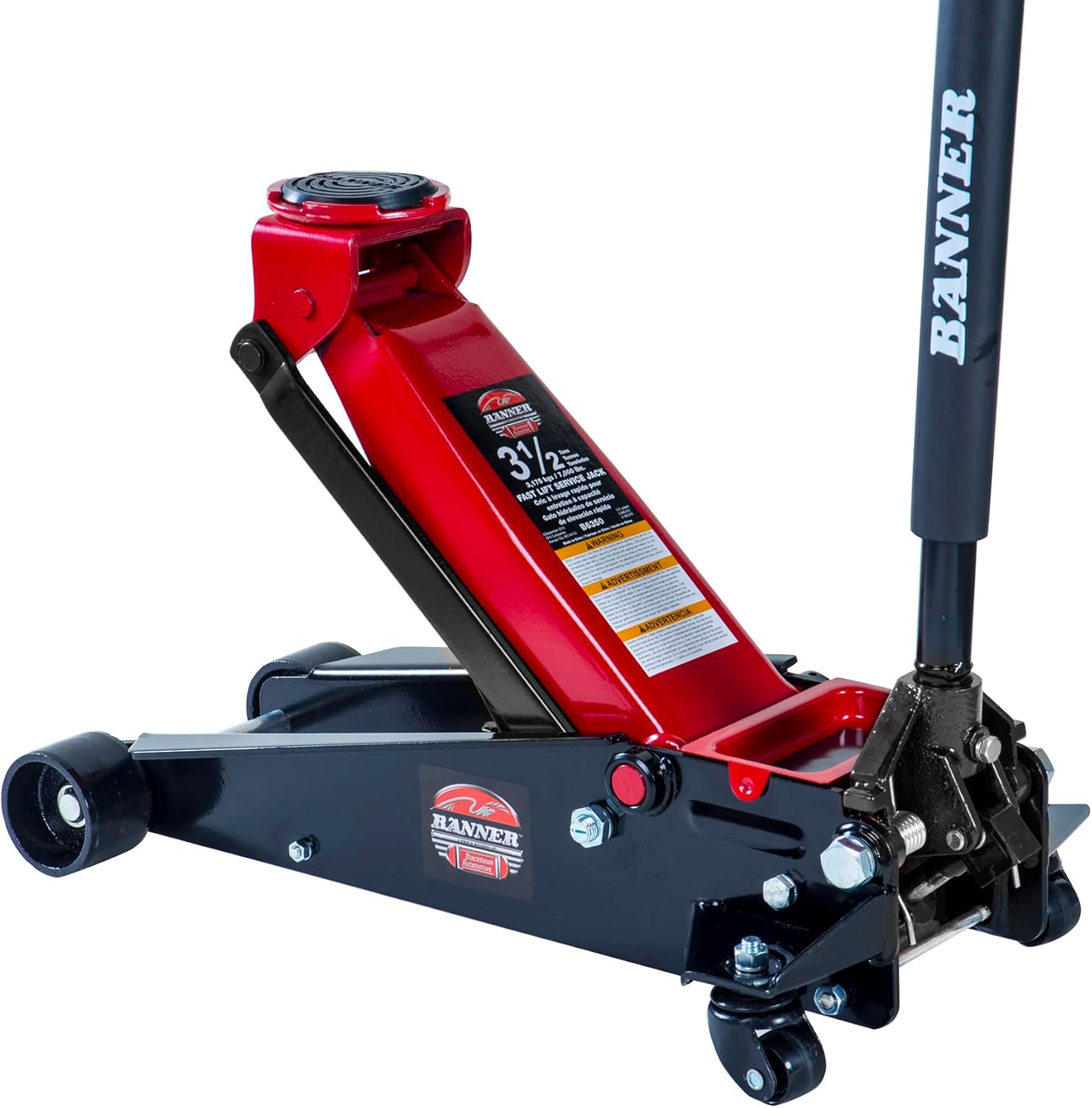
- Floor jack
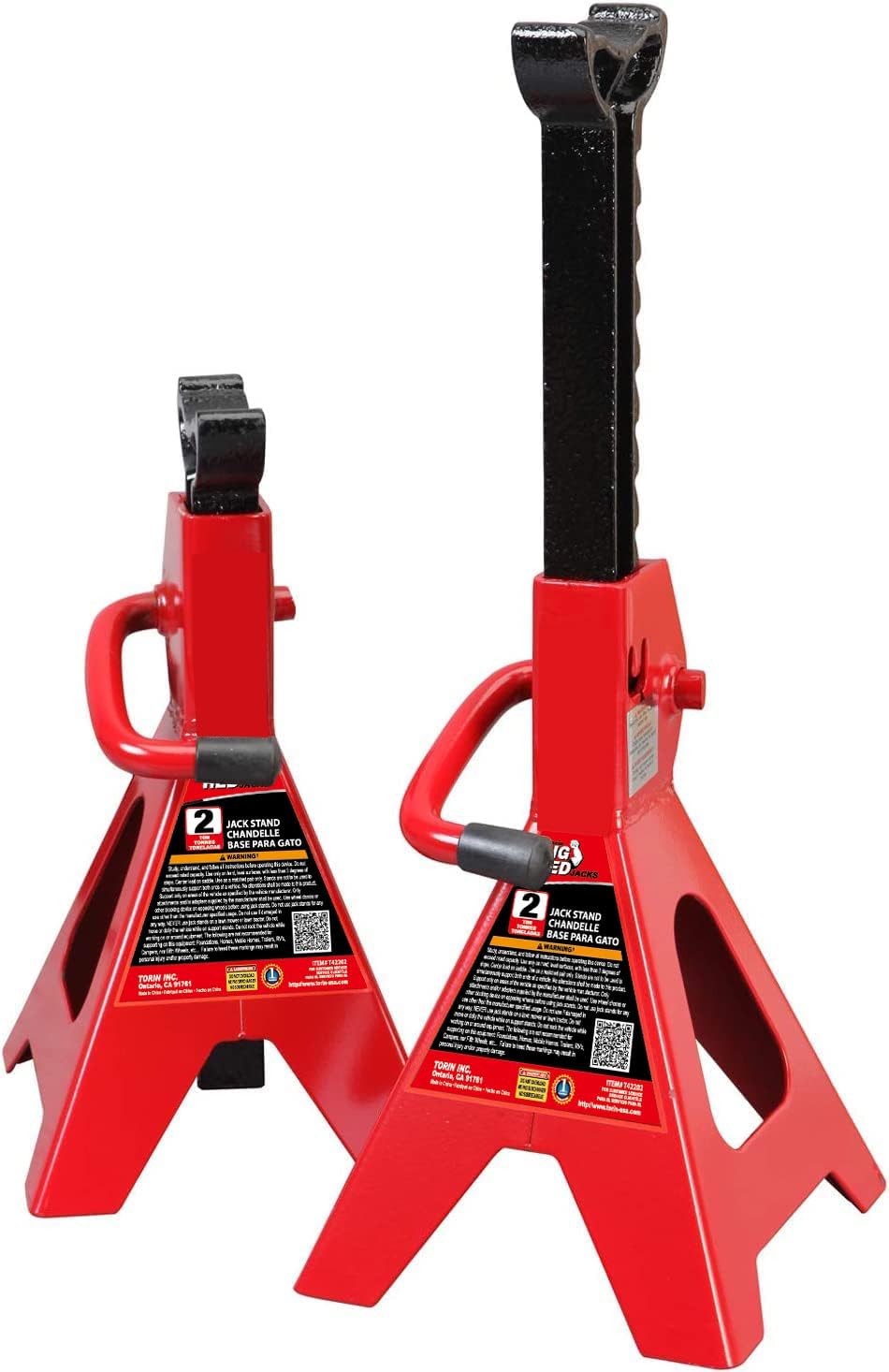
- Jack stands
- Wheel chocks
- Infrared thermometer
- Shop rags or paper towels
- Notepad or phone for recording symptoms
Parts & Supplies
- Correct transmission fluid for your vehicle
- Brake cleaner
- Drain pan
- Transmission filter and pan gasket if serviceable
This article is part of our Transmission and Drivetrain Maintenance & Repair Guides.
Internal transmission damage can feel a lot like a low-fluid issue, bad sensor, or worn engine mount, so the goal is to separate outside causes from problems happening inside the transmission itself. A careful diagnosis can save you from replacing parts you do not need or driving until a rebuild becomes unavoidable.
For most DIY owners, the practical approach is to start with the easy checks: fluid level and condition, warning lights, scan-tool data, leaks, and repeatable driving symptoms. Once you know whether the transmission is slipping, binding, delayed, overheating, or making metal, you can make a better call on whether the problem may be electrical, hydraulic, or truly internal mechanical damage.
This guide walks through a safe step-by-step process to inspect, test, and interpret common signs of internal transmission failure in an automatic transmission. If your vehicle has a CVT or dual-clutch unit, many symptoms still apply, but the repair path is often even less DIY-friendly.
What Internal Transmission Damage Usually Looks Like
Internal damage means a problem with parts inside the transmission, not just an external leak, bad shifter cable, or software issue. Common failures include worn clutch packs, damaged bands, valve body wear, broken hard parts, failed bearings, overheated seals, torque converter damage, or pump problems. In many cases, internal wear starts small and then contaminates the fluid with clutch material or metal, which speeds up the failure.
Common Symptoms That Point Inward
- Engine revs rise but vehicle speed does not increase normally, especially during shifts or acceleration.
- Delayed engagement when shifting into Drive or Reverse after the vehicle has been sitting.
- Harsh, flaring, or missing shifts that happen repeatedly under similar conditions.
- Grinding, whining, rattling, or growling noises that change with gear selection or load.
- Burnt-smelling or dark transmission fluid, especially with visible debris.
- Shuddering during takeoff, at light throttle, or when the torque converter clutch should apply.
- Overheating warnings or transmission temperature running unusually high.
None of these symptoms prove internal damage by themselves. A faulty solenoid, wiring issue, low fluid, restricted filter, or even an engine misfire can mimic transmission trouble. That is why the diagnosis needs to build evidence from several checks instead of relying on one symptom.
Safety and Preparation
Work on level ground and follow your owner’s manual or service information for fluid-check procedure, because many modern transmissions require a specific temperature range and engine-running condition to check fluid correctly. Never crawl under a vehicle supported only by a jack, and be careful around hot exhaust parts and spinning cooling fans.
Before You Begin
- Confirm whether the vehicle uses a traditional automatic, CVT, or dual-clutch transmission.
- Check for recent work such as fluid service, battery replacement, engine repair, or collision damage that may have affected wiring or fluid level.
- Ask when the problem happens: cold, hot, uphill, in traffic, during highway cruising, or only when backing up.
- Do not continue repeated hard test drives if the transmission is slipping badly or making loud mechanical noise.
Start With the Basic External Checks
Check for Warning Lights and Codes
Scan the vehicle for diagnostic trouble codes before disconnecting the battery or clearing anything. Transmission-related codes can reveal shift solenoid faults, gear-ratio errors, pressure-control issues, speed sensor problems, torque converter clutch performance faults, or overheating events. Even if the transmission is mechanically damaged, stored codes help narrow down which clutch circuit or gear range is affected.
Pay close attention to gear-ratio codes, slipping codes, and pressure-control codes that return quickly after clearing. A ratio error in one specific gear often points to a clutch pack or band issue related to that gear, while multiple ratio errors across several gears may suggest low line pressure, pump wear, or widespread internal damage.
Inspect for Leaks and Obvious External Causes
Use a flashlight to inspect the pan, cooler lines, axle seals, bellhousing area, and transmission cooler connections. Low fluid from a leak can cause slipping, flare shifts, delayed engagement, and overheating that feel like internal failure. Also check battery voltage and transmission-related connectors if accessible, because weak system voltage or corroded connectors can disrupt electronic control.
Check Fluid Level and Condition
If your transmission has a dipstick, check the fluid exactly as the manufacturer specifies. Fluid that is low, foamy, severely dark, or smells burnt is a major clue. Healthy fluid is usually red, pink, amber, or green depending on type, and should not smell like charred friction material. If there is no dipstick, many units use a check plug and a temperature-based procedure, so do not guess.
- Low fluid may indicate a leak, aeration, or service error.
- Burnt fluid often suggests overheating and clutch damage.
- Shiny metallic particles point more toward hard-part or bearing wear than normal clutch dust.
- A small amount of dark residue can be normal in some high-mileage units, but chunks or glitter are not.
Tools That Make This Job Easier


Road-Test the Vehicle Carefully
A controlled road test gives some of the best clues about internal damage. The key is to repeat the same conditions and note exactly what the transmission does. Try to test both cold and fully warmed up if it is safe to do so.
What to Observe During the Drive
- Does Drive or Reverse engage immediately, or is there a delay after shifting out of Park?
- Does the transmission upshift at the expected speed and throttle position?
- Does engine RPM flare between shifts, suggesting a clutch is slipping?
- Is the issue limited to one shift, such as 2-3, or present in multiple gears?
- Does the problem get worse hot, which may indicate pressure loss or fluid breakdown?
- Do you feel a shudder at steady cruise when the torque converter clutch should lock?
- Is there a whine that rises with vehicle speed or engine load?
A delay into Reverse often suggests internal sealing or pressure problems, though valve body issues can do it too. A flare on one specific shift can point to the clutch or band involved in that gear change. A persistent whine may suggest pump wear, fluid starvation, or bearing damage. If the transmission bangs into gear only when hot, worn internal seals or pressure-control problems become more likely.
Do Not Use Abusive Tests
Avoid repeated full-throttle launches, forced kickdowns, or long uphill tests if the transmission is already slipping. Those tests can turn a marginal unit into a failed one very quickly. If the vehicle can barely move, skips gears, or makes sharp metal-on-metal noise, stop driving it and move to inspection and professional confirmation.
Use Scan Data to Separate Electrical Problems From Internal Damage
A capable scan tool can show live data such as transmission fluid temperature, input speed, output speed, commanded gear, actual gear, torque converter clutch status, and sometimes line pressure commands. Comparing what the computer wants versus what the transmission actually does is one of the best DIY diagnostic methods.
Helpful Live-data Clues
- If the module commands a shift but the actual ratio lags or slips, internal clutch or hydraulic problems become more likely.
- If speed sensor readings drop out or behave irrationally, an electrical or sensor issue may be the root cause.
- If transmission temperature climbs quickly, the unit may be slipping internally or the cooler flow may be restricted.
- If torque converter clutch is commanded on but RPM never drops or shudder appears, the converter clutch may be worn or contaminated.
Look for a pattern rather than a single odd value. One strange reading may be a scan-tool limitation, but repeated mismatch between commanded and actual operation supports a genuine transmission fault.
Inspect the Pan and Filter if the Design Allows It
Dropping the transmission pan can provide strong evidence when internal damage is suspected. This step is not possible or practical on every unit, and some transmissions are sealed or require special refill procedures. If yours has a removable pan, inspect what is inside before deciding on a flush or additive.
What Normal and Abnormal Debris Look Like
A light paste on the pan magnet is often normal wear material, especially on higher-mileage units. Thick sludge, bronze-colored debris, sharp metal flakes, steel chips, or obvious friction material in quantity are not normal. Pieces of snap ring, needle bearing fragments, or aluminum chunks usually mean significant internal damage and a rebuild or replacement is near.
Filter Clues
A restricted filter can reduce fluid flow and line pressure, causing symptoms similar to internal wear. But if the filter is packed with clutch material or metal, the filter itself is not the root problem; it is just catching the evidence. Replacing the filter may improve things briefly, but the transmission has likely already damaged itself internally.
Be cautious with flushes. If a transmission is already slipping, a power flush can sometimes make things worse by moving debris through the valve body or dislodging material that was helping marginal seals hold pressure.
Recommended Tools for This Job


How to Interpret Specific Symptom Patterns
Slipping in All Forward Gears
If the engine revs up and the vehicle barely accelerates in multiple forward gears, suspect low fluid, pump or pressure problems, severe clutch wear, or widespread internal damage. Check for burnt fluid and overheating history. If line pressure is low and fluid level is correct, a pump, pressure regulator, or major internal sealing issue is possible.
Only One Shift Flares or Fails
A single bad shift often points to the clutch pack, band, servo, or valve body circuit tied to that shift event. For example, a repeatable 2-3 flare is more targeted than a random harsh shift in all conditions. This is where transmission-specific service information and code data become very valuable.
No Reverse or Weak Reverse
Loss of Reverse can be caused by internal clutch damage, low hydraulic pressure, valve body faults, or linkage issues depending on the transmission design. If the shifter is selecting correctly and fluid level is correct, repeated failure to engage Reverse often points deeper inside the unit.
Shudder at Cruise
A shudder at light throttle around converter lockup speed often suggests torque converter clutch wear or contaminated fluid. This may not mean the whole transmission is destroyed, but if ignored, converter debris can spread through the unit and create broader internal damage.
Whining, Growling, or Metal Noise
Noise matters a lot. A steady pump-like whine may point to cavitation, fluid starvation, or pump wear. A growl that changes with vehicle speed can indicate bearing damage. A sharp rattle or grinding noise, especially with metal in the pan, strongly suggests internal hard-part failure rather than an electrical issue.
When the Problem Might Not Be Internal Damage
Not every bad shift means the transmission needs replacement. Before concluding the unit is mechanically damaged, rule out common outside causes. A sensor, solenoid, software, wiring, or engine-performance issue can produce shift complaints without major internal wear.
- Low or incorrect transmission fluid after recent service.
- Faulty input or output speed sensors causing wrong shift timing or ratio codes.
- Valve body or solenoid faults that prevent proper pressure application.
- Poor engine performance, misfires, or low power that make the transmission feel like it is slipping.
- Broken mounts, driveline issues, or CV axle problems that create clunks and vibration.
If the fluid is clean, no debris is present, codes point to electronics, and live data shows sensor dropouts or irrational readings, external or control-side causes should stay high on the list. Internal damage becomes more likely when bad fluid, mechanical noise, debris, repeatable gear-ratio errors, and worsening slip all line up together.
What to Do After You Confirm Likely Internal Damage
Once you have strong evidence of internal damage, the next step is usually deciding whether the transmission is worth servicing, rebuilding, replacing, or having professionally tested. If the vehicle still moves, limit driving as much as possible. Continued use can overheat the unit, contaminate the cooler, and damage the torque converter further.
Practical Next Steps
- Document your findings: codes, fluid condition, symptoms, temperatures, and any debris seen in the pan.
- Check whether your transmission model is known for valve body, converter, or clutch-pack failures, because this affects repair strategy.
- If slip is minor and fluid is merely old, a cautious service may be worth discussing, but do not expect it to fix severe clutch wear.
- If metal or friction material is present in quantity, plan for rebuild or replacement rather than a fluid-only attempt.
- If replacing the unit, ask whether the cooler and lines must be flushed or replaced to prevent contaminating the new transmission.
For many DIY owners, removal and replacement of the transmission may be beyond the practical limit of a home garage, especially on newer vehicles that require programming or adaptation procedures afterward. Still, accurate diagnosis before paying for major work can save a lot of money and help you avoid replacing a transmission for a problem that was really electrical or hydraulic from the outside.
Key Takeaways
- Check fluid level, fluid condition, leaks, and trouble codes before assuming the transmission is internally damaged.
- Repeatable slip, delayed engagement, burnt fluid, debris in the pan, and gear-ratio errors together are strong signs of internal failure.
- Use live scan data to compare commanded gear operation with actual behavior and to rule out sensor or control issues.
- Do not keep driving a slipping or noisy transmission, because heat and debris can quickly turn a repairable problem into a full replacement.
- If you find heavy metal or clutch material in the pan, focus on rebuild or replacement decisions instead of additives or flushes.
FAQ
Can Low Transmission Fluid Feel Like Internal Damage?
Yes. Low fluid can cause slipping, delayed engagement, harsh shifting, overheating, and whining noises that closely mimic internal failure. Always verify fluid level and look for leaks before assuming the transmission is mechanically damaged.
Does Burnt Transmission Fluid Always Mean the Transmission Is Ruined?
Not always, but it is a serious warning sign. Burnt fluid usually means excessive heat and possible clutch damage. If the fluid is badly dark and the vehicle is slipping, internal wear is much more likely.
Is It Safe to Change the Fluid if I Suspect Internal Damage?
A basic fluid and filter service may be reasonable in some mild cases, but it will not fix worn clutch packs or broken hard parts. If the transmission is already slipping badly or has metal in the pan, a service may offer little benefit and sometimes makes symptoms more noticeable.
What Sounds Usually Indicate Internal Transmission Damage?
Common warning sounds include whining from pump or fluid starvation issues, growling from bearings, and grinding or rattling from hard-part failure. Noise that changes with gear selection or load is especially concerning.
Can a Bad Solenoid or Sensor Cause the Same Symptoms as Internal Damage?
Yes. Solenoid, speed sensor, wiring, and valve body problems can all cause poor shifting, wrong gear engagement, or ratio codes. That is why scan data and code checks are essential before condemning the transmission.
How Do I Know if the Torque Converter Is the Problem Instead of the Whole Transmission?
A shudder at light cruise, poor lockup performance, and certain converter clutch codes may point more toward the torque converter. However, converter failure can spread debris into the rest of the transmission, so the system should be inspected as a whole.
Should I Keep Driving if the Transmission Only Slips Once in a While?
It is better to limit driving and diagnose it soon. Intermittent slip often gets worse with heat and use, and continued driving can increase clutch wear, raise temperatures, and spread debris through the unit.
Need Parts for This Repair?
The right parts and supplies vary by vehicle.
Select your make and model to find compatible parts and accessories for your car.
Exact Fit
Parts that fit your make and model
Quality You Can Trust
Top brands and OEM quality options
Fast Shipping
Get the parts you need, delivered fast