

Note: This article contains affiliate links. If you click on these links and make a purchase, I may earn a small commission at no extra cost to you. This helps support my research and content. Read my full affiliate disclosure here.
What You’ll Need
A quick look at the tools and supplies commonly used for this job.
Tools
- Flashlight or work light
- Safety glasses
- Mechanic’s gloves
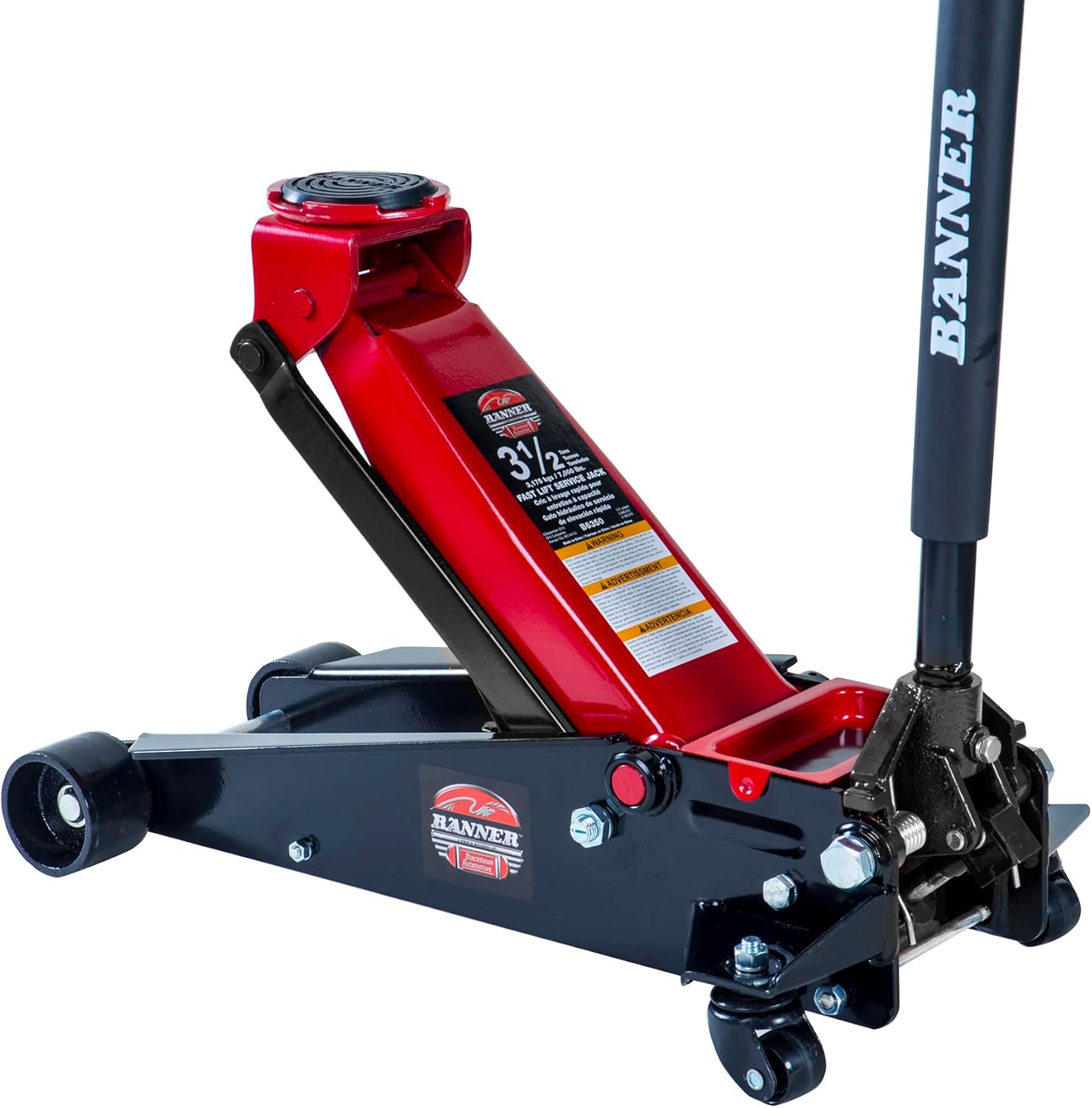
- Floor jack
- Jack stands
- Wheel chocks
- OBD-II scan tool
- Small mirror on an extension handle
- Soapy water in a spray bottle
- Shop rags
Parts & Supplies
- Replacement exhaust gasket
- Exhaust clamp
- Replacement rubber exhaust hanger
- Penetrating oil
- High-temperature anti-seize
This article is part of our Exhaust and Emissions Maintenance & Repair Guides.
An exhaust leak can cause noise, fumes, poor performance, and failed emissions tests, but the leak location is often easier to find if you inspect the system in a logical order. Most DIY checks rely on sound, visible soot, airflow, and a careful look at common failure points like flanges, flex pipes, and manifold gaskets.
The key is to work safely. Exhaust components get extremely hot, and exhaust gas can contain carbon monoxide. That means you should do initial listening tests in a well-ventilated area, avoid crawling under a car that is supported only by a jack, and let hot parts cool before touching or closely inspecting them.
This guide walks through the symptoms of an exhaust leak, the tools that help, step-by-step tests you can do at home, how to interpret what you find, and when the problem is minor enough for a simple repair versus when it is better to hand the job to a professional.
What an Exhaust Leak Usually Sounds and Feels Like
Exhaust leaks do not all sound the same. A small leak near the exhaust manifold often makes a ticking or tapping sound that is loudest on cold start and may quiet down as metal expands with heat. A leak farther back in the system usually sounds more like a puffing, hissing, or deeper rumble.
You may also notice a raw exhaust smell around the engine bay, under the vehicle, or inside the cabin. If the leak is ahead of an oxygen sensor, the engine computer may misread oxygen content and adjust fuel trim incorrectly, which can trigger a check engine light, rough idle, or reduced fuel economy.
- Ticking or tapping from the engine bay, especially on cold start
- Puffing or hissing underneath the vehicle
- A louder-than-normal exhaust note or droning sound
- Exhaust smell inside the cabin or near the hood
- Visible black soot around a flange, joint, or crack
- Reduced power, poor fuel economy, or a check engine light
Safety Before You Start
Treat exhaust work as both a burn hazard and a breathing hazard. Never seal yourself in a garage with the engine running, and never place any part of your body under a car that is only held up by a floor jack. If you need to inspect the underside, use level ground, wheel chocks, proper jack points, and jack stands.
For many checks, it helps to listen when the engine is first started because a leak is often easiest to hear when the system is cold. But if you plan to touch parts, spray soapy water, or look closely with a mirror, shut the engine off and allow the exhaust to cool down enough to avoid burns.
- Work outdoors or in a very well-ventilated area.
- Wear gloves and safety glasses.
- Keep loose clothing away from belts, pulleys, and fans.
- Use jack stands if the vehicle must be raised.
- Do not block the tailpipe for more than a brief test, and do it carefully.
Know the Common Exhaust Leak Locations
A systematic inspection is much faster if you know where leaks usually happen. Start at the engine and work rearward. Leaks near the front of the system are usually more noticeable inside the cabin and are more likely to affect engine operation or trigger a fault code.
Frequent Leak Points
- Exhaust manifold cracks or leaking manifold gaskets
- Broken manifold studs or missing bolts
- Flex pipe tears or split braiding
- Flange gasket failures between pipe sections
- Rust holes in pipes, mufflers, or resonators
- Loose band clamps or slip joints
- Weld failures near hangers or brackets
If the sound seems to come from the engine bay, pay extra attention to the manifold, manifold gasket, and the front pipe connection. If the noise is more noticeable under the center or rear of the vehicle, focus on rusted pipe sections, resonators, mufflers, and clamped joints.
Start With a Cold-Start Listening Test
A cold-start listening test is one of the easiest ways to narrow down an exhaust leak before you lift the vehicle or start spraying anything. Start the engine from cold and walk around the vehicle while keeping clear of moving parts. Listen from the front, both sides, and the rear.
A sharp ticking at the front often points to a manifold leak or cracked manifold. A rapid puffing from under the center of the vehicle may indicate a flange leak or rust hole. A deeper booming or obvious loudness from the rear often suggests a muffler or tailpipe issue.
Tips for Making the Sound Easier to Identify
- Stand to the side of the engine bay rather than directly over it.
- Have a helper start the engine while you listen.
- Note whether the sound changes when the engine warms up.
- Lightly raise engine speed for a moment to see if the leak becomes sharper or louder.
- Compare what you hear at the front, center, and rear of the vehicle.
Tools That Make This Job Easier


Do a Visual Inspection for Soot, Rust, and Movement
Once you have a general area, turn the engine off and inspect the exhaust path from front to rear. Good lighting matters here. Look for black soot trails, gray residue, burnt marks, fresh rust around cracks, and joints that appear misaligned. Exhaust leaks often leave a clear clue even if the hole itself is hard to see.
Use a mirror to inspect hidden sides of the manifold, upper flanges, and the top of a flex pipe. If the exhaust is hanging lower than normal or touching the body, a broken rubber hanger may be allowing movement that stresses the pipe and causes a crack at a weld or flange.
What to Look For
- Black soot around gasket surfaces or pipe seams
- Hairline cracks in the manifold or welds
- Missing bolts, broken studs, or loose clamps
- Frayed or split flex pipe mesh
- Rust scale and pinholes in pipe walls or muffler shells
- Broken hangers that let the exhaust sag or twist
Use a Hand-Check and Airflow Check Safely
A simple airflow check can help confirm a suspected leak, but do it carefully to avoid burns. With the engine running cold or only slightly warm, hold your hand near a suspected leak point without touching the metal. You may feel pulses of hot gas escaping from a crack or failed gasket.
Do not slide your fingers between tight clearances or near rotating components. If a location is hard to reach, use a strip of paper or a shop rag held near the joint to detect puffs of escaping gas. Movement in rhythm with engine pulses can help pinpoint the leak path.
Good Candidates for This Test
- Manifold-to-head gasket area
- Manifold or header collector flange
- Flex pipe bellows area
- Flanged joints ahead of the catalytic converter
- Clamped joints near the muffler
Try the Brief Tailpipe Restriction Test
A brief tailpipe restriction test can make a small leak easier to hear. With the engine idling, place a shop rag loosely over the tailpipe outlet for one or two seconds to increase backpressure slightly. Do not force a tight seal, and do not hold the tailpipe closed for long. The goal is only to make an existing leak more obvious.
If the exhaust system has a leak, you may hear hissing or puffing become louder at the leak location. This method can be especially useful for minor leaks in the middle or rear sections of the system that are otherwise hard to hear over normal engine noise.
Skip this test if the exhaust is extremely hot, if the tailpipe is difficult to access safely, or if the engine is already running poorly enough that adding any backpressure seems risky.
Use Soapy Water on Suspected Joints
For flanges, clamps, and accessible pipe joints, soapy water can help reveal small leaks. This works best when the exhaust is not too hot. Spray a light soap solution on the suspected area, then start the engine. Escaping exhaust can create bubbling or foam disturbance at the leak point.
This method is most useful on joints and seams rather than large rust holes or manifold cracks tucked deep in the engine bay. Keep the spray away from sensitive electrical connectors and oxygen sensor wiring, and wipe off residue when you are done.
Recommended Tools for This Job


Check for Trouble Codes and Sensor Clues
An OBD-II scan tool will not tell you exactly where an exhaust leak is, but it can point you toward the front or rear of the system. Leaks ahead of the upstream oxygen sensor may allow extra oxygen into the exhaust stream, which can contribute to lean-condition codes or fuel trim issues. Leaks around certain catalyst-monitoring locations may also affect downstream sensor readings.
If you have codes such as lean mixture faults, oxygen sensor performance faults, or catalyst efficiency codes, do not automatically assume the sensors are bad. A leak upstream of those sensors can create misleading data. Fixing the exhaust leak first is often the correct diagnostic step.
Codes That Can Appear with an Exhaust Leak
- Lean condition codes such as P0171 or P0174
- Oxygen sensor response or circuit-related codes in some cases
- Catalyst efficiency codes if readings are skewed
- Misfire-related symptoms if the leak is severe near the engine
How to Interpret What You Find
After the sound checks, visual inspection, and airflow tests, try to classify the leak by type and location. That helps determine whether you are dealing with a simple clamp-and-gasket repair or a more involved manifold or welded component replacement.
Likely Diagnosis by Symptom
- Cold-start ticking from the engine bay with soot near the head usually points to a manifold gasket leak or cracked manifold.
- A loud puffing from a braided section often means the flex pipe is split.
- Soot around a bolted connection usually means a failed flange gasket or loose hardware.
- Deep rumble plus rust holes at the rear commonly means the muffler or rear pipe has rusted through.
- Exhaust movement and repeated joint failures may indicate broken hangers are stressing the system.
A minor leak behind the catalytic converter is often less likely to affect drivability, though it can still be noisy and unsafe if fumes enter the cabin. A leak near the manifold or ahead of the catalytic converter is generally more urgent because it can expose occupants to fumes, damage nearby components with hot gas, and interfere with engine management.
Next Steps: Repair, Temporary Fix, or Professional Help
Once the leak is identified, choose the repair based on severity and location. Loose clamps, failed flange gaskets, and worn rubber hangers are often realistic DIY repairs if bolts are accessible and not badly seized. Rusted-through pipes, cracked manifolds, broken studs, and damaged flex sections can quickly become more difficult and may require cutting, welding, or torch heat.
Be cautious with exhaust paste, wraps, or patch kits. They may work as short-term fixes on small holes in low-stress sections, but they are not proper repairs for manifold cracks, flex pipe failures, or heavily rusted metal. If the underlying pipe is thin and flaking, a patch usually does not last.
A DIY Repair Is More Reasonable When
- The leak is at a clamp, flange gasket, or simple slip joint
- The hardware is visible and reachable
- The pipe and surrounding metal are still structurally sound
- You can safely support the vehicle and access the repair area
You Should Consider a Professional When
- The manifold is cracked or manifold studs are broken
- The leak is near a catalytic converter that may need replacement
- The flex pipe requires welding
- The system is heavily rusted and multiple sections are failing
- Exhaust fumes are entering the cabin and you need a fast, reliable repair
Key Takeaways
- Start with a cold-start listening test because manifold and gasket leaks are often easiest to hear before the exhaust heats up.
- Look for black soot, rust holes, loose clamps, and broken hangers since visual evidence often confirms the exact leak point.
- Leaks ahead of oxygen sensors can cause codes and fuel-trim problems, so do not replace sensors before checking for exhaust leaks.
- Use only brief and safe tests around a running engine, and never work under a vehicle supported only by a jack.
- Small joint leaks may be DIY-friendly, but cracked manifolds, broken studs, and flex pipe failures usually justify professional repair.
FAQ
Can I Drive with an Exhaust Leak?
Sometimes you can, but it is not a good idea to ignore it. A small rear exhaust leak may only add noise, but a leak near the engine can let fumes enter the cabin, affect oxygen sensor readings, and damage nearby parts with heat. If you smell exhaust inside the car, drive as little as possible until it is repaired.
What Does an Exhaust Manifold Leak Sound Like?
It often sounds like a ticking or tapping noise from the engine bay, especially right after a cold start. As the engine warms up and the metal expands, the noise may become quieter or change tone.
Will an Exhaust Leak Cause a Check Engine Light?
Yes, especially if the leak is ahead of an oxygen sensor. Extra oxygen entering the exhaust stream can affect sensor readings and lead to lean-condition, oxygen sensor, or catalyst-related trouble codes.
How Do I Know if the Leak Is Before or After the Catalytic Converter?
Leaks near the manifold, front pipe, or upstream oxygen sensors are before the catalytic converter and tend to cause ticking, fumes near the front, and possible drivability issues. Leaks farther back usually sound deeper and are less likely to affect engine operation, though they can still be noisy and unsafe.
Can Soapy Water Really Help Find an Exhaust Leak?
Yes, on accessible joints and seams. A light soap solution can bubble or distort where exhaust escapes. It is less effective on hidden manifold cracks or very large rust holes, and you should avoid spraying very hot parts.
Are Exhaust Repair Wraps or Paste a Permanent Fix?
Usually not. They may temporarily slow a small leak in a solid section of pipe, but they rarely last on flex pipes, manifolds, or badly rusted metal. A proper repair usually means replacing the gasket, clamp, or damaged exhaust section.
Why Is My Exhaust Leak Louder when the Engine Is Cold?
Metal contracts when cold, which can leave a small gap at a gasket or crack more open. As the exhaust heats up, parts expand and may partially reduce the leak sound, even though the problem is still there.
Need Parts for This Repair?
The right parts and supplies vary by vehicle.
Select your make and model to find compatible parts and accessories for your car.
Exact Fit
Parts that fit your make and model
Quality You Can Trust
Top brands and OEM quality options
Fast Shipping
Get the parts you need, delivered fast