

Note: This article contains affiliate links. If you click on these links and make a purchase, I may earn a small commission at no extra cost to you. This helps support my research and content. Read my full affiliate disclosure here.
What You’ll Need
A quick look at the tools and supplies commonly used for this job.
Tools
- Flashlight
- Safety glasses
- Nitrile gloves
- Turkey baster or fluid syringe
- Brake bleeder kit
- Floor jack
- Jack stands
- Wheel chocks
- Clean shop rags
- Line wrench set
Parts & Supplies
- Correct brake fluid for the vehicle
- Brake cleaner
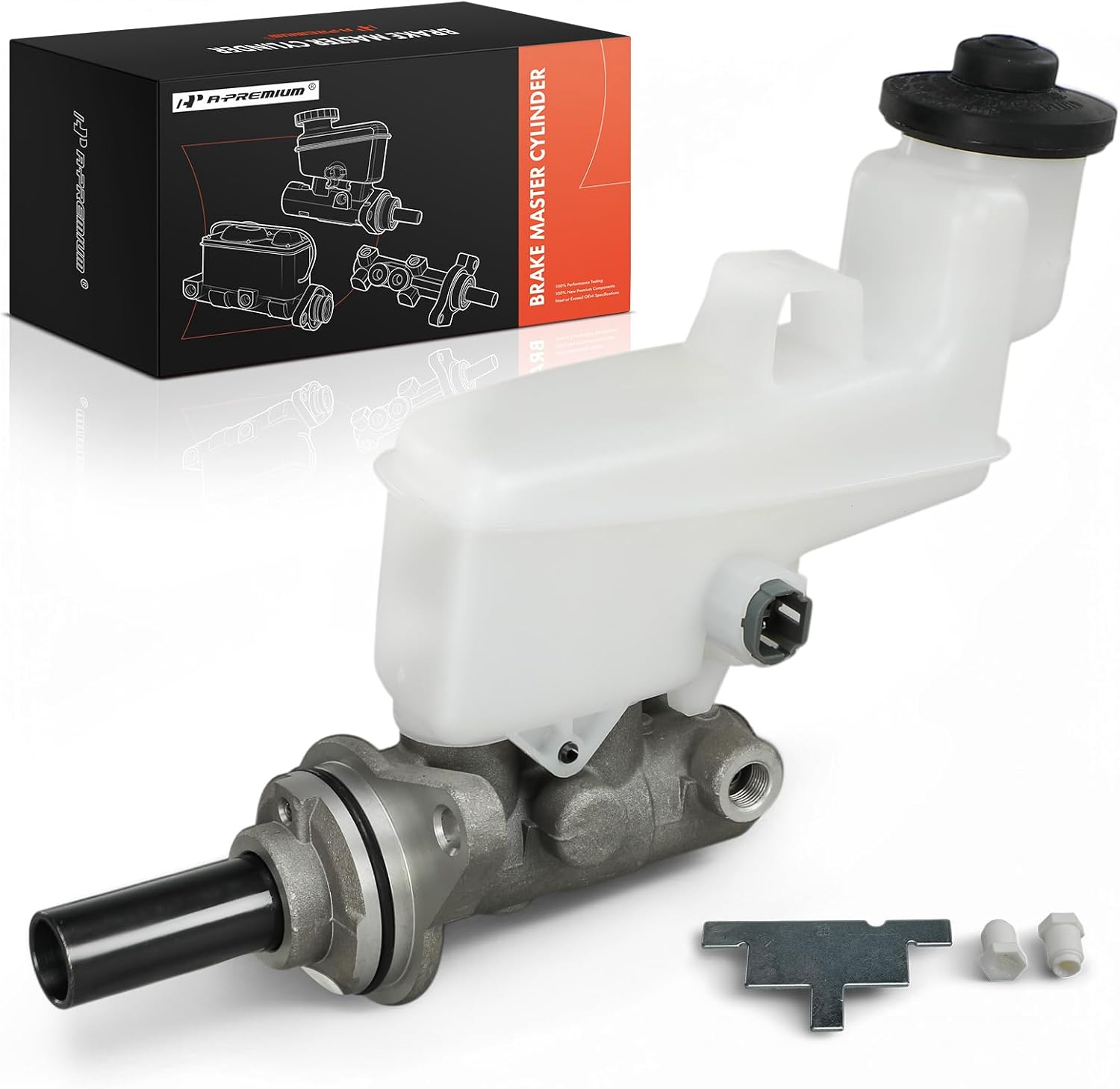
- Replacement brake master cylinder if diagnosis confirms failure
- Replacement master cylinder reservoir cap seal if needed
This article is part of our Brake System Maintenance & Repair Guides.
A bad brake master cylinder can cause a soft pedal, poor braking response, or a pedal that slowly sinks under steady pressure. Because the master cylinder creates hydraulic pressure for the entire brake system, a fault here can mimic other brake problems and should be diagnosed carefully before parts are replaced.
For a DIY owner, the goal is not just finding a bad part, but ruling out simpler issues first. Low brake fluid, air in the lines, external leaks, worn brake components, or a failing brake booster can create similar symptoms. A few focused checks can help you tell the difference.
This guide walks through the safest way to inspect the system, test pedal behavior, check for internal and external master cylinder leaks, and decide when the master cylinder is truly the likely cause.
What the Brake Master Cylinder Does
The brake master cylinder converts pedal force into hydraulic pressure. When you press the brake pedal, pushrods and internal seals move brake fluid through the brake lines to the calipers or wheel cylinders. On many vehicles, the master cylinder has a dual-circuit design, so one hydraulic circuit can still provide partial braking if the other fails.
If the internal seals wear out, brake fluid can bypass inside the master cylinder instead of building pressure. That often causes a brake pedal that feels soft or slowly drops toward the floor. If the outer seals or housing leak, fluid can escape externally, lowering reservoir level and reducing braking performance.
Because modern braking systems may also include ABS components, proportioning valves, and electronic controls, diagnosis should focus on confirming the master cylinder itself rather than assuming it is the problem based on pedal feel alone.
Common Symptoms of a Failing Master Cylinder
- Brake pedal feels spongy even after bleeding the system properly.
- Brake pedal slowly sinks while you hold steady pressure at a stop.
- Stopping distance increases or the vehicle feels less responsive under braking.
- Brake warning light comes on because fluid level has dropped.
- Brake fluid is leaking from the rear of the master cylinder or down the brake booster.
- One brake circuit seems weak, causing uneven braking or a low pedal.
These symptoms point toward hydraulic pressure loss, but they are not exclusive to the master cylinder. Air in the lines, a leaking caliper, a bad wheel cylinder, flexible brake hose expansion, rear drum brake misadjustment, or an ABS hydraulic unit issue can produce similar complaints.
Safety Before You Start
Brake work is safety-critical. If the pedal suddenly drops to the floor, the brake warning light is on with obvious fluid loss, or the vehicle has severely reduced stopping power, do not drive it until the issue is identified and repaired.
- Park on a level surface and use wheel chocks.
- Wear gloves and eye protection because brake fluid damages paint and irritates skin.
- If lifting the vehicle, support it securely on jack stands.
- Keep brake fluid off painted surfaces and rinse spills immediately.
- Use only the brake fluid type specified on the reservoir cap or in the owner’s manual.
Initial Checks That Can Rule Out Other Problems
Check the Brake Fluid Level and Condition
Start with the reservoir. If fluid is low, do not assume the master cylinder is bad. Low fluid usually means the system has an external leak or the brake pads are worn enough that caliper pistons are extended farther than normal. Dark or contaminated fluid does not automatically mean master cylinder failure, but it can contribute to seal wear and poor hydraulic performance.
Inspect for Obvious External Leaks
Look at each wheel, the backing plates on drum brakes, flexible brake hoses, hard lines, line fittings, calipers, wheel cylinders, and ABS hydraulic unit if visible. Any wet brake fluid in these areas can create a soft or sinking pedal and must be repaired before blaming the master cylinder.
Check Pad, Rotor, Shoe, and Drum Condition
Severely worn brake pads, excessively thin rotors, or rear drum brakes that are out of adjustment can cause extra pedal travel. That can feel like a hydraulic problem even when the master cylinder is still good.
Consider Whether the System Was Recently Opened
If brake lines, calipers, hoses, or wheel cylinders were recently replaced, trapped air is a more likely cause than a suddenly failed master cylinder. A proper bleed should be done before drawing conclusions.
Tools That Make This Job Easier


How to Test Brake Pedal Feel
Engine Off Pedal Test
With the engine off, press the brake pedal several times to remove vacuum assist from the booster. The pedal should become firmer after a few pumps. Then apply steady, moderate pressure and hold it.
If the pedal feels firm and stays in place, the master cylinder may still be okay. If the pedal slowly sinks toward the floor under steady pressure and there are no visible external leaks, internal bypass inside the master cylinder becomes much more likely.
Engine Running Pedal Test
Start the engine and let vacuum assist come in. The pedal will normally drop slightly compared with the engine-off test because the booster is helping you. Apply steady pressure again.
A slight initial drop is normal. A continued gradual sink is not. If the pedal keeps moving downward with constant foot pressure and no leaks are found elsewhere, suspect the master cylinder.
Rapid Pumping Response
If pumping the pedal quickly makes it temporarily firmer, think broadly. That can happen with air in the system, rear drum brake adjustment issues, or a master cylinder problem. This test alone does not confirm the part.
How to Check for External Master Cylinder Leaks
Use a flashlight to inspect the outside of the master cylinder body, the brake line ports, and the area where the master cylinder mounts to the brake booster or firewall. Fresh fluid may appear clear to amber, while older fluid often looks darker and leaves oily residue that strips paint.
Pay special attention to the rear seal area. A master cylinder can leak into the brake booster rather than drip visibly onto the ground. If the booster face or the rear of the master cylinder is wet with brake fluid, the master cylinder should be considered failed.
If you remove the master cylinder from the booster for inspection, follow the service information for your vehicle. Any brake fluid found inside the booster is a strong sign the rear seal has failed.
How to Identify an Internal Bypass Failure
An internal bypass happens when worn or damaged seals allow pressure to slip past the piston inside the master cylinder bore. In that case, there may be no external fluid leak at all, but the system still cannot hold pressure properly.
- The pedal slowly sinks under constant pressure.
- The brake system has been bled correctly but the pedal still will not stay firm.
- No wet leaks are found at wheels, hoses, lines, or ABS components.
- Brake fluid level remains stable or drops only slightly over time.
- Pedal feel may improve briefly after pumping, then fade again.
This combination of symptoms is one of the strongest DIY indicators of a bad master cylinder. Still, confirm there is no trapped air and no hidden external leak before replacing the unit.
How to Separate Master Cylinder Issues From Brake Booster Problems
A bad brake booster changes pedal effort, not hydraulic seal integrity. The most common booster symptom is a hard brake pedal that requires extra force, often with poor stopping power. A master cylinder problem usually causes a low, soft, or sinking pedal instead.
- Hard pedal with little assist points more toward the booster or vacuum supply.
- Soft or sinking pedal points more toward hydraulic problems such as air, leaks, or the master cylinder.
- A hissing sound near the pedal often suggests a booster vacuum leak.
- Brake fluid at the booster face points back to the master cylinder rear seal.
It is possible for both parts to be affected if the master cylinder has leaked fluid into the booster long enough to damage the diaphragm. If that has happened, inspect the booster carefully before installing the new master cylinder.
Recommended Tools for This Job


When Bleeding the Brakes Matters to Diagnosis
Air compresses, brake fluid does not. That is why trapped air can mimic master cylinder failure so closely. If the system was opened recently, the fluid is very low, or the pedal feels spongy rather than steadily sinking, bleeding is an important diagnostic step.
If you bleed the system properly and the pedal becomes firm and stays firm, the master cylinder probably was not the root cause. If the pedal remains soft or gradually falls despite a correct bleed and no leaks, the master cylinder becomes more suspect.
On some vehicles, ABS systems require a scan tool or special bleed procedure if air entered the hydraulic control unit. Skipping that detail can make a good master cylinder look bad.
Practical Step-by-Step Diagnostic Procedure
- Check brake fluid level and verify you are using the correct fluid type.
- Inspect the master cylinder exterior, brake lines, hoses, calipers, wheel cylinders, and ABS area for wet leaks.
- Inspect brake pads, rotors, and rear drum adjustment if equipped.
- With the engine off, pump the pedal to remove booster assist and then hold steady pressure.
- Note whether the pedal stays firm, feels spongy, or slowly sinks.
- Repeat the pressure-hold test with the engine running and compare the result.
- If the system was recently serviced or fluid was low, bleed the brakes properly.
- Retest pedal feel after bleeding.
- If no external leaks are found and the pedal still sinks under steady pressure, suspect internal master cylinder bypass.
- If brake fluid is present at the rear of the master cylinder or inside the booster, replace the master cylinder and inspect the booster.
Signs the Master Cylinder Is Probably Not the Problem
- The pedal is hard rather than soft or sinking.
- Brake fluid is visibly leaking from a caliper, wheel cylinder, hose, or line.
- The pedal improved significantly after a proper brake bleed.
- Rear drum brakes were badly out of adjustment and correcting them restored pedal height.
- The complaint started immediately after brake service, suggesting trapped air or installation error.
These clues do not fully clear the master cylinder, but they point toward other faults that should be addressed first. Replacing the master cylinder too early often wastes time and leaves the original problem unresolved.
What to Do If Diagnosis Confirms a Bad Master Cylinder
If your checks point clearly to a failed master cylinder, replace it with the correct part for your vehicle. Most replacement procedures also require bench bleeding the new master cylinder before installation to remove trapped air from the internal chambers.
After installation, bleed the brake system according to the correct wheel sequence for your vehicle. If the vehicle has ABS, confirm whether a scan tool bleed procedure is required. Always verify pedal feel with the engine off and on before road testing.
If the old master cylinder leaked into the booster, inspect the booster for fluid contamination. In some cases it can be reused, but prolonged exposure to brake fluid can damage internal booster components.
When to Stop and Get Professional Help
Get professional help if the diagnosis remains unclear after checking for leaks and bleeding the system, if the vehicle has advanced ABS integration that needs scan-tool activation, or if the brake pedal remains unsafe after repairs. Brakes are not a system to guess on.
You should also step back if fittings are seized, brake lines are corroded, the booster may be contaminated, or the vehicle cannot be safely test-driven after repair. A confident diagnosis matters as much as the replacement itself.
Key Takeaways
- A brake pedal that slowly sinks under steady pressure with no visible leaks is one of the strongest signs of internal master cylinder failure.
- Always rule out low fluid, external leaks, trapped air, and rear drum adjustment issues before replacing the master cylinder.
- Brake fluid leaking from the rear of the master cylinder or into the booster confirms the unit has failed externally.
- A hard pedal usually points toward a booster or vacuum issue, while a soft or sinking pedal points toward hydraulic problems.
- If you replace the master cylinder, bench bleed it and follow the correct brake bleeding procedure for the entire system.
FAQ
Can a Bad Master Cylinder Cause the Brake Pedal to Go to the Floor?
Yes. A failing master cylinder can cause the pedal to sink or go much lower than normal, especially if the internal seals are bypassing fluid. External leaks elsewhere in the system can cause the same symptom, so inspect the whole brake system before confirming the diagnosis.
How Do I Know if the Problem Is the Master Cylinder or Air in the Brake Lines?
Air in the lines usually causes a spongy, springy pedal that may improve after bleeding. A bad master cylinder more often causes a pedal that slowly sinks under steady pressure even after the system has been bled correctly.
Will a Bad Brake Booster Feel the Same as a Bad Master Cylinder?
Usually no. A bad booster typically creates a hard pedal with high effort, while a bad master cylinder usually creates a soft, low, or sinking pedal. The symptoms can overlap in some cases, but they are often different enough to separate with basic testing.
Can a Master Cylinder Fail Without Leaking Externally?
Yes. Internal seal failure can let fluid bypass inside the master cylinder bore without any outside leak. In that case, the main clue is a pedal that will not hold firm under steady pressure.
Do I Need to Bleed the Brakes After Replacing the Master Cylinder?
Yes. The new master cylinder should usually be bench bled first, then the brake system should be bled on the vehicle. If your vehicle has ABS, there may be an additional procedure required to remove trapped air from the hydraulic unit.
Can I Drive with a Suspected Bad Brake Master Cylinder?
It is not recommended. If braking performance is reduced, the pedal sinks, or fluid is leaking, the vehicle may not stop safely. Have the issue repaired before driving.
What Happens if Brake Fluid Leaks Into the Brake Booster?
Fluid in the booster usually means the rear seal of the master cylinder has failed. The booster may also be damaged if fluid has been inside it long enough, so it should be inspected during repair.
Need Parts for This Repair?
The right parts and supplies vary by vehicle.
Select your make and model to find compatible parts and accessories for your car.
Exact Fit
Parts that fit your make and model
Quality You Can Trust
Top brands and OEM quality options
Fast Shipping
Get the parts you need, delivered fast