

Note: This article contains affiliate links. If you click on these links and make a purchase, I may earn a small commission at no extra cost to you. This helps support my research and content. Read my full affiliate disclosure here.
If you own a 2007-2011 Honda CR-V, a failing radiator can quickly turn routine driving into an overheating headache. The right 2007-2011 Honda CR-V radiator restores proper engine temperature control, reduces the risk of corrosion and leaks, and keeps the cooling system stable under load. This guide presents the seven shortlisted radiators we vetted for this CR-V generation and explains the criteria we used to assess them.You will find options focused on durability, cooling efficiency, and ease of fitment, plus practical notes on installation and maintenance to help you pick the best replacement for your driving needs.
Looking for other parts? See all Honda CR-V parts & accessories.
Top Picks at a Glance
| Best Overall The best all-around choice for most situations | DNA Motoring 1-Row Aluminum Radiator for 2007–2009 Honda CR-V (Automatic) |  |
| Best Quality Built to a higher standard if you want something more solid | PHILTOP Cooling Radiator for 2007–2009 Honda CR-V (with Transmission Cooler) |  |
| Best Value The sweet spot between price and what you get | SCITOO Replacement Radiator Assembly for 2007–2009 Honda CR-V 2.4L (2954) |  |
| Best Budget The cheapest option that still gets the job done reliably | Auto Shack Radiator for Honda CR-V 2007–2009, 2.4L |  |
| Highest Rated A top-rated pick with lots of positive feedback | SCITOO Engine Cooling Radiator Assembly for Honda CR-V 2007–2009 2.4L |  |
| Most Popular A crowd favorite that many people choose with confidence | TRQ Radiator, 1-Row Direct-Fit for 2007–2009 Honda CR-V (US Built) |  |
| Best Seller A high-volume bestseller chosen again and again | KAX CU13031 Engine Radiator Replacement for 2007–2009 CR-V |  |
1. DNA Motoring 1-Row Aluminum Radiator for 2007–2009 Honda CR-V (Automatic)
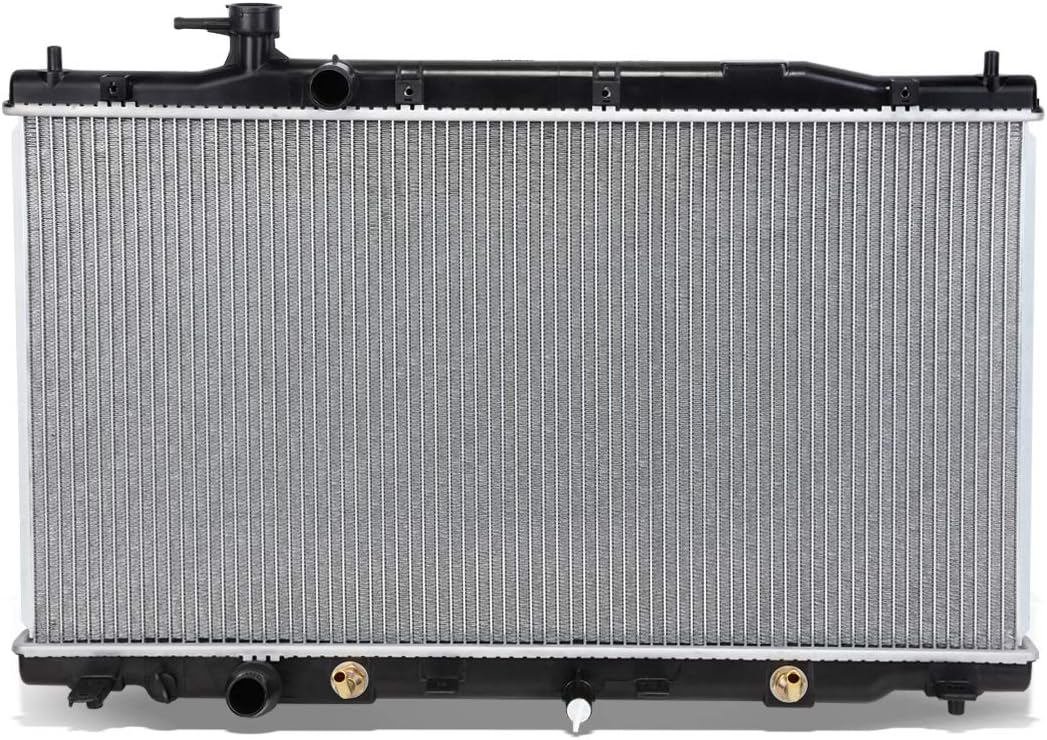
| Compatible vehicles | 2007-2009 Honda CR-V AT |
|---|---|
| Core rows | 1 |
| Materials | T-6061 Aluminum / Plastic |
| Transmission oil cooler | Yes |
| Inlet/Outlet | 1-1/4" / 1-1/4" |
This DNA Motoring radiator is a factory-style, direct bolt-on replacement for 2007–2009 Honda CR-Vs with automatic transmission. It uses a lightweight T-6061 aluminum core with a tube-and-fin, single-row design and includes a transmission oil cooler port, so it handles both engine and AT fluid cooling where applicable. In typical use it replaces a worn or leaking factory radiator to bring down operating temperatures and help prevent overheating. Buyers will notice the radiator is significantly lighter than stock and claims improved heat dissipation due to its aluminum construction. Installation is intended to be straightforward for someone comfortable with shop work, but the unit does not include installation instructions and a professional installation is recommended. Some owners report perfect fit and improved cooling while a few have had fitment issues or needed to reuse fittings from the original unit, so double-check hoses and fittings before installing.
Best for: Buyers who want an affordable, factory-style replacement to restore cooling on a 2007–2009 CR-V automatic and prefer a lightweight aluminum unit over the original.
Less Ideal for: Drivers seeking a heavy-duty or high-performance multi-row radiator for towing, sustained high-load use, or modified engines should consider upgraded multi-row options instead.
- Direct bolt-on replacement for 2007–2009 Honda CR-V AT models
- Lightweight full T-6061 aluminum core for improved heat transfer
- Includes transmission oil cooler ports for integrated AT cooling
- Tube-and-fin single-row design increases surface area for cooling
- Single-row core may not provide the same cooling capacity as multi-row performance radiators
- Does not include installation instructions or some small fittings which may require reuse from the old radiator
Verdict: A cost-effective, direct-fit aluminum replacement that restores cooling for 2007–2009 CR-V automatics without major modification.
2. PHILTOP Cooling Radiator for 2007–2009 Honda CR-V (with Transmission Cooler)

| Vehicle fitment | 2007-2009 CR-V |
|---|---|
| Core material | Aluminum |
| Includes | Transmission oil cooler |
| Manufacturer | PHILTOP |
This PHILTOP radiator is a full replacement designed specifically for 2007–2009 Honda CR-V models and includes an integrated transmission oil cooler. It uses a high-density aluminum core and multi-layer cooling fins to move heat away from the engine more efficiently than older or clogged stock units. The radiator ships with foam padding at the corners to reduce shipping damage and is intended for a straight swap into the vehicle without major modification in most cases. Practical benefits include lower operating temperature under sustained loads and the convenience of the built-in transmission cooler so you do not need a separate unit. Several user reports note a precise fit and restored normal temperature, though a few buyers mention verifying and tightening cooler line fittings or adapting a hose reducer in rare cases. Installation-level users should flush the system before installation to remove manufacturing residue. This radiator is a sensible performance-minded replacement for CR-V drivers who want improved cooling capacity without major fabrication work, but confirm hose and connector sizes during installation to avoid small fitment tweaks.
Best for: Buyers who prioritize keeping engine and transmission temperatures lower under load and want a performance-minded factory-style replacement that installs with minimal fabrication.
Less Ideal for: Those seeking an exact OEM part from the original manufacturer or buyers unwilling to make minor hose or connector adjustments during installation.
- Integrated transmission oil cooler eliminates the need for a separate cooler assembly
- High-density aluminum core with multi-layer fins for improved heat dissipation
- Packaged with corner foam to protect the radiator during shipping and handling
- Made to match factory mounting points for straightforward installation
- Some users reported a mismatched cooler outlet size requiring a reducer or hose modification
Verdict: Choose this PHILTOP radiator if you want a performance-oriented, direct-replacement cooling upgrade for a 2007–2009 CR-V that also includes a transmission cooler.
3. SCITOO Replacement Radiator Assembly for 2007–2009 Honda CR-V 2.4L (2954)
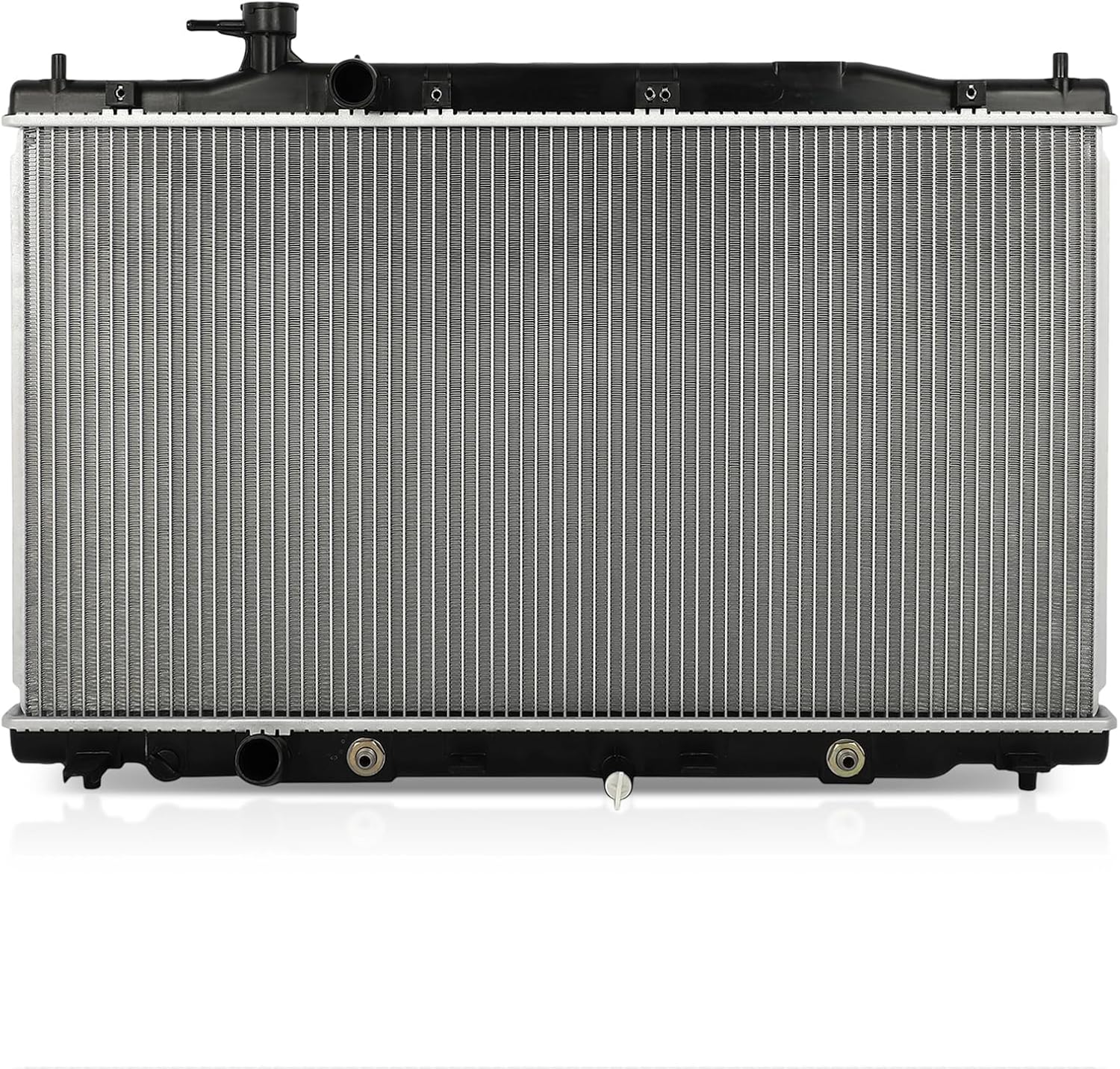
| Vehicle fit | 2007-2009 Honda CR-V 2.4L |
|---|---|
| Transmission oil cooler | Included |
| Core rows | 1-Row |
| Inlet/outlet diameter | 1.25 inch |
This SCITOO radiator is a direct-fit replacement for 2007–2009 Honda CR-V 2.4L models that includes a built-in transmission oil cooler. It installs in place of the factory unit without modifications, so it is typically used when the original radiator is leaking, clogged, or damaged. The one-row core and high-density multi-layer cooling structure are intended to boost cooling efficiency while keeping the overall design compact. Practical benefits include integrated transmission cooling, OEM-style mounting locations, and a design that simplifies swap-in replacement for DIY mechanics or shops. Limitations to consider are the single-row core, which trades off some cooling capacity compared with multi-row performance radiators, and the product listing does not include an engine oil cooler. Buyers should also verify OEM reference numbers before ordering to ensure exact fit for their vehicle. For routine replacement on stock CR-Vs this radiator provides a straightforward, cost-conscious option.
Best for: Buyers who want a straightforward, budget-minded replacement that fits the 2007–2009 CR-V 2.4L without modifications and prefer a simple swap over upgrading cooling performance.
Less Ideal for: Drivers who tow frequently, run heavy loads, or want maximum cooling headroom should consider a multi-row or performance radiator instead.
- Direct-fit design that matches factory mounting points to simplify installation
- Includes an integrated transmission oil cooler for automatic transmission models
- High-density multi-layer cooling structure aimed at improved heat dissipation
- Clear OEM reference numbers provided to confirm correct fitment
- One-row core may offer less peak cooling capacity than multi-row or performance radiators
- Does not include an engine oil cooler
Verdict: A practical, direct-fit replacement radiator with integrated transmission cooling that makes an easy, cost-effective swap for 2007–2009 CR-V 2.4L owners.
4. Auto Shack Radiator for Honda CR-V 2007–2009, 2.4L

| Fitment | Honda CR-V 2007-2009 L4 2.4L |
|---|---|
| Core Rows | 1 |
| Transmission Oil Cooler | Yes |
| Exterior | Aluminum, Plastic |
| Manufacturer Part Number | RK1184 |
This Auto Shack radiator is a direct-fit replacement intended for Honda CR-V models with the 2.4L engine from 2007 through 2009. It installs as a like-for-like cooling component and is built with an aluminum core and plastic end tanks to provide reliable heat dissipation for daily driving. The unit includes a built-in transmission oil cooler, which is important for automatic-transmission CR-Vs, and is packaged as a single radiator (cap not included). Typical use is a straightforward radiator swap during a cooling system overhaul or when the factory radiator fails; professional installation is recommended to ensure all cooling- and transmission-connections match. Practical benefits include targeted fitment for the specified CR-V years, factory-style cooling performance for commuter and light-duty use, and an OEM-part-number match to simplify parts lookup. Limitations are that the radiator does not include a cap and it is not specified to include additional hoses, sensors, or mounting hardware, so buyers should verify their vehicle's cooling package and plan for any extra parts or labor needed.
Best for: Buyers looking to replace a failed radiator on a 2007–2009 CR-V who prioritize a budget-friendly, direct-fit factory-style replacement and want straightforward compatibility with automatic models.
Less Ideal for: Drivers seeking performance upgrades, heavy towing use, or a fully refreshed cooling kit including hoses, cap, and mounting hardware should consider more comprehensive or performance-oriented options.
- Exact-fit design for 2007–2009 Honda CR-V 2.4L applications simplifies installation planning
- Aluminum core with plastic tanks offers standard heat dissipation suitable for daily driving
- Includes transmission oil cooler for automatic transmission compatibility
- Matches common OEM part numbers to help confirm correct replacement
- Radiator cap is not included and must be sourced separately
Verdict: A cost-conscious, direct-fit replacement radiator for 2007–2009 CR-V owners who need a factory-style unit with a built-in transmission cooler.
5. SCITOO Engine Cooling Radiator Assembly for Honda CR-V 2007–2009 2.4L

| Fitment Vehicle | Honda CR-V 2007-2009 L4 2.4L |
|---|---|
| Transmission Oil Cooler | Included |
| Engine Oil Cooler | Not included |
| Inlet Diameter | 1 1/4in. |
| Outlet Diameter | 1 1/4in. |
This SCITOO radiator is a model-specific replacement for 2007–2009 Honda CR-V 2.4L engines and is built as a single-row aluminum core with integrated transmission oil cooler lines. It installs in place of the factory unit and is used to restore cooling performance after a leak or failure. Notable features include manufacturer-referenced part numbers for fitment, 1 1/4 inch inlet and outlet diameters that match common hose sizes, and a one-row core designed for standard passenger-duty cooling. In practice the unit is a budget-friendly way to bring a CR-V back to reliable operating temperature and reviewers report consistent fit and leak-free operation when installed correctly. Expect a basic, factory-style replacement rather than upgraded cooling capacity; the single-row core limits extreme-heat handling compared with multi-row performance radiators. Installation may require careful alignment of brackets and hoses and occasional trimming or reuse of original mounting hardware with some models. For routine driving and timely replacement this radiator delivers a practical, cost-effective repair option.
Best for: Drivers who prioritize getting a reliable, factory-style replacement radiator that fits their 2007–2009 CR-V and restores normal cooling without upgrading system performance.
Less Ideal for: People who need increased cooling capacity for towing, performance driving, or sustained high-load operation should consider a multi-row or performance radiator instead.
- Direct-fit design for 2007–2009 Honda CR-V 2.4L referencing OEM part numbers
- Includes integrated transmission oil cooler lines for automatic transmission models
- Aluminum single-row core offers lightweight, corrosion-resistant construction
- Inlet and outlet diameters (1 1/4 inch) match common hose sizes for easier plumbing
- Single-row core provides standard cooling only and is not ideal for heavy towing or extreme conditions
- Some buyers report missing brackets or minor fitment adjustments during installation
Verdict: A straightforward, factory-style replacement that reliably restores cooling for 2007–2009 Honda CR-V 2.4L owners seeking dependable repairs.
6. TRQ Radiator, 1-Row Direct-Fit for 2007–2009 Honda CR-V (US Built)

| Fitment | 2007-2009 Honda CR-V US-built with quick connect outlet |
|---|---|
| Core Row Quantity | 1 |
| Core Thickness | 0.63 in |
| Core Material | Aluminum |
| Transmission Oil Cooler Included | Yes |
This TRQ radiator is a direct replacement for US-built 2007–2009 Honda CR-Vs that use the quick-connect outlet style. It uses a single-row aluminum core with plastic tanks and an integrated concentric transmission oil cooler, so it handles engine and transmission cooling in the same assembly. Typical use is a full radiator swap when the original unit leaks, corrodes, or fails; preassembled mounting points and factory-style inlet/outlet locations simplify installation and reduce the chance of modification. Notable features include a 0.63 in core thickness, bottom-left outlet and top-left inlet orientation, and transmission cooler fittings included. In practice the single-row core keeps the unit compact and straightforward to fit but means slightly lower cooling capacity than multi-row designs, so it is best for stock engines and everyday driving rather than heavily modified or towing applications. The plastic tanks and included transmission cooler are convenient and keep cost down, but buyers wanting maximum longevity or high-load cooling may prefer a thicker or multi-row aftermarket option.
Best for: Buyers who prioritize a reliable, confirmed-fit replacement with demonstrated customer acceptance and want an easier, lower-risk installation for daily-driven CR-Vs.
Less Ideal for: Not a great choice for owners planning engine tuning, frequent heavy towing, or high-temperature duty where a multi-row or high-capacity performance radiator is preferable.
- Direct-fit design with factory-style inlet and outlet locations for easier installation
- Integrated concentric transmission oil cooler removes need for separate cooler on compatible models
- Aluminum core provides efficient heat transfer compared with all-plastic designs
- Preassembled mounting points match upper and lower factory mounting for a straightforward swap
- Single-row core offers less cooling capacity than multi-row radiators under heavy load
Verdict: A straightforward, confirmed-fit single-row radiator that gives risk-averse buyers a factory-style replacement with integrated transmission cooling for everyday CR-V use.
7. KAX CU13031 Engine Radiator Replacement for 2007–2009 CR-V

| Compatible vehicle years | 2007-2009 CR-V |
|---|---|
| OEM part numbers | CU13031, 2213248, 13031C, 4113031, 19010RZYA51, 8013031 |
| Core thickness | 5/8 in |
| Inlet/outlet diameter | 1-1/4 in |
This KAX CU13031 radiator is a direct replacement intended for 2007–2009 CR-Vs and installs like a factory-style unit. It uses an aluminum core with high-density multi-louver fins and plastic water tanks, which increases heat dissipation compared with older, lower-density cores and helps resist corrosion. The listing notes pressure and leak testing along with durability checks, and customer feedback shows consistent fitment and robust packaging for delivery. Typical use is a like-for-like swap when the original radiator fails or leaks; professional installation is recommended since the part does not include ancillary items like the cap. Expect straightforward bolt-in installation on compatible CR-V models and effective cooling under everyday driving and light towing. Limitations are that the product description calls out core dimensions and inlet/outlet sizes but does not bundle mounting hardware or a radiator cap, so you may need to transfer parts from the old radiator or buy small consumables separately. The two-year quality assurance from the brand offers additional confidence for buyers who prioritize a stable, tested replacement.
Best for: Buyers who want a conservative, factory-style replacement radiator that matches the original fit and emphasizes tested reliability and straightforward installation.
Less Ideal for: Those looking for a performance or high-capacity aftermarket radiator for heavy-duty towing or track use should consider performance-focused options instead.
- Direct-fit design matched to 2007–2009 CR-V for straightforward installation.
- Aluminum core with high-density multi-louver fins for improved cooling efficiency.
- Pressure and leak-tested with reported durability checks for more reliable service life.
- Reinforced shockproof packaging reduces risk of shipping damage.
- Two-year quality assurance and after-sales support from the brand.
- Radiator cap and some small mounting hardware are not included and may need to be reused from the old unit or purchased separately.
Verdict: A tested, direct-fit factory-style replacement radiator for 2007–2009 CR-V owners who want dependable cooling and low-risk installation.
Choosing the Right 2007-2011 Honda CR-V Radiator: Key Factors to Consider
Core Design and Cooling Capacity
Core configuration directly affects how quickly the radiator rejects heat from the engine coolant. A thicker core or increased fin density raises cooling capacity, which matters if you frequently tow, drive in hot climates, or operate in stop-and-go traffic where heat soak is common.
Look for cores that match the factory thickness or offer a modest increase without forcing fan clearance issues. Oversized cores can improve cooling but may require careful attention to airflow and fan compatibility on the 2007-2011 Honda CR-V.
Material and Tank Construction
Radiators for this CR-V generation typically use combinations of aluminum cores and either plastic or metal tanks. All-aluminum constructions tend to resist long-term cracking and can be easier to repair, while plastic tanks are lighter and less expensive but may become brittle over many heat cycles.
Consider the local climate and service interval expectations. If the vehicle sees frequent temperature extremes or long highway runs, prioritize robust tank materials and high-quality brazing at joints to reduce the chance of tank or seam failures.
Fitment Accuracy and Mounting Points
Correct inlet and outlet placement, mounting tab positions, and overall dimensions are essential to a straightforward installation on a 2007-2011 Honda CR-V. Improper fitment leads to extra labor, hose stretching, or the need for additional brackets, which raises the risk of leaks or mechanical stress.
Choose radiators with explicit fitment data for the 2007-2011 CR-V and that align with the OEM fan assembly and shroud. Confirm that transmission cooler lines, if integrated or required, match expected connections to avoid modifications.
Leak Resistance and Seal Quality
A radiator that cannot maintain a seal under pressure will quickly create cooling problems. Pay attention to how tanks are attached to the core, the quality of crimping or brazing, and the robustness of end seals. Poor seals cause slow leaks that are hard to diagnose until engine damage occurs.
Evaluate warranty coverage and reported failure modes to judge leak resistance. Units with reinforced end tanks, high-quality O-rings, and consistent manufacturing tolerances tend to perform better over several years of service.
Compatibility With Cooling System Components
The radiator does not function alone. It must work with the existing water pump, thermostat, hoses, fan assembly, and coolant type used in the 2007-2011 CR-V. Mismatches in hose diameter, neck height, or petcock location can complicate installation and lead to air pockets or poor coolant circulation.
Verify that the radiator accepts the vehicle's stock fan and that any integrated transmission cooler or auxiliary fittings are correctly positioned. If you plan to retain original hoses and clamps, choose a unit whose inlet/outlet geometry matches the OEM layout.
Serviceability and Maintenance Access
Consider how easy it will be to perform routine maintenance after installation. Accessible drain petcocks, clearances for coolant level inspection, and compatibility with standard coolant flush procedures make service simpler and reduce the chance of trapping air in the system.
A radiator that requires removing additional components for future servicing increases labor and encourages deferred maintenance. Prioritize units that preserve or improve access to common service points used on the 2007-2011 CR-V.
Signs Your CR-V Radiator Needs Replacement
Early intervention prevents more costly engine damage. Watch for persistent coolant smell, visible coolant pooling under the vehicle, or consistent drops in coolant level despite no apparent external leaks. Overheating during normal driving or rapid temperature spikes on the gauge are clear signals the radiator may not be transferring heat effectively.
- Visible corrosion or white crust around seams and hose connections
- Coolant puddles or drips from the radiator area after parking
- Frequent engine temperature fluctuations or overheating under load
- Steam from under the hood during or after operation
Preparing Your Vehicle Before Installation
A clean, well-prepared work area saves time and reduces the chance of contamination entering the cooling system. Begin by ensuring the engine is cool, drain the coolant into a suitable container, and dispose of it according to local regulations. Inspect hoses, clamps, the thermostat, and the water pump while the system is open to decide whether to replace them at the same time.
- Wear safety gloves and eye protection when handling coolant
- Loosen clamps and remove fan shroud if required to access mounting bolts
- Label or photograph hose locations to ensure correct reassembly
- Have replacement hose clamps ready in case existing ones are corroded
Coolant Type, Fill Procedure, and Bleeding Air
Using the correct coolant and following a proper fill and bleed procedure ensures the radiator functions as intended. After installing the replacement radiator, fill with the manufacturer-recommended coolant concentration and run the engine to operating temperature with the heater on to purge trapped air. Check for leaks and top off as air escapes from the system.
- Use a 50/50 coolant to deionized water ratio unless the owner manual specifies otherwise
- Open bleed valves or run heater controls to the maximum to allow trapped air to exit
- Recheck coolant level after a short test drive and again after the engine cools
When to Replace Other Cooling Components
Replacing the radiator provides a convenient opportunity to refresh related items that commonly fail. Consider changing the thermostat, upper and lower hoses, radiator cap, and if mileage or age warrants it, the water pump. These parts often show wear on the same service interval and can prevent repeat labor later.
- Thermostat that sticks closed will mask radiator performance issues
- Old hoses may swell or crack when installed on a new radiator
- A weakened radiator cap can lower system pressure and reduce cooling efficiency
Common Installation Pitfalls to Avoid
Avoid forcing hoses onto mismatched necks and double-check torque on mounting bolts to prevent stress fractures. Reusing an old clamp that has lost tension or a brittle hose can lead to immediate leaks. Ensure the fan shroud sits flush against the radiator core so the cooling fan pulls air evenly through the fins rather than around the assembly.
- Do not overtighten fittings that compress plastic tanks
- Confirm transmission cooler line connections if present before refilling
- Inspect the radiator support area for rust or damage that could misalign the new unit
Still looking for the perfect fit?
Select your Honda CR-V configuration to see the most relevant Radiators recommendations
How We Chose the Best 2007-2011 Honda CR-V Radiator
We evaluated candidates using criteria that matter for 2007-2011 Honda CR-V owners and reflect real-world service conditions. Primary factors included thermal performance measured by core design and fin density, and build quality covering tank materials, brazing, and corrosion resistance. Fitment accuracy and inlet/outlet placement were tested against factory dimensions to avoid modifications during installation.We also considered long-term reliability signals such as warranty length, materials (aluminum versus plastic tanks), and manufacturing tolerances that affect leak resistance. Ease of installation was assessed by how many stock components (fans, shrouds, hoses) could be reused and whether additional brackets or cutting were required. Finally, we screened for documented failure modes like seal or fin fatigue and excluded units with frequent reports of early leakage or poor dimensional accuracy.Excluded items included universal-fit cores that require heavy modification, radiators lacking proper mounting points for this CR-V generation, and any units without clear specifications for coolant capacity and flow. The result is a list focused on direct-fit replacements and high-quality upgrade options that balance cooling performance with dependable service life.
Our full evaluation process is outlined in our review methodology.
FAQ
How long does a typical radiator last on a 2007-2011 Honda CR-V?
Radiator life depends on materials and driving conditions. Often they last 8 to 15 years with good maintenance, but exposure to road salt, frequent overheating, or poor coolant care can shorten that lifespan.
Can I replace the radiator myself on a 2007-2011 CR-V?
Many owners with basic mechanical skills can perform a direct-fit radiator replacement, but it requires proper tools, coolant handling, and attention to bleeding air from the system. If you are unsure about coolant disposal or torque specs, consult a professional.
Will switching to an all-aluminum radiator change cooling performance?
All-aluminum radiators often improve heat transfer and resist tank cracking, which can benefit cooling performance. However, gains depend on core design and fitment; matching dimensions and fan compatibility is essential to realize benefits.
What are the signs of a slow radiator leak I should watch for?
Look for low coolant level without visible large puddles, white or crusty deposits around hose connections or seams, and occasional temperature spikes. Slow leaks can also show as dampness under the vehicle after parking.
Do I need to flush the cooling system when installing a new radiator?
Yes. Flushing removes rust, scale, and old coolant that could clog the new radiator and reduces the risk of contamination. After flushing, refill with the correct coolant mix and bleed the system according to the vehicle procedure.
Can a bad radiator cap cause overheating on this CR-V?
A defective radiator cap that fails to hold proper pressure lowers the boiling point of the coolant and reduces circulation, which can contribute to overheating. Inspect the cap and replace it if it shows damage or if pressure testing fails.
Final Verdict
Prioritize a radiator that correctly fits the 2007-2011 Honda CR-V and balances cooling capacity with long-term durability. Core design, material quality, and accurate mounting geometry will have the largest impact on performance and ease of installation.When evaluating options, weigh the tradeoffs between slightly higher cooling capacity and potential fitment or clearance issues, and take the opportunity to refresh related components to avoid repeat labor. Choose the option that best aligns with your climate and driving habits to keep the CR-V running cool and reliable.
Explore More:
- Check out all Honda CR-V parts & accessories
- Explore Radiators Maintenance & Repair Guides
- Explore Cooling System
- Browse all Auto Parts
