

Note: This article contains affiliate links. If you click on these links and make a purchase, I may earn a small commission at no extra cost to you. This helps support my research and content. Read my full affiliate disclosure here.
If you own a 1997-2001 Honda CR-V and are dealing with overheating, coolant loss, or visible damage to the cooling core, replacing the radiator can restore reliable cooling and prevent engine damage. This guide covers the top shortlisted radiator options that fit the 1997-2001 CR-V chassis and explains the practical differences that matter for everyday use.You will find products that prioritize long-term corrosion resistance, proper fitment, and sufficient cooling capacity for typical driving and light towing. We evaluate each option on durability and heat rejection so you can pick the right replacement with confidence.
Looking for other parts? See all Honda CR-V parts & accessories.
Top Picks at a Glance
| Best Overall The best all-around choice for most situations | KAX CU2051 Engine Radiator Replacement for 1997–2001 CR-V |  |
| Best Quality Built to a higher standard if you want something more solid | TRQ Radiator with Aluminum Core, 1-Row Core for 1997–2001 Honda CR-V 2.0L |  |
| Best Value The sweet spot between price and what you get | YITAMOTOR Radiator for 1997–2001 Honda CR-V 2.0L (OE-Style) |  |
| Best Budget The cheapest option that still gets the job done reliably | SCITOO Replacement Radiator for 1997–2001 Honda CR-V 2.0L |  |
| Highest Rated A top-rated pick with lots of positive feedback | Denso 221-3209 Radiator |  |
| Most Popular A crowd favorite that many people choose with confidence | DWVO Complete Radiator for 1997–2001 Honda CR-V 2.0L |  |
1. KAX CU2051 Engine Radiator Replacement for 1997–2001 CR-V

| Model | CU2051 |
|---|---|
| Manufacturer Part Number | 6491RDT0081US |
| OEM Part Number | 19010P3F004, 19010P3F014, 19010P3F901, 19010P3F902 |
| Core Thickness | 5/8 in |
This KAX CU2051 radiator is a direct-fit replacement built with an aluminum core and plastic tanks to match factory cooling function for 1997–2001 CR-Vs. It is intended to replace worn or leaking stock radiators and is used the same way as a factory unit: install into the radiator support, reconnect hoses, and refill the cooling system. Notable features include a high-density multi-louver fin design for improved heat dissipation, leak and pressure testing during manufacture, and reinforced packaging for safer delivery. The practical benefit is improved thermal transfer and corrosion resistance compared with older, degraded radiators, which helps the engine stay at proper operating temperatures under normal driving and light towing. Trade-offs to consider are that it is a direct replacement rather than a performance-upgrade radiator, so enthusiasts seeking larger capacity cores or heavy-duty cooling should look elsewhere, and professional installation is recommended to ensure proper fit and avoid installation-related leaks.
Best for: Buyers who want a dependable, factory-style replacement to restore cooling reliability on a 1997–2001 CR-V without modifying the vehicle or cooling system.
Less Ideal for: Drivers who need upgraded cooling capacity for heavy towing, track use, or significant engine modifications should choose a performance or heavy-duty radiator instead.
- Direct-fit compatibility with 1997–2001 CR-V engine mounting and OEM part numbers provided
- Aluminum core with multi-louver fins for efficient heat dissipation
- Leak-proof and pressure-tested at manufacture for added reliability
- Reinforced shockproof packaging reduces risk of shipping damage
- Not a high-capacity or performance radiator for heavy-duty towing or motorsport use
Verdict: A factory-style, leak-tested aluminum replacement that restores reliable cooling on 1997–2001 CR-Vs without changing fitment or installation.
2. TRQ Radiator with Aluminum Core, 1-Row Core for 1997–2001 Honda CR-V 2.0L
| Core Row Quantity | 1 |
|---|---|
| Core Material | Aluminum |
| Transmission Oil Cooler Type | Concentric |
| Core Thickness | 0.63 in |
| Radiator Cap Included | No |
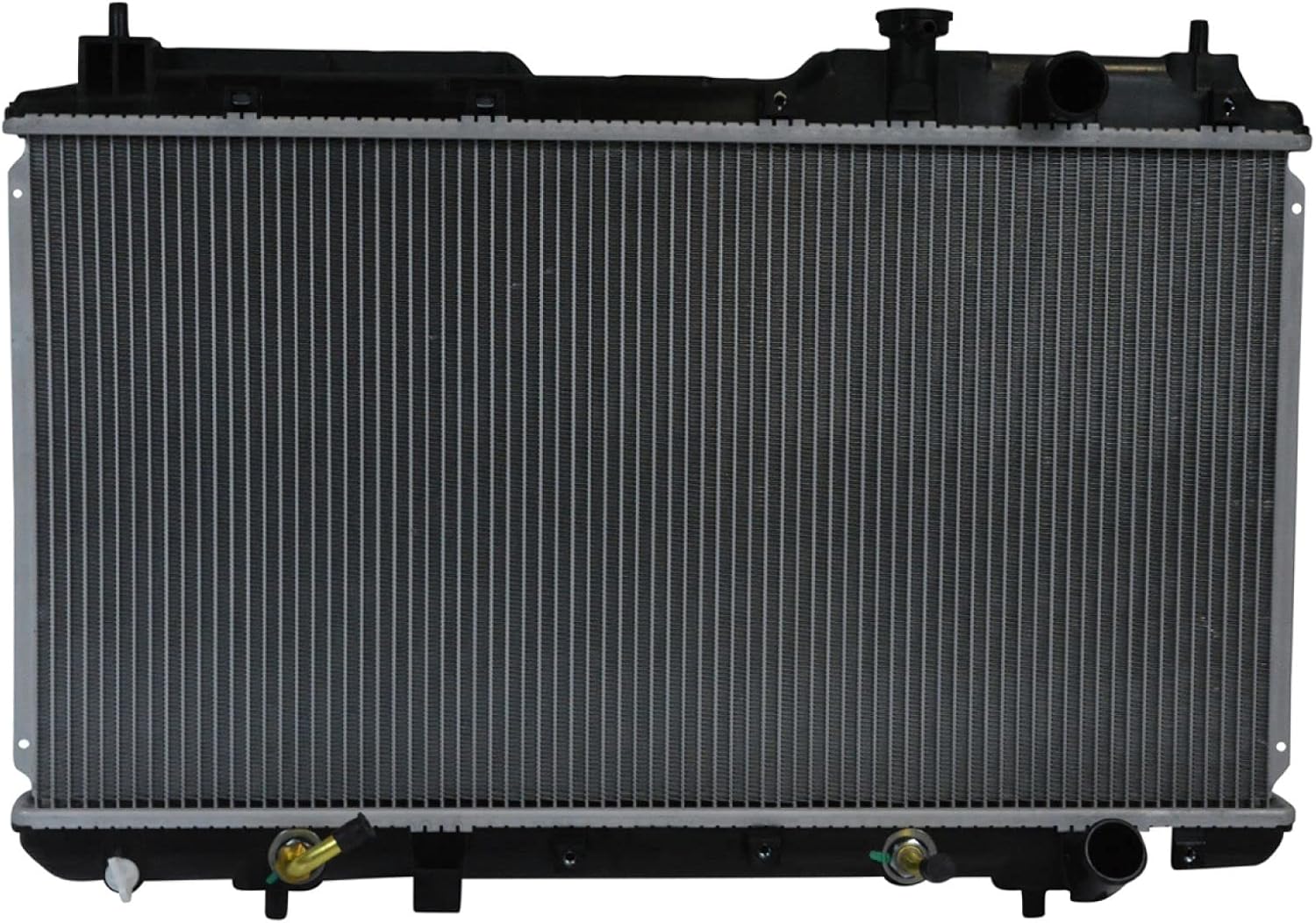
This TRQ radiator is a direct-fit replacement designed for 1997–2001 Honda CR-V 2.0L cars and installs like a factory-style unit. It uses a one-row aluminum core with plastic tanks and includes an internal transmission oil cooler, so it handles both engine cooling and automatic transmission line cooling without extra parts. Typical use is a full radiator swap for a worn or leaking unit; the pre-assembled fittings and matching inlet/outlet locations simplify installation and reduce modification. In practice the aluminum core offers good heat transfer for everyday driving and mild performance demands, while the concentric transmission cooler and standard inlet/outlet diameters make plumbing straightforward. Be aware this is a single-row, down-flow design with relatively thin plastic tanks and mounting pegs, so it favors weight and cost over heavy-duty durability under extreme track use. Some users report excellent fit and easy install but a minority have seen cracking in plastic components after extended service, so careful handling during installation and regular inspection are sensible.
Best for: Builders who want a straightforward, performance-minded replacement that restores cooling and retains a factory-style installation while keeping cost and weight low.
Less Ideal for: Drivers planning heavy track use, towing, or sustained high-heat applications should consider multi-row aluminum performance radiators with more robust end tanks instead.
- Direct-fit design matches factory mounting and inlet/outlet locations for 1997–2001 CR-V 2.0L
- Aluminum single-row core provides efficient heat transfer for street and light performance use
- Includes internal transmission oil cooler so no separate cooler is required
- Pre-assembled fittings and standard diameters simplify installation
- Plastic tanks and mounting pegs are more vulnerable to cracking than all-metal radiators
- Single-row core provides less cooling headroom than multi-row performance radiators
Verdict: A cost-conscious, direct-fit aluminum-core radiator that restores factory cooling and adds an internal transmission cooler while keeping installation simple for 1997–2001 Honda CR-V 2.0L owners.
3. YITAMOTOR Radiator for 1997–2001 Honda CR-V 2.0L (OE-Style)

| Compatibility | 1997–2001 Honda CR-V 2.0L |
|---|---|
| Core material | Aluminum |
| Tank material | Glass fiber reinforced nylon PA66 |
| Core size | 27" x 18" |
| Leak testing | 100% leak tested |
This YITAMOTOR radiator is built as an OE-style replacement for 1997–2001 Honda CR-V 2.0L engines and is intended to restore cooling performance after a failed or leaking factory unit. It uses a high-density aluminum core with closely spaced tubes and fins to increase heat dissipation, and includes an integrated aluminum oil cooler to help maintain engine temperatures under load. The inlet and outlet tanks are made from glass fiber reinforced nylon PA66 and are seam-welded to reduce the chance of cracking or leaks common on older plastic tanks. The radiator ships well packaged and is advertised as 100 percent leak tested, with installation notes that make it suitable for routine shop or competent DIY installation. Important limitations are that the radiator cap is not included and proper coolant type and flushing are recommended before fitment to avoid contamination; professional installation is suggested if you lack experience removing the old unit. Overall this is a practical, factory-style replacement focused on restoring reliable cooling without performance modifications.
Best for: Buyers who want a straightforward, factory-style radiator replacement to restore cooling reliability on a 1997–2001 Honda CR-V without upgrading to performance parts. Ideal for owners focused on practical, long-term repairs and dependable daily driving.
Less Ideal for: Not the best choice for builders seeking high-performance cooling upgrades or those who want a complete cooling system refresh including a new cap and hoses.
- Designed to fit 1997–2001 Honda CR-V 2.0L as an OE-style direct replacement
- High-density aluminum core and fins for improved heat dissipation
- Seamlessly welded glass fiber reinforced nylon PA66 tanks to reduce cracking and leaks
- Includes an aluminum oil cooler to help control engine temperature under load
- Shipped securely and advertised as 100 percent leak tested
- Radiator cap is not included so you may need to reuse the old cap or buy a replacement separately
- Core and header dimensions are provided but buyers must verify fitment carefully before installation
Verdict: A practical, factory-style replacement radiator that restores reliable cooling for 1997–2001 Honda CR-V 2.0L owners focused on dependable, value-driven repairs.
4. SCITOO Replacement Radiator for 1997–2001 Honda CR-V 2.0L
| Vehicle fit | 1997–2001 Honda CR-V 2.0L |
|---|---|
| Reference numbers | 2051, CU2051, 19010-P3F-901, 19010-P3F-902 |
| Material | Aluminum |
| Manufacturer | SCITOO |
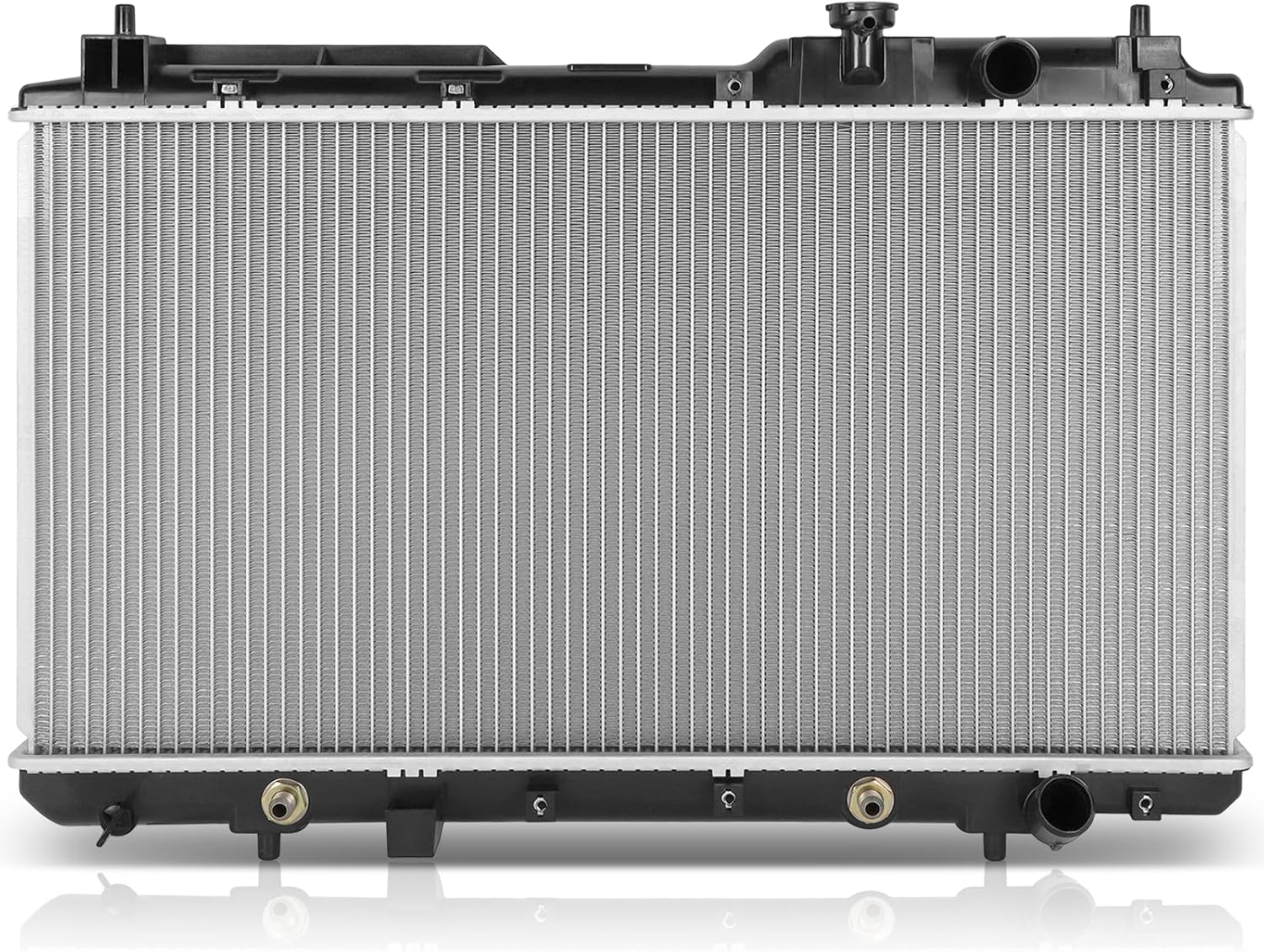
This SCITOO replacement radiator is built as a direct-fit aluminum unit meant for 1997–2001 Honda CR-V 2.0L vehicles. It uses a multi-layer, high-density cooling core intended to match factory cooling performance and reduce the chance of leaks. Typical use is a like-for-like swap when the original radiator is leaking, clogged, or damaged; the listing notes compatibility numbers and includes installation guidance and videos so a mechanically capable DIYer can install it. Buyers report straightforward fitment and good longevity when hoses and connections line up, and the aluminum construction helps with heat transfer compared with older cores. Important limitations are that some aftermarket batches may include additional hose ports or connectors that do not match every vehicle exactly, so double-check port locations against the original before finalizing installation. Packaging can arrive damaged and you should inspect the unit for bent fins or leaks before installing. For budget repairs this radiator offers a practical replacement that balances cost and function.
Best for: Buyers looking for an inexpensive, functional replacement radiator for a 1997–2001 Honda CR-V who prioritize getting the car back on the road without paying dealer prices and are comfortable verifying fit and performing or supervising installation.
Less Ideal for: People who want a guaranteed factory-identical part or who lack confidence with hands-on installation should consider a dealer part or professional service instead.
- Made from aluminum with a high-density multi-layer core for improved cooling efficiency
- Designed as a direct-fit replacement for 1997–2001 Honda CR-V 2.0L with listed reference numbers
- Installation guidance and video resources make DIY replacement easier
- Multiple customer reports of good fit and no leaks after long-term use
- Some units may include extra hose ports or connector differences that require modification or plugging
- Packaging has arrived damaged in some cases, risking bent fins or other transit damage
Verdict: A cost-conscious, direct-fit aluminum replacement that restores cooling for 1997–2001 Honda CR-V 2.0L owners who want a practical DIY repair option.
5. Denso 221-3209 Radiator

| Brand | Denso |
|---|---|
| Manufacturer | DENSO |
| Model | Radiator |
| Position | Center |
This Denso 221-3209 is a direct-fit replacement radiator engineered to match factory performance for 1997–2001 Honda CR-V applications. It replaces the original cooling core and includes the fan mounting nuts and transmission cooler fittings so you can reuse existing hoses and hardware in most cases. Installers report the unit bolts into the stock mounts, seats in the rubber grommets, and cools efficiently enough that fans run less under heavy heat. The painted finish and molded plastic end tanks appear durable and many users saw leak-free service for years. Two practical notes: the package does not include hoses, clamps, or a radiator cap, so plan to reuse or replace those separately, and some purchasers found small alignment differences at the inlet locations that can require careful routing or minor protection to avoid chafing. For routine replacement on an aging CR-V this radiator delivers a near OEM fit and dependable cooling without extra modification.
Best for: Owners who prioritize a reliable, factory-quality replacement to restore original cooling performance on a 1997–2001 Honda CR-V and prefer a part built to fit without major modification.
Less Ideal for: Buyers looking for a full overhaul kit with hoses, clamps, and cap included or those who want a custom high-performance cooling upgrade beyond stock capacity.
- Made by a reputable manufacturer with factory-quality construction for reliable cooling
- Direct-fit design that mounts to original fan brackets and rubber grommets
- Includes transmission cooler fittings and mounting nuts for easier installation
- Painted finish and durable plastic end tanks resist corrosion and wear
- Does not include hoses, clamps, or a radiator cap so additional parts may be needed
- Minor inlet location differences reported that can require careful hose routing or insulation
Verdict: Choose this Denso radiator when you want a dependable, near-OEM replacement that restores factory cooling reliability to a late 1990s Honda CR-V.
6. DWVO Complete Radiator for 1997–2001 Honda CR-V 2.0L

| Core Size | 26.3" x 13.7" |
|---|---|
| OEM Part Number | 19010P3F902 |
| Manufacturer Part Number | MADWV2rEy6 |
| Item Model Number | 97-01 CRV |
This DWVO complete radiator is a direct-fit replacement designed for 1997–2001 Honda CR-V 2.0L vehicles. It replaces the factory unit using the listed OEM part numbers and features a high-density multi-louvered aluminum core and TIG-welded connections for durable performance. Typical use is a full radiator swap when the original is leaking, clogged, or no longer maintaining normal engine temperature. The multi-louvered fins and treated coating aim to improve heat dissipation and resist corrosion, while molded PA66 GF30 inlet/outlet tanks provide a more rigid connection to hoses and the oil cooler. The package ships with the radiator and a user manual but does not include a radiator cap, and DWVO recommends professional installation. Practical benefits are straightforward: easier fitment because it follows factory mounting points and improved cooling efficiency over aged cores. Limitations are that the cap is not included and installation may require minor adjustments or reuse of some original hardware and fittings.
Best for: Buyers who prioritize a straightforward, factory-matching replacement that restores cooling performance and reduces risk of installation fitment issues, relying on community feedback and known part numbers when choosing parts.
Less Ideal for: People who want a performance-upgrade radiator with larger capacity or custom cooling features, or those who need a complete service kit including a radiator cap and all new hoses and clamps.
- Direct OEM-compatible fit for 1997–2001 CR-V 2.0L using listed part numbers
- High-density multi-louvered aluminum core for improved cooling efficiency
- TIG-welded construction and treated coating to resist leaks and corrosion
- Molded PA66 GF30 inlet/outlet tanks for secure hose connections
- Radiator cap is not included in the package
Verdict: A reliable, factory-matching replacement radiator that restores proper cooling for 1997–2001 Honda CR-V 2.0L models with minimal fitment risk.
Choosing the Right 1997-2001 Honda CR-V Radiator: Key Factors to Consider
Fitment and Mounting Alignment
Correct fitment is essential for the 1997-2001 Honda CR-V because misaligned mounting tabs, mismatched inlet/outlet locations, or incorrect fan shroud interfaces can require additional brackets or hose modifications. A radiator that matches factory mounting points reduces installation time, avoids stress on hoses, and ensures the fan and shroud engage properly for effective airflow.
When assessing fitment, verify the neck locations, transmission cooler ports if applicable, and mounting tab spacing. Even small deviations can cause vibration or pressure on hose connections that lead to premature leaks. For owners who want minimal hassle during installation, prioritizing exact-fit radiators is the most reliable choice.
Core Design and Cooling Capacity
The ability of a radiator to move heat away from the engine depends on core design, core thickness, and tube-and-fin density. For the 1997-2001 CR-V, typical driving and occasional heavier loads require a radiator that balances airflow with sufficient surface area so coolant temperature remains stable under stop-and-go traffic and highway use.
Thicker cores or multi-row designs generally increase heat rejection, but they may be heavier or require more cooling fan effort. Consider core layout in relation to the vehicle's original cooling demands; an aggressively overbuilt core can help if you tow or live in hot climates, while a close-to-factory core is adequate for normal daily driving.
Materials and Corrosion Resistance
Radiator longevity is closely tied to materials used in the core and tanks. Aluminum cores with brass or plastic tanks have different strengths and corrosion profiles. Corrosion-resistant coatings, quality brazing, and anodizing treatments extend service life, especially in regions with road salt or hard water.
For an older CR-V, internal corrosion from age or contaminated coolant can accelerate failure. Choosing a radiator with proven corrosion resistance and robust seal methods reduces the chance of leaks and extends the interval between replacements. Consider local climate and maintenance history when prioritizing material choices.
Transmission Cooler Integration
Many 1997-2001 CR-Vs with automatic transmissions rely on an integrated transmission cooler or separate cooler lines routed through the radiator. Proper port locations, sealing quality, and internal routing affect transmission fluid temperatures and serviceability.
If the replacement radiator does not correctly accept the transmission lines, owners may face adapter fittings or rerouting, which increases complexity and leak risk. Ensure the radiator supports the CR-V's transmission cooler configuration or plan for a compatible external cooler if necessary.
Durability and Leak Prevention
Long-term reliability hinges on how well the radiator resists vibration, thermal cycling, and mechanical damage. Reinforced tanks, high-quality crimping or brazing at joints, and robust seam construction all reduce the risk of leaks forming over time. Radiators used on older vehicles often fail at the seams or necks, so look for design features that mitigate those weak points.
Mounting reinforcements and pressure-tested cores are indicators of quality. Durability also affects maintenance frequency; a sturdier radiator reduces the likelihood of roadside failures and unplanned coolant loss, which can be particularly important for owners who depend on their CR-V for daily transportation.
Ease of Installation and Serviceability
A radiator that is straightforward to install saves time and reduces the chance of installation errors. Consider whether the unit comes with preattached fittings, grommets, or accurately sized necks that match OEM hoses. Clear documentation and straightforward hose and line access are beneficial for owners doing a DIY replacement.
Serviceability also includes how easy it is to replace related parts such as drain plugs, petcock valves, and sensors. Radiators that allow conventional service steps without removing unrelated components make routine maintenance tasks like coolant replacement or pressure testing simpler and faster.
Common Radiator Failure Symptoms on a 1997-2001 CR-V
Recognizing early signs of radiator trouble can prevent engine overheating and more costly repairs. Watch for persistent coolant loss without obvious external leaks, repeated overheating episodes, and visible corrosion or white mineral deposits around seams and hose connections.
Other symptoms include fluctuating temperature gauge readings, cloudy or rusty coolant during inspection, and wet spots under the vehicle after it has been parked. Air pockets from a failing radiator can also cause poor heater performance and intermittent cooling fan operation.
Addressing these symptoms promptly by inspecting hoses, pressure-testing the cooling system, and checking the radiator core for blockage helps determine if the radiator itself needs replacement or if another component, such as the water pump or thermostat, is at fault.
- Coolant puddles or drips under the front of the vehicle
- Frequent need to add coolant
- Engine temperature spikes during idle or slow traffic
- Visible core damage or bent fins reducing airflow
Preparing Your 1997-2001 CR-V for Radiator Replacement
Before starting a radiator replacement, gather the correct replacement hoses, clamps, and any transmission line adapters if your vehicle is automatic. Make sure you have a proper coolant catch pan and disposal method for old coolant.
Work with the engine cool and follow safe jacking procedures if you need to raise the vehicle. Disconnect the battery for safety and ensure the cooling system is fully depressurized before loosening hose connections. Inspect ancillary components such as the thermostat, water pump, and cooling fan while the system is open to avoid repeating the job later.
- Confirm correct fitment for 1997-2001 CR-V mounting points
- Replace worn radiator hoses and clamps
- Have replacement coolant ready to the proper specification
Radiator Coolant and Maintenance Tips for Longevity
Using the proper coolant and maintaining clean, uncontaminated fluid helps prevent internal corrosion and extends radiator life. Follow the manufacturer-recommended coolant type and change intervals appropriate for this CR-V; contaminated or diluted coolant accelerates corrosion and clogging.
Performing periodic coolant system flushes can remove sediments and scale that restrict flow through the core. When flushing, use a pressure test to confirm the system holds pressure and to identify any leaks that need attention.
- Follow correct coolant mixture ratios
- Flush the system if coolant appears rusty or contains particles
- Use a cooling system pressure tester after installation
Installation Considerations Specific to the 1997-2001 CR-V
The CR-V of this era has compact engine bay packaging, so routing hoses and securing the fan shroud correctly are important. Ensure the fan clears the shroud and that all mounting bolts and grommets are replaced or inspected for wear.
Pay attention to transmission cooler hose connections on automatic models. Leak-free clamp selection and proper torque on hose clamps help prevent seepage. Refill the system slowly and bleed trapped air to avoid hotspots and inaccurate temperature readings.
- Check fan shroud alignment before final bolt tightening
- Verify transmission cooler line sealing if applicable
- Bleed cooling system thoroughly after refill
When to Repair Versus Replace the Radiator
Small localized leaks at a seam or a damaged fin area might be repairable with targeted patching or epoxy in the short term, but repairs often provide only a temporary fix on an older radiator. Consider the age of the radiator, extent of corrosion, and location of the damage when deciding.
If the radiator has multiple problematic areas, internal corrosion, or compromised tanks, replacement is usually the more reliable and cost-effective long-term solution. Replacement also restores proper fitment and removes concerns about hidden internal blockages that reduce cooling efficiency.
- Repair may suit small, accessible leaks with minimal corrosion
- Replace if multiple seams or tanks are compromised
- Replacement recommended for long-term reliability
Still looking for the perfect fit?
Select your Honda CR-V configuration to see the most relevant Radiators recommendations
How We Chose the Best 1997-2001 Honda CR-V Radiator
We focused on selection criteria that matter for a 1997-2001 Honda CR-V and reflect real-world owner needs. Primary filters included correct fitment to the 1997-2001 CR-V mounting points, proper inlet and outlet placement, and compatibility with the factory fan shroud and transmission cooling line routing for automatic transmissions. Cooling performance was assessed via reported heat rejection characteristics and core design, including tube-and-fin density and core thickness.Durability factors included core and tank materials, corrosion resistance treatments, and evidence of seal and brazing quality. We also considered long-term serviceability, such as the availability of common replacement parts and how straightforward installation tends to be.Exclusions: we excluded radiators that require extensive chassis modification, custom fabrication, or nonstandard cooling system plumbing. Units without clear fitment documentation or with poor reliability histories were not considered.In short, the list favors radiators that match factory fitment, deliver adequate cooling for daily driving and occasional heavier loads, and offer proven construction to minimize future leaks and failures.
Our full evaluation process is outlined in our review methodology.
FAQ
How do I know if my 1997-2001 CR-V radiator is leaking?
Look for coolant puddles under the front of the vehicle, a sweet smell in the engine bay, or white crusty deposits around hose connections. Pressure-testing the cooling system helps locate slow or internal leaks that are not obvious visually.
Can I install a replacement radiator myself on a 1997-2001 CR-V?
Many owners with moderate mechanical skill can replace the radiator using basic tools, but be prepared to handle coolant draining, hose removal, and proper bleeding. If transmission lines are involved or fitment requires modification, professional help is advisable.
How often should the coolant be flushed after installing a new radiator?
Typically coolant should be inspected at regular maintenance intervals and replaced according to the vehicle's recommended schedule or if it shows contamination. After installing a new radiator, check coolant condition and top up as needed, then follow normal service intervals unless contamination was present.
Will a higher-capacity radiator cause issues in my CR-V?
A higher-capacity core can improve cooling under heavy load or in hot climates, but it may change airflow characteristics and add weight. Ensure the radiator still fits correctly and that fans can maintain adequate airflow; otherwise, the gains may be limited.
What should I check if my temperature gauge still spikes after replacing the radiator?
Recheck for trapped air in the cooling system, confirm the thermostat and water pump function, and verify that the cooling fan operates at the correct temperature. Also ensure the new radiator is properly filled and that there are no hidden blockages in hoses or heater cores.
Are transmission cooler ports necessary on replacement radiators for the CR-V?
If your CR-V has an automatic transmission that uses the radiator for cooling, correct transmission cooler ports are necessary to preserve fluid routing and cooling. If the replacement lacks proper ports, you will need compatible adapters or an external cooler solution.
Final Verdict
Choose a radiator that matches the 1997-2001 Honda CR-V's mounting and hose layout, offers durable construction, and provides sufficient heat rejection for your driving conditions. Prioritize fitment, corrosion resistance, and proper transmission cooler integration if your vehicle is automatic. For long-term reliability, favor options with robust seams and proven core treatments over quick temporary repairs.
Explore More:
- Check out all Honda CR-V parts & accessories
- Explore Radiators Maintenance & Repair Guides
- Explore Cooling System
- Browse all Auto Parts
