

Note: This article contains affiliate links. If you click on these links and make a purchase, I may earn a small commission at no extra cost to you. This helps support my research and content. Read my full affiliate disclosure here.
If your 2003-2008 Subaru Forester feels loose, pulls to one side, or makes clunks over bumps, the lower control arms are a common culprit. Choosing the right lower control arm affects steering precision, ride comfort, and long-term bushing life. This guide narrows the field to the five best lower control arms suited to Forester owners who want reliable fitment, solid bushings, and predictable handling.Below you will find the top shortlisted options for lower control arm replacement, plus the practical criteria we used to evaluate them and common symptoms to watch for before you buy.
Looking for other parts? See all Subaru Forester parts & accessories.
Top Picks at a Glance
| Best Overall The best all-around choice for most situations | MOOG RK643389 Rear Control Arm |  |
| Best Quality Built to a higher standard if you want something more solid | Metrix Premium Chassis Parts Front Right Lower Control Arm w/ Ball Joint for Subaru Forester (2003–2005) |  |
| Best Budget The cheapest option that still gets the job done reliably | Garage-Pro Lower Control Arm for Subaru Forester 2003–2005, Front Driver Side |  |
| Highest Rated A top-rated pick with lots of positive feedback | Detroit Axle Front Left Lower Control Arm with Ball Joint Assembly |  |
| Most Popular A crowd favorite that many people choose with confidence | Detroit Axle 10pc Front Suspension Kit with Front Lower Control Arms and Hardware for 2003-2005 Subaru Forester |  |
1. MOOG RK643389 Rear Control Arm

| Fit Type | Vehicle Specific Fit |
|---|---|
| Auto Part Position | Rear |
| Included Components | Control Arm |
The MOOG RK643389 is a direct-fit rear control arm engineered to replace worn suspension links on compatible Subaru Foresters. It connects the rear wheel assembly to the vehicle frame to help maintain correct wheel alignment and predictable handling. MOOG highlights heat-treated structural elements and corrosion-resistant coatings, which aim to improve durability under repeated loads and exposure to road salt. Installation is straightforward for a mechanic or competent DIYer since the part is vehicle-specific and intended as a factory-quality replacement. In normal driving the arm should restore steering response and reduce inside tire wear caused by worn suspension components. The product is a single replacement arm sold individually, so plan accordingly if you need both sides. While MOOG focuses on strength and longevity, buyers should verify exact fitment for their 2003 to 2008 Forester before ordering and expect professional alignment after installation to fully regain ride and handling characteristics.
Best for: Buyers who want a durable, factory-quality replacement to restore handling and alignment on a daily-driven 2003–2008 Subaru Forester and prefer a straightforward direct-fit part.
Less Ideal for: If you are building a performance or custom suspension setup that requires upgraded geometry or adjustable components, this stock-style replacement is not the right choice.
- Vehicle-specific direct-fit design simplifies installation and preserves factory suspension geometry
- Heat-treated construction for enhanced structural strength under road stress
- Corrosion-resistant coatings to extend service life in wet or salted conditions
- Sold as a single control arm so both sides are not included
Verdict: Choose this MOOG rear control arm when you need a durable, direct-fit replacement to reliably restore steering feel and wheel alignment on a 2003–2008 Subaru Forester.
2. Metrix Premium Chassis Parts Front Right Lower Control Arm w/ Ball Joint for Subaru Forester (2003–2005)

| Fit Type | Vehicle Specific Fit |
|---|---|
| Auto Part Position | Front Right Lower |
| Material Type | Sheet Metal |
| Included Components | Comes with housing |
| Manufacturer Warranty Description | 3 Year / 36,000 miles Limited Warranty |
This Metrix front right lower control arm replaces the factory unit and includes the ball joint and bushing housing for a direct, vehicle-specific fit on 2003–2005 Subaru Foresters. It comes pre-greased and uses stamped sheet metal construction with corrosion-resistant coating intended to extend service life. Installation is typical for a lower control arm swap: lift the car, remove the wheel, unbolt the arm, fit the new assembly and then verify alignment. The greasable design and included housing simplify maintenance compared with sealed, non-serviceable units, and the pre-greasing cuts initial break-in effort for DIY installs. Certification to quality standards and a limited 3 year/36,000 mile warranty provide reassurance for owners focused on reliable handling. Expect a factory-style ride and steering feel rather than performance tuning; the stamped metal design favors durability and value over weight savings or track-level stiffness. After installation a wheel alignment is required to restore precise steering and tire wear.
Best for: Forester owners who want a reliable, direct-fit replacement that restores factory handling and is straightforward to install and maintain.
Less Ideal for: Drivers seeking lightweight or performance-tuned suspension upgrades for track use should consider purpose-built aftermarket performance arms instead.
- Vehicle-specific front right lower fit with integrated ball joint simplifies replacement
- Pre-greased and greasable design reduces initial setup and allows ongoing maintenance
- Manufactured to certified quality standards with a 3 year/36,000 mile limited warranty
- Corrosion-resistant coating for longer service life compared with uncoated parts
- Stamped sheet metal construction is durable but not as light or stiff as forged or billet performance arms
Verdict: If you want a dependable, maintenance-friendly, factory-fit lower control arm to restore proper handling on a 2003–2005 Forester, this Metrix assembly is a practical choice.
3. Garage-Pro Lower Control Arm for Subaru Forester 2003–2005, Front Driver Side
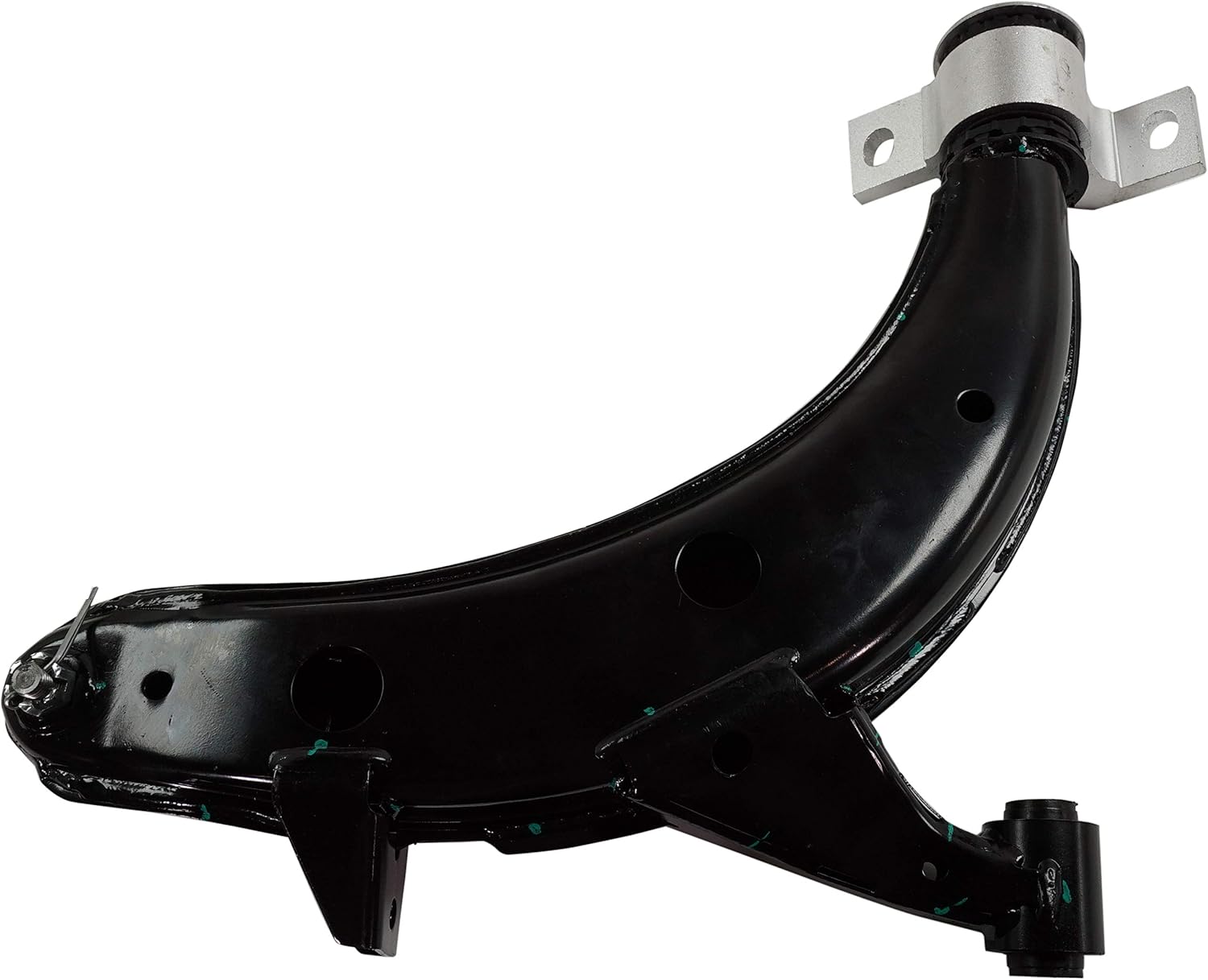
| Fitment | Subaru Forester 2003-2005 Front Driver Side |
|---|---|
| Construction | Stamped |
| Ball joint | Preinstalled |
| Bushing type | Rubber |
| Interchange part numbers | CMS801039, 20202SA011 |
This Garage-Pro lower control arm replaces the front driver side lower arm on 2003–2005 Subaru Foresters and is built as a stamped direct-fit unit with a pressed-in ball joint and rubber bushings. Installation mirrors the factory part, so it can be swapped in using standard suspension tools without modification. The stamped construction and included bushings aim to restore steering stability and suspension geometry after wear or damage, and the ball joint is preinstalled to speed up replacement. Because it is a straightforward direct-fit part, it is most useful for routine repairs rather than performance upgrades. Expect a solid, factory-style feel rather than lighter weight or performance-oriented materials. Buyers should budget for alignment after install and be prepared for a typical workshop install if they are not doing it themselves.
Best for: Buyers who need an affordable, reliable replacement to restore factory handling and alignment on a 2003–2005 Forester and prefer a straightforward swap with minimal modification.
Less Ideal for: Enthusiasts seeking lighter or performance-tuned suspension components or those wanting adjustable alignment features should consider performance aftermarket options instead.
- Direct-fit stamped design for simple replacement of the lower front driver-side arm.
- Includes preinstalled ball joint and rubber bushings to reduce install steps.
- Manufactured to match factory fitment numbers listed for 2003–2005 Forester applications.
- Restores steering geometry and suspension stability after worn or damaged original arm.
- Stamped construction is durable but not as light or performance-focused as forged or tubular aftermarket arms.
Verdict: A cost-conscious, factory-style direct-fit lower control arm that restores steering and suspension function on 2003–2005 Foresters with minimal fuss.
4. Detroit Axle Front Left Lower Control Arm with Ball Joint Assembly
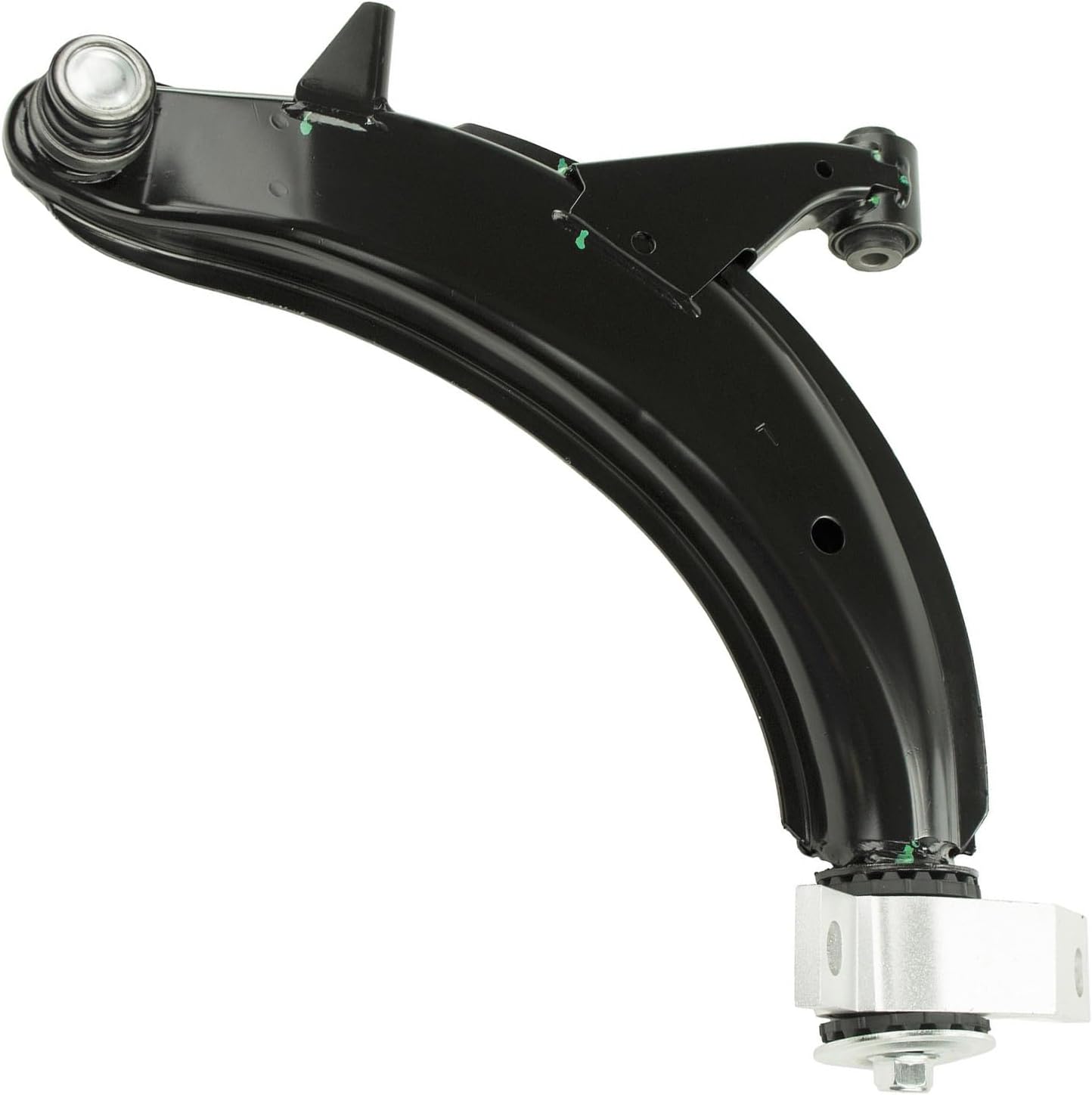
| Fit Type | Vehicle Specific Fit |
|---|---|
| Auto Part Position | Front Left Lower |
| Auto Part Orientation | Drivers Side |
| Material Type | Alloy Steel |
| Manufacturer Warranty Description | 10-Year |
This Detroit Axle lower control arm replaces the front left driver-side lower arm and comes with a preinstalled ball joint, so it installs as a single assembly rather than requiring separate parts. It is built from alloy steel and is sold as a vehicle-specific fit for compatible 2003 to 2005 Subaru Forester applications, making it useful for routine suspension repairs after wear, collision damage, or when restoring steering geometry. The assembled ball joint simplifies installation and reduces the need to press in a new joint, which is helpful for independent mechanics and DIYers with basic tools. The unit is designed and tested for impact and fatigue resistance and is backed by a long 10-year warranty, which supports long-term reliability. Limitations are that this is a single-side replacement and fitment is vehicle-specific, so buyers must confirm it matches their exact model year and configuration before ordering.
Best for: Buyers who prioritize a durable, ready-to-install replacement that restores steering and suspension function without needing ball-joint press work, especially those repairing a Forester to reliable, roadworthy condition.
Less Ideal for: Shoppers who need a full suspension refresh in one purchase or who prefer to reuse their original ball joint to save on parts should consider other options.
- Comes as a complete assembly with preinstalled ball joint for easier installation
- Made from alloy steel and tested for impact and fatigue resistance
- Vehicle-specific fit reduces fitment guesswork when matched to the correct Forester
- Backed by a 10-year warranty supporting long-term reliability
- Sold as a single front left unit so matching right-side replacement must be purchased separately
Verdict: A ready-to-install, steel replacement lower control arm with a preinstalled ball joint that delivers long-term reliability for repairing a Forester's front-left suspension.
5. Detroit Axle 10pc Front Suspension Kit with Front Lower Control Arms and Hardware for 2003-2005 Subaru Forester

| Fitment | 2003-2005 Subaru Forester |
|---|---|
| Parts included | 2 lower control arms w/ ball joints, 2 sway bar end links, 2 outer tie rods, 2 inner tie rods, 2 tie rod boots |
| Material Type | Alloy Steel |
| Position | Front Lower |
This Detroit Axle kit supplies everything needed to refresh the front suspension on a 2003–2005 Subaru Forester: two front lower control arms with preinstalled ball joints, sway bar end links, inner and outer tie rod ends, and rack boots. Designed as a vehicle-specific direct-fit replacement, the control arms are made from alloy steel with a high-strength structure intended to resist wear and corrosion and withstand repeated impact loads. For a DIYer or independent shop this kit reduces parts hunting and speeds installation since the major front-end wear items are bundled and matched to the Forester fitment. The inclusion of tie rod boots and sway links means you can replace related wear points at the same time, restoring steering feel and alignment stability. Buyers should note this is a replacement aftermarket assembly rather than factory-sourced parts and installation may require alignment after fitting; some installers may prefer OEM-brand components for exact factory match in long-term durability or fit nuances.
Best for: Buyers who prioritize a single, verified kit to replace multiple worn front-end parts on a 2003–2005 Forester and want the reassurance of components matched to the vehicle.
Less Ideal for: Drivers seeking an exact factory-brand replacement or professional restorations where factory-match provenance is required.
- Complete kit bundles lower control arms with ball joints plus tie rods, sway links, and boots to simplify a front suspension rebuild
- Vehicle-specific direct-fit design intended for 2003–2005 Subaru Forester to reduce modification during install
- Alloy steel construction and reinforced structure for improved wear resistance and impact durability
- Preassembled ball joints and included hardware cut downtime compared with sourcing parts separately
- Aftermarket assembly that may differ slightly from factory-spec parts in long-term fitment or feel
Verdict: If you want a single, vehicle-specific kit to replace the major front suspension wear items on a 2003–2005 Forester, this Detroit Axle bundle gets the job done quickly and conveniently.
Choosing the Right 2003-2008 Subaru Forester Lower Control Arm: Key Factors to Consider
Fitment And Mounting Accuracy
Correct fitment ensures the control arm aligns with factory suspension geometry and prevents steering pull, uneven tire wear, and alignment drift. Even small differences in mounting hole location or arm length can alter toe and camber behavior, so verify that the arm is specified for the 2003-2008 Forester and the appropriate front or rear position.
Mounting accuracy also affects installation time and whether existing hardware can be reused. Arms that closely match factory dimensions reduce the need for adjustments at the alignment shop and make it easier to maintain predictable handling after replacement.
Bushing Type And Durability
Bushings control compliance between the arm and chassis, so their material and construction shape ride quality, noise levels, and longevity. Rubber bushings offer quieter operation and better vibration isolation but can wear faster, especially in harsh climates. Polyurethane bushings are firmer and last longer, but they can transmit more noise and harshness into the cabin.
Consider the driving conditions for your Forester when choosing bushing type. Also check whether the bushings are replaceable or serviceable; assemblies with serviceable bushings let you replace wear items without swapping the entire arm.
Ball Joint Design And Serviceability
If the control arm includes a ball joint, its design affects steering feel and long-term joint play. Sealed ball joints require less maintenance but may need whole-arm replacement when worn. Serviceable or greasable ball joints can extend service life with routine maintenance, which is valuable for owners who keep their Forester long term.
Inspect the joint boot protection and the presence of grease fittings. A well-sealed joint resists contamination, while a greasable joint allows periodic lubrication to delay replacement.
Material And Corrosion Resistance
Control arms are exposed to road debris, water, and salt, so material and finish matter for long-term durability. Stamped steel arms with protective coatings are common and can offer good strength at a reasonable cost. Cast or forged designs may provide higher strength but can add weight.
Look for corrosion-resistant finishes, zinc or powder coatings, and attention to welded joints. In areas with winter salt, a more robust finish reduces the risk of premature failure.
Noise And Vibration Characteristics
Lower control arms affect the subtle transmission of noise and vibration from the road into the cabin. Worn bushings or poor-quality joints produce clunks, squeaks, and a vague steering feel. Choosing an arm with appropriate bushing compliance and good ball joint sealing reduces these symptoms.
If your Forester exhibits lower control arm noise or squeaks, prioritize assemblies with proven NVH characteristics or those that include higher-quality bushings to minimize cabin intrusion.
Installation And Alignment Considerations
Some control arms are direct-fit while others require minor adjustments at installation. Direct-fit arms reduce labor time and the chance of installation error. Check whether the arm allows reuse of factory bolts, or if new hardware is recommended. Also consider whether the arm maintains factory caster and camber settings or if an alignment is mandatory after install.
Plan for an alignment check after any lower control arm replacement, since even properly fitted arms can shift geometry slightly once the vehicle is on the road.
Common Symptoms Of A Worn Lower Control Arm
Recognizing worn lower control arm signs helps you decide whether to pursue replacement or a more limited repair such as bushing service. Typical symptoms include a clunking noise when driving over bumps, wandering or a pull to one side while braking, and uneven tire wear concentrated at the edges.
You may also notice increased vibration through the steering wheel at low speeds or a loose, imprecise steering feel. In some cases, a visual inspection will reveal torn bushing boots, excessive play at the ball joint, or surface corrosion where the arm meets the knuckle.
- Clunking or knocking over bumps
- Pulling to one side under braking
- Uneven tire wear at inner or outer edges
- Steering vibration or looseness
- Visible bushing deterioration or ball joint play
Front Versus Rear Lower Control Arm Roles
On the 2003-2008 Forester, front lower control arms position the front hub and manage much of the steering geometry. They take the brunt of braking and steering loads, so their bushings and ball joints often wear sooner. Rear lower control arms help locate the rear wheel laterally and control camber under load, influencing ride comfort and tire contact patch.
Understanding which position needs service guides the type of replacement you choose. Front arms often experience higher load cycles and may need stronger joints, while rear arms emphasize consistent bushing compliance to preserve ride quality.
- Front arms: steer and support braking loads
- Rear arms: control lateral location and camber
- Replace the affected position to restore proper handling
Inspection Checklist Before You Buy
Perform a visual and hands-on inspection before ordering parts. With the vehicle safely lifted, check for torn bushing boots, free play at the ball joint, and unusual rust or deformation of the arm itself. Use a pry bar to test for bushing movement and rotate the wheel to feel for looseness at the joint.
Record whether the issue is isolated to one corner or appears on both sides. Identifying whether the problem is bushing-related, joint-related, or structural helps you choose between a complete arm assembly or bushing replacement.
- Check bushing boots for tears or fluid saturation
- Test ball joint play with a pry bar
- Inspect for bent or damaged arm sections
- Note single-side versus both-side symptoms
Installation Tips And Alignment Steps
When installing a replacement lower control arm, use proper torque values on mounting bolts and replace any heavily corroded hardware. If the new arm includes a grease fitting, lubricate the joint as recommended. Tighten control arm bolts with the suspension at ride height when required by the service manual to avoid preloading bushings incorrectly.
After installation, schedule a four-wheel alignment to confirm toe and camber are within spec. Recheck hardware torque after a short break-in drive, since bushings may settle slightly and fasteners can shift.
- Use factory torque specs and replace rusted bolts
- Consider greasing serviceable joints during install
- Schedule a wheel alignment after replacement
- Re-torque fasteners after initial break-in drive
When To Replace Bushings Versus The Whole Arm
Decide between lower control arm replacement and bushing service based on the arm's condition. If the arm is straight with solid metal integrity and the ball joint is sound, bushings can be pressed out and replaced to save cost and restore NVH performance. However, if the arm shows bending, corrosion at welds, or the ball joint is worn or non-serviceable, a full-arm assembly is a safer long-term solution.
Consider the availability of serviceable parts and the labor involved. Pressing bushings requires specialized tools; if those tools are not readily available, replacing the whole arm may be the more practical option for many owners.
- Replace bushings if the arm is structurally sound
- Replace the whole arm if the ball joint is worn or arm is corroded
- Factor in tool access and labor when deciding
Still looking for the perfect fit?
Select your Subaru Forester configuration to see the most relevant Lower Control Arms recommendations
How We Chose the Best 2003-2008 Subaru Forester Lower Control Arm
Our selection focused on components that restore correct suspension geometry and offer durable bushing and joint construction for the 2003-2008 Subaru Forester. We applied the following evaluation criteria: fitment accuracy to factory mounting points and ball joint angle; bushing type and expected service life under typical highway and light off-road use; control arm material and corrosion resistance for regions with road salt; ball joint design and preload to minimize slop; and ease of installation including hardware compatibility.We prioritized assemblies that minimize suspension noise and maintain wheel alignment settings after installation. We excluded parts that required extensive vehicle-specific modification, non-replaceable ball joints without serviceable options, or those lacking documented fitment for the 2003-2008 Forester range. Final choices balance durability, serviceability, and the ability to restore factory handling characteristics without additional suspension changes.
Our full evaluation process is outlined in our review methodology.
FAQ
What are the first signs my Forester needs lower control arm replacement?
Early signs often include clunking noises over bumps, a pulling sensation while driving or braking, and uneven tire wear. A visual inspection that shows torn bushing boots or excessive play at the ball joint supports the need for replacement.
Can I replace just the bushings instead of the entire lower control arm?
Sometimes. If the arm is straight and the ball joint is in good condition, pressing in new bushings can restore NVH performance. However, pressing bushings requires the right tools and the arm must be free of corrosion or structural damage.
How urgent is it to address lower control arm noise or play?
Address it promptly. Continued driving with a worn control arm can worsen tire wear, reduce steering precision, and potentially lead to ball joint failure that affects vehicle safety. Scheduling a repair soon after noticing symptoms reduces the chance of additional suspension damage.
Will replacing a lower control arm fix alignment issues?
Replacing a worn arm can restore geometry, but an alignment is typically required afterward. Even a properly fitted arm can cause minor shifts, so a professional alignment ensures toe and camber are back within specification.
Are greasable ball joints worth the extra maintenance?
Greasable joints can extend service life if you perform periodic lubrication, especially in harsh conditions. They require occasional maintenance but can delay the need for full-arm replacement compared with sealed joints.
How can I tell if the noise is from a front lower control arm or another suspension part?
Use targeted tests like bouncing the front of the vehicle and listening for clunks, or lifting each wheel and checking for play in the ball joint with a pry bar. Isolating the corner with the noise and inspecting bushings and joints helps identify whether the front lower control arm is the source.
Final Verdict
For the 2003-2008 Subaru Forester, prioritize fitment accuracy, bushing quality, and ball joint serviceability when selecting lower control arms. Your driving style and local climate should guide bushing choice: rubber for quieter ride, polyurethane or greasable joints for longer life in demanding conditions.Address symptoms early and plan an alignment after replacement. Balancing durability against NVH preferences will help you choose the right option and restore steady steering and predictable handling for your Forester.
Explore More:
- Check out all Subaru Forester parts & accessories
- Explore Lower Control Arms Maintenance & Repair Guides
- Explore Suspension & Steering
- Browse all Auto Parts
