

Note: This article contains affiliate links. If you click on these links and make a purchase, I may earn a small commission at no extra cost to you. This helps support my research and content. Read my full affiliate disclosure here.
If your 2003-2008 Subaru Forester feels loose in corners or makes clunking noises over bumps, worn sway bar links are a common cause. Choosing the right sway bar link affects steering feel, body roll, and long-term durability under the Forester's specific suspension geometry and road conditions.This guide highlights six top sway bar links shortlisted for the 2003-2008 Forester and explains the practical tradeoffs between OEM-style replacements, heavy-duty options, and rebuildable kits. We evaluate fitment, material quality, and expected service life to help you pick the best option for your driving needs. Read on for key decision factors and practical installation tips.
Looking for other parts? See all Subaru Forester parts & accessories.
Top Picks at a Glance
| Best Overall The best all-around choice for most situations | Metrix Premium Chassis Parts Front Stabilizer Sway Bar Link Kit (2 pc) |  |
| Best Quality Built to a higher standard if you want something more solid | MOOG K750049 Sway Bar Link Kit |  |
| Best Value The sweet spot between price and what you get | ETS 2-Piece Front Sway Bar Link Kit (fits select Subaru models) |  |
| Best Budget The cheapest option that still gets the job done reliably | ALADICHE Front Sway Bar Link Kit SBL015 for Subaru 2003–2013 Forester and Select Models |  |
| Highest Rated A top-rated pick with lots of positive feedback | XOPIYAO Front Sway Bar End Link Kit (K750049) |  |
| Best Seller A high-volume bestseller chosen again and again | X4XZ Zinc-Nickel Sway Bar Link Kit for 2003–2008 Subaru Forester (set of 2) |  |
1. Metrix Premium Chassis Parts Front Stabilizer Sway Bar Link Kit (2 pc)

| Position | Front |
|---|---|
| Model | 98721MT |
| Manufacturer | METRIX PREMIUM CHASSIS PARTS |
| OEM Part Number | 20420AG00A, 20470FE000, 20470SA000, 531-267, TC5102 |
This Metrix Premium Chassis Parts sway bar link kit supplies two front stabilizer links intended to restore steering stability and reduce body roll on compatible Subaru models. The links come pre-greased and feature a greasable design so you can top them up during routine service to extend life. Aluminum construction with cataphoresis corrosion coating aims to resist rust and the manufacturer says the parts are built to meet or exceed factory-spec fit and durability standards. Installation is typical for sway bar links: lift the car, remove the wheel, swap the worn link and torque the hardware, and an alignment check is recommended after replacement. The kit is a good match for DIYers and mechanics who want a precision-fit factory-style replacement without modifying the suspension. One limitation is that these are direct replacement links rather than performance-tuned parts, so drivers seeking stiffer aftermarket sway behavior should consider a dedicated performance link or upgraded sway bar instead.
Best for: Buyers who want a reliable, factory-style replacement to restore handling and eliminate sway-bar noise on a 2003-2008 Subaru Forester and prefer parts that are easy to service.
Less Ideal for: Drivers looking for firmer cornering or track-focused handling should choose performance sway bar links or an upgraded sway bar system instead.
- Pre-greased and greasable design allows easier maintenance and potentially longer service life
- Aluminum parts with corrosion-resistant cataphoresis coating reduce rust risk
- Manufactured to meet IATF 16949 and ISO 9001 quality standards for consistent fitment
- Includes both left and right front links for a complete front-end replacement
- Designed as a direct replacement rather than a performance upgrade for firmer handling
Verdict: A durable, factory-style front sway bar link kit that reliably restores Forester handling and is easy to maintain for balanced everyday driving.
2. MOOG K750049 Sway Bar Link Kit

| Fit Type | Vehicle Specific Fit |
|---|---|
| Auto Part Position | Upper |
| Material Type | Rubber |
| Included Components | SWAY BAR LINK KIT |
The MOOG K750049 sway bar link kit replaces the upper sway bar links to restore crisp steering response and reduce body roll on compatible Subaru Forester models. It is a direct-fit, vehicle-specific part intended for front upper mounting and installs using the provided wrench flats for easier removal and tightening. Notable features include a greaseable socket to prolong joint life, a sealed boot to keep out dirt and water, and a robust connecting rod with metal bearings and rubber preload for durability. In practical use this kit reduces clunking over bumps and tightens turn-in feel compared with worn links, and the greaseable design helps maintenance-minded drivers extend service intervals. The kit is focused on durability and serviceability rather than being a performance-adjustable unit, so drivers seeking tunable sway link geometry or ultra-stiff track setups may prefer aftermarket adjustable links. Installation is straightforward for a mechanically inclined owner or a shop familiar with Subaru front suspension work.
Best for: Drivers who want a durable, serviceable factory-quality replacement to restore steering precision and reduce body roll on a Subaru Forester used for spirited street driving.
Less Ideal for: Drivers building a track-focused or heavily modified suspension who need adjustable endlinks or custom sway bar geometry should consider performance adjustable links instead.
- Vehicle-specific fit for straightforward replacement on supported Subaru models
- Greaseable socket allows fresh lubricant to flush debris and extend joint life
- Sealed boot shields internal components from dirt and water
- Robust connecting rod and metal bearings designed for durability and reduced noise
- Not adjustable for dialing sway bar endlink length or ride height changes
Verdict: Choose the MOOG K750049 if you want a durable, greaseable, factory-quality upper sway bar link that restores steering feel on compatible Foresters.
3. ETS 2-Piece Front Sway Bar Link Kit (fits select Subaru models)

| Auto Part Position | Front |
|---|---|
| Compatible with Vehicle Type | Car |
| Automotive Fit Type | Vehicle Specific Fit |
| Material Type | Metal |
This ETS 2-piece front sway bar link kit replaces worn front stabilizer links to restore proper anti-roll bar connection, improving handling and reducing clunks over bumps. It is intended as a direct-fit, vehicle-specific replacement and is typically installed on both left and right front corners when links show play or noise. Notable features include machined exterior finish, metal construction, and OEM-equivalent part numbers for fit reference. In practice the kit should bring back firmer, more predictable cornering and quieter operation compared with degraded links, and the manufacturer emphasizes precision fit and durability from Turkish manufacturing. Installation is straightforward for a competent DIYer or quick for a shop since it is a two-piece kit matching factory fit. Limitations are that these are replacement links only and do not alter handling characteristics beyond returning factory stability; buyers should confirm exact model-year fitment before ordering. The product comes with a multi-year manufacturer warranty and is offered as a higher-quality alternative to low-cost aftermarket links.
Best for: Buyers who want a durable, factory-quality replacement to eliminate clunks and restore predictable handling on a Subaru without overspending on performance parts.
Less Ideal for: Not a good choice for people seeking performance upgrades or altered handling characteristics; consider performance-specific components instead.
- Vehicle-specific design for direct fit on listed Subaru front applications
- Metal construction and machined finish for durability and reduced vibration
- Includes both left and right links so both sides can be serviced at once
- Built to meet OEM-equivalent specifications to simplify installation and compatibility
- Does not provide upgraded performance beyond restoring factory-level stability
Verdict: Choose this ETS front sway bar link kit when you want a durable, vehicle-matched replacement that quiets noise and restores factory steering stability.
4. ALADICHE Front Sway Bar Link Kit SBL015 for Subaru 2003–2013 Forester and Select Models

| Brand | ALADICHE |
|---|---|
| Model | SBL015 |
| Manufacturer Part Number | SBL015 |
| OEM Part Number | K750049 |
This ALADICHE sway bar link kit replaces worn front stabilizer links on compatible Subaru Forester and related models to restore steering stability and reduce suspension noise. Installation is typical of a direct-fit replacement: remove the old link and bolt the new unit into the sway bar and control arm mount. The kit uses zinc-nickel treated components with an anti-corrosion coating for better resistance to road salt and moisture, and the machined exterior suggests a solid, consistent fit. In everyday use the links should cut knocking and rattling from failed pivots and help maintain predictable body roll in turns, improving driver confidence. The parts are presented as factory replacement quality with common Subaru replacement numbers listed for cross-reference. Expect straightforward functionality at an entry-level price point, though higher-end aftermarket links with upgraded joints or lifetime bushings may offer longer service life for aggressive driving or heavily salted climates.
Best for: Budget-focused owners wanting a straightforward factory-quality replacement to stop sway bar noise and restore normal handling on specified Forester and compatible Subaru models.
Less Ideal for: Drivers who need heavy-duty or performance-oriented links for track use, lifted or heavily modified vehicles should look to reinforced or specialty options instead.
- Direct-fit replacement for specified Subaru Forester and compatible models using listed OEM numbers
- Zinc-nickel finish and anti-corrosion coating for improved resistance to rust
- Machined exterior parts intended for consistent fitment and alignment
- Reduces suspension knocking and rattling to improve ride quietness
- Basic design without upgraded spherical joints or heavy-duty bushings for performance or extreme use
Verdict: A cost-conscious, factory-quality front sway bar link kit that stops knocking and restores predictable handling on the listed Subaru Forester and compatible models.
5. XOPIYAO Front Sway Bar End Link Kit (K750049)

| Fitment range | 2003-2013 Forester; 2002-2016 Impreza; 2005-2009 Legacy/Outback |
|---|---|
| Material | Iron and plastic |
| Quantity | 2 front links included |
| Manufacturer | XOPIYAO |
These XOPIYAO front sway bar end links replace the connection between the stabilizer bar and the suspension to reduce body lean and improve cornering stability on older Subaru models. The kit includes two links intended for front left and right installation and is built from iron with plastic components, matching the factory function of a stabilizer link. In typical use you install them where worn or loose links are causing clunking, uneven tire wear, or degraded handling; once fitted they reestablish the sway bar's effectiveness and help the suspension transfer forces more predictably. Practical features include direct-fit vehicle compatibility listings for Forester, Impreza, Legacy, and Outback and factory-style terminals for a straightforward swap. Expect a budget-friendly replacement that restores normal steering feel, but note these are standard replacement links rather than upgraded performance parts and use mixed metal/plastic construction which may not outlast heavy off-road or high-mileage abuse as long as premium all-metal aftermarket options. Installation is mechanical and may require basic tools or a shop if bolts are seized.
Best for: A buyer who prioritizes restoring reliable, factory-quality handling on an older Subaru Forester and wants a straightforward replacement to stop clunks and excessive roll.
Less Ideal for: Drivers seeking heavy-duty or performance sway bar upgrades for aggressive driving or frequent off-road use should consider reinforced aftermarket links instead.
- Direct-fit listing for 2003-2013 Forester and other Subaru models simplifies selection
- Restores stabilizer function to reduce body roll and prevent abnormal tire wear
- Made from iron components and tested before shipping to meet quality control standards
- Mixed metal and plastic construction may wear faster than premium all-metal links under heavy use
Verdict: Choose these XOPIYAO front sway bar end links when you need a reliable, direct-fit replacement to restore factory handling on a 2003–2008 Forester.
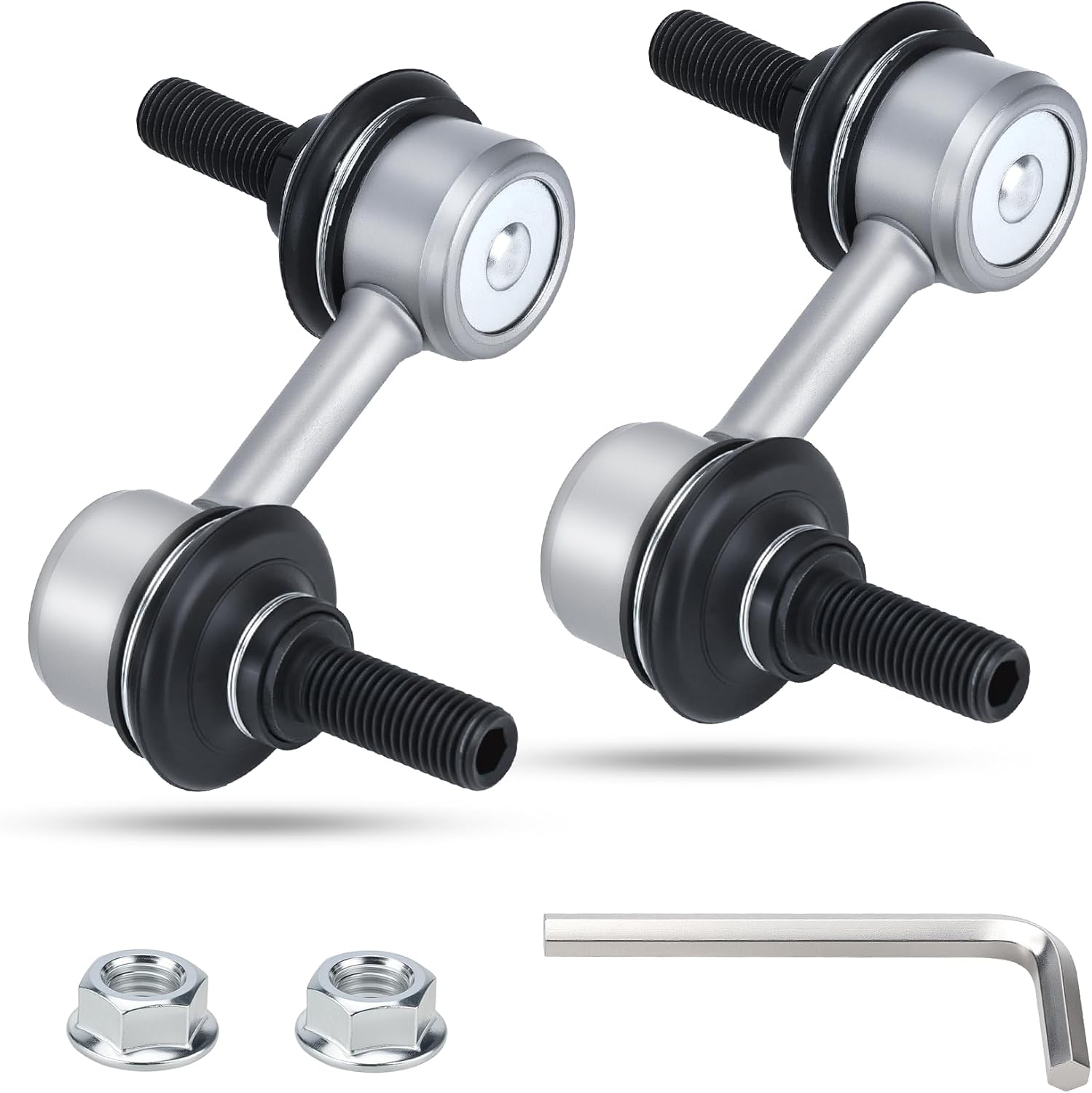
6. X4XZ Zinc-Nickel Sway Bar Link Kit for 2003–2008 Subaru Forester (set of 2)
| Manufacturer | X4XZ |
|---|---|
| Manufacturer Part Number | K750049 |
| Item Weight | 1.1 pounds |
| Date First Available | May 8, 2023 |
These sway bar links replace worn factory links to restore steering feel and reduce clunking over bumps. Designed as a direct replacement kit for the specified Forester model years, each link uses a zinc-nickel corrosion-resistant coating and neoprene boots around the ball studs to resist salt and oxidation. The links are cold-forged and heat-treated for improved fatigue strength, and wrench flats plus an allen hold feature make installation straightforward for a mechanically comfortable DIYer. In real-world use the kit should quiet suspension knock and help the front end track more predictably after old links begin to wear. The corrosion resistance rating and reinforced ball stud construction make this a sensible choice in regions that use road salt or see wet seasons, but buyers replacing links on vehicles outside the listed Forester years should not assume cross-compatibility. The kit includes common hardware and fits like a factory-style replacement when the part numbers match.
Best for: A cautious Forester owner who prioritizes a reliable, factory-style replacement that reduces suspension noise and resists corrosion in wet or salty conditions.
Less Ideal for: Someone looking for a universal or performance-oriented aftermarket link with adjustable endlinks or fitment beyond the specified Forester years.
- Zinc-nickel coating resists corrosion with over 1000 hours salt spray performance
- Neoprene boots provide improved resistance to oxidation and abrasion
- Cold-forged and heat-treated ball studs for enhanced fatigue strength
- Wrench flats and allen-hold design simplify installation and removal
- Fitment is limited to the listed Subaru model years and part numbers, not universal
Verdict: A corrosion-resistant, factory-style replacement that quiets clunks and restores predictable handling on 2003–2008 Forester front suspensions.
Choosing the Right 2003-2008 Subaru Forester Sway Bar Link: Key Factors to Consider
Fitment and Correct Link Length
Accurate fitment is the first priority for a 2003-2008 Subaru Forester because sway bar link length and end-angle affect suspension geometry and ride height. A link that is too long or too short can place preload on the stabilizer bar or control arms, causing binding, premature wear, or altered handling.
Check whether the link is specified for front or rear use and confirm the connection type matches your Forester's mounting points. Some aftermarket links list multiple lengths or come in adjustable formats, which can help when the vehicle has minor ride-height changes, but adjustability introduces another failure point if not well designed.
Correct fitment reduces installation time and ensures the link articulates through its full range without overstressing bushings or ball joints. It also helps preserve alignment and steering geometry, maintaining predictable handling during cornering and on uneven roads.
Bushing and Joint Design
The design and material of the bushing or ball joint determine noise, durability, and how much lateral compliance the link allows. Rubber bushings can be quiet and absorb minor vibrations, which suits daily-driven Foresters, but they may degrade faster in harsh climates. Synthetic elastomers or polyurethane offer longer life and crisper response but can transmit more road noise and require careful selection to avoid harshness.
Ball-joint style links provide smooth rotation and are common on many replacement options; their seals are critical to keeping contaminants out. Look for sealed joints or grease fittings if you prefer serviceable hardware. The choice of bushing and joint design affects NVH, steering feedback, and how the sway bar reacts to body roll.
Material Quality and Corrosion Resistance
Materials and protective finishes matter because the Forester is often used in regions with road salt and moisture exposure. Steel links with zinc plating offer baseline protection but may not last as long as stainless or coated alloys. Powder-coated or ceramic-coated finishes increase lifespan, while stainless-steel hardware and hardened fasteners reduce the chance of corrosion-related failures.
Corrosion resistance also impacts removal during future maintenance. Seized fasteners can complicate routine work and increase labor time for DIYers and shops alike. Opting for superior coatings or stainless components lowers the long-term cost of ownership and reduces the risk of emergency failures on salted roads.
Strength and Fatigue Resistance
Sway bar links transmit lateral loads during cornering and absorb repeated cycles of tension and compression. Materials, heat treatment, and cross-section design influence fatigue life. Heavier-duty links are beneficial for Foresters that see aggressive driving, off-road use, or carry extra cargo, because they resist bending and maintain geometry under load.
However, overbuilt links can introduce extra stiffness into the suspension and may accelerate wear on related components. Balancing sufficient strength for the intended use without making the link unnecessarily rigid preserves ride quality and component harmony.
Hardware and Installation Features
The quality and completeness of included hardware affect ease of installation and long-term reliability. Look for links that include new nuts, washers, and locking hardware sized for the Forester to avoid reutilizing worn fasteners. Some kits include grease fittings or serviceable joints, while others rely on sealed assemblies.
Consider whether the design requires specialty tools or vehicle lifts. DIY-friendly options use common hand tools and provide clear torque specifications. For shops, reduced install time and fewer missing parts lower labor costs and improve consistency. Good hardware minimizes post-install noise and future loosening.
Noise, Vibration, and Harshness Performance
A primary owner complaint when sway bar links wear is clunking over bumps or noisy articulation. The choice of joint and bushing material directly affects NVH. Softer bushings dampen small impacts and reduce noise but may allow more sway bar movement, while firmer joints sharpen response and can introduce perceptible clunks if not properly lubricated or torqued.
Consider how you use the Forester. If quiet daily commuting is the priority, favor designs that emphasize noise control. For more performance-oriented driving, prioritize responsiveness while accepting slightly higher NVH. Installation torque and proper lubrication also play key roles in preventing squeaks and clunks.
Front Vs Rear Link Differences
Front and rear sway bar links serve the same function but often differ in length, articulation angle, and loading. On the 2003-2008 Forester, front links typically handle larger steering-induced movements and may use different attachment hardware than the rear.
When replacing links, confirm whether the part is for the front or rear. Using the wrong end can change the stabilizer bar preload or lead to premature bushing wear. If both front and rear show symptoms, replacing links in axle pairs can restore balanced handling.
- Front links may experience more dynamic loads during steering.
- Rear links are often shorter and see different articulation patterns.
- Pairing replacements helps maintain balanced handling and NVH.
Common Symptoms of a Worn Sway Bar Link
Typical signs include a metallic clunk or rattle when driving over bumps, increased body roll in corners, and loose or vague steering feel at low speeds. On the Forester, such symptoms can appear progressively, so inspect both ends of the stabilizer bar for play and degraded bushings.
Other indicators are visible wear on the joint seals, rusted hardware, or excess lateral movement when the wheel is lifted off the ground. Diagnosing early prevents additional wear to sway bar bushings and control arm mounts.
- Noisy clunk when hitting potholes or speed bumps.
- Noticeable increase in body roll during cornering.
- Loose steering feel or intermittent rattles from suspension area.
DIY Replacement Tips for Forester Owners
Many sway bar link replacements can be completed with basic hand tools and a jack and stands, but always follow safe lift procedures. Start by supporting the vehicle securely, then remove the wheel and inspect the stabilizer link connection points. Spray seized fasteners with penetrating lubricant and allow time to soak before applying force.
Use the correct torque specs when installing new links to avoid overloading joints or leaving hardware loose. If installing a sway bar link kit that includes replacement hardware, use the supplied fasteners and replace any damaged washers. Greasable joints should be lubricated per manufacturer guidance to prevent early noise and wear.
- Support the vehicle safely on jack stands before removing the wheel.
- Loosen seized nuts carefully; avoid rounding off fasteners.
- Apply proper torque and lubricate serviceable joints if provided.
When To Replace Both Ends
Replacing both front or both rear links at the same time is often recommended because links on each axle wear at similar rates. Doing both sides together ensures symmetric handling and eliminates mismatched NVH characteristics that can arise when one side is new and the other is worn.
If you find one failed link, inspect the opposite side and associated bushings. Replacing an axle pair prevents repeated labor and delivers a more consistent steering feel after the job.
- Axle-pair replacement preserves balanced handling.
- Saves time and avoids repeated removal of wheels and hardware.
- Helps ensure consistent NVH across the vehicle.
Torque and Fastening Best Practices
Correct torque is essential to prevent joint preload or loose hardware that produces noise. Use a calibrated torque wrench and follow the specified torque values for the Forester's sway bar link mounting bolts. Tighten hardware in the recommended sequence and recheck torque after a short test drive.
If original nuts show corrosion, replace them with comparable-grade hardware. Use thread-locking compound only where specified and avoid over-tightening, which can damage bushings or deform link threads.
- Use a calibrated torque wrench and follow vehicle torque specs.
- Replace corroded nuts and bolts with like-for-like grade hardware.
- Retorque after a short driving period to confirm stability.
Still looking for the perfect fit?
Select your Subaru Forester configuration to see the most relevant Sway Bar Links recommendations
How We Chose the Best 2003-2008 Subaru Forester Sway Bar Link
We focused on criteria that matter specifically for the 2003-2008 Subaru Forester suspension and typical ownership use. Primary evaluation factors included fitment accuracy to the Forester's front and rear stabilizer mounting points, ensuring the link length and bushing geometry matched factory specifications. Durability and materials were assessed with attention to corrosion resistance for climates with salt exposure and the strength of linkage hardware under repeated articulation.Noise and NVH performance was a key filter, so we prioritized designs with effective bushings or ball-joint seals to minimize creaks and clunks. Ease of installation and the availability of comprehensive kits were considered, including whether links come with new fasteners or require special tools. We also weighed serviceability, such as replaceable end links or rebuildable joints, for owners planning longer-term maintenance.Excluded from consideration were products that lacked clear Forester-specific fitment information, items with questionable hardware quality, and links intended only for other vehicle families. The result is a curated shortlist emphasizing correct fitment, corrosion-resistant construction, secure fasteners, and quiet operation for the 2003-2008 Forester.
Our full evaluation process is outlined in our review methodology.
FAQ
How long do sway bar links typically last on a 2003-2008 Forester?
Lifespan varies widely based on driving conditions and climate. In mild climates with mostly paved driving, links can last many years, often over 50,000 miles, while salted-road regions and off-road use shorten service life. Regular inspections will catch wear before handling is affected.
Can I replace just one sway bar link or should I do both sides?
You can replace a single failed link, but replacing both links on the same axle is recommended for balanced handling. Pair replacement avoids mismatched NVH and reduces the chance of needing the same repair again soon.
What causes a sway bar link to make a clunking noise?
Clunking usually comes from worn bushings, degraded ball-joint seals, or loose hardware allowing excess play. Corrosion and lack of lubrication can accelerate wear and produce intermittent metallic noises when the suspension articulates.
Are rebuildable sway bar links worth it for a Forester owner?
Rebuildable links can be cost-effective if you plan to service components over time and have access to replacement bushings or joints. They offer long-term serviceability but may require periodic maintenance that sealed assemblies do not.
Do I need special tools to replace sway bar links on this Forester?
Most replacements require common hand tools, a jack, and jack stands. Some designs may need an Allen key or hex to hold the stud while loosening the nut. A torque wrench is recommended to ensure correct final tightening.
Will replacing sway bar links improve steering feel immediately?
Yes, if worn links were causing play or uneven bar movement, replacing them often restores a firmer, more consistent steering feel. Improvements are typically noticeable right after installation once the vehicle is driven and hardware settles.
Final Verdict
When selecting sway bar links for a 2003-2008 Subaru Forester, prioritize correct fitment, corrosion-resistant materials, and a joint design that matches your driving needs. Softer bushings favor quiet daily driving while firmer or ball-joint options give crisper response at the cost of slightly higher NVH.Balance strength with serviceability and make sure the kit includes quality hardware and clear torque guidance. Replacing axle pairs and following proper installation torque helps restore predictable handling and prevents repeat visits to the garage.
Explore More:
- Check out all Subaru Forester parts & accessories
- Explore Sway Bar Links Maintenance & Repair Guides
- Explore Suspension & Steering
- Browse all Auto Parts
