

Note: This article contains affiliate links. If you click on these links and make a purchase, I may earn a small commission at no extra cost to you. This helps support my research and content. Read my full affiliate disclosure here.
If your Subaru Forester is showing loose steering or uneven tire wear, replacing the inner tie rod end can restore precise steering feel and improve safety. The right inner tie rod end matters because it connects the steering rack to the steering linkage, directly affecting alignment and steering responsiveness.This guide covers a curated shortlist of the top inner tie rod ends chosen for fitment, build quality, and longevity specifically for the Subaru Forester. We evaluate each option against clear criteria like fit accuracy, material and joint construction, and ease of installation so you can pick the best replacement for your driving needs. Read on to understand what to prioritize and how to approach the replacement process.
Looking for other parts? See all Subaru Forester parts & accessories.
Top Picks at a Glance
| Best Overall The best all-around choice for most situations | Detroit Axle Front 4pc Tie Rod Kit (Inner and Outer) for Subaru Crosstrek / Forester |  |
| Best Quality Built to a higher standard if you want something more solid | TRQ 4-Piece Front Inner and Outer Tie Rod Set (PSA55339) |  |
| Best Value The sweet spot between price and what you get | Subaru Inner Steering Tie Rod 34160AE000 (Genuine) |  |
| Best Budget The cheapest option that still gets the job done reliably | SCITOO Front Inner Tie Rod End for Subaru Forester, Legacy, Outback, WRX |  |
| Highest Rated A top-rated pick with lots of positive feedback | A-Premium Front Inner Tie Rod End (pack of 2) |  |
| Most Popular A crowd favorite that many people choose with confidence | Detroit Axle Front Inner Tie Rods (pair) for 2019–2024 Subaru Forester and compatible Subaru models |  |
| Best Seller A high-volume bestseller chosen again and again | Metrix Premium Chassis Parts Front Inner Tie Rod End Kit (2 pc) |  |
1. Detroit Axle Front 4pc Tie Rod Kit (Inner and Outer) for Subaru Crosstrek / Forester

| Fitment | 2016-2018 Crosstrek; 2019-2023 Crosstrek (gas); 2014-2018 Forester; 2013-2015 XV Crosstrek |
|---|---|
| Kit contents | 2 front inner tie rod ends and 2 front outer tie rod ends |
| Manufacturer | Detroit Axle |
| Manufacturer part number | 4S50168 |
This Detroit Axle kit supplies two front inner and two front outer tie rod ends as a direct-fit replacement for specified Subaru Crosstrek and Forester years. It is intended for steering linkage repair or refresh during alignment service and comes as a complete front-end tie rod set so you can replace both inner and outer ends at once. The parts are made from a premium alloy and are described as high-strength and corrosion resistant, which should help with durability in everyday driving and light winter conditions. Being a direct-fit design simplifies installation for a competent DIYer or a shop, and replacing all four pieces at once helps restore steering responsiveness and reduce play. The kit is positioned as factory-quality fit, but buyers should plan on a professional alignment after installation and check that the listed model years match their vehicle; the set is limited to the Crosstrek/Forester fitment specified. If you expect heavy off-road abuse or race-level durability, consider heavier-duty aftermarket options instead.
Best for: Balanced buyers who want a straightforward, factory-quality replacement to restore steering feel on supported Subaru Crosstrek and Forester models without chasing specialty performance parts.
Less Ideal for: Drivers seeking heavy-duty, competition, or extreme off-road steering components should look for reinforced or performance-grade tie rods instead.
- Complete four-piece kit includes both inner and outer front tie rod ends for a full steering refresh
- Direct-fit replacement designed for easier installation and correct steering geometry
- Premium alloy construction aimed at improved wear resistance and corrosion protection
- Sold by a long-established parts brand with stated manufacturing to ISO standards
- Fitment is limited to specific Crosstrek and Forester model years so it is not universal
- Not marketed as an upgraded heavy-duty or off-road spec for extreme use
Verdict: Choose this Detroit Axle four-piece tie rod kit if you want a complete, factory-quality replacement to quickly restore steering play and responsiveness on the specified Subaru Crosstrek and Forester models.
2. TRQ 4-Piece Front Inner and Outer Tie Rod Set (PSA55339)

| Position | Front Inner, Front Outer |
|---|---|
| Model | TRQ PSA55339 4 Piece Tie Rod Set |
| Manufacturer | TRQ |
| Exterior | Machined |
This TRQ four-piece tie rod set replaces both inner and outer front tie rods for compatible Subaru models and is intended as a direct-fit replacement for do-it-yourself installs. The kit comes with pre-assembled components and machined exterior finish that help simplify installation and aim to match factory steering geometry. TRQ highlights compatibility with Forester, Impreza (including WRX and STI variants where listed), Legacy, and Outback model years specified in the fitment chart and provides installation videos to guide novice mechanics. In real-world use the parts offer firm steering feedback and should restore proper toe alignment when installed and torqued to spec. Limitations are that these are replacement steering components rather than performance-tuned parts, so drivers seeking heavier-duty or motorsport-grade tie rods may prefer aftermarket performance options; final alignment and possible replacement of related suspension parts may still be required after installation.
Best for: Drivers who want a reliable, bolt-in replacement to restore steering feel and alignment on compatible Subaru front ends and who prioritize straightforward DIY installation with how-to support.
Less Ideal for: Enthusiasts seeking upgraded, motorsport-grade steering components or custom steering geometry adjustments should look for performance-specific tie rods instead.
- Direct-fit design with pre-assembled components for easier DIY installation
- Machined exterior finish that aligns with factory fitment expectations
- Includes both inner and outer tie rods to replace the entire front end steering linkage
- Extensive installation video library to guide users through replacement
- Not marketed as a performance or heavy-duty upgrade for track or competition use
Verdict: A practical, direct-fit four-piece tie rod kit that makes restoring factory steering feel on compatible Subaru front ends simple for DIYers.
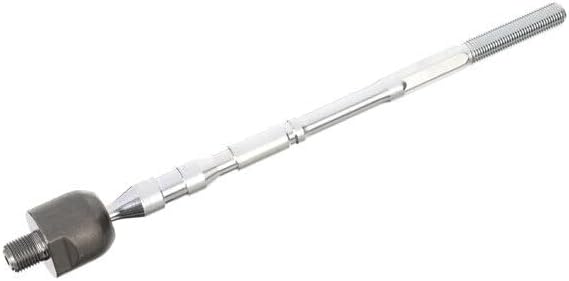
3. Subaru Inner Steering Tie Rod 34160AE000 (Genuine)
| Manufacturer | Subaru |
|---|---|
| Item model number | 34160AE000 |
| Exterior | Machined |
| Voltage | 12 volts |
This Subaru inner steering tie rod is a direct-fit replacement part intended to restore steering connection and alignment on supported Subaru models. It installs in place of the worn inner tie rod to link the steering rack to the outer tie rod, returning precise steering response and reducing play. As a genuine Subaru part it uses factory machining and the manufacturer part number 34160AE000 for straightforward fitment; installers will appreciate the simple swap-in design that avoids modification. In use it provides the predictable feel and durability expected from a factory replacement, helping maintain alignment and tire wear when paired with correct installation and torque. Limitations are typical of OEM replacements: it is a single inner tie rod only, so you may need additional suspension work or complementary parts if other components are worn, and professional installation or alignment is recommended after replacement to ensure optimal steering geometry.
Best for: Buyers who prioritize a straightforward, factory-equivalent replacement to restore steering precision on compatible Subaru models and prefer the assurance of an OEM part over aftermarket alternatives.
Less Ideal for: Drivers looking for upgraded performance or heavy-duty enhanced components should consider performance or reinforced aftermarket tie rods instead.
- Genuine Subaru part with matching manufacturer part number for direct fitment
- Factory-machined construction aimed at consistent steering feel and durability
- Simple swap-in design reduces installation complexity for mechanics familiar with Subaru steering systems
- Sold as a single inner tie rod so companion components or the opposite side are not included
Verdict: Choose this genuine Subaru inner tie rod when you want a direct-fit factory-quality replacement to reliably restore steering feel on supported Subaru vehicles.
4. SCITOO Front Inner Tie Rod End for Subaru Forester, Legacy, Outback, WRX

| Manufacturer Part Number | 171795-5336-1032531311 |
|---|---|
| OEM Part Number | EV800513 |
| Item model number | Adjustable |
| Kit Included | (1) Front Inner Tie Rod End |
This SCITOO front inner tie rod end replaces the factory inner tie rod on specified Subaru front suspensions. It is a single, fully assembled unit forged from solid steel with an electrophoretic coating intended to resist corrosion and provide a durable replacement for a worn or damaged inner tie rod. Installation is typical for steering tie rod jobs: remove the outer/inner assembly or separate at the rack, transfer or replace the adjusting sleeve as needed, and torque to factory-aligned settings. For day-to-day driving it restores steering precision and helps eliminate looseness or play that causes wandering and uneven tire wear. The part is sold as a direct-fit replacement for the listed model years, so it is a straightforward option if you want a low-cost repair without modifying steering geometry. Expect to have the vehicle aligned after installation and use professional installation if you are not experienced with steering components because proper torque and alignment are critical for safe handling.
Best for: Buyers needing an affordable, direct-fit replacement to restore steering feel on supported Subaru models who prioritize a low-cost repair over premium aftermarket upgrades.
Less Ideal for: Drivers seeking high-performance steering upgrades, extended corrosion warranties, or multi-piece upgrade kits should consider premium or performance-focused alternatives.
- Made from forged solid steel for strength and coated to resist corrosion
- Sold fully assembled for quicker installation compared with multi-piece kits
- Specified fitment for Subaru Forester, Legacy, Outback, and WRX model years listed
- Direct replacement designed to restore steering feel and reduce play
- No detailed torque or alignment specs included and installation should be done or verified by a professional
Verdict: A straightforward, budget-focused replacement inner tie rod that restores steering feel on the supported Subaru models without frills.
5. A-Premium Front Inner Tie Rod End (pack of 2)

| Position | Front Inner |
|---|---|
| Pre-Greased | Yes |
| Ball Stud Material | Steel |
| Exterior | Corrosion-Resistant Coating |
| Manufacturer Part Number | APCA6844 |
This A-Premium front inner tie rod end is a direct replacement part meant to restore steering precision on compatible Subaru models. It installs at the front inner position on the steering linkage and is used to correct loose steering, uneven tire wear, and steering pull caused by a worn inner rod. The part is delivered pre-greased with a corrosion-resistant coating and steel ball stud for durability, and the listing includes two units to cover both left and right sides. For routine garage or professional installation it bolts into the factory location and matches common reference part numbers for easy fitment. The practical benefits are improved steering feel and reduced play after replacement, plus pre-greasing reduces initial service steps. Limitations to note are that this is an aftermarket component rather than a factory brand part and longevity will depend on installation quality and driving conditions; additionally no separate grease fitting is provided for long-term re-lubrication.
Best for: Buyers who prioritize restoring dependable steering feel on the listed Subaru models and want a ready-to-install replacement that reduces steering play and uneven tire wear.
Less Ideal for: Shoppers seeking factory-brand steering components or parts with a serviceable grease fitting for routine re-lubrication should consider alternatives.
- Direct-fit replacement for specified Subaru Forester, Impreza, and Crosstrek model years
- Pre-greased ball stud reduces initial maintenance and eases installation
- Corrosion-resistant coating helps resist rust in wet climates
- Pack of two covers both left and right front inner positions
- Aftermarket part so finish and long-term durability may vary from factory-quality components
Verdict: Choose this A-Premium inner tie rod end when you need a ready-to-install, pre-greased replacement to quickly restore reliable steering on supported Subaru Forester/Crosstrek/Impreza models.
6. Detroit Axle Front Inner Tie Rods (pair) for 2019–2024 Subaru Forester and compatible Subaru models

| Brand | Detroit Axle |
|---|---|
| Model | Inner Tie Rods |
| Item model number | EV801606x2 |
| Exterior | Polished |
| Date First Available | September 2, 2025 |
These Detroit Axle inner tie rods replace the front inner tie rod ends on supported Subaru Forester and compatible Subaru models. The kit ships as two inner tie rod ends and is intended for technicians and DIYers doing a steering or alignment-related repair. Detroit Axle states the parts undergo impact, wear, and fatigue testing and the polished finish helps resist corrosion during road use. In practice these units restore steering connection and reduce play that causes wandering or uneven tire wear. They are straightforward to install when the steering rack and outer tie rods are accessible, and they work well as a factory-style replacement to bring steering response back to normal. Expect to get a proper alignment after installation; these parts do not include alignment hardware or instructions. Also, fitment is limited to the listed Subaru model years so confirm compatibility before ordering. For buyers who value evidence and peer feedback, the product has many reviews and a high average rating, which supports confidence in its real-world durability.
Best for: Buyers who want a reliable, factory-style replacement for a Subaru Forester steering repair and prefer products with strong customer feedback to reduce risk.
Less Ideal for: People looking for universal or multi-vehicle parts, or those who want an all-in-one kit that includes alignment hardware and instructions.
- Sold as a direct replacement pair for the front inner tie rods, simplifying a two-side repair
- Manufacturer reports impact, wear, and fatigue testing for durability
- Polished exterior finish that helps resist corrosion
- Highly rated by many verified buyers, offering social-proof of performance
- Fitment limited to the listed Subaru model years and configurations so cross-vehicle fitment is not supported
- Does not include alignment service or hardware; professional alignment is still required after installation
Verdict: A well-reviewed, factory-style pair of front inner tie rods that restores steering feel on compatible Subaru Forester models while providing strong real-world proof of durability.
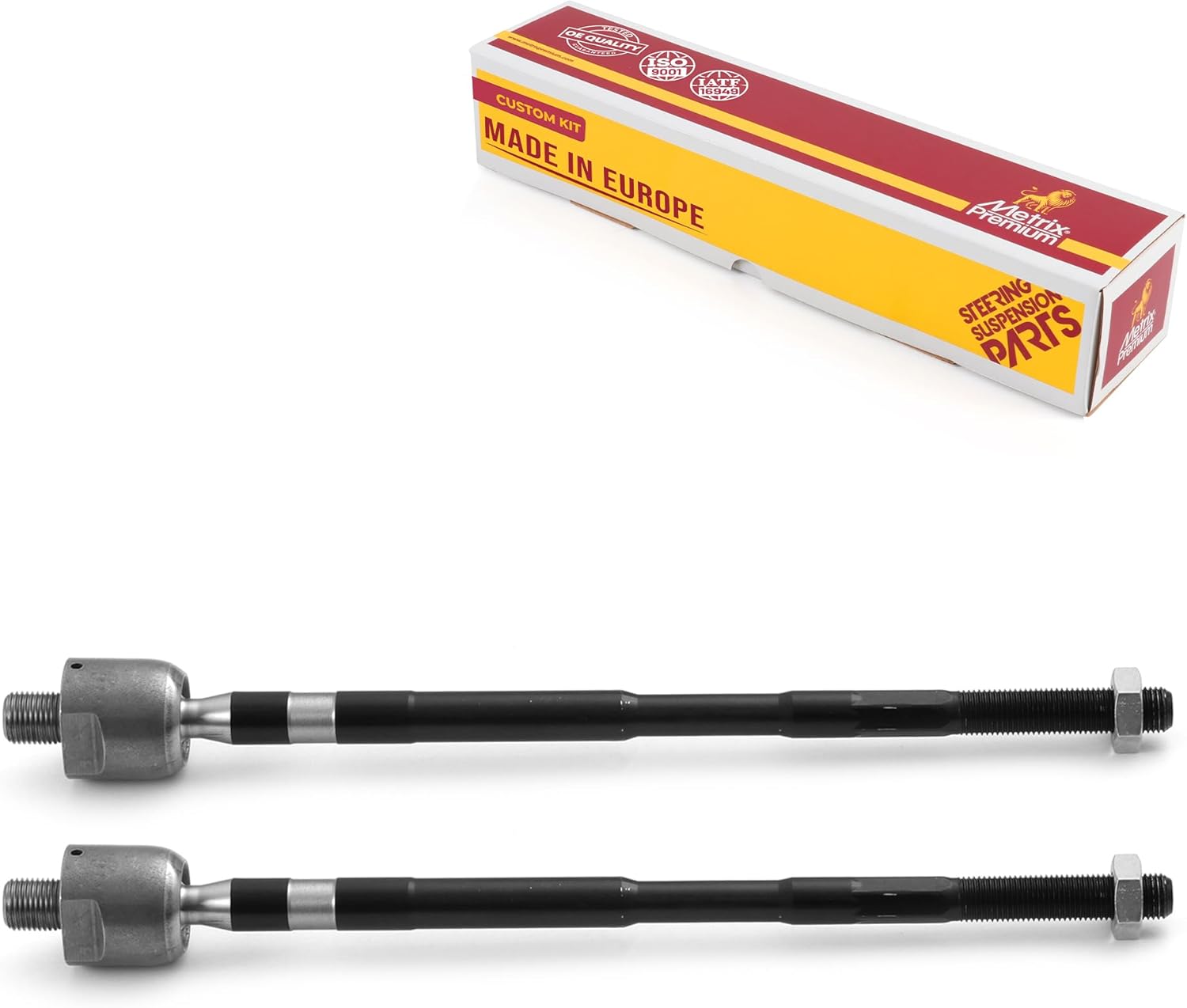
7. Metrix Premium Chassis Parts Front Inner Tie Rod End Kit (2 pc)
| Position | Front Inner |
|---|---|
| Quantity | 2 pc |
| Manufacturer | METRIX PREMIUM CHASSIS PARTS |
| Model | 98784MT |
| OEM Part Number | 34160XA010, 535-262, EV800513 |
This Metrix inner tie rod end kit replaces the front inner tie rod ends on compatible Subaru models and is sold as a two-piece set. It comes pre-greased and features a greasable design so you can service the joint periodically to extend life. Metrix states the parts are engineered in line with factory fit and testing standards and carry manufacturing certifications, which helps reassure buyers who prefer parts with documented quality controls. In use the kit restores steering precision and reduces play after installation, though a wheel alignment is still required afterward. The aluminum-based design and cataphoresis coating improve corrosion resistance compared with untreated steel, which is useful in climates where road salt is common. Installation is straightforward for a DIYer with basic suspension tools, but you will need a tie rod puller and should plan for an alignment check. The kit includes two inner tie rods and is backed by a limited warranty for added peace of mind.
Best for: Buyers who prioritize reliability and low risk will appreciate this kit as a factory-quality replacement that focuses on fit, serviceability, and documented manufacturing standards for safe steering restoration.
Less Ideal for: If you need a universal or multi-vehicle solution or want an immediate drop-in performance upgrade, this part is not aimed at customization or cross-vehicle compatibility.
- Sold as a complete 2-piece front inner tie rod kit for matched replacement
- Pre-greased and greasable design for easier maintenance and longer service life
- Manufactured to meet industry certifications and described as factory-style fitment
- Aluminum construction with corrosion-resistant coating helps resist rust in harsh conditions
- Requires wheel alignment after installation and basic suspension tools for proper fitment
Verdict: A factory-fit, serviceable two-piece inner tie rod kit that gives risk-averse Subaru owners a reliable, corrosion-resistant replacement to restore steering feel.
Choosing the Right Subaru Forester Inner Tie Rod End: Key Factors to Consider
Fitment and Threading
Correct fitment is critical because the inner tie rod end must match the steering rack end and the inner linkage on the Subaru Forester. Mismatched threading or incorrect seat design can lead to loose steering, accelerated wear, or difficulty achieving proper torque during installation. Always verify thread pitch, engagement length, and taper style against the vehicle specifications before purchase.
A part that fits precisely reduces the chance of alignment changes after installation. When fitment is right, the tie rod end will maintain consistent steering geometry and reduce premature wear on related components like the outer tie rod end and inner linkage.
Joint Construction and Materials
The internal ball-and-socket or stud joint determines how the tie rod end handles movement and loading. High-quality parts use hardened steel studs with tight tolerances and robust ball seats to minimize play over time. Corrosion-resistant coatings, plus durable rubber or polyurethane boots, protect the joint from contaminants that cause accelerated wear.
Materials and heat treatment affect fatigue life, especially for drivers who regularly encounter rough roads or off-highway conditions. Choose components with documented material specs or proven construction methods to ensure long service life under typical Forester driving.
Boot Seal and Contaminant Protection
A good protective boot keeps grease in and grit out. For Subaru Forester use, boots should resist cracking from temperature cycles and exposure to road salt. A compromised boot lets moisture and particulates enter the joint, which quickly leads to increased play and eventual failure.
Inspect how the boot attaches to the housing and whether it uses a metal clamp, crimp, or molded lip. Robust attachment and high-quality elastomers extend service intervals and maintain steering precision between replacements.
Durability Under Load
Inner tie rod ends endure constant axial and lateral loads, especially during turns and when driving over uneven surfaces. Durability depends on internal bearings, stud hardness, and the housing design. Components designed to distribute load and resist deformation will keep play to a minimum and preserve steering feedback.
Consider expected driving conditions for the Forester. If you frequently carry loads, drive on gravel, or encounter winter salt, prioritize parts with proven fatigue resistance and stronger corrosion protection to avoid early failure.
Installation and Serviceability
Ease of installation reduces labor time and the chance of improper fit. Factors like whether the tie rod end uses a common thread size, included hardware, or a standard jam-nut design affect how straightforward the swap will be. Some inner tie rod ends require a special socket or separator tool; verify tool needs before starting the job.
Serviceability also includes whether the replacement preserves alignment settings or requires a full alignment afterwards. Understanding torque specs and installation steps helps ensure the part is installed correctly and performs as intended.
Impact on Alignment and Steering Feel
Inner tie rod condition directly influences toe settings and steering responsiveness. A worn inner joint can introduce play that translates to sloppy steering or uneven tire wear. Choosing a component that maintains tight tolerances helps keep factory alignment and steering feel intact.
When selecting a replacement, consider how the part will affect the vehicle's alignment baseline and whether ball joint stiffness will alter steering feedback. Properly matched parts minimize the need for repeated alignment checks and deliver consistent on-road behavior.
Signs You Need a Replacement
Several symptoms commonly indicate an inner tie rod end is failing on a Subaru Forester. Look for play in the steering wheel, a wandering vehicle at higher speeds, or a loose, imprecise steering feel. Unusual noises such as clunking or knocking when turning can also point to an internal joint losing integrity.
Uneven or accelerated tire wear, particularly on the inner or outer edges, is another telltale sign since toe changes caused by a loose inner tie rod alter tire contact. A thorough physical inspection can reveal torn boots, grease leakage, or visible movement when the steering linkage is manipulated by hand.
- Steering wheel play or delayed return-to-center
- Clunking noises when turning or going over bumps
- Uneven tire wear patterns
- Visible torn or split protective boots
How Replacement Affects Steering and Alignment
Replacing the inner tie rod end restores the connection between the steering rack and linkage, which helps return toe settings to proper range and tightens steering feel. Because the inner end sits close to the steering rack, its condition influences initial steering input more than the outer tie rod end.
After installing a new inner tie rod end, a wheel alignment is often recommended. Even with precise fitment, small differences in length or seating can affect toe and caster, so verifying alignment ensures the vehicle tracks straight and tire wear remains even.
- Improved steering precision and feedback
- Reduced wandering at highway speeds
- Lower risk of premature tire wear
Common Installation Steps and Tips
Typical replacement involves lifting the vehicle, removing the front wheel, separating the outer tie rod end from the steering knuckle, and unscrewing the inner tie rod end from the steering rack. Use proper support and follow torque specifications to avoid damaging threads or the steering rack.
A couple of practical tips: mark the outer tie rod position before removal if you want to return close to the original toe setting, and inspect surrounding components like the steering rack boot and outer tie rod for wear while you have access. If the inner tie rod uses a specific removal socket, locating the right tool beforehand speeds the job.
- Always support the vehicle securely on jack stands
- Use a replacement part with matching thread and engagement length
- Check and replace outer tie rod end if it shows wear
When to Replace Inner Vs Outer Tie Rod Ends
Inner and outer tie rod ends share load but fail differently. Inner tie rod ends are closer to the steering rack and are commonly replaced when play originates near the rack or when the inner boot fails. Outer tie rod ends typically develop visible play at the steering knuckle first. For reliability, inspect both components together because a failing inner end can accelerate outer end wear.
If there is any doubt during inspection, replacing both ends at once can be a sensible approach to restore steering geometry and avoid repeated labor. However, if only the inner shows signs of failure and the outer is in good condition, replacing just the inner end is an acceptable, cost-effective option.
- Inspect both joints simultaneously
- Replace both ends if either shows significant play
- Prioritize the part showing clear wear to save on labor
Maintenance and Longevity Tips for Subaru Forester Owners
Regular inspections during oil changes or tire rotations help catch boot cracks and early signs of grease loss. Keeping road grime and salt washed off the steering components reduces corrosion risk, which is important for Foresters used in winter conditions. Address torn boots promptly to avoid internal contamination.
When replacing tie rod ends, choose components with robust seals and corrosion-resistant finishes. Periodic alignment checks and addressing steering play early will extend the service life of related steering components and preserve tire life.
- Inspect tie rod boots every 12 months or 12,000 miles
- Rinse undercarriage after winter driving
- Check steering feel after hitting large potholes
Still looking for the perfect fit?
Select your Subaru Forester configuration to see the most relevant Tie Rod Ends recommendations
How We Chose the Best Subaru Forester Inner Tie Rod End
We focused on objective, vehicle-specific factors that matter for Subaru Forester owners when replacing inner tie rod ends. Primary evaluation criteria included fitment accuracy to factory steering geometry, materials and joint design for wear resistance, and manufacturing tolerances that affect steering play.Durability assessments factored in boot quality and corrosion protection since Foresters often see wet and salty conditions. We also weighed serviceability: how easily the part installs with basic tools, whether it requires special adapters, and whether replacement preserves alignment settings. Noise and steering feel potential were considered by looking at joint stiffness and play specifications.We excluded items that required significant steering system modification, non-standard steering rack adapters, or vague fitment claims without documented vehicle fit references. Also filtered out parts with weak corrosion protection or poor sealing that increase failure risk in typical Forester use cases. The final shortlist balances precise fit, long service life, and straightforward installation.
Our full evaluation process is outlined in our review methodology.
FAQ
What are common symptoms of a bad inner tie rod end on a Subaru Forester?
Common symptoms include steering wheel play, clunking noises when turning, wandering at highway speeds, and uneven tire wear. Visual signs include torn boots or grease leakage around the joint.
How long do inner tie rod ends typically last on a Forester?
Lifespan varies with driving conditions but often lasts many years under normal road use. Exposure to salt, water, and rough terrain shortens service life, so inspect the joint regularly for wear signs.
Will replacing the inner tie rod end require an alignment?
Replacing the inner tie rod end can affect toe settings, so an alignment is usually recommended to ensure proper tracking and even tire wear. In some cases where fitment and lengths match perfectly, a check may suffice.
Can I replace the inner tie rod end myself on a Subaru Forester?
Many owners with basic mechanical skills can perform the swap using common tools, a tie rod end socket, and a puller for the outer joint. Ensure you have the correct part threads and follow torque specs. Plan for an alignment afterwards if needed.
What should I inspect while replacing the inner tie rod end?
Check the steering rack boot for tears, inspect the outer tie rod end for play, and look for corrosion on mounting surfaces. Also verify threads and engagement length on the replacement part to ensure proper fit.
How can I tell if the inner or outer tie rod end is bad?
A visual inspection and hands-on test help differentiate: move the steering linkage by hand and feel for play near the rack for inner issues, and check the tie rod stud at the knuckle for looseness for outer problems. Road symptoms and noise location during turning also give clues.
What are signs of tie rod end wear to watch for between services?
Watch for gradual steering looseness, slight pulling to one side, unusual tire wear patterns, and noises when turning. Any new vibration or change in steering feel warrants a closer inspection of tie rod ends and related steering parts.
Final Verdict
When choosing an inner tie rod end for a Subaru Forester, prioritize correct fitment, robust joint construction, and durable seals that resist contamination. These factors directly affect steering precision, alignment stability, and component lifespan.Balance durability with ease of installation and plan for a post-replacement alignment if needed. By focusing on fit accuracy and corrosion protection, you can restore tight steering feel and avoid repeat repairs, ensuring confidence in everyday driving.
Explore More:
- Check out all Subaru Forester parts & accessories
- Explore Tie Rod Ends Maintenance & Repair Guides
- Explore Suspension & Steering
- Browse all Auto Parts
