

Note: This article contains affiliate links. If you click on these links and make a purchase, I may earn a small commission at no extra cost to you. This helps support my research and content. Read my full affiliate disclosure here.
If your 2009-2013 Subaru Forester feels loose in corners or you hear clunking from the suspension over bumps, worn sway bar links are a likely culprit. Replacing those links restores the connection between the antiroll bar and the control arms, which reduces body roll, stabilizes steering inputs, and removes suspension noise.This guide presents six top sway bar link options that suit the 2009-2013 Forester. We shortlisted candidates based on fitment, build quality, and long-term durability, then evaluated installability and noise performance. Read on to understand which features matter and which tradeoffs to expect so you can pick the right replacement for your Forester and driving style.
Looking for other parts? See all Subaru Forester parts & accessories.
Top Picks at a Glance
| Best Overall The best all-around choice for most situations | TRQ Front & Rear Sway Bar Link Set for 2009–2013 Subaru Forester |  |
| Best Quality Built to a higher standard if you want something more solid | MOOG K750049 Sway Bar Link Kit |  |
| Best Value The sweet spot between price and what you get | DYZJKWJW Zinc-Nickel Front Sway Bar Link Kit (DW-SL015) |  |
| Best Budget The cheapest option that still gets the job done reliably | ALADICHE Front Sway Bar Link Kit (SBL015) for Subaru Forester and Select Subaru Models |  |
| Highest Rated A top-rated pick with lots of positive feedback | PaiXingAuto Front Sway Bar End Link Set for Subaru (2‑Piece) | |
| Best Seller A high-volume bestseller chosen again and again | X4XZ Zinc-Nickel Sway Bar Link Kit (set of 2) for Subaru K750049 |  |
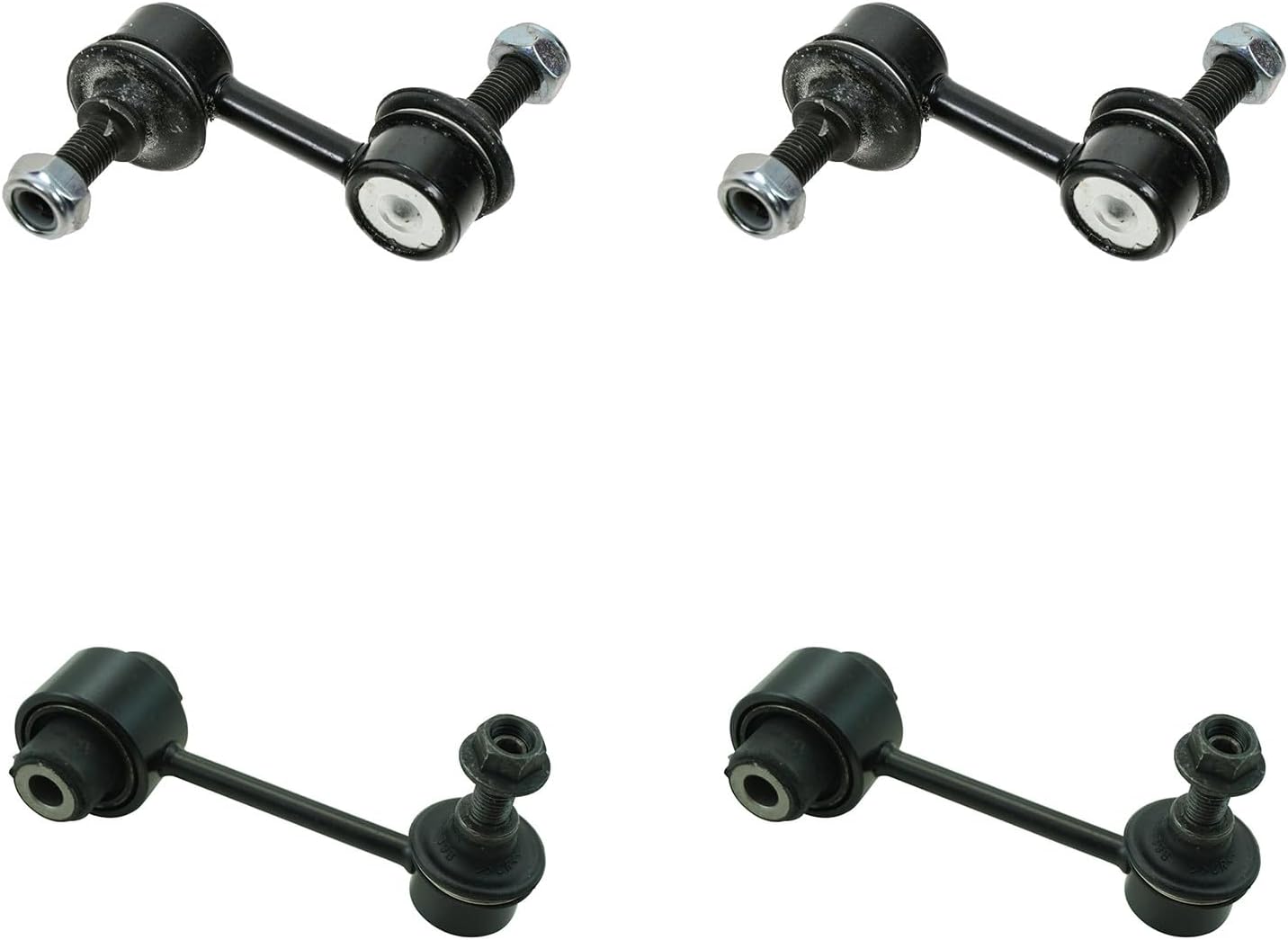
1. TRQ Front & Rear Sway Bar Link Set for 2009–2013 Subaru Forester
| Included Components | 2 Front Sway Bar Links, 2 Rear Sway Bar Links |
|---|---|
| Model Number | PSA65451 |
| Manufacturer | TRQ |
| Automotive Fit Type | Vehicle Specific Fit |
| Manufacturer Warranty Description | 2 years |
This TRQ kit replaces both front and rear sway bar links on 2009–2013 Subaru Forester models, delivering a ready-to-install, vehicle-specific replacement set. The package includes two front and two rear links finished with machined surfaces and pre-assembled components intended to match factory fit and mounting points. Typical use is a suspension refresh when worn links cause clunking, body roll, or degraded steering response. Notable features include vehicle-specific fitment, included installation videos, and TRQ reference numbers that align with common Subaru part numbers. In real-world driving the kit should restore tighter handling and reduce noise from the anti-roll bar, while simplifying DIY installation thanks to pre-assembly. Limitations: the set targets Foresters from the listed years only and does not include bushings or sway bars themselves, so any additional worn suspension parts will still need separate replacement. Buyers who want upgraded performance bushings or heavy-duty aftermarket links should consider specialized alternatives.
Best for: Buyers who want a straightforward, factory-style replacement to restore steering response and eliminate suspension noise on a 2009–2013 Subaru Forester without modifying other suspension components.
Less Ideal for: Drivers seeking heavy-duty, performance-oriented sway bar links, or those who need a universal or multi-vehicle solution should look elsewhere.
- Includes both front and rear links in one kit for complete sway bar link replacement
- Vehicle-specific direct-fit design to match factory mounting locations
- Pre-assembled components reduce installation time for DIY mechanics
- Machined exterior finish and manufacturer reference numbers for easy cross-checking
- Only fits the specified 2009–2013 Forester fitment and is not a universal or performance upgrade option
Verdict: If you want a complete, vehicle-matched replacement to restore handling and stop sway bar noise on a 2009–2013 Subaru Forester, this TRQ front and rear link kit is an easy, DIY-friendly choice.
2. MOOG K750049 Sway Bar Link Kit

| Fit Type | Vehicle Specific Fit |
|---|---|
| Auto Part Position | Upper |
| Material Type | Rubber |
| Included Components | Sway Bar Link Kit |
The MOOG K750049 sway bar link kit replaces the upper front stabilizer link to restore steering precision and reduce body roll on affected Subaru Forester and related models. It installs using the built-in wrench flats and is designed for straightforward do-it-yourself replacement or use by a mechanic. Notable features include a greaseable socket that allows fresh lubricant to flush out debris, a sealed boot to keep dirt and water away from internal components, and a thick connecting rod with metal bearings and rubber preload for strength and reduced NVH. MOOG emphasizes durability through premium materials and testing, so you can expect a longer service life than many cheap aftermarket links. The part is vehicle-specific, so fitment checks are required before purchase, and it replaces the upper position only, so additional suspension components may still be needed if other wear is present. This is a practical, performance-minded replacement that prioritizes durability and reliable handling restoration over low-cost, generic alternatives.
Best for: Buyers who want a durable, performance-oriented replacement to restore steering feel and reduce body roll on a 2009–2013 Subaru Forester and similar compatible Subaru models.
Less Ideal for: If you prefer a universal, lower-cost replacement or need a complete suspension overhaul, this vehicle-specific upper link alone is not the best choice.
- Vehicle-specific design for correct fit on listed Subaru applications
- Greaseable socket for easier maintenance and longer joint life
- Sealed boot protects internals from dirt and water
- Robust connecting rod and metal bearings for improved durability
- Only replaces the upper sway bar link position so other worn suspension parts may still need attention
Verdict: Choose the MOOG K750049 if you want a durable, serviceable upper sway bar link that restores steering precision and long-term stability on the specified Subaru Forester models.
3. DYZJKWJW Zinc-Nickel Front Sway Bar Link Kit (DW-SL015)

| Manufacturer Part Number | DW-SL015 |
|---|---|
| OEM Part Number | K750049 |
| Position | Front |
| Material | Zinc-nickel alloy |
This front sway bar link kit replaces the factory front links on compatible Subaru models to restore steering responsiveness and reduce body roll. Each order includes two front link kits made from a zinc-nickel alloy with a triple-layer anti-corrosion coating and salt spray testing, so the parts resist rust and high temperatures common in road and winter use. Installation is intended to be a direct swap with factory mounting points, making it suitable for routine DIY replacement or a quick shop job. In use the links firm up cornering and help eliminate steering vibration tied to worn hardware, which can also reduce uneven tire wear. Limitations are that fitment is specific to certain model years and sedan/body configurations, so buyers must confirm part numbers and vehicle fit before ordering, and the kit covers front links only so additional suspension components may still be needed for a full handling refresh.
Best for: A practical buyer who wants a cost-effective, durable factory-style front sway bar link replacement to restore handling and reduce steering vibration without extra modification.
Less Ideal for: Not a good choice for someone seeking a full suspension overhaul, adjustable performance links, or parts for vehicles outside the specified Subaru model years and body types.
- Zinc-nickel alloy construction for improved heat and wear resistance
- Triple-layer anti-corrosion coating with salt spray validation for longer service life in wet or salty conditions
- Sold as two front link kits for a complete front-side replacement
- Designed for direct fit to factory mounting points to simplify DIY installation
- Fitment limited to specific Subaru model years and body styles so verification is required
Verdict: Choose this kit if you need a durable, corrosion-resistant direct-replacement front sway bar link set to quickly restore steering stability on the covered Subaru models.
4. ALADICHE Front Sway Bar Link Kit (SBL015) for Subaru Forester and Select Subaru Models

| Replacement number | K750049, 20420AG00A, 20470FE000, 20470SA000 |
|---|---|
| Compatible years/models | 2003-2013 Forester; select Impreza/Legacy/Outback models as listed |
| Exterior | Machined |
| Material finish | Zinc-Nickel with anti-corrosion coating |
This ALADICHE sway bar link kit replaces the front stabilizer links on 2003–2013 Subaru Forester and other covered Subaru models to stop clunks and restore proper antiroll function. Installed as a direct replacement, the kit uses zinc-nickel hardware with an anti-corrosion coating intended to resist road salt and extend part life. Buyers will notice reduced knocking and rattling over bumps and turns once the worn links are removed, which improves ride comfort and handling feedback. The machined exterior and factory-style fit make installation straightforward for a DIYer with basic suspension tools, and the part numbers provided match common Subaru replacement references. Limitations include a single-kit configuration rather than a multi-piece refresh and no included installation instructions or hardware beyond the link itself, so plan extra time if you need fasteners or torque specs. For budget-focused repairs this kit restores function affordably, but professional installers may prefer OEM-branded parts for warranty alignment.
Best for: Buyers who need an affordable, direct-replacement front sway bar link to stop suspension noise and restore handling on covered Subaru Forester models and prioritize value over premium-brand parts.
Less Ideal for: People seeking a full multi-component suspension refresh or those who require a manufacturer-backed warranty and dealership parts documentation should consider other options.
- Direct-fit replacement for specified Subaru Forester and compatible Subaru models
- Zinc-nickel material and anti-corrosion coating for improved durability in road conditions
- Machined exterior for a precise fit that simplifies DIY installation
- Designed to eliminate knocking and rattling from worn sway bar links
- Kit appears to include only the link(s) with no detailed installation instructions or additional fasteners
Verdict: A cost-conscious, corrosion-resistant direct-replacement front sway bar link that quickly fixes clunks and restores handling on eligible Subaru Forester models.
5. PaiXingAuto Front Sway Bar End Link Set for Subaru (2‑Piece)
| Auto Part Position | Front |
|---|---|
| Included Components | 2pcs Front Stabilizer Sway Bar End Link |
| OEM Equivalent Part Number | K750049.20420AG00A |
| Material Type | Metal |
These front sway bar end links are a direct replacement set intended to restore the connection between the stabilizer bar and suspension on compatible Subaru models. They come as a two-piece front kit made from metal with a machined finish and an anti-corrosion treatment to improve longevity. In everyday use the links replace worn or noisy originals to eliminate clunks and reduce vibration when cornering or driving over bumps, improving steering feel and chassis stability. Installation is straightforward for anyone comfortable with basic suspension work and uses factory-style fitment for a bolt-on swap. The parts are described as high-strength and wear-resistant, which should extend service life compared with low-quality options, but buyers should confirm the OEM reference numbers and fitment chart before ordering. This set targets riders who want a durable, quiet replacement rather than a performance upgrade.
Best for: Drivers who prioritize a reliable, long-lasting repair to stop suspension noise and restore steering stability on older Subaru vehicles and who prefer a straightforward factory-style replacement.
Less Ideal for: Enthusiasts seeking performance-oriented adjustable links or users who need universal or multi-vehicle hardware rather than vehicle-specific replacements.
- Vehicle-specific fit for multiple Subaru models simplifies installation
- Metal construction with anti-corrosion treatment for improved durability
- Designed to reduce knocking and road vibration for a quieter ride
- Sold as a two-piece front set so both sides can be replaced at once
- Compatibility requires checking OEM numbers and fitment chart before purchase
Verdict: Choose this front sway bar end link set if you want a durable, vehicle-specific replacement that stops suspension knock and restores stable, quiet handling on compatible Subaru models.
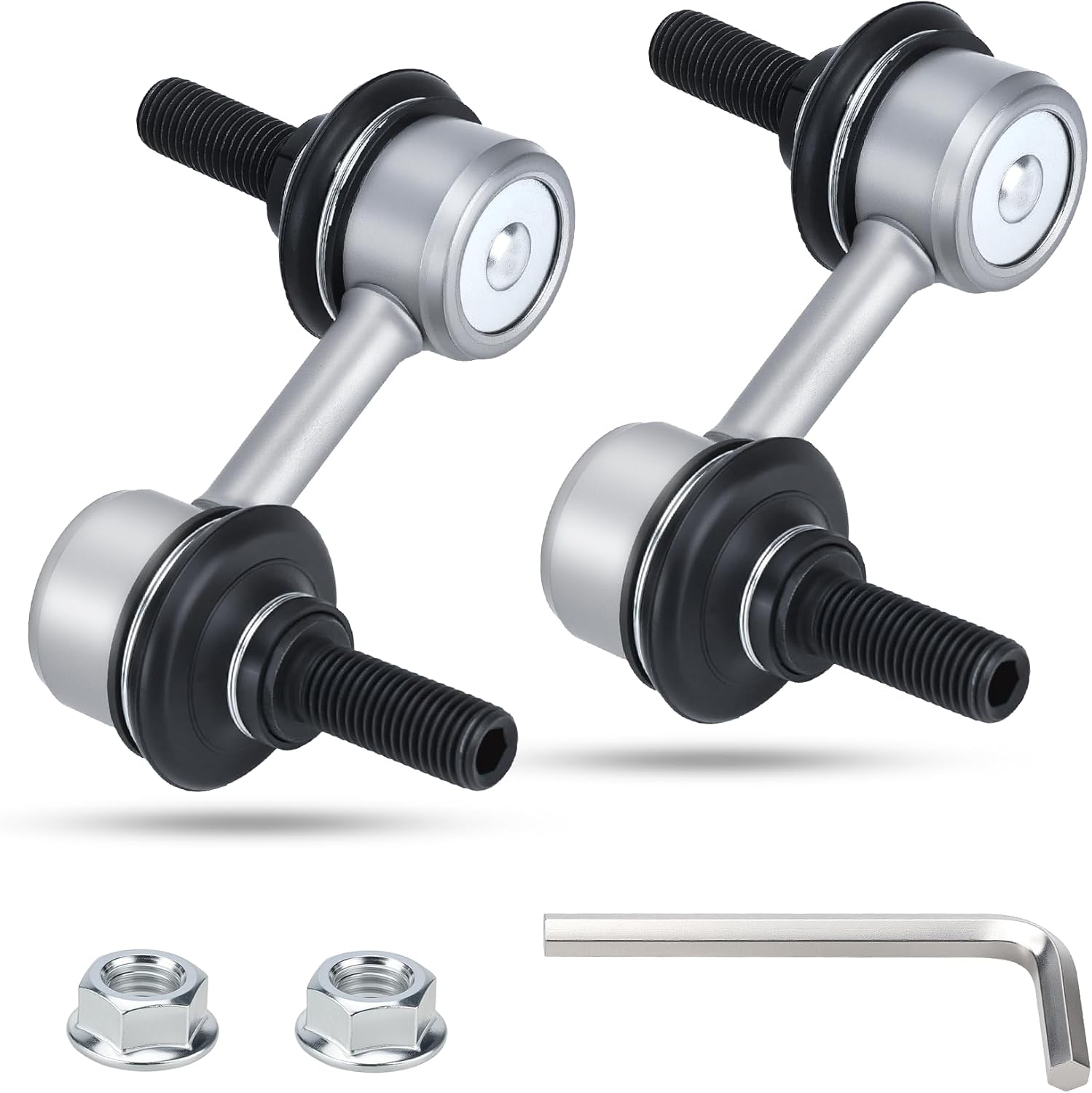
6. X4XZ Zinc-Nickel Sway Bar Link Kit (set of 2) for Subaru K750049
| Manufacturer | X4XZ |
|---|---|
| Manufacturer Part Number | K750049 |
| Compatible Models | 2003-2015 Subaru Forester/Impreza/Legacy/Outback per listing |
| Corrosion Resistance | Zn-Ni coating, salt spray >1000 hours |
These sway bar links replace the factory front links and are intended to restore crisp handling and eliminate clunking from worn linkage on compatible Subaru models. They are used as a direct-fit replacement; installation requires holding the ball stud with an Allen wrench while tightening the nut to the wrench flats. Notable features include a zinc-nickel alloy coating with reported salt-spray resistance over 1000 hours and neoprene bushings for improved abrasion and oxidation resistance. The ball studs receive heat treatment and cold forging to improve fatigue strength, which should make them durable for regular road use and winter salt exposure. Practical benefits are quieter suspension operation after installation and renewed steering feel without needing expensive OEM parts. Limitations are that fitment must be verified against the exact OEM part numbers listed and the kit covers specific model years and configurations only, so it is not a universal replacement; professional installation is recommended if you are not comfortable with suspension work.
Best for: Buyers who prioritize a durable, factory-style replacement to stop suspension noise and restore handling on the listed Subaru Forester years and prefer a corrosion-resistant part for year-round driving.
Less Ideal for: If you want a performance-tuned or adjustable sway bar link for track use or altered suspension geometry, this standard replacement kit is not the right choice.
- Zinc-nickel coating with high salt-spray corrosion resistance for long life in winter conditions
- Neoprene bushings resist oxidation and abrasion compared with generic rubber
- Ball studs heat treated and cold forged for improved fatigue strength
- Direct-fit kit that replaces specified OEM part numbers for straightforward swap
- Fitment limited to listed Subaru models and years so confirmation against part numbers is required
Verdict: A corrosion-resistant, factory-style replacement sway bar link set that reliably restores steering feel and stops suspension clunking on the listed Subaru Forester models.
Choosing the Right 2009-2013 Subaru Forester Sway Bar Link: Key Factors to Consider
Fitment And Mounting Type
Correct fitment to the Forester s factory mounting points is essential. Even small differences in stud length, thread pitch, or mounting bracket orientation can make a link difficult or impossible to install without modifications. When a replacement matches OEM pivot locations and uses the correct hardware, installation is faster and the link transfers loads as intended by the suspension geometry.
Mounting type also affects compatibility. Some links use threaded rod ends and nuts while others use pressed-in ball joints. Threaded designs offer adjustability for ride height changes, but require the correct thread size and length. Press-fit ends may mimic the original design more closely but can be harder to replace if seized. Prioritizing correct fitment reduces the risk of binding, premature wear, or interference with control arms and sway bar bends.
Joint Design And Noise Control
The joint type—sealed ball joint, rubber bushing, or articulated rod end—has a direct impact on noise and feel. Sealed ball joints and quality rubber bushings damp small movements and usually reduce clunks and squeaks that develop as components age. Greaseable joints allow periodic maintenance, which can extend service life and keep noise down.
If your Forester already shows sway bar end link symptoms such as knocking over bumps, choose a link with a robust joint and minimal free play. Keep in mind that very stiff rod-end designs can transmit more harshness into the cabin, while softer bushings reduce noise but may allow slight slop under heavy cornering. Selecting the right joint balances NVH and handling for your driving priorities.
Materials And Corrosion Protection
Road salt and moisture accelerate corrosion on suspension links. Links made from stainless steel, plated alloy, or with protective coatings resist rust better than plain steel. Corrosion can seize threads and joints, complicating future service and leading to premature failure.
Additionally, look for durable hardware such as zinc-plated or stainless fasteners, and boots or seals that keep contaminants away from the joint. For Foresters used in snowy regions, enhanced corrosion protection is especially important to maintain long-term reliability and to avoid rusted mounting hardware that increases labor during replacement.
Durability And Serviceability
Sway bar links are a wear item, so long-term durability should factor into selection. Consider whether the joint is greaseable and whether replacement components are available. Grease fittings let you refresh lubrication at service intervals to extend life, while sealed joints eliminate maintenance but can fail without warning.
Also review the expected lifespan for typical driving conditions. Poorly protected or thin-walled links can bend or fatigue under repeated load. For owners who do moderate off-road or rough-road driving with their Forester, choose a heavier-duty construction that resists bending and keeps alignment between the sway bar and control arms over time.
Installation Complexity And Required Tools
Installation difficulty ranges from simple hand tools to needing a press or ball joint separators. A bolt-on threaded link that uses common wrenches is quicker for DIY replacement and reduces labor costs at a shop. If a design requires pressing in ends or special extraction tools, plan for additional time or professional help.
Consider whether the replacement includes new nuts, washers, and bushings. Kits that include hardware reduce parts hunting and ensure proper torque. Also check whether the design requires loosening nearby suspension components for access. For many Forester owners, a straightforward install that uses standard sockets and torque specs is the most practical choice.
Handling Impact And Ride Tradeoffs
Different link designs change how forces transmit between the sway bar and the suspension. Stiffer, low-compliance links reduce body roll more effectively and sharpen turn-in response, which benefits spirited driving. However, they can also transmit more impact and road harshness into the cabin.
Softer or compliance-minded links improve comfort and reduce transmitted noise but may allow slight body roll under aggressive cornering. Think about how you use your Forester: daily commuting and mild off-road use favor noise-free, compliant links, while enthusiastic driving favors firmer designs. Choosing a link that matches your driving style helps preserve the Forester s intended balance between comfort and control.
Identifying Worn Sway Bar Link Symptoms
Worn sway bar links typically produce audible and handling cues before a complete failure. Common symptoms include a distinct clunk or knocking from the front or rear when driving over bumps or during quick direction changes. The noise often appears localized to one corner but can come from both sides if wear is advanced.
Handling signs include increased body roll, vague steering response, or a loose feeling during cornering. You may notice that the vehicle leans more than usual or requires more steering input to maintain the same line. These symptoms are often more noticeable at low speeds or when weight shifts suddenly, such as lane changes or sharp turns.
- Clunking over bumps or during throttle and braking transitions
- Increased body roll during cornering
- Intermittent steering vagueness or looseness
- Visible play or deterioration in the link joint or boot
Front Versus Rear Link Differences On The Forester
Front and rear sway bar links on the Forester differ in length, attachment style, and the loads they carry. The front links are typically subject to higher dynamic loads during steering inputs and cornering, which can make front link wear more noticeable in handling.
Rear links often experience lighter loads but are still important for balanced roll control and preventing oversteer tendencies. When replacing links, ensure correct identification of front versus rear parts to maintain intended roll distribution and suspension geometry.
- Front links influence steering feel and roll control during cornering
- Rear links help stabilize rear-end behavior and reduce body sway
- Installing the wrong length or orientation can alter handling balance
DIY Replacement Tips For Forester Owners
Many Forester owners can replace sway bar links with common hand tools. Park the vehicle on level ground, use jack stands for safety, and consult the factory repair manual for the correct procedure. Typical steps include removing the wheel, unbolting the lower fastener, and separating the link from the sway bar and control arm.
If the link uses press-fit ends or rusted hardware, penetrating oil and a ball joint separator can help. Keep new hardware and torque specs on hand and torque mounting nuts to the manufacturer s recommended values after the vehicle is on the ground. For those comfortable with basic suspension work, a DIY replacement saves time; otherwise, a technician can complete the job quickly.
- Always support the vehicle securely with jack stands before working
- Apply penetrating oil to seized nuts and let it soak before attempting removal
- Re-torque fasteners to spec after lowering the vehicle to ensure correct preload
When To Replace Links Versus Inspecting Other Components
A noisy or loose link does not always mean only the link needs attention. Inspect adjacent suspension bushings, control arm ball joints, and sway bar mounts for play or damage. Sometimes noise originates from worn bushings or a loose sway bar bracket rather than the link itself.
If you find play in the link joint or torn boots, replacement is usually the correct course. However, if surrounding components show wear, address those at the same time to avoid recurring noise and to restore proper suspension geometry.
- Check sway bar mounting brackets for cracked or loose bushings
- Inspect control arm bushings and ball joints if handling remains vague after link replacement
- Replace any corroded or damaged hardware to ensure a secure installation
Maintenance And Longevity Strategies
Regular visual inspections can catch early stabilizer link wear before failure. Look for torn boots, visible joint play, or rusted threads. Cleaning and applying light lubrication to greaseable fittings during routine service extends life and reduces noise.
For Foresters driven in winter climates, rinsing undercarriage salt after heavy salt exposure and choosing corrosion-resistant replacement links prolongs service intervals. Keep a note of replacement dates and mileage so you can anticipate future maintenance and spot patterns of premature wear.
- Inspect links every oil change or at least twice yearly
- Flush underside salt and road grime in winter climates
- Prefer greaseable joints if you plan to maintain links periodically
Still looking for the perfect fit?
Select your Subaru Forester configuration to see the most relevant Sway Bar Links recommendations
How We Chose the Best 2009-2013 Subaru Forester Sway Bar Link
We focused on criteria that matter specifically for 2009-2013 Subaru Forester owners and for sway bar links as a wear item. Primary evaluation points included fitment accuracy for the Forester front and rear mounting points, the quality and type of joint (ball joint versus rubber bushing), and the materials and corrosion resistance used in the link body and hardware. We also rated ease of installation by assessing whether the link uses a simple bolt-on design or requires additional presses or specialty tools, and whether replacement hardware or kits included new nuts and washers. Noise and NVH performance was judged by whether the link design minimizes play and uses greaseable or sealed joints to avoid squeaks and clunks. Durability considerations included warranty coverage and measures to protect against salt and road corrosion.We excluded universal or generic-length links that require extensive modification or nonstandard drilling, as well as specialty competition parts intended only for track use that sacrifice NVH for stiffness. The final list emphasizes properly fitting solutions for routine street use and typical Forester loads. Our selection balances longevity, noise control, and install practicality to reflect real-world ownership priorities.
Our full evaluation process is outlined in our review methodology.
FAQ
How long do sway bar links typically last on a Forester?
Lifespan varies with driving conditions and climate, but links often last anywhere from 40,000 to over 100,000 miles. Salt exposure, rough roads, and frequent heavy loading shorten service life, while regular inspections and maintenance can extend it.
Can I drive with a worn sway bar link on my Forester?
You can usually drive short distances with a worn link, but handling will be degraded and the risk of further suspension wear increases. Replace worn links promptly to restore predictable cornering and avoid additional damage to adjacent parts.
Are replacement sway bar links for the Forester difficult to install DIY?
Many replacements are straightforward and can be completed with basic hand tools, jack stands, and common sockets. If hardware is rusted or the design uses pressed-in ends, you may need penetrating oil, separators, or professional assistance.
Do I need an alignment after replacing sway bar links?
Replacing sway bar links typically does not change wheel alignment settings because they do not alter caster, camber, or toe. However, if other suspension components are disturbed during the repair, a check or alignment may be prudent to confirm handling is normal.
What torque specs should I use when installing sway bar links?
Torque specs depend on whether you are installing front or rear links and on the specific hardware design. Refer to the Forester s factory torque values for the exact numbers. Tighten fasteners with the vehicle at ride height when specified to ensure proper preload.
Are greaseable links better than sealed ones for the Forester?
Greaseable links offer the advantage of periodic lubrication, which can prolong service life in harsh conditions. Sealed joints reduce maintenance needs but may fail without warning. Choose greaseable designs if you are willing to perform routine upkeep.
Will upgrading to heavier-duty links change ride comfort?
Heavier-duty or stiffer links can reduce body roll and improve response, but they may also transmit more road harshness into the cabin. Consider your typical driving style when selecting a firmer design versus a more compliant link.
Final Verdict
When choosing sway bar links for a 2009-2013 Subaru Forester, prioritize correct fitment, robust joint design, and corrosion protection. These factors directly affect noise, handling, and long-term reliability. Balance the tradeoff between firmer links for sharper handling and more compliant options for comfortable, quiet daily driving.For most Forester owners, a properly fitting, well-protected link with serviceable joints offers the best combination of durability and noise control. Pay attention to installation ease and available hardware to minimize labor, and address any adjacent suspension wear at the same time to restore safe, predictable handling.
Explore More:
- Check out all Subaru Forester parts & accessories
- Explore Sway Bar Links Maintenance & Repair Guides
- Explore Suspension & Steering
- Browse all Auto Parts
