

Note: This article contains affiliate links. If you click on these links and make a purchase, I may earn a small commission at no extra cost to you. This helps support my research and content. Read my full affiliate disclosure here.
If your 1998-2002 Subaru Forester feels loose in corners or makes clunks over bumps, worn sway bar links are a common culprit. Replacing the sway bar link can reduce body roll, restore steering confidence, and eliminate suspension noise that builds with time. This guide covers the top sway bar links shortlisted for the Forester along with the practical reasons to replace them and what to expect during installation.We evaluated each option for correct fitment to the 1998-2002 Forester, durability of bushings and joints, and ease of installation. Below you will find our top picks and the decision criteria used so you can choose the right stabilizer link for your Forester and driving needs.
Looking for other parts? See all Subaru Forester parts & accessories.
Top Picks at a Glance
| Best Overall The best all-around choice for most situations | MOOG K80693 Front Sway Bar Link |  |
| Best Quality Built to a higher standard if you want something more solid | Metrix Premium Chassis Parts Rear Stabilizer Sway Bar Link Kit (2-piece) |  |
| Best Value The sweet spot between price and what you get | Torquizo Front Driver and Passenger Sway Bar Stabilizer Link Kit (2pcs) |  |
| Best Budget The cheapest option that still gets the job done reliably | Roneeson Front Left and Right Sway Bar Link Kit (fits select Subaru models) |  |
| Highest Rated A top-rated pick with lots of positive feedback | BOXI Front Sway Bar Stabilizer Link Kit (pair) |  |
| Most Popular A crowd favorite that many people choose with confidence | Detroit Axle Rear Sway Bar End Link Kit (2 pc) for Subaru Forester 1998–2002 |  |
1. MOOG K80693 Front Sway Bar Link

| Auto Part Position | Front |
|---|---|
| Compatible with Vehicle Type | Car, Truck |
| Automotive Fit Type | Vehicle Specific Fit |
| Included Components | SWAY BAR LINK KIT |
| Material Type | Rubber |
The MOOG K80693 front sway bar link is a direct-replacement link kit intended to restore like-new handling for compatible Subaru models. It replaces a failing sway bar end link to reduce clunks, wheel wander, and excessive body roll, and is typically installed where worn links cause steering play or noise. MOOG emphasizes improved design over factory parts, using rubber components and chassis-grade construction aimed at quieter, dependable operation. The kit ships as a single link and is made for vehicle-specific fitment, which helps simplify selection when matching year and trim. In practice this part offers a straightforward swap for DIYers with basic tools or for shops doing a front suspension refresh. Limitations include that it is a single-link kit rather than a pair and the rubber material may wear faster than heavier-duty aftermarket options for harsh off-road use. For balanced buyers wanting a reputable replacement that restores factory steering characteristics, the K80693 is a practical, widely used option.
Best for: Buyers who want a reliable, factory-style replacement to restore steering feel and reduce suspension noise without pursuing heavy-duty or performance upgrades.
Less Ideal for: Drivers who frequently drive off-road, tow heavily, or want racing-grade sway bar links should consider heavy-duty or performance alternatives instead.
- Vehicle-specific fit simplifies parts matching for compatible Subaru models
- Designed to improve on factory geometry for quieter, more dependable operation
- Simple single-piece kit that is straightforward to install with basic hand tools
- Made by a respected chassis specialist with a history of suspension components
- Sold as a single link rather than a pair
- Rubber material may not be as durable as heavy-duty or performance aftermarket links
Verdict: A dependable, vehicle-specific front sway bar link that restores factory steering feel for balanced buyers seeking a straightforward OEM-style replacement.
2. Metrix Premium Chassis Parts Rear Stabilizer Sway Bar Link Kit (2-piece)

| Auto Part Position | Rear |
|---|---|
| Compatible with Vehicle Type | Car |
| Model Number | 98992MT |
| Manufacturer Warranty Description | 3 Year / 36,000 miles warranty |
This Metrix rear stabilizer link kit replaces worn rear sway bar end links to bring back tighter cornering and reduced body roll on 1998–2002 Subaru Forester models. Each kit includes two pre-greased links with machined finishes and a greasable design for straightforward installation and easier periodic maintenance. The links are designed to match factory geometry, so they seat into the control arm and bar without modification and should be a direct swap for common wear-related replacements. Built materials and a corrosion-resistant coating aim to extend service life in wet or salty conditions, and the kit carries a 3 year/36,000 mile warranty for added confidence. Limitations include plastic material noted in the specs for some components, which may not match the long-term durability of heavy-duty metal aftermarket options preferred by aggressive drivers, and they are a rear-specific replacement so no front links are supplied. For a performance-minded Forester owner wanting to restore stock handling feel and smooth out clunks, this kit offers a simple, maintenance-friendly solution; those seeking hardened, race-oriented links should look at dedicated performance designs instead.
Best for: Forester owners focused on restoring or maintaining responsive, confidence-inspiring handling who want a direct-fit, serviceable rear sway bar link that brings back factory steering feel.
Less Ideal for: Drivers building a track-focused or heavily modified suspension who need heavy-duty, performance-only end links or a full upgraded sway bar system.
- Pre-greased links for easier installation and reduced break-in noise.
- Greasable design allows periodic lubrication to extend service life.
- Machined finish and corrosion-resistant coating improve longevity in wet climates.
- Designed to match factory fitment for direct replacement without modification.
- Some components listed as plastic which may wear faster than all-metal performance links.
- Kit only covers rear links so front links must be purchased separately if needed.
Verdict: A straightforward, greasable rear sway bar link kit that restores factory handling on 1998–2002 Forester models while offering easy maintenance and corrosion resistance.
3. Torquizo Front Driver and Passenger Sway Bar Stabilizer Link Kit (2pcs)

| Manufacturer | Torquizo |
|---|---|
| Model | Front Driver and Passenger Side Sway Bar Stabilizer Link Kit |
| Manufacturer Part Number | WB-FSBL101 |
| OEM Part Number | 101-4457, 20420AA004, K80693 |
This Torquizo front sway bar stabilizer link kit replaces both driver and passenger side links and is intended as a direct-fit replacement for the listed Subaru and Saab applications. Install is straightforward since the links are built to match factory mounting points, so typical use is a one-vehicle repair to restore steering stability and reduce body roll. The kit uses stamped metal ends and reinforced link hardware to deliver a firmer connection between the sway bar and control arm, which improves cornering feel compared with worn, loose links. Because it ships as two complete links, you can refresh both sides at once for balanced handling. The construction aims to meet OEM-style specifications, so you should get predictable fitment and service life under normal driving. Limitations include the fact that this is a direct replacement part rather than an upgraded performance link, so drivers seeking heavier-duty or adjustable aftermarket sway solutions will want to look elsewhere.
Best for: Buyers who want a practical, factory-style replacement to restore steering stability and reduce body roll on an older Subaru without fuss or extra modification.
Less Ideal for: Drivers seeking adjustable links, upgraded bushing materials, or purpose-built components for racing or heavily modified suspensions should consider performance-focused alternatives.
- Direct-fit design matches factory mounting points for straightforward installation
- Includes both driver and passenger front links so both sides can be replaced at once
- Built to meet or exceed factory specifications for predictable ride and handling restoration
- Reinforced hardware and stamped metal ends improve connection stiffness over worn links
- Not an adjustable or heavy-duty performance link for track or heavily modified vehicles
Verdict: A straightforward, factory-style two-piece front sway bar link kit for restoring stable cornering and handling on compatible Forester models.
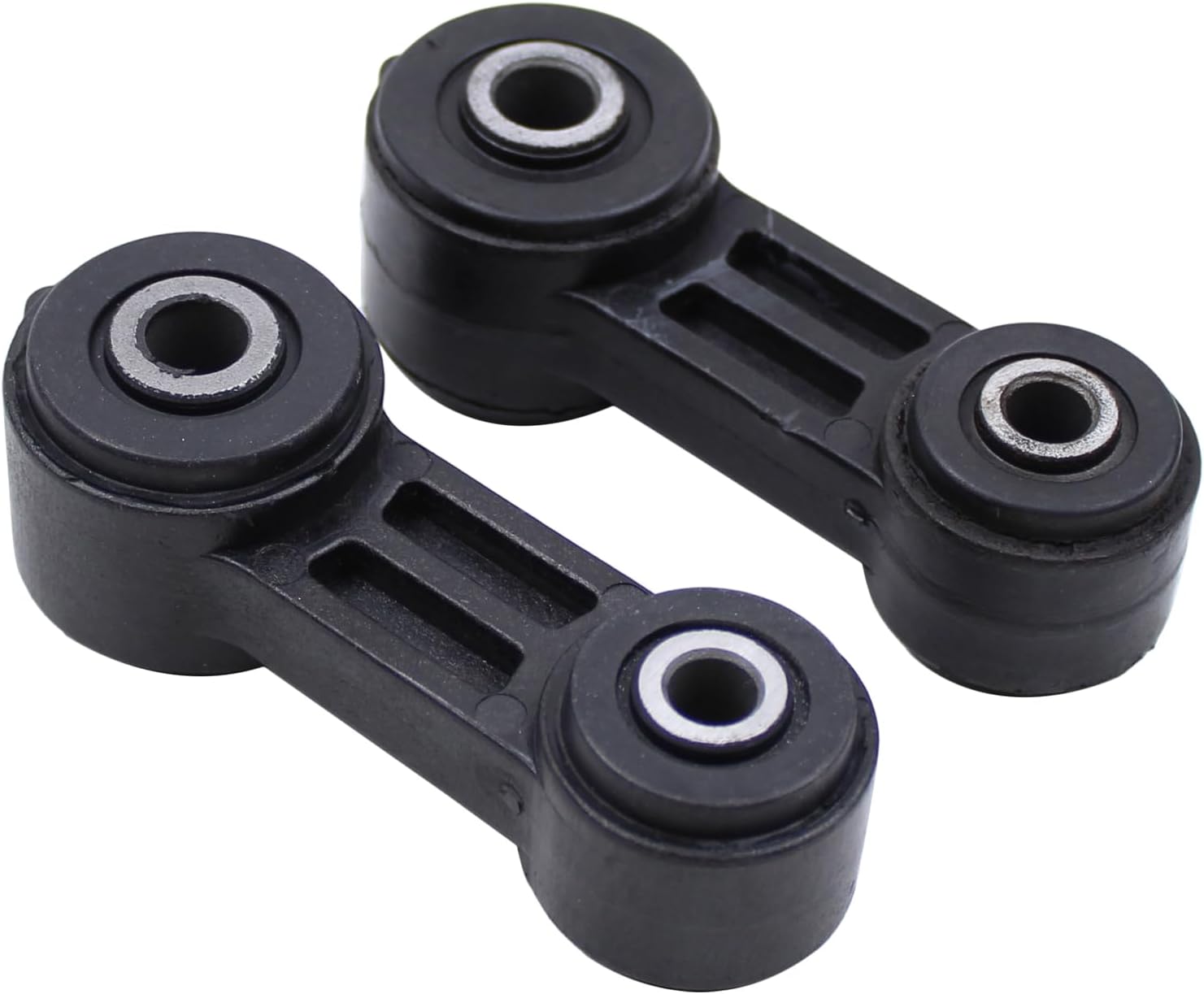
4. Roneeson Front Left and Right Sway Bar Link Kit (fits select Subaru models)
| Manufacturer | Roneeson |
|---|---|
| Model | 20420-AA004 |
| Package contents | Front left and front right sway bar links |
| Fitment | Select Subaru 1998-2007 and Saab 9-2X 2005-2006 |
This Roneeson kit supplies both left and right front sway bar links to restore steering feel and reduce body roll on older Subaru platforms. It replaces several factory part numbers and is sold as a matched pair, so installation replaces both sides at once to keep the front antiroll bar tracking evenly. Typical use is direct replacement during routine suspension work or when worn links cause clunking and sloppy cornering; the parts appear to use metal link ends and ball-joint style connections for a factory-like fit. The practical benefits are straightforward: refreshed handling, reduced noise from worn joints, and an easy bolt-on swap for the listed Forester, Impreza, Legacy, Outback, WRX, and Saab 9-2X years. Limitations are that this is a direct replacement part with no performance upgrade over factory links and fitment is limited to the specified model years, so confirm vehicle year and steering/suspension configuration before purchasing.
Best for: Drivers looking to repair worn front suspension on an older Subaru and prioritize an affordable, straightforward factory-replacement repair.
Less Ideal for: Drivers seeking stiffer aftermarket links for aggressive driving, track use, or substantially modified suspension setups should consider performance options instead.
- Sold as a matched left and right pair for even front-end replacement
- Direct fit for the listed Subaru models and Saab 9-2X, matching multiple factory part numbers
- Simple bolt-on replacement that restores handling and reduces clunking noises
- Not a performance or heavy-duty upgrade compared with reinforced aftermarket links
Verdict: A budget-friendly matched pair that restores factory steering feel on the specified older Subaru models.
5. BOXI Front Sway Bar Stabilizer Link Kit (pair)

| Position | Front |
|---|---|
| Manufacturer | ShangHai BOXI Auto Parts Co., Ltd. |
| Brand | BOXI |
| OEM Part Number | K80693 4553923, 455339225,488264, 4882285 |
These BOXI sway bar links replace the front stabilizer end links on compatible Subaru and Saab vehicles. Sold as a pair, they are marketed as direct-fit factory-quality replacements that install where the original links connect the sway bar to the suspension. Typical installation is a straightforward swap using basic hand tools and a jack to support the vehicle; the kit’s claimed premium materials and pre-shipment testing aim to restore tight antiroll performance and reduce clunking or looseness in the front end. The practical benefits are improved steering feel and reduced body roll compared with worn or failing links, and having both sides in one kit simplifies a two-side repair. Limitations are that compatibility is specific to the listed years and models so you must confirm fitment before buying, and the product listing does not include hardware torque specs or detailed installation instructions, which means a repair shop or a repair manual may still be needed for precise installation.
Best for: Buyers who prioritize restoring dependable steering behavior and reducing front-end play on older Forester models and want a tested, direct-replacement kit they can install or hand off to a mechanic.
Less Ideal for: Drivers seeking universal or multi-vehicle parts or those who need full installation guidance included with the kit should look elsewhere.
- Direct-fit pair designed to replace front sway bar end links for listed vehicles
- Sold as a matched left/right set to simplify replacing both sides at once
- Manufacturer states parts are tested and built to meet or exceed factory specifications
- Fitment limited to the specific vehicle list so compatibility must be verified before purchase
Verdict: A tested, direct-fit pair that restores front sway bar control on the specified Forester years for buyers focused on reliable, factory-style replacements.
6. Detroit Axle Rear Sway Bar End Link Kit (2 pc) for Subaru Forester 1998–2002

| Brand | Detroit Axle |
|---|---|
| Manufacturer Part Number | K80875 x2 |
| Fitment | 1998-2002 Subaru Forester |
| Kit contents | 2x Rear Sway Bar End Links |
This Detroit Axle kit supplies two rear sway bar end links intended as direct replacement parts for 1998–2002 Subaru Forester models. The links are designed to restore the connection between the rear stabilizer bar and suspension, which reduces body roll and improves handling compared with worn or broken links. Typical use is a straightforward suspension repair or routine restoring of steering feel after link wear; installation is usually a simple bolt-on job at the rear sway bar and can be done with basic hand tools. Notable features include aftermarket construction tested for impact and fatigue and coverage specifically listing 1998–2002 Forester fitment. Practical benefits are improved cornering stability and the ability to return a tired rear end to a firmer, more predictable response. Limitations to note are that these are replacement aftermarket parts rather than upgraded performance links and the kit description gives limited detail about materials or bushings, so longevity depends on driving conditions and installation quality.
Best for: Buyers who want a reliable, vehicle-specific replacement to restore rear handling on a Forester and who prioritize parts with many positive reviews and testing history.
Less Ideal for: Shoppers seeking heavy-duty or performance-tuned sway bar links for track use should consider upgraded aftermarket options instead.
- Vehicle-specific fit for 1998–2002 Subaru Forester rear sway bar link replacement.
- Includes a complete two-piece kit so both rear links are replaced at once.
- Manufacturer states parts undergo impact and fatigue testing for durability.
- Simple bolt-on installation that can be completed with basic hand tools.
- Product page does not specify exact materials or bushing type, making long-term durability harder to judge.
Verdict: A practical, vehicle-specific two-piece rear end link kit that restores rear handling on 1998–2002 Forester models with proven aftermarket testing and strong user feedback.
Choosing the Right 1998-2002 Subaru Forester Sway Bar Link: Key Factors to Consider
Fitment and Correct End Type
Correct fitment is the first priority for a 1998-2002 Subaru Forester. Sway bar links come with different end styles such as threaded studs with nuts, ball-joint ends, or rubber-bushed eyelets. Using the wrong end style can prevent proper installation or cause premature wear.
Verify that the replacement matches the Forester's mounting points and whether it is intended for front or rear use. Even on the same model, length and end orientation matter for proper sway bar geometry and clearance. A direct-fit link reduces installation time and eliminates guesswork when replacing sway bar link components.
Joint Type and Durability
The joint type affects ride quality and longevity. Ball-joint–style links provide smoother articulation and can reduce binding during suspension travel, while rubber-bushed links offer a quieter ride but may degrade faster in harsh environments.
Consider heavy-duty metal joints or polyurethane bushings if you frequently drive on rough roads or in winter conditions. Check for sealed joints or grease fittings if long service life is a priority, because unsealed joints can fail sooner when exposed to water and grit.
Materials and Corrosion Protection
Road salt and moisture lead to corrosion that can seize sway bar link studs and nuts. Links made from treated steel, stainless components, or with quality coatings resist rust and maintain serviceability.
Look for plated threads, zinc or e-coating, and hardware that includes corrosion-resistant nuts and washers. Corrosion protection extends usable life and makes future removal easier, especially important on older Foresters that see seasonal roads.
Included Hardware and Completeness
Some sway bar link options come as complete kits including nuts, washers, and replacement bushings, while others are sold as single links only. A complete kit reduces the chance of missing fasteners during installation and ensures mating hardware is in compatible condition.
For a 1998-2002 Forester, choosing a kit that includes new mounting hardware and clear instructions simplifies the job and reduces the risk of reusing corroded or stretched fasteners that could lead to failure.
Noise Symptoms and Ride Impact
Noisy clunks, rattles, or increased body roll are common symptoms of worn sway bar links. How a replacement affects NVH and handling is important for owner satisfaction.
A properly chosen link will eliminate loose movement that causes clunks and restore the connection between the sway bar and control arm or strut. Consider whether you prioritize a quieter ride or firmer handling; that choice influences whether to select rubber-bushed, polyurethane, or ball-joint–style links.
Installation Accessibility and Torque Guidance
Ease of installation matters for owners planning a DIY swap on a Forester. Some links can be replaced with the vehicle on jack stands and basic hand tools, while others require additional steps to relieve sway bar tension.
Availability of clear torque specs and installation notes specific to the 1998-2002 Forester helps ensure correct assembly. Check whether the manufacturer provides recommended torque values and any alignment-related advice to avoid over-tightening bushings or under-torquing studs, which can affect performance and safety.
Common Sway Bar Link Symptoms On A 1998-2002 Forester
Early warning signs of a failing sway bar link include a distinct clunk or metallic knock when driving over bumps, increased body roll during cornering, and a loose or imprecise steering feel. These symptoms are often more noticeable at low speeds or when the vehicle transitions from full compression to rebound.
Visual inspection commonly reveals worn or cracked rubber bushings, loose ball joints, or rusted fasteners. Addressing symptoms promptly not only restores handling but can prevent additional strain on related suspension components such as sway bar bushings and control arm mounts.
- Clunking noise over bumps or on turns
- Excessive body roll during cornering
- Visible play in link ends or torn bushings
- Difficulty maintaining a stable steering feel at low speed
Front Vs Rear Sway Bar Links: What Differs For The Forester
Front and rear sway bar links serve the same basic function, but they differ in length, mounting orientation, and the loads they experience. The front links typically see higher loads during steering and braking, while the rear links often have less articulation but still contribute to overall balance.
When replacing links, be sure to choose parts labeled for the specific axle. Using a rear link on the front or vice versa can alter sway bar geometry and lead to handling inconsistencies or premature wear.
- Front links: higher steering and braking loads
- Rear links: lower articulation but still critical for balance
- Always confirm axle-specific fitment
DIY Replacement Tips For Forester Owners
Many 1998-2002 Forester sway bar link replacements are manageable with basic tools, jack stands, and a breaker bar. Start by lifting the vehicle safely and supporting it with stands, remove the wheel for access, and inspect the link and surrounding hardware before unbolting. Penetrating oil on rusted fasteners helps, and sometimes a short hammer tap will free a stubborn stud.
Follow specified torque specs when installing new hardware to avoid over-tightening that can compress bushings or under-tightening that allows movement. If provided, use the replacement kit hardware rather than reusing old nuts and washers. After installation, test-drive the vehicle gently to confirm the noise is resolved and handling feels normal.
- Use penetrating oil on corroded fasteners
- Support vehicle securely on jack stands
- Replace hardware when included in the kit
- Torque fasteners to manufacturer guidance
When To Upgrade To Heavy-Duty Or Polyurethane Links
If you frequently encounter rough roads, carry heavy loads, or plan light off-road use, upgrading to heavy-duty or polyurethane-mounted links can provide longer life and firmer handling. These options resist deformation and wear better than softer rubber bushings under repeated stress.
Keep in mind that stiffer bushings often transmit more road noise and vibration into the cabin. For drivers who prioritize a quiet, comfortable ride, softer rubber-mounted links remain an appropriate choice for routine daily driving in a Forester.
- Heavy-duty links: better longevity on rough roads
- Polyurethane: firmer handling with more noise
- Rubber: quiet and comfortable for daily driving
Maintaining Sway Bar Links On Older Foresters
Regular visual inspections can catch early signs of wear before noisy failure. Look for torn boots, loose joints, and corroded hardware during routine service intervals. Cleaning and applying rust inhibitor to exposed metal parts can delay corrosion-related seizure.
If joints are serviceable with grease fittings, schedule lubrication at regular intervals. Otherwise, plan to replace worn links proactively rather than waiting for complete failure, which can cause secondary wear on the sway bar and mounting points.
- Inspect links every oil change or service interval
- Apply rust inhibitor to exposed metal
- Lubricate serviceable joints per maintenance schedule
- Replace worn links proactively to protect related parts
Still looking for the perfect fit?
Select your Subaru Forester configuration to see the most relevant Sway Bar Links recommendations
How We Chose the Best 1998-2002 Subaru Forester Sway Bar Link
We focused on criteria that matter specifically to 1998-2002 Subaru Forester owners who need reliable sway bar links that restore handling and eliminate suspension noise. Primary evaluation factors included verified vehicle fitment for the 1998-2002 Forester, the construction and materials used in the ball joint or bushing (metal stud vs rubber/urethane), and the quality of corrosion protection for components exposed to road salt and moisture.We also assessed joint design and expected service life under everyday driving loads, plus whether a kit includes necessary mounting hardware to simplify replacement. Ease of installation was considered, including whether the link allows removal without needing to lower the sway bar or disassemble other suspension parts. Finally, we checked torque guidance availability and whether the manufacturer provides clear installation notes relevant to the Forester.Exclusions: we excluded items without clear compatibility for 1998-2002 Forester fitment, parts that require major suspension modification, and components that do not include essential mounting hardware. The result is a shortlist focused on durable, correctly fitting sway bar links that balance longevity and straightforward installation.
Our full evaluation process is outlined in our review methodology.
FAQ
How do I know if a sway bar link is causing the noise on my Forester?
A sway bar link issue typically produces a clunk or metallic knock when going over bumps or during abrupt turns. Inspect the link ends for play or torn bushings and try wiggling the link by hand with the vehicle safely supported to check for looseness.
Can I replace a sway bar link on a 1998-2002 Forester without special tools?
Most replacements require common hand tools, a jack, and jack stands. A breaker bar or impact wrench helps free corroded fasteners. Specialty tools are rarely necessary unless fasteners are seized or the link design requires holding the stud while turning the nut.
Should I replace both sway bar links at the same time?
It often makes sense to replace both links on the same axle if one has failed, because the opposite link may be similarly aged. Replacing only one can leave an imbalance in handling and may mean another job soon after.
Will stiffer sway bar links change ride comfort on my Forester?
Yes. Stiffer links or polyurethane bushings reduce play and improve handling responsiveness but can transmit more road noise and vibration into the cabin. Choose based on whether you prioritize comfort or firmer cornering.
What are common causes of premature stabilizer link wear on these Foresters?
Premature wear is usually caused by exposure to road salt, water intrusion into joints, rough roads that increase articulation, and neglected corroded fasteners. Lack of lubrication on serviceable joints also accelerates wear.
Are there torque specs I should follow when installing new sway bar links?
Yes. Following the correct torque specs ensures bushings are not preloaded or left too loose. Refer to Forester-specific torque guidance when available and follow the replacement part's recommendations to secure studs and nuts properly.
Final Verdict
Prioritize correct fitment and a durable joint design when choosing sway bar links for a 1998-2002 Subaru Forester. Matching the end type and length to the Forester's front or rear mounting points ensures proper sway bar geometry and handling balance. Consider corrosion protection and whether a stiffer bushing suits your driving style when weighing durability against cabin comfort.If you value quiet everyday comfort, choose a rubber-bushed direct-fit link and replace corroded hardware. If you need greater longevity and firmer response for rough roads or heavier use, a heavy-duty or polyurethane-style link is appropriate. Use proper torque values and follow installation guidance to restore handling and eliminate noisy clunks with confidence.
Explore More:
- Check out all Subaru Forester parts & accessories
- Explore Sway Bar Links Maintenance & Repair Guides
- Explore Suspension & Steering
- Browse all Auto Parts
