

Note: This article contains affiliate links. If you click on these links and make a purchase, I may earn a small commission at no extra cost to you. This helps support my research and content. Read my full affiliate disclosure here.
If you drive a Honda Accord, worn or warped front brake rotors directly affect braking feel, stopping distance, and pedal feedback. Choosing the right front brake rotors matters because the wrong rotor material, thickness, or fit can lead to noise, vibration, and premature wear of pads and calipers.This guide shortlists seven top front brake rotor options matched to Accord specifications and common driving needs. We evaluate each choice for fitment accuracy, material and manufacturing quality, heat control, and ease of installation so you can pick the rotor that best restores safe, consistent braking. Read on to find the rotor style and specs that suit your driving habits and maintenance preferences.
Looking for other parts? See all Honda Accord parts & accessories.
Top Picks at a Glance
| Best Overall The best all-around choice for most situations | Detroit Axle Front Brake Kit with Drilled & Slotted Rotors and Ceramic Pads |  |
| Best Quality Built to a higher standard if you want something more solid | PowerStop K8166 Front & Rear Z23 Carbon-Fiber Brake Pads with Drilled & Slotted Rotors Kit |  |
| Best Value The sweet spot between price and what you get | Detroit Axle Front Brake Kit for 2003–2010 Honda Accord (11.10 in Rotors) |  |
| Best Budget The cheapest option that still gets the job done reliably | ACDelco Silver Front Brake Rotor (single) |  |
| Highest Rated A top-rated pick with lots of positive feedback | Bendix Premium Front Brake Rotor (PRT6206) |  |
| Most Popular A crowd favorite that many people choose with confidence | Detroit Axle Front Brake Kit for 1998–2002 Honda Accord (2.3L Sedan, 4‑lug) — Rotors & Ceramic Pads |  |
| Best Seller A high-volume bestseller chosen again and again | PowerStop KOE1043 Front Brake Kit — Z17 Ceramic Pads & OE Replacement Rotors |  |
1. Detroit Axle Front Brake Kit with Drilled & Slotted Rotors and Ceramic Pads
| Rotor diameter | 11.10" (282 mm) |
|---|---|
| Orientation | Front |
| Compatible vehicle type | Car |
| Warranty | 10-Year |
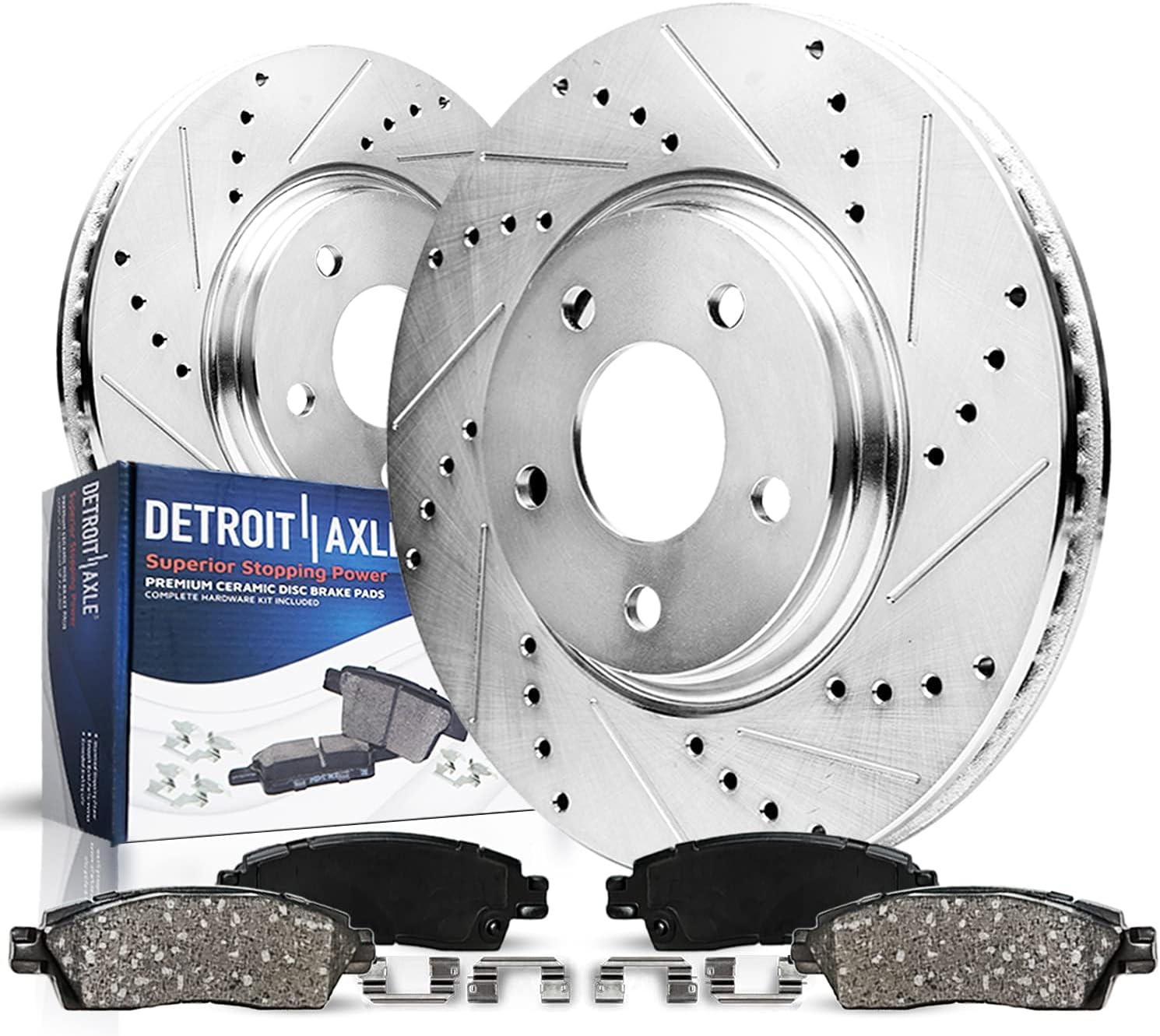
This Detroit Axle front brake kit replaces both rotors and pads for front axle service and is intended as a direct-fit, factory-style replacement for select Honda Accord and Civic model years. The kit pairs 11.10-inch drilled and slotted rotors with ceramic brake pads, which helps with heat dissipation and reduces pad dust compared with basic metallic pads. Installation is typical for a front brake job and the parts are built to meet OEM-style fit and finish and undergo wear and fatigue testing per the brand. Practical benefits include improved rotor cooling under repeated stops, more confident braking feel versus worn rotors, and quieter operation from ceramic pads during daily driving. Trade-offs are that drilled rotors can be noisier under extreme conditions and ceramic pads may take slightly longer to bed in for maximum bite compared with performance-oriented compounds. The kit carries a long 10-year warranty for peace of mind and suits routine replacement or preventative maintenance without major modification.
Best for: Buyers who want a balanced, reliable front brake replacement that improves cooling and reduces dust while remaining a straightforward, factory-style swap during routine maintenance.
Less Ideal for: Enthusiasts who need high-temperature track performance or aggressive race compounds should choose dedicated performance rotors and pads instead.
- Complete front axle kit includes both rotors and ceramic pads for one-stop replacement
- Drilled and slotted rotor design helps dissipate heat and channel debris for more consistent braking under repeated stops
- Designed to match factory fit and finish for direct installation on listed Honda models
- Ceramic pads typically produce less dust and quieter operation during normal driving
- Backed by a long 10-year warranty
- Drilled rotor faces can be more prone to cracking under extreme track or heavy repeated high-heat use
Verdict: A practical, factory-style front brake kit that improves cooling and reduces pad dust, making it a solid choice for balanced everyday brake replacements on compatible Honda models.
2. PowerStop K8166 Front & Rear Z23 Carbon-Fiber Brake Pads with Drilled & Slotted Rotors Kit

| Vehicle fit | Honda Accord 2018-2025 (specific trims listed) |
|---|---|
| Pad type | Z23 carbon-fiber ceramic |
| Rotor type | Drilled & slotted, zinc plated |
| Position | Front and Rear |
This PowerStop kit replaces both front and rear brake pads and rotors for compatible Honda Accord models and is aimed at drivers who want stronger, cleaner, and quieter braking than factory parts. The Z23 carbon-fiber ceramic pads are low-dust and engineered to stay quiet while delivering noticeably firmer pedal feel compared with many stock replacements. The drilled and slotted rotors help dissipate heat and clear gas and debris during demanding stops, which reduces fade on repeated braking and improves consistency. Zinc dichromate plating protects the rotors from rust, and the kit includes stainless hardware and rubberized shims for a straightforward bolt-on installation with no vehicle modifications. In everyday driving the kit provides smooth, confident stops and less wheel cleanup; under heavier use it holds temperature better than plain cast rotors. Some users report occasional noise on very quiet roads or isolated clacking from rears on certain installs, so careful bedding and proper hardware torque are recommended. For a performance-minded daily driver this kit is a practical upgrade that balances drivability, appearance, and thermal control.
Best for: Drivers who want a performance-oriented yet street-friendly brake upgrade that improves pedal feel, heat management, and keeps wheels cleaner without sacrificing daily drivability.
Less Ideal for: People seeking a pure track-only race compound or those wanting the absolute quietest, factory-like rotors and pads available should consider other specialized options.
- Z23 carbon-fiber ceramic pads deliver stronger, quieter stopping with low brake dust
- Drilled and slotted rotors improve cooling and help prevent brake fade under repeated use
- Zinc plating on rotors resists corrosion for longer appearance and service life
- Includes stainless-steel hardware and rubberized shims for an easier bolt-on installation
- Some buyers report occasional noise or clacking from the rear after installation
Verdict: A balanced performance upgrade for Accord owners who want firmer, cooler braking and minimal dust while retaining everyday comfort.
3. Detroit Axle Front Brake Kit for 2003–2010 Honda Accord (11.10 in Rotors)

| Fitment | 2003–2010 Honda Accord (11.10 in front rotor) |
|---|---|
| Kit contents | 2 front rotors, 2 ceramic pads, hardware |
| Rotor feature | Vented with slots |
| Finish | Zinc plated |
| Warranty | 10-Year |
This Detroit Axle front brake kit replaces the front rotors and pads on compatible Honda Accords and is intended as a direct-style factory replacement. The kit ships with two vented 11.10 inch rotors, two ceramic brake pads and the small hardware clips needed for installation. In use the rotors are zinc plated to resist surface corrosion and the ventilation slots help dissipate heat for more consistent stopping during everyday driving. Ceramic pads give a quieter, low-dust operation and reviewers report smooth braking after proper bedding. The locating holes are machined for a straightforward fit and the kit carries a 10-year warranty from the brand. Expect the usual installation steps of cleaning mating surfaces and following a bedding-in procedure; a few users noted clip fitment issues on non-listed vehicles, so check the included hardware before installing. This kit is a value-focused option that leans toward reliable daily driving performance rather than performance or heavy-duty use.
Best for: Buyers who prioritize a cost-effective, factory-style front brake replacement that restores quiet, consistent stopping for everyday driving on a Honda Accord.
Less Ideal for: Drivers who need high-performance braking for track use, heavy towing, or aggressive driving should choose a performance rotor and pad set instead.
- Complete kit with rotors, ceramic pads and installation hardware for a one-stop replacement.
- Vented, slotted rotors and zinc plating improve cooling and reduce visible corrosion.
- Ceramic pads deliver quiet operation and lower brake dust compared with semi-metallic pads.
- Machined locating holes intended to match factory fit for straightforward installation.
- Hardware clips in the box may not always match older or non-standard brackets on some vehicles.
- Designed for everyday driving; not optimized for track or heavy towing applications.
Verdict: A budget-minded, full front brake replacement that restores quiet, factory-style braking for Honda Accord owners focused on reliable everyday performance.
4. ACDelco Silver Front Brake Rotor (single)

| Material Type | Cast Iron |
|---|---|
| Exterior Finish | Cast Iron |
| Automotive Fit Type | Vehicle Specific Fit |
| Compatible with Vehicle Type | Cars, Sedan, Sport-Utility-Vehicles, Vans |
This ACDelco Silver front rotor is a single, vehicle-specific replacement rotor intended to restore smooth, consistent braking for compatible Hondas and similar vehicles. It uses multi-alloy construction and an application-specific vane design to improve heat dissipation and reduce brake fade during repeated stops. The rotor’s non-directional ground finish and mill-balanced construction help reduce noise and vibration and promote even pad wear, which can extend pad life. Built from cast iron with rounded radius edges, it is aimed at daily driving demands and straightforward brake jobs. Because the listing is for one rotor, buyers doing a full axle service will need to order two and confirm fitment by VIN before purchasing. Some users report surface rust can appear if left exposed, so clean and protect as part of installation. Overall it is a practical, factory-quality replacement that balances durability and value for routine maintenance on compatible Hondas.
Best for: Buyers looking for a reliable, budget-friendly factory-quality replacement rotor to restore braking performance on a compatible Honda Accord and similar vehicles who prioritize value over premium upgrades.
Less Ideal for: Drivers seeking high-performance or track-focused rotors with slots or drilled patterns should consider performance-oriented alternatives instead.
- Vehicle-specific fit for many Honda and Acura models simplifies installation
- Multi-alloy, vane design improves heat dissipation to reduce brake fade
- Non-directional ground finish and balance reduce noise, vibration, and uneven pad wear
- Sold as a single rotor rather than a pair, requiring separate purchase for both sides
Verdict: A solid, value-focused front rotor that restores factory-quality braking for Honda Accord owners on a budget.
5. Bendix Premium Front Brake Rotor (PRT6206)
| Material Type | Cast Iron |
|---|---|
| Exterior Finish | Machined |
| Automotive Fit Type | Vehicle Specific Fit |
| Compatible with Vehicle Type | Cars, Sport-Utility-Vehicles, Trucks |
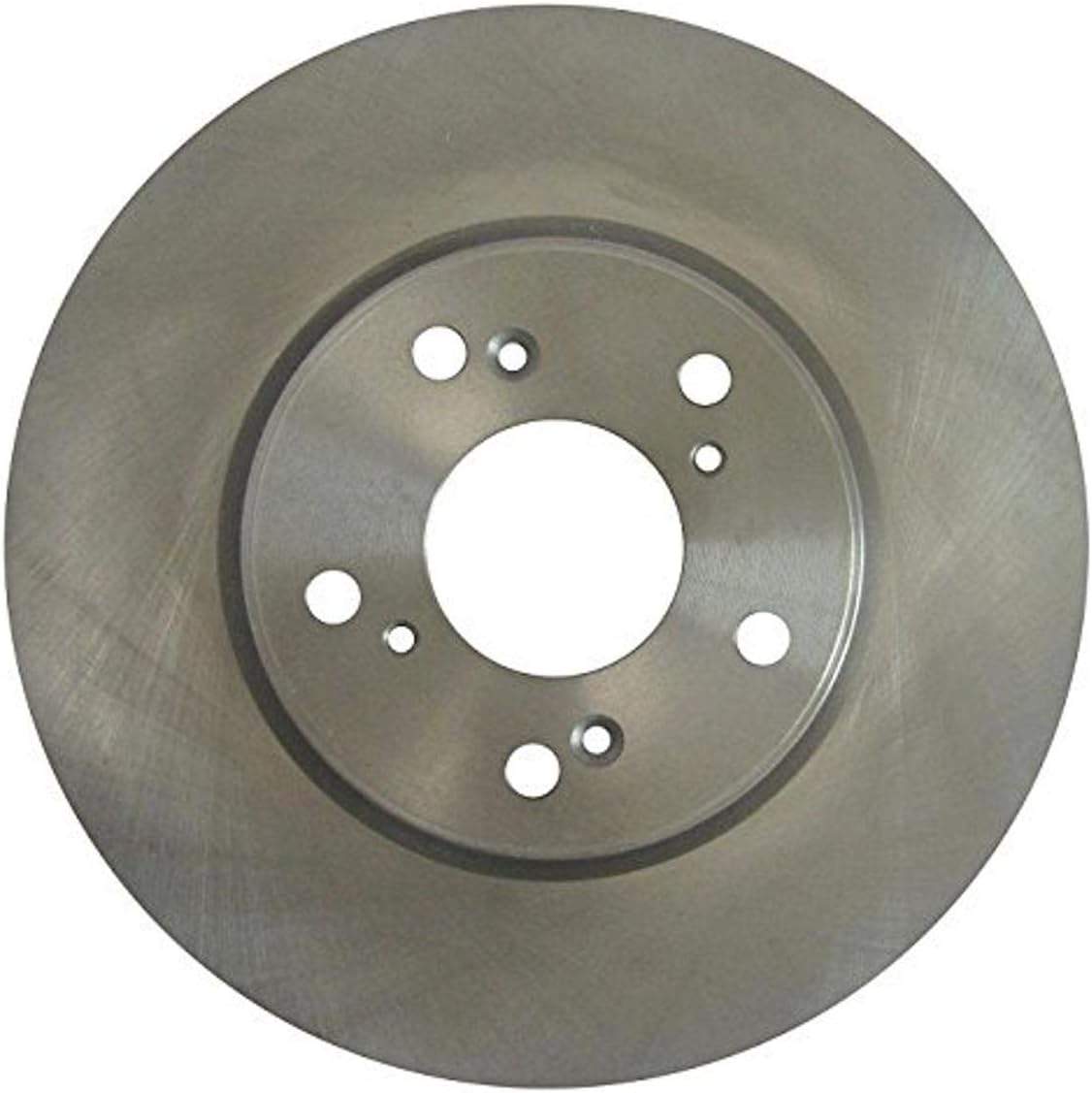
The Bendix Premium PRT6206 is a replacement front brake rotor made from high-grade cast iron and machined to match factory fit. It is used as a direct vehicle-specific swap on applicable Honda Accord years and similar fits, replacing an old or worn rotor. The rotor is dynamically balanced and features machined finish and cooling vane design intended to help dissipate heat and reduce vibration. In real-world use buyers report generally smooth, quiet braking and good fitment out of the box, with the benefit of factory-style performance and durability for everyday driving. Some users note excellent long-term runout stability when properly installed, while a small number of reports cite warping after months of service, which suggests careful bedding, correct torqueing, and inspection after installation are important. The rotor ships singly so plan to order both sides for an axle job. Overall this is a practical choice for drivers who want a factory-quality replacement without performance frills, but take standard installation care to avoid early issues.
Best for: Buyers who prioritize a reliable, factory-quality replacement rotor for routine driving and want a part that fits like the original with attention to quiet operation and heat management.
Less Ideal for: Drivers seeking performance or track-oriented rotors with coatings or specialty materials should consider performance-specific options instead.
- Vehicle-specific fit designed to match factory form and function
- High-grade cast iron construction for durability under daily driving
- Dynamically balanced and machined finish to reduce vibration and noise
- Designed with cooling vanes for improved heat dissipation
- Sold as a single rotor rather than a pair
- Some user reports of premature warping in heavy-use or improper-install situations
Verdict: Choose this Bendix premium rotor when you want a factory-quality, vehicle-specific front rotor built for dependable, quiet everyday braking.
6. Detroit Axle Front Brake Kit for 1998–2002 Honda Accord (2.3L Sedan, 4‑lug) — Rotors & Ceramic Pads

| Fitment | 1998-2002 Honda Accord Sedan 2.3L, 4 lugs |
|---|---|
| Kit contents | 2 front rotors + 2 front ceramic brake pads |
| Rotor type | Vented, zinc plated |
| Orientation | Front |
This Detroit Axle kit supplies both front rotors and ceramic pads for the 1998–2002 Honda Accord 2.3L sedan with 4 lugs, letting you replace the whole front braking set at once. The rotors are vented to help dissipate heat and are zinc plated to reduce surface corrosion, while the ceramic pads are positioned for quieter, smoother stops compared with basic metallic pads. Fitment is machined to factory-style locating holes so installation should be straightforward for a DIYer or an independent shop. Practical benefits include improved stopping feel over worn parts and the convenience of receiving pads plus rotors with the correct mounting hardware. Reported issues in user feedback include occasional surface rust on cast rotors in transit, rare warped rotors out of the box, and variable pad longevity; a caliper-piston compressor tool may be needed for installation. For everyday driving and budget-conscious repairs this kit offers solid value, but inspect rotors on arrival and follow proper bedding and lubrication steps during installation to avoid noise or early wear.
Best for: Buyers who want a budget-friendly, complete front brake replacement with good fit and quiet ceramic pad performance and who prefer decisions influenced by other users' positive experiences.
Less Ideal for: Drivers seeking high-performance or heavily loaded braking solutions or those who need guaranteed longer pad life from premium brands should consider higher-end or coated-rotor options.
- Complete front kit includes both rotors and ceramic pads for one convenient replacement
- Vented rotors aid heat dissipation for consistent braking under normal driving
- Zinc plating helps resist surface corrosion during storage and early service life
- Machined locating holes for factory-style fit reduce the need for modifications
- Occasional reports of warped or rusted rotors on arrival requiring inspection or return
- Pad wear and noise performance vary by vehicle and installation technique
Verdict: A cost-effective, ready-to-install front brake kit that gives Accord owners a factory-style fit and quieter ceramic braking for everyday driving.
7. PowerStop KOE1043 Front Brake Kit — Z17 Ceramic Pads & OE Replacement Rotors

| Kit contents | Front ceramic pads, 2 front rotors, shims, hardware |
|---|---|
| Pad type | Z17 ceramic (chamfered & slotted) |
| Rotor finish | Machined, mill-balanced |
| Fitment | Vehicle specific fit (front) |
This PowerStop front brake kit supplies both front Z17 ceramic pads and two mill-balanced replacement rotors plus stainless-steel hardware and rubberized shims for a full bolt-on service. It is intended as a stock-style replacement for routine daily driving, offering low-dust ceramic pads that are chamfered, slotted, and thermal scorched to reduce noise and speed bedding. The rotors are precision milled for a smooth ride and the included hardware and grease simplify installation for home mechanics or a shop. Practical benefits include quieter braking, cleaner wheels from reduced pad dust, and a single package that replaces pads and rotors at once. Limitations to note are occasional fitment mismatches reported on certain model years and that some hardware pieces may differ from factory originals, which can require swapping in OEM clips during installation. This kit targets owners who want an affordable, quiet, and straightforward front brake refresh rather than a high-performance upgrade.
Best for: Buyers who prioritize a quiet, low-dust, reliable front brake replacement and want a single kit that covers both pads and rotors with easy bolt-on installation.
Less Ideal for: Drivers looking for high-performance or heavy-duty braking upgrades for towing or track use should choose a performance-oriented pad and rotor package instead.
- Complete front kit with pads, two rotors, shims, and stainless-steel installation hardware
- Low-dust Z17 ceramic pads formulated for quiet daily driving
- Mill-balanced, precision-milled rotors aimed at smooth stopping and reduced vibration
- Some buyers report hardware or pad fitment that differs from factory pieces requiring OEM swaps
- One review indicated incorrect rotor bolt pattern for a specific model year, so fitment confirmation is essential
Verdict: A convenient, factory-style front brake replacement kit that delivers quiet, low-dust braking and a smooth ride for everyday Honda and Acura use.
Choosing the Right Honda Accord Front Brake Rotors: Key Factors to Consider
Fitment and Dimensions
Correct fitment is the single most important factor when selecting front brake rotors for a Honda Accord. Rotors must match the factory bolt pattern, center bore, overall diameter, and thickness specifications. Installing a rotor with incorrect dimensions can cause wheel misalignment, uneven pad contact, ABS sensor interference, or difficulty mounting the wheel.
Thickness specifications determine whether a rotor is usable as new or only as a resurfacing candidate. Manufacturers publish minimum thickness limits; installing rotors below these limits compromises heat capacity and structural integrity. When shopping, check the rotor's stated measurements against your Accord's service manual or an OEM specification sheet to avoid installation issues.
Material and Heat Management
Rotor material and its ability to dissipate heat affect braking consistency and resistance to warping. Cast iron is the most common material because it balances cost and thermal mass, but different grades and manufacturing processes produce varying heat handling characteristics. Higher-density castings and precision machining yield better surface contact and slower wear.
Design features such as venting, directional vanes, and surface finish influence how quickly heat leaves the rotor during repeated stops. For drivers who tow, carry heavier loads, or do aggressive driving, prioritize rotors with superior venting or higher-grade material to reduce the chance of thermal fade and distortion.
Surface Design and Performance Tradeoffs
Rotor surface options include smooth, slotted, and drilled finishes, each with performance implications. Smooth rotors provide consistent contact and long pad life and are often the best choice for everyday commuting on an Accord. Slotted rotors help clear gases and debris from the pad surface, improving bite during repeated stops or spirited driving. Drilled rotors can offer quicker gas escape and lighter weight but may be more prone to cracking under extreme thermal stress.
Consider how you drive: regular city and highway use generally favors smooth or lightly slotted rotors for longevity and quiet operation. If you frequently perform spirited driving or need enhanced initial bite, slotted designs may be worth the tradeoff in slightly higher pad wear.
Corrosion Resistance and Coatings
Corrosion protection matters for long-term rotor life and appearance, especially in regions that use road salt or see frequent wet weather. Many rotors include protective coatings on non-friction surfaces to slow corrosion on the hat and hub contact areas. Zinc or ceramic coatings can reduce rust and make future removal easier.
While protective coatings do not affect braking performance directly, they help prevent seized fasteners and uneven rust buildup that can lead to noise and installation problems. Consider a rotor with a reliable coating if you plan to keep your rotors in service for multiple seasons.
Serviceability and Installation
Ease of installation matters for DIY mechanics and shops alike. Rotors that match OEM mounting practices and allow reuse of factory hardware simplify replacement and reduce labor time. Some rotors include features like threaded hat screws or alignment marks that make installation easier.
Also consider whether the rotor can be resurfaced if worn but within thickness limits. Knowing the minimum thickness and whether your local shop can safely resurface the rotor can influence whether you replace or resurface during a brake job. Finally, check for any special instructions such as run-in procedures or recommended pad pairings to ensure reliable performance after installation.
Longevity and Warranty
Rotor longevity depends on material quality, coating, and how the vehicle is driven. Heavier braking habits lead to faster wear and potential warping. Manufacturer warranty terms can indicate confidence in durability, so review warranty coverage for manufacturing defects and premature failure.
A longer warranty does not guarantee better performance but can reduce ownership risk. Also assess expected wear patterns and how easy it is to service or replace components when rotors eventually reach minimum thickness. Choosing a rotor with a reasonable warranty and known durability helps balance upfront effort with long-term maintenance costs.
How Rotor Thickness Affects Safety and When To Measure
Rotor thickness directly affects heat capacity and structural integrity. As the rotor wears thinner from pad contact, its ability to absorb and dissipate heat decreases, which raises the risk of thermal fade and warping during repeated heavy braking.
Measure rotor thickness with a caliper at multiple locations across the braking surface after removing the wheel and brake pads. If the measured thickness is close to or below the vehicle manufacturer minimum, replacement is necessary rather than resurfacing.
Regular checks are especially important after prolonged heavy use or if you notice symptoms like vibration or reduced pedal firmness.
- Measure at least three spots around the rotor to detect uneven wear
- Compare readings to the Accord's published minimum thickness
- Replace rather than resurface if below the minimum or if grooving is severe
Recognizing Brake Rotor Wear Symptoms
Symptoms of rotor wear on a Honda Accord include pulsing or vibration at the brake pedal or steering wheel, squealing or grinding noises, and visible scoring or rust buildup on the rotor face. These indicators often point to uneven surface wear, warping, or pad material transfer.
Some symptoms overlap with worn pads or caliper issues, so inspect the entire brake assembly to isolate the rotor as the root cause. Early detection prevents additional damage to pads, calipers, and wheel bearings.
- Vibration under braking often indicates rotor runout or warp
- Squealing that persists after pad replacement can mean uneven rotor surface
- Deep grooves or heavy rust generally require rotor replacement
Slotted or Drilled Rotors: Pros and Cons for Accord Drivers
Slotted and drilled designs alter pad contact and heat relief characteristics. Slotted rotors help evacuate gases, maintain pad bite during repeated stops, and tend to resist cracking better than drilled designs. Drilled rotors offer quick gas escape and reduced weight but can develop stress cracks under severe thermal cycling.
For typical Accord driving, slotted or smooth rotors are often preferable for their balance of performance and durability. Choose drilled or aggressively drilled patterns only when the driving profile specifically demands quicker heat venting and weight savings.
- Slotted: better at clearing gas and debris, good for spirited driving
- Drilled: lighter and quick gas escape, higher crack risk
- Smooth: quiet, long-lasting for daily commuting
Resurfacing Vs Replacement: When Resurfacing Makes Sense
Resurfacing can restore a rotor's flatness and remove minor grooves if the rotor is above the minimum thickness and free of cracks. It is a cost-effective option when the rotor still has sufficient thickness and the wear is uniform.
Replace rotors when they are below the manufacturer minimum thickness, show heat cracking, or have severe surface damage. Replacement is often the safer long-term choice if the rotor has experienced heavy thermal stress or if repeated resurfacing would bring it close to the minimum thickness.
- Resurface only if thickness exceeds the minimum plus a safe machining allowance
- Do not resurface rotors with heat cracks or severe structural damage
- Replacement avoids future thin-rotor problems and ensures consistent braking
Matching Rotors to Brake Pads and Driving Style
Brake pad compound and rotor surface work together to determine bite, wear rate, and noise. Softer pad compounds may increase rotor wear, while harder compounds can generate more heat. When selecting front rotors, consider the type of pad you will pair with them and whether the rotor surface design complements that pad's characteristics.
For daily commuting with organic or semi-metallic pads, standard smooth or lightly slotted rotors provide quiet operation and even wear. If you intend to use performance-oriented pads, choose rotors with better heat management and surface features designed for aggressive use.
- Match rotor surface finish to pad compound for consistent braking
- Consider pad bedding procedures recommended for paired components
- Account for driving style when prioritizing rotor thermal capacity
Installation Tips and Post-Install Break-In
When installing front rotors on an Accord, clean the hub contact area to ensure proper seating and torque lug nuts to the manufacturer specification. Replace any corroded hardware and apply anti-seize only where recommended to avoid wheel mounting problems.
After installation, perform a controlled break-in or bedding procedure to transfer a uniform pad layer onto the rotor surface. This usually involves a series of moderate stops from low to moderate speeds, avoiding hard stops during the initial miles to stabilize friction characteristics and reduce noise.
- Clean the hub and torque lugs to spec to prevent runout
- Follow a bedding procedure of gradual braking cycles for best performance
- Recheck lug torque and inspect for abnormal noise after the first few hundred miles
Still looking for the perfect fit?
Select your Honda Accord configuration to see the most relevant Brake Rotors recommendations
How We Chose the Best Honda Accord Front Brake Rotors
We focused on criteria that directly affect braking performance, longevity, and fit for the Honda Accord. Fitment and dimensional accuracy were primary filters: rotors had to match factory bore, bolt pattern, and thickness specifications to avoid installation issues or wheel alignment problems. Material and manufacturing quality were evaluated next, including cast iron grade, surface finish, and machining tolerances that influence heat dissipation and lifespan. Heat management and design were critical; we prioritized rotors with features that reduce warping risk during repeated heavy braking. Corrosion protection and coating options were considered because they affect service life in wet or salty climates. Ease of installation and serviceability were also weighed, such as whether the rotor accepts standard mounting hardware and if the design simplifies brake pad replacement.We excluded rotors that required hub modifications or nonstandard hardware, products without clear dimensional specifications, and options with known fitment inconsistency. Our choices reflect a balance of durability, thermal performance, and straightforward installation for Accord owners seeking reliable front brake rotor replacements.
Our full evaluation process is outlined in our review methodology.
FAQ
How often should I inspect front rotors on my Honda Accord?
Inspect rotors at every brake pad change or at least every 12,000 to 15,000 miles. Also check them sooner if you notice vibration, noise, or a change in pedal feel.
Can I resurface my Accord's front rotors instead of replacing them?
You can resurface rotors if they are above the manufacturer's minimum thickness and free of heat cracks. Resurfacing removes minor grooves but is not recommended if it would bring the rotor close to the minimum thickness.
Are slotted or drilled rotors better for daily driving?
For most daily driving on an Accord, smooth or lightly slotted rotors provide a quieter ride and longer pad life. Drilled rotors offer quicker gas escape but may be more prone to cracking under heavy thermal load.
What causes rotor warping and how can I prevent it?
Warping usually results from uneven heating, aggressive driving, or uneven lug torque. Prevent it by using rotors with proper heat management, following correct torque procedures, and allowing cool-down periods after heavy braking.
How do I measure rotor thickness correctly?
Measure rotor thickness with a micrometer or caliper at several points on the braking surface after removing the wheel and pads. Compare the lowest reading to the Accord's published minimum thickness to determine if replacement is required.
Will a coated rotor affect braking performance?
Coatings on non-friction areas protect against corrosion but do not change the friction surface. They help prevent rust and ease future removal without affecting braking when properly applied.
Final Verdict
When replacing front brake rotors on a Honda Accord, prioritize correct fitment, sufficient thickness, and a rotor design that suits your driving style. Balance heat management and surface design against longevity and noise expectations.If you drive conservatively, choose rotors that favor durability and quiet operation; if you routinely do heavier braking, opt for rotors with improved venting or slotted surfaces. Use the factors outlined above to decide whether resurfacing is acceptable or full replacement is the safer long-term choice.
Explore More:
- Check out all Honda Accord parts & accessories
- Explore Brake Rotors Maintenance & Repair Guides
- Explore Brake System
- Browse all Auto Parts
