

Note: This article contains affiliate links. If you click on these links and make a purchase, I may earn a small commission at no extra cost to you. This helps support my research and content. Read my full affiliate disclosure here.
Choosing the right front brake pads for your Honda Accord matters for safety, everyday drivability, and long-term maintenance costs. The front pads handle the majority of braking force on the Accord, so their compound, fitment, and durability directly affect pedal feel, stopping distance, and noise.This guide narrows the field to seven well-suited front brake pad options that balance braking performance, longevity, and comfort for Accord owners. We evaluated candidates based on stopping power, pad life, dust and noise characteristics, and compatibility with common Accord brake systems. Read on for what to consider when replacing your front pads and which attributes match your driving priorities.
Looking for other parts? See all Honda Accord parts & accessories.
Top Picks at a Glance
| Best Overall The best all-around choice for most situations | BOSCH QuietCast Premium Ceramic Front Disc Brake Pad Set (BC1654) |  |
| Best Quality Built to a higher standard if you want something more solid | PowerStop Z23 Evolution Sport Front Carbon-Fiber Ceramic Brake Pads with Hardware |  |
| Best Value The sweet spot between price and what you get | Raybestos Element3 Front Ceramic Brake Pad Set (EHT1654H) |  |
| Best Budget The cheapest option that still gets the job done reliably | PowerStop Z16 Evolution Front Ceramic Brake Pads (16-914) |  |
| Highest Rated A top-rated pick with lots of positive feedback | Bendix Priority1 CFC1654 Ceramic Front Brake Pads | 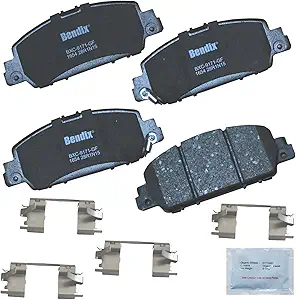 |
| Best Seller A high-volume bestseller chosen again and again | BOSCH QuietCast Premium Ceramic Front Disc Brake Pad Set (BC914) |  |
1. BOSCH QuietCast Premium Ceramic Front Disc Brake Pad Set (BC1654)

| Auto Part Position | Front |
|---|---|
| Material Type | Ceramic |
| Automotive Fit Type | Vehicle Specific Fit |
| Number of Items | 1 |
The Bosch QuietCast BC1654 is a front-axle ceramic brake pad kit engineered as a direct-fit, factory-quality replacement for select Honda Accord and HR-V applications. It pairs a ceramic friction compound with Bosch's OE-style multilayer rubber core shim to reduce noise while keeping dust levels low. Installation is straightforward for a typical brake job because the set includes pads for one axle plus hardware and synthetic lubricant for sliding points where required. In daily driving the pads deliver solid stopping power with a protective transfer layer that helps preserve rotor life and extend pad wear. Powder-coated backing plates resist corrosion and the slots and chamfers help with bedding and consistent contact. Expect quieter operation than basic semi-metallic pads, with modestly better rotor friendliness and less brake dust. These pads are aimed at street use rather than heavy towing or track work, so drivers seeking ultimate high-temperature fade resistance or motorsport performance should look to specialized compounds instead.
Best for: Drivers who want a balanced, low-noise, low-dust factory-quality replacement for everyday street use and longer pad and rotor life on a Honda Accord or similar daily drivers.
Less Ideal for: Drivers who do frequent heavy towing, carry heavy loads, or require track-capable fade resistance should choose a heavy-duty or performance brake pad instead.
- Ceramic friction formula gives quiet stops and low dust compared with many semi-metallic pads
- OE-style multilayer rubber core shim reduces vibration and brake noise
- Includes hardware kit and synthetic lubricant for easier, more complete installations
- Powder-coated backing plates and protective transfer layer help extend pad and rotor life
- Not formulated for severe-duty towing or track/high-temperature applications
Verdict: Choose Bosch QuietCast BC1654 for a quiet, low-dust, factory-quality front pad that balances everyday stopping performance and durability for street-driven Honda Accords.
2. PowerStop Z23 Evolution Sport Front Carbon-Fiber Ceramic Brake Pads with Hardware

| Brand | PowerStop |
|---|---|
| Position | Front |
| Material Type | Ceramic |
| Model Number | Z23-914 |
| Automotive Fit Type | Vehicle Specific Fit |
PowerStop Z23 Evolution Sport front pads are a direct-fit, bolt-on upgrade intended for daily-driven Hondas like the Accord and Civic. They use a carbon-fiber reinforced ceramic compound to improve stopping power over standard factory pads while keeping dust low and noise minimal. The kit includes dual-layer rubberized shims, stainless-steel hardware, pin bushings where applicable, and high-temp lubricant to simplify installation and reduce squeal. In real-world use these pads feel firmer under pedal pressure and resist fade in stop-and-go and commuting conditions, so they are well suited to spirited street driving without sacrificing everyday comfort. Some buyers report occasional fitment issues with the supplied hardware, so check the clips and pins during install and have basic spares on hand. Expect similar or slightly better longevity than factory pads, with noticeably cleaner wheels and quieter operation once bedded in properly.
Best for: Buyers who want a street-performance upgrade that improves braking feel and reduces dust without moving to track-oriented pads; ideal for commuters who occasionally push their Accord on twisty roads.
Less Ideal for: Not the best choice for dedicated track use or heavy towing where semi-metallic or track-focused compounds are preferable.
- Carbon-fiber ceramic compound increases stopping power while remaining quiet
- Low-dust formulation keeps wheels cleaner compared with many aftermarket pads
- Includes rubberized shims and stainless-steel hardware to reduce noise and simplify installation
- Powder-coated backing plates resist rust for longer service life
- Some users received hardware that did not fit correctly and had to replace or modify clips
Verdict: A bolt-on carbon-fiber ceramic upgrade that gives Honda owners stronger, low-dust braking for everyday and spirited street driving.
3. Raybestos Element3 Front Ceramic Brake Pad Set (EHT1654H)

| Auto Part Position | Front |
|---|---|
| Compatible with Vehicle Type | Passenger Car, SUV |
| Model Number | EHT1654H |
| Material Type | Ceramic |
The Raybestos Element3 front brake pad set is designed as a direct-fit replacement for selected 2013–2022 Honda Accord and 2016–2022 HR-V applications, combining ceramic and semi-metallic characteristics via EHT enhanced hybrid technology. Installed like a standard front pad set, these pads are intended for everyday driving and occasional aggressive stops where stronger friction and durability matter. Notable features include multi-layer noise-damping shims for reduced squeal and a formulation that aims to balance quiet operation with improved stopping power and pad life. In practice you can expect quieter braking than many semi-metallic-only pads and predictable pedal feel under normal use; heavier, repeated hard stops may produce more wear than premium heavy-duty compounds. These are a good choice when you want a factory-quality fit, straightforward installation, and a blend of performance and refinement, though drivers seeking the absolute lowest dust, maximum service life under track conditions, or highly performance-oriented friction may prefer a dedicated ceramic or performance compound instead.
Best for: Buyers who want a straightforward, factory-quality front pad replacement that balances quiet daily driving with improved stopping power and reasonable longevity.
Less Ideal for: Drivers who prioritize maximum track performance, the lowest possible dust, or extended heavy-duty service life should consider specialty performance or heavy-duty pads instead.
- Vehicle-specific fit for selected Honda Accord and HR-V front applications for easy installation
- EHT enhanced hybrid formulation balances stopping power and pad durability
- Multi-layer noise-damping shims reduce brake squeal for quieter operation
- Ceramic-based material reduces typical brake noise compared with pure semi-metallic pads
- Not a dedicated high-performance compound so extreme track use may increase wear
Verdict: A practical, factory-fit front pad set that gives Honda Accord drivers a quiet, balanced upgrade in stopping power and durability for everyday use.
4. PowerStop Z16 Evolution Front Ceramic Brake Pads (16-914)
| Auto Part Position | Front |
|---|---|
| Compatible with Vehicle Type | Car |
| Material Type | Ceramic |
| Automotive Fit Type | Vehicle Specific Fit |
| Manufacturer Warranty Description | 91 Day / 3,000 Mile Warranty |
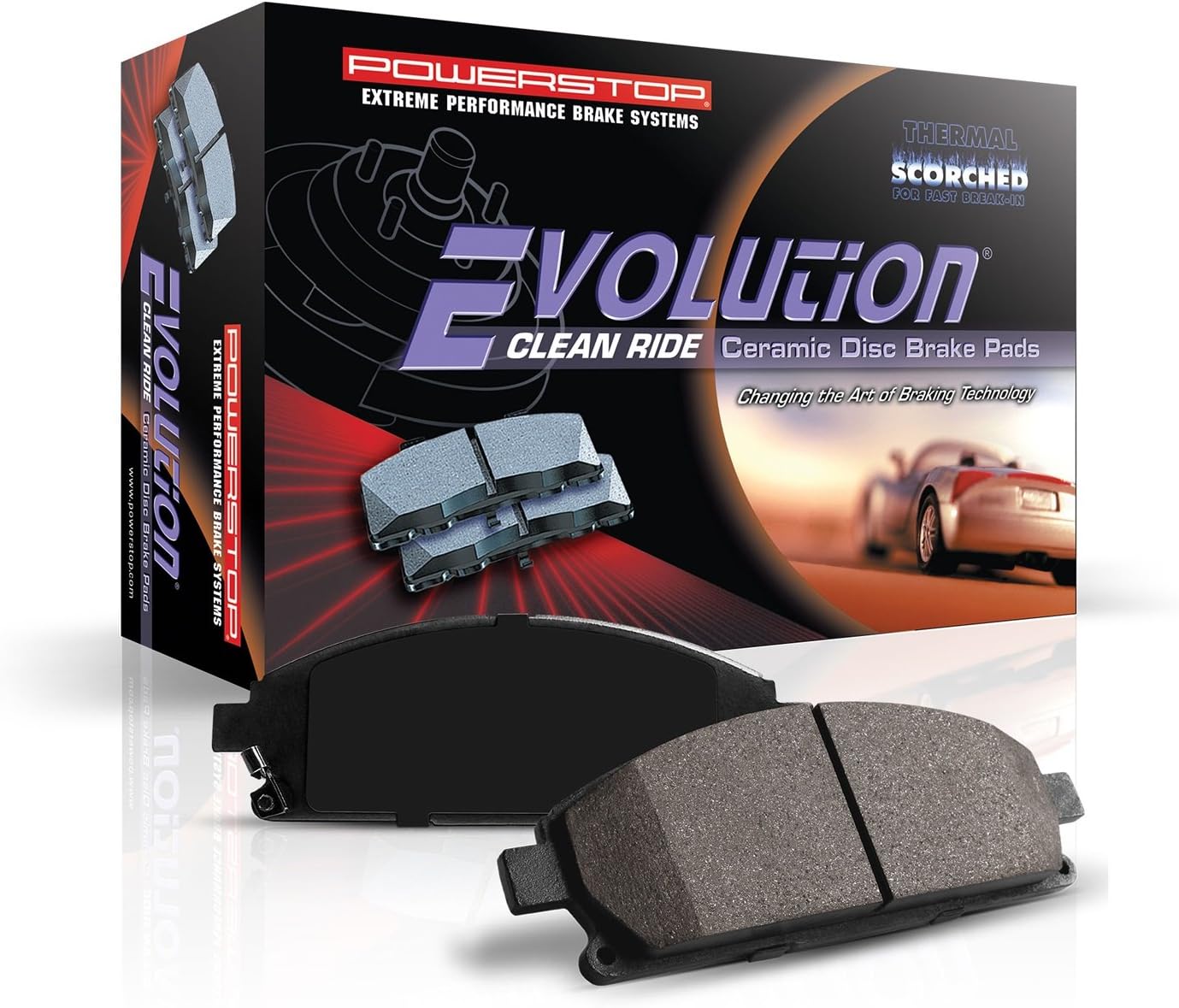
These PowerStop Z16 Evolution ceramic front brake pads are built as a budget-friendly, vehicle-specific replacement for everyday driving. Designed with a low-dust ceramic compound, chamfers, slots, and rubberized dual-layer shims, they aim to deliver quiet, vibration-free stops and keep wheels cleaner than many semi-metallic options. Installation is straightforward for a DIYer because the pads are a direct fit and require no modifications, though hardware is not included in the box. The pads are thermally scorched for quicker break-in and the powder-coated backing plate helps resist corrosion for longer service life. For routine commuting, errands, and stop-and-go city driving these pads provide dependable stopping power and minimal noise. They are not a performance pad for aggressive driving or track use and buyers should plan to purchase new installation hardware if their caliper hardware is worn. The included warranty is limited, so professional installation or inspection is worth considering for long-term dependability.
Best for: Buyers prioritizing an affordable, quiet, low-dust replacement for daily driving and commuting who want a straightforward, bolt-on upgrade they can install or have installed without special parts.
Less Ideal for: Drivers seeking high-friction performance pads for spirited driving, repeated hard stops, or towing should consider performance-oriented compounds instead.
- Low-dust ceramic compound helps keep wheels cleaner
- Dual-layer rubberized shims and chamfered/slotted faces reduce noise and vibration
- Thermally scorched for faster break-in and consistent performance
- Vehicle-specific fit simplifies DIY installation and replacement
- Installation hardware not included so additional parts may be needed for a full replacement
- Not formulated for high-performance, track, or heavy towing use
Verdict: A cost-effective, low-dust ceramic front pad that delivers quiet, reliable braking for daily-driven Hondas and similar cars.
5. Bendix Priority1 CFC1654 Ceramic Front Brake Pads
| Auto Part Position | Front |
|---|---|
| Material Type | Ceramic |
| Compatible with Vehicle Type | Car, SUV, Truck |
| Included Components | Brake pad set with installation hardware |
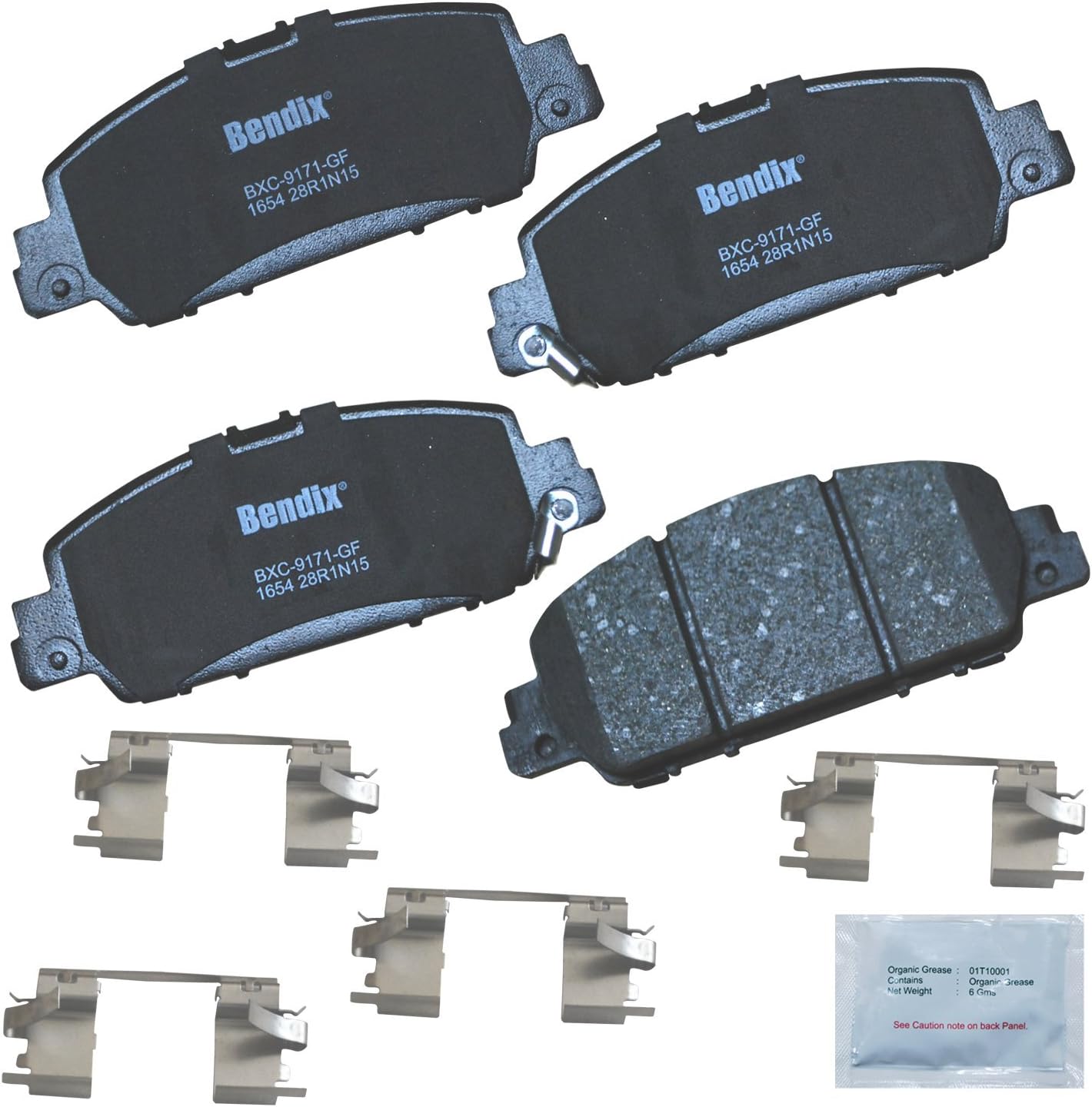
The Bendix Priority1 CFC1654 front brake pads are a ceramic replacement kit engineered to match factory fit, form, and function for selected Honda vehicles. They include a full pad set and installation hardware and use advanced friction materials with chamfers, slots, and shims to reduce noise and control heat under repeated stops. In everyday use they deliver predictable, consistent braking and are formulated to resist fade during heavier braking, which helps maintain confidence on commutes and longer drives. The pads are positioned for front-axle duties and are intended to provide a quiet feel thanks to the included noise-reduction features. Limitations to note are that this listing is for the front pad set only and fitment must match the specified Honda Accord, BR-V, or HR-V model years; buyers should confirm vehicle application before purchase. Also, ceramic pads can produce less initial bite than some semi-metallic options, so drivers seeking aggressive stop feel may prefer a different compound.
Best for: A buyer who prioritizes dependable, quiet, factory-quality braking for daily driving and wants replacement front pads that match factory performance and fit.
Less Ideal for: Drivers who demand maximum initial bite or track-level performance should consider high-performance semi-metallic pads instead.
- Engineered to factory-spec fit for direct replacement on listed Honda models
- Ceramic friction material designed for low noise and reduced brake dust
- Includes installation hardware for a complete front pad change
- Design features like shims, slots, and chamfers improve noise control and pad seating
- Sold as a front pad set only so rotors or rear pads are separate purchases
- Ceramic compound may feel less aggressive than semi-metallic pads during hard stops
Verdict: Choose these Bendix Priority1 ceramic front pads if you want a factory-quality, quiet, and fade-resistant replacement tuned for reliable everyday braking on the specified Honda models.
6. BOSCH QuietCast Premium Ceramic Front Disc Brake Pad Set (BC914)

| Material | Ceramic |
|---|---|
| Auto Part Position | Front |
| Specification Met | OEM |
| Number of Items | 1 |
These Bosch QuietCast front brake pads are a vehicle-specific ceramic replacement engineered to deliver quiet, OEM-quality stopping for compatible Honda and Acura models. They are typically used as a direct front-axle swap when pads are due for service and come as a full axle set with hardware where applicable and lubricant for the slide points. Notable features include Bosch Molded Shim Technology for a strong pre-attached multilayer rubber-core shim that reduces noise, powder-coated backing plates to resist rust, and slots and chamfers to promote even wear and bedding. In real-world use the pads offer confident stopping power with lower dust and reduced squeal compared with generic semi-metallic pads. A few users report fitment or hardware differences on some model years, so verify vehicle fitment before ordering and be prepared to reuse or adjust existing clips if necessary. For a buyer who prioritizes quiet, factory-like performance and long life, these pads are a solid, conservative choice; drivers wanting track-level fade resistance or aggressive bedding characteristics should consider performance-oriented compounds instead.
Best for: Buyers who want a conservative, factory-quality front pad replacement that prioritizes quiet operation, low dust, and long service life for everyday driving on Accord models.
Less Ideal for: Drivers who frequently do spirited driving, towing, or track use and need a high-friction, heat-resistant compound should choose a performance-oriented pad instead.
- Ceramic friction material designed for quiet operation and low dust.
- Pre-attached multilayer rubber-core shims reduce noise and improve corrosion resistance.
- Powder-coated backing plates help prevent rust and extend service life.
- Includes pads for one axle plus hardware where available and lubricant for sliding points.
- Some customers report the included hardware or clips do not fit certain model years and required reusing OEM clips.
Verdict: Choose these Bosch QuietCast front pads when you want a quiet, low-dust, factory-quality replacement for regular street use on compatible Honda Accord models.
Choosing the Right Honda Accord Front Brake Pads: Key Factors to Consider
Compound Type and Performance
The compound determines initial bite, sustained stopping power, and how aggressively the pads transfer heat to the rotor. For the Honda Accord, ceramic, semi-metallic, and organic blends each have tradeoffs. Ceramic-style compounds typically offer quieter operation and lower dust, which suits commuter-focused Accords. Semi-metallic compounds provide stronger bite and better fade resistance under heavier loads, but they may increase rotor wear and dust. Consider how you drive the Accord most often and whether quick response or reduced dust and noise matter more.
Compound choice also influences pedal feel and temperature sensitivity. If you frequently drive in mountainous areas or perform repeated hard stops, prioritize compounds rated for higher heat tolerance. For city and highway commuting, a quieter compound that resists glazing and maintains consistent friction at normal operating temperatures is usually preferable.
Fitment and Compatibility
Correct fitment to the Honda Accord front calipers and backing plate geometry is essential for safe braking and to prevent uneven wear. Pads designed specifically for the Accord front application reduce the risk of rattles, improper caliper engagement, or uneven contact that can lead to premature wear. Verify pad thickness, pad shape, and any included hardware match the Accord's front brake assembly.
Compatibility also includes whether the pad set includes wear indicators, shims, or anti-squeal plates that match the vehicle's mounting points. Using pads that require additional hardware not included in the kit can complicate installation and may affect noise and retention, so confirm what is supplied before you begin.
Noise and Vibration Control
Brake noise is a common concern for Accord owners. Look for pads with quality shims, chamfers, and a compound formulated to reduce squeal without sacrificing braking performance. Properly designed pads minimize high-frequency vibrations that cause squeal during light braking and parking maneuvers. Materials that damp vibrations and hardware that fit snugly help keep noise low.
Vibration control also affects perceived pedal feel. Pads that transmit less vibration to the caliper and chassis result in a smoother, more solid pedal sensation. If you prefer a quiet, comfortable ride, prioritize pads explicitly engineered for low noise and with positive user reports of quiet operation on similar vehicles.
Rotor Wear and Compatibility
Some pad compounds are harder on rotors than others. For the Accord, consider pads that strike a balance between effective friction and rotor friendliness to avoid excessive rotor thinning or scoring. Pads that are too abrasive can necessitate rotor resurfacing or replacement earlier than expected, increasing maintenance costs.
If your Accord has rotors in good condition, choose pads that do not aggressively remove material. For rotors nearing the minimum thickness spec, select pads that minimize additional wear or plan to resurface or replace rotors during the pad service to ensure safe, long-lasting operation.
Durability and Expected Lifespan
Expected pad life varies by compound, driving conditions, and driving style. For the Accord, typical commuting and highway driving should translate to a predictable service interval. Longer-lasting compounds reduce the frequency of replacements but may trade off some initial bite or increased noise. Evaluate manufacturer or installer estimates for lifespan, and consider whether that aligns with your maintenance schedule.
Also factor in how environmental conditions, such as heavy stop-and-go urban use or hilly terrain, will shorten pad life. Proper bedding-in and avoiding aggressive driving during the initial miles can help pads reach their expected lifespan and maintain consistent braking performance over time.
Installation Ease and Included Hardware
Ease of installation matters because many owners or independent shops perform front-pad replacement as routine maintenance. Pad kits that include shims, clips, and appropriate wear sensors simplify installation and reduce the chance of missing components that affect fit and noise. Clear instructions and a pad backing design that aligns with the caliper hardware reduce installation time.
Consider whether additional tools or parts are typically needed for the Accord's front brakes. If a kit omits common hardware, factor the time and cost to obtain those items. Pads that fit cleanly and come with necessary accessories reduce installation errors and help ensure reliable braking performance after the service.
Which Compound Is Best for Daily Driving
For most Honda Accord owners who use the car for commuting and family driving, a ceramic or refined organic blend will deliver a balance of quiet operation, low dust, and consistent pedal feel. These compounds perform well at normal operating temperatures and make routine maintenance cleaner by producing less airborne brake dust on wheels.
If you encounter steeper terrain or heavier loads regularly, consider a compound with improved heat resistance. That will provide more consistent deceleration during repeated stops and reduce the chance of fade under sustained braking.
- Ceramic-style: quieter, lower dust, comfortable pedal feel
- Semi-metallic: better initial bite and fade resistance, more dust
- High-temp blends: better for towing or frequent mountain driving
Understanding Front Vs Rear Brake Pad Roles
On the Honda Accord, front brake pads handle the majority of braking effort and therefore wear faster than the rear pads. Recognizing this split of workload helps prioritize maintenance and replacement timing. Addressing front pads first ensures the most critical braking forces remain effective.
When replacing front pads, inspect the rear pads as part of a full brake check. Even if rear pads have more life, uneven wear or a sticking caliper can create safety issues that are easiest to spot during a front pad service.
- Front pads: primary braking force, faster wear
- Rear pads: supplementary braking and parking brake function
- Regular inspections catch uneven wear early
Signs You Need a Front Brake Pad Replacement
Several symptoms indicate front pads are due for replacement on an Accord. Squealing or grinding noises, reduced braking responsiveness, and increased stopping distances are common warnings. Visual inspection can reveal pad thickness approaching the minimum specification and excessive glazing or cracking on the friction surface.
Addressing these signs early protects rotors and maintains safe braking. If you hear persistent metallic grinding, it often means the pads are worn to the backing plate and immediate service is necessary to prevent rotor damage.
- Squeal or chirp on light braking
- Grinding sound indicates severe wear
- Noticeable drop in braking responsiveness
- Pad thickness near the manufacturer specification
Preparing for a Front Pad Replacement Service
Before replacing front brake pads, gather the correct pad set specified for the Accord front application, any required hardware, and tools for caliper piston retraction. Inspect caliper slides, mounting hardware, and rotor condition to determine whether resurfacing or replacement is necessary alongside the pads.
Proper bedding in after installation helps the new pads and rotors conform, ensuring consistent friction and minimizing early noise or uneven wear. Follow torque specifications for caliper bolts and test drive carefully to verify pedal feel and stopping performance.
- Check caliper slides and hardware condition
- Measure rotor thickness and surface condition
- Have correct tools for piston retraction and torqueing
- Perform a controlled bedding-in procedure after installation
When to Consider Rotor Resurfacing or Replacement
If rotors show scoring, heavy glazing, or are at or below the minimum thickness spec, address them at the time of front pad replacement. New pads on damaged rotors can lead to uneven wear and vibration. For the Accord, modest resurfacing often restores a smooth contact surface, but very thin or damaged rotors should be replaced to maintain safe braking.
Balancing the cost and longevity outcomes helps determine whether resurfacing or replacement makes sense. New rotors with new pads typically provide the best long-term performance, but resurfacing is a practical choice when rotors remain well within thickness specifications and damage is minimal.
- Resurface when light scoring or unevenness exists
- Replace if rotor thickness is at or below spec or damage is severe
- New pads on new or refreshed rotors reduce vibration risk
Still looking for the perfect fit?
Select your Honda Accord configuration to see the most relevant Brake Pads recommendations
How We Chose the Best Honda Accord Front Brake Pads
We focused on evaluation criteria that matter specifically for front brake pads on the Honda Accord. Key filters included verified fitment to Accord front calipers, compound type and its effect on stopping power and dust, and measured or reported pad life under mixed driving conditions. We also prioritized low-noise performance and rotor friendliness to help minimize rotor wear and the need for resurfacing. Heat tolerance and fade resistance were considered for drivers who tow or regularly drive in hilly terrain. Ease of installation and the availability of installation hardware or shims were factored in, since front-pad replacements are commonly done during routine brake maintenance.Excluded from consideration were products without clear Accord front fitment information, pads intended solely for track or racing use, and kits missing necessary hardware. Our selection emphasizes real-world balance: dependable stopping, reasonable longevity, and acceptable noise and dust levels for daily driving. The resulting shortlist reflects those tradeoffs and delivers choices suited to typical Accord ownership patterns.
Our full evaluation process is outlined in our review methodology.
FAQ
How often should I replace the front brake pads on my Honda Accord?
It depends on driving habits, but front pads typically last between 30,000 and 70,000 miles under normal commuting conditions. Heavier city driving, frequent hard stops, or hilly terrain will shorten that interval.
What are common brake pad wear symptoms to watch for?
Common symptoms include squealing or chirping during light braking, a grinding sound when pads are severely worn, reduced stopping power, and visible thinning of the friction material on inspection.
Will aftermarket front pads fit my Accord without modifications?
Aftermarket pads designed specifically for the Accord front fitment should install without modifications. Verify that the pad set lists Honda Accord front compatibility and includes matching hardware or specifications before purchase.
Are ceramic brake pads a good choice for the Accord?
Ceramic-style pads are often a good choice for Accord drivers seeking quieter brakes and lower dust. They perform well in everyday temperatures, though drivers needing maximum fade resistance may prefer different compounds.
Can worn front pads damage the rotors?
Yes. If pads wear down to the backing plate, they can score or groove rotors, which may require rotor resurfacing or replacement. Addressing pad wear before it reaches that point helps avoid additional rotor cost.
How can I minimize brake pad noise after installation?
Ensure proper installation with the correct shims and anti-squeal hardware, bed the pads according to recommended procedures, and inspect caliper hardware for wear. Choosing pads with chamfers and quality shims reduces the likelihood of squeal.
Final Verdict
When replacing front brake pads on a Honda Accord, prioritize correct fitment, a compound suited to your driving style, and attention to rotor condition. Quiet, low-dust compounds work well for everyday commuting, while higher-temp blends are better for demanding use. Balance stopping performance against rotor friendliness to avoid unnecessary rotor work.Focus on pads that offer reliable stopping power and predictable wear; pairing new pads with properly inspected rotors and clean hardware gives the best long-term outcome and helps you maintain safe braking performance on the Accord.
Explore More:
- Check out all Honda Accord parts & accessories
- Explore Brake Pads Maintenance & Repair Guides
- Explore Brake System
- Browse all Auto Parts
