

Note: This article contains affiliate links. If you click on these links and make a purchase, I may earn a small commission at no extra cost to you. This helps support my research and content. Read my full affiliate disclosure here.
If you own a 2003-2008 Subaru Forester, choosing the right brake pads affects safety, pedal feel, and long-term maintenance costs. The wrong pads can cause excessive noise, faster wear, or inconsistent braking when the vehicle is loaded or driven in wet conditions. This guide focuses on the top replacement brake pads chosen specifically for the Forester model years 2003 through 2008, covering front and rear fitment considerations.Below you will find our shortlisted options and the evaluation criteria used to compare them, including stopping performance, durability, and noise control. Use the sections that follow to match a pad type to your driving style and maintenance priorities before reviewing the product list below.
Looking for other parts? See all Subaru Forester parts & accessories.
Top Picks at a Glance
| Best Overall The best all-around choice for most situations | Detroit Axle Brake Kit for 2003 Subaru Forester — Front and Rear Rotors with Ceramic Pads and Hardware |  |
| Best Quality Built to a higher standard if you want something more solid | Bosch QuietCast BC929 Premium Ceramic Front Brake Pad Set |  |
| Best Value The sweet spot between price and what you get | Detroit Axle Front Ceramic Brake Pads with Rear Brake Shoes Kit |  |
| Best Budget The cheapest option that still gets the job done reliably | Auto Shack Front Ceramic Brake Pads (front set) |  |
| Highest Rated A top-rated pick with lots of positive feedback | Bendix Premium SBC929 Ceramic Front Brake Pads |  |
| Best Seller A high-volume bestseller chosen again and again | SUPLABEL Front Ceramic Brake Pads D929 (front) |  |
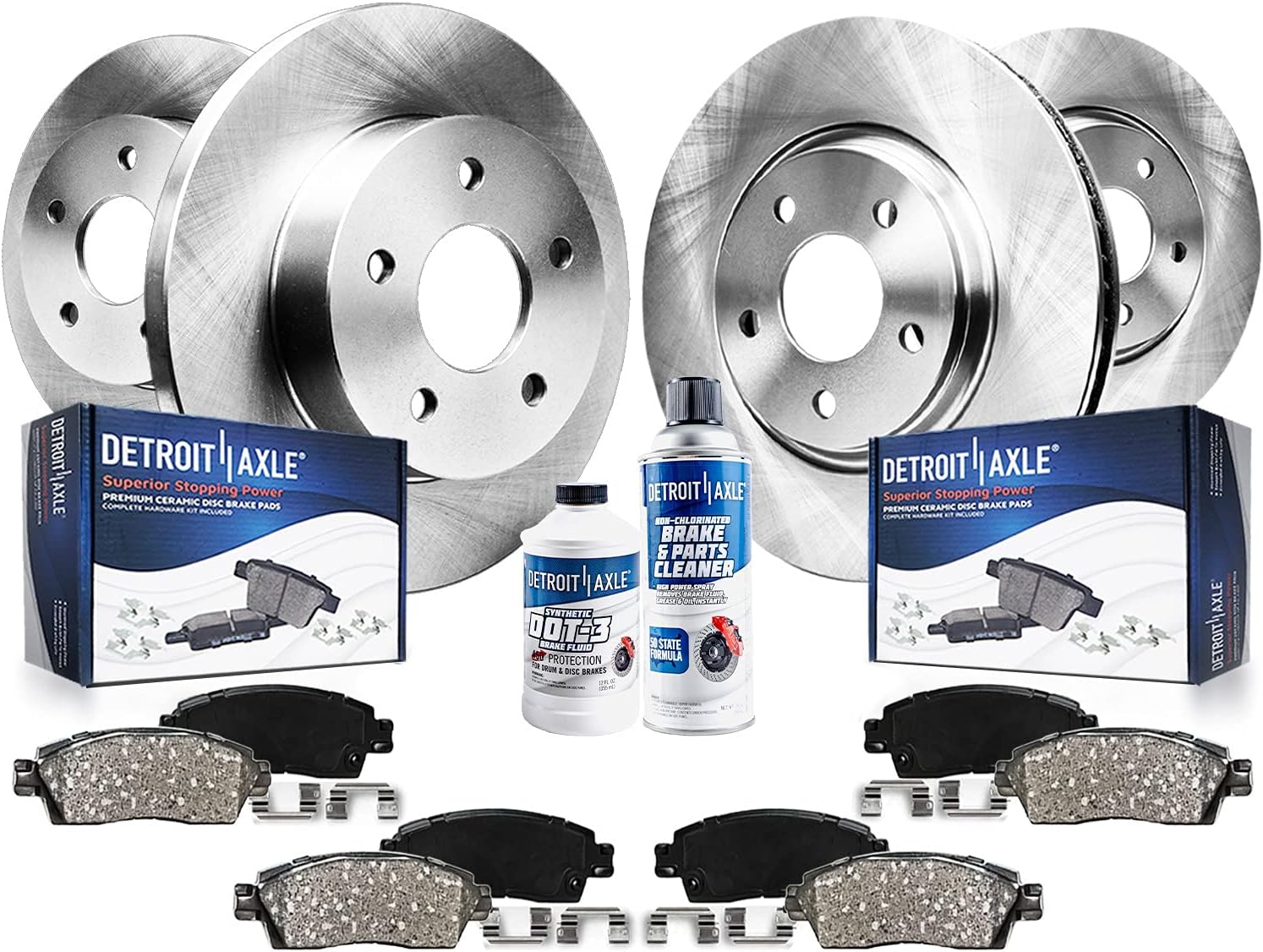
1. Detroit Axle Brake Kit for 2003 Subaru Forester — Front and Rear Rotors with Ceramic Pads and Hardware
| Fitment year | 2003 |
|---|---|
| Front rotor size | 11.54 inch |
| Rear rotor size | 10.47 inch |
| Pad type | Ceramic |
| Fit type | Vehicle Specific Fit |
This Detroit Axle brake kit supplies everything needed to refresh the braking system on a 2003 Subaru Forester with 11.54-inch front and 10.47-inch rear rotors. The set includes two front and two rear vented rotors, front and rear ceramic pads with hardware, a brake cleaner spray, and a bottle of brake fluid so you can replace pads and rotors in one job. The rotors are zinc plated for corrosion resistance and feature ventilation slots to help dissipate heat for more consistent braking under repeated stops. Ceramic pads are quieter and produce less brake dust than semi-metallic options, making them a good match for daily driving. The kit is sold as a vehicle-specific fit and the locating holes are machined for direct installation without modification. Expect the kit to suit a homeowner or DIYer who wants a full brake refresh in a single purchase, but note ceramic pads trade slightly reduced fade resistance for lower noise compared with aggressive sport pads, so this is best for street use rather than track duties.
Best for: Buyers who want a balanced, all-in-one brake refresh for daily driving on a 2003 Subaru Forester and value low noise, clean wheels, and straightforward installation.
Less Ideal for: Drivers planning aggressive driving, towing, or frequent high-speed braking should choose higher-temperature performance pads instead.
- Complete kit: includes front and rear rotors, front and rear ceramic pads, hardware, brake cleaner, and brake fluid for a single job.
- Vented, slotted rotors with zinc plating help with heat dissipation and resist surface corrosion.
- Machined locating holes and vehicle-specific fit mean parts install without modification for the specified rotor sizes.
- Ceramic pads offer lower noise and reduced brake dust for cleaner wheels and a quieter daily drive.
- Ceramic pads are less suited to high-heat or track use compared with performance or semi-metallic pads.
Verdict: If you want a convenient, vehicle-specific kit that replaces rotors and pads in one go for quieter, lower-dust daily driving, this Detroit Axle set is the practical choice.
2. Bosch QuietCast BC929 Premium Ceramic Front Brake Pad Set

| Material | Ceramic |
|---|---|
| Auto Part Position | Front |
| Specification Met | OEM |
| Manufacturer | Bosch Automotive |
The Bosch QuietCast BC929 is a front axle ceramic brake pad set designed to replace factory pads on compatible Subaru models including many Forester years. It uses Bosch Molded Shim Technology with pre-attached multilayer rubber-core shims to cut noise and improve pedal feel during routine and spirited driving. The ceramic friction formula is tuned for strong stopping power while producing less dust than semi-metallic alternatives, so wheels stay cleaner after hard use. Powder-coated backing plates and chamfers help resist corrosion and promote consistent fit over time. The kit arrives with hardware where applicable and synthetic lubricant for the caliper slides to reduce drag during installation. For a performance-minded Forester driver this pad balances quiet operation and reliable braking without the harshness or rotor wear sometimes associated with aggressive semi-metallic compounds. Note that ceramic pads may generate slightly less initial bite under extreme track conditions compared with race-oriented compounds, and true performance braking upgrades may be needed for heavy load or dedicated track use.
Best for: Drivers who want a near-factory replacement that improves quietness and cleanliness while keeping strong, predictable braking for daily driving and occasional spirited use.
Less Ideal for: Those who frequently run extended track sessions, carry heavy loads often, or seek maximum high-temperature friction should consider dedicated performance or race-spec pads instead.
- Pre-attached multilayer rubber-core shims reduce noise and improve durability.
- Ceramic friction material delivers strong stopping power with low brake dust.
- Powder-coated backing plates resist corrosion for longer service life.
- Includes hardware and synthetic lubricant for easier installation and proper slide function.
- Ceramic compound may have less initial bite than aggressive track-focused pads under extreme high-temperature use.
Verdict: Choose the Bosch QuietCast BC929 for a quiet, low-dust ceramic front pad that preserves strong, predictable braking for performance-minded daily driving on compatible Forester models.
3. Detroit Axle Front Ceramic Brake Pads with Rear Brake Shoes Kit

| Manufacturer | Detroit Axle |
|---|---|
| Manufacturer Part Number | 6P50383 |
| Compatible with Vehicle Type | Car, Truck, Van, SUV |
| Automotive Fit Type | Vehicle Specific Fit |
| Item Weight | 20.3 pounds |
This Detroit Axle kit replaces front pads and rear shoes on supported 2003–2008 Forester and compatible Impreza/9-2X applications, combining ceramic front pads with hardware and semi-metallic rear shoes plus a small brake cleaner and fluid bottle. The ceramic front pads are designed to match factory fit and reduce dust compared with metallic compounds, while included installation hardware makes a brake job more straightforward. The rear semi-metallic shoes provide durable stopping for drum-style rears. Detroit Axle states the pads undergo impact, wear, and fatigue testing, which suggests reasonable longevity for everyday driving. The kit is a practical one-stop option for a full-axle service, but buyers should note the rear component is shoes not pads, so it only fits vehicles with drum rears and will not upgrade rotor-equipped rear setups. Also the six-month manufacturer warranty is modest compared with longer aftermarket coverage. Overall this kit suits routine maintenance and DIY brake refreshes on the specified Subaru/Saab fitments when you want a tidy OEM-style replacement without performance-oriented extras.
Best for: Buyers doing a routine brake refresh who prioritize a complete, vehicle-specific replacement kit and cleaner installation for everyday driving duties.
Less Ideal for: Drivers seeking high-performance or track-oriented brake upgrades or those with rear disc brake configurations should look for performance pad options or a rear-disc kit instead.
- Includes front ceramic pads, rear semi-metallic shoes, and installation hardware for a complete axle service
- Front ceramic pads produce less brake dust than metallic pads for cleaner wheels
- Kit bundles brake cleaner and a bottle of brake fluid for convenient maintenance
- Vehicle-specific fit reduces the chance of fitment issues during DIY installation
- Warranty coverage is only six months which is shorter than many competitors
- Rear component is drum shoes so not suitable for vehicles with rear rotors
Verdict: A convenient, vehicle-specific service kit that gives a clean-driving ceramic front pad and matched rear shoe replacement for routine brake maintenance on the listed Subaru fitments.
4. Auto Shack Front Ceramic Brake Pads (front set)

| Material Type | Ceramic |
|---|---|
| Auto Part Position | Front |
| Included Components | Ceramic Brake Pad Set |
| Automotive Fit Type | Vehicle Specific Fit |
These Auto Shack front ceramic pads are a direct-fit replacement intended for older Subaru models and related vehicles. They install like a standard replacement front pad set and are aimed at everyday driving where quiet operation and low dust are priorities. The ceramic formulation is marketed to reduce rotor wear and keep wheels cleaner compared with semi-metallic pads, while delivering steady friction for normal commuting and light-duty use. Because this is a vehicle-specific fit, you get pads shaped to match factory calipers which simplifies installation for DIYers or quick shop swaps. Important limits: ceramic pads typically offer less fade resistance under repeated hard braking than aggressive semi-metallic compounds, so they are best for street driving rather than heavy towing or track use. Also note the set does not include hardware clips, so plan to reuse or replace mounting clips if needed. Overall these pads give a quiet, low-dust upgrade for routine Subaru driving when rotor preservation and comfort matter more than extreme stopping performance.
Best for: Buyers looking for an affordable, quiet, low-dust replacement for daily-driven older Subaru models who prioritize easy installation and rotor-friendly pads.
Less Ideal for: Drivers who frequently tow, carry heavy loads, or do spirited driving and need high fade resistance and maximum high-temperature stopping power.
- Vehicle-specific direct-fit design simplifies installation
- Ceramic material promotes quiet operation and low brake dust
- Formulation aimed at reducing rotor wear and delivering consistent street braking
- Not optimized for heavy towing, high-heat, or track use
- Mounting clips are not included in the package
Verdict: Choose these ceramic front pads if you want an inexpensive, quiet, rotor-friendly replacement for routine driving on older Subaru models.
5. Bendix Premium SBC929 Ceramic Front Brake Pads

| Material | Ceramic |
|---|---|
| Auto Part Position | Front |
| Specification Met | OEM |
| Number of Items | 1 |
The Bendix Premium SBC929 ceramic front brake pads are a vehicle-specific replacement intended to match factory fit, form, and function for compatible Subaru and Saab models. They are typically used as a direct front-pad swap for daily drivers and commuting Foresters, offering a quieter feel and reduced dust compared with many semi-metallic pads. Notable features include ceramic friction material formulated to resist wear and corrosion and a painted exterior for basic surface protection. In practice these pads deliver consistent stopping power with reduced brake fade for routine city and highway use, and their design emphasizes longevity and predictable pedal feel rather than aggressive bite. Limitations include that they are strictly a front-pad kit and only compatible with the specific model years and trims listed, so you must verify fitment before buying; they are also not aimed at track or heavy towing applications where higher-temperature semi-metallic compounds perform better.
Best for: Buyers who prioritize dependable, low-noise daily braking performance and want a direct factory-quality front-pad replacement for their compatible Forester without chasing sporty or heavy-duty braking characteristics.
Less Ideal for: Drivers who regularly track their car, haul heavy loads, or need pads optimized for extreme high-temperature braking should consider performance-oriented or heavy-duty options instead.
- Designed to match factory fit and function for listed vehicles
- Ceramic compound reduces dust and tends to run quieter than semi-metallic pads
- Engineered to resist wear and corrosion for longer service life
- Consistent braking performance with reduced tendency to fade in everyday driving
- Not intended for high-heat track use or heavy towing where semi-metallic pads perform better
Verdict: A reliable, low-dust ceramic front pad made to deliver quiet, consistent braking for everyday Forester use.
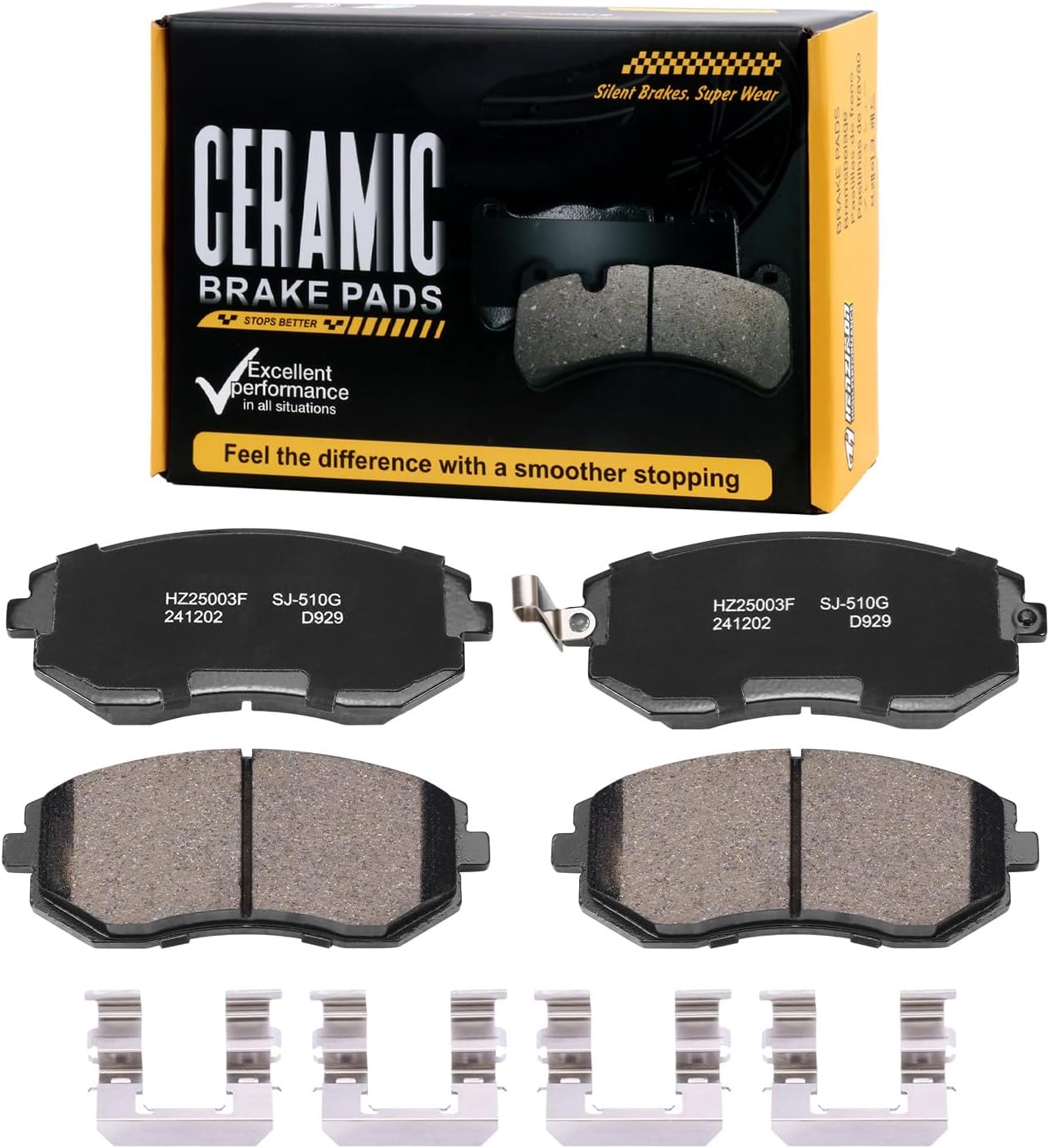
6. SUPLABEL Front Ceramic Brake Pads D929 (front)
| Material Type | Ceramic |
|---|---|
| Auto Part Position | Front |
| Model Number | HZ929 |
| Manufacturer | XINWEIDA AUTO PARTS |
These SUPLABEL D929 front ceramic brake pads are a vehicle-specific replacement intended to restore front braking performance on compatible Subaru models from the early 2000s. The pads use a high-density ceramic compound with slots, chamfers, and multi-layer rubberized shims to reduce noise and vibration while improving heat dissipation. In everyday use they should provide quieter stops and consistent pedal feel across city and highway driving, including wet or lightly snowy conditions described by the maker. The slotted design and shim layers help control pad squeal and fading under repeated stops, which is useful for drivers who want predictable braking without aggressive bedding or loud noise. Limitations: these are aftermarket pads sold without a manufacturer warranty and the listing emphasizes checking fitment carefully before purchase, so verify vehicle application prior to installation. They are optimized for comfort and low noise rather than track-level performance.
Best for: Drivers who want a quiet, predictable front brake replacement for older Subaru models and prioritize low noise and consistent everyday stopping performance.
Less Ideal for: Drivers seeking high-performance or track-oriented brake pads should consider performance-specific compounds and hardware instead.
- Ceramic compound designed for quieter braking and reduced dust
- Slotted and chamfered faces to improve heat dissipation and reduce noise
- Multi-layer rubberized shims that cut vibration and pad squeal
- Vehicle-specific fitment intended to simplify installation for listed Subaru models
- Sold without a manufacturer warranty
- Fitment must be confirmed for exact model and trim before purchase
Verdict: Choose these ceramic front pads if you want a quiet, heat-managing direct-fit replacement that restores consistent everyday braking on compatible early-2000s Subaru models.
Choosing the Right 2003-2008 Subaru Forester Brake Pads: Key Factors to Consider
Material Composition
The pad material determines initial bite, fade resistance, dust level, and rotor wear. Organic and ceramic-style formulations tend to offer quieter operation and lower dust, which suits daily-driven Foresters. Semi-metallic or high-metal-content pads provide stronger initial bite and heat tolerance but can increase rotor wear and noise.
Choosing the right material matters because the Forester's curb weight and four-wheel drive system influence how much thermal load the brakes see during repeated stops. If you frequently tow, carry heavy cargo, or do steep descents, select a formulation with better heat management. For mostly city and light highway driving, prioritize quieter materials that reduce dust and deliver consistent pedal feel.
Stopping Performance and Pedal Feel
Stopping performance covers initial bite, linearity through the pedal travel, and performance under wet conditions. Pads with predictable modulation help you judge stopping distances better and reduce the chance of sudden grabs that can unsettle a loaded Forester. Consider how the pad feels during everyday braking rather than only headline stopping-power claims.
Pedal feel impacts driving confidence. Some pads give a firm, immediate response while others deliver a softer, more progressive feel. For owners who commute or drive in mixed conditions, a balanced pad that combines steady bite with smooth modulation usually provides the best compromise between comfort and control.
Noise and Vibration
Brake squeal, chirp, and vibration are common ownership complaints and can result from pad material, backing plate design, or missing shims. For the 2003-2008 Forester, selecting pads with anti-rattle features, proper shims, and a quieter compound reduces the chance of audible issues that are widespread on aging braking systems.
Noise can also indicate improper bed-in or uneven rotor surface. Even good-quality pads may squeal if rotors are glazed or hardware is worn. When choosing pads, look for products designed to minimize vibration and that include or recommend proper hardware replacement to maintain quiet operation.
Wear Rate and Rotor Impact
Pad longevity affects how often you need brake pads replacement and whether rotors will require frequent resurfacing. Aggressive compounds often wear faster and can score rotors, while softer compounds may generate more dust but preserve rotor life. For a Forester where owners often value low-maintenance ownership, a durable pad that balances life and rotor friendliness is often the best economic choice.
Consider your typical mileage and driving style. If you cover high annual miles, durability and low rotor wear become more important. For low-mileage drivers, prioritizing quiet operation and low dust may be preferable even if pads wear slightly faster.
Fitment and Installation
Correct fitment is essential for safety and function. Front vs rear brake pads differ in shape, thickness, and backing-plate features. For the 2003-2008 Forester, ensure you select pads manufactured to match the vehicle's front or rear specifications and that mounting clips, shims, and any anti-rattle hardware are compatible.
Ease of installation matters for DIY owners. Pads that reuse original hardware and have straightforward backing designs reduce install time and the chance of installation-related noises. If hardware is worn, plan to replace clips and shims during service to ensure correct pad seating and quiet operation.
Environmental and Driving Conditions
The environment you drive in affects pad choice. Frequent exposure to rain, coastal humidity, or mountain descents increases demands on braking components. Pads that resist fade and shed water quickly improve braking confidence in wet conditions that Forester owners may encounter.
If you often drive in hilly terrain or tow light loads, choose compounds with better thermal stability. For mild climates and mostly flat roads, quieter, lower-dust pads will enhance daily comfort without sacrificing safety.
Front Versus Rear Pad Roles on the Forester
The front brakes typically handle the majority of stopping force on the 2003-2008 Forester, so front pad selection has the biggest impact on initial stopping power and fade resistance. Rear pads contribute to balance and parking brake function but are less stressed during normal stops.
When replacing pads, treat front and rear pads as a matched set in terms of wear strategy. If fronts show heavy wear while rears are nearly new, replacing only the front pads is acceptable, but mismatched compounds can change pedal feel. Consider the vehicle's service history and axle-specific wear patterns.
- Front pads: prioritize initial bite and heat resistance.
- Rear pads: prioritize stability and consistent engagement, plus correct parking-brake function.
- Inspect rotors and hardware when changing either axle to prevent noise or uneven wear.
How to Inspect Brake Pad Wear Symptoms
Look for telltale signs such as a low friction surface, uneven wear across the face, or a metal-on-metal sound that indicates the pad material is gone. Visual inspection through the wheel spokes or by removing the wheel gives a quick sense of remaining pad thickness.
Other symptoms include a change in pedal travel, grinding noises, or vibration under braking. These symptoms often point to either worn pads or rotor problems and should prompt a full brake inspection.
- Measure pad thickness at the thinnest point; compare to the manufacturer's minimum spec.
- Check for glazing and uneven rotor contact patches.
- Listen for consistent squeal versus intermittent grinding to prioritize service actions.
Bed-In and Break-In Best Practices
Proper bed-in helps transfer an even layer of friction material onto the rotor, improving stopping distance and reducing noise. A typical bed-in routine involves a series of moderate stops from city speeds followed by a few harder stops, allowing the brakes to cool between cycles.
Avoid repeated hard stops that overheat pads during bedding. After the initial bed-in, monitor for any change in noise or pedal feel and allow a short additional bedding session if rotors were resurfaced or replaced.
- Perform 8 to 10 progressive stops from about 30 to 40 mph to seat pads.
- Allow cooling intervals between high-energy stops to prevent glazing.
- Recheck torque on wheel studs after a short drive following installation.
When to Replace Rotors Alongside Pads
Rotors should be inspected every time you replace pads. If rotors are deeply scored, warped, or below the thickness specification, replacement or resurfacing is necessary to ensure even pad contact and to prevent noise. Thin rotors can overheat quickly and reduce braking efficiency.
Minor surface glazing or shallow grooves may be corrected by turning the rotors, but confirm the rotor thickness spec before machining. For many Forester owners, replacing both pads and rotors together simplifies the service and helps restore quiet, consistent braking.
- Check rotor thickness against the Forester's minimum spec before machining.
- Look for lateral runout or vibration during braking as a sign of rotor issues.
- Replace rotors that show heat spotting or deep corrosion that cannot be safely machined.
Hardware and Accessories That Improve Performance
New pad hardware such as shims, clips, and anti-rattle springs can eliminate noise and ensure correct pad alignment. Replacing corroded or weakened caliper pins and applying proper lubricants to slide surfaces prevents uneven pad wear.
Consider high-quality brake grease for backing plates and slides to reduce squeal. Also inspect the condition of the caliper piston boots and seals during service, since contamination or leakage can affect braking responsiveness.
- Replace old shims and clips when they are corroded or bent.
- Lubricate caliper slides with temperature-rated brake grease.
- Inspect caliper pistons and seals for smooth operation and signs of leakage.
Still looking for the perfect fit?
Select your Subaru Forester configuration to see the most relevant Brake Pads recommendations
How We Chose the Best 2003-2008 Subaru Forester Brake Pads
We prioritized pads that offer reliable stopping performance and predictable pedal feel for the 2003-2008 Subaru Forester across typical owner use cases. Evaluation emphasized braking effectiveness in both dry and wet conditions, pad longevity under mixed urban and highway driving, and resistance to noise and vibration that commonly affects this generation of Forester.Additional criteria included material suitability for the vehicle's weight and typical driving loads, compatibility with original equipment rotors and caliper designs, and straightforward installation for DIY owners. We also considered dust generation and rotor wear tendency to balance long-term maintenance tradeoffs.Excluded from the list were specialty racing compounds or pads intended exclusively for high-temperature track use, as well as any options that require caliper modification or nonstandard hardware. Final selections represent pads that match the Forester's factory braking architecture and typical owner priorities: safe stopping, acceptable service life, and controlled noise levels.
Our full evaluation process is outlined in our review methodology.
FAQ
How often should I replace brake pads on a 2003-2008 Subaru Forester?
It depends on driving style and mileage but many owners replace pads between 30,000 and 60,000 miles. Aggressive driving or towing shortens pad life, while mostly highway driving can extend it. Inspect pads visually every service interval to judge wear.
What pad thickness spec should I look for when checking Forester pads?
Measure pad material at the thinnest point and compare to the vehicle's minimum recommended thickness. When pads approach the minimum spec or are less than a few millimeters thick, plan a replacement to avoid rotor damage.
Can I mix different pad compounds front and rear on the Forester?
Mixing compounds is usually not recommended because it can alter pedal feel and braking balance. If you must mix due to staggered wear, aim for similar friction characteristics and bed-in them carefully to minimize unexpected changes.
Why are my new pads making a grinding noise?
Grinding often indicates the friction material is worn to the backing plate or that debris is trapped between pad and rotor. It can also result from incorrect installation or missing shims. Stop and inspect promptly to avoid rotor damage.
Are ceramic brake pads a good option for the Forester?
Ceramic-style compounds often provide quieter operation and lower dust levels, which suits daily-driven Foresters. However, they may offer slightly less initial bite than high-metal pads in heavy-duty braking scenarios, so consider your driving demands.
Do I need to replace brake hardware when changing pads?
Replacing worn shims, clips, and slide hardware is recommended to ensure proper pad seating and to prevent noise. Corroded or bent hardware can cause uneven wear or rattling even with new pads.
Final Verdict
Prioritize stopping performance, longevity, and noise control when selecting brake pads for a 2003-2008 Subaru Forester. Your driving habits and environment should determine the balance between initial bite and rotor friendliness. For most owners, choosing a mid-range compound that offers predictable pedal feel, reasonable service life, and low noise will deliver the best daily experience.Focus on correct front and rear fitment, replace worn hardware, and follow a proper bed-in routine after installation. These steps will help you achieve safe, quiet, and durable braking on your Forester without unnecessary tradeoffs.
Explore More:
- Check out all Subaru Forester parts & accessories
- Explore Brake Pads Maintenance & Repair Guides
- Explore Brake System
- Browse all Auto Parts
