

Note: This article contains affiliate links. If you click on these links and make a purchase, I may earn a small commission at no extra cost to you. This helps support my research and content. Read my full affiliate disclosure here.
If you own a 1997-2001 Toyota Camry, a failing oxygen sensor can cause rough idle, poor fuel economy, and recurring check-engine lights. Choosing the right oxygen sensor matters because the Camry's ECU relies on accurate air-fuel feedback to control fuel trim and emissions. The sensors covered here are the top shortlisted replacements selected for direct fitment and signal reliability across the 1997–2001 Camry engine options.This guide summarizes why each replacement made the list, what to expect from installation, and the key performance and durability factors to weigh when you pick a sensor. Read on to see the evaluation criteria and the practical points that will affect day-to-day driving and long-term engine health.
Looking for other parts? See all Toyota Camry parts & accessories.
Top Picks at a Glance
| Best Overall The best all-around choice for most situations | Bosch 13355 Premium Fitment Oxygen Sensor |  |
| Best Quality Built to a higher standard if you want something more solid | Denso 234-4137 Oxygen Sensor |  |
| Best Value The sweet spot between price and what you get | YCT 234-4137 Downstream Oxygen Sensor (compatible with 1997-2001 Toyota Camry / Solara, 1997-2001 Lexus ES300, 1998-2000 Lexus LS400) |  |
| Best Budget The cheapest option that still gets the job done reliably | Conmaio Downstream Oxygen O2 Sensor YCGQ-50 |  |
| Highest Rated A top-rated pick with lots of positive feedback | Denso 234-4622 Replacement Oxygen (O2) Sensor |  |
| Most Popular A crowd favorite that many people choose with confidence | TRQ O2 Oxygen Sensor (OSA61195) — Threaded Upstream Wide-Band Compatible |  |
Bosch 13355 Premium Fitment Oxygen Sensor

| Maximum Supply Voltage | 12 Volts (DC) |
|---|---|
| Mounting Type | Flange Mount |
| Output Type | electrical signal |
| Upper Temperature Rating | 1000 Degrees Celsius |
The Bosch 13355 is a premium direct-fit oxygen sensor intended to replace a worn sensor and clear related check-engine codes on compatible 1997–2001 Toyota Camry installations. It provides a factory-style connector and pre-coated threads for straightforward installation, plus a fast-acting heater that brings the sensor to operating temperature quickly for accurate readings right after startup. The stainless steel, double laser-welded body and factory testing aim to improve durability against exhaust exposure. In practice this sensor is used to restore correct fuel trim and reduce rough idle, poor fuel economy, and emissions caused by a failing sensor. Limitations include occasional fitment variation between engine configurations, so confirming harness and wire count before purchase is important, and the sensor replacement process can still be awkward in tight engine bays even though the part itself is ready-to-install. It is a practical, higher-quality aftermarket replacement for owners who prefer a straightforward swap to get the Camry running correctly again.
Best for: Buyers who want a reliable, factory-style replacement to clear emissions codes and restore normal fuel management on an older Camry without chasing OEM part channels.
Less Ideal for: Those unwilling to verify exact connector type or sensor position beforehand or who prefer having a shop handle hard-to-reach installations should consider other options.
- Direct-fit connector and pre-coated threads for easier installation
- Fast-acting heater reduces warm-up time and speeds accurate readings
- Double laser-welded stainless steel body for improved corrosion resistance
- Factory testing ensures functional reliability out of the box
- Compatibility can vary by engine and sensor position so fitment must be double-checked
- Replacing the sensor can be physically difficult in cramped areas despite the part being ready to install
Verdict: If you need a dependable direct-fit replacement to clear codes and restore proper fuel control on a late 1990s Camry, this Bosch sensor is a practical choice.
Denso 234-4137 Oxygen Sensor
| Mounting Type | Threaded |
|---|---|
| Output Type | electrical signal |
| Upper Temperature Rating | 1112 Degrees Fahrenheit |
| Material Type | Zirconium |
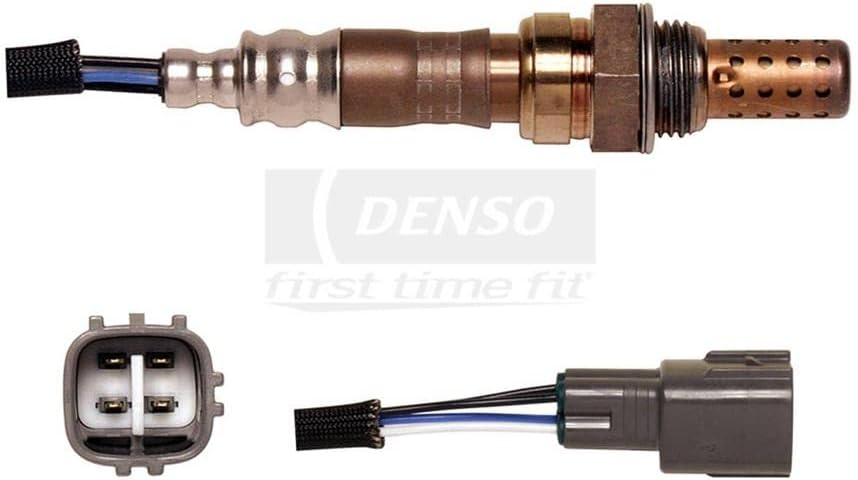
This Denso 234-4137 is a direct-replacement downstream oxygen sensor intended to restore proper AFR feedback and clear emissions codes on compatible Toyota and Lexus models from the late 1990s and early 2000s. It installs like a factory sensor using the threaded mount and electrical connector and is typically used to replace a failing bank 1 downstream sensor that triggers a check engine light or causes poor fuel trims. Notable features include a zirconium sensing element rated for high temperatures and a factory-style threaded mounting for straightforward installation. In practice the sensor brings closed-loop fueling back to expected behavior, which can improve drivability and emissions test results. Some users note the external wire insulation and protective shroud differ from original factory pieces, so adding loom or heat protection may be prudent in corrosive or high-abrasion locations. This part is aimed at practical restoration of sensor function rather than ultimate performance sensing for motorsport tuning.
Best for: Buyers who want a reliable, factory-style replacement to restore normal fuel control and emissions performance on a late 1990s Toyota Camry while prioritizing reliability over aftermarket calibration tweaks.
Less Ideal for: Drivers seeking a high-precision sensor for engine tuning, data-logging, or motorsport applications should choose a wideband or performance-grade sensor instead.
- Direct-fit threaded design for straightforward replacement of the downstream oxygen sensor
- Uses zirconium sensing element and is rated for high operating temperatures
- Restores closed-loop fuel control and commonly resolves check engine codes related to downstream O2
- Manufactured by a reputable supplier for consistent, factory-style performance
- Wire insulation and external protection may be less robust than some original factory sensors, requiring added loom or shielding
Verdict: A reliable, direct-fit downstream oxygen sensor that restores factory fuel control and clears emissions-related faults on 1997–2001 Camry applications.
YCT 234-4137 Downstream Oxygen Sensor (compatible with 1997-2001 Toyota Camry / Solara, 1997-2001 Lexus ES300, 1998-2000 Lexus LS400)

| Mounting Type | Flange Mount |
|---|---|
| Output Type | Fuel System |
| Specific Uses For Product | Oxygen O2 Sensor |
| Material Type | Ceramic, Metal |
This YCT downstream oxygen sensor is a budget-friendly replacement intended to restore the vehicle’s closed-loop fuel control after the original sensor fails. It installs in the downstream position and connects to the factory harness to report post-catalytic converter oxygen levels. Typical use is as a direct-replacement repair for check-engine light codes related to the downstream sensor or to address emissions test failures. Notable features include a flange-mount design and ceramic sensing element, and buyers report mixed fit quality that ranges from direct-fit to requiring minor connector or orientation adjustments. In practice the sensor clears CELs and returns the system to nominal operation when fitment and connector alignment are correct, but some users found the unit slightly longer than factory parts or needed to straighten terminals before mating. This product is a cost-effective option if you verify fitment and are comfortable with light troubleshooting during installation; it is less polished than higher-end branded sensors and may show variable longevity across vehicles.
Best for: A practical buyer looking to fix a downstream oxygen-sensor related CEL or emissions issue on a 1997–2001 Camry or compatible late-90s Lexus, prioritizing a lower-cost, do-it-yourself replacement and willing to verify fitment carefully.
Less Ideal for: If you want a guaranteed factory-identical fit and longest possible service life without any installation tweaks, consider higher-end branded sensors or dealership parts instead.
- Designed for downstream replacement to restore fuel-system feedback
- Flange-mount design matches standard downstream mounting locations
- Compatible with specified 1997–2001 Camry/Solara and late-90s Lexus models when correct part number is selected
- Ceramic sensor element typical of oxygen sensors for reliable sensing when installed correctly
- Some units reported longer thread or lead length than factory parts which can complicate fitment
- Occasional connector blade alignment issues requiring manual adjustment during installation
- Mixed reports on long-term durability compared with premium branded sensors
Verdict: A budget-minded downstream replacement that can clear downstream O2 sensor faults on compatible 1997–2001 Camry and similar models when fitment is confirmed.
Conmaio Downstream Oxygen O2 Sensor YCGQ-50

| Brand Name | Conmaio |
|---|---|
| Model | YCGQ-50 |
| Part Number | YCGQ-50 |
| Included Components | 1 |
This Conmaio downstream O2 sensor is a plug-and-play replacement designed to sit after the catalytic converter and report exhaust oxygen levels to the engine control system. It is typically used when a factory rear sensor fails or triggers a check engine light and needs a low-cost swap. Notable features include a platinum-sensing element for accurate air-fuel readings, high-temperature nickel-plated wiring rated above 200°C, and a dual-layer stainless shell for improved heat and corrosion resistance. The sensor lists a broad set of interchange part numbers and claims direct-fit compatibility with Camry 1997-2001 engines, making installation straightforward for DIYers who match connector shape and sensor position. The practical benefits are clear: affordable replacement cost, simple installation, and materials chosen to withstand exhaust heat. Limitations are that this is a budget aftermarket part rather than a factory-branded unit and buyers should verify connector and part number match before ordering to avoid fitment issues.
Best for: Buyers prioritizing low cost who need a straightforward replacement sensor for late 1990s Camry-era vehicles and are comfortable confirming fitment and installing it themselves.
Less Ideal for: Buyers seeking a factory-branded or premium performance sensor or those who prefer dealer installation and guaranteed factory match should consider other options.
- Direct-fit design for simple plug-and-play replacement
- Platinum sensing element for faster, accurate air-fuel ratio signals
- High-temperature nickel-plated wiring and dual-layer stainless shell for heat and corrosion resistance
- Covers many interchange part numbers for easier cross-referencing
- Aftermarket budget unit rather than a factory-brand sensor
- Fitment must be verified against connector shape and original part number to avoid incompatibility
Verdict: A low-cost, direct-fit downstream O2 sensor option for DIY replacement on compatible 1997–2001 Camry-era vehicles.
Denso 234-4622 Replacement Oxygen (O2) Sensor

| Manufacturer Part Number | 234-4622 |
|---|---|
| Material | Stainless Steel, Zirconium |
| Mounting Type | threaded |
| Maximum Supply Voltage | 12 Volts (DC) |
| Measurement Accuracy | ±1% |
This Denso 234-4622 oxygen sensor is a factory-style replacement intended to restore accurate exhaust oxygen readings and clear related engine codes on compatible Camry engines from the specified years. It installs in place of the original sensor and is typically used to fix check-engine codes, poor fuel economy, and rough idling caused by a failing sensor. Notable features include a corrosion-resistant stainless steel body, a zirconia sensing element for faster response, a threaded mounting for a straightforward mechanical fit, and a 4-wire harness for heater operation and reliable signal. In practice the sensor delivers OEM-like fit and finish and is commonly reported to clear codes and return drivability and fuel-efficiency to factory levels. Installation can be fiddly on some Camry layouts because access to the connector and the exhaust bung may be tight and the old sensor can be seized after years of heat and corrosion. A small number of users reported occasional defects, so expect the usual bench checks and code clearing after replacement.
Best for: Buyers who prioritize a reliable, factory-quality replacement to restore proper engine operation and fuel efficiency on an older Camry and want a part that matches the original fit and function.
Less Ideal for: If you prefer a universal or multi-vehicle aftermarket sensor with adjustable wiring or are avoiding any chance of a difficult exhaust-side removal, consider professional installation or alternative service options.
- Factory-style fit for a first-time replacement on compatible engines
- Zirconia sensing element and PTFE filter to improve response and resist contamination
- Corrosion-resistant stainless steel construction for longevity
- Heater-equipped 4-wire harness for reliable warm-up and accurate readings
- Old sensors can be difficult to remove from the exhaust pipe and may require penetrating oil or a sensor socket
- A small number of units have been reported defective out of the box
Verdict: Choose the Denso 234-4622 when you need a dependable, factory-quality oxygen sensor replacement to restore emissions, drivability, and fuel economy on a 1997–2001 Camry.
TRQ O2 Oxygen Sensor (OSA61195) — Threaded Upstream Wide-Band Compatible
| Mounting Type | Threaded |
|---|---|
| Output Type | Analog |
| Upper Temperature Rating | 1202 Degrees Fahrenheit |
| Material Type | Stainless Steel |
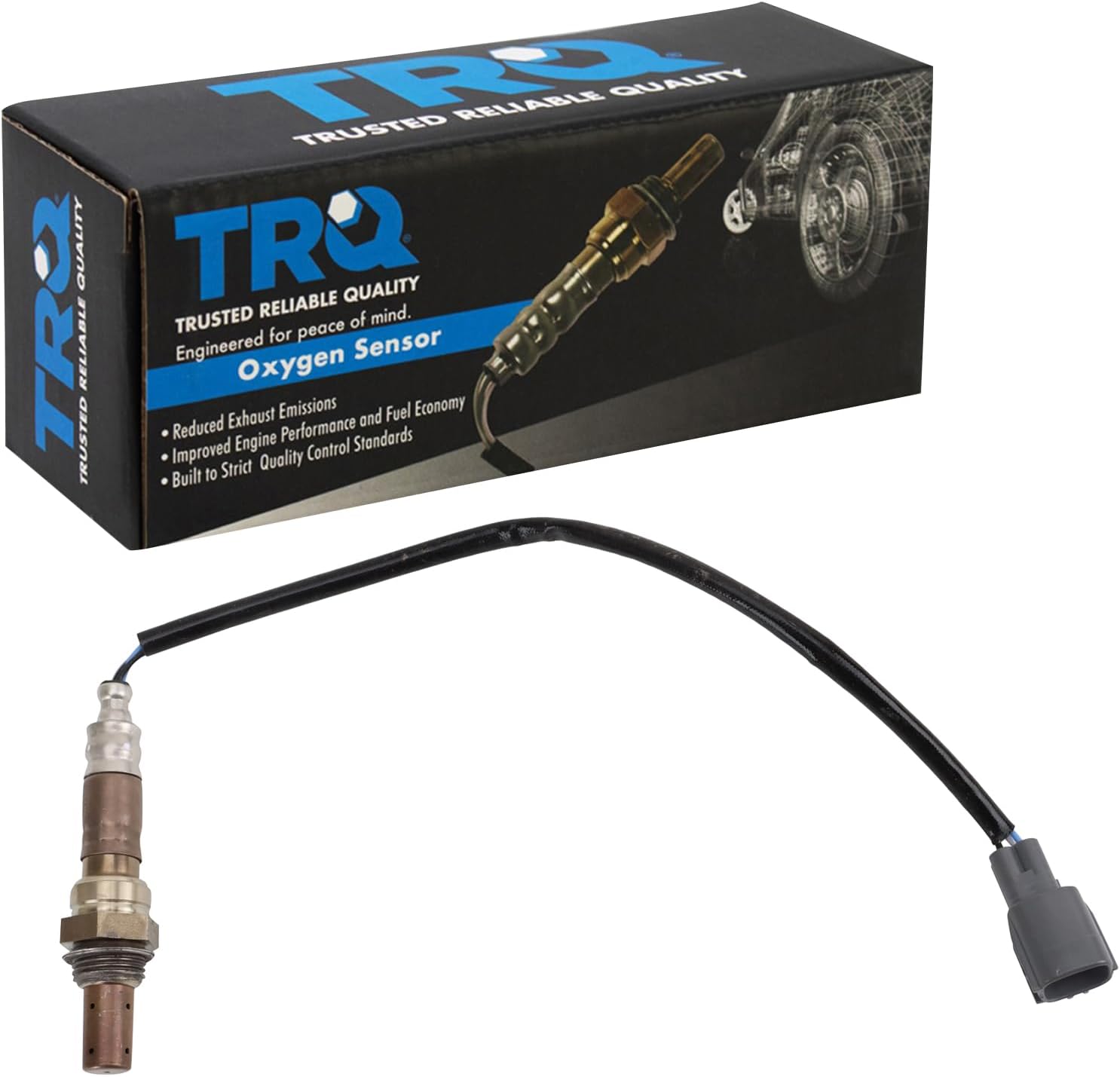
The TRQ O2 Oxygen Sensor (OSA61195) is a threaded upstream wide-band compatible sensor intended as a direct replacement for affected late 1990s Toyota applications. It installs like a factory sensor and is typically used to clear oxygen-sensor-related codes, restore proper fuel trim, and improve responsiveness and emissions after the original sensor fails. Notable features include stainless steel construction, pre-applied anti-seize on the threads, and an analog output suited to engine management systems that expect wide-band inputs. In practice the sensor provides straightforward DIY installation and quick return-to-service for vehicles with a failing upstream unit, and many buyers report immediate elimination of check engine lights and improved drivability after a brief relearn/drive cycle. Durability opinions are mixed in user feedback, with some units showing early failure while others last months to years, so longevity may vary by duty cycle and installation conditions. The sensor comes pre-assembled for direct fit but confirm connector gender and fitment for your exact Camry year before replacing to avoid wiring adjustments.
Best for: Buyers who prioritize confirmed fit and quick DIY repair backed by other users experience and want a cost-effective replacement to clear O2-related drivability issues.
Less Ideal for: Drivers who need a guaranteed long-life or professional-grade lifetime part for heavy-duty use should consider higher-end or manufacturer-specific sensor options instead.
- Direct-fit threaded design for straightforward replacement and minimal modification
- Stainless steel body and pre-applied anti-seize protect the threads and simplify installation
- Analog wide-band compatible output restores engine control feedback and can clear O2-related fault codes
- Pre-assembled with connector and mount to reduce installation steps for DIYers
- Reported variability in durability with some users experiencing early failure
Verdict: A ready-to-install direct-fit upstream oxygen sensor that restores proper air-fuel feedback and gets affected Camrys back on the road quickly.
Choosing the Right 1997-2001 Toyota Camry Oxygen Sensor: Key Factors to Consider
Correct Fitment and Connector Type
Correct mechanical fitment ensures the sensor threads and hex size match the Camry's exhaust bung so you do not need adaptors or modifications. The right OEM-style connector avoids cutting or splicing the wiring harness, which preserves original corrosion protection and simplifies future diagnostics.
Using a direct-fit sensor reduces installation time and prevents wiring strain that can cause intermittent signals or heater failure. Verify the sensor's heat shield or boot clearance matches the Camry's exhaust geometry to avoid chafing or premature damage from contact with nearby components.
Heater Circuit Reliability
The built-in heater brings the sensor to operating temperature quickly so the ECU can enter closed-loop operation soon after startup. A robust heater is particularly important in colder climates or for engines with longer warm-up times; slow heating prolongs open-loop fueling and hurts drivability and emissions.
Look for sensors with consistent heater resistance specs and corrosion-resistant heater leads. Heater failure often shows as a stored code and unstable fuel trims, so choosing a unit with a durable heater reduces the chance of early replacement and repeat diagnostics.
Signal Accuracy and Response Time
Oxygen sensors must produce timely and accurate voltage swings for the ECU to adjust fuel trims correctly. Sluggish or noisy signals can generate lean or rich corrections that lead to rough idle, higher fuel use, or illuminated check-engine indicators.
Sensors with faster response reduce transient fueling errors during throttle changes and cold starts. For the Camry, prioritize units that deliver steady narrowband switching characteristics and predictable warm-up behavior so the engine management sees consistent feedback under real driving conditions.
Durability Against Exhaust Contaminants
Road salt, oil blow-by, and fuel additives can coat the sensor element and degrade performance over time. A sensor built with protective materials and coatings resists contamination longer and maintains signal integrity, which is important for a vehicle of this vintage where exposure may have accumulated.
Durability also ties to housing and wiring protection. Corrosion-resistant threads, a protective heat shield, and sealed connector boots help prevent water intrusion and electrical faults that commonly cause sensor failures in older Camrys.
Compatibility With Engine Management Expectations
The Camry's ECU expects specific voltage ranges and heater behavior from upstream and downstream sensors. Matching those electrical characteristics prevents incorrect fuel trim corrections and spurious fault codes. For example, upstream units need to switch rapidly, while downstream sensors are expected to show steadier readings that confirm catalytic converter function.
Choosing sensors that replicate factory signal patterns minimizes the chance of persistent fault codes like heater circuit or sensor circuit errors. Confirm that the replacement lists support the Camry's engine bank and sensor position to avoid bank/position mismatches.
Installation Ease and Serviceability
Ease of install affects whether you can replace the sensor yourself and how cleanly the repair integrates with the vehicle. Sensors designed for direct replacement usually include anti-seize on the threads or a factory-compatible coating to prevent thread galling in the exhaust flange.
Serviceable designs use standard hex sizes and accessible wiring routes to avoid needing heat shields or exhaust removal. Clear installation compatibility and straightforward connector mating reduce time in the garage and lower the risk of incorrect wiring or poor sealing that can shorten sensor life.
Upstream Vs Downstream Sensor Roles
On the 1997–2001 Toyota Camry, upstream sensors (typically called Bank 1 Sensor 1 where applicable) sit before the catalytic converter and supply the ECU with immediate air-fuel ratio feedback. These sensors must respond quickly to changes so the ECU can trim fuel delivery and maintain efficient combustion.
Downstream sensors are located after the converter and are used primarily to monitor converter efficiency. They usually exhibit steadier output and are less prone to rapid switching compared with upstream units. When diagnosing emissions or catalytic performance, understanding which circuit you are testing is essential.
- Upstream: fast switching, direct impact on fuel trim and idle.
- Downstream: monitors catalytic converter efficiency, steadier signal.
- Confirm bank and position (for example, bank 1 sensor 1) before ordering replacement.
Common Symptoms of a Failing Sensor
Typical signs include a check engine light with emissions-related codes, rough or fluctuating idle, and unexplained drops in fuel economy. The engine may feel less responsive during throttle transitions as the ECU struggles to maintain correct air-fuel mixes.
Some failures present as intermittent behavior: the sensor may read normally when warm but drop out cold, or the heater circuit may fail and produce a stored code. Paying attention to when symptoms occur—cold start, steady cruise, or acceleration—helps isolate whether the upstream or downstream sensor is at fault.
- Rough idle or surging
- Lower miles per gallon
- Check engine light for oxygen sensor or heater circuit codes
- Intermittent performance tied to temperature
How to Test an Oxygen Sensor on a Camry
Testing starts with a visual and electrical inspection: check connector condition, wiring continuity, and heater resistance per factory specs. A heater circuit out of range indicates the element will not warm properly and usually requires replacement.
For signal testing, use a diagnostic scan tool or a multimeter to observe voltage swings on the upstream sensor while the engine is at operating temperature. A healthy narrowband sensor typically oscillates between low and high voltage as the ECU cycles fuel trims. If you lack diagnostic equipment, monitoring how symptoms change when the engine warms can provide useful clues.
- Check connector and wiring for corrosion or damage
- Measure heater resistance and compare with factory ranges
- Observe voltage switching with a scan tool or meter once engine is warm
- Watch for code P0135 or other heater circuit codes that indicate electrical issues
Installation Tips for 1997–2001 Camry Owners
Before you remove the old sensor, let the exhaust cool and raise the vehicle safely to access the sensor bungs. Apply penetrating lubricant to the sensor threads if they show corrosion, and use the correct oxygen sensor socket to avoid damaging the sensor body.
When installing the replacement, ensure the connector is fully seated and the wiring is routed to avoid heat contact with downstream components. If the replacement lacks anti-seize, apply a small amount on the threads only; avoid contaminating the sensing element. After installation, clear stored codes and perform a short drive cycle to confirm the ECU returns to closed-loop operation.
- Use proper tooling: oxygen sensor socket and torque specifications
- Protect the sensor wiring and connector from heat and abrasion
- Only apply anti-seize to threads, not the sensing tip
- Clear codes and verify closed-loop operation after install
When a Sensor Replacement Might Not Fix a Code
Replacing the oxygen sensor does not always clear emissions codes if there are underlying issues like vacuum leaks, intake leaks, ignition problems, or a failing catalytic converter. The ECU may set similar symptoms for multiple causes, so a thorough diagnostic process matters.
If the same code returns after replacement, inspect the wiring and grounds, check for exhaust leaks upstream of the sensor, and verify that fuel pressure and ignition components are within specifications. Ensuring the new sensor is the correct bank and position for your Camry prevents mismatched readings that would keep the code active.
- Check for vacuum or exhaust leaks that affect readings
- Verify ignition and fueling systems are functioning properly
- Confirm the replacement sensor is the correct bank and position
Still looking for the perfect fit?
Select your Toyota Camry configuration to see the most relevant Oxygen Sensors recommendations
How We Chose the Best 1997-2001 Toyota Camry Oxygen Sensor
We focused strictly on parts that fit the 1997–2001 Toyota Camry and deliver dependable air-fuel feedback under typical driving conditions. Selection began by filtering for direct-fit oxygen sensors that match factory wiring, threaded size, and connector type for Camry engines used in that year range. We prioritized sensors with documented signal stability, rapid warm-up characteristics, and robust heater circuits to reduce closed-loop delay at cold start. Reliability and materials were next: sensors using durable element coatings and corrosion-resistant housings rate higher because the Camry's exhaust routing exposes sensors to salt and road grime in many climates.We also considered electrical attributes that affect ECU behavior: steady voltage swings for narrowband units and consistent heater resistance readings. Installation practicality and availability of OE-equivalent mounting hardware were included as selection criteria. We excluded universal sensors that require cutting or splicing harnesses, any parts lacking Camry-specific fit documentation, and sensors intended only for performance or race applications. Final inclusion balanced fitment accuracy, signal quality, heater robustness, and long-term durability for everyday road use.
Our full evaluation process is outlined in our review methodology.
FAQ
How do I know if the oxygen sensor on my 1999 Camry is bad?
Symptoms often include a persistent check-engine light, rough idle, reduced fuel economy, or poor throttle response. A diagnostic scan showing sensor or heater circuit codes, combined with slow or no voltage switching on the upstream sensor when warm, usually indicates failure.
Can I install a replacement oxygen sensor myself on this Camry?
Many owners can handle the replacement with basic tools and safety equipment. Use the correct oxygen sensor socket, follow torque guidance, and protect wiring from heat. If you are unsure about wiring or diagnostic verification, consult a technician.
Will replacing the oxygen sensor clear a check-engine light for code P0135?
Replacing a sensor with a confirmed heater circuit fault often clears P0135 once the new heater operates correctly and the ECU completes its self-tests. If the code returns, further diagnosis of wiring, grounds, and related systems is warranted.
How long should a replacement oxygen sensor last on a Camry from this era?
Under normal driving conditions, a quality replacement can last several years, but longevity depends on exposure to contaminants, road salt, and engine blow-by. Regular inspections and addressing exhaust or oil leaks will help maximize service life.
Is there a difference between upstream and downstream replacements I need to consider?
Yes. Upstream sensors require faster response and reliable heaters since they directly influence fuel trim. Downstream units are more about monitoring catalytic converter performance and typically show steadier output. Make sure you order the correct position for the Camry.
What should I check if the new sensor does not fix drivability issues?
If drivability problems persist, inspect for vacuum leaks, faulty ignition components, or fuel delivery problems. Also verify the sensor wiring and connector integrity and confirm the replacement is matched to the correct bank and position.
Final Verdict
For a 1997–2001 Toyota Camry, prioritize direct-fit oxygen sensors that match the factory connector and thread size, and that offer a reliable heater circuit and fast signal response. These attributes most directly affect fuel trim, idle quality, and emissions diagnostics.Balance durability against installation ease: choose units with corrosion-resistant housings and clear fitment documentation to minimize rework. Focus on correct bank/position fitment and verified heater and signal characteristics to resolve codes and restore consistent engine performance confidently.
Explore More:
- Check out all Toyota Camry parts & accessories
- Explore Oxygen Sensors Maintenance & Repair Guides
- Explore Engine
- Browse all Auto Parts
