

Note: This article contains affiliate links. If you click on these links and make a purchase, I may earn a small commission at no extra cost to you. This helps support my research and content. Read my full affiliate disclosure here.
If your Ford Explorer Eddie Bauer is showing overheating, low coolant, or visible leaks, swapping in the right radiator can return reliable cooling and prevent engine damage. This guide gathers the top shortlisted radiators that fit the Eddie Bauer configuration and explains how each option addresses core concerns such as cooling capacity, leak resistance, and installation fit.You will find practical evaluation criteria focused on fitment, construction, and cooling performance, plus guidance on common symptoms and maintenance steps. The selections here narrow the field to the best replacement choices for this specific Explorer configuration and make it easier for you to pick a durable unit that suits your driving and towing needs.
Looking for other parts? See all Ford Explorer parts & accessories.
Top Picks at a Glance


1. SCITOO Radiator Replacement for 2007–2010 Ford Explorer / Sport Trac / Mercury Mountaineer

| Fitment | 2007–2010 Ford Explorer, Explorer Sport Trac, Mercury Mountaineer |
|---|---|
| Engine | 4.0L and 4.6L |
| Transmission Oil Cooler | Included |
| Material | Aluminum |
This SCITOO radiator is a model-specific replacement for 2007–2010 Ford Explorer, Explorer Sport Trac, and Mercury Mountaineer with 4.0L or 4.6L engines. It uses an aluminum core and is supplied with a transmission oil cooler built in, so it addresses both engine cooling and automatic transmission cooling needs in one unit. Installation is intended to be straightforward because the radiator is shaped to the factory mounting points, which helps reduce fitment fiddling during a swap. Real-world benefits are predictable cooling performance under normal driving and the convenience of a single assembly that replaces both radiator and transmission cooler lines where applicable. Limitations include the lack of an integrated engine oil cooler and the fact that high-performance or heavily modified engines may demand a larger-capacity or multi-core aftermarket radiator. Buyers should also verify vehicle fitment against year, engine, and trim before ordering.
Best for: Buyers who want a straightforward, factory-fit replacement that restores stock cooling and transmission cooling for a daily-driven Explorer or similar SUV without needing performance upgrades.
Less Ideal for: People building high-power, track-focused, or heavily modified engines who need increased cooling capacity or a specialty multi-core radiator.
- Model-specific design intended to match factory mounting points for easier installation
- Aluminum construction for efficient heat transfer and corrosion resistance
- Includes transmission oil cooler, eliminating the need for a separate cooler in automatic models
- Covers both Explorer and Sport Trac as well as Mountaineer fitments for the listed years
- Does not include an engine oil cooler
- May not meet the cooling demands of heavily modified or high-output engines
Verdict: A practical, model-specific aluminum replacement that restores factory-style engine and transmission cooling for 2007–2010 Explorers and related SUVs.
2. ALLOYWORKS 3-Row All-Aluminum Radiator for Ford Explorer (2006–2010)

| Fitment | 2006–2010 Ford Explorer, 4.0L/4.6L automatic |
|---|---|
| Core | 3-row aluminum racing design |
| Tanks | Full aluminum, 2mm thick |
| Transmission cooler | Built-in |
| Construction | 100% TIG welded, pressure tested |
This ALLOYWORKS 3-row all-aluminum radiator is built to improve cooling for 2006–2010 Ford Explorer vehicles with 4.0L V6 or 4.6L V8 automatic transmissions. It replaces the factory unit with a TIG-welded, full-aluminum core and tanks and adds a 3-row racing-style core intended to raise coolant capacity and heat rejection compared with stock radiators. Practical features include a built-in transmission oil cooler, CNC-machined filler neck and cap, and an OEM-style brass petcock drain for easier service. The construction is pressure tested and fully welded rather than epoxied, which should reduce leak risk and extend service life under heavier loads or mild towing. Expect noticeably cooler running under frequent highway or warm-weather driving and when paired with other cooling upgrades. Limitations are that this is a direct-fit aftermarket unit that requires size verification before purchase and may need careful handling during installation because full-aluminum radiators can be less forgiving to impact than plastic-tank designs.
Best for: Buyers who want a performance-minded replacement to lower operating temperatures on an Explorer used for daily driving, highway towing, or light modification and prioritize improved cooling capacity and durability.
Less Ideal for: If you need a drop-in, lowest-cost replacement for light-duty use or prioritize impact resistance over cooling performance, a different factory-style replacement may be a better fit.
- All-aluminum 3-row core increases heat dissipation compared with typical stock radiators.
- TIG-welded construction and pressure testing reduce risk of leaks and improve durability.
- Integrated transmission oil cooler allows combined cooling for automatic transmission models.
- CNC-machined filler neck and OEM-style drain simplify filling and maintenance.
- Requires checking core dimensions to confirm fit before buying.
- Heavier and potentially more fragile during handling than plastic-tank replacements.
Verdict: Choose this full-aluminum 3-row radiator when you want a durable, higher-capacity cooling upgrade to keep a 2006–2010 Explorer running cooler under heavier loads or warmer conditions.
3. Auto Dynasty 2-Row Aluminum Radiator for 2007–2010 Ford Explorer / Mercury Mountaineer

| Position | Front |
|---|---|
| Special Features | 2-Row, Cooling Fins, Direct Replacement, Heavy Duty Tank |
| Fits Engines | 4.0L and 4.6L |
| Transmission Compatibility | Automatic or manual models |
| Manufacturer | Auto Dynasty |
This Auto Dynasty radiator is a direct-replacement, 2-row aluminum cooling unit intended for 2007–2010 Ford Explorer and Mercury Mountaineer 4.0L and 4.6L engines. It replaces the factory radiator with a lightweight T-6061 aluminum core and heavy-duty tanks to improve cooling capacity over worn originals. Installation is bolt-on with no drilling required, so a competent DIYer or a professional installer can swap it in without major modification. The unit includes a transmission oil cooler port for models that require it but does not include an engine oil cooler. Practical benefits include better heat dissipation from the full-aluminum core and reduced weight compared with some stock units, which can help with cooling under load or in warmer climates. Limitations are typical for aftermarket radiators: instructions are not included and professional installation is recommended, and fitment must match the listed years and engine sizes to avoid leaks or mounting issues.
Best for: Buyers who want a practical, performance-minded replacement radiator that restores or improves cooling for mid-2000s Explorer family vehicles while keeping installation straightforward.
Less Ideal for: Drivers who need integrated engine oil cooling or who prefer factory-branded parts should consider other options.
- Direct bolt-on replacement for 2007–2010 Explorer and Mountaineer models without drilling or modification
- Full T-6061 aluminum core for improved heat dissipation and lighter weight
- Includes transmission oil cooler port for compatible automatic transmission models
- 2-row design balances cooling capacity with a compact profile for tight engine bays
- Does not include installation instructions so professional installation is recommended
Verdict: A straightforward, full-aluminum bolt-on replacement that improves cooling for 2007–2010 Ford Explorer and Mountaineer vehicles.
4. OCPTY 2342 Replacement Radiator for 2002–2005 Ford Explorer / 2002–2005 Mercury Mountaineer

| Compatible engines | 4.0L and 4.6L |
|---|---|
| OEM part number | 2342 |
| Core thickness | 1 1/4 Inch |
| Construction | Aluminum core with plastic tanks |
This OCPTY 2342 radiator replaces the stock cooling unit on 2002–2005 Ford Explorer and 2002–2005 Mercury Mountaineer models with 4.0L and 4.6L engines. It uses an aluminum core with high-density fins and high-grade plastic tanks to restore cooling performance and is built to match factory fit and function for a straightforward drop-in installation. The unit ships without a cap and does not include a transmission oil cooler, so expect to reuse existing components during installation. Practical benefits include improved heat dissipation from the multi-louvered fins and a leak-tested assembly that aims to deliver reliable day-to-day cooling at a lower cost than many brand-name replacements. Limitations are the omitted cap and cooler, and buyers who want a complete overhaul may need to purchase additional parts. Fitment is specific to the listed Explorer and Mountaineer years and trims, so confirm engine and model details before ordering.
Best for: Buyers looking to restore reliable cooling on an older Explorer or Mountaineer without paying for an OEM-priced unit, and who prioritize a budget-friendly direct replacement that installs like the factory part.
Less Ideal for: Drivers who want a fully refreshed system with a new cap or integrated transmission cooler, or those seeking premium-brand warranty coverage and accessories included out of the box.
- Direct-fit design for 2002–2005 Ford Explorer and 2002–2005 Mercury Mountaineer 4.0L/4.6L applications
- Aluminum core with high-density multi-louvered fins for improved cooling efficiency
- Leak-tested assembly with factory-style tanks for straightforward drop-in replacement
- Does not include radiator cap or transmission oil cooler, so additional parts may be required during install
Verdict: A cost-conscious direct-fit radiator that restores factory cooling performance for 2002–2005 Explorer and Mountaineer 4.0L/4.6L models without the premium price.
5. ASCIUTTA 3-Row All-Aluminum Radiator for 2006–2010 Ford Explorer / Mountaineer / Sport Trac

| Core Rows | 3 Rows |
|---|---|
| Core Material | All Aluminum |
| Flow Type | Down Flow |
| Radiator Cap | Included |
| Fitment Engines | 4.0L V6 and 4.6L V8 |
This ASCIUTTA radiator is a bolt-on, downflow replacement built from AA5052 aircraft-grade aluminum with a three-row core intended to provide stronger cooling capacity than the factory unit. It installs without drilling or modification and includes a CNC-machined filler neck and cap plus a brass-style petcock drain for routine service. The thicker aluminum tanks and brazed core construction aim to resist warping and leaks over time, and the unit is 100% tig welded and leak tested before shipping. In practice this means cooler running temperatures and greater tolerance for towing or occasional spirited driving compared with many stock radiators. Limitations to note are that the unit is a heavy assembly to handle and may require two people for safe installation, and customers should verify fitment for automatic-transmission 4.0L and 4.6L engine configurations before buying. Replacement caps, hoses, and proper coolant fill remain important to realize the longevity benefits claimed by the manufacturer.
Best for: Buyers who prioritize long-term cooling reliability and want a stronger-than-stock replacement for occasional towing, hot-weather driving, or spirited use without modifying the cooling system.
Less Ideal for: Drivers looking for the lightest possible aftermarket option or those who need a universal or multi-vehicle radiator solution.
- All-aluminum construction and brazed core for improved heat transfer and corrosion resistance
- Three-row core increases coolant capacity and cooling efficiency over many stock radiators
- Direct bolt-on fit for the listed 2006–2010 Explorer, Mountaineer and Sport Trac models with included filler cap and petcock
- 100% leak tested and tig welded for manufacturing quality control
- Large, heavy assembly that can be awkward to handle during installation
Verdict: A durable, direct-fit all-aluminum three-row replacement built to keep 2006–2010 Explorers and related models running cooler and more reliably under heavier use.
6. AUTOSAVER88 Radiator compatible with 2006 Explorer / 2007 Explorer Sport Trac / 2006 Mercury Mountaineer
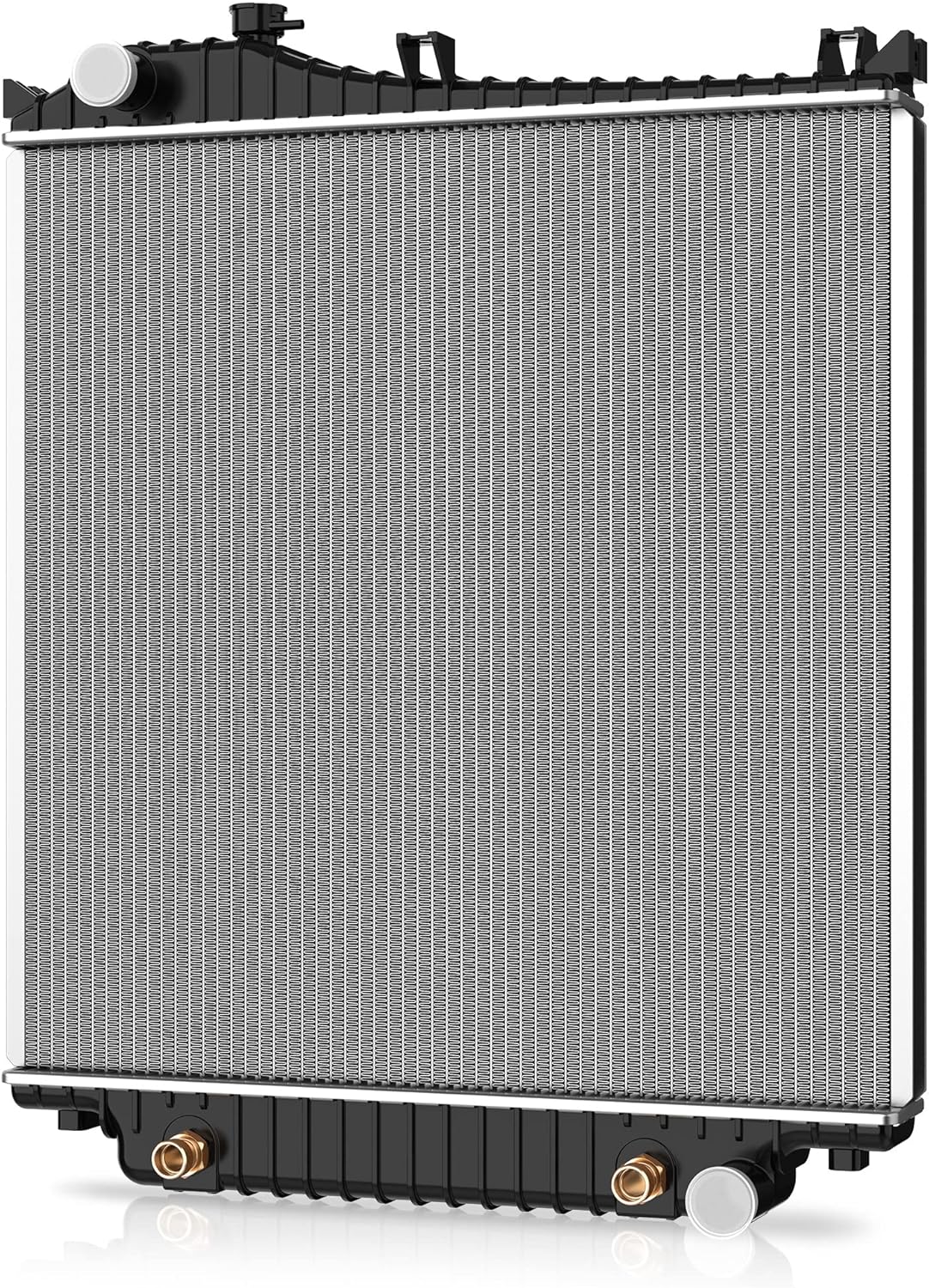
| Fitment | 2006 Explorer; 2007 Explorer Sport Trac; 2006 Mercury Mountaineer |
|---|---|
| Engine compatibility | 4.0L V6, 4.6L V8 |
| Core material | Aluminum core with plastic tanks |
| Replacement part number | FO3010273 |
This AUTOSAVER88 radiator is a direct-fit replacement for 2006 Ford Explorer, 2007 Explorer Sport Trac, and 2006 Mercury Mountaineer models with 4.0L V6 or 4.6L V8 engines. It uses a high-density aluminum core with multi-louvered fins and plastic tanks to improve heat transfer and is pressure-tested for leaks before shipping. Typical use is one-for-one replacement during a cooling system service; the package includes the complete radiator and a user manual but not a radiator cap, so plan to transfer or buy the cap separately. The design aims for OEM-style fit and simplified installation, and the aluminum oil cooler noted in the description helps with faster heat dissipation. Expect solid cooling performance in normal driving and towing scenarios, though installation should be performed by a mechanic if you are not experienced. The radiator omits the cap and thermostat considerations remain the vehicle owner’s responsibility, so follow the vehicle manual for bleeding and coolant type to avoid installation issues.
Best for: Buyers who prioritize a tested, factory-quality replacement that matches original fit and cooling performance and want reassurance from a widely purchased aftermarket option.
Less Ideal for: If you need a radiator with upgraded performance beyond stock cooling capacity or a complete overhaul kit that includes all auxiliary parts, look at performance or full-repair kits instead.
- Direct-fit design for specified 2006–2007 Explorer and Mountaineer V6/V8 applications
- Aluminum core with multi-louvered fins for improved cooling efficiency
- Pressure-tested for leaks and packaged with protective foam to reduce transit damage
- Includes complete radiator and user manual for straightforward replacement
- Radiator cap is not included so you must reuse the old cap or purchase one separately
Verdict: A tested, direct-fit aluminum-core replacement radiator that restores factory-level cooling for 2006–2007 Explorer and Mountaineer V6/V8 vehicles.
7. DWVO Complete Radiator for 1998–2005 Ford Explorer and Compatible Ford Trucks
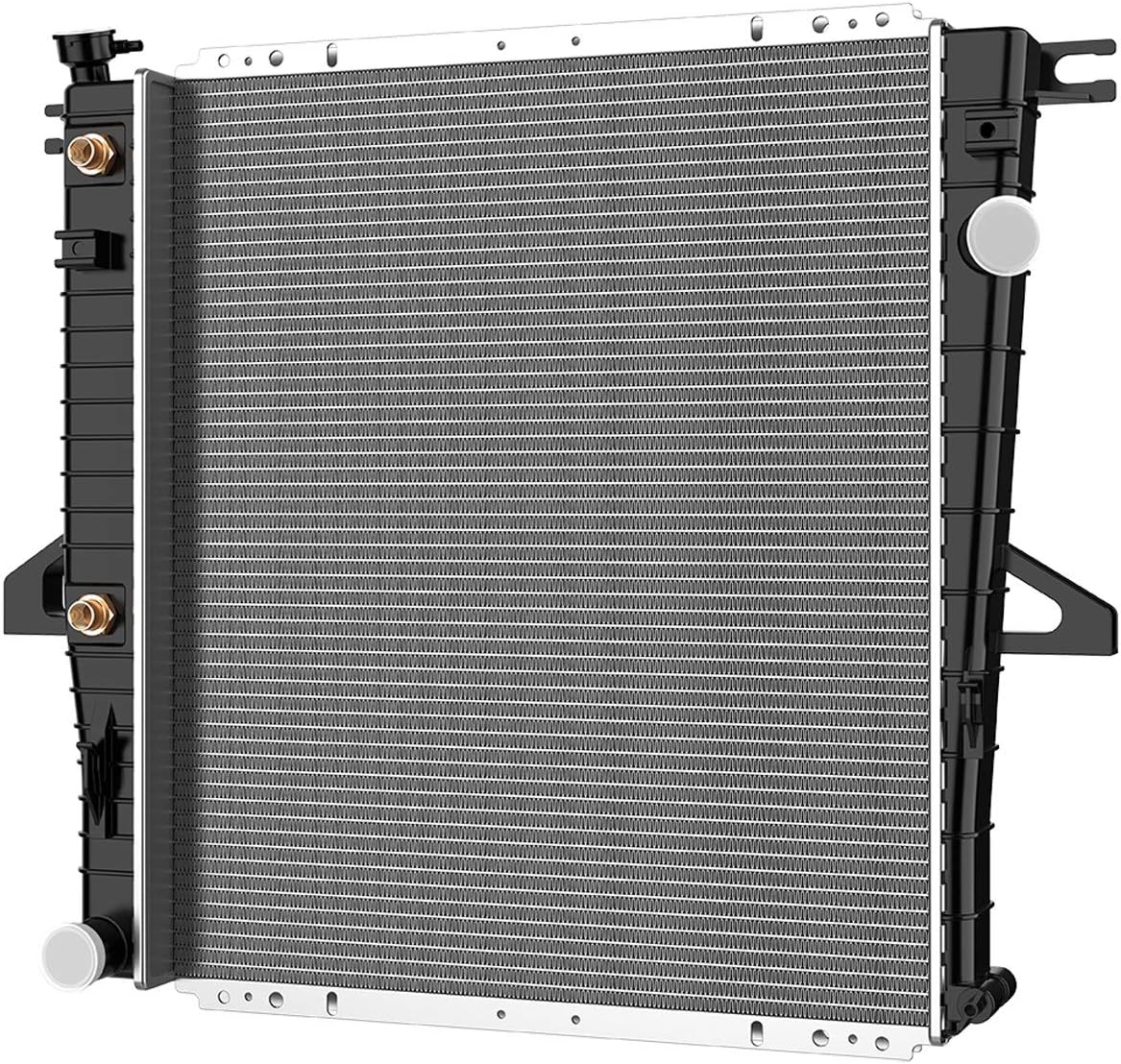
| Manufacturer Part Number | DWRD1086 |
|---|---|
| OEM Part Number | FD37071A,6L5Z8005DA |
| Core Material | Aluminum |
| Included Components | Complete radiator (radiator cap not included) |
This DWVO complete radiator replaces the factory cooling unit for select 4.0L and 3.0L Ford V6 applications and is intended as a direct fit for the listed Explorer, Ranger, B3000/B4000 and Mountaineer model years. It uses a high-density multi-louvered aluminum core and TIG-welded connections with reinforced inlet and outlet tanks to improve heat transfer and resist leaks. The unit includes a brass transmission oil cooler and a protective treated coating, and ships with corner foam to prevent damage in transit. Typical use is a like-for-like repair when the original radiator develops leaks or poor cooling performance; professional installation is recommended because the cap is not included and mounting requires correct fitment. Practical benefits are improved cooling efficiency compared with aged cores and a construction focused on durability. Limitations are that it is built for specific V6 Ford models only, the radiator cap is excluded, and a pro install may be needed to ensure correct sealing and transmission cooler connection.
Best for: Buyers who prioritize a reliable, factory-style replacement for a cooling system repair and prefer parts that closely match original fit and function.
Less Ideal for: People looking for a universal or performance-upgraded radiator or anyone needing a plug-and-play option that includes all small hardware and caps out of the box.
- Direct replacement matched to factory part numbers for listed Ford V6 models
- High-density multi-louvered aluminum core for improved cooling efficiency
- TIG-welded joints and reinforced inlet/outlet tanks designed to resist leaks
- Includes brass transmission oil cooler and protective coating for durability
- Radiator cap is not included so an additional purchase may be required
Verdict: A reliable, factory-matching replacement radiator for select Ford Explorer and compatible Ford trucks that restores cooling performance with durable aluminum construction.
Choosing the Right Ford Explorer Eddie Bauer Radiator: Key Factors to Consider
Fitment and Mounting Compatibility
Correct fitment is essential because even small differences in mounting hole locations or hose port placement can require modifications. For the Ford Explorer Eddie Bauer, confirm the radiator aligns with the vehicle's mounting brackets, fan shroud, and transmission cooler lines if applicable. A radiator designed as an exact OEM replacement reduces installation time and the risk of leaks from misaligned hoses.
Check that mounting tabs, drain petcocks, and sensor ports match the Eddie Bauer configuration. Some replacement radiators include adapter fittings or multiple hose bosses to handle minor differences, but relying on adapters can complicate future service. Ensuring straightforward compatibility avoids unexpected labor costs and helps maintain correct airflow through the core and condenser.
Core Design and Cooling Capacity
The core design determines how effectively the radiator transfers heat from coolant to air. Look for a core with sufficient surface area and appropriate fin density to handle the Explorer's typical load and towing demands. Aluminum cores with multiple rows often offer good thermal performance while being lightweight.
Consider whether the radiator supports the vehicle's expected operating conditions, such as highway towing or stop-and-go city traffic. A core that is undersized for the vehicle's demands can lead to recurring overheating symptoms, accelerated coolant breakdown, and higher stress on the thermostat and water pump.
Tank Material and Build Quality
Radiator tanks come in plastic or metal; each has tradeoffs. Metal tanks, typically aluminum, resist cracking and heat cycling better over the long term, while plastic tanks can be lighter and less expensive but may be more susceptible to tank failure under high temperatures or age. For an Explorer that sees moderate towing or extended highway use, prioritizing robust tank construction reduces the chance of leaks.
Inspect descriptions for brazed seams, reinforced joints, and corrosion-resistant finishes. Quality control in manufacturing affects long-term durability: poorly welded seams or low-grade plastics commonly lead to premature leaks. A well-built radiator minimizes the likelihood of costly repeat repairs.
Transmission Cooler Integration
Many radiators for vehicles with automatic transmissions include an internal transmission cooler or external ports. If your Eddie Bauer has a transmission cooler routed through the radiator, ensure the replacement supports the same configuration and line connections. Incorrect transmission cooler fitment can cause fluid restrictions, higher transmission temperatures, and transmission damage.
Verify port sizes and locations and whether the replacement requires supplemental adapters. Proper integration preserves transmission life and ensures both engine and transmission operate within safe temperature ranges during towing or heavy loads.
Leak Resistance and Warranty Coverage
Leak prevention is the primary reason most owners replace a radiator. Look for design features that reduce leak risk, such as full-brazed aluminum cores, reinforced tank-to-core joints, and pressure-tested assemblies. Also review warranty terms that cover common failure modes; longer, clearer warranties signal manufacturer confidence.
Keep in mind that warranty coverage often requires proper installation and use of recommended coolant. A good warranty combined with visible quality markers provides protection against early failures and offers peace of mind when making the replacement choice.
Serviceability and Installation Ease
Consider how easy the radiator is to install and service. Features like preinstalled mounting brackets, correct sensor bosses, and included drain petcocks simplify replacement. Radiators that avoid the need for trimming or hose modification reduce the risk of bad seals and cuts down installation time.
If you plan to perform the installation yourself, compatibility with common hand tools and clear instructions matter. For professional installations, confirm that the unit avoids nonstandard fittings that could increase labor time. Serviceability also includes accessibility of replacement parts if a bracket or fitting fails later on.
Common Radiator Symptoms to Watch For
Recognizing early warning signs helps prevent engine damage. Typical symptoms include a rising temperature gauge under load, visible coolant pooling beneath the vehicle, or a persistent sweet smell of coolant. Intermittent overheating during slow traffic combined with normal readings at highway speeds often indicates reduced coolant flow or a partially clogged core.
Other indicators include frequent coolant top-offs, steam from the engine bay, and a wet or oily residue on the radiator surface that could signal external leaks. Note that some issues mimic radiator failure, such as a failing thermostat or water pump, so diagnosing coolant flow and checking for active leaks will help confirm the radiator is the root cause.
- High temperature gauge during idle or low-speed driving
- Visible coolant puddles or damp areas around the radiator
- Steam or white smoke from under the hood
- Low coolant levels without clear external leakage
- Coolant contamination or oily residue on the radiator
When to Replace Versus Repair
Small, localized leaks from a fitting or seam might be repairable temporarily, but repairs often do not restore original strength. For the Eddie Bauer, consider replacement when the tank material is cracked, the core shows extensive corrosion, or multiple leak points exist. Replacement is generally the more reliable long-term option for older or heavily corroded radiators.
If the radiator is relatively new but has a single isolated leak at a hose barb or clamp, a professional repair may be cost effective. However, factor in the remaining expected service life, potential for future leaks, and the comparative labor involved in multiple repairs versus a one-time replacement.
- Repair for small, local, and recent leaks with minimal corrosion
- Replace for cracked tanks, widespread corrosion, or multiple leaks
- Replace when transmission cooler integration is damaged
Coolant and Maintenance Tips for Longevity
Using the correct coolant type and maintaining a regular coolant flush schedule helps extend radiator life. Contaminated or old coolant accelerates corrosion and deposits inside the core, reducing heat transfer and raising the risk of overheating. Follow manufacturer recommendations for coolant type and change intervals to preserve internal passages.
Regular visual checks for external corrosion, proper hose clamp torque, and pressure testing during service can catch problems early. If you perform cooling system maintenance yourself, use recommended procedures for draining and refilling to minimize trapped air in the system, which can cause hot spots and erratic temperature readings.
- Use manufacturer-recommended coolant and observe flush intervals
- Pressure-test the system when checking for leaks
- Inspect hoses and clamps whenever replacing the radiator
DIY Installation Considerations
Many Eddie Bauer owners can handle radiator replacement with common tools, but be realistic about the complexity. Removing the fan shroud, disconnecting transmission cooler lines if fitted, and ensuring correct reinstallation of sensors and the fan assembly are common steps. Allow adequate time and space to drain coolant safely and to properly bleed the system after installation.
If the replacement unit requires adapter fittings or modification, consider professional installation to avoid leaks or improper airflow through the condenser and core. Keep replacement parts such as hose clamps and drain petcocks handy, and follow a torque sequence for mounting bolts to prevent stress on the radiator frame.
- Have a drain pan and proper disposal plan for old coolant
- Label hose connections and electrical connectors for reassembly
- Bleed the cooling system after installation to remove air pockets
Understanding OEM Versus Aftermarket Options
OEM-equivalent radiators are built to match factory fitment and specifications, which simplifies installation and preserves original performance. Aftermarket options can offer advantages like improved core designs or stronger tank materials, but quality varies between manufacturers. For the Eddie Bauer, prioritize units that explicitly state direct fitment and matching port locations.
When evaluating aftermarket units, review construction details such as core row count, tank material, and whether the assembly is pressure-tested at the factory. Balanced judgment between verified build quality and stated compatibility helps you avoid units that require additional modifications or deliver inconsistent cooling performance.
- OEM-equivalent for straightforward fit and factory-like performance
- Aftermarket for potential performance or durability upgrades
- Confirm direct-fit claims before purchase to avoid returns
Still looking for the perfect fit?
Select your Ford Explorer configuration to see the most relevant Radiators recommendations
How We Chose the Best Ford Explorer Eddie Bauer Radiator
We prioritized radiators that meet the common service needs of Ford Explorer Eddie Bauer owners and that balance cooling performance, long-term durability, and straightforward fitment. Key evaluation criteria included cooling efficiency under load, measured by core design and material; exact fitment to Eddie Bauer mounting points and hose connections; construction quality such as brazed seams, reinforced tanks, and corrosion-resistant coatings; compatibility with OEM coolant types and pressure caps; and ease of installation for typical DIY repairs or professional replacement.We also considered thermal capacity for towing and highway driving, resistance to common failure modes like tank cracking or seam leaks, and availability of replacement parts such as mounting brackets and hose adapters. Units that required extensive modification or had unclear fitment were excluded. We did not include radiators with unverified construction claims, unclear warranty coverage, or those that lacked clear OEM-replacement specifications for the Eddie Bauer configuration.
Our full evaluation process is outlined in our review methodology.
FAQ
How do I tell if the radiator is the cause of my Explorer's overheating?
Often it depends on symptoms. Check for visible leaks, coolant on the ground, or steam from the radiator area. If the vehicle overheats mainly at idle or in traffic but cools at speed, the radiator core or airflow could be suspect. Pressure testing the cooling system and inspecting the core for blockages helps confirm the radiator as the cause.
Can I repair a small leak in the radiator or should I replace it?
Small, recent leaks at a hose connection can sometimes be repaired, but repairs may be temporary. Replace the radiator if there is significant corrosion, cracked tanks, or multiple leak sites. Evaluate repair cost versus expected remaining life before deciding.
Does the Eddie Bauer require a special radiator compared with other Explorer trims?
Some configurations differ in mounting points or transmission cooler integration. For the Eddie Bauer, ensure the replacement matches its specific mounting brackets, hose bosses, and cooler ports. Choosing a direct-fit unit specified for the Eddie Bauer configuration avoids installation issues.
How often should I flush the coolant to protect the radiator?
It usually depends on coolant type and driving conditions, but a common recommendation is every two to five years. Heavier towing or severe conditions may warrant more frequent flushing. Follow the vehicle manufacturer's guidance for coolant type and intervals.
Will installing a higher-capacity radiator fix frequent overheating during towing?
A higher-capacity radiator can help if the factory unit is undersized for your towing demands, but confirm fitment and fan compatibility first. Also check other cooling system components, such as the water pump, thermostat, and transmission cooler, since overheating often results from multiple factors.
What should I change when replacing the radiator?
Replace worn or soft hoses, clamps, and the pressure cap as needed. Consider replacing the thermostat and refilling with the recommended coolant. Inspect transmission cooler lines and replace any compromised fittings to prevent future leaks.
Final Verdict
Prioritize correct fitment, robust construction, and adequate cooling capacity when selecting a radiator for your Ford Explorer Eddie Bauer. Think beyond initial cost and consider long-term durability, warranty coverage, and whether the unit supports integrated transmission cooling if your vehicle has it.Choosing a direct-fit radiator with proven build quality and clear compatibility reduces installation headaches and the chance of repeat failures, giving you reliable cooling performance for regular driving and towing.
Explore More:
- Check out all Ford Explorer parts & accessories
- Explore Radiators Maintenance & Repair Guides
- Explore Cooling System
- Browse all Auto Parts
