

Note: This article contains affiliate links. If you click on these links and make a purchase, I may earn a small commission at no extra cost to you. This helps support my research and content. Read my full affiliate disclosure here.
If you drive a Ford Explorer Sport Trac, a properly functioning radiator is essential to prevent overheating, protect the engine, and keep towing or hauling reliable. Choosing the right radiator affects cooling capacity, long-term durability, and how easily the part fits and installs on your truck. This guide shortlists the seven top radiators suited to the Sport Trac and explains the practical tradeoffs between cooling performance, material choices, and installation needs. Read on to understand the evaluation criteria and which features matter most for everyday and heavy-duty use.
Looking for other parts? See all Ford Explorer parts & accessories.
Top Picks at a Glance


1. Auto Dynasty 2-Row Cooling Radiator for 2007–2010 Ford Explorer / Mountaineer (4.0L, 4.6L)

| Fits models | 2007–2010 Explorer, Sport Trac, Mountaineer |
|---|---|
| Engine compatibility | 4.0L and 4.6L |
| Core material | T-6061 aluminum |
| Rows | 2 |
| Transmission cooler | Yes |
This Auto Dynasty radiator replaces the factory cooling unit with a lightweight 2-row T-6061 aluminum core and heavy-duty tanks to improve coolant capacity and heat dissipation. It is intended as a direct bolt-in replacement for 2007–2010 Ford Explorer, Sport Trac, and Mercury Mountaineer 4.0L and 4.6L models, so installation typically requires no drilling or modification and suits routine replacement jobs. The radiator includes a transmission oil cooler passage which keeps automatic-transmission models' fluid temperatures in check under load. Practical benefits are improved cooling efficiency over aged cores, corrosion-resistant aluminum construction, and a lower weight that simplifies handling during install. Important limitations are the 2-row core design, which balances airflow and cooling but is not a high-performance multi-row cooler for heavy towing or extreme heat; professional installation is recommended and instructions are not included. This is a straightforward option for restoring factory-level cooling with modest performance gain for everyday driving.
Best for: Buyers who want a reliable, factory-style replacement that restores cooling performance and maintains ease of installation for daily driving and light-duty use.
Less Ideal for: Drivers who frequently tow heavy loads, run high-performance engines, or need a multi-row or upgraded cooling system for extreme operating conditions should consider a higher-capacity aftermarket radiator.
- Direct bolt-on replacement for 2007–2010 Explorer/Sport Trac and Mountaineer 4.0L/4.6L models
- T-6061 aluminum core resists corrosion and improves heat transfer compared with old or damaged stock cores
- Includes transmission oil cooler passage for automatic-transmission cooling
- Lightweight construction makes handling and installation easier than heavier factory units
- Two-row core provides moderate cooling capacity and is not optimized for heavy towing or high-performance cooling needs
Verdict: A solid, lightweight direct-replacement radiator that restores and modestly improves cooling for 2007–2010 Explorer and Mountaineer owners seeking dependable daily-use performance.
2. ASCIUTTA 3-Row Aluminum Radiator for 2006–2010 Ford Explorer / Mountaineer / Sport Trac

| Core Rows | 3 Rows |
|---|---|
| Core Material | All Aluminum |
| Flow Type | Down Flow |
| Radiator Cap | Included |
| Fitment Engines | 4.0L and 4.6L, automatic transmission models |
This ASCIUTTA radiator replaces the factory unit with a 3-row, all-aluminum downflow core built from AA5052 aircraft-grade alloy and TIG welded joints. It installs as a bolt-on replacement and includes a CNC-machined filler neck, cap, and a brass petcock drain. In everyday use it increases coolant capacity and core surface area compared with many stock radiators, which helps the cooling system resist temperature spikes under heavy load or spirited driving. The unit is 100% leak tested and shipped with protective packaging, and the included radiator cap and drain make routine bleeding and service straightforward. Expect a stiffer, higher-capacity radiator that supports aggressive street driving or towing without major vehicle modifications. Limitations are typical of aluminum replacements: it may require careful handling during installation to avoid bending fins, and long-term durability depends on coolant maintenance and correct mounting to prevent stress at the fittings.
Best for: Buyers who prioritize stronger cooling performance for spirited driving, towing, or higher-temperature operation and want a direct-fit replacement that increases coolant capacity without major modifications.
Less Ideal for: Drivers who prefer factory-original parts for long-term originality or those who never subject their vehicle to heavy loads may find a standard replacement sufficient.
- All-aluminum 3-row core offers increased coolant capacity and improved heat dissipation over many stock radiators
- Made from AA5052 aircraft-grade aluminum with TIG brazed construction for corrosion resistance and strength
- Direct bolt-on design with CNC machined filler neck and included cap simplifies installation and service
- 100% leak tested before shipping and includes a brass petcock drain for easier coolant removal
- Aluminum construction and larger core require careful handling during install to avoid fin damage or bending
Verdict: Choose this ASCIUTTA 3-row aluminum radiator when you need a direct-fit upgrade that raises coolant capacity and keeps a 2006–2010 Explorer or Sport Trac running cooler under performance or towing loads.
3. AlpaSpare CU2952 Direct-Fit Radiator for Ford Explorer / Sport Trac / Mercury Mountaineer (2006–2010)
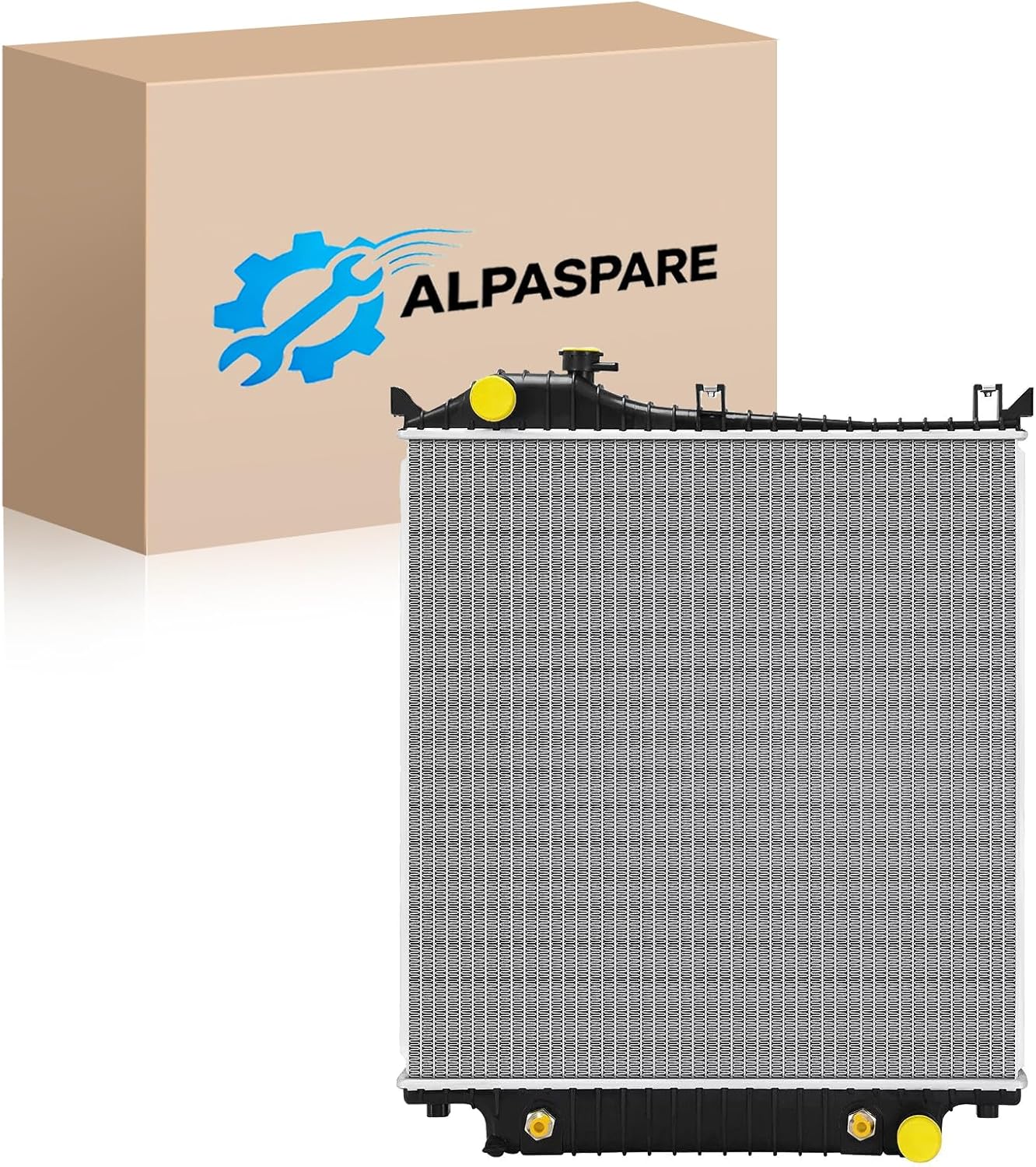
| Vehicle fit | Ford Explorer 2006-2010; Explorer Sport Trac 2007-2010; Mercury Mountaineer 2006-2010 |
|---|---|
| Material | Aluminum |
| Inlet diameter | 1.49 in |
| Outlet diameter | 1.49 in |
| Transmission type | AT |
This AlpaSpare CU2952 radiator replaces the factory unit for 2006–2010 Ford Explorer and Explorer Sport Trac and 2006–2010 Mercury Mountaineer vehicles. Built from aluminum, it is sold as a direct OEM-fit replacement that aligns with original mounting points and hose connections for drop-in installation without modifications. The listing specifies factory-equivalent testing for pressure, leaks, and thermal cycles, which suggests reliable cooling and corrosion resistance in everyday driving, towing, or occasional off-road use. Notable features include specified inlet and outlet diameters and compatibility with automatic transmissions, which helps ensure fit with the existing cooling system. Practical benefits are straightforward: faster swap times for DIYers or shops, factory-style cooling capacity to prevent overheating, and durable aluminum construction. Limitations are typical for aftermarket radiators: you should verify compatibility with any factory fan shroud, sensors, or auxiliary components before installation, and the product description does not list included mounting hardware or a warranty policy.
Best for: Buyers who prioritize a practical, no-fuss replacement that restores factory cooling performance and minimizes installation time, either for DIY repair or routine shop service.
Less Ideal for: People looking for a high-capacity performance upgrade or custom cooling solutions should consider purpose-built performance radiators instead.
- Direct-fit design that matches factory mounting points for a drop-in installation
- Aluminum construction for improved corrosion resistance and heat dissipation
- Specifies inlet and outlet diameters and AT compatibility to match cooling system plumbing
- Described as pressure and leak tested to factory-level thermal cycling standards
- Listing does not explicitly state included mounting hardware or sensors
- Manufacturer warranty details are not provided in the product description
Verdict: A ready-to-install, factory-fit aluminum radiator that gets a 2006–2010 Explorer or Sport Trac back to reliable cooling with minimal installation hassle.
4. Torchtree Aluminum Core Radiator Compatible with 1998–2005 Explorer Sport Trac

| Core Thickness | 3/4 in. |
|---|---|
| Core Width | 20-3/4 in. |
| Core Height | 23-3/4 in. |
| Inlet Diameter | 1-1/2 in. |
| Outlet Diameter | 1-1/2 in. |
This Torchtree radiator is a direct-fit replacement built around a 3/4-inch aluminum core with plastic tank end connections, intended for Explorer Sport Trac and several closely related Ford models. It installs like a factory-style unit and is primarily used to restore cooling performance after a leak or core failure. The aluminum core and corrugated fins promote heat dissipation while flat water tubes and corrosion-resistant construction aim to extend service life. The unit shipped with inlet and outlet diameters of 1.5 inches to match factory hose sizes and the seller reports pressure/leak testing before shipment. Expect a straightforward bolt-on swap for a worn or damaged radiator that brings back reliable cooling without modification. Limitations include plastic tanks instead of full-metal end tanks and a relatively thin core compared with performance or heavy-duty radiators, so it is best for daily drivers rather than high-load towing or heavily modified engines.
Best for: Buyers looking to replace a failed or leaking radiator on an Explorer Sport Trac who prioritize an affordable, direct-fit unit that restores factory cooling without upgrades or modification.
Less Ideal for: Those running heavy towing, high-performance mods, or who want a heavy-duty all-metal radiator should consider a thicker-core or performance-oriented replacement instead.
- Direct bolt-on fit for 1998–2005 Explorer Sport Trac and related Ford models
- Aluminum core with corrugated fins for improved heat dissipation over old/blocked radiators
- Pre-shipment leakage testing claimed by manufacturer for added confidence
- Matches factory hose diameters for simple installation without adapters
- Plastic tank end connections rather than full-metal tanks, which can be less durable under extreme heat
Verdict: A cost-conscious, direct-fit replacement that restores cooling for Explorer Sport Trac daily drivers without requiring modifications.
5. AUTOSAVER88 Radiator for 2006 Ford Explorer / 2007 Explorer Sport Trac 4.0L & 4.6L
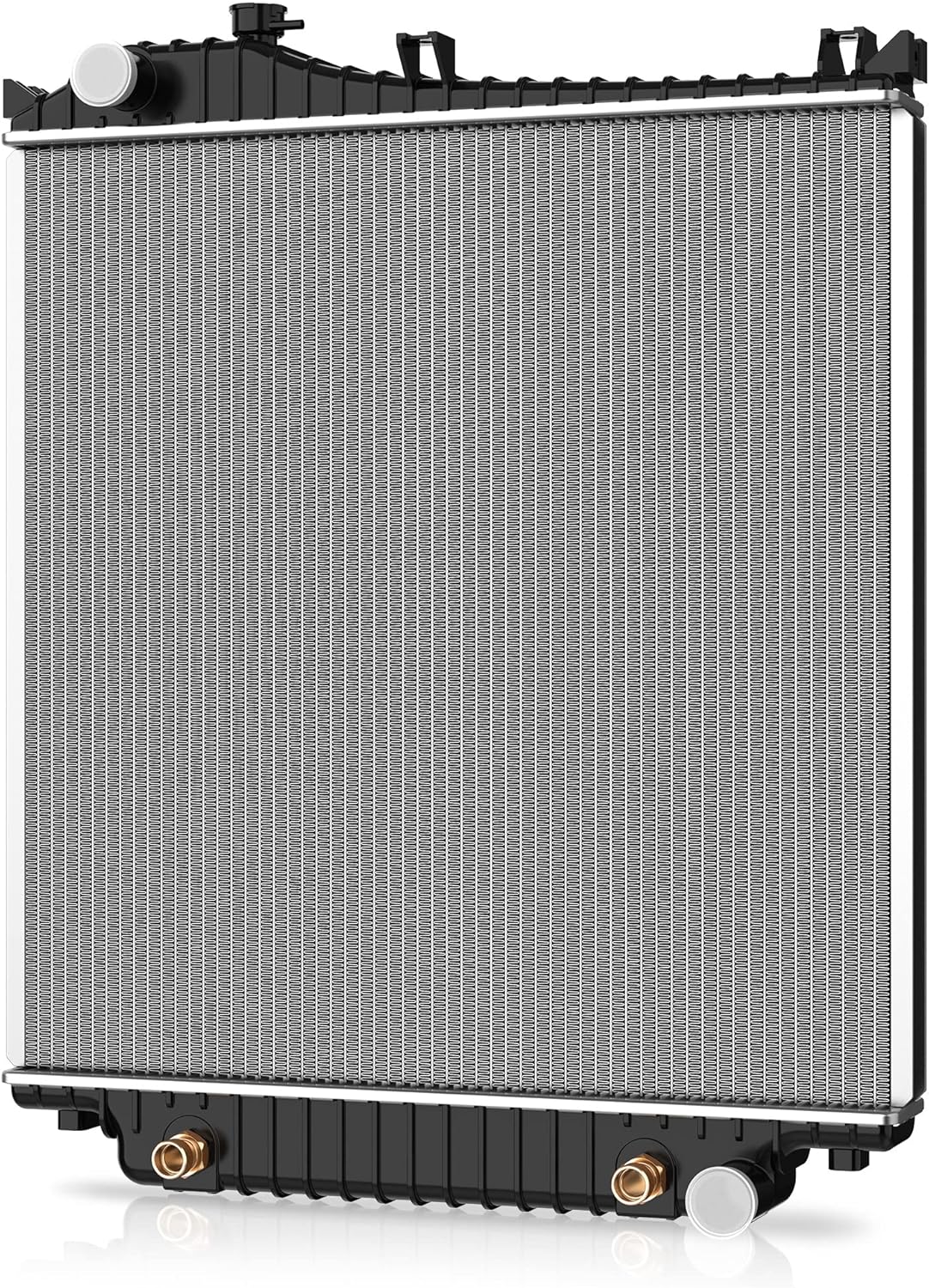
| Fitment | 2006 Explorer; 2007 Explorer Sport Trac 4.0L/4.6L |
|---|---|
| Core material | Aluminum core |
| Tanks | Plastic tanks |
| Replacement part number | FO3010273 |
| Package includes | Complete radiator and user manual |
This AUTOSAVER88 radiator is a direct-fit replacement for 2006 Ford Explorer and 2007 Explorer Sport Trac models with 4.0L or 4.6L engines. It uses an aluminum core with multi-louvered fins and plastic tanks to improve heat dissipation and is leak-tested at the factory. Installation is intended to be straightforward because the part follows the OEM design and includes a user manual, though the radiator cap is not supplied so you may need to reuse the original or buy a cap separately. The radiator claims upgraded packaging to reduce damage in transit and an integrated aluminum oil cooler to help with extra heat load. For owners focused on dependable cooling, the high-density core and leak checks are practical benefits, but professional installation is recommended since bleeding the system and ensuring fan/thermostat operation remain the installer’s responsibility.
Best for: Buyers who prioritize a reliable, factory-style cooling replacement for a 2006 Ford Explorer or 2007 Explorer Sport Trac and want a radiator built to match original fit and cooling performance.
Less Ideal for: Someone looking for a universal or performance-upgraded radiator or a DIYer who prefers complete kits that include caps and all accessories.
- Direct-fit design that matches factory mounting for easier installation
- Aluminum core with multi-louvered fins for improved cooling efficiency
- Factory leak testing to reduce early failure risk
- Includes upgraded protective packaging to minimize shipping damage
- Radiator cap not included
- Requires professional installation for proper bleeding and fitment assurance
Verdict: A factory-style replacement radiator that prioritizes dependable cooling and fitment for 2006 Explorer and 2007 Sport Trac owners seeking a reliable swap.
6. SCITOO Aluminum Engine Radiator for 2007–2010 Ford Explorer / Sport Trac / Mercury Mountaineer (2952)

| Fitment | 2007–2010 Ford Explorer, Explorer Sport Trac, Mercury Mountaineer 4.0L/4.6L |
|---|---|
| Material | Aluminum |
| Engine oil cooler | Included |
| Transmission oil cooler | Not included |
| OEM cross reference | 2952 |
This SCITOO radiator is a model-specific replacement built for 2007–2010 Explorer, Explorer Sport Trac, and Mountaineer vehicles with 4.0L or 4.6L engines. It swaps in like a factory replacement and is intended to restore proper cooling after a failed core. The unit is all-aluminum and lists the OEM cross reference 2952 so it matches the original mounting points and coolant passages for those applications. Notable features include an integrated engine oil cooler and precision fitment claims that simplify installation for DIYers or shops. In practice the benefits are straightforward: improved coolant flow and a new oil cooling path if your original unit was compromised, which helps maintain engine temperatures under normal towing or daily driving. Limitations to note are that the radiator does not include a transmission oil cooler and buyer attention to the exact year/engine fitment is required to avoid mismatch. Expect to reuse brackets, hoses, and some small fittings from the original or buy vehicle-specific hardware if needed.
Best for: Buyers who want a direct replacement radiator that closely matches factory fitment and prefer a product supported by many positive reviews and established compatibility checks.
Less Ideal for: Drivers who need a radiator with an included transmission oil cooler or who are looking for a performance/oversized cooling upgrade beyond factory capacity.
- Model-specific design for 2007–2010 Explorer/Sport Trac/Mountaineer improves fit and reduces modification during install
- All-aluminum construction for efficient heat transfer and corrosion resistance
- Integrated engine oil cooler restores oil cooling capability without a separate component
- Cross-references OEM part number 2952 to aid compatibility checks
- Does not include a transmission oil cooler so automatic transmission lines may need a separate cooler or plumbing
Verdict: A factory-style all-aluminum replacement radiator that fits 2007–2010 Explorer/Sport Trac/Mountaineer and restores engine cooling and oil cooling without complex modifications.
7. DWVO Radiator for 1998–2005 Ford Explorer Sport Trac 4.0L (direct fit)
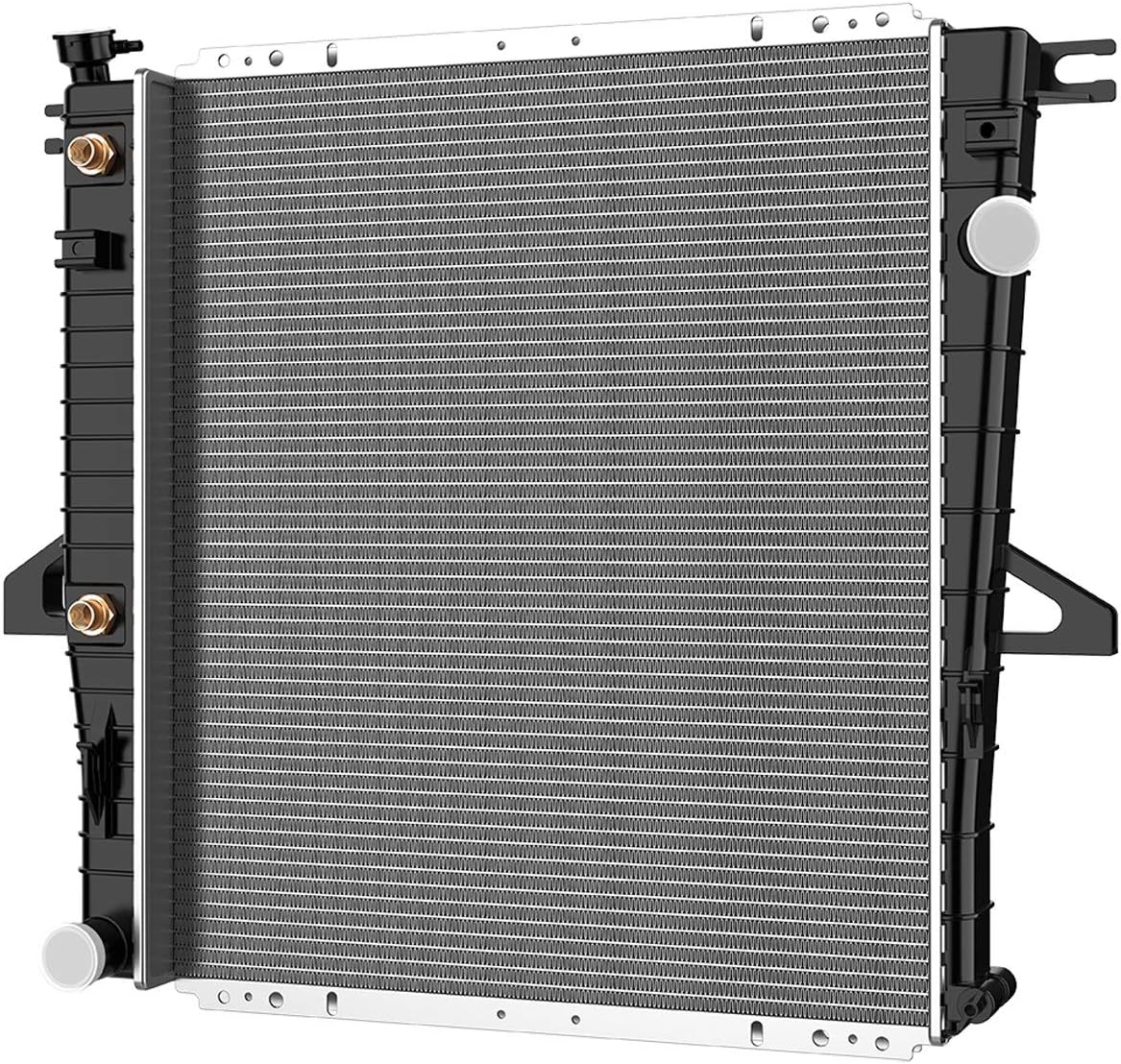
| Compatible engines/vehicles | 1998-2005 Ford Explorer Sport Trac 4.0L (also lists compatible Ranger/Mountaineer V6 applications) |
|---|---|
| Core material | Aluminum |
| Transmission cooler | Brass integrated cooler |
| Construction detail | TIG-welded inlet/outlet tanks |
This DWVO complete radiator is a direct-fit replacement intended to restore cooling to affected 4.0L V6 Explorer Sport Trac engines. It installs in place of the factory unit and includes a high-density core with multi-louvered fins to improve heat dissipation and a brass transmission oil cooler for automatic transmission cooling. Construction uses an aluminum core with TIG-welded inlet/outlet tanks and a treated coating intended to resist corrosion and leakage. The unit ships with foam corner protection and a user manual but does not include a radiator cap, so plan to reuse the factory cap or buy a replacement. Because it duplicates OEM part numbers, this radiator suits routine repairs or radiator failure replacements where buyers want a straightforward, factory-style swap; choose professional installation if you are not comfortable with coolant system work. Expect standard durability for an aftermarket core and confirm exact vehicle fitment before purchase.
Best for: Buyers who want a reliable, factory-style replacement to fix a failed radiator on a Sport Trac and prefer a straightforward swap that restores original cooling function.
Less Ideal for: Drivers seeking a high-performance upgrade, custom cooling solutions, or a radiator for a different vehicle application should look elsewhere.
- Direct-fit design matching factory part numbers for straightforward installation
- High-density multi-louvered fins and aluminum core for improved cooling efficiency
- TIG-welded tank joins and treated coating aimed at leak resistance and corrosion protection
- Includes brass transmission oil cooler integrated into the unit
- Does not include a radiator cap so an additional purchase or reuse of the old cap is required
Verdict: A practical, direct-fit aluminum radiator that restores factory cooling for Sport Trac 4.0L owners who want a dependable replacement quickly.
Choosing the Right Ford Explorer Sport Trac Radiator: Key Factors to Consider
Cooling Capacity and Core Design
Cooling capacity determines how well the radiator keeps engine temperatures in range, especially when towing, idling in traffic, or climbing grades. Core characteristics such as tube size, number of rows, and fin density influence the amount of air-to-coolant surface area. A higher density core can shed more heat but may restrict airflow if the vehicle's fan or shroud is not optimized.
For Sport Trac owners, consider the truck's typical load: frequent towing favors radiators with larger cores or additional rows. Also note that thicker cores can require extra clearance behind the grille or adjustments to fan shrouding. Balance raw capacity with the physical space available in the Sport Trac's engine bay to avoid fitment headaches.
Fitment Accuracy and Mounting
Exact fitment avoids cutting, bending, or adapting brackets during installation. Look for radiators that list Sport Trac compatibility explicitly and include matching inlet/outlet positions, mounting tabs, and transmission cooler ports if your vehicle uses an integrated cooler. Poor fitment can lead to stress on hoses, leaks, and increased installation labor.
Pay attention to the included hardware. Some radiators come with mounting brackets, bushings, and seals; others do not. If the radiator omits commonly needed parts, factor in additional time and potential cost for sourcing the correct components. Confirming hose diameters and connection orientations reduces surprises at install time.
Material and Corrosion Resistance
Radiator materials affect both thermal performance and durability. Aluminum cores with aluminum or reinforced plastic tanks are common because they balance weight and conductivity. Brass or copper cores can be repairable but are heavier and may not match modern fan or shroud interfaces. Tank construction and joint methods also matter: brazed or welded joints typically last longer than crimped or glued assemblies.
For a Sport Trac that sees seasonal use or salted roads, corrosion resistance is particularly important. Look for radiators with protective coatings, anodized aluminum, or engineered plastics rated for coolant chemicals. Proper material selection reduces the chance of premature leakage and extends service life.
Transmission Cooler Integration
Many Sport Trac models use an integrated transmission cooler within the radiator. If your vehicle has a transmission cooler integrated, the radiator must provide compatible ports and flow capacity. An undersized or incorrectly plumbed cooler can raise transmission fluid temperature under load, shortening transmission life.
If you tow or haul, prioritize radiators that maintain adequate transmission fluid cooling capacity. Confirm port placement and thread types to ensure hose and fitting compatibility. When replacing a radiator on a Sport Trac with an automatic transmission, do not assume the cooler is optional; check factory service information or your current radiator for clues.
Ease of Installation and Serviceability
Installation complexity affects both cost and downtime. Radiators that reuse factory fan shrouds, brackets, and hoses reduce labor and potential fitting issues. Consider whether the radiator permits easy access to drain petcocks, hose clamps, and transmission cooler fittings. Some designs place fittings in tight spaces, requiring removal of ancillary components.
Serviceability also covers the ability to inspect and repair smaller leaks. Units with replaceable cores or modular end tanks can be easier to fix in the field. For Sport Trac owners who prefer DIY repairs, a radiator that allows straightforward hose and clamp replacement will save time and frustration.
Warranty and Support
Warranty terms indicate manufacturer confidence and provide recourse if premature failure occurs. Look for radiators with clear coverage periods and documented warranty processes. Warranties that cover common failure modes like leaks, corrosion, and manufacturing defects offer practical protection.
Also consider documentation and customer support. Clear installation guides, fitment diagrams, and responsive technical support reduce the chance of installation errors and make it easier to address post-install questions. Warranty and support are part of the long-term ownership cost picture for Sport Trac owners.
Signs Your Sport Trac Radiator Needs Replacement
Early recognition of cooling issues prevents more serious engine damage. Watch for coolant puddles under the truck, persistent high temperature gauge readings, or a sweet smell in the cabin which can indicate a leak. Overheating during idling or slow, stop-and-go traffic is a common symptom of reduced radiator efficiency.
Rust or physical damage to the radiator core and end tanks suggests the unit is compromised. Also check for inconsistent temperature behavior where the engine spikes in temperature then returns to normal; this can point to internal blockage or partial core collapse.
- Visible coolant leaks or crusted coolant deposits around seams
- Engine temperature gauge rising above normal under load
- Coolant contamination or oil mixed with coolant indicating internal failure
- Reduced heater output or fluctuating cabin heat
Material Choices: Aluminum, Plastic Tanks, and Repairs
Aluminum-core radiators with aluminum or reinforced plastic tanks are common because they balance performance and weight. Aluminum transfers heat efficiently but can be vulnerable to electrochemical corrosion if dissimilar metals are present and not properly isolated. Plastic tanks reduce cost and denting risk but may crack over time, especially near mounting points.
For repairability, copper-brass cores are often easier to solder in the field, but they are less common on late-model Sport Trac vehicles and may not match factory mounting requirements. When considering repair versus replacement, weigh the cost of a durable new radiator against the temporary savings of patching a failing unit.
- Aluminum: good conductivity, lighter weight
- Plastic tanks: cost-effective, potential long-term cracking
- Copper-brass: repairable but heavier and less common
Preparing for Installation on a Sport Trac
Before starting a swap, gather the correct hoses, clamps, transmission cooler fittings, and any required mounting hardware. Drain coolant into a proper container and confirm the cooling system capacity so you can refill with the correct amount and type of coolant. Have the vehicle cooled and on a flat surface to avoid burns and spills.
Remove the battery negative terminal if you need to detach electric fans. Inspect the fan shroud and radiator support for damage and plan to reuse factory components if the new radiator does not include them. After fitting the radiator, bleed the cooling system per factory procedures to prevent air pockets that cause hot spots.
- Confirm inlet/outlet diameters and transmission cooler port types
- Have appropriate coolant and bleed procedure ready
- Check fan and shroud fitment before final mounting
When to Upgrade Cooling Capacity for Towing and Heavy Use
If you use your Sport Trac for frequent towing, heavy payloads, or steep terrain, upgrading to a radiator with higher thermal capacity can lower operating temperatures and reduce stress on the engine and transmission. A larger core or additional rows increase heat rejection but may require more front-end space and careful fan selection.
Consider pairing a higher-capacity radiator with a high-flow fan or an external transmission cooler when sustained towing is routine. These combined measures help maintain safe fluid temperatures and extend component life under continuous heavy load.
- Higher-capacity core recommended for regular towing
- Verify physical clearance for thicker radiators
- Pair with appropriate fans or auxiliary coolers when needed
Coolant Type and Maintenance Tips
Using the correct coolant chemistry and maintaining scheduled coolant changes preserves radiator life. For the Sport Trac, follow the vehicle's coolant specification and avoid mixing incompatible coolant types. Regular coolant changes remove sediment and inhibit corrosive processes that can eat away at the core and tanks.
A periodic radiator flush can clear debris and sediment, but avoid aggressive chemicals that may degrade seals. Inspect hose condition and clamps during coolant service, and replace any components that show swelling, cracking, or corrosion to prevent repeat leaks.
- Use manufacturer-recommended coolant type and mix ratio
- Replace hoses and clamps during radiator service when aged
- Perform a gentle radiator flush to remove sediment as needed
Still looking for the perfect fit?
Select your Ford Explorer configuration to see the most relevant Radiators recommendations
How We Chose the Best Ford Explorer Sport Trac Radiator
We prioritized criteria that directly affect how a radiator performs and fits in the Ford Explorer Sport Trac. First, cooling performance: core design, tube density, and fin arrangement determine how effectively the radiator sheds heat under load and in traffic. Second, fitment accuracy: correct inlet and outlet locations, mounting points, and transmission-cooler provisions are essential to avoid modification during installation. Third, material and construction quality: aluminum cores, brazed joints, and corrosion-resistant end tanks increase longevity in both daily driving and towing. Fourth, serviceability: ease of replacing hoses, availability of mounting hardware, and compatibility with factory fans reduce installation time. Fifth, warranty and build inspection: reasonable warranty terms and visible quality control reduce long-term risk. We excluded units that lacked clear fitment data for the Sport Trac, showed poor build documentation, or required extensive vehicle-specific modification. The final list balances thermal capacity, fitment reliability, and practical service considerations relevant to Sport Trac owners.
Our full evaluation process is outlined in our review methodology.
FAQ
How can I tell if my Sport Trac radiator is leaking internally?
Internal leaks often show as coolant contamination, such as oil in the coolant or a milky residue. You may also see white smoke from the exhaust or unexplained loss of coolant without visible exterior drips. A pressure test or cooling system dye test usually confirms internal failure.
Is it necessary to replace the radiator when changing the water pump on a Sport Trac?
Not always. If the radiator shows signs of wear, corrosion, or has a history of leaks, replacing it alongside the water pump is sensible since labor overlaps. If the radiator is in good condition, flushing the coolant and inspecting hoses may be sufficient.
Will a thicker high-capacity radiator fit my Sport Trac without modifications?
Some thicker cores fit without modification, but others require checking clearance with the fan shroud, condenser, or grille support. Confirm the specific radiator's dimensions and compare with your vehicle's space before purchasing to avoid unexpected modifications.
How often should I flush the cooling system on a Sport Trac?
Typical intervals are every 2 to 4 years depending on coolant type and driving conditions. Heavy towing, frequent short trips, or exposure to road salt may warrant more frequent service. Follow the vehicle's recommended schedule when available.
Can I reuse the factory transmission cooler lines with a replacement radiator?
Usually yes, if the replacement radiator has compatible cooler ports and the lines are in good condition. Inspect lines and fittings for corrosion or damage and replace any worn components to ensure a leak-free connection.
What are common causes of radiator clogging in a Sport Trac?
Clogging often results from sediment, rust from corroding components, or broken down coolant additives. Infrequent coolant changes and mixing incompatible coolant types accelerate build-up. Regular maintenance helps prevent internal restriction.
Final Verdict
For the Ford Explorer Sport Trac, prioritize a radiator that balances sufficient cooling capacity with precise fitment and durable construction. If you tow or carry heavy loads, favor higher-capacity cores and ensure transmission cooler integration is correct. For everyday driving, a well-built, properly fitting unit with good corrosion resistance and solid warranty coverage will deliver the best long-term value. Assess the tradeoffs between raw cooling performance, ease of installation, and repairability to select the radiator that matches your typical use.
Explore More:
- Check out all Ford Explorer parts & accessories
- Explore Radiators Maintenance & Repair Guides
- Explore Cooling System
- Browse all Auto Parts
