

Note: This article contains affiliate links. If you click on these links and make a purchase, I may earn a small commission at no extra cost to you. This helps support my research and content. Read my full affiliate disclosure here.
If you own a 2002-2005 Ford Explorer, a failing radiator can mean overheating, coolant loss, and unexpected breakdowns. Swapping the radiator for a properly sized, well-built replacement restores cooling system reliability and helps prevent engine damage. This guide shortlists seven top-rated radiators selected for fitment, cooling performance, and durability specifically for 2002-2005 Explorer applications.Below you will find practical information on the features that matter, signs that your radiator needs replacing, and the evaluation criteria we used to choose these replacements. Use the details here to match the right radiator to your Explorer and driving needs.
Looking for other parts? See all Ford Explorer parts & accessories.
Top Picks at a Glance
| Best Overall The best all-around choice for most situations | SCITOO Aluminum Radiator Compatible with 2002–2005 Ford Explorer / 2002–2005 Mercury Mountaineer |  |
| Best Quality Built to a higher standard if you want something more solid | TRQ Radiator Assembly Aluminum Core Plastic Tank, Cross Flow (RDA82629) |  |
| Best Value The sweet spot between price and what you get | KAX CU2342 Engine Cooling Radiator for 2002–2005 Explorer and Mountaineer |  |
| Best Budget The cheapest option that still gets the job done reliably | OCPTY 2342 Engine Radiator for 2002–2005 Ford Explorer / Mercury Mountaineer |  |
| Highest Rated A top-rated pick with lots of positive feedback | AParts Radiator Replacement for Ford Explorer 4.0L (2002–2005) |  |
| Most Popular A crowd favorite that many people choose with confidence | Auto Dynasty 1-Row Cooling Radiator for 2002–2005 Ford Explorer / Mercury Mountaineer |  |
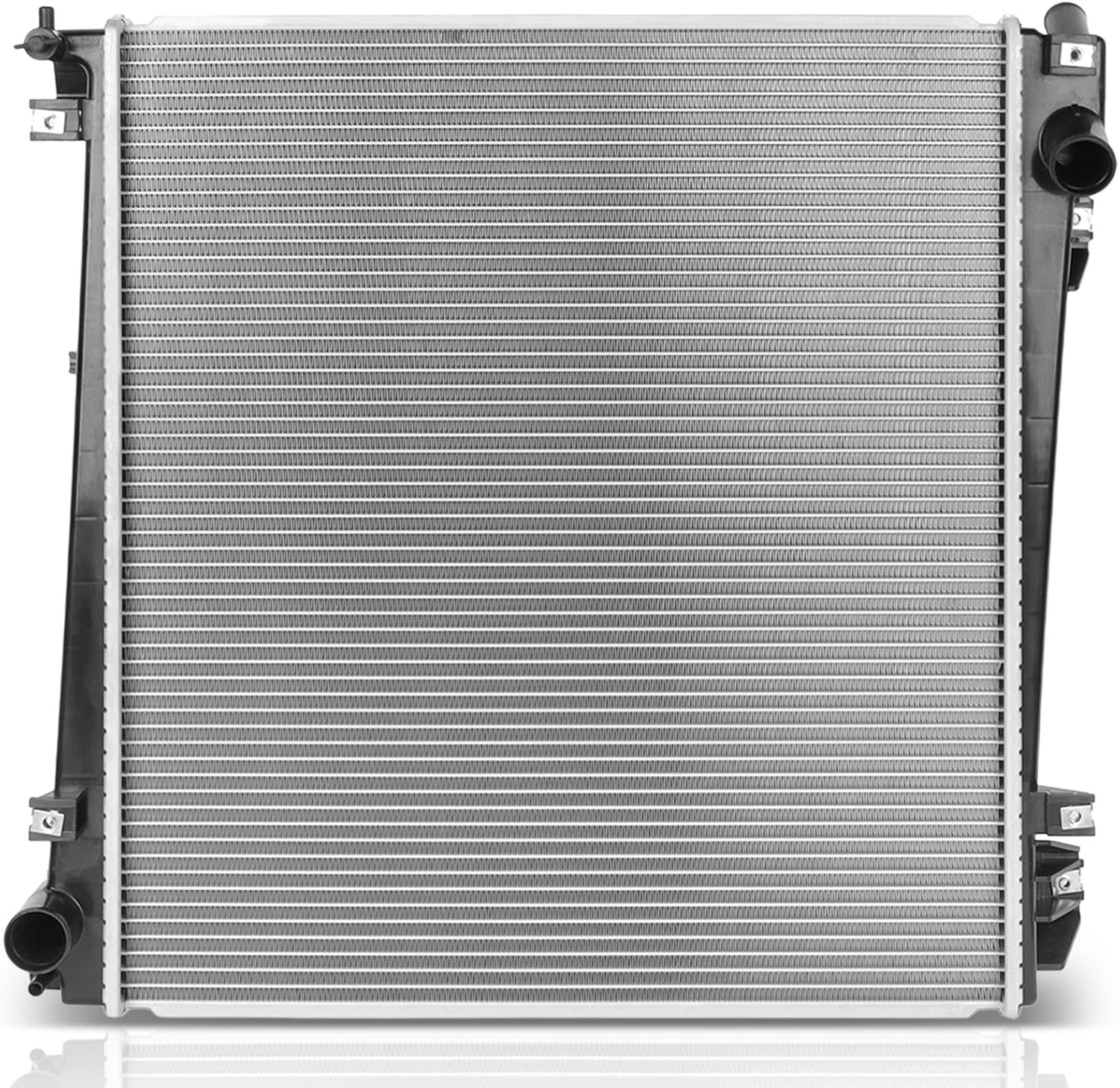
1. SCITOO Aluminum Radiator Compatible with 2002–2005 Ford Explorer / 2002–2005 Mercury Mountaineer
| Vehicle fitment | 2002–2005 Ford Explorer / 2002–2005 Mercury Mountaineer 4.0L & 4.6L |
|---|---|
| Material | Aluminum |
| Inlet diameter | 1.5 in |
| Outlet diameter | 1.5 in |
This SCITOO radiator is a vehicle-specific replacement designed to fit 2002–2005 Ford Explorer and 2002–2005 Mercury Mountaineer with 4.0L or 4.6L engines. It swaps in place of the original cooling assembly and is used to restore cooling performance after a leak or failure. The core is aluminum and the unit is painted, which helps resist corrosion compared with bare metal cores. It includes 1.5 inch inlet and outlet diameters matching the stock hoses and does not include transmission or engine oil coolers, so installation is a straightforward radiator-only swap for applications that do not require those features. Practical benefits are factory-style fitment, a finish that aids longevity, and comprehensive fit references to confirm compatibility. Limitations to consider are the lack of integrated oil or transmission coolers for models that need them and the need to verify hose and mounting details before install; buyers should expect routine installation tasks like draining coolant and transferring any sensor fittings or mounts from the old radiator.
Best for: Buyers who want a reliable, vehicle-specific radiator replacement that balances durability, direct fit, and straightforward install for everyday driving and routine towing or light-duty use.
Less Ideal for: Drivers who need a radiator with built-in oil or transmission cooling or who plan heavy-duty towing and want an upgraded high-capacity cooling solution.
- Made of aluminum with painted exterior to resist corrosion and improve durability
- Direct-fit design for 2002–2005 Ford Explorer and 2002–2005 Mountaineer for a simpler replacement process
- 1.5 inch inlet and outlet diameters that match common stock hose sizes
- Manufactured to match original mounting and reference numbers for straightforward compatibility checks
- Does not include an integrated transmission or engine oil cooler, so additional coolers are needed if your vehicle requires them
Verdict: A practical, factory-fit aluminum radiator for 2002–2005 Explorer and Mountaineer owners who want a durable, straightforward replacement that restores stock cooling performance.
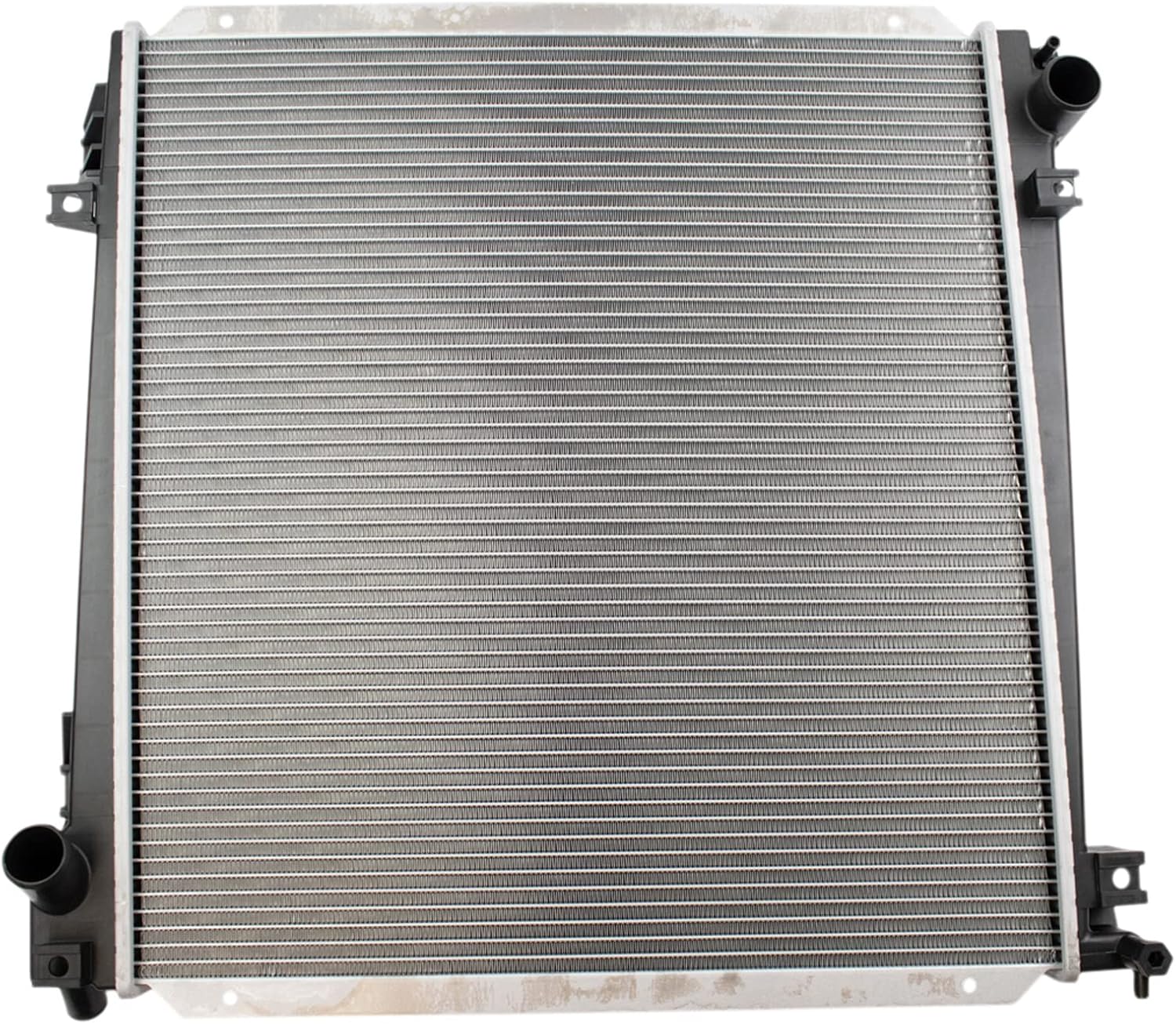
2. TRQ Radiator Assembly Aluminum Core Plastic Tank, Cross Flow (RDA82629)
| Core Row Quantity | 1 |
|---|---|
| Core Thickness | 1.25 in |
| Core Material | Aluminum |
| Flow Type | Cross Flow |
| Outlet Diameter | 1.56 in |
This TRQ radiator is a direct replacement designed to swap into 2002–2005 Ford Explorer and Mercury Mountaineer models with 4.0L V6 or 4.6L V8 engines. It uses a single-row aluminum core with a 1.25 inch thickness and cross-flow design to move heat away from the engine efficiently, while plastic tanks keep weight and cost down. Typical use is straightforward: remove the old radiator and install the preassembled unit; mounting points and inlet/outlet locations match factory placement so no modification is needed. The radiator does not include a cap or internal oil/transmission coolers, so it is best for owners who only need coolant routing and core replacement rather than integrated fluid cooling. Practical benefits include simpler DIY installation aided by TRQ installation resources and an aluminum core that improves heat transfer versus older copper/brass cores. Expect solid everyday cooling performance for street and mild towing, but teams seeking integrated transmission cooling or a heavy-duty multi-row performance core will need a different unit.
Best for: Buyers who want a reliable, bolt-in replacement that restores cooling performance on a 2002–2005 Explorer or Mountaineer with minimal fuss and straightforward DIY installation.
Less Ideal for: Drivers seeking a heavy-duty or multi-row performance radiator with built-in transmission cooling or those who need factory-integrated fluid coolers should consider other options.
- Direct-fit design for 2002–2005 Explorer and Mountaineer with matching inlet/outlet and mounting locations
- Aluminum single-row core offers improved heat transfer compared with many aged factory cores
- Cross-flow configuration promotes efficient coolant circulation and consistent engine temperatures
- Preassembled unit simplifies DIY replacement and reduces installation time
- No radiator cap included and lacks internal engine oil or transmission coolers
Verdict: Choose this radiator if you need a direct-fit aluminum core replacement to reliably restore cooling on a 2002–2005 Explorer or Mountaineer without complex modifications.
3. KAX CU2342 Engine Cooling Radiator for 2002–2005 Explorer and Mountaineer

| Compatible years | 2002-2005 |
|---|---|
| Core thickness | 1 in |
| Inlet diameter | 1-9/16 in |
| Outlet diameter | 1-9/16 in |
This KAX CU2342 radiator is a direct-fit replacement built to match common OEM part numbers for 2002–2005 Explorer and Mountaineer applications. It uses a high-density aluminum core with multi-louvered fins and precision TIG welding to improve heat transfer and resist leaks, while PA66 GF30 plastic tanks reduce corrosion risk. Typical use is a one-to-two hour swap for a mechanically competent DIYer or a quick shop install for technicians, restoring stable engine temperatures and preventing overheating when the original radiator fails. Packaging and reinforced corner protection reduce shipping damage, and the part is tested for leaks and durability to a quality-management standard. Limitations include the recommendation that installation be done by a professional for best results and that fitment must match the listed model years and OEM numbers exactly; buyers should confirm compatibility before installing. The unit replaces several factory part numbers and aims to deliver factory-quality cooling without performance upgrades or modified-fit features.
Best for: Buyers who want a reliable, factory-quality radiator replacement to restore original cooling performance on a 2002–2005 Explorer or Mountaineer and who prefer a straightforward swap to avoid repeat repairs.
Less Ideal for: People looking for an upgraded high-capacity or performance cooling solution or those who need universal-fit radiators for multiple vehicle types.
- Direct replacement for multiple factory part numbers for 2002–2005 Explorer/Mountaineer
- High-density multi-louvered fins and aluminum core for efficient heat dissipation
- Precision TIG welding and tested construction to minimize risk of leakage
- Reinforced shockproof packaging to reduce chance of transit damage
- Not a performance-upgrade radiator, so it does not increase cooling capacity beyond factory specification
Verdict: A factory-style replacement radiator that reliably restores stock cooling for 2002–2005 Explorer and Mountaineer models.
4. OCPTY 2342 Engine Radiator for 2002–2005 Ford Explorer / Mercury Mountaineer

| Fitment | 2002-2005 Ford Explorer & 2002-2005 Mercury Mountaineer 4.0L / 4.6L |
|---|---|
| Core thickness | 1 1/4 Inch Core Thickness |
| OEM part cross | 2342, CU2342, FO3010146 |
This OCPTY 2342 radiator is a straightforward replacement for 2002–2005 Ford Explorer and Mercury Mountaineer with 4.0L or 4.6L engines. It pairs an aluminum core with high-density fins and plastic tanks to provide efficient heat transfer and is built to match factory fit and mounting points for a drop-in install. The unit is delivered without a radiator cap and does not include a transmission oil cooler, so plan to reuse those parts or purchase them separately. Its construction includes leak testing and thermal-shocked gaskets aimed at durability in typical driving and seasonal temperature changes. For budget-focused repairs this radiator offers OEM-style fit and restored cooling at a lower cost than many dealer parts, but it is not a performance upgrade and lacks an integrated transmission cooler, which may matter if your vehicle originally used one.
Best for: Buyers needing an affordable, factory-style replacement radiator to restore cooling on a 2002–2005 Explorer or Mountaineer without wanting to pay dealer pricing.
Less Ideal for: Not a good choice for owners who need an upgraded high-performance radiator or require a unit with a built-in transmission cooler.
- Direct-fit design matched to factory mounting points for easier installation
- Aluminum core with high-density fins for effective cooling
- Leak-tested and thermally treated gaskets to improve durability
- Restores cooling performance comparable to factory replacement at lower cost
- Does not include radiator cap or integrated transmission oil cooler
Verdict: A cost-conscious, factory-style replacement radiator that restores cooling on 2002–2005 Explorer and Mountaineer models without adding performance features.
5. AParts Radiator Replacement for Ford Explorer 4.0L (2002–2005)

| Fit Type | Direct Replacement |
|---|---|
| Core Material | Aluminum |
| Inlet Diameter | 38.00 mm (1.5 inch) |
| Outlet Diameter | 38.00 mm (1.5 inch) |
This AParts radiator is a direct replacement designed to restore proper engine cooling on a Ford Explorer 4.0L (2002–2005). It uses a high-efficiency aluminum core to dissipate heat from engine coolant and is built to factory-spec fitment so it installs on existing mounting points without modification. The unit is pressure and leak tested at the factory, which supports dependable day-to-day use and helps reduce the chance of unexpected coolant loss. Notable features include standard inlet and outlet diameters that match stock hoses and a slim core depth for clearance in the stock radiator support. The practical benefit is straightforward: replace a failing or corroded radiator with a component that aims to return cooling performance to original levels and lower overheating risk during normal driving. Limitations are that this is a direct replacement rather than a performance upgrade, so it will not increase cooling capacity for heavy towing or high-performance use, and core dimensions are provided in metric measurements that some installers may need to convert for quick reference.
Best for: Buyers who prioritize dependable, factory-quality cooling restoration for a 2002–2005 Ford Explorer 4.0L and want a part that installs with minimal fuss.
Less Ideal for: Drivers who need increased cooling capacity for frequent heavy towing, racing, or extensive engine modifications should consider purpose-built performance radiators instead.
- Designed as a direct, factory-style replacement that mounts to stock points without modification
- High-efficiency aluminum core for effective heat dissipation
- Pressure tested and leak tested for reliable daily driving use
- Matches stock inlet and outlet diameters for straightforward hose connections
- Not intended as an upgraded or high-capacity cooler for heavy towing or performance applications
Verdict: Pick this radiator when you want a factory-spec, worry-free replacement to restore reliable cooling on a 2002–2005 Ford Explorer 4.0L.
6. Auto Dynasty 1-Row Cooling Radiator for 2002–2005 Ford Explorer / Mercury Mountaineer

| Position | Front |
|---|---|
| Special Features | 1-Row, Cooling Fins, Direct Replacement, Heavy Duty Tank, Improves Cooling |
| Transmission Oil Cooler | No |
| Core Material | T-6061 aluminum |
This Auto Dynasty radiator is a direct bolt-in replacement for 2002–2005 Ford Explorer and Mercury Mountaineer applications that do not have a transmission oil cooler. It uses a single-row T-6061 aluminum core with a heavy-duty tank and cooling fins to restore engine cooling when the factory unit has failed or is leaking. Installation is typically straightforward for a competent home mechanic or a professional installer since it is made for factory mounting points with no drilling required, but the manufacturer recommends professional installation and does not include instructions. The single-row design keeps the unit lightweight and fits easily in the stock location, but it provides less cooling capacity than multi-row radiators which could matter under heavy towing or extreme heat. The radiator improves cooling efficiency compared with a worn core and matches common OEM inlet and outlet sizes for direct connection to stock hoses. Overall it is a practical, budget-focused replacement that balances fit and basic cooling performance for standard driving duties.
Best for: Buyers who want a factory-style, direct replacement radiator to restore normal cooling after a leak or core failure and who prioritize correct fit and straightforward installation.
Less Ideal for: Drivers who frequently tow heavy loads, operate in extreme heat, or want maximum cooling headroom should consider multi-row or performance radiators instead.
- Direct bolt-on fitment to 2002–2005 Ford Explorer and Mercury Mountaineer models without a transmission oil cooler
- Full T-6061 aluminum core for corrosion resistance and improved heat transfer
- Heavy-duty tank and cooling fins designed to restore cooling efficiency
- No drilling or modification required for installation
- Single-row core offers less peak cooling capacity than multi-row radiators under heavy load or high ambient temperatures
Verdict: A direct-fit aluminum single-row radiator that reliably restores factory cooling for 2002–2005 Explorer and Mountaineer models without a transmission oil cooler.
Choosing the Right 2002-2005 Ford Explorer Radiator: Key Factors to Consider
Correct Fitment and Mounting
A radiator that matches the Explorer's mounting points and hose locations reduces installation time and prevents stress on hoses and brackets. Fitment includes the position and diameter of inlet and outlet ports, the presence and placement of transmission cooler lines if your Explorer has an automatic transmission, and the radiator height and thickness to clear the support shroud.
Improper fit often leads to leaking connections, forced hose routing, or interference with the fan assembly. Confirming exact fit avoids cut-and-fit work, which can introduce vibration or misalignment that shortens part life. For owners doing the repair themselves, direct-fit units typically require fewer additional clamps or adapters and let you reuse OEM brackets and lines.
Cooling Capacity and Core Design
Core size, thickness, and fin density directly affect how quickly the radiator sheds heat. A larger or thicker core with effective fin spacing will typically reduce operating temperatures during heavy loads, towing, or stop-and-go traffic typical of everyday Explorer use.
However, bigger is not always better if the unit does not match the vehicle's airflow constraints. Excessive thickness can restrict airflow or complicate shroud clearance. Evaluate stated core dimensions and whether the design maintains adequate airflow through the grille and fan area for the 2002-2005 Explorer.
Material Quality and Corrosion Resistance
Radiator longevity depends on core and tank materials. Aluminum cores soldered or brazed to brass or aluminum tanks tend to resist corrosion better than lower-grade assemblies. Plastic end tanks can be lighter and cheaper but may become brittle and crack with heat cycling and age, a noted failure mode in some radiators.
Selecting a radiator with corrosion-resistant coatings, robust joints, and durable tank materials reduces the chance of internal leaks and coolant contamination. For Explorers exposed to road salt or infrequent coolant maintenance, prioritize corrosion resistance to avoid premature failure.
Transmission Cooler Integration
Many 2002-2005 Ford Explorer models with automatic transmissions rely on the radiator to cool transmission fluid via integrated cooler lines. Radiators built with properly sized and well-sealed transmission ports will maintain transmission temperatures under towing and steep grades.
If you tow or frequently haul heavy loads with your Explorer, ensure the replacement radiator includes compatible transmission cooler fittings and that the line routing matches the vehicle. Poorly designed integration can increase transmission fluid temperatures or lead to external leaks at the cooler connections.
Leak Resistance and Joint Construction
Leaks typically originate at tank seams, hose connections, or core joints. Look for radiators with reinforced seam construction, quality welds or brazing, and high-quality hose nipples and fittings. Units that use mechanical crimping or weak adhesives at joints are more likely to develop coolant leakage over time.
Consider warranty terms and reported failure modes when evaluating leak resistance. A longer warranty and documented construction methods give confidence that the radiator will withstand thermal cycling without developing slow leaks that can cause overheating.
Ease of Installation and Serviceability
A direct-fit radiator that retains factory hose ends, mounting brackets, and sensors minimizes labor and the chance of errors during installation. Good access to drain plugs, bleed ports, and transmission fittings reduces the time required for coolant replacement and system bleeding on the 2002-2005 Explorer.
If you plan to do the job yourself, verify whether the radiator requires additional parts such as new hoses, clamps, or mounting hardware. Consider whether the design allows you to reuse existing components or if included hardware improves the installation experience.
Common Radiator Failure Symptoms on the 2002-2005 Explorer
Recognizing early symptoms helps you address cooling issues before they cause engine damage. Typical signs include persistent high engine temperature on the gauge, visible coolant leaks beneath the front of the vehicle, and a sweet smell from coolant vapor. You might also notice low coolant level despite topping off frequently, which indicates a slow leak.
Other symptoms include inconsistent heater performance, which can result from low coolant circulation, and white or rusty sediment in the coolant visible when the radiator cap is removed. Air pockets that cause fluctuating temperature readings are also a sign that the cooling system is not sealing or bleeding properly.
- Rising or fluctuating engine temperature under normal driving
- Puddles or drips of coolant under the front of the vehicle
- Coolant odor in the cabin or underhood
- Visible corrosion or white residue around seams and hose connections
- Reduced heater performance or frequent need to top off coolant
When to Replace Versus Repair
Small external leaks at hose fittings or minor pinhole leaks in the core can sometimes be repaired temporarily, but permanent fixes depend on the leak location and severity. Repairs may be reasonable for localized issues away from seams and transmission cooler junctions, especially if the core and tanks otherwise show good condition.
Replace the radiator when there is evidence of widespread corrosion, cracked end tanks, failed internal cores, or multiple leak points. For the 2002-2005 Explorer, replacement is often the longer-lasting solution when plastic tanks are brittle or when the radiator has been in service for many years and shows multiple failure indicators.
- Repair options: localized soldering, sealants for small pinhole leaks
- Replace when seams, end tanks, or multiple core rows are compromised
- Replace if transmission cooler passages are leaking
Coolant and Maintenance Best Practices After Installation
After fitting a new radiator, a full coolant flush and replacement with the correct Ford-specified coolant helps prevent corrosion and maintains consistent cooling performance. Flushing removes sediment and contaminants that could clog the new core or reduce heat transfer. Use a proper coolant-to-water ratio and follow recommended bleeding procedures to eliminate air pockets.
Regularly inspect hose clamps, check for small stains around fittings, and monitor coolant level over the first few hundred miles to ensure there are no slow leaks. Periodic coolant condition checks and timely coolant changes extend the life of the replacement radiator and the rest of the cooling system.
- Perform a full coolant flush before installing a new radiator
- Use the recommended coolant type and correct concentration
- Bleed the system to remove trapped air
- Inspect hoses and replace worn clamps during radiator service
DIY Installation Tips for the 2002-2005 Explorer
Preparing the vehicle carefully saves time and reduces the risk of errors. Park on level ground, allow the engine to cool, and relieve any pressure by slowly removing the radiator cap only when cool. Catch coolant in an appropriate container and dispose of it according to local regulations. Keep replacement hose clamps and fresh coolant on hand before beginning.
Label hoses and electrical connectors as you remove them to ensure correct reassembly. Inspect and replace any deteriorated hoses, clamps, or the radiator cap while you have the cooling system open. After installation, torque bracket bolts to factory specs where available and perform a pressure test or visual check for leaks before returning the vehicle to regular use.
- Work with the engine cold and relieve system pressure first
- Label hoses and connectors for correct reinstallation
- Replace worn hoses, clamps, and the radiator cap during the job
- Confirm no leaks with a pressure test or extended idle check
Towing and Heavy-Load Considerations
If you regularly tow with your Explorer or carry heavy loads, prioritize radiators with higher cooling capacity and robust transmission cooler integration. Sustained towing increases both engine and transmission heat, so a radiator that provides additional heat rejection will reduce thermal stress on components.
Check that the radiator's transmission ports are designed for the Explorer's line routing and that the core can handle the additional thermal load without causing excessive coolant temperatures during climbs or long-duration towing.
- Assess core capacity and transmission cooler design for towing
- Monitor temperatures on initial heavy-load drives
- Consider supplemental transmission cooling only if needed
Still looking for the perfect fit?
Select your Ford Explorer configuration to see the most relevant Radiators recommendations
How We Chose the Best 2002-2005 Ford Explorer Radiator
We focused on criteria that matter for the 2002-2005 Ford Explorer cooling system and owner needs. Primary evaluation factors included physical fitment and compatibility with the Explorer's stock mounting points, inlet and outlet locations, and transmission cooler integration when applicable. Cooling performance was assessed through spec-driven measures such as core thickness, fin density, and stated coolant capacity to ensure adequate heat rejection for highway and towing loads.Build quality and materials were tracked, emphasizing reinforced end tanks, corrosion-resistant core materials, and quality brazing or welding at joints. Durability considerations included warranty coverage and common-failure points reported by owners, such as leak-prone seams and vulnerable plastic end tanks. Ease of installation and availability of required fittings or mounting hardware were considered since many owners perform this repair themselves.We excluded products without clear vehicle-specific fitment data and any radiators that required large modifications or special adapters. We also deprioritized units lacking documented warranty support or with frequent reports of early leakage. The final selections balance correct fitment, cooling capacity, and long-term durability for the 2002-2005 Ford Explorer.
Our full evaluation process is outlined in our review methodology.
FAQ
How can I tell if my 2002-2005 Explorer radiator is leaking or the problem is elsewhere?
Start by checking for visible coolant under the vehicle and around hose connections. Inspect the radiator seams and the area around the transmission cooler lines. If there is no visible external leak, test for pressure loss with a cooling system pressure tester and check for white exhaust smoke or milky oil, which may indicate internal leaks.
Is it safe to drive a 2002-2005 Explorer with a slow radiator leak?
Driving with a slow leak increases the risk of overheating and potential engine damage. Short, infrequent trips might be manageable if you monitor coolant level and temperature closely, but replacing or repairing the radiator is the safer long-term option to avoid a breakdown.
Do I need a radiator with an integrated transmission cooler for my Explorer?
If your Explorer has an automatic transmission that uses the radiator for cooling, an integrated cooler is required to maintain transmission temperatures. Verify the replacement radiator includes compatible transmission fittings and that line locations match the vehicle to avoid routing issues or leaks.
How often should I flush the coolant after replacing the radiator?
After installing a new radiator, perform a full coolant refill and follow the vehicle manufacturer's recommended service interval, which is usually several years depending on the coolant type. Initially, check coolant condition and level after the first few hundred miles to ensure there are no contaminants or air pockets.
Can I repair a cracked plastic radiator tank on my Explorer?
Temporary repairs are sometimes possible with specialist adhesives or plastic welding for small cracks, but these fixes may not be durable under repeated heat cycles. For long-term reliability, replacement is often the more dependable solution if the plastic tank is compromised.
What affects the cost of radiator service for a 2002-2005 Explorer?
Costs vary depending on whether you choose a direct-fit replacement, the material and construction quality of the radiator, and whether additional parts like hoses, clamps, or a new radiator cap are needed. Labor time depends on whether transmission lines need to be disconnected and whether other cooling system components are replaced at the same time.
Final Verdict
Prioritize a radiator that offers confirmed fitment, durable construction, and sufficient cooling capacity for how you use your 2002-2005 Ford Explorer. Pay special attention to transmission cooler integration if your vehicle has an automatic transmission and to tank materials if corrosion or heat cycling has been an issue in the past.Balancing correct fit and robust construction will minimize repeat repairs and keep operating temperatures stable. Use the evaluation criteria above to choose the replacement that best matches your driving demands and long-term reliability goals.
Explore More:
- Check out all Ford Explorer parts & accessories
- Explore Radiators Maintenance & Repair Guides
- Explore Cooling System
- Browse all Auto Parts
