

Note: This article contains affiliate links. If you click on these links and make a purchase, I may earn a small commission at no extra cost to you. This helps support my research and content. Read my full affiliate disclosure here.
Replacing a Honda Civic rear control arm can bring back predictable handling, reduce uneven tire wear, and stop suspension noises that make daily driving stressful. Whether you use your Civic for commuting or occasional spirited driving, the right rear control arm affects alignment range, bushing life, and how the rear end responds to road inputs.This guide highlights our shortlisted rear control arms for the Honda Civic and explains the evaluation factors—fitment accuracy, bushing material, durability, and ease of installation—that matter most. Read on to see which options best address common rear control arm problems and which tradeoffs you should expect when prioritizing longevity or ride refinement.
Looking for other parts? See all Honda Civic parts & accessories.
Top Picks at a Glance
| Best Overall The best all-around choice for most situations | Detroit Axle Pair Rear Lower Control Arms for 2016–2021 Honda Civic |  |
| Best Quality Built to a higher standard if you want something more solid | Skunk2 Racing Alpha Series Rear Lower Control Arm (6061-T6 Aluminum) |  |
| Best Value The sweet spot between price and what you get | A-Premium Rear Lower Rearward Control Arms with Bushing (pair) | 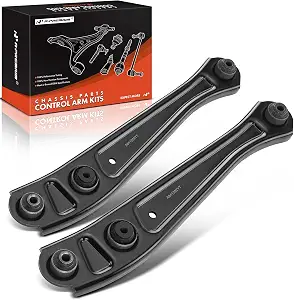 |
| Best Budget The cheapest option that still gets the job done reliably | TUCAREST Rear Lower Forward Control Arm K641875, Passenger Side |  |
| Highest Rated A top-rated pick with lots of positive feedback | Buxatina Rear Left & Right Suspension Trailing Arms for Honda Civic 2006–2011 |  |
| Most Popular A crowd favorite that many people choose with confidence | Detroit Axle Rear Left Lower Control Arm (Driver Side) for 2016–2021 Honda Civic |  |
| Best Seller A high-volume bestseller chosen again and again | POSENG Rear Lower Control Arm, Subframe Brace and Tie Bar Kit for Honda Civic EK (1996–2000) |  |
1. Detroit Axle Pair Rear Lower Control Arms for 2016–2021 Honda Civic

| Fit Type | Vehicle Specific Fit |
|---|---|
| Auto Part Position | Rear Lower |
| Unit Count | 2.0 Count |
| Manufacturer Warranty Description | 10-Year Warranty |
These Detroit Axle rear lower control arms are a direct-fit replacement kit that swaps in where worn rear lower rearward arms cause clunks, poor handling, or alignment drift. The kit includes two matched control arms with preinstalled bushings and ball joint interfaces so installation is straightforward for a competent DIYer or a shop. In use they restore rear suspension geometry and steering stability, and many buyers report improved ride smoothness after installation. The parts are described as vehicle-specific fit which helps reduce modification or extra fabrication, and the listing notes impact and fatigue testing plus a 10-year warranty for buyer reassurance. Expect a typical install to require standard suspension tools and an alignment afterward. Notable limitations include mixed long-term reports on bushing durability and the need for proper bolt removal tools on older cars; this is a replacement part rather than an upgrade for performance handling.
Best for: Buyers who want a practical, ready-to-install replacement to restore rear suspension geometry and ride stability on their Civic without custom work, and who value a balance of cost, fit, and warranty coverage.
Less Ideal for: Drivers seeking performance-tuned suspension upgrades or those who want heavy-duty commercial-grade components for constant severe use should consider specialty or reinforced control arms instead.
- Vehicle-specific direct-fit design simplifies installation and reduces fitment issues
- Includes both rear lower arms so both sides are replaced with matching parts
- Preinstalled bushings and ball joint interfaces speed installation
- Backed by a 10-year manufacturer warranty and claimed impact and fatigue testing
- Some customers report premature bushing wear in long-term use
Verdict: A practical, vehicle-specific pair of rear lower control arms that restores rear stability and fitment for 2016–2021 Honda Civic owners looking for a dependable factory-quality replacement.
2. Skunk2 Racing Alpha Series Rear Lower Control Arm (6061-T6 Aluminum)

| Fit Type | Vehicle Specific Fit |
|---|---|
| Auto Part Position | Lower |
| Auto Part Orientation | Rear |
| Material Type | Aluminum |
Skunk2’s Alpha Series rear lower control arm replaces the factory rear lower arm with a forged 6061-T6 aluminum unit designed for performance driving. It is CNC machined, significantly lighter than stock, and uses an outboard spherical bearing at the trailing arm with tuned polyurethane and Delrin bushings at the inboard and shock mount positions to reduce bushing twist while still damping noise and vibration. In practice this yields crisper rear response, better camber control during cornering, and improved shock behavior compared with stock arms. The construction claims higher tensile strength and fatigue resistance versus previous Skunk2 designs, which matters under track or aggressive street use. Installation follows vehicle-specific fitment for late 80s to early 2000s Hondas and may require alignment and complementary camber or rear camber kits for optimal setup. The performance-focused bearing and stiffer inboard bushing will transmit more road feel and some additional NVH compared with fully compliant factory arms, so buyers should expect a firmer rear ride in exchange for sharper handling.
Best for: Drivers building a sharper, more responsive rear suspension who prioritize cornering precision and reduced unsprung weight for track days or spirited street driving.
Less Ideal for: Owners seeking a quiet, comfort-oriented daily ride or those unwilling to follow up with alignment and supporting suspension upgrades should consider more compliant replacement arms.
- Forged 6061-T6 aluminum construction for higher strength and fatigue resistance
- Significantly lighter than factory arms to reduce unsprung mass
- Outboard spherical bearing improves camber control and eliminates bushing twist
- Tuned polyurethane and Delrin bushings balance handling precision with reduced friction at the shock mount
- Performance-oriented bushings and spherical bearing increase road feel and can raise NVH compared with stock arms
Verdict: Choose this arm when you want a lighter, stronger rear lower control arm that tightens rear suspension response for performance driving.
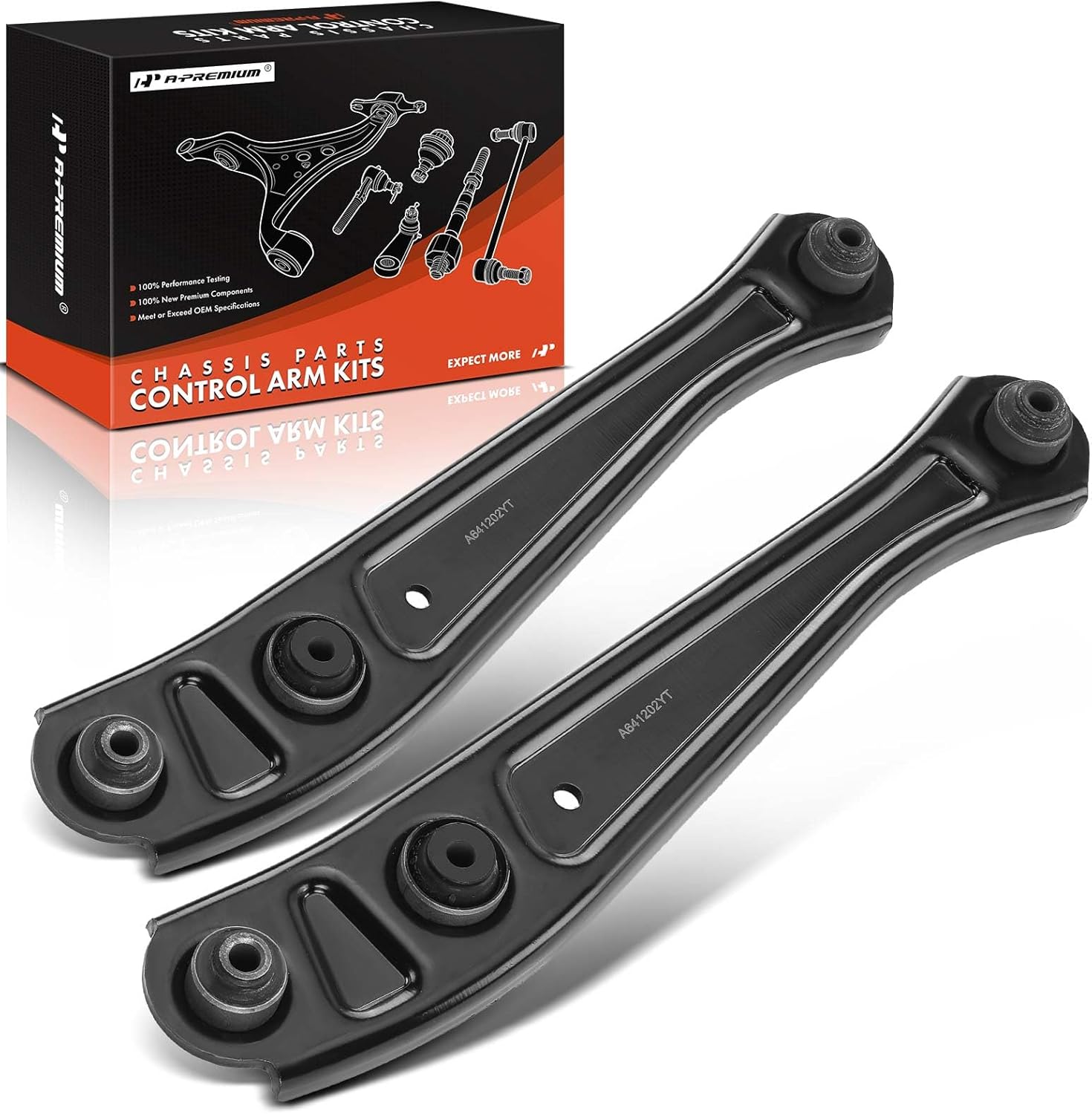
3. A-Premium Rear Lower Rearward Control Arms with Bushing (pair)
| Fit Type | Vehicle Specific Fit |
|---|---|
| Auto Part Position | Rear Lower |
| Material Type | Alloy Steel |
These A-Premium rear lower rearward control arms are a direct replacement piece intended to restore rear suspension geometry on compatible Honda Civic and Acura EL models. Sold as a pair, they come with pressed-in bushings and a pre-greased steel construction that simplifies installation and helps stop common symptoms such as clunking, steering wander, uneven tire wear, and vibration. The vehicle-specific fit and original-style dimensions mean the arms align with factory mounting points so you can swap them in without modifying brackets or subframes. They do not include ball joints, so confirm your application does not require them or plan to reuse the original joints. The alloy steel build and black finish aim to balance durability and corrosion resistance for everyday driving. These are a practical, budget-focused replacement for someone refreshing a Civic's rear suspension, though professional installation is recommended if you lack suspension experience and you should check alignment after replacement.
Best for: Buyers looking to restore rear suspension performance on older Civics while minimizing modification and installation complexity; ideal for practical owners prioritizing a direct-fit, cost-effective repair.
Less Ideal for: Drivers seeking a performance upgrade or heavy-duty aftermarket arms for track use should consider reinforced or adjustable control arms instead.
- Vehicle-specific fit for Honda Civic 1996–2000 and Acura EL 1997–2000 reduces installation hassle
- Includes pre-greased bushings to simplify assembly and reduce immediate maintenance
- Alloy steel construction offers solid durability for regular road use
- Sold as a matched pair to ensure symmetrical rear suspension replacement
- Does not include ball joints, so additional parts may be needed depending on application
Verdict: A straightforward, vehicle-specific replacement pair that restores rear suspension function on 1996–2000 Civics and Acura ELs with minimal fuss.
4. TUCAREST Rear Lower Forward Control Arm K641875, Passenger Side

| Fit Type | Vehicle Specific Fit |
|---|---|
| Auto Part Position | Lower |
| Auto Part Orientation | Passengers Side |
This TUCAREST rear lower forward control arm replaces the factory passenger-side lower link and is built to match the fit and function of the original part. It is used as a direct replacement during suspension repairs to restore correct wheel movement, steering response, and alignment after wear or damage to the original arm. The part is manufactured to vehicle-specific specifications with multiple quality checks during production and includes the necessary mounting points and ball joint/bushing interfaces for straightforward installation. Practical benefits include improved ride stability and predictable handling compared with a worn arm, plus a fit engineered to simplify bolt-on replacement. Limitations are that it is a single passenger-side arm so buyers replacing both sides will need a second unit, and any installation that requires alignment or additional hardware will add to total repair cost. The listing emphasizes checking vehicle fitment carefully before purchase to ensure compatibility.
Best for: Buyers who need a budget-friendly, direct replacement control arm to restore handling and alignment on a compatible Honda without spending on premium aftermarket options.
Less Ideal for: Drivers seeking upgraded performance components or heavy-duty off-road reinforcement should consider specialty performance or heavy-duty arms instead.
- Vehicle-specific design intended to match factory fit and mounting points
- Manufactured with multiple quality control checks during production
- Direct-replacement design simplifies installation for standard suspension repairs
- Restores proper wheel articulation and handling when the original arm is worn
- Sold as a single passenger-side arm so replacing both sides requires purchasing another unit
Verdict: A cost-conscious, vehicle-specific replacement that restores factory fit and handling on the passenger-side rear lower control arm.
5. Buxatina Rear Left & Right Suspension Trailing Arms for Honda Civic 2006–2011

| Fit Type | Vehicle Specific Fit |
|---|---|
| Auto Part Position | Rear |
| Material Type | Alloy Steel |
| Unit Count | 2.0 Count |
These Buxatina rear trailing arms replace the factory rear left and right control arms on Honda Civic models from 2006 through 2011. Sold as a two-piece set, the arms are made from alloy steel and are engineered to match the original mounting points so they bolt in place where worn or damaged factory arms are removed. Typical use is restoring rear suspension alignment, eliminating play or clunking, and returning handling predictability after old bushings or arms fail. The listing notes vehicle-specific fit and accepts VIN verification to ensure correct application. Practical benefits include a full left and right replacement in one package and a one year quality backing for peace of mind. Limitations are that installation requires basic suspension work and alignment afterward, and buyers without mechanical experience should plan for professional installation. The product does not list detailed bushing materials or load ratings, so those wanting exhaustive spec data may need to confirm with the seller before ordering.
Best for: Buyers who prioritize restoring dependable, predictable rear suspension performance and want a direct-fit replacement to remove play or noise from aged trailing arms.
Less Ideal for: People seeking performance-upgrade control arms with adjustable geometry or specialist materials should consider aftermarket performance parts instead.
- Vehicle-specific design intended to match factory mounting points for straightforward replacement
- Includes both left and right trailing arms so both sides are addressed at once
- Alloy steel construction aimed at durability under normal road use
- Seller offers a one year coverage for product quality issues
- No detailed specification for bushings or load ratings provided in the listing
Verdict: Choose this pair when you need a straightforward, factory-style rear trailing arm replacement to restore reliable suspension function on a 2006–2011 Honda Civic.
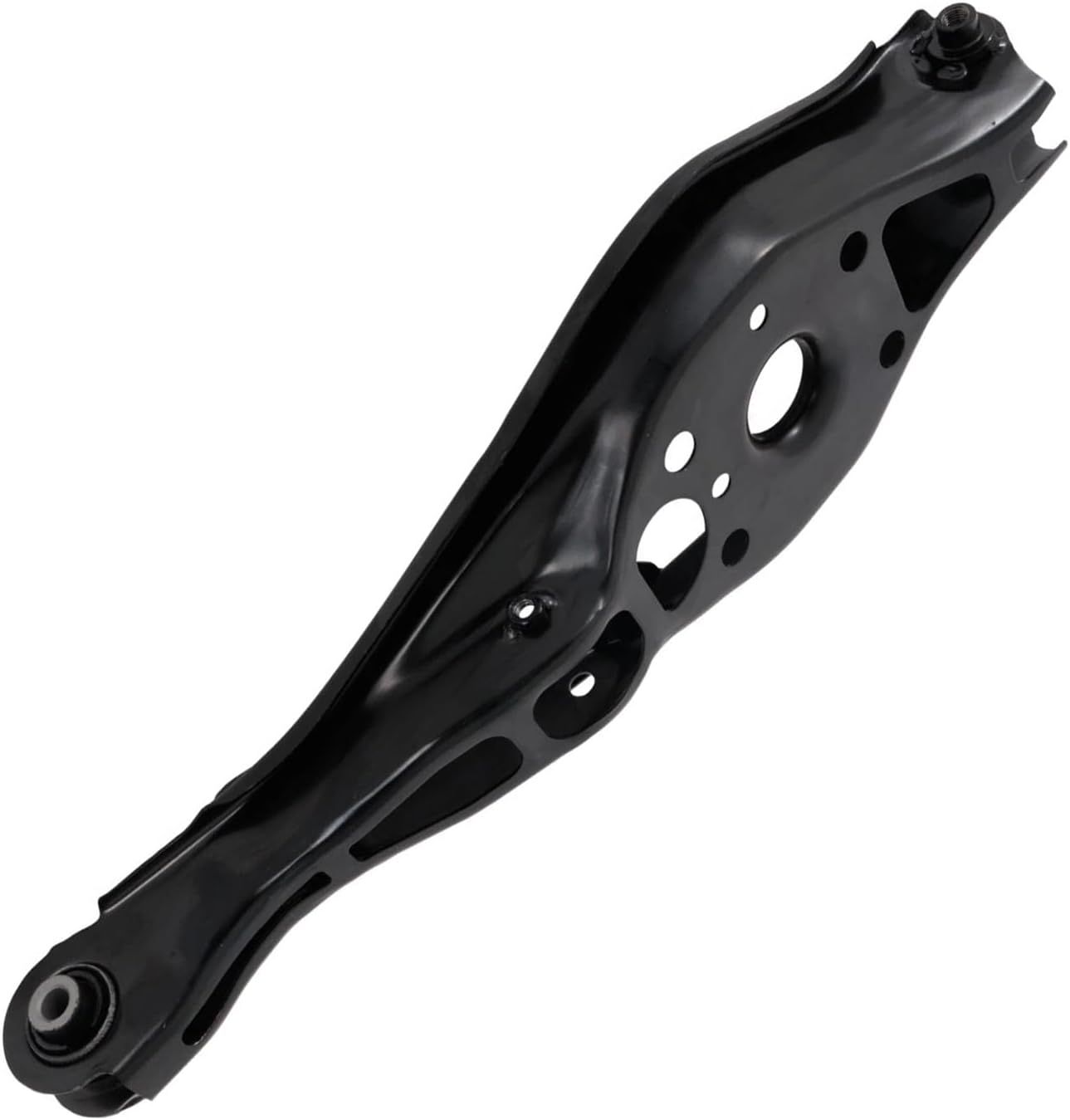
6. Detroit Axle Rear Left Lower Control Arm (Driver Side) for 2016–2021 Honda Civic
| Fit Type | Vehicle Specific Fit |
|---|---|
| Auto Part Position | Rear Left Lower |
| Auto Part Orientation | Drivers Side |
| Included Components | Rear Left Lower Rearward Control Arm |
This Detroit Axle rear left lower control arm is a direct replacement part meant to restore rear suspension geometry and handling on compatible Honda Civic models. It installs in place of the factory lower rearward arm and is typically used when the original is worn, bent, or causing alignment and ride issues. The part is built and tested for impact, wear, and fatigue and ships as a single driver-side control arm with mounting points and a pressed ball joint. In practice it provides a straightforward, budget-friendly way to fix camber or rear suspension looseness without replacing knuckles or subframes. Reviewers report consistent fit and easy installation on listed Civics, and the product comes with a long 10-year warranty for reassurance. Limitations are that this is a single-side replacement so you may need to buy the passenger side separately for balanced wear, and some installers noted the supplied nut or fastener choices may require an alternate washer or different nut in rare steering knuckle sleeve setups. Professional alignment after installation is recommended for best results.
Best for: Buyers who want a reliable, budget-conscious factory-quality replacement for a worn rear lower control arm and value social proof from other owners and long-term warranty coverage.
Less Ideal for: Drivers seeking an upgraded performance arm with adjustable alignment features or a matched pair kit; those users should consider aftermarket performance arms or buying both sides together.
- Vehicle-specific fit for 2016–2021 Honda Civic rear left lower position.
- Factory-style design tested for impact, wear, and fatigue.
- Easy to install with many reviewers reporting accurate fitment.
- Backed by a 10-year manufacturer warranty for long-term confidence.
- Sold as a single control arm so the opposite side must be purchased separately if needed.
- Some installations may require a different nut or washer to suit certain steering knuckle sleeve setups.
Verdict: Choose this Detroit Axle rear left lower control arm when you need a proven, vehicle-specific factory-style replacement with broad user approval and a long warranty.
7. POSENG Rear Lower Control Arm, Subframe Brace and Tie Bar Kit for Honda Civic EK (1996–2000)

| Fit Type | Vehicle Specific Fit |
|---|---|
| Auto Part Position | Lower |
| Auto Part Orientation | Rear |
| Material Type | Aluminum |
This POSENG kit bundles rear lower control arms with a subframe brace and tie bar intended for Honda Civic EK models from 1996 to 2000. It replaces the factory lower control arms with aluminum pieces designed to strengthen the rear end, address camber issues, and add steering stability through the subframe brace. The kit includes left and right control arms, a lower tie bar, a subframe bar, and installation hardware but does not include printed instructions, so basic mechanical experience or a shop visit is recommended. Construction uses T6061 aluminum and anodized finishes for corrosion resistance, keeping weight down while adding rigidity. Several buyers report good fitment and improved feel after installation, though a minority encountered missing or mismatched hardware and needed to source correct bolts or retap threads. For a risk-averse buyer this kit offers a near-complete factory-style replacement that improves chassis stiffness, but expect to verify fastener fitment and plan for professional installation if you want a worry-free install.
Best for: Buyers who want a factory-style rear suspension reinforcement for a 1996–2000 Civic EK and prefer a ready-made kit that improves rear stiffness and handling while keeping weight low.
Less Ideal for: If you need a plug-and-play part with guaranteed hardware fitment or you prefer bolt-on parts with full instructions, this kit may require extra sourcing or professional help.
- Vehicle-specific fit for 1996–2000 Honda Civic EK chassis
- Includes left and right control arms plus subframe brace and tie bar for a comprehensive rear-end upgrade
- Made from T6061 aluminum with anodized finish for corrosion resistance and lower weight
- Designed as a factory-style replacement so no major modification to the car is required
- Some buyers reported missing or incorrect hardware and thread pitch mismatches requiring new bolts or re-tapping
- No printed installation instructions included, which may complicate a DIY install for inexperienced users
Verdict: A complete aluminum rear lower control arm and subframe brace kit that strengthens the 1996–2000 Civic EK rear end for improved handling while keeping a factory-style fit.
Choosing the Right Honda Civic Rear Control Arm: Key Factors to Consider
Fitment and Mounting Accuracy
Correct fitment is the single most important factor for a Honda Civic rear control arm. Even small differences in mounting hole spacing or bushing offset change rear toe and camber behavior, which leads to uneven tire wear and unstable handling. Choose parts specified for the Civic chassis so bolt patterns, bracket locations, and clearance for the axle and exhaust components match factory geometry.
Pay attention to whether the arm is sold as a direct-replacement assembly or as a bare arm that requires transferring factory hardware. Direct-fit assemblies reduce installation time and alignment surprises. Also confirm whether the design maintains the original arm length and bushing offsets to preserve the vehicle's alignment range.
Bushing Material and Durability
Bushing construction strongly influences ride quality and longevity. Factory-style rubber bushings offer quieter operation and more compliance, which improves comfort on rough roads but will wear faster under high loads. Polyurethane or upgraded elastomer bushings are stiffer and extend service life, but they can transmit more noise and harshness into the cabin.
For Civic owners who prioritize long life and predictable handling, select arms with higher-quality bushings or replaceable bushing assemblies. Inspect the manufacturer's specification for durometer ratings or claims about abrasion and ozone resistance, as these details predict real-world endurance.
Corrosion Resistance and Finish
Rear control arms sit close to the road and are exposed to moisture, road salt, and grit. Materials and coatings determine how long the part will last before rust compromises structural integrity or mounting surfaces. Look for powder-coated, zinc-plated, or e-coated finishes and sealed welds that protect critical attachment points.
Steel arms with effective corrosion protection provide the best combination of strength and longevity for most Civic owners. If you live in a region with heavy road salt, prioritize superior surface treatments and ask whether the part has additional sacrificial coatings on fastener areas.
Alignment Stability and Adjustment Range
A rear control arm must preserve or allow proper alignment settings. Some replacement arms are fixed-length direct swaps that retain factory alignment range. Others offer shims or adjustable end-links to let technicians correct toe or camber after installation. For Civic owners who have had alignment trouble, an arm that resists deflection and maintains geometry under load reduces the need for repeated alignments.
Consider whether the arm design reduces the chance of post-installation alignment drift. Stiffer bushings and reinforced mounting points can help, but they also change ride characteristics. Balance your need for alignment stability against how much additional road noise or harshness you are willing to accept.
Serviceability and Replacement Parts
Think about how the arm will be serviced over its lifetime. Some assemblies include pressed-in bushings and sealed ball joints, requiring the entire arm to be replaced when worn. Other designs allow disassembly and replacement of bushings or ball joints, which can be more economical over time and simplifies repairs.
Choose an option that matches your maintenance preferences and garage capabilities. If you plan to do your own work, favor arms that use standard fasteners and allow bushing replacement with common tools. For vehicles kept long-term, serviceable components reduce lifecycle cost and downtime.
Installation Complexity and Required Tools
Installation steps vary from simple bolt-on swaps to jobs that require special presses or alignment tools. The complexity affects labor time and costs if you have a shop do the work. Verify whether the part is supplied with new mounting hardware and whether the manufacturer recommends preloading bushings during installation.
Also consider whether replacing the rear control arm triggers a need for wheel alignment, which most shops will recommend. If the part modifies suspension geometry, additional adjustment during alignment may be necessary. Knowing tool and alignment requirements ahead of time prevents surprises on install day.
Common Symptoms of a Failing Rear Control Arm
Recognizing symptoms early helps you prioritize repair before secondary damage occurs. Typical signs on a Honda Civic include a thumping or clunking noise from the rear when hitting bumps, a looseness or wandering sensation at highway speed, and vibration felt through the chassis.
Visible indicators include uneven or rapid tire wear on the rear tires and cracked or degraded bushings at the mounting points. These symptoms often stem from worn bushings or weakened metal at attachment points; addressing them promptly prevents alignment issues and further suspension damage.
- Thumping or clunking over bumps
- Rear tire cupping or uneven wear
- Loose rear-end feel or wandering on straight roads
- Visible bushing cracking or excessive play at mounting points
How Control Arm Bushing Choices Affect Ride
Bushing material strongly influences vibration isolation and steering feedback. Softer rubber compounds smooth out road imperfections and reduce road noise at the expense of some long-term durability. Stiffer polyurethane or higher-durometer bushings provide firmer rear-end control and better alignment retention but can transmit more noise and harshness.
Selecting the right balance depends on how you use the Civic. For daily commuting and comfort, factory-style rubber is often preferable. For performance-oriented drivers or vehicles that tow or carry heavy loads, upgraded bushings improve resistance to deflection and maintain alignment under stress.
- Rubber: quieter, more compliant, shorter lifespan
- Polyurethane: firmer, longer life, more noise transmission
- Serviceable bushing designs ease future repairs
Installation Tips to Avoid Alignment Trouble
When replacing a rear control arm on a Honda Civic, follow installation best practices to minimize post-installation alignment issues. Start by loosely fitting all mounting hardware, then bring the vehicle to its normal ride height before torquing bolts to specification. This prevents preloading the bushings in a compressed or extended position.
After installation, have a professional alignment performed to verify toe and camber settings. If the replacement arm includes adjustable elements, set them within factory ranges and recheck after a short break-in period to allow bushings to settle.
- Fit all bolts loosely before final torque
- Set vehicle at normal ride height prior to torquing
- Always perform a wheel alignment after installation
- Recheck alignment after a short drive for bushing settling
When To Replace Instead Of Repairing
Deciding whether to replace a rear control arm or repair specific components depends on the extent of damage. Replace the entire arm if the metal is bent, cracks are present, or mounting bosses are corroded. Repairing worn bushings is reasonable when the arm structure is sound and replacement bushings are available and serviceable.
If multiple wear points exist—such as both bushings and ball joints showing significant play—replacement of the entire assembly is often the safest and most cost-effective path because it restores geometry and reduces the risk of repeat failures.
- Replace if metal is bent, cracked, or corroded
- Repair bushing-only issues when the arm structure is intact
- Replace entire assembly when multiple components show wear
Maintaining Rear Control Arms for Long Life
Routine inspection is simple but effective. Check bushings and mount points for cracking, movement, or corrosion during oil changes or tire rotations. Keep fasteners tight to spec and address minor corrosion early with appropriate inhibitors and touch-up coatings.
Avoid exposure to unnecessary corrosive environments when possible and clean undercarriage areas that trap salt and mud. For Civic owners who drive in harsh climates, apply a corrosion-resistant treatment to vulnerable areas and inspect annually to catch wear before it becomes a structural issue.
- Inspect bushings at regular service intervals
- Keep mounting bolts torqued to specification
- Clean and treat undercarriage to prevent rust buildup
- Replace worn bushings before full assembly failure
Still looking for the perfect fit?
Select your Honda Civic configuration to see the most relevant Control Arms recommendations
How We Chose the Best Honda Civic Rear Control Arm
We applied focused, vehicle-specific filters to identify rear control arms appropriate for the Honda Civic. First, we limited candidates to parts engineered for Civic rear suspension geometry and mounting points to avoid fitment guesswork. We prioritized construction and materials that affect longevity, emphasizing stamped steel or cast components with corrosion-resistant finishes and reinforced mounting bosses.Bushing and joint quality was a key criterion. We evaluated designs that use durable rubber compounds or serviceable polymer bushings, and where applicable we considered assemblies that include ball joints or allow aftermarket replacement of wearable elements. Alignment range and how the part preserves factory caster and toe tolerances were measured against service specifications.We also assessed installation considerations, such as whether the part arrives as a direct-fit assembly, requires special tools, or integrates with factory hardware. Items excluded from consideration were universal or generic arms without Civic-specific fitment, parts that required substantial chassis modification, and components lacking clear material or warranty information. The result is a compact list focused on fitment, durability, alignment integrity, and serviceability.
Our full evaluation process is outlined in our review methodology.
FAQ
How can I tell if my Honda Civic rear control arm is bad?
You will often notice clunking over bumps, a loose feeling in the rear, or uneven rear tire wear. Visually inspect for cracked bushings, excessive play at mounts, or bent metal. A mechanic can perform a suspension check to confirm play at the arm and measure alignment drift.
Does replacing a rear control arm fix alignment issues?
Replacing a worn rear control arm can restore proper alignment range, but a full wheel alignment is usually required after installation. If the new arm preserves factory geometry, alignment settings should be achievable within specification.
Are polyurethane bushings a good choice for the Civic rear control arm?
Polyurethane bushings often last longer and reduce deflection, which helps alignment stability. They can transmit more noise and vibration compared with rubber, so they are best for owners who prioritize handling and durability over maximum ride comfort.
Can I replace just the bushing instead of the whole arm?
Sometimes the bushing can be pressed out and replaced if the arm is structurally sound and the design allows serviceability. If the arm has pressed-in, non-serviceable components or the metal is compromised, full-arm replacement is the safer option.
Will installing a new rear control arm affect ride height?
A like-for-like rear control arm should not change ride height when properly installed. Incorrectly torqued or preloaded bushings can alter suspension geometry slightly, so follow the recommended installation procedure and torque specs to avoid unintended changes.
How soon should I check alignment after installing a rear control arm?
Have a wheel alignment performed immediately after installation. It is also wise to recheck alignment after a short break-in period, typically 50 to 100 miles, to allow bushings to settle and detect any drift that may occur.
Final Verdict
When selecting a rear control arm for your Honda Civic, prioritize correct fitment, durable bushing materials, and corrosion-resistant construction. Those attributes preserve alignment, reduce the need for repeated adjustments, and extend service life. Balance the tradeoff between comfort and stiffness based on how you use the vehicle, and favor serviceable designs if you expect to maintain the car long term.Ultimately, pick an option that maintains factory geometry and offers the right bushing choice for your driving style. After installation, follow proper torque procedures and get a professional alignment so you can confidently return the Civic to safe, predictable handling.
Explore More:
- Check out all Honda Civic parts & accessories
- Explore Control Arms Maintenance & Repair Guides
- Explore Suspension & Steering
- Browse all Auto Parts
