

Note: This article contains affiliate links. If you click on these links and make a purchase, I may earn a small commission at no extra cost to you. This helps support my research and content. Read my full affiliate disclosure here.
If you own a 1996-2000 Honda Civic, a failing alternator can leave you stranded or cause intermittent electrical problems. Choosing the right alternator matters because the factory charging system must meet the Civic's electrical load and fit the EJ, EK, and EM chassis mounting and wiring layouts. This guide covers the top shortlisted alternators selected for this model years' specific fitment, focusing on output capacity, durability, and ease of installation.Below you will find clearly explained reasons these alternators made the list and practical notes on compatibility, testing, and installation to help you choose the best replacement for your Civic. Next up are the product picks followed by factors to consider and hands-on guidance for owners.
Looking for other parts? See all Honda Civic parts & accessories.
Top Picks at a Glance
| Best Overall The best all-around choice for most situations | DB Electrical 400-48125 12V 75A Alternator (Counter Clockwise) | 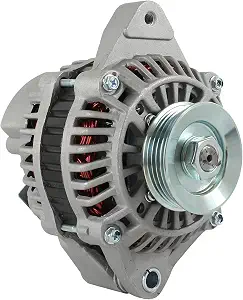 |
| Best Quality Built to a higher standard if you want something more solid | AISIN Aftermarket Alternator ALTH-00367 for 1.6L Honda Civic / Acura EL |  |
| Best Value The sweet spot between price and what you get | SCITOO 12V 75A Alternator for Honda Civic 1996–2000 (4-Groove, CCW) |  |
| Best Budget The cheapest option that still gets the job done reliably | PHILTOP 75A Alternator Assembly for 1996-2000 Honda Civic (SOHC) |  |
| Highest Rated A top-rated pick with lots of positive feedback | PHILTOP Alternator Replacement for 1996–2000 Honda Civic SOHC / 1996–1997 Civic del Sol SOHC |  |
| Most Popular A crowd favorite that many people choose with confidence | Farrme 13649 Replacement Alternator 75A, 4-Groove Pulley |  |
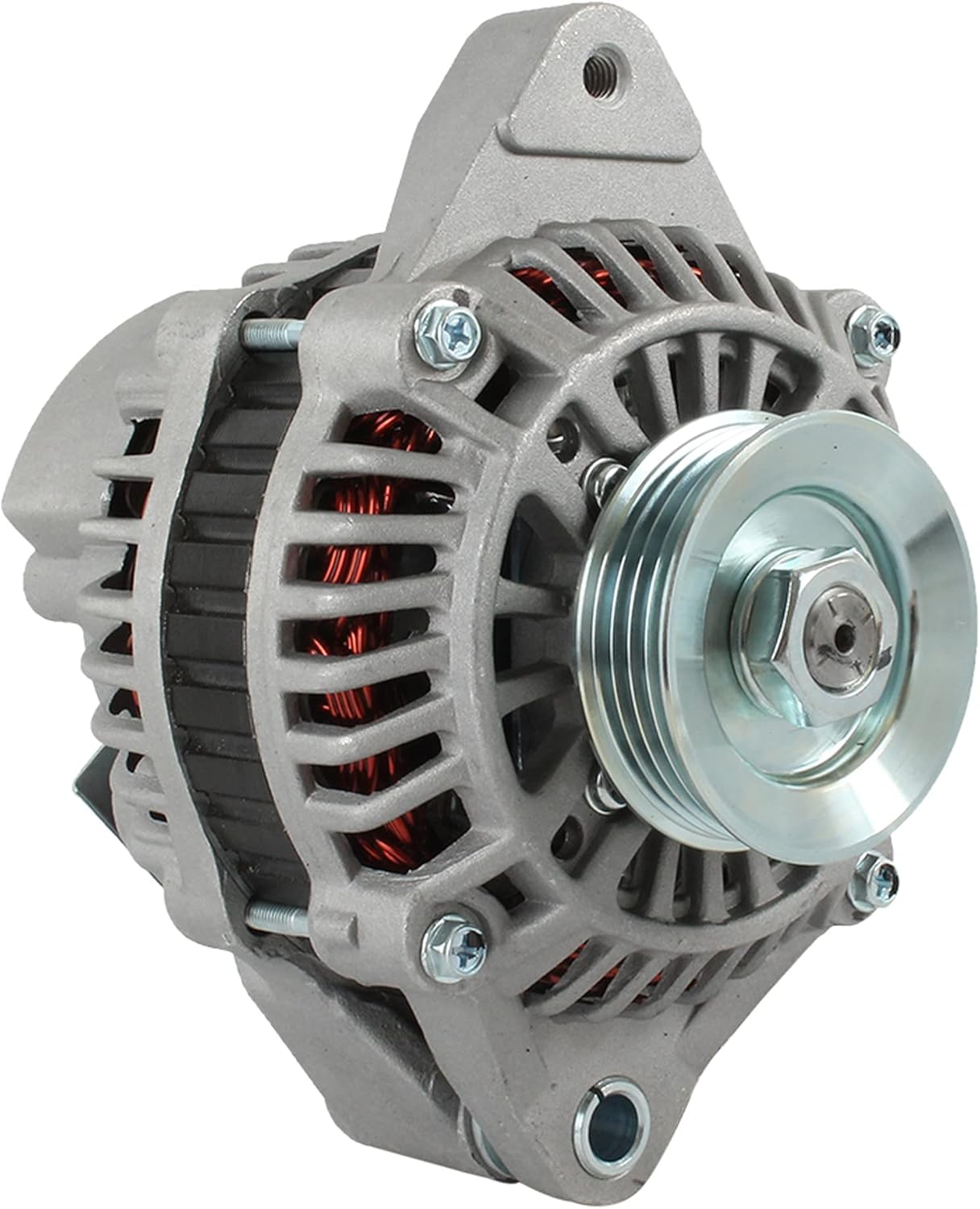
1. DB Electrical 400-48125 12V 75A Alternator (Counter Clockwise)
| Voltage | 12 Volts |
|---|---|
| Amperage | 75 A |
| Rotation Direction | Counter Clockwise |
| Regulator Location | Internal |
| Pulley Type | Solid |
This DB Electrical 400-48125 alternator is a straightforward factory-replacement unit for 1996–2000 Honda Civic and 1996–1997 Civic del Sol models. It provides 75 amps at 12 volts with a counterclockwise rotation and an internal voltage regulator, so installation is the same basic swap as a stock unit. The solid pulley and specified pulley outer diameter mean it lines up with factory belts without extra parts. For routine repairs it delivers dependable charging for daily driving and light accessory loads, and it is suitable for DIY installers and professional shops alike. Expect consistent output for charging the battery and running lights, audio, and climate controls, though it is not a high-output performance alternator for heavy aftermarket electrical systems. Buyers should verify part numbers and rotation direction against their vehicle before purchase to ensure proper fit and orientation.
Best for: Buyers who want a reliable, factory-style replacement alternator for routine repairs on late 1990s Civic or del Sol models and prioritize correct fit and straightforward installation.
Less Ideal for: Drivers planning heavy aftermarket audio, lighting, or performance electrical upgrades should choose a higher-output alternator instead.
- Specifically matched for 1996–2000 Honda Civic and 1996–1997 Civic del Sol fitment.
- Internal voltage regulator simplifies wiring and replacement.
- Solid pulley with specified diameter matches factory belt setup.
- 75A output suitable for standard charging needs and light accessory use.
- Not designed for high-output or heavily modified electrical systems.
Verdict: A direct-fit, factory-style 75A replacement that restores reliable charging on 1996–2000 Honda Civic and 1996–1997 Civic del Sol models.
2. AISIN Aftermarket Alternator ALTH-00367 for 1.6L Honda Civic / Acura EL

| Amperage | 70A |
|---|---|
| Voltage | 12V |
| Rotation | Counterclockwise |
| Groove Quantity | 4 |
| Fit Type | Vehicle Specific Fit |
This Aisin alternator is a direct-fit replacement manufactured for 1996–2000 Honda Civic and 1997–2000 Acura EL 1.6L applications, delivering 12V at 70 amps with a counterclockwise rotation and four-groove pulley. Typical use is as a factory-quality replacement when an old alternator fails or when restoring charging capacity during battery drain, aftermarket audio upgrades, or accessory additions. Key features include a high-quality aluminum housing for heat resistance and faster cooling and factory-equivalent mounting and electrical connections for straightforward installation in compatible Civics. The practical benefit is reliable, consistent charging at a modest 70A output that suits stock electrical loads and light accessory use without needing modification. Limitations are the 70A amperage, which may not support heavy accessory or high-power audio systems, and the rotation/pulley configuration must match the vehicle; incorrect selection will require returning or replacement. Expect a like-for-like replacement that keeps the charging system working like the original when correctly matched to the specified model years.
Best for: Buyers seeking a dependable, factory-style replacement alternator to restore reliable charging on 1996–2000 Civics or 1997–2000 Acura ELs without modifying the vehicle.
Less Ideal for: Drivers planning substantial electrical upgrades, high-power audio installs, or numerous added accessories should consider a higher-amperage unit or performance-oriented alternator.
- Vehicle-specific fit for 1996–2000 Honda Civic and 1997–2000 Acura EL 1.6L for straightforward installation
- Aluminum housing designed for improved heat resistance and faster cooling
- Factory-style electrical and mounting configuration reduces fitment issues
- 70A output provides dependable charging for stock electrical systems
- 70A amperage may be insufficient for heavy aftermarket audio or numerous high-draw accessories
Verdict: Choose this Aisin alternator when you want a reliable, factory-style 70A replacement that restores original charging performance for 1996–2000 Honda Civic and 1997–2000 Acura EL 1.6L vehicles.
3. SCITOO 12V 75A Alternator for Honda Civic 1996–2000 (4-Groove, CCW)

| Voltage | 12 Volts |
|---|---|
| Amperage | 75 Amp |
| Rotation | CCW (Counter Clockwise) |
| Pulley | 4-Groove Pulley |
| Regulator | Internal Regulator |
This SCITOO alternator is a straightforward replacement for the 1996–2000 Honda Civic and 1996–1997 Civic del Sol 1.6L applications, delivering 75 amps at 12 volts with a counterclockwise rotation and a 4-groove pulley. Designed as a vehicle-specific fit, it includes an internal regulator and internal fan so it installs like a factory-style unit and supports normal charging loads for older Civics. Practical buyers will appreciate the CNC-machined castings and factory-measured mounting points that simplify installation and reduce fitment issues. The alternator is intended for routine use restoring charging performance for headlights, stereo, and battery charging rather than upgrading to high-output electrical systems. Keep in mind this is a 75A unit, so it will not increase charging capacity for heavy accessory setups, and belt tension and proper electrical connections are important to avoid premature wear. For someone replacing a failed original alternator on these Civic model years, this SCITOO provides a practical, ready-to-install option that matches factory-style specifications.
Best for: Buyers seeking a practical, direct-replacement alternator to restore reliable charging on a 1996–2000 Civic without modifying the electrical system or upgrading output.
Less Ideal for: Not a good choice for owners building high-draw audio systems, heavy aftermarket lighting, or anyone who needs greater than stock charging capacity.
- Vehicle-specific fit for 1996–2000 Honda Civic and 1996–1997 Civic del Sol simplifies installation
- Includes internal regulator and fan for factory-style charging control
- CNC-machined castings and measured mounting points improve fit reliability
- Compact 12V/75A design restores stock charging for typical electrical loads
- 75 amp output is limited for drivers who add high-draw accessories or want a high-output upgrade
- Rotation and pulley configuration require matching to the vehicle or belt setup
Verdict: A practical, vehicle-specific 75A replacement that restores factory-style charging for 1996–2000 Honda Civics.
4. PHILTOP 75A Alternator Assembly for 1996-2000 Honda Civic (SOHC)

| Fitment | 1996-2000 Civic SOHC, 1996-1997 Civic del Sol SOHC |
|---|---|
| Voltage | 12V |
| Output | 75Amp |
| Rotation | CCW |
| Plug | 11 Plug Clock |
This PHILTOP alternator is a direct-replacement unit engineered for 1996–2000 Honda Civic SOHC and 1996–1997 Civic del Sol applications, offering 75 amps of output to recharge the battery and run vehicle electronics. It uses a die-cast aluminum housing and copper windings with external insulating coating for electrical protection, and the listing specifies a 12V, counterclockwise rotation unit with an 11-plug clock and internal regulator features. Typical use is swap-in replacement when the factory unit fails, for symptoms like stalling, dashboard warnings, or battery drain. The practical benefits are straightforward: factory-style fitment details and a familiar feature set make installation and compatibility checks simpler, and the 75A rating suits stock electrical loads. Limitations to note are that this is a replacement aftermarket part so long-term durability versus a higher-end remanufactured or OEM option may vary and you should confirm plug orientation and connector fit for your exact year and trim before buying. For budget-focused repairs it provides a complete, ready-to-install charging solution.
Best for: Buyers looking for an affordable, ready-to-install replacement to restore charging on a 1996–2000 Civic who prioritize getting reliable basic functionality quickly and cost-effectively.
Less Ideal for: Drivers seeking a premium remanufactured or factory-original alternator for maximum longevity or those who need higher output for heavy modifications should consider other options.
- 75 amp output suitable for stock electrical systems on targeted Civic years
- Die-cast aluminum housing and copper windings for solid electrical conduction
- Includes features expected in replacements such as internal regulator and specified plug orientation
- Clear vehicle fitment listed for 1996–2000 Civic and 1996–1997 Civic del Sol
- Aftermarket unit so long-term durability may be less predictable than higher-end remanufactures
- Requires confirming plug clock and connector compatibility for specific trim before installation
Verdict: A cost-conscious, vehicle-specific replacement that restores factory charging capability for 1996–2000 Honda Civic SOHC models without extra frills.
5. PHILTOP Alternator Replacement for 1996–2000 Honda Civic SOHC / 1996–1997 Civic del Sol SOHC

| Fitment | 1996-2000 Civic SOHC; 1996-1997 Civic del Sol SOHC |
|---|---|
| Item model number | 13649N |
| Manufacturer | PHILTOP |
| Manufacturer Part Number | 7911ALT042UUS |
This PHILTOP alternator is a direct-replacement, high-output unit intended to restore charging reliability for older Civic SOHC engines. It is built with die-cast aluminum housings and pure copper windings, and the manufacturer says components are factory-matched and tested to stringent endurance and salt-spray standards. Typical installation reuses original mounting hardware and is the same process as swapping any factory replacement alternator; the brand provides a manual and video guidance if you need help. In real-world use this alternator aims to deliver stable voltage under temperature extremes and vibration, which matters for preventing battery drain and electrical faults on aging cars. The unit does not generally include new bolts or accessories so you should expect to reuse existing fasteners. If you want a replacement that focuses on durability and consistent charging rather than cosmetic upgrades or extra accessories, this PHILTOP alternator is a sensible option for keeping a Civic running dependably.
Best for: Buyers who prioritize a durable, factory-quality charging solution to keep a 1996–2000 Civic SOHC or 1996–1997 Civic del Sol SOHC running reliably and who prefer a tested replacement over cosmetic features.
Less Ideal for: If you want a plug-and-play kit with new mounting hardware or aftermarket upgrades like polished cosmetic finishes, consider options that include accessories or performance enhancements.
- Designed to match factory electrical performance with copper windings for stable charging
- Die-cast aluminum construction and CNC machining for consistent fit and durability
- Tested for endurance, salt spray, extreme temperatures and vibration to improve long-term reliability
- Does not include mounting bolts or hardware so you may need to reuse or source fasteners separately
Verdict: Choose this PHILTOP alternator when you need a rugged, factory-matched replacement to restore reliable charging on a 1996–2000 Civic SOHC or 1996–1997 Civic del Sol SOHC.
6. Farrme 13649 Replacement Alternator 75A, 4-Groove Pulley

| Amperage | 75 Amps |
|---|---|
| Voltage | 12V |
| Rotation | CCW (Counterclockwise) |
| Number of Grooves | 4-Groove Pulley |
| Regulator Type | Internal |
This Farrme 13649 alternator is a direct-replacement 12V unit rated at 75 amps and intended for late 1990s Honda Civic and Civic del Sol 1.6L engines. It installs in place of the factory alternator and provides charging for the battery and electrical systems while driving. Notable features include an internal voltage regulator and internal fan for compact packaging, a counterclockwise rotation, and a 4-groove pulley to match the stock belt configuration. In practice the unit aims to restore charging performance for a vehicle with a failing alternator and should handle normal accessory loads and occasional short accessory use. The listing emphasizes CNC-machined castings and copper windings for durability, and the seller states every unit is tested before shipping. Limitations to consider are that this is an aftermarket part so appearance and minor mounting details can differ from the original, and successful operation depends on correct installation and a healthy battery, belts, and wiring. Have a qualified technician confirm fit and wiring during replacement to avoid installation issues.
Best for: Buyers who want a tested replacement alternator to restore reliable charging on a late 1990s Civic without spending on a remanufactured OE unit and who prioritize documented compatibility and social proof before buying.
Less Ideal for: People who need a high-output upgrade for heavy accessory use or who prefer a factory-remanufactured alternator with original appearance and connectors.
- Direct replacement fitment listed specifically for 1996–2000 Honda Civic and 1996–1997 Civic del Sol 1.6L applications
- Built-in voltage regulator and internal fan reduce the need for external components
- 75 amp output suitable for restoring charging on stock electrical systems
- Construction notes (die-cast housing and copper windings) indicate attention to durability and heat resistance
- Aftermarket unit may differ cosmetically and have small mounting or connector variations compared with factory part
Verdict: A purpose-built, tested 75A replacement that restores factory charging for 1996–2000 Honda Civic 1.6L cars with the original 4-groove pulley.
Choosing the Right 1996-2000 Honda Civic Alternator: Key Factors to Consider
Amperage and Charging Output
Alternator amperage determines how much electrical load the charging system can support. For a 1996-2000 Civic, consider baseline charging needs for the stock configuration as well as any additional accessories such as upgraded audio, lighting, or engine management that add continuous draw.
Choosing an alternator with slightly higher rated output than the stock unit gives headroom for accessories and reduces strain at low RPMs. However, excessively high output units can produce heat and may require pulley or belt changes, so select a rating that aligns with your expected loads while keeping OEM voltage regulation behavior in mind.
Physical Fitment and Pulley Compatibility
Correct physical fit matters more than specs alone. The alternator must match the EJ, EK, and EM chassis mounting points, bracket orientation, and pulley diameter or type used on your Civic's engine. Mismatched pulleys can alter belt tension and accessory speeds, generating noise or wear.
Check if the replacement reuses the original plug and fan shroud clearance so installation remains straightforward. Units designed specifically for the 1996-2000 Civic minimize the need for bracket modifications or different belts, keeping installation time and potential issues down.
Electrical Connections and Voltage Regulation
Modern alternators rely on internal or external voltage regulators. For this Civic range, compatibility with the factory regulator behavior and connector pinout avoids splicing or relay changes. Confirm whether the unit uses an internal regulator and if the wiring harness matches the stock connector for a plug-and-play replacement.
Voltage stability matters for sensitive electronics. A regulator that maintains steady voltage across idle and higher RPMs reduces flicker, ECU errors, and premature battery wear. Consider alternators with proven regulation characteristics for consistent charging under varying engine speeds.
Durability: Bearings, Brushes, and Diodes
Internal component quality is a strong predictor of alternator life. High-quality bearings tolerate the Civic engine bay heat and vibration better, reducing early failure risk. Brushes should be sized and made from materials that resist rapid wear in stop-start driving conditions common to commuter use.
Diode pack and rectifier durability affect electrical noise and charging efficiency. Units with robust diode assemblies and good heat dissipation design will typically last longer and provide cleaner charging, which is beneficial for sensitive electronics in the car.
Serviceability and Rebuild Options
Owners who prefer to repair rather than replace should consider how serviceable the alternator is. Alternators that accept rebuild kits or have readily available replacement parts let you replace worn brushes, bearings, or diodes without purchasing a full unit.
Availability of core exchange programs or rebuild instructions reduces long-term ownership cost. If you plan to reuse components or have access to a local shop that can rebuild units, prioritize models designed for easy disassembly and standard part sizes.
Warranty and Post-Installation Support
A solid warranty indicates confidence in manufacturing quality and can protect against early failures. Check the length of coverage and whether it includes parts and labor or only parts. For Civic owners who drive daily, a longer warranty reduces the risk of repeated downtime.
Also consider the availability of technical support or installation documentation. Clear wiring diagrams and fitment notes simplify installation and troubleshooting if you encounter alternator symptoms after replacement.
Common Alternator Symptoms on 1996-2000 Civics
Knowing the typical signs of a failing alternator helps you confirm whether replacement is necessary. Symptoms often start subtly and can be mistaken for battery issues, so focus on patterns that occur while the engine is running.
Look for dimming headlights that worsen at idle, dashboard warning lights related to charging, or a battery that repeatedly tests low despite charging attempts. Intermittent electrical failures, such as radio resets or power window slowdowns, can also point to inadequate charging.
- Dimming or flickering lights that change with engine speed
- Dashboard charge warning illumination
- Slow cranking after short drives even with a healthy battery
- Unusual whining or grinding noises from the engine bay
- Electrical accessories cutting out or acting erratically
Practical Alternator Testing Steps
Before replacing the alternator, perform a few tests to isolate the problem. Start with a battery test to ensure the battery can hold a charge. Next, check system voltage at the battery with the engine off and then running to observe charging behavior.
For a quick check, a healthy charging system on a Civic should read roughly 13.5 to 14.8 volts at the battery with the engine at moderate RPM. If voltage falls below that range or fluctuates widely, the alternator or its regulator may be at fault. Also inspect the drive belt, pulley condition, and wiring connections for obvious issues.
- Measure resting battery voltage and voltage with engine running
- Load test electrical systems by turning on lights and blower while checking voltage
- Listen for bearing noise or grinding from the alternator area
- Inspect connector pins and ground straps for corrosion or looseness
Installation Notes for EJ, EK, and EM Chassis Owners
The 1996-2000 Civic alternator swaps are typically straightforward if you match mounting and connector style. For EJ, EK, and EM owners, confirm bracket orientation and whether the replacement requires the same belt routing and pulley diameter as the original unit. Small differences in pulley offset can affect belt alignment.
Plan to disconnect the battery before beginning work and label any connectors if you need to route wiring. Have basic hand tools and a torque wrench available for final fasteners. If you are following a DIY procedure, allocate extra time to access the alternator in tight engine bays and to double-check electrical connections before reattaching the battery.
- Always disconnect battery negative terminal before starting
- Compare new unit to the old alternator for bolt locations and plug type
- Re-tension belts to factory specification after installation
- Check for charging voltage and listen for abnormal noises on first start
When to Consider Rebuilding Instead of Replacing
Rebuilding can be cost-effective when the alternator's housing and rotor are in good condition and only internal wear items like brushes or bearings need replacement. Many Civic alternators accept rebuild kits that replace brushes, bearings, and diodes, restoring function without a full unit swap.
However, rebuilding requires access to parts and some mechanical skill. If the original unit shows severe corrosion, damaged housing, or electrical faults beyond simple component wear, a full replacement may be more reliable and faster.
- Inspect the housing and rotor for corrosion before deciding to rebuild
- Brush and bearing wear are common rebuild triggers
- Rebuilds are ideal when core exchange or parts are readily available
- Consider labor time and shop availability when choosing rebuild versus replace
Battery and Charging System Upgrades to Match Higher Output
If you opt for an alternator with higher rated output to support added accessories, ensure the rest of the charging system can handle the increased current. This may involve using heavier gauge wiring, upgrading fusible links, and confirming battery terminal integrity to prevent heat buildup or voltage drops.
A higher-output alternator can benefit audio systems or lighting upgrades, but it should maintain stable voltage. Verify that voltage regulation remains within safe ranges to protect the Civic's electrical components.
- Use appropriately sized wiring for higher current applications
- Upgrade fusible links or main fuses if necessary
- Ensure battery and terminals are in good condition to accept increased charge
- Confirm regulator behavior under load after installation
Cost Considerations and Warranty Options
When evaluating alternator options, balance upfront cost against warranty and expected lifespan. A longer warranty can provide peace of mind for daily drivers who rely on their Civic for commuting. Also consider whether the vendor or manufacturer offers core exchanges or parts availability for future repairs.
Factor in installation cost if you are not doing the work yourself. Labor times for alternator replacement on these Civics are typically moderate, but buttoning up wiring and ensuring belt alignment can add time. Weigh the value of a unit that minimizes reinstall hassles against lower-cost options that may require additional parts or adapters.
- Look for clear warranty terms and duration
- Account for potential installation labor when comparing options
- Consider core exchange availability for rebuildable units
- Verify replacement part availability before purchase
Still looking for the perfect fit?
Select your Honda Civic configuration to see the most relevant Alternators recommendations
How We Chose the Best 1996-2000 Honda Civic Alternator
We prioritized alternators that matched the mechanical and electrical specifics of the 1996-2000 Civic EJ, EK, and EM platforms and that offered reliable long-term performance. Evaluation focused on charging output and amperage to ensure adequate power for common accessory loads, the physical mounting and pulley fitment to match the Civic engine bay and belt routing, and the quality of internal components such as bearings, brushes, and diodes which affect longevity.We also weighed warranty coverage and serviceability, including whether core exchanges, rebuild options, or rebuild kits are available for the unit. Ease of installation and electrical compatibility were important—units that reused existing connectors and required minimal wiring changes scored higher. Durability under heat and vibration typical of this engine bay was considered through manufacturer specs and common reported longevity indicators.Excluded from consideration were alternators that required extensive custom wiring, nonstandard pulley conversions, or otherwise altered charging system voltages beyond OEM tolerances. We filtered out units lacking documentation for 1996-2000 Civic fitment. The final list reflects a balance of correct fit, reliable charging performance, and practical ownership considerations.
Our full evaluation process is outlined in our review methodology.
FAQ
How can I tell if my 1996-2000 Civic alternator is failing or the battery is the issue?
Start by testing resting battery voltage and voltage with the engine running. If the battery shows normal resting voltage but voltage falls or fluctuates when the engine is running, the alternator is likely at fault. Also listen for bearing noise and watch for dimming lights that change with engine speed.
Is it worth rebuilding an alternator on a 1996-2000 Civic?
Rebuilding can be worthwhile if the housing and rotor are in good condition and only wear items like brushes or bearings need replacement. Rebuilds save cost but require parts availability and some mechanical skill. If the unit shows extensive corrosion or electrical damage, full replacement is usually more reliable.
Will a higher-output alternator cause problems on my Civic?
A modest increase in output to support accessories is generally fine, but very high-output units can produce extra heat and may require heavier wiring or pulley changes. Ensure the regulator maintains proper voltages and upgrade wiring or fuses if needed.
What are quick DIY checks I can perform before replacing the alternator?
Check belt condition and tension, inspect wiring and connectors for corrosion or looseness, and measure voltage at the battery with the engine at idle and higher RPM. Listen for unusual noises from the alternator bearing area. These steps often rule out simple fixes before replacement.
Does alternator installation on the EJ, EK, and EM Civic require special tools?
Most alternator swaps require basic hand tools, a torque wrench, and possibly a breaker bar to release belt tension. Access can be tight, so extensions or swivel sockets may help. No specialized equipment is typically required unless a pulley change is involved.
How long should a properly installed alternator last in a 1996-2000 Civic?
Longevity depends on driving conditions and maintenance, but a well-made alternator installed correctly can last many years of typical driving. Heat, corrosion, and heavy accessory loads shorten life, while clean connections and proper belt tension help maximize lifespan.
Final Verdict
When replacing the alternator on a 1996-2000 Honda Civic, prioritize units that match the EJ, EK, and EM chassis mounting and electrical connector patterns while providing adequate amperage for your accessory load. Balance output needs with physical fit and regulator behavior to avoid belt and voltage issues. Consider serviceability and warranty when evaluating long-term ownership costs. With careful attention to fitment, testing, and installation, you can select an alternator that restores reliable charging and minimizes future electrical headaches.
Explore More:
- Check out all Honda Civic parts & accessories
- Explore Alternators Maintenance & Repair Guides
- Explore Electrical System
- Browse all Auto Parts
