

Note: This article contains affiliate links. If you click on these links and make a purchase, I may earn a small commission at no extra cost to you. This helps support my research and content. Read my full affiliate disclosure here.
If your Honda Civic EP3 is slow to crank or makes unusual noises when you turn the key, choosing the right starter motor matters for everyday reliability. The starter is a critical but often overlooked component that directly affects how consistently the engine will fire, especially during cold starts or after long periods of sitting. You want a unit with correct fitment, solid electrical connections, and proven durability to avoid repeat roadside failures.This guide covers six shortlisted starter motors chosen for the EP3 configuration, focusing on compatibility, build quality, and expected longevity. Below we explain what to look for, how we evaluated candidates, and practical considerations for repair or installation so you can select the best option for your Civic EP3 with confidence.
Looking for other parts? See all Honda Civic parts & accessories.
Top Picks at a Glance
| Best Quality Built to a higher standard if you want something more solid | zuughay 12V 0.8KW Starter Motor for 2001–2005 Honda Civic/Acura EL (9-Tooth, Clockwise) |  |
| Best Value The sweet spot between price and what you get | Youxmoto Starter Motor for 2001–2005 Honda Civic and Acura EL (Manual) |  |
| Best Budget The cheapest option that still gets the job done reliably | TadaMark Starter Replacement for 1.7L Manual Honda Civic / Acura EL (2001–2005) |  |
| Highest Rated A top-rated pick with lots of positive feedback | Aeagle 12V Starter Motor for 2001–2005 Honda Civic/Acura EL (Manual Transmission) |  |
| Most Popular A crowd favorite that many people choose with confidence | SCITOO Starter Motor fit for 1.7L Honda Civic 2001–2005 (Manual Transmission) |  |
1. zuughay 12V 0.8KW Starter Motor for 2001–2005 Honda Civic/Acura EL (9-Tooth, Clockwise)

| Voltage | 12V |
|---|---|
| Power Rating | 0.8KW |
| Number of Teeth | 9 |
| Rotation | CW (Clockwise) |
This zuughay starter is a bolt-in replacement for 2001–2005 Honda Civic and Acura EL 1.7L models with manual transmissions. It delivers 12V at 0.8 kW and uses a 9-tooth, clockwise pinion, which matches factory fitment for the specified cars. In practice you can expect straightforward plug-and-play installation with no modification, making it a quick swap for DIY mechanics or techs replacing a worn starter. The listing emphasizes materials and testing aimed at good conductivity, wear and high-temperature resistance, which should help reliability under regular and spirited driving. For performance-minded owners, the starter’s matching power rating and correct tooth count preserve starting speed and engagement feel compared with the original unit. Limitations: this unit is strictly for the listed 1.7L manual-transmission fitments and will not suit automatic transmissions or other displacements, and long-term durability depends on installation and vehicle electrical health rather than seller claims alone.
Best for: Buyers who want a straightforward, performance-faithful starter that restores factory starting response on 2001–2005 1.7L Civics and Acura ELs and prefer a direct swap without modification.
Less Ideal for: Drivers with automatic transmissions, different engine sizes, or those seeking upgraded high-torque performance starters for heavy-duty or race applications should look elsewhere.
- Direct replacement design for specified 2001–2005 1.7L manual Civics and Acura ELs
- Correct rotation and 9-tooth pinion for proper engagement with the flywheel
- Plug-and-play installation reduces install time and need for modifications
- Materials and testing claims intended to resist heat, corrosion, and wear
- Fitment limited to the listed 1.7L manual-transmission models and not compatible with automatics
Verdict: A direct-fit, factory-matching replacement that restores original starting performance for 2001–2005 1.7L manual Civics and Acura ELs.
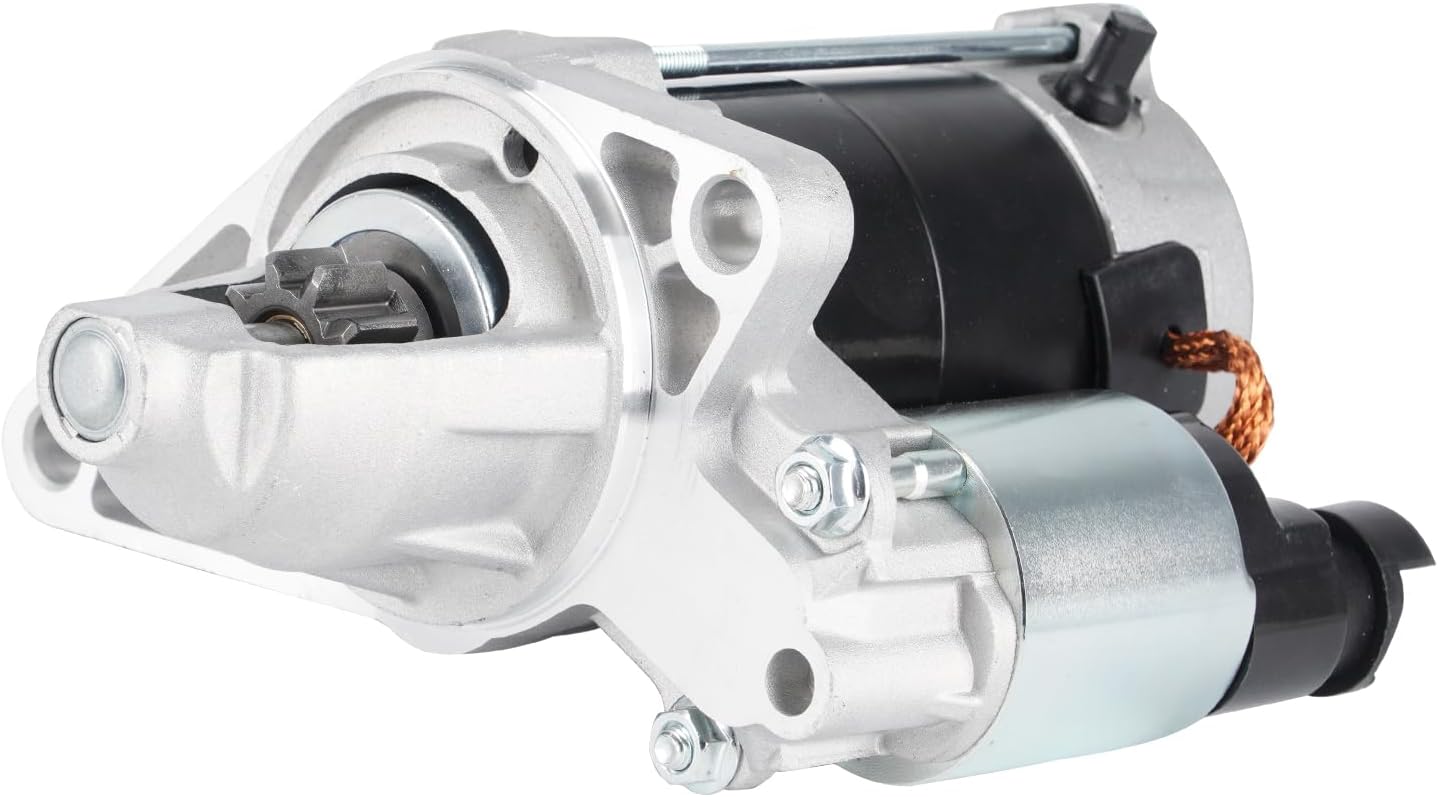
2. Youxmoto Starter Motor for 2001–2005 Honda Civic and Acura EL (Manual)
| Voltage | 12V |
|---|---|
| Rotation | CW |
| Teeth | 9 |
| Wattage | 0.8–1.2 KW |
| Starter Type | PMGR |
This Youxmoto starter is a direct-replacement unit for 2001–2005 Honda Civic 1.7L and Acura EL 1.7L manual-transmission cars. It contains a 12V, PMGR-style motor with nine teeth and clockwise rotation and is intended to swap into the same mounting and electrical points as the factory unit. Typical use is a like-for-like replacement when an original starter fails; installation is straightforward for a mechanically inclined DIYer and most independent shops. The product highlights include copper internals, tested wear-resistant gearing, and a quoted power rating around 0.8–1.2 kW that provides solid cranking torque for these small engines. Practical benefits are ease of installation, restored starting performance, and compatibility with the common replacement part numbers listed for these Civics. Limitations are typical of aftermarket starters: fitment can require minor wiring or trim adjustments on some late-model chassis, and long-term durability may vary compared with factory-quality units. The seller notes a one-year after-sale service if problems arise.
Best for: Buyers seeking a practical, budget-conscious replacement starter to get a 2001–2005 Civic or Acura EL back on the road quickly, with an eye toward easy installation and part-number compatibility.
Less Ideal for: Those who prioritize maximum long-term longevity and factory-spec lifetime may prefer a branded factory-quality remanufactured unit or dealership replacement.
- Built for direct replacement on 2001–2005 1.7L Civic and Acura EL manual transmissions
- Copper construction and wear-resistant gears intended to improve durability
- Standard 12V PMGR design and listed part-number cross-references simplify matching and installation
- Compact unit with common mounting and electrical layout for DIY or shop swap
- May require minor wiring or plastic trim modification to clear terminal orientation on some vehicles
Verdict: A cost-effective, like-for-like starter that restores reliable starting for 2001–2005 1.7L Honda Civic and Acura EL manuals with minimal fuss.
3. TadaMark Starter Replacement for 1.7L Manual Honda Civic / Acura EL (2001–2005)

| Voltage | 12 Volts |
|---|---|
| KW | 0.8 |
| Rotation | CW |
| Teeth | 9 |
This TadaMark starter is a budget-focused replacement made to fit 1.7L manual-transmission Honda Civics and Acura ELs from the 2001–2005 era. It is a 12 volt PLGR-style starter with a 9-tooth pinion and 0.8 kW output, built using copper windings and upgraded contact materials intended to deliver adequate torque for reliable cranking. Installation is typical for a starter swap: unbolt the old unit, connect the main power and solenoid wiring, and secure the housing. Buyers report the part bolts in and starts the engine immediately in many cars, though some vehicles required minor trimming or cable routing changes because the protective plastic around the B+ terminal can be positioned differently. For someone replacing a worn starter on a running vehicle, this offers a low-cost option with factory-style fitment and improved internal contacts. Expect lower price and acceptable performance compared with higher-end remanufactured units, and be prepared for small fitment adjustments during installation.
Best for: Car owners who need an inexpensive, functional replacement starter for a 1.7L manual Honda Civic or Acura EL and prioritize getting the vehicle running without paying for a premium remanufactured unit.
Less Ideal for: Owners looking for a warranty-backed premium remanufactured starter or those unwilling to make small wiring or plastic-trim adjustments during installation.
- Made with copper armature windings and upgraded starting contacts for stronger cranking
- Direct-replacement design for 1.7L manual Honda Civic and Acura EL bolt pattern
- 12V PLGR starter with 9-tooth pinion suitable for original engine starting needs
- Low-cost option compared with remanufactured or premium starters
- B+ terminal shield may be positioned differently requiring minor trimming or rerouting
- Some buyers report occasional fitment inconsistencies so confirm manual-transmission fitment before purchase
Verdict: An affordable, factory-style replacement starter for 1.7L manual Civics and Acura ELs that delivers reliable starting performance for budget-minded repairs.
4. Aeagle 12V Starter Motor for 2001–2005 Honda Civic/Acura EL (Manual Transmission)

| Voltage | 12V |
|---|---|
| Rotation | CW |
| Teeth | 9 |
| Power | 0.8 kW |
| Compatible models | 2001–2005 Honda Civic/Acura EL 1.7L manual transmission |
This Aeagle starter is a direct-fit replacement for 2001–2005 Civic and Acura EL 1.7L manual-transmission models and is intended to restore reliable engine cranking to cars with a failing unit. It installs like a factory-style starter and is specified as 12 volts, clockwise rotation, 9 teeth and about 0.8 kW, which matches the original starter geometry for the listed cars. The manufacturer says each unit is computer-tested for consistency and the metal construction and measured contact points aim to ensure straightforward mounting and dependable engagement with the flywheel. For everyday use it provides a simple swap to get an older Civic or EL back on the road without modification. Limitations to note are that this exact unit is for manual-transmission cars only and for specific 1.7L DX/EX/HX/LX model variants, so it will not fit automatic transmissions or different engine sizes. Buyers should verify exact part-number interchange before ordering to avoid fitment issues.
Best for: A buyer who prioritizes restoring dependable starting performance on an older 2001–2005 Honda Civic or Acura EL with a manual transmission and wants a straightforward factory-style replacement.
Less Ideal for: Not a good choice for vehicles with automatic transmissions, different engine sizes, or for buyers who need a starter with upgraded high-torque performance for modified engines.
- Direct-replacement design matches original mounting points for listed Civic and Acura EL models
- Computer-tested units for consistent electrical performance across replacements
- Metal construction and precision-measured contact points intended for reliable engagement with the flywheel
- Fitment limited to manual-transmission 1.7L DX/EX/HX/LX models and Acura EL 2001–2005 only
Verdict: Choose this starter if you need a tested, factory-style direct replacement to reliably restore starting on a 2001–2005 Civic or Acura EL with the 1.7L manual setup.
5. SCITOO Starter Motor fit for 1.7L Honda Civic 2001–2005 (Manual Transmission)

| Voltage | 12 Volts |
|---|---|
| Amperage | 12 Amps |
| Power | 0.8 kW |
| Rotation | CW |
| Tooth Count | 9 |
This SCITOO starter is a direct replacement-style unit intended for 1.7L Honda Civic (2001–2005) and Acura EL manual-transmission models. It is a 12 V, 0.8 kW permanent magnet gear reduction starter with clockwise rotation and a 9-tooth pinion, so installation follows the same basic process as the factory starter and requires no special wiring changes. In practice the unit is useful for restoring reliable cranking on older Civics where the original starter has worn out. Notable features include a compact metal housing, factory-style mounting pattern with two bolt holes, and matching electrical specs to maintain charging system compatibility. Expect straightforward fitment for the specified trims, and cleaner starting behavior compared with a failing stock unit. Limitations are that mounting hardware is not included and buyers should verify exact part numbers against their car; this unit only covers the manual-transmission 1.7L trims listed so do not assume it fits other Civic variants or automatic transmissions.
Best for: Buyers who want a straightforward, vehicle‑specific replacement that restores reliable starting on older 1.7L manual Civics and prioritize fitment backed by positive user feedback.
Less Ideal for: Drivers with automatic transmission Civics or non‑1.7L engines should look for a starter specified for their exact drivetrain and engine size.
- Designed to match factory 12 V electrical specifications for direct replacement
- Compact metal construction aimed at durability
- Gear reduction design that improves cranking torque for worn engines
- Explicit fitment for 1.7L manual‑transmission Civic and Acura EL models
- Mounting hardware is not included so you may need to reuse bolts or buy new ones
Verdict: A vehicle‑specific, factory‑style replacement that gets early‑2000s 1.7L manual Civics and Acura ELs back to reliable starting without electrical changes.
Choosing the Right Honda Civic EP3 Starter Motor: Key Factors to Consider
Mechanical Fitment and Mounting
Correct mechanical fitment is the first priority when replacing a starter on the Civic EP3. The starter must match the engine housing flange and mounting bolt pattern precisely to ensure proper alignment with the flywheel or flexplate.
Misaligned starters can cause pinion-to-ring gear contact issues that lead to premature wear, grinding noises, or failure to engage. Check mounting boss dimensions, bolt spacing, and whether any shims or spacer plates are required. A starter with a documented EP3-specific mounting pattern reduces installation time and risk of incorrect alignment.
Pinion Gear and Bendix Engagement
The pinion gear profile and the engagement mechanism determine how smoothly the starter meshes with the flywheel ring gear. The Civic EP3 benefits from a starter whose pinion teeth and helix are matched to the factory ring gear profile.
A robust Bendix or overrunning clutch mechanism reduces shock to the ring gear and prevents backdrive when the engine fires. Inferior engagement designs can result in repeated grinding, chipped teeth, or a starter that fails to retract after engine start. Confirm pinion diameter, tooth count, and engagement travel where available.
Electrical Performance and Solenoid Design
A starter must deliver sufficient torque at the crank under real-world conditions. Evaluate the starter's rated torque or current draw characteristics and the quality of the solenoid that actuates the drive.
Solenoid durability and terminal quality influence responsiveness and reduce voltage drop. Poor electrical connections, undersized terminals, or thin plating can cause slow cranking speeds, heat buildup, or intermittent operation. Look for heavy-gauge terminals, corrosion-resistant finishes, and a robust solenoid plunger design for consistent engagement.
Durability and Internal Components
Internal components such as bearings, armature windings, brushes, and commutators define real-world longevity. For a Civic EP3 that may see frequent short trips or cold-weather starts, materials that resist wear and heat are important.
Sealed housings and protected brush assemblies limit contamination from road debris and moisture. Reinforced bearings and balanced armatures reduce vibration and extend life. Ask whether the design uses replaceable wear parts so routine rebuilds are feasible without replacing the entire unit.
Serviceability and Replacement Parts
Serviceability affects long-term ownership costs. Starters that provide access to replaceable brushes, solenoids, and bushings are easier and cheaper to maintain over time.
Availability of replacement mounting hardware, gaskets, or rebuild kits for the EP3 can shorten repair time. Consider whether the unit ships with necessary installation parts and whether detailed instructions or wiring diagrams are included. Owners performing DIY swaps will value clear fitment notes and accessible terminal layouts.
Noise, Vibration, and Engagement Feel
Engagement quality and noise profile matter both for perceived vehicle health and actual component wear. A clean, quick engagement with minimal clicking or grinding indicates proper matching and healthy solenoid action.
Excessive vibration at startup can signal imbalanced components or worn bearings. Consider units that emphasize quiet engagement, damped housings, or improved overrunning clutches to reduce stress on the flywheel and provide a more confident start experience.
Common Starter Motor Symptoms on a Civic EP3
Knowing the most common failure signs helps diagnose whether the starter is the culprit. Key symptoms include slow cranking, a rapid clicking sound when attempting to start, intermittent engagement, or a single loud grinding noise during crank.
Electrical-related symptoms can mimic starter failure, so confirm battery condition and terminal cleanliness first. However, persistent clicking or failure to turn the engine despite a strong battery often points to the starter solenoid or internal drive assembly.
- Slow cranking with normal dashboard lights suggests internal starter wear or high resistance in the starter circuit.
- Rapid clicking typically indicates insufficient current to the solenoid or a failing solenoid plunger.
- Grinding on engagement points to pinion-to-ring gear mismatch or damaged teeth.
- Starter spins without engaging the engine when the drive mechanism fails to advance the pinion.
Preparing Your Civic EP3 For Starter Replacement
Before removing the old starter, disconnect the negative battery terminal and let the vehicle sit so capacitive loads dissipate. Gather necessary hand tools and consider raising the vehicle safely to access the lower mounting bolts if required.
Label any wiring you disconnect and take photos of terminal locations to simplify reassembly. Inspect surrounding components such as the flywheel ring gear, wiring harness, and heat shields for damage that might need attention during the job.
- Verify vehicle is in park or neutral with the parking brake engaged.
- Ensure replacement starter matches EP3 bolt pattern and terminal layout before starting work.
- Have thread locker and anti-seize available for mounting bolts if the repair manual recommends them.
Wiring and Electrical Checks Specific to the EP3
On the Civic EP3, a solid electrical connection at the battery, ground straps, and starter terminals is essential. Corroded or loose battery cables can cause symptoms identical to starter failure, including clicking and slow crank.
Measure battery voltage at rest and under crank load to rule out weak battery or poor cables. Inspect the starter's main feed and solenoid trigger wires for corrosion or frayed insulation and ensure the grounding straps to the engine block are intact and free of rust.
- Voltage at battery under crank should remain above approximately 9.5 volts for a healthy start on most systems.
- Check cable routing to avoid chafing against exhaust or moving parts that could compromise insulation over time.
DIY Vs Professional Installation for the Civic EP3
Many mechanically inclined owners can replace a starter on the EP3 with basic hand tools, a service manual, and safe lifting equipment. The job typically involves unbolting the starter, disconnecting electrical terminals, and swapping in the replacement while ensuring correct torque on mounting bolts.
Professional installation may be preferable if you lack a safe workspace, a hoist, or experience with electrical testing. A shop can also inspect the flywheel ring gear and related components and offer warranty-backed installation.
- DIY benefits: lower labor cost, control over parts used, and learning opportunity.
- Professional benefits: time savings, warranty on labor, and thorough electrical diagnostics.
Longevity and Maintenance Tips for EP3 Starters
To maximize service life, keep battery connections clean and tight, replace worn ground straps, and avoid repeated short, high-load starts that tax the starter. Address oil or coolant leaks that can contaminate the starter housing and accelerate wear.
If your starter has accessible brushes or replaceable components, schedule periodic inspections during routine maintenance to catch wear early. Keeping related systems healthy reduces the likelihood of premature starter failure.
- Inspect starter area for oil or debris during routine oil changes.
- Replace corroded terminals and frayed wires promptly to prevent voltage loss.
When to Consider a Remanufactured Unit Vs New
Remanufactured starters can offer a cost-effective option if remanufacturing standards are high, with critical internal parts replaced and housings tested to factory tolerances. Confirm that remanufactured units provide documented testing and replace wear items like brushes and bearings.
New units provide factory-new internals and may come with longer warranties, which can matter if you plan to keep the vehicle long-term. Consider expected mileage and prior starter history when deciding between reman and new.
- Verify remanufacture protocols and testing if choosing a used-core rebuild.
- Prioritize warranty terms and clearly stated fitment for the Civic EP3.
Still looking for the perfect fit?
Select your Honda Civic configuration to see the most relevant Starter Motors recommendations
How We Chose the Best Honda Civic EP3 Starter Motor
We prioritized starter motors that match the Honda Civic EP3 mechanical and electrical fitment requirements and those with clear, verifiable specifications covering pinion gear size, mounting bolt pattern, and electrical terminal layout. Durability assessments emphasized materials and internal design, including gear engagement mechanisms and bearing quality, because these aspects determine service life under repeated starts. Electrical performance was evaluated through stated torque and amperage characteristics, along with attention to solenoid design and heavy-gauge wiring or terminal plating that reduce voltage drop. Ease of installation and availability of replacement mounting hardware or sealing gaskets were included so owners can complete the job with basic shop tools. Noise and vibration control features were noted since excessive engagement shock can accelerate wear on the flywheel ring gear.We excluded any units lacking clear EP3 fitment data, missing essential technical specs, or those that relied on generic multi-fit claims without documented bolt pattern or pinion details. We also filtered out refurbished cores without transparent remanufacturing standards. Final selections balanced documented compatibility, robust construction, and serviceability for long-term reliability in the Civic EP3.
Our full evaluation process is outlined in our review methodology.
FAQ
What are the quickest ways to tell if my EP3 starter is bad?
Common quick checks include listening for rapid clicking, grinding, or no crank when turning the key. Verify battery voltage and clean terminals first, because a weak battery or poor connections often mimic starter failure.
Can I test the starter without removing it from my Civic EP3?
You can perform preliminary tests in-vehicle such as voltage measurement at the starter during crank and checking solenoid trigger voltage. More conclusive bench tests require removal and a controlled power application to observe drive engagement and torque.
How long does a typical starter last on a Civic EP3?
Starter lifespan varies with driving patterns and maintenance, but many units last well over 100,000 miles with proper care. Frequent short trips, contaminated housings, or electrical issues can reduce service life significantly.
Will a bad starter cause dashboard lights to dim?
Dimmed lights during starting usually indicate a heavy current draw or poor battery condition rather than the starter itself. However, a failing starter that draws excessive current can contribute to voltage drop and dimming during crank.
Do I need to replace the flywheel ring gear when replacing the starter?
Replacing the ring gear is not typically required unless you find damaged or missing teeth during inspection. If there is visible wear or repeated engagement damage, addressing the ring gear before installing a new starter prevents future failures.
Are there special torque values I should use when installing a starter on the EP3?
Yes, follow the torque specifications in the Civic EP3 service manual for mounting bolts and electrical terminals. Correct torque ensures proper alignment and reliable electrical contact while preventing stripped threads or overstressed components.
Final Verdict
When selecting a starter motor for a Honda Civic EP3, prioritize correct mechanical fitment, a robust solenoid and drive engagement system, and internal durability. Ensuring the unit has the right bolt pattern, terminal layout, and replacement parts availability reduces installation headaches and future failures. Balance initial cost with serviceability and documented testing so you choose a unit that will provide reliable starts over the long term.Focus on fitment and electrical quality first, then consider remanufactured versus new based on warranty and rebuild standards. With those tradeoffs in mind, you can pick a starter that restores dependable starting performance to your Civic EP3.
Explore More:
- Check out all Honda Civic parts & accessories
- Explore Starter Motors Maintenance & Repair Guides
- Explore Electrical System
- Browse all Auto Parts
