

Note: This article contains affiliate links. If you click on these links and make a purchase, I may earn a small commission at no extra cost to you. This helps support my research and content. Read my full affiliate disclosure here.
If your 2006-2011 Honda Civic is slow to crank or makes a rapid clicking noise, replacing the starter motor is often the most direct repair. For the 2006-2011 (FA and FG) Civic, choosing the right starter affects fitment, electrical draws, and long-term reliability more than any generic unit. This guide shortlists the top starter motor options built to meet the vehicle's mounting, gear reduction, and solenoid specifications so you can get dependable starts.Below are the top picks for this Civic generation and the specific evaluation criteria we used, including durability, electrical compatibility, and ease of installation. Read on to find the right balance between longevity and straightforward replacement for your Civic.
Looking for other parts? See all Honda Civic parts & accessories.
Top Picks at a Glance
| Best Overall The best all-around choice for most situations | DynaVim Parts Starter Motor Compatible with 2006–2011 Honda Civic 1.8L (Automatic) |  |
| Best Quality Built to a higher standard if you want something more solid | AISIN Starter Motor ESMH-00326 for Honda Civic 2006–2011 1.8L |  |
| Best Value The sweet spot between price and what you get | YOMALL Replacement Starter Motor for 2006–2011 Civic 1.8L (12V, CW, 10 Teeth) |  |
| Best Budget The cheapest option that still gets the job done reliably | ESellSimple Replacement Starter for Honda Civic 2006–2011, 12V 1.2kW PMGR |  |
| Highest Rated A top-rated pick with lots of positive feedback | BDELI 17958N Starter Motor for 2006–2011 Honda Civic 1.8L (Automatic) |  |
| Most Popular A crowd favorite that many people choose with confidence | Boatrip Replacement Starter Motor for Honda Civic 1.8L (2006–2011) |  |
| Best Seller A high-volume bestseller chosen again and again | Grezuton Replacement Starter for 2006–2011 Honda Civic 1.8L |  |
1. DynaVim Parts Starter Motor Compatible with 2006–2011 Honda Civic 1.8L (Automatic)

| Compatible vehicles | 2006–2011 Honda Civic 1.8L L4 (automatic transmission) |
|---|---|
| Replacement numbers | 17958N, 31200-RNA-A51, 31200-RNA-A50, 31200-R40-A01 |
| Manufacturer | DynaVim Parts |
| Item model number | 17958N |
This DynaVim starter motor is a straightforward direct-replacement for 2006–2011 Honda Civic 1.8L models with automatic transmission. It installs like a factory unit and is used as the main electric drive to spin the engine during starting. The listing highlights compatibility with multiple Honda part numbers and claims components built to meet or exceed factory standards, which aligns with the many user reports of easy fit and reliable operation. Packaging is reinforced to reduce shipping damage and the item is backed by a one-year manufacturer replacement policy for faster resolution if a defect appears. Practical benefits include a no-core-charge alternative to rebuilding the original starter and generally simple installation that many DIYers or independent shops can handle. Limitations are that it only fits automatic-transmission Civics in the specified years and long-term durability beyond the first year depends on driving and installation habits; some users caution against extended cranking which can damage internal plastic gears found in some replacement units.
Best for: Buyers who want a reliable, budget-friendly factory-style replacement that fits 2006–2011 Civic 1.8L automatic cars and prefer a quick DIY or shop install with straightforward fitment.
Less Ideal for: Those seeking a heavy-duty or performance starter for racing, high-compression conversions, or non-automatic transmissions should look at specialized units instead.
- Direct-fit design for 2006–2011 Honda Civic 1.8L automatic, simplifying installation
- Manufactured to meet or exceed factory standards for core components
- Robust packaging to reduce transit damage and arrive ready to install
- Backed by a one-year manufacturer replacement for quicker issue resolution
- Compatible only with automatic-transmission 1.8L Civics from 2006–2011, not manual models
- Some replacement starters use plastic internal components that can be damaged by excessive cranking
Verdict: A cost-conscious, factory-style direct replacement for 2006–2011 Honda Civic 1.8L automatic owners who want reliable fit and easy installation.
2. AISIN Starter Motor ESMH-00326 for Honda Civic 2006–2011 1.8L

| Voltage | 12 Volts |
|---|---|
| Power rating | 1.2 KW |
| Number of teeth | 9 |
| Rotation | Clockwise |
This Aisin starter is a factory-style aftermarket replacement built to fit 2006–2011 Honda Civic 1.8L four-cylinder engines. It delivers 1.2 kW of cranking power and a clockwise rotation, so installation is plug-and-play for Civic applications that match the listed reference numbers. The unit includes a responsive electromagnetic switch and a 9-tooth pinion, which translates to solid initial engagement and quick engine turnover under normal and cooler-weather starts. Because it is a brand-focused replacement, durability and resistance to harsher engine-bay conditions are emphasized, making it suitable for regular street driving and owners wanting a reliable, like-for-like swap. Limitations are that it is a direct replacement rather than a high-performance upgrade, so gains in cranking speed beyond factory levels will be modest. Buyers should also confirm the reference part numbers match their vehicle before purchasing and be prepared for basic mechanical installation or shop labor if they are not comfortable with starter removal and reinstallation.
Best for: Enthusiastic Civic owners who prioritize dependable, factory-quality starting performance and want a straightforward replacement that restores original crank behavior.
Less Ideal for: Drivers seeking a performance upgrade for faster cranking or high-compression engine builds should consider purpose-built high-torque starters instead.
- Direct-fit design for 2006–2011 Honda Civic 1.8L for straightforward installation
- 1.2 kW power rating provides solid cranking performance for reliable starts
- Responsive electromagnetic switch and 9-tooth pinion for quick engagement
- Manufactured by a known automotive supplier with emphasis on durability
- Not engineered as a high-performance or high-torque upgrade beyond factory specs
Verdict: Choose this Aisin starter when you want a reliable, direct-replacement unit that restores factory starting performance to a 2006–2011 Honda Civic 1.8L.
3. YOMALL Replacement Starter Motor for 2006–2011 Civic 1.8L (12V, CW, 10 Teeth)

| Starter type | PLGR |
|---|---|
| Rotation | CW (Clockwise) |
| Voltage | 12V |
| Teeth | 10 |
| Power | 1.4 kW |
This YOMALL starter is a factory-replacement style unit intended to swap into 2006–2011 Civic 1.8L engines that use a clockwise 12V starter with 10 teeth. It installs the same way as the original starter and is aimed at owners repairing a no-crank or slow-crank condition. Key features listed include PLGR starter type, 1.4 kW output, and compatibility notes that match common part numbers used on these Civics. In real-world use it should restore reliable starting when the original unit fails, and the product images show a complete assembly ready for bolt-in replacement. Practical benefits are straightforward: matching rotation and tooth count reduce fitment headaches and the seller recommends professional installation to avoid setup issues. Limitations are that buyers must confirm exact part number and vehicle fitment before ordering because multiple starters were used across years and trims, and there is no explicit warranty or long-term durability data provided in the listing.
Best for: Buyers who want a practical, like-for-like replacement to get a Civic 1.8L back to reliable starting without upgrading systems or altering wiring, prioritizing fit and straightforward installation.
Less Ideal for: Drivers looking for performance upgrades, heavy-duty starters for frequent high-load use, or those who prefer parts with documented long-term warranties should consider other options.
- Direct-fit replacement matching rotation and tooth count for 2006–2011 Civic 1.8L applications
- 1.4 kW rated motor suitable for normal starting loads on the specified engine
- Complete starter assembly supplied for a simple bolt-in swap
- Seller provides compatibility cross-references to common Honda part numbers
- Listing does not specify a warranty or long-term reliability data
- Requires verifying part number and fitment before purchase to avoid mismatch
Verdict: A straightforward, matching replacement starter for 2006–2011 Civic 1.8L owners who need a practical, bolt-in fix to restore reliable starting.
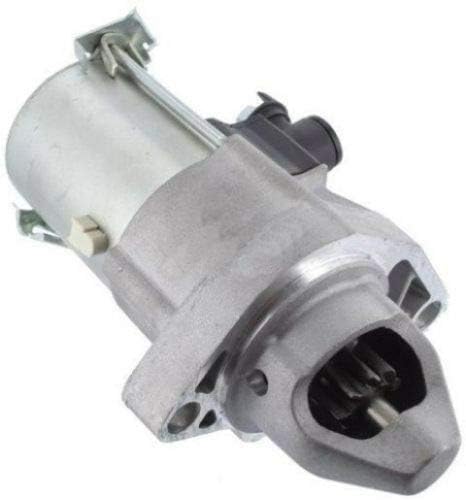
4. ESellSimple Replacement Starter for Honda Civic 2006–2011, 12V 1.2kW PMGR
| Voltage | 12 Volts |
|---|---|
| Wattage | 1.2 KW |
| Amperage | 9 Amps |
| Gear type | Permanent-magnet gear-reduction (PMGR) |
This replacement starter provides a direct-fit option for 2006–2011 Honda Civic vehicles using a 12 volt, 1.2 kW permanent-magnet gear-reduction (PMGR) design with a 9-tooth pinion. It is typically used as a like-for-like swap when an existing starter fails and is intended for DIY installation or professional replacement. The gear-reduction design delivers higher torque at cranking speed while keeping the unit compact, which helps in tight engine bays. Notable features include the 9-tooth gear and a specification that matches common Civic starter requirements, so electrical and mechanical compatibility is straightforward when the part number aligns. Practical benefits are a lower-cost option compared with dealer parts and a design that balances starting power and size. Limitations include minimal manufacturer detail on long-term durability and a lack of bundled hardware or extended support information, so buyers should verify fitment and consider professional installation if unsure about connectors or mounting alignment.
Best for: Buyers looking for an affordable, straightforward replacement starter for a 2006–2011 Honda Civic who prioritize matching factory starting performance while keeping repair costs low.
Less Ideal for: Drivers seeking a long-term factory-backed unit with comprehensive warranty coverage or those wanting premium remanufactured starters with detailed support should consider other options.
- Direct-fit design specified for 2006–2011 Honda Civic models
- Permanent-magnet gear-reduction (PMGR) offers higher torque in a compact unit
- Matches common electrical specs at 12 volts and 1.2 kW
- Lower-cost replacement compared with factory dealer starters
- Limited manufacturer information on long-term reliability and support
- No mention of included installation hardware or detailed fitment instructions
Verdict: A cost-conscious, direct-fit PMGR replacement that restores reliable starting for 2006–2011 Honda Civics without the premium dealer price.
5. BDELI 17958N Starter Motor for 2006–2011 Honda Civic 1.8L (Automatic)

| Model | 17958N |
|---|---|
| Amperage | 16 Amps |
| Wattage | 3 KW |
| Material Type | Metal |
This BDELI 17958N starter is a direct replacement for the 2006–2011 Honda Civic 1.8L with automatic transmission and is intended to restore reliable engine cranking after a failed unit. It installs like a factory-style starter and includes standard terminals and mounting locations that match the original part numbers listed. The unit is manufactured in ISO 9001 and IATF 16949 certified facilities and each starter is subjected to professional bench testing, which helps reduce the risk of early failures. With a 16 amp rating and 3 kW output it provides the electrical capacity needed for consistent starts under normal conditions. Buyers should expect typical installation procedures and may want a professional install if access is tight. The product comes with a one-year manufacturer replacement which offers quick support if a defect appears. This starter is a practical option for someone replacing a dead starter on these Civic models, but it is only specified for automatic transmission versions so check fitment before ordering.
Best for: Drivers who prioritize a dependable factory-style replacement and want a tested, certified starter to restore consistent starting performance on a 2006–2011 Civic 1.8L automatic.
Less Ideal for: Owners of manual-transmission Civics or those who need a high-performance or modified drivetrain starter should look for alternatives designed for those applications.
- Direct-fit replacement for 2006–2011 Honda Civic 1.8L automatic transmissions
- Manufactured in ISO 9001 and IATF 16949 certified facilities
- Every unit bench tested for quality control
- One-year manufacturer replacement for issues
- Compatible only with automatic transmission versions of the 1.8L Civic
Verdict: Choose this starter if you want a professionally tested, factory-style replacement to reliably restore starting on a 2006–2011 Civic 1.8L with automatic transmission.
6. Boatrip Replacement Starter Motor for Honda Civic 1.8L (2006–2011)

| Voltage | 12 Volts |
|---|---|
| Power Rating | 1.2 kW |
| Tooth Count | 9 |
| Rotation | CW |
This Boatrip starter is a direct-replacement style unit built to match the factory fit and crank of the Honda Civic L4 1.8L from 2006 to 2011. It installs like a standard PMGR starter and is used the same way as the original: mount, connect the battery and solenoid wiring, and torque the bolts to spec. Notable features include a 1.2 kW power rating, nine-tooth pinion and clockwise rotation that match the listed OEM part numbers. In practice it offers reliable cold and warm starts for drivers who need an affordable fix for a failed or tired starter. The product has many positive customer reports of straightforward installation and consistent starting performance, and the brand provides a two-year replacement warranty. Downsides to be aware of are mixed longevity reports from some buyers and occasional fitment issues when part numbers are not double-checked, so confirm your vehicle part number before buying.
Best for: Buyers who want a budget-friendly, factory-style replacement that has broad positive user feedback and prefer a product with a two-year replacement policy.
Less Ideal for: Drivers who prioritize long-term dealer or premium-brand assurance over cost savings or those unwilling to verify part numbers and vehicle compatibility before fitting.
- Designed to match Honda part numbers for direct fit on Civic 1.8L (2006–2011)
- 1.2 kW, 12V PMGR unit provides strong crank for cold starts
- Many users report easy installation with no modifications required
- Includes a two-year replacement warranty from the brand
- Some customer reports cite early failures or inconsistent longevity
- Fitment depends on confirming the exact part number before purchase
Verdict: A cost-effective, factory-fit replacement starter for 2006–2011 Honda Civic 1.8L drivers who value positive user reviews and a two-year replacement policy.
7. Grezuton Replacement Starter for 2006–2011 Honda Civic 1.8L

| Voltage | 12 Volts |
|---|---|
| Power Rating | 1.2 KW |
| Rotation | CW |
| Number of Teeth | 9T |
This Grezuton starter is a direct-fit replacement designed for 2006–2011 Honda Civic 1.8L engines. It replaces common Honda part numbers and aftermarket equivalents and delivers a 1.2 kW, 12V starting output with a clockwise rotation and nine teeth on the pinion. Typical use is straightforward: remove the failed unit and install this starter in the factory location to restore reliable engine cranking. Notable features include a metal construction, compatibility with many OEM reference numbers, and an advertised one-year replacement guarantee. For a risk-averse buyer, the unit’s broad fitment notes and familiar reference numbers make confirming compatibility easy, and customer reports show consistent starting performance and simple installation. Limitations are that it is an aftermarket unit rather than a factory-branded assembly and long-term durability depends on installation and vehicle electrical condition. Also confirm exact fit with the vehicle confirmation tool before purchase to avoid returns.
Best for: Buyers who prioritize a straightforward, well-documented replacement that restores dependable starting without extensive modification and who want clear part-number matches for easy confirmation.
Less Ideal for: Anyone seeking a factory-branded starter or a performance-upgraded unit for modified engines should look at other options tailored to those priorities.
- Direct-fit for 2006–2011 Honda Civic 1.8L with matching reference part numbers
- Rated 12V and 1.2 kW for reliable cranking power
- Metal construction for robust mechanical strength
- Includes common aftermarket equivalents, simplifying part matching
- Aftermarket unit rather than OEM branded assembly which may affect buyer confidence
Verdict: A practical, direct-replacement starter that restores reliable starting for 2006–2011 Honda Civic 1.8L drivers who want a straightforward, part-number-matched swap.
Choosing the Right 2006-2011 Honda Civic Starter Motor: Key Factors to Consider
Mechanical Fitment and Mounting
Correct mechanical fitment is fundamental for a smooth replacement on the 2006-2011 Civic. The starter must match the bolt pattern, nose housing length, and pinion alignment so the starter gear meshes cleanly with the flywheel ring gear. Improper fitment can cause grinding, premature tooth wear, and stress on the starter housing.
Measure or verify mounting flange dimensions, starter nose length, and bolt-hole spacing against the Civic's specifications. Also check the housing style because some starters sit deeper in the bellhousing and require the correct shims or spacer design. Ensuring proper fit minimizes installation headaches and reduces the chance of early failure caused by misalignment.
Electrical Compatibility and Current Draw
A starter that meets the Civic's electrical requirements avoids overloading the wiring and battery. Key items are terminal type and placement, solenoid activation voltage, and the starter's rated current draw. High current draw can cause dimming lights, slow cranking, or stress on the battery and alternator.
Confirm the starter's terminal layout matches the vehicle harness to prevent splicing or adapter use that can introduce resistance. Also consider the cold-cranking performance and how the unit behaves under low-voltage conditions, since many failures are noticed on cold starts. Matching electrical characteristics helps ensure reliable engagement without unintended electrical issues.
Drive Type and Gear Reduction
Starters can use direct drive or gear reduction designs, and the choice affects torque, size, and longevity. Gear reduction starters provide higher torque at lower RPMs, which helps in low-temperature starts and on worn flywheels, while direct drive units tend to be simpler and sometimes lighter.
For the 2006-2011 Civic, consider whether the replacement preserves the original drive type to maintain expected engagement characteristics. Gear quality, pinion tooth design, and clutch mechanisms also influence engagement smoothness and resistance to backlash. A compatible drive type reduces noise, improves durability, and matches the Civic's starting behavior.
Solenoid Reliability and Engagement Behavior
The solenoid both engages the starter pinion and closes the heavy current circuit. Solenoid failures cause common symptoms like a single click or no-crank conditions. A reliable solenoid design with protected contacts and proper travel minimizes intermittent starts and reduces the risk of welds or pitting that prevent engagement.
Check for sealed or heat-resistant solenoid housings and firm engagement travel in technical specs. Units with replaceable solenoids or documented service procedures add value for long-term ownership. Since solenoid problems are a frequent cause of starter issues, prioritize starters with robust solenoid designs to reduce repeat repairs.
Durability, Bearings, and Internal Components
Internal component quality determines how long a starter will last under normal driving conditions. Bearings, brushes, commutators, and winding insulation should be specified or described in a way that indicates resistance to heat and wear. Poor internal parts shorten service life especially in stop-start driving or corrosive environments.
Look for heavy-duty bearings, quality brush assemblies, and commutator maintenance notes where available. Units designed with replaceable wear components allow lower-cost service later. Overall durability projections help you choose a starter that matches expected mileage and driving patterns for the Civic.
Ease of Installation and Serviceability
A starter that is straightforward to install reduces labor time and the chance of installation errors. Consider factors such as access to mounting bolts, whether special tools are required, and whether the starter requires additional shims or bracket work. For the 2006-2011 Civic, limited engine bay space can make certain designs more challenging to install.
Serviceability also matters: starters with accessible brushes or replaceable solenoids extend the unit's useful life and lower long-term ownership costs. Clear instructions, labeled terminals, and included hardware are practical conveniences that make the replacement less stressful for DIYers and technicians alike.
Common Starter Motor Symptoms on the 2006-2011 Civic
Owners of the 2006-2011 Civic commonly report a handful of starter-related symptoms before a full failure. Typical signs include a rapid clicking noise when turning the key, a dead motor with no crank, or slow and labored cranking especially in cold conditions. Electrical issues like dimming dash lights during start attempts often accompany a failing starter.
Recognizing these symptoms early helps you avoid getting stranded and guides the diagnostic sequence. Distinguish starter failures from battery or charging problems by checking battery voltage, connections, and by verifying whether the starter receives full activation voltage at the terminal.
- Rapid clicking noise at ignition is often a weak solenoid or poor battery connection
- Slow cranking can indicate high current draw or worn internal components
- Intermittent no-crank may point to solenoid engagement problems
- Grinding during engagement suggests pinion or flywheel tooth damage
How to Test a Starter on This Civic
Before replacing the starter, perform a few diagnostic checks. Start with battery health and terminal cleanliness, then confirm voltage under load while attempting to crank. If the battery and cables are good, verify that the starter is receiving the correct activation voltage at the solenoid terminal when the key is turned.
Bench testing the starter is an option when removed: secure the unit, apply battery voltage to the correct terminals, and observe pinion extension and motor spin. If the starter spins without the pinion engaging or makes unusual noises, internal wear or solenoid faults are likely. Always follow safety precautions and remove the starter from the vehicle before conducting high-current bench tests.
- Check battery voltage and load before condemning the starter
- Inspect battery cables and ground straps for corrosion or looseness
- Confirm solenoid activation voltage at the terminal with a multimeter
- Perform a bench test for spin and pinion engagement if removed
Preparing for Starter Motor Replacement
Gather the correct replacement unit, basic hand tools, and safety equipment before starting. For many 2006-2011 Civic jobs you will need socket sets, extension bars, and possibly a torque wrench to ensure proper bolt tightening. Disconnect the negative battery terminal first to avoid shorts when disconnecting the starter wiring.
Make note of the wiring harness orientation and take photos to help during reassembly. Replace mounting bolts if they are corroded or show thread damage. If the vehicle has high mileage, consider inspecting the flywheel ring gear for damage while the starter is out.
- Disconnect battery negative before beginning work
- Label or photograph wiring to ensure correct reinstallation
- Have replacement hardware and any recommended shims ready
- Inspect flywheel ring gear access while starter is removed
Common Starter Solenoid Problems and Fixes
Solenoid issues are a frequent failure mode and can present as a single click or intermittent starts. Problems often arise from pitted contacts, weak plungers, or water and heat exposure that degrade electrical connections. In some cases the solenoid can be serviced or replaced without changing the entire starter if the design allows.
When diagnosing solenoid faults, verify that the activation circuit and ignition switch are functioning properly. If the solenoid is accessible and serviceable, cleaning contacts or replacing the plunger and return spring can restore function. If the solenoid is integral and not serviceable, a full starter replacement is the safer long-term repair.
- Pitted contacts can prevent proper high-current closure
- Weak plunger or spring may not fully engage the pinion
- Water intrusion and heat accelerate solenoid wear
- Service or replacement depends on solenoid accessibility
Tools and Tips for a Smooth DIY Installation
A careful approach shortens the job and reduces the chance of mistakes. Use penetrating lubricant on stubborn bolts before removal and a magnetic tray to keep fasteners organized. Work from the recommended service manual steps for the 2006-2011 Civic to avoid missing retaining clips or brackets.
If access is tight, a swivel socket or universal joint can speed removal of the lower mounting bolt. After installing the new starter, double-check electrical connections for tightness and corrosion-free contacts, then torque mounting bolts to the factory specification to prevent shifting under load.
- Use penetrating oil on corroded fasteners before attempting removal
- Magnetic trays or labeled bags prevent lost hardware
- Swivel sockets help access awkward bolt angles
- Torque mounting bolts to factory spec after installation
Still looking for the perfect fit?
Select your Honda Civic configuration to see the most relevant Starter Motors recommendations
How We Chose the Best 2006-2011 Honda Civic Starter Motor
We focused on specifications and real-world durability factors that matter specifically for the 2006-2011 (FA and FG) Honda Civic. Primary evaluation criteria included mechanical fitment, electrical compatibility, and starter gear engagement. Fitment checks ensured bolt pattern, pinion alignment, and thread sizes match the Civic bellhousing and flywheel interface. Electrical compatibility covered pin count, terminal placement, and current draw to avoid overstressing the wiring or battery.Durability and serviceability were next: we prioritized units with robust bearings, heat-resistant windings, and replaceable brush or solenoid components where applicable. Noise and engagement behavior were evaluated indirectly by considering design features that reduce grinding and click-starts. We also considered warranty coverage and documented field lifespans as indicators of long-term reliability.Exclusions: we excluded remanufactured cores with unknown refurbishment standards and units lacking clear compatibility data for the 2006-2011 Civic. Filters applied: confirmed fitment to the FA and FG chassis, explicit electrical terminal matching, acceptable current specifications, and demonstrable durability features. The final list balances correct fit, dependable engagement, and realistic service life for this vehicle.
Our full evaluation process is outlined in our review methodology.
FAQ
What are the most common starter motor symptoms on a 2006-2011 Civic?
Common symptoms include rapid clicking when turning the key, slow or labored cranking, intermittent no-crank events, and grinding during engagement. These signs often point to solenoid issues, worn internal parts, or misalignment with the flywheel.
How do I test whether the starter or the battery is the problem?
Start by checking battery voltage and load during a crank attempt. Clean and tighten battery terminals and ground straps. If the battery holds voltage and the starter still does not receive full activation voltage at the solenoid, the starter or its wiring is likely at fault.
Can I replace the starter on my 2006-2011 Civic myself?
Many owners can perform the replacement with basic hand tools, vehicle support, and a service manual. Key steps include disconnecting the battery, documenting wiring positions, and ensuring proper torque on mounting bolts. Tight engine bay access can make the job more challenging for some people.
Are solenoid problems repairable without changing the whole starter?
Sometimes. If the solenoid is a serviceable subcomponent with replaceable contacts or a removable plunger, it can be repaired. When the solenoid is integral or heavily damaged, replacing the entire starter is usually the more reliable option.
What should I inspect while the starter is removed from the Civic?
Inspect the flywheel ring gear teeth for wear or damage, check the starter mounting surface for flatness and corrosion, and examine wiring terminals and grounds. Also inspect the starter housing and bellhousing for signs of oil contamination that could indicate other issues.
How long should a replacement starter last on this Civic?
Lifespan varies with driving habits and environment, but a quality starter installed correctly often lasts many years under normal use. Heavy stop-start driving or exposure to heat and moisture can shorten service life, while proper installation and electrical compatibility help maximize durability.
Final Verdict
Focus on fitment, electrical matching, and solenoid reliability when choosing a starter for the 2006-2011 (FA and FG) Civic. Prioritize units that replicate the original drive type, have clear terminal layouts, and include durable internal components to avoid early failures. Balance ease of installation and long-term serviceability against durability features to choose the best starter for your driving conditions and maintenance preferences.In most cases, correct fit and solid electrical compatibility will give you dependable starts and minimize repeat repairs. Use the evaluation factors above to select a starter that meets the Civic's mechanical and electrical needs and provides trouble-free operation over time.
Explore More:
- Check out all Honda Civic parts & accessories
- Explore Starter Motors Maintenance & Repair Guides
- Explore Electrical System
- Browse all Auto Parts
