

Note: This article contains affiliate links. If you click on these links and make a purchase, I may earn a small commission at no extra cost to you. This helps support my research and content. Read my full affiliate disclosure here.
What You’ll Need
A quick look at the tools and supplies commonly used for this job.
Tools
Parts & Supplies
- Replacement sway bar bushings
- Replacement sway bar bracket hardware if needed
- Silicone-based bushing grease if specified by the manufacturer
- Shop rags
- Penetrating oil
- Paint marker or chalk
This article is part of our Suspension and Steering Maintenance & Repair Guides.
Bad sway bar bushings can cause clunking over bumps, vague handling, and a front or rear suspension that sounds looser than it should. The good news is that these bushings are usually straightforward to inspect if you know what symptoms to compare and where to look.
A sway bar, also called an anti-roll bar, helps control body lean in turns by linking the left and right suspension. The bushings hold that bar securely to the chassis while still allowing it to twist. When the rubber dries out, cracks, shrinks, or wears through, the bar can shift and knock against its mounts.
This guide walks you through a DIY diagnostic process so you can tell whether the bushings are actually at fault, whether the noise is coming from sway bar links or another suspension part, and when replacement is the smart next step.
What Bad Sway Bar Bushings Usually Feel and Sound Like
Worn sway bar bushings usually show up first as a light clunk, dull knock, creak, or rubbery squeak when driving over small bumps, driveway entrances, potholes, or uneven pavement. The noise often seems to come from low in the suspension and may be more noticeable at slower speeds when the chassis is twisting.
You may also notice that the vehicle feels less settled in corners. Bushings do not usually create dramatic steering pull on their own, but they can allow extra body roll, delayed response, or a loose feeling during lane changes.
- Clunking or knocking over bumps, especially one-wheel bumps
- Squeaking or groaning from the front or rear suspension area
- Slightly increased body roll in turns
- A loose or shifting feeling during low-speed cornering
- Noise that changes with temperature because cold rubber gets stiffer and hardened rubber gets louder
If the bushings are badly worn, the sway bar may slide side to side in its brackets or contact nearby metal. That creates a more obvious, repeatable knock. Still, similar symptoms can come from end links, control arm bushings, strut mounts, ball joints, or loose brake hardware, so inspection matters.
Safety and Preparation Before You Start
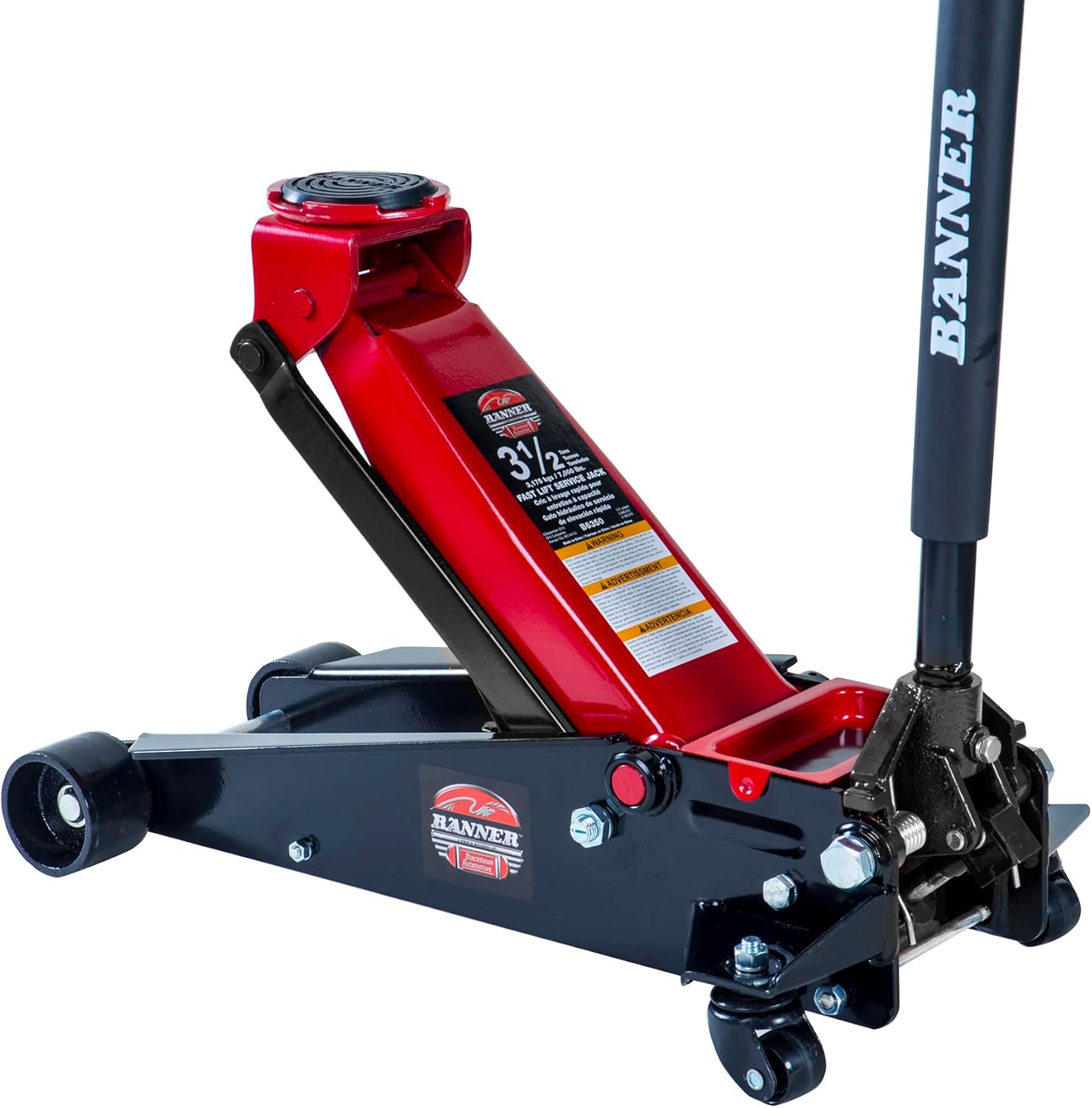
Before doing any checks under the vehicle, park on a flat surface, set the parking brake, chock the wheels, and use proper jack points. Never rely on a floor jack alone when you need to get under the car.
If you are chasing a front-end noise, remember that several components live close together. A careful inspection in good light will save time and help you avoid replacing the wrong part.
Best Setup for an Accurate Inspection
- Use a flashlight so you can see cracks, dry rot, and shiny metal contact marks.
- Inspect both sides because one bushing may be worse than the other.
- If possible, compare the suspect bushing to the opposite end of the same sway bar.
- Keep a pry bar handy for checking movement, but use light force to avoid damaging parts.
Understand the Difference Between Bushings and Sway Bar Links
One of the most common mistakes is confusing sway bar bushing problems with sway bar link problems. The bushings mount the bar to the body or subframe. The links connect the bar to the suspension, usually the strut or control arm.
Both can clunk, and both can affect cornering feel. But link failures often make a sharper metallic rattle, especially when the link ball joints are loose. Bushing issues are more likely to create a duller thump, squeak, or shift sensation as the bar moves inside its mounts.
Quick Clues That Point More Toward Bushings
- Rubber at the sway bar mounts looks cracked, flattened, split, or oil-soaked.
- The bar can be moved inside the bracket area.
- You see polished or shiny spots on the bar where it has been rubbing.
- Noise seems to come from the center mounting area rather than the outer ends.
Quick Clues That Point More Toward Links
- The outer ends of the bar are noisy near the struts or control arms.
- A link joint has visible play or a torn dust boot.
- The link rattles when shaken by hand.
- Noise is sharper and more metallic than rubbery or dull.
Tools That Make This Job Easier


Road Test Checks That Help Confirm the Problem
A short road test can help narrow the source before you lift the vehicle. Drive with the radio off and windows cracked open if traffic conditions allow. Listen for when the sound happens, what type of bump triggers it, and whether it changes when the vehicle is cold or fully warmed up.
What to Pay Attention to During the Drive
- Drive slowly over small, uneven bumps one side at a time, such as angled driveway entries.
- Listen for a clunk when one wheel rises and the chassis twists.
- Make a few controlled low-speed turns in a parking lot and note excessive body lean or a shifting sensation.
- Drive over a rough patch at low speed and note whether the noise seems centered or near one corner.
- If temperatures are low, note whether the sound is worse during the first few minutes of driving.
Sway bar bushing noise often appears most clearly when one side of the suspension moves more than the other. Straight-on speed bumps may be less revealing than offset bumps that twist the body.
Visual Inspection of the Sway Bar Bushings
With the vehicle safely supported, locate the sway bar where it mounts to the frame, body, or subframe. Each mounting point will typically have a metal bracket wrapped around a rubber bushing. Some bushings are split for installation, and that seam is normal. What is not normal is separation, missing chunks, severe flattening, or obvious slop around the bar.
What a Healthy Bushing Should Look Like
- Rubber looks intact and evenly shaped around the bar.
- The bracket sits squarely and tightly over the bushing.
- There are no shiny impact marks around the mount.
- The bar appears centered left to right.
Signs the Bushing Is Likely Worn Out
- Cracks, splits, or chunks missing from the rubber
- Rubber that looks dried out, compressed, or oval-shaped
- Gaps between the bar and the bushing surface
- Rust polishing or bare shiny metal on the bar near the mount
- The bracket or surrounding mount shows witness marks from movement
If oil or grease has been leaking onto the bushing, the rubber may soften, swell, or degrade faster. Fixing the leak matters too, or a new bushing may fail early.
Hands-On Movement Test
After the visual inspection, use your hands and then a pry bar to check for excess movement. The sway bar should not rattle around loosely in the bushing mount. It will twist as part of normal operation, but obvious free play or side-to-side shift at the bushing area usually indicates wear.
How to Check Movement
- Grab the sway bar near the bushing and try to move it up, down, and side to side by hand.
- Compare movement at both mounting points.
- Use a pry bar gently between the bar and nearby structure to load the bushing slightly.
- Watch for the bar lifting or knocking inside the bushing instead of only twisting.
- Listen for the same clunk or squeak you heard on the road.
A small amount of elastic rubber deflection is normal. What you are looking for is clear free play, a knocking sensation, or visible separation between the bar and the bushing surface.
If the bushing seems tight but the noise remains, move outward and inspect the sway bar links next. Many DIYers replace center bushings only to find the actual looseness was in the link joints.
Check for Side-to-Side Bar Shift
On many vehicles, the sway bar should remain roughly centered. If the bushings wear enough, the bar may slide laterally. This can create a knock during turns or suspension travel and may even let the bar contact a control arm, frame section, or other nearby component.
Simple Centering Check
- Use a paint marker or chalk to mark the position of the bar near each bushing.
- Measure or visually compare how much bar extends on each side if the design allows.
- After a short drive, recheck whether the marks have shifted.
- Look for fresh rub marks where the bar may be contacting metal.
Some sway bars use locating rings or formed bends that naturally limit movement, so check the design before assuming any offset is a problem. But if the bar has clearly migrated and the bushings are worn, replacement is usually justified.
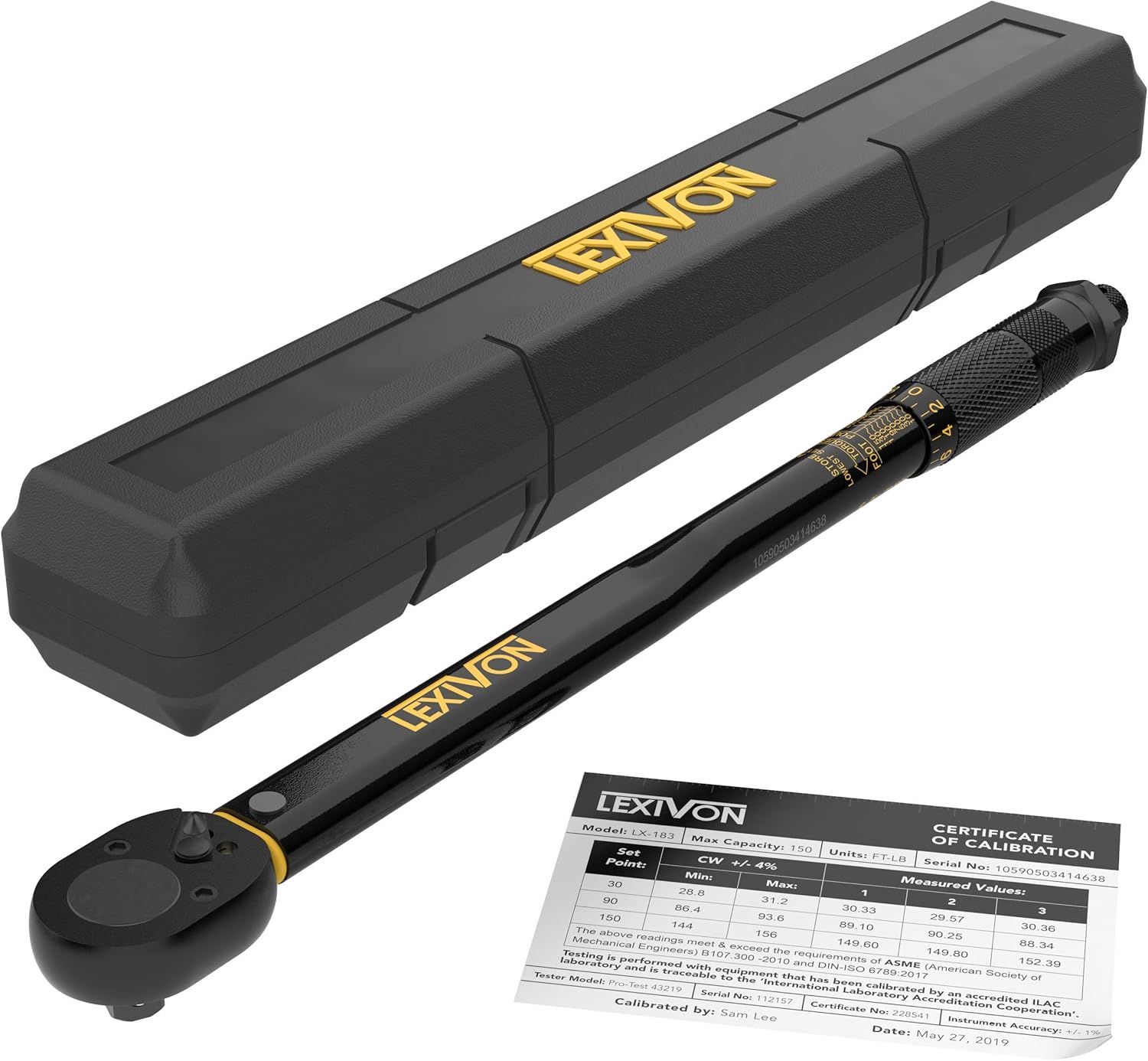
Recommended Tools for This Job


How to Rule Out Other Suspension Noises
A proper diagnosis means actively ruling out other parts. Front and rear suspension noises can echo through the body, making the sound seem like it is coming from the sway bar when it is not.
Other Components That Can Mimic Bad Sway Bar Bushings
- Sway bar end links with loose ball joints or worn grommets
- Control arm bushings with cracking or separation
- Ball joints with play
- Strut mounts or shock mounts that clunk on rebound
- Loose brake caliper hardware or pads shifting in the bracket
- Tie rod ends or steering rack play
- Exhaust parts or splash shields contacting the body
If you can reproduce the noise while someone rocks the vehicle side to side, place a hand carefully on suspected components one at a time with the engine off and the vehicle stationary. A worn part will sometimes transmit a distinct knock you can feel.
Also check torque on accessible sway bar bracket bolts and link fasteners if you suspect recent repair work. A loose bracket can imitate a failed bushing.
When the Bushings Are Bad Enough to Replace
Replacement is usually warranted when the bushing has visible cracking, flattening, or looseness and the symptoms match. You do not need to wait until the noise becomes severe. Once the bar can move too much inside the mount, handling precision and ride quality both suffer.
Strong Replacement Indicators
- Visible damage to the rubber
- Definite free play at the bushing mount
- Fresh metal-to-metal contact marks
- Repeatable clunk or squeak traced to the mount area
- The opposite side is also aged, hardened, or compressed
It is usually best to replace sway bar bushings in pairs on the same bar. If the bushings are original and one is clearly worn, the other is often not far behind. Check the sway bar links at the same time, especially on higher-mileage vehicles.
Replacement Tips That Prevent Repeat Problems
If your diagnosis confirms bad sway bar bushings, make sure the replacement bushings match the exact sway bar diameter. Many bars vary by trim level, suspension package, or drivetrain, and a few millimeters matters. Installing the wrong size can create immediate looseness or make installation nearly impossible.
Important Installation Notes
- Measure the sway bar or confirm the diameter by VIN or manufacturer specification.
- Clean rust and debris from the bar before installing new bushings.
- Use only the lubricant specified for the bushing material if lubrication is required.
- Do not over-grease rubber bushings unless the part instructions specifically call for it.
- Torque bracket bolts evenly and to specification.
Some aftermarket polyurethane bushings are more durable but may transmit more noise and often require special grease to prevent squeaking. For a daily driver where comfort matters, OE-style rubber is often the quieter choice.
What Happens If You Keep Driving With Bad Sway Bar Bushings
Mildly worn sway bar bushings usually do not create an immediate safety emergency the way a severely worn ball joint can, but they should not be ignored. As the bushings deteriorate, the bar loses effectiveness, the noise gets worse, and the bar can begin contacting metal parts or stressing the links.
You may notice more body roll, more suspension noise, and reduced confidence in quick transitions or emergency lane changes. If the bar shifts far enough, secondary damage to brackets, links, or nearby components can follow.
Key Takeaways
- Bad sway bar bushings usually cause dull clunks, squeaks, or looseness over uneven bumps rather than a constant noise.
- Confirm the diagnosis with both a visual inspection and a movement test, not sound alone.
- Look for cracking, flattening, bar movement, and shiny witness marks around the mounting brackets.
- Rule out sway bar links and nearby suspension parts before replacing bushings.
- Replace bushings in matched pairs and verify the exact sway bar diameter before ordering parts.
FAQ
Can Bad Sway Bar Bushings Cause a Clunk Only when Going Over Small Bumps?
Yes. That is a very common pattern. Small offset bumps, driveway entrances, and rough low-speed pavement often load the sway bar enough to make a worn bushing knock, squeak, or shift.
Do Bad Sway Bar Bushings Affect Alignment?
Not directly in the same way as worn control arms or tie rods. However, they can make the vehicle feel less stable and increase body roll, which may be mistaken for an alignment issue.
How Do I Know if the Noise Is the Sway Bar Link Instead of the Bushing?
Links usually make noise closer to the outer ends of the sway bar and often have obvious joint play or torn boots. Bushings are mounted at the center brackets, and failures there usually show cracked rubber, looseness around the bar, or shiny rubbing marks.
Can I Spray Lubricant on Sway Bar Bushings to Stop the Noise?
A spray may temporarily change the noise, but it is not a real fix for worn or hardened bushings. Some lubricants can also damage rubber or attract dirt. Replace the bushings if they are cracked, loose, or compressed.
Is It Safe to Drive with Bad Sway Bar Bushings?
The vehicle is often still driveable in the short term, but handling can become looser and the noise usually gets worse. It is best to repair them before they cause extra wear to links, brackets, or the sway bar mounting area.
Should Sway Bar Bushings Be Replaced in Pairs?
Yes. Replacing both bushings on the same sway bar is the usual best practice because the opposite side is normally similar in age and wear.
Can Cold Weather Make Sway Bar Bushing Noise Worse?
Yes. Cold temperatures can make aged rubber stiffer and more likely to squeak or knock. If the noise is strongest during the first part of your drive, hardened bushings are a strong possibility.
Will Bad Sway Bar Bushings Cause Tire Wear?
They typically do not cause a distinct tire wear pattern by themselves. Uneven tire wear is more often linked to alignment, shocks, struts, ball joints, or control arm problems, though poor stability from worn bushings can still contribute to an unsettled feel.
Need Parts for This Repair?
The right parts and supplies vary by vehicle.
Select your make and model to find compatible parts and accessories for your car.
Exact Fit
Parts that fit your make and model
Quality You Can Trust
Top brands and OEM quality options
Fast Shipping
Get the parts you need, delivered fast